



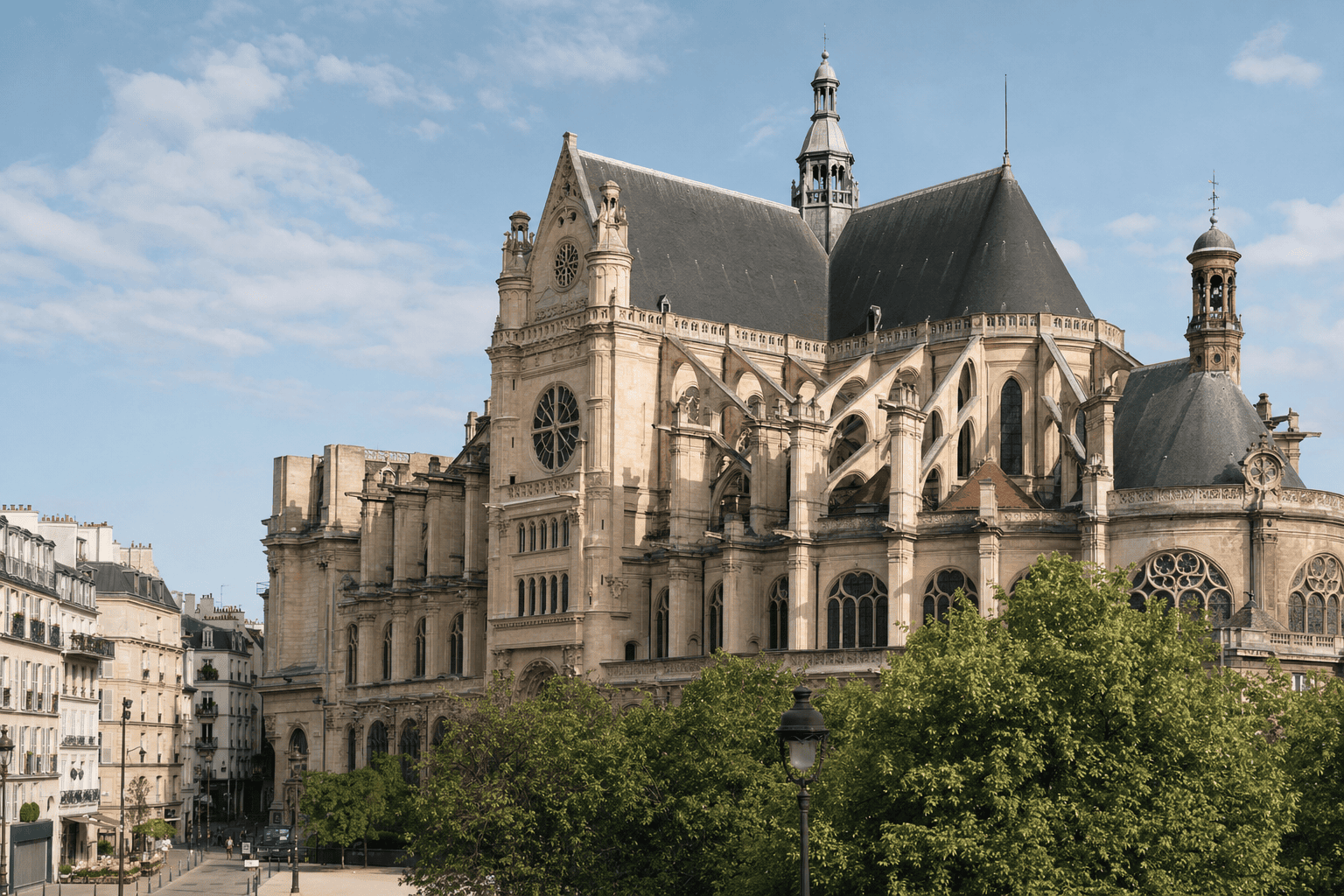
Saint-Eustache Church: a masterpiece in Les Halles
Paris
In the heart of the Les Halles district, Saint-Eustache Church combines a Gothic structure, Renaissance-inspired decoration, and later additions. Begun in the 16th century, it preserves the memory of Paris’s central market while housing works from very different periods, including paintings attributed to Rubens and Tintoretto, as well as Keith Haring’s contemporary triptych. Its imposing nave, chapels, and grand organ make it worth a stop of about thirty minutes to an hour. The visit fits easily into a walk between the Nelson-Mandela Garden, Rue Montorgueil, the Louvre, and the Centre Pompidou.
Practical information
First take in the façade and the building’s scale from Nelson-Mandela Garden, then go inside at an unhurried pace. Check the on-site instructions before taking photographs, and keep areas needed for worship clear.
Getting to Saint-Eustache from Paris
Booking Paris Transfer can arrange private transportation from a Paris hotel, train station, Paris-Charles-de-Gaulle, or Paris-Orly to central Paris. The service covers transportation only and does not include admission tickets. To avoid the narrow, busy streets around Les Halles, the driver can drop you at a suitable nearby location, depending on traffic conditions. A return to Paris, your hotel, or an address in the Île-de-France region can also be arranged.
Transportation service departing from Paris, Paris hotels, CDG, or ORY, with return service available to Paris and the Île-de-France region. Check access conditions with the parish.
A church linked to the former Les Halles market
Saint-Eustache’s history is closely tied to that of Les Halles. An initial chapel stood in this medieval area, which gradually became one of Paris’s major commercial centers. The present building was begun in the 16th century, with its foundation stone traditionally dated to 1532. Construction continued over several generations, explaining the mix of architectural solutions and decorative styles visible today.
Over the centuries, the church accompanied the daily lives of merchants, craftspeople, local residents, and customers of the central market. It also preserves the memory of several literary figures: Molière was baptized there and Jean de La Fontaine was buried there, although changes to the neighborhood have altered the landscape around the monument. The relocation of Les Halles to Rungis, followed by the creation of the Forum, the Canopée, and Nelson-Mandela Garden, transformed the views. Saint-Eustache remains a witness to the long evolution of the heart of Paris.
Architecture between Gothic and Renaissance
Saint-Eustache’s first impression is one of remarkable scale. Its nave, transept, and vaults create a strong sense of height, while light filters through the chapels and bays. The structure retains a Gothic character in its elevation, arches, and vaults, while several compositional and decorative details reflect Renaissance influence.
Later additions further transformed the building. The west façade, in particular, bears traces of difficulties encountered throughout the building’s history and of work carried out after the initial construction. The south tower was left unfinished, an easily visible feature from outside. To understand this composite architecture, begin by taking in the building from Nelson-Mandela Garden, then go inside and compare the façade, the depth of the nave, and the succession of chapels. The differences in style then become a true reading of the monument’s history.
Paintings, chapels, and contemporary art
Saint-Eustache deserves more than a quick stop between two visits. The side chapels, murals, stained-glass windows, sculptures, and woodwork create a highly varied artistic journey. Among the most notable works are The Pilgrims of Emmaus by Rubens and The Adoration of the Shepherds, traditionally attributed to Tintoretto. As always in an active place of worship, the visibility of some works may depend on services or conservation work.
The Saint Vincent de Paul Chapel provides a striking contrast with Keith Haring’s gilded bronze triptych, The Life of Christ. Installed in an historic religious setting, this contemporary creation shows that Saint-Eustache continues to engage with artists of its time. Take time to look up toward the upper reaches, then return to the details nearby: changes in scale and material are an important part of the experience. A respectful, quiet, attentive visit makes it easier to distinguish the different periods without reducing the church to a simple list of works.
The grand organ and the church’s musical identity
The grand organ, positioned above the entrance, is one of Saint-Eustache’s most impressive landmarks. Its size and position dominate the perspective of the nave. The instrument has a long history of alterations and maintenance, and its condition and features are technical matters regularly documented by the parish and specialists. It is therefore best to avoid simplified accounts of a possible fire and rely on official musical information.
The church’s musical reputation owes as much to the instrument as to the building’s expansive acoustics. Services, concerts, or organ recitals may be scheduled, with arrangements varying by date. If you would like to hear the organ, check Saint-Eustache’s schedule before coming rather than counting on an impromptu rehearsal. Outside an event, observing the gallery, the height of the vaults, and the stone surfaces is already enough to understand why this site holds an important place in Paris’s musical life.
The Charcutiers Chapel and professional heritage
The Saint Andrew Chapel is commonly known as the Charcutiers Chapel. The name refers to the presence of a confraternity and to the professional heritage associated with the food trades of the former Les Halles market. It should nonetheless be understood as a historical and devotional association, not proof that the entire chapel was designed exclusively for one profession. This distinction helps avoid oversimplifying the complex role of confraternities in Paris’s religious and social life.
The chapel’s decoration offers an original entry point into the history of the trades. It reminds us that Saint-Eustache’s heritage is not limited to royal commissions, major painters, or monumental architecture: it also preserves traces of professional communities and collective practices. Depending on visiting conditions, some details may be less visible or temporarily obscured. After visiting the church, cross Nelson-Mandela Garden to place this heritage in the present-day Les Halles landscape, profoundly transformed since the central market moved away.
Getting there from a train station or airport
From Gare du Nord, the simplest route is generally to reach the Châtelet–Les Halles hub by RER or metro, then continue on foot toward Impasse Saint-Eustache and Rue du Jour. From Gare de Lyon, the area is directly connected by RER A or metro, depending on the route; allow a short walk through the Les Halles district afterward. From Gare Montparnasse, Line 4 reaches the city center, with a convenient arrival in the Les Halles area. Routes and platforms may change, so check real-time service information.
From Paris-Charles-de-Gaulle, RER B toward central Paris followed by a connection at Châtelet–Les Halles is a well-known option, but luggage and rush hour may make a private transfer more comfortable. From Paris-Orly, metro Line 14 provides access to the center, subject to network conditions on the day. By car, do not try to drop off a group directly in front of the church: the streets are urban and very busy. Instead, arrange an authorized nearby drop-off point, then continue on foot.
Extend your walk around Les Halles
Saint-Eustache’s location makes it easy to create a cultural itinerary without relying on multiple forms of transportation. Nelson-Mandela Garden offers an unobstructed view of the church and a pleasant break after the visit. The Canopée and Forum des Halles showcase the neighborhood’s contemporary transformation, while Rue Montorgueil continues its commercial history with food shops, cafés, and restaurants. This combination is particularly suited to travelers who want to connect heritage, urban architecture, and gastronomy.
To the west, the Palais-Royal and the Louvre can be reached on foot along the central streets; to the east, the Centre Pompidou and the Marais offer another natural continuation. Urban history enthusiasts can compare old views of the Baltard pavilions with today’s landscape, while remembering that the central market has disappeared from this site. For a balanced half-day, begin at Saint-Eustache, take time to observe its details, then choose one major extension. This way, you avoid turning a rich interior visit into a simple stop between two monuments.
Useful sources
Frequently Asked Questions
What is the address of Saint-Eustache Church?
Is admission to Saint-Eustache free?
What can you see at Saint-Eustache?
How much time should I allow?
How do you get to the church from a Paris airport?
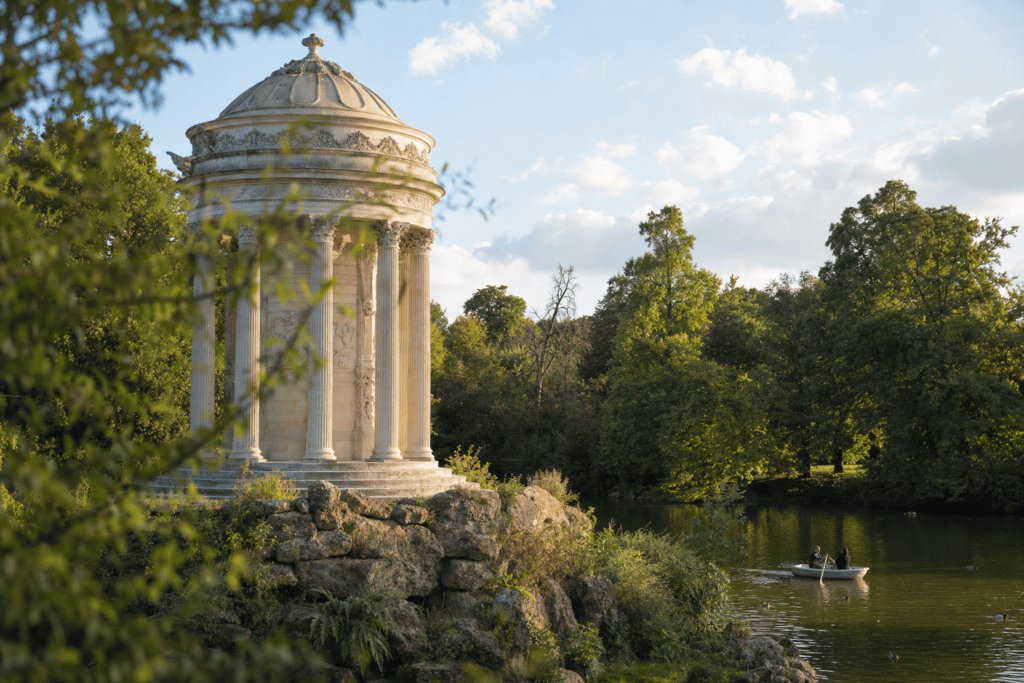 Bois de Boulogne A vast green space west of Paris, ideal for walking, cycling, exploring gardens, and…
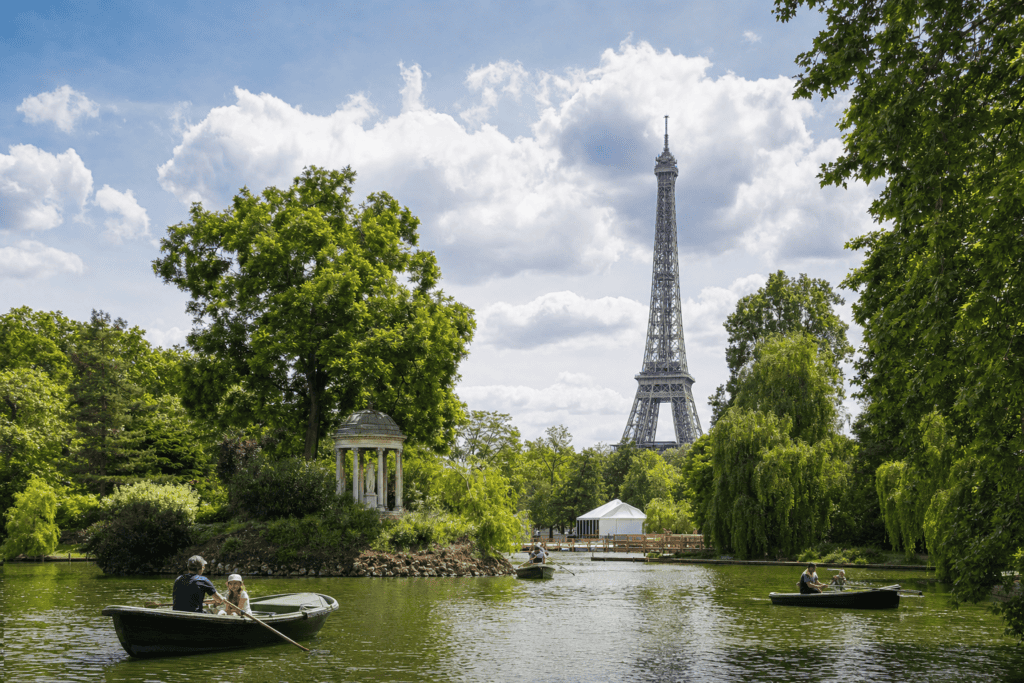 Jardin d’Acclimatation A historic Paris park with rides, animals, gardens, and a walk suitable for a flexible family outing…
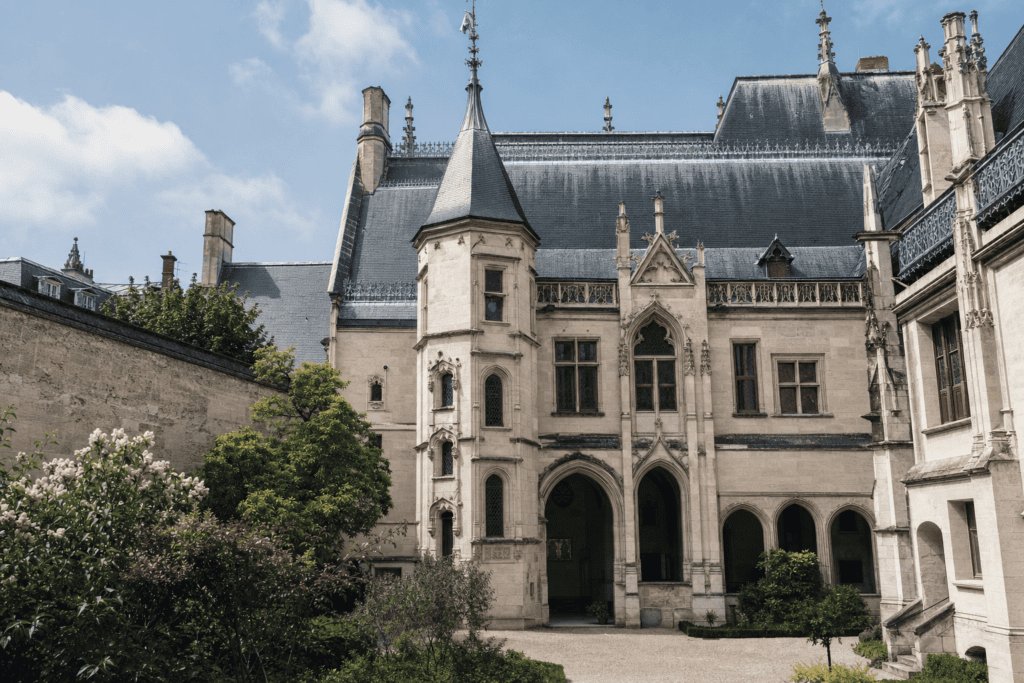 Cluny Museum A unique Paris museum where you can admire ancient Roman baths, the former Cluny abbots’ residence, and…
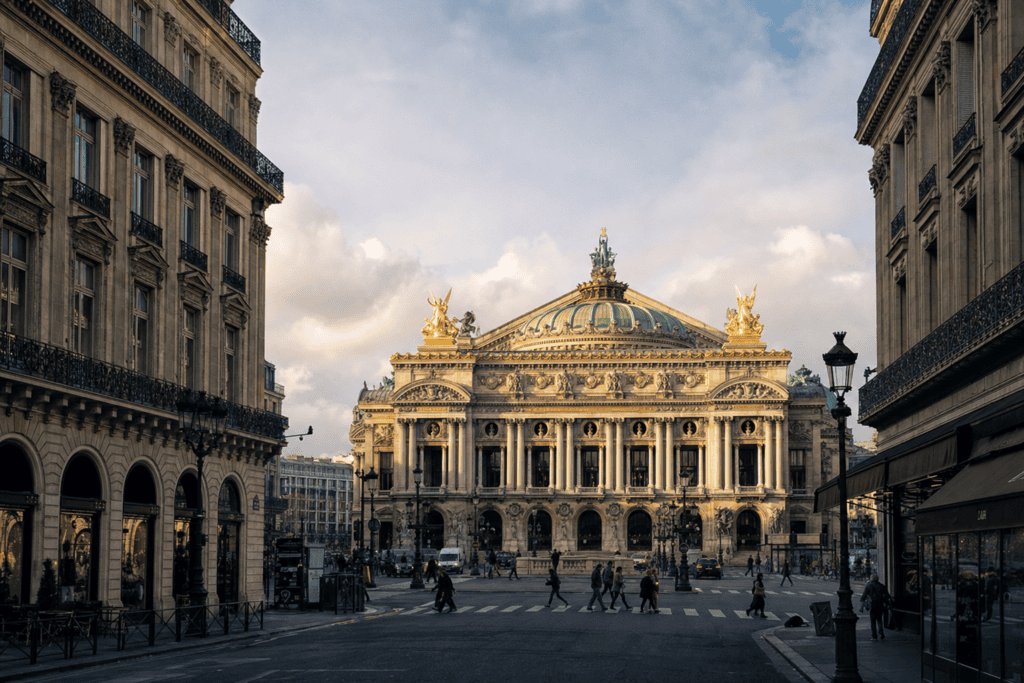 Palais Garnier A monumental opera house worth discovering for its Grand Staircase, foyers, salons, and décor…
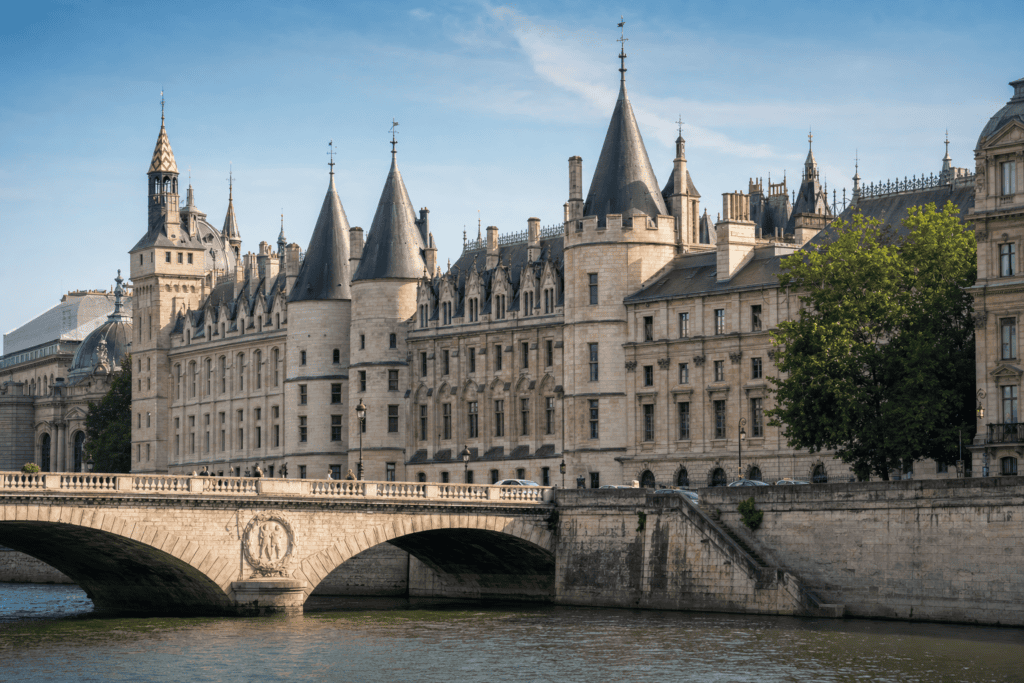 Conciergerie An iconic monument on the Île de la Cité, combining medieval architecture, the French Revolution, and memories of…
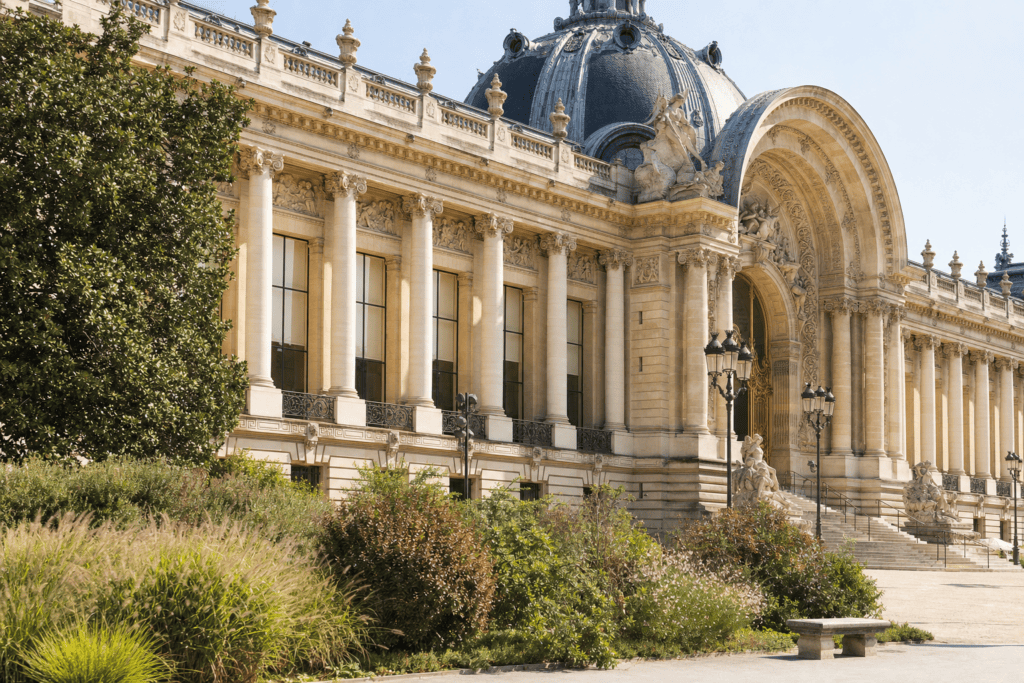 Petit Palais A free Paris museum renowned for its 1900 architecture, varied collections and interior garden.
Online booking · Paris → Saint-Eustache Church, 2 Impasse Saint-Eustache, 75001 Paris. Depending on opening conditions, access may also be via the Rue du Jour area.
Choose your pickup date and time
Your departure and arrival details are already pre-filled. You can adjust them in the fare calculator before viewing the vehicles and fare.