



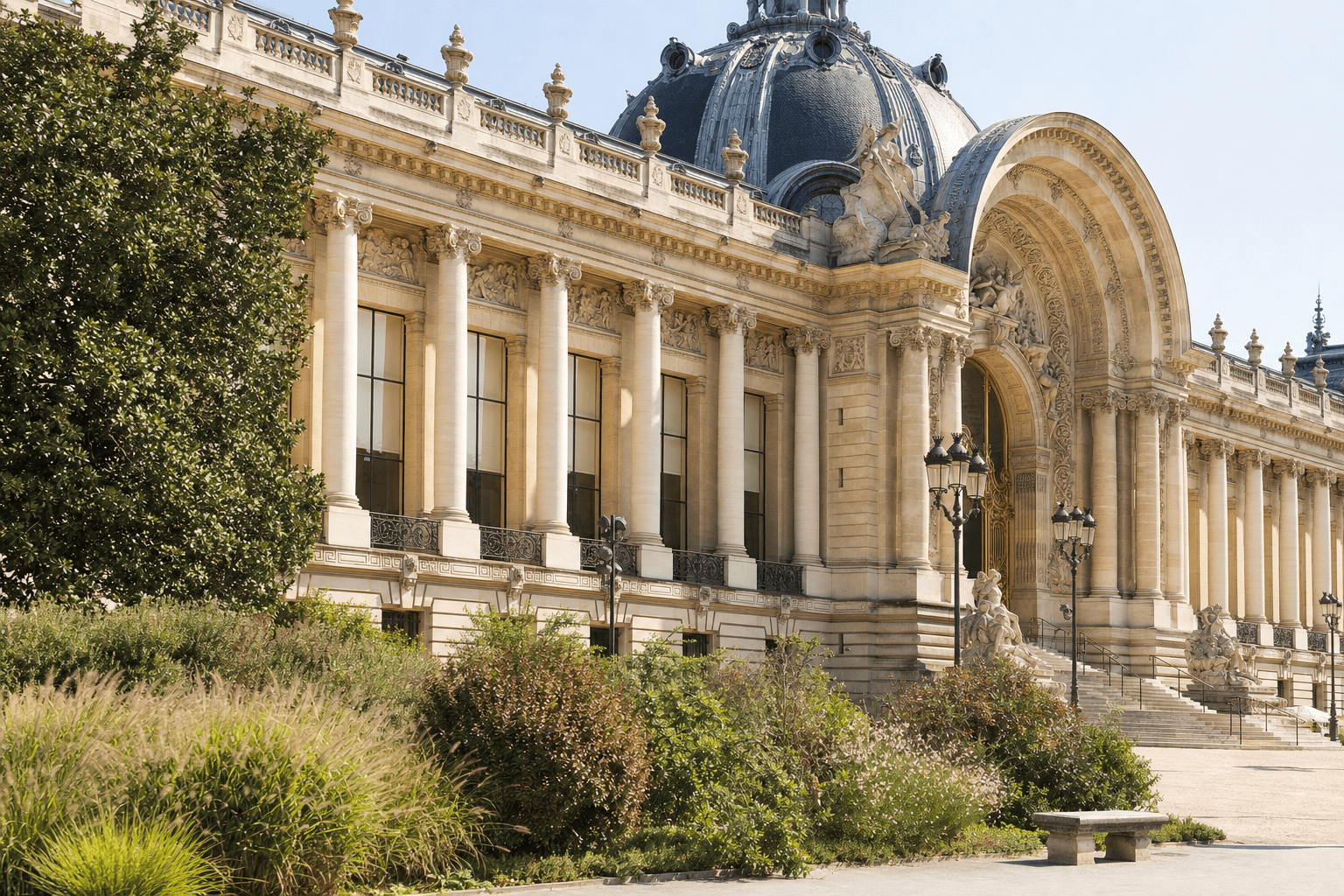
Petit Palais: Guide to a Free Museum in Paris
Paris
Located on Avenue Winston-Churchill in the 8th arrondissement, the Petit Palais is both a fine arts museum, a monument built for the 1900 World's Fair, and a pleasant stop between the Champs-Élysées, the Seine, and Place de la Concorde. Its permanent collections are free to visit and bring together paintings, sculptures, decorative arts, and drawings dating from antiquity to the early 20th century. Its inner garden and Beaux-Arts architecture give a visit a distinctive atmosphere, even when you only have one or two hours.
Practical information
Admission to the permanent collections is free, while temporary exhibitions have separate terms and conditions. Travel light and check with the museum for up-to-date information about strollers, lockers, accessibility, and available services.
Getting to the Petit Palais from Paris or Its Airports
From a Paris hotel, Paris-Charles de Gaulle, or Paris-Orly, a private transfer can make arrival easier with luggage or a group. Booking Paris Transfer provides transportation from Paris and its airports, with return service to Paris or onward travel as part of a Paris itinerary.
Transportation only: museum admission and exhibition tickets are not included.
A Monument from the 1900 World's Fair
The Petit Palais was built for the 1900 World's Fair, along with the nearby Grand Palais and the Alexandre III Bridge. This origin explains its scale and richly detailed decoration: Paris wanted to present itself as a modern, industrial, and artistic capital capable of hosting a major international event. Architect Charles Girault designed a building arranged around a central garden, with a layout that brings light into the heart of the museum.
From Avenue Winston-Churchill, the facade already deserves a close look. The peristyle, columns, sculptures, dome, and large windows form a quintessential example of late-19th-century Beaux-Arts architecture. Inside, mosaics, ironwork, painted ceilings, and sculpted decorations continue this impression of abundance.
The building is therefore more than a simple container for the artworks. It is an integral part of the visit. Even visitors who are less familiar with museums can find immediate appeal in exploring the spaces and garden before choosing a few galleries rather than trying to see everything.
The Permanent Collections to Discover
The City of Paris Museum of Fine Arts offers a highly varied journey through a long period of art history. The collections include paintings, sculptures, drawings, decorative arts, furniture, and other decorative works. This variety lets you move between techniques and periods from one gallery to the next, without the experience feeling monotonous.
Artists represented include Rembrandt, Delacroix, Courbet, Monet, Sisley, Cézanne, Pissarro, Vuillard, Rodin, and Mary Cassatt. The museum also holds collections connected to Flemish and Dutch schools, 18th- and 19th-century French painting, and the decorative arts. The presence of famous names naturally draws attention, but lesser-known works are often valuable for understanding tastes, practices, and artistic developments.
For a first visit, choose a few highlights: a painting gallery, the sculptures, the decorative interiors, and the garden are enough to create a coherent route. Exhibitions and displays may change, so consult the official program if you want to see a particular work or collection.
The Inner Garden and Café 1902
The inner garden is one of the Petit Palais's most distinctive spaces. Surrounded by galleries, it combines greenery, columns, mosaics, and architectural perspectives. It offers a break during the visit and makes the building's layout easier to appreciate, as it was designed around a bright central space.
The garden is especially suitable for families, visitors who want to slow down, and anyone who prefers alternating galleries with periods of rest. The availability of seating, comfort amenities, or specific facilities may nevertheless depend on conditions that day. Children must remain under the supervision of their accompanying adults, as throughout the museum.
Café 1902 can extend your outing with a drink or snack. Its hours, operations, and opening days may vary depending on the program, public holidays, or museum requirements. Check official sources before relying on this stop as part of your itinerary. The café does not replace an exhibition reservation and does not provide ticketing services.
Hours, Free Admission, and Preparing for Your Visit
The Petit Palais is generally open to the public Tuesday through Sunday, with a weekly closure on Monday, but exact hours and closure days should be checked before each visit. Last admission may vary by collection, exhibition, or accessible area. Late-night openings and occasional changes may also be tied to the program.
Admission to the permanent collections is free. Temporary exhibitions have their own prices, time slots, and reservation rules; they may require a ticket or advance booking. This distinction makes it possible to plan a spontaneous visit to the collections while avoiding the assumption that a temporary exhibition can be accessed under the same conditions.
Large pieces of luggage are not suitable for a museum visit and may be refused. Specific policies for lockers, strollers, bulky items, and loaned equipment may change. Before setting out, consult the official visit-planning page or contact the institution directly if your situation requires specific confirmation.
Getting to the Petit Palais in Paris
Le Petit Palais is located in a central area of the 8th arrondissement, between the Champs-Élysées and Les Invalides. Champs-Élysées–Clemenceau station, served by metro lines 1 and 13, is generally the most direct access point. Franklin D. Roosevelt, on line 9, may be convenient from other neighborhoods. From the Left Bank, RER C to Invalides also provides access to the area, followed by a short walk.
Numerous bus lines run around Avenue Winston-Churchill, but their routes, stops, and traffic conditions may change because of construction, demonstrations, or events. It is best to check the route in real time with RATP or a transit app rather than relying on a fixed list.
From Gare du Nord, Gare de Lyon, Paris-Orly, or Paris-Charles de Gaulle, allow time for a connection and sufficient extra time. With luggage, children, or a tight schedule, a private transfer from Paris, CDG, or ORY can simplify arrival; museum admission and exhibition tickets are not included.
What to See Around the Museum
The Petit Palais is at the center of an especially rich cultural and architectural itinerary. The Grand Palais is directly across the street and hosts exhibitions or events, depending on the period, in a monument built for the same World's Fair. The Alexandre III Bridge then leads to Les Invalides and the banks of the Seine, with an iconic view of Paris along the way.
En direction de l’est, la promenade peut continuer vers la place de la Concorde, le jardin des Tuileries et le musée de l’Orangerie. En allant vers l’ouest, les Champs-Élysées conduisent à l’Arc de Triomphe. Les rues du Faubourg-Saint-Honoré et de la Madeleine ajoutent une dimension commerçante et gastronomique à la journée, tandis que les quais offrent une option agréable pour marcher et photographier les ponts.
To keep a comfortable pace, pair the museum with just one major nearby stop. Visiting the Petit Palais, followed by lunch and a walk toward Les Invalides or the Tuileries, is often more enjoyable than trying to fit in several major museums. The neighborhood works equally well for a cultural trip, a family outing, or an exploration of Parisian architecture.
Tips for Families and Accessibility
Free admission to the permanent collections makes the Petit Palais convenient for a family outing. With young children, there is no need to follow the entire route: choose a few colorful paintings, a sculpture, the mosaics, the garden, and facade details. Regular breaks make the visit more enjoyable and help everyone stay engaged.
Groups, guided tours, and special activities may be subject to specific conditions. Visitors with reduced mobility should consult the institution's up-to-date information about accessible entrances, elevators, routes, restrooms, and any areas with restrictions. The museum lists adapted facilities and services, but their availability may depend on the day and the configuration of the visit.
Policies regarding strollers, folding seats, wheelchairs, magnifying glasses, and lockers should be confirmed before setting out, especially if a particular piece of equipment is essential. Finally, allow extra time for security checks, crossing major roads, and events around the Champs-Élysées. Arriving without rushing allows you to enjoy the building and collections more fully.
Useful sources
Frequently Asked Questions
Is admission to the Petit Palais free?
What are the Petit Palais's opening hours?
Which Metro station is closest?
Can you visit the inner garden for free?
Are strollers and assistive equipment allowed?
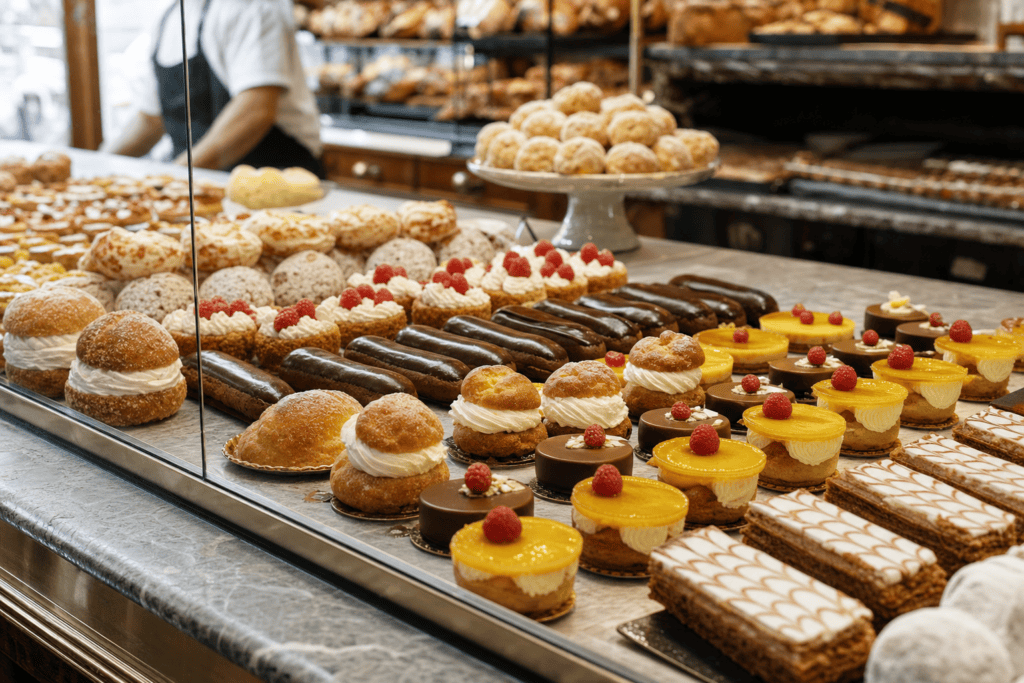 Foodie Paris: pastries, cheeses, and local specialties A practical guide to discovering Parisian bakeries, pastry shops, cheese shops, markets and specialties by neighborhood.
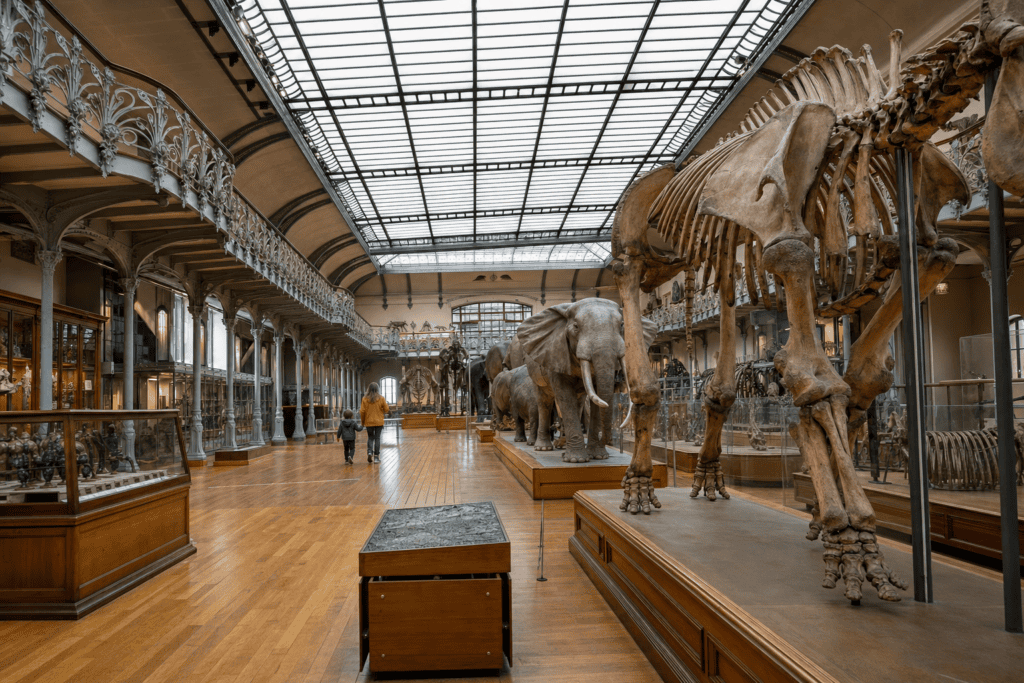 Gallery of Evolution A monumental gallery and an impressive display of animals in the heart of the Jardin des Plantes, ideal for…
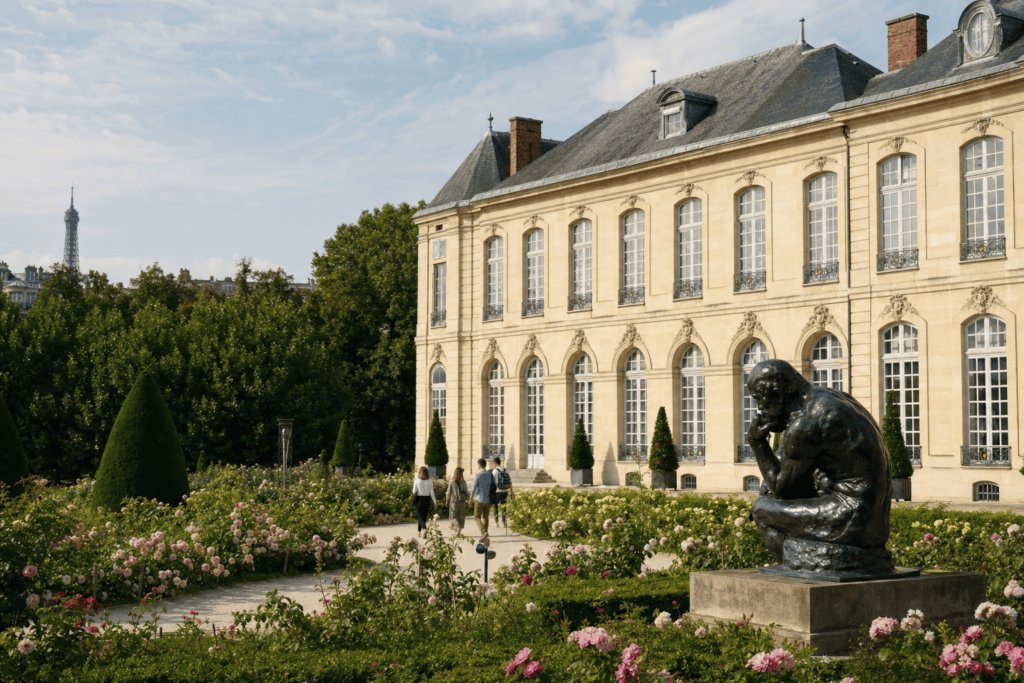 Musée Rodin A historic mansion, a sculpture garden, and major works by Rodin near the…
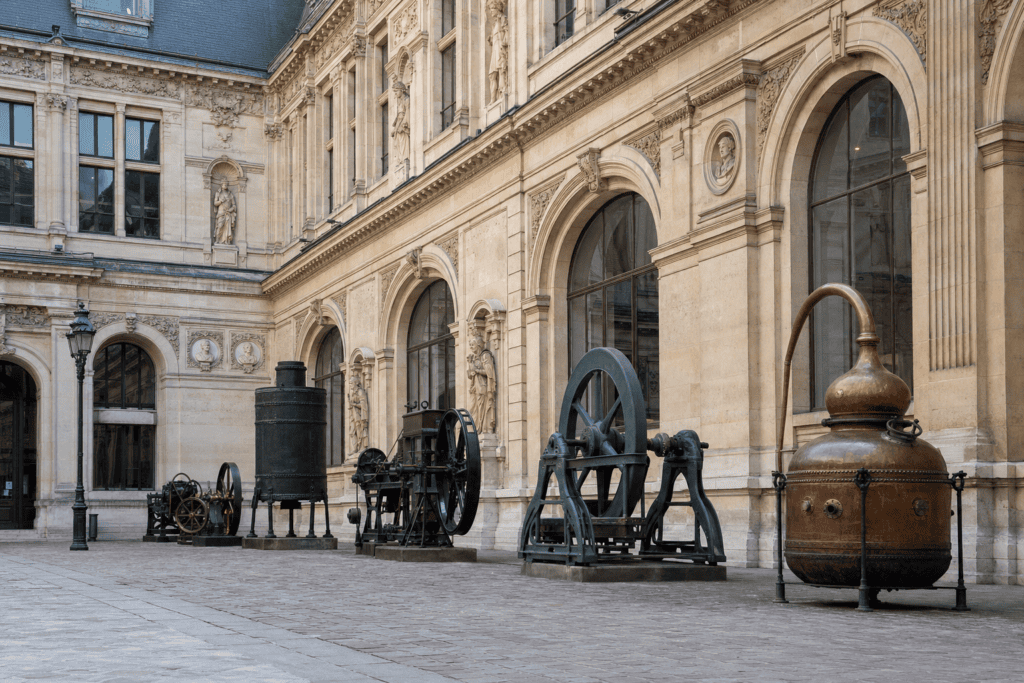 Musée des Arts et Métiers A Paris museum dedicated to inventions, machines, and scientific instruments, featuring the Foucault pendulum…
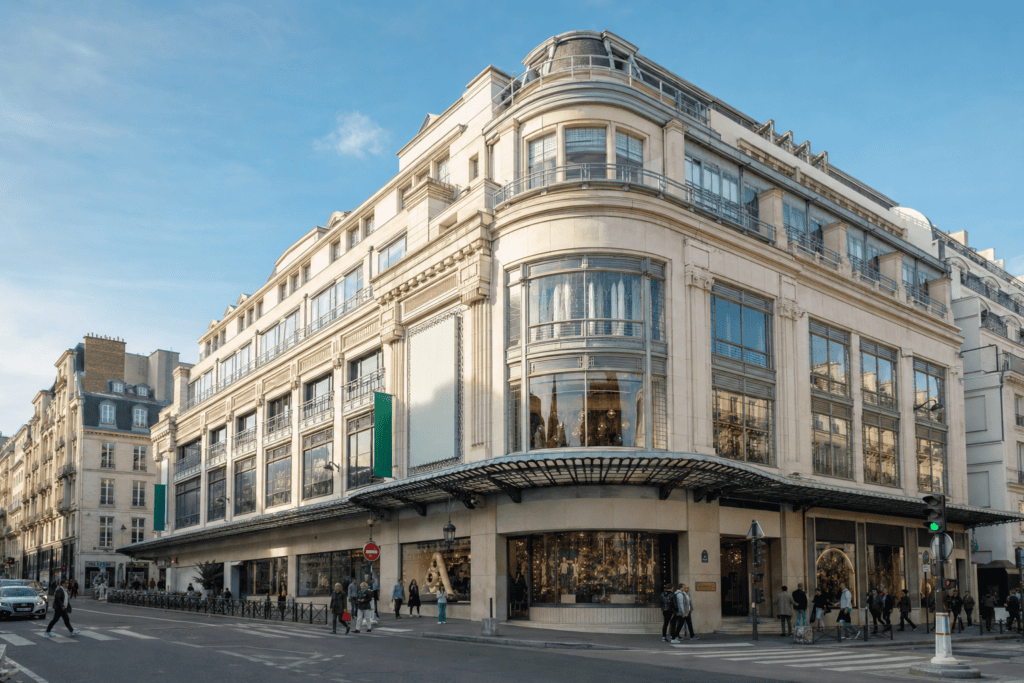 Le Bon Marché Rive Gauche A historic Left Bank department store combining fashion, design, gastronomy and the art of living…
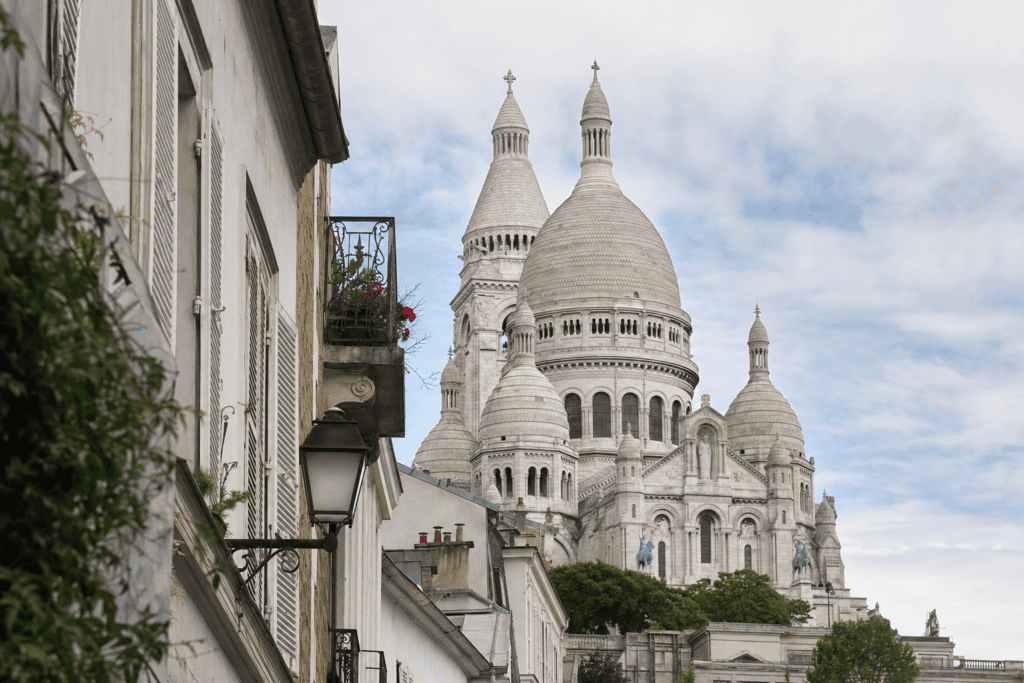 Montmartre and the Sacré-Cœur Basilica A walking route through Abbesses, Place du Tertre, and Sacré-Cœur, with narrow streets…
Book online · Paris → Petit Palais, Avenue Winston-Churchill, 75008 Paris
Choose your pickup date and time
Your departure and arrival details are already pre-filled. You can adjust them in the fare calculator before viewing the vehicles and fare.