



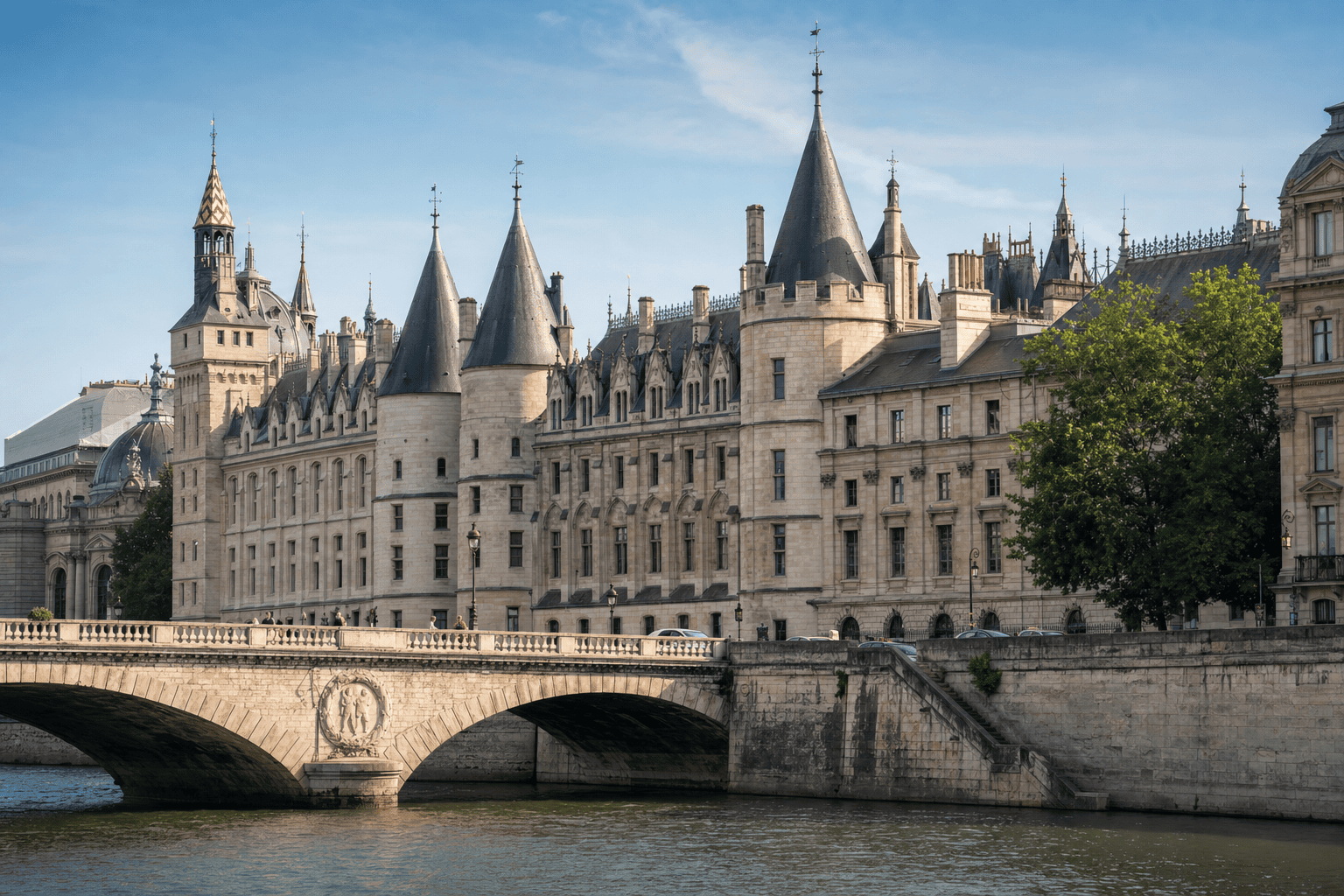
The Conciergerie in Paris: Royal Palace and Revolutionary Prison
Paris
On the banks of the Seine, in the heart of the Île de la Cité, the Conciergerie in Paris brings together several centuries of history in a single monument. Former residence of the Capetian kings, courthouse, and revolutionary prison, it preserves monumental Gothic halls and traces of a particularly turbulent judicial past. A visit here is an ideal complement to exploring Notre-Dame, Sainte-Chapelle, and the Seine riverbanks.
Practical information
Combine the Conciergerie with Sainte-Chapelle and a walk around Notre-Dame, but allow time to appreciate the large medieval halls and the spaces connected with the revolutionary prison separately.
Getting to the Conciergerie from Paris with ease
Booking Paris Transfer provides private transfers from a Paris hotel, anywhere in Paris, or Charles de Gaulle or Orly airports, with return service to Paris according to your itinerary. The service covers transportation only: admission to the Conciergerie and tour tickets must be booked through the official ticket office.
For a visit to the Conciergerie, opt for drop-off near the Île de la Cité, then continue on foot through the historic district.
A Former Royal Palace in the Heart of Paris
The Conciergerie occupies part of the former Palais de la Cité, located on the Île de la Cité, one of the historic centers of Paris. Before becoming a famous prison, the site was a major royal residence. The Capetian sovereigns exercised their power here before gradually leaving the island for the Louvre and Vincennes from the late 14th century onward.
This evolution explains the monument’s richness: the Conciergerie is not merely a place associated with the French Revolution. It preserves the remains of a vast political, administrative, and judicial complex that structured the kingdom. The nearby Sainte-Chapelle also reflects the religious and dynastic importance of the Palais de la Cité.
To understand the monument, you therefore need to look beyond its image as a prison. Its towers along the Seine, thick walls, and Gothic volumes tell the story of the gradual transformation of the center of Parisian power. The visit takes on its full meaning when viewed within the history of the Île de la Cité, between the Seine, Notre-Dame, and the former judicial district.
The Major Gothic Halls Not to Miss
The medieval spaces are one of the highlights of the visit. The Hall of the Soldiers is impressive for its scale, vaulted ceilings, and rows of pillars. It was one of the palace’s major communal spaces and offers a glimpse of the daily organization of a royal court and its services.
The Guards’ Hall continues the route on a more intimate scale, while remaining equally evocative. The medieval kitchens, attributed to the time of John the Good, illustrate the logistics required to operate a royal residence. Their imposing fireplaces convey an idea of how many people had to be fed and served.
These halls are especially interesting for visitors who enjoy Gothic architecture, medieval construction, or the history of Paris. Take time to observe the proportions, passageways, and openings instead of simply moving quickly through the spaces. Interpretive materials, including digital tools offered depending on the visiting conditions, can help visitors visualize the lost parts of the palace.
From Royal Justice to a Revolutionary Prison
After the kings gradually left, the Palais de la Cité retained an administrative and judicial role. The word “Conciergerie” comes from the concierge, an official responsible in particular for judicial and supervisory duties within the palace. Detention areas were subsequently established, turning the site into a prison connected with the operation of Parisian justice.
The French Revolution gave the monument a central role. In 1793, the Revolutionary Tribunal was established nearby, and the Conciergerie became a detention site for people prosecuted by the revolutionary justice system. During the Reign of Terror, imprisonment conditions were especially harsh, and the prison held a large number of detainees.
The visit explains this organization through the Women’s Courtyard, the prisoners’ corridor, communal spaces, and reconstructed cells. This is not merely a historical setting: the layout of the site offers a tangible reminder of the overcrowding, surveillance, and waiting that characterized detention before trial.
Marie Antoinette and the Memory of the Revolution
The Conciergerie’s most famous prisoner remains Marie Antoinette. Imprisoned there from August 1793, she spent the final weeks of her life there before her trial and execution. The reconstructed cell and spaces associated with her imprisonment naturally attract attention, but they should be understood within a broader history: the Conciergerie held hundreds of prisoners, both famous and unknown.
The route also covers the Girondins’ Chapel, the Women’s Courtyard, and the detention conditions experienced by female prisoners. These spaces explore the Revolution through prisoners’ daily lives rather than solely through major figures or political dates.
For history enthusiasts, the Conciergerie is therefore a valuable complement to museums and tours devoted to Versailles, the Louvre, or the revolutionary assemblies. The monument makes visible the final judicial stage of many cases and shows how justice, imprisonment, and power were concentrated in the same district of Paris.
Include a Visit in Your Île de la Cité Itinerary
The Conciergerie is best explored as part of a walk around the Île de la Cité. From Cité station, Metro Line 4 takes you directly to the heart of the district. Châtelet and Saint-Michel – Notre-Dame stations also offer useful connections with the Metro and RER, particularly for visitors arriving from Paris train stations or the airport by public transportation.
The monument is just a few steps from Sainte-Chapelle, another major remnant of the Palais de la Cité. A combined ticket may be offered depending on current commercial terms, but it is best to check the official ticket office before your visit. Notre-Dame, the Seine riverbanks, the flower market, and the historic bridges naturally complete the itinerary.
From a Paris address, a chauffeured car can be especially useful for reaching the city center without handling luggage, transfers, or the challenges of traveling from Charles de Gaulle or Orly. Once on the island, the district is best explored on foot.
Practical Tips Before Your Visit
Opening hours, access conditions, prices, and booking procedures may change depending on the season, construction, events, or rules specific to the monument. Check the ticket office and information from the Centre des Monuments Nationaux before setting out. Advance booking may be recommended, particularly during school holidays, weekends, and periods of high visitor numbers in Paris.
Wear comfortable shoes: the visit includes several spaces and changes in level. Visitors with reduced mobility should check the route’s accessibility carefully, as the historic monument is not fully adapted to every type of movement. Families can prepare for the visit by explaining the difference between a royal palace, courthouse, and prison so children understand the site’s successive transformations.
Finally, avoid scheduling the Conciergerie immediately before an appointment far away. Access checks, crowds, and time spent in the Gothic halls can make the visit longer than expected. Leave some extra time if you are continuing to Sainte-Chapelle or have a reservation elsewhere in the district.
Why Visit the Conciergerie Today?
The Conciergerie is one of the Paris monuments where several periods can be connected without changing locations. Within a few halls, visitors move from the Capetian monarchy to judicial administration, then to the revolutionary prison and the modern memory of heritage. This layering is its defining feature.
The site also matters because of its location. From its façades, the Seine recalls that the Île de la Cité was a strategic center of the city. Nearby, Notre-Dame and Sainte-Chapelle extend the religious, political, and artistic story of medieval Paris. The district therefore forms a coherent whole, especially interesting for a first historical introduction to the capital.
The visit appeals to enthusiasts of French history, Gothic architecture, the French Revolution, and literature. It can also interest travelers who want to go beyond itineraries limited to the major museums. Darker and more introspective than other Paris monuments, the Conciergerie invites reflection on the relationship between power, justice, and memory. This historical density makes it difficult to replace during a stay in Paris.
Frequently Asked Questions
Where is the Conciergerie located in Paris?
Which station should I use to get to the Conciergerie?
How much time should I allow for the visit?
Is the Conciergerie accessible to people with reduced mobility?
Can I visit the Conciergerie and Sainte-Chapelle on the same day?
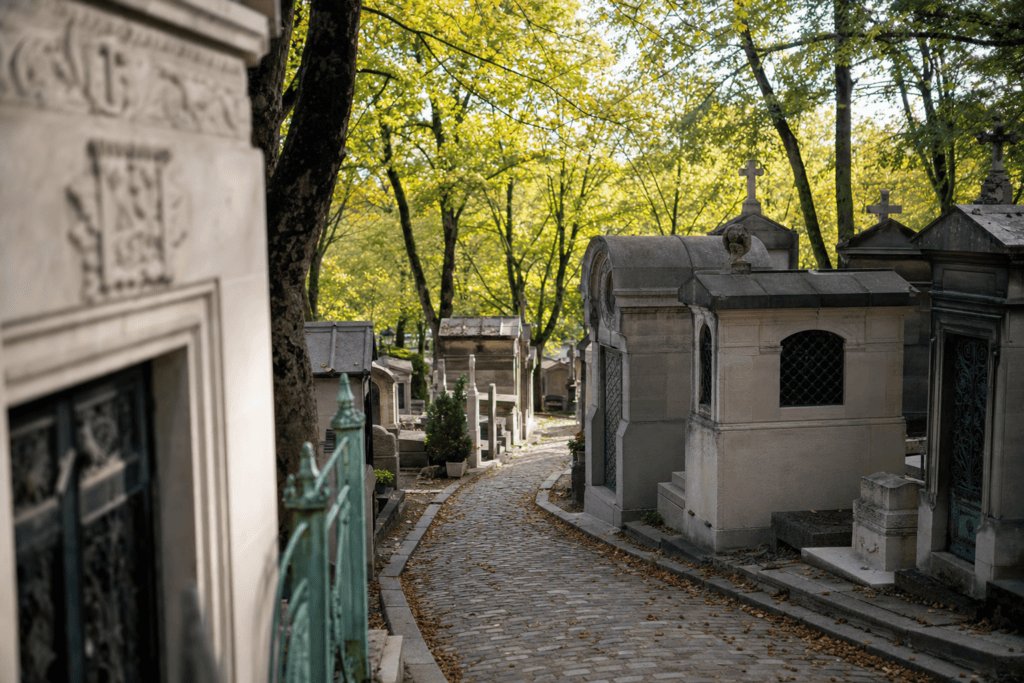 Père-Lachaise Cemetery A historic route among famous graves, sculptures, chapels, and tree-lined paths in the 20th arrondissement.
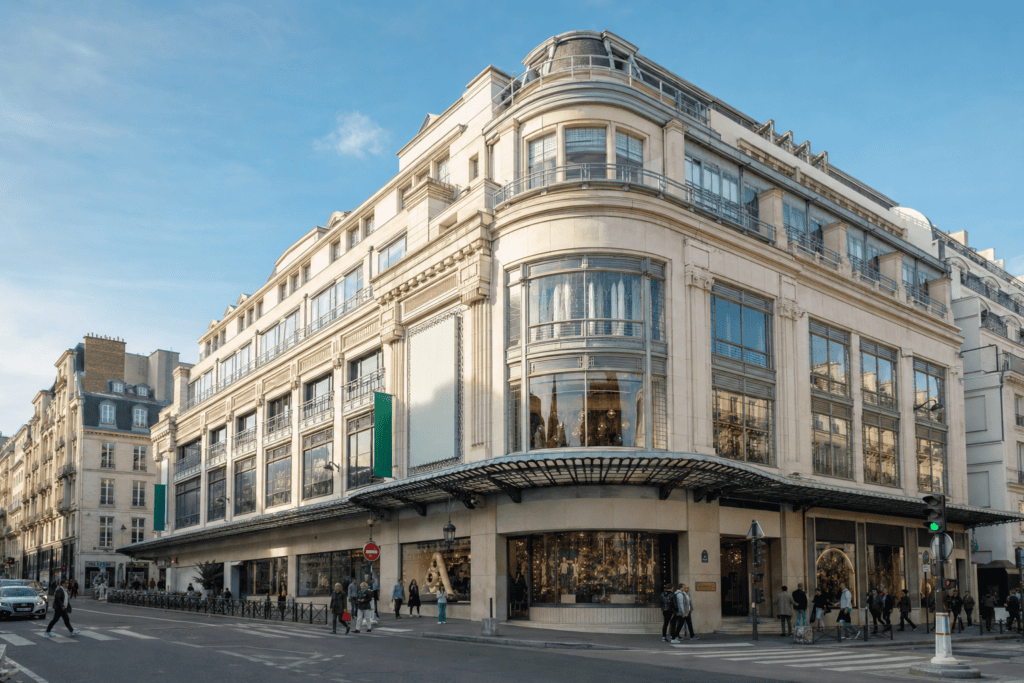 Le Bon Marché Rive Gauche A historic Left Bank department store combining fashion, design, gastronomy and the art of living…
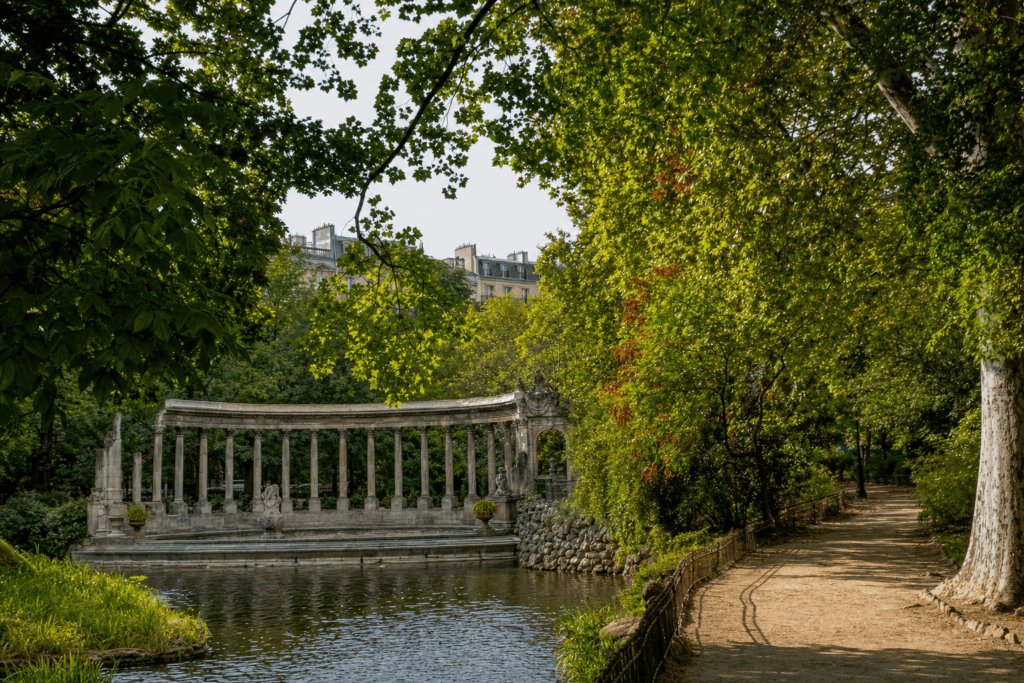 Monceau Park An elegant Parisian garden known for its follies, pond, trees and residential atmosphere.
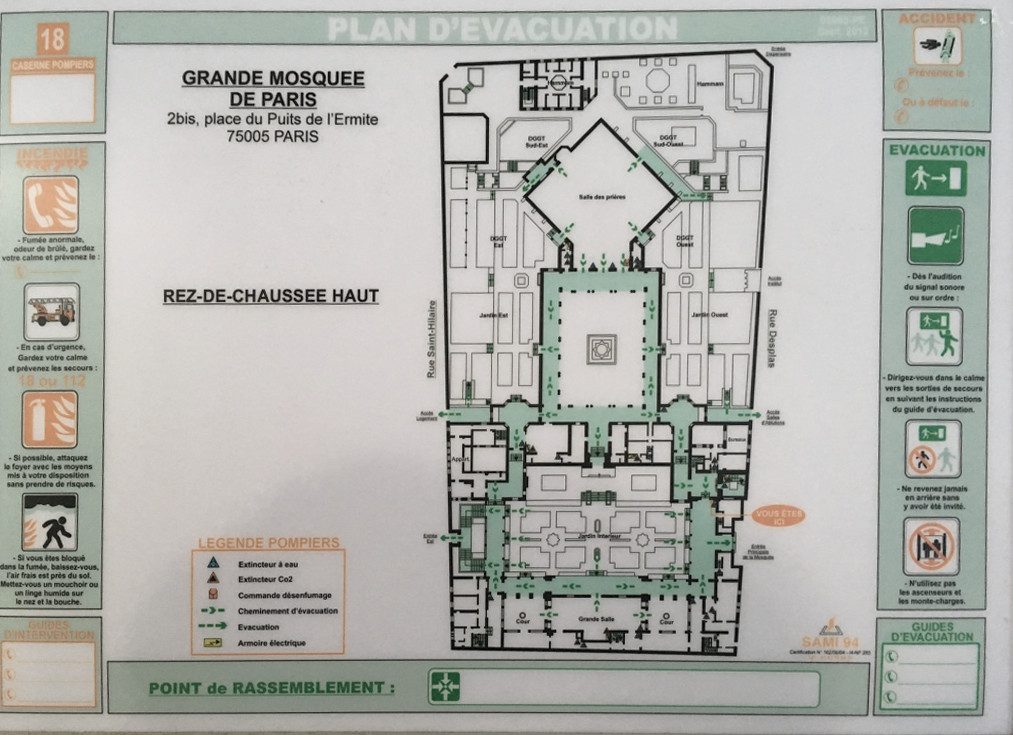 Grand Mosque of Paris A remarkable Hispano-Moorish landmark in the 5th arrondissement, known for its patio, mosaics, and salon de…
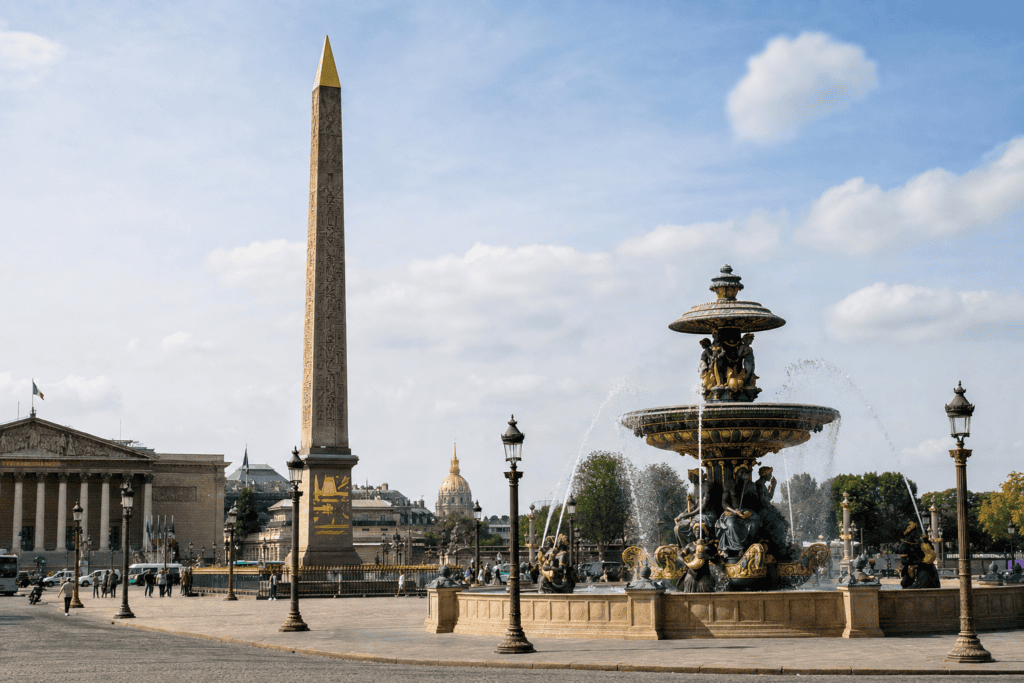 Place de la Concorde A vast historic square between the Tuileries and the Champs-Élysées, dominated by the Luxor Obelisk and…
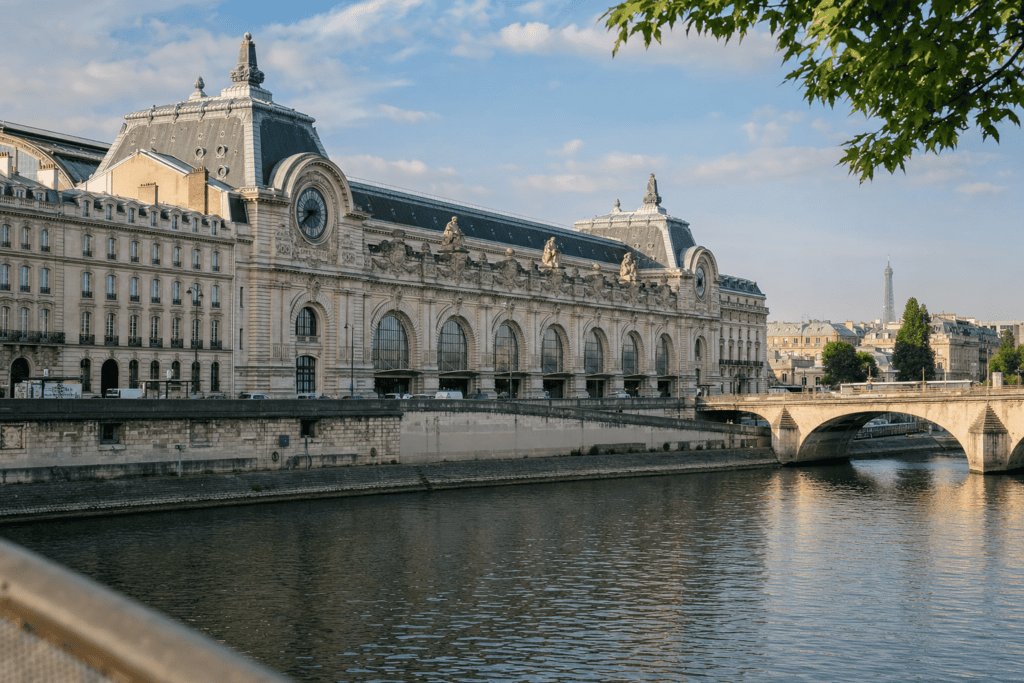 Musée d’Orsay A former 1900 train station that became one of Paris’s major museums, renowned for its collections…
Online booking · Paris → 2 boulevard du Palais, 75001 Paris
Choose your pickup date and time
Your departure and arrival details are already pre-filled. You can adjust them in the fare calculator before viewing the vehicles and fare.