



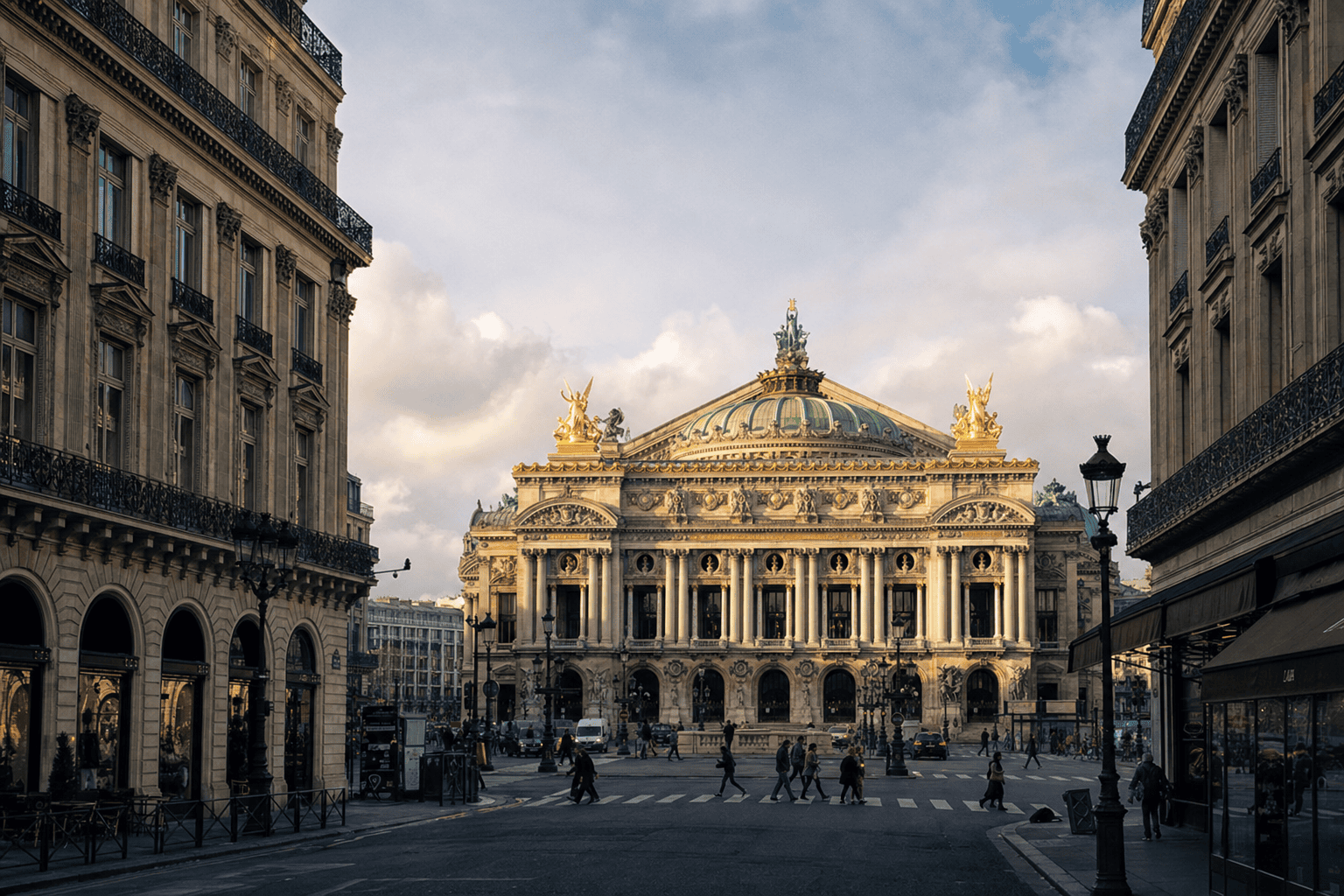
Visit the Palais Garnier: Paris’s grand spectacle
Paris
In the heart of the Opéra district, the Palais Garnier is more than a performance venue: it is a true journey through 19th-century theatrical architecture. Visiting the Palais Garnier means admiring its Grand Staircase, richly decorated foyers, mosaics, symbolic salons and Italian-style auditorium, when accessible. The landmark fits naturally into a day in Paris among the department stores, Place Vendôme, Rue de la Paix and the Tuileries Gardens.
Practical information
Book your visit in advance whenever possible and allow time to take in the details: the Grand Staircase balconies, the mosaics in the Avant-Foyer and the salon ceilings are best appreciated when you look up.
Getting to the Palais Garnier from Paris with ease
For a comfortable arrival from your Paris hotel, train station or an airport in the Paris region, Booking Paris Transfer can arrange private transportation to the Opéra district. The service covers transportation only, not admission to the landmark. After your visit, a return to Paris or another Paris address can also be arranged according to your itinerary.
Private transportation from Paris, a Paris hotel, CDG or ORY, with the option of a return to Paris. Book your visit ticket separately through the Paris Opera.
Why the Palais Garnier is a must-see in Paris
The Palais Garnier is one of Paris’s most instantly recognizable landmarks. Its monumental façade, busts, columns and profusion of sculpture herald an interior conceived as a total work of art. Charles Garnier brought together architecture, painting, sculpture, mosaics and decorative arts in a spectacular ensemble inaugurated in 1875. The building is now a listed historic monument and remains an active venue for performances, rehearsals and creative work.
Its power lies in the succession of atmospheres. Visitors move from a more intimate rotunda to the striking verticality of the Grand Staircase, then to the gilded perspective of the Grand Foyer. This progression gives the route a distinctly theatrical rhythm. The Palais Garnier is an essential part of discovering Paris because it tells the story of the Second Empire, the urban transformation of the Opéra district and the long history of French opera and dance. It is therefore worth visiting even if you are not planning to attend an opera or ballet.
The Grand Staircase: the first highlight of the visit
The Grand Staircase is often the most impressive moment of the visit. Its monumental nave rises across several levels and organizes movement like a stage production. The steps, balustrades, columns and colorful materials create a setting where spectators once came as much to be seen as to watch other guests arrive. The balconies offer different views of this vertical architecture, which is especially interesting for understanding how Garnier turned circulation into a spectacle.
Before reaching the staircase, the route passes through the Rotonde des Abonnés and the Bassin de la Pythie. These spaces already convey the role of the former theater as a social venue frequented by regular patrons. To fully appreciate the Grand Staircase, take time to look at the sculpted groups, light fixtures and contrasts between the pale stone and deeper tones. Photographs taken from the landings capture the depth of the space, but the experience is primarily visual when you stand at the center of the nave and look up toward the ceilings.
Foyers, salons and mosaics: an opulent setting
The Grand Foyer was designed as a promenade for spectators during intermissions. Its gilded gallery, decorative paintings and tall windows give the space an almost palatial character. The Avant-Foyer extends this impression with its gold-background mosaics, allegorical figures and references to the trades involved in building the Opera. Here, the décor does more than beautify the space: it expresses the theater’s social importance and the prestige accorded to the performing arts.
The Salon de la Lune and Salon du Soleil offer a more thematic atmosphere. The first plays with dark and silvery tones, while the second combines black and gold with a more sunlit theme. The Rotonde du Glacier, with its Belle Époque décor, recalls the social customs of intermissions. These spaces reward close observation, as their decorative details are numerous and sometimes easier to appreciate from the sides of the gallery. A visit with a multimedia guide or a lecturer can help connect each motif to the building’s history.
The auditorium and Marc Chagall’s ceiling
The auditorium has the characteristic features of an Italian-style theater: a design intended to bring the audience closer to the stage, tiered boxes and an arrangement combining visibility, acoustics and social display. Its ceiling, painted by Marc Chagall and installed in 1964, introduces a burst of color that contrasts with Garnier’s historicist décor. The work pays tribute to several composers and major works in the repertoire through a free, luminous and instantly recognizable style.
However, it is important to distinguish between visiting the landmark and guaranteed access to the auditorium. Rehearsals, performances and operational constraints related to the Paris Opera’s activities may make the auditorium inaccessible, sometimes unexpectedly. A visit ticket therefore does not guarantee that it will be open. This is important to keep in mind to avoid disappointment: the Grand Staircase, foyers and public areas already form a complete route, even when the auditorium cannot be seen. Check the official website before your visit and accept that the theater is a living building, not a frozen museum.
History of the Palais Garnier and the Opéra district
The Palais Garnier emerged from the transformation of Paris in the 19th century. Charles Garnier was selected through a competition to design a new opera house after the former theater on Rue Le Peletier burned down. Construction was affected by the political upheaval of the Siege of Paris and the Franco-Prussian War, but the building was ultimately inaugurated on January 5, 1875. Its location helped create a monumental, commercial and international district.
The visit can therefore continue outside. From Place de l’Opéra, admire the composition of the façade before heading to the department stores on Boulevard Haussmann, Rue de la Paix and Place Vendôme. On foot, the Tuileries Gardens, the Louvre and La Madeleine are also accessible as the day continues. The district is well suited to cultural stays, shopping and short trips to Paris. It also offers many places to eat, but since visitor numbers and opening hours vary, it is best to check establishments directly before planning a break.
Access, arrival and practical tips in Paris
The Palais Garnier is in the 9th arrondissement, close to several Metro lines. Opéra station is served by Lines 3, 7 and 8; Chaussée d’Antin by Lines 7 and 9; and Madeleine by Lines 8 and 14. This concentration of transportation makes it easy to reach from the main tourist districts, Paris train stations and hotels in the city center. If arriving by chauffeured car from a Paris hotel, it is best to plan a drop-off on an authorized street around Place de l’Opéra, then continue on foot depending on traffic conditions.
The entrance for visits is not necessarily the same as the audience entrance on performance evenings: it is at the corner of Rue Scribe and Rue Auber, behind the statue of Charles Garnier. Book ahead when visitor numbers are high, particularly during school vacations and periods of heavy international tourism. Security rules, accessible areas and opening hours may change. The Paris Opera’s official website remains the reference for tickets, closures, accessibility and conditions on the day.
How to include the Palais Garnier in a day in Paris
The Palais Garnier fits easily into an itinerary focused on monumental and elegant Paris. A morning can begin with a walk around La Madeleine, Rue Royale and Place Vendôme before visiting the Opera. After exploring the interior, Boulevard Haussmann provides a natural transition to the department stores and their terraces, while the Louvre and Tuileries Gardens extend the discovery toward the historic center. This itinerary allows you to alternate architecture, art, shopping and breaks in distinctly different neighborhoods.
Dance and music enthusiasts can check the Palais Garnier’s schedule, while making sure not to confuse a performance ticket with a visit ticket. Art history enthusiasts will particularly enjoy the Opera Library-Museum when it is included in the accessible route, as well as the models, drawings and documents connected with the theater’s history. Families may prefer a daytime visit and prepare children to spot the mythological figures, colors and trades represented in the décor. For a short stay, consider the Palais Garnier one of Paris’s central cultural attractions rather than a stand-alone excursion.
Useful sources
Frequently Asked Questions
Can you visit the Palais Garnier without attending a performance?
Is the auditorium always accessible during the visit?
Where is the entrance for Palais Garnier visits?
How much time should you allow to visit the Palais Garnier?
How do you get to the Palais Garnier by public transportation?
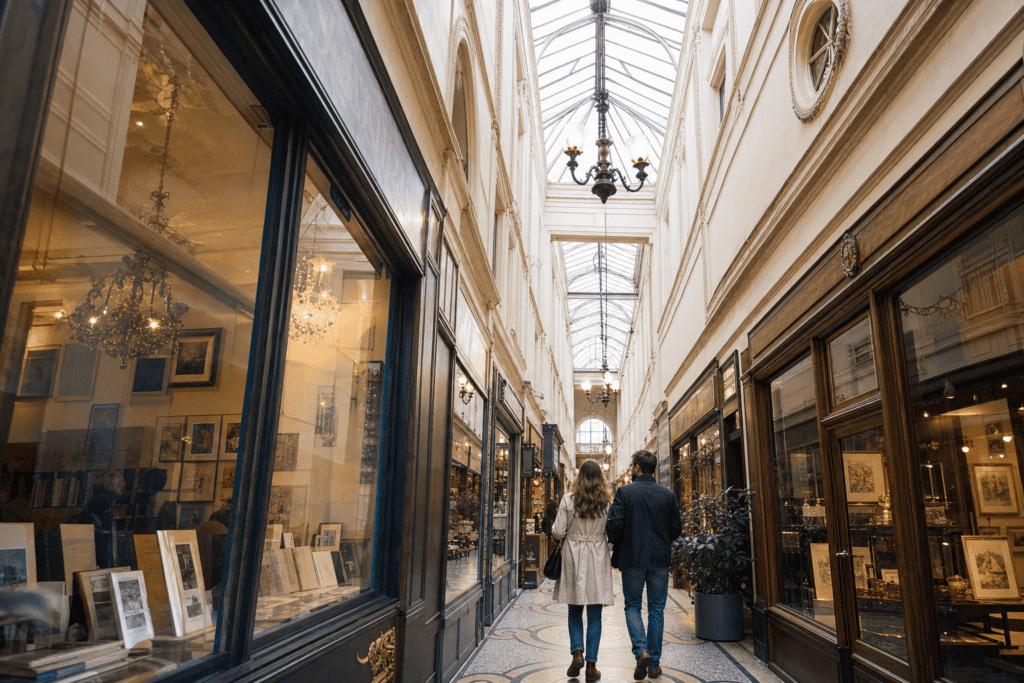 Passage des Panoramas A historic covered arcade in Paris, notable for its glass roof, specialty shops, and side passages…
 Chantilly Estate A princely estate north of Paris, featuring the Musée Condé, a château, the Great Stables, historic gardens, and…
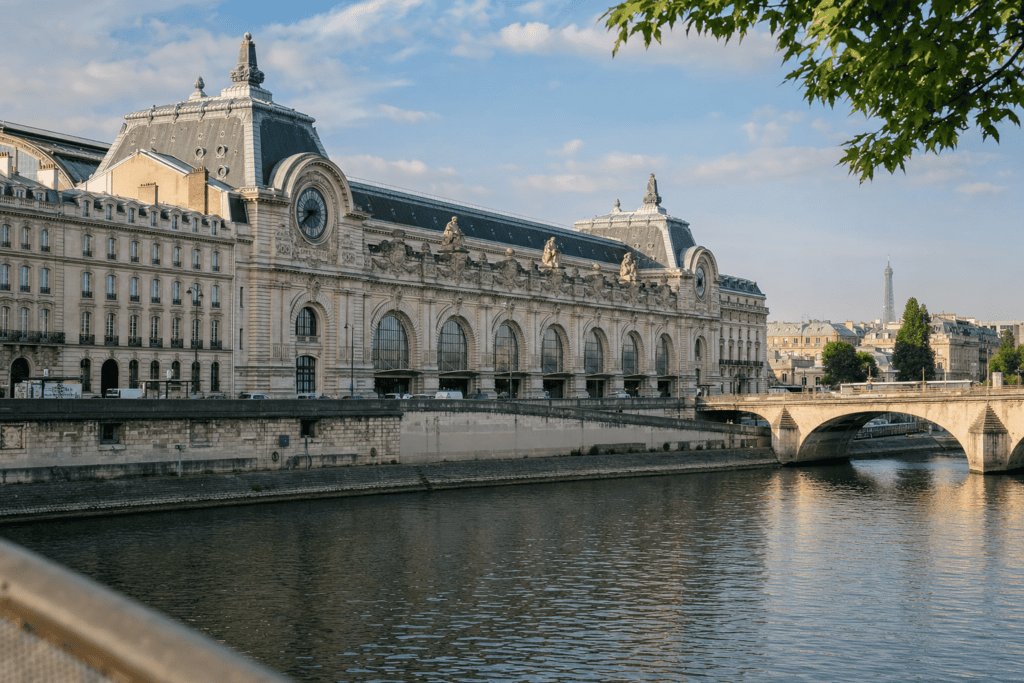 Musée d’Orsay A former 1900 train station that became one of Paris’s major museums, renowned for its collections…
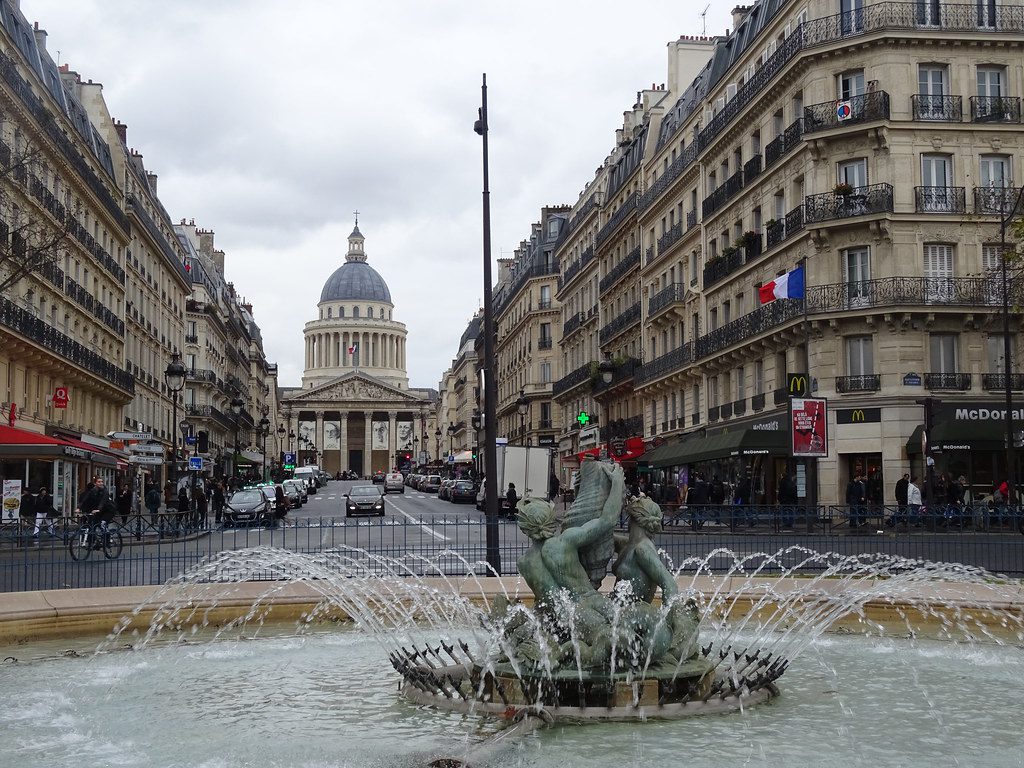 Panthéon Beneath its vast dome, the Panthéon tells the story of France through its architecture, decorations…
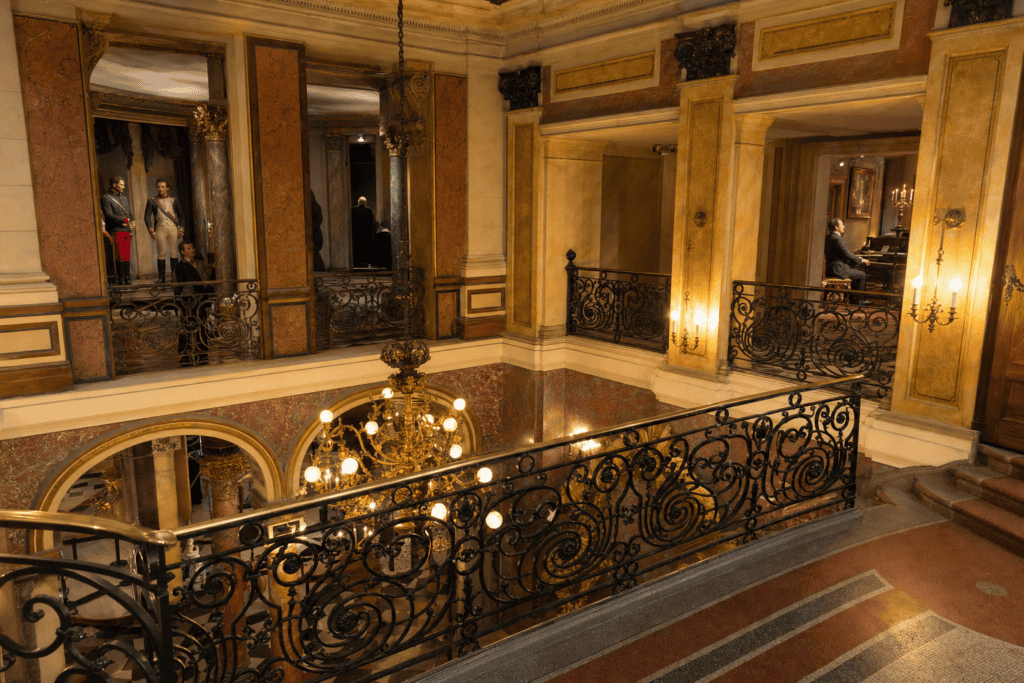 Musée Grévin A family-friendly, photo-worthy outing in Paris, with wax figures, historic sets, the Hall of Mirrors…
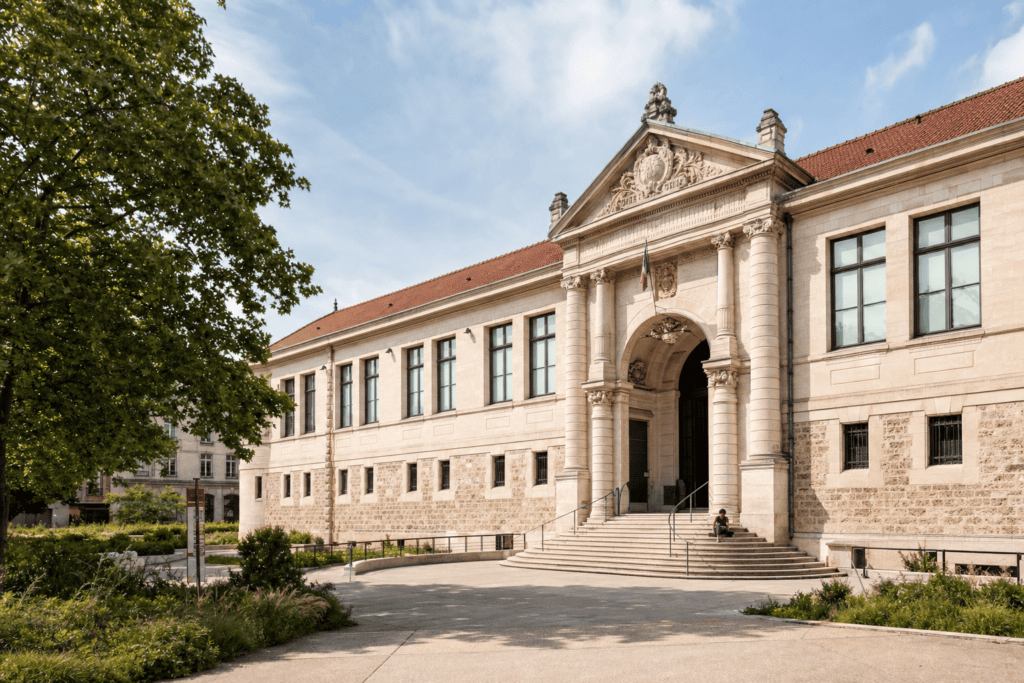 National Museum of the History of Immigration An essential Paris museum for understanding the history of migration, individual journeys, and the role…
Online booking · Paris → Place de l’Opéra, 75009 Paris. For visits, enter through the ticket office at the corner of Rue Scribe and Rue Auber, behind the statue of Charles Garnier.
Choose your pickup date and time
Your departure and arrival details are already pre-filled. You can adjust them in the fare calculator before viewing the vehicles and fare.