



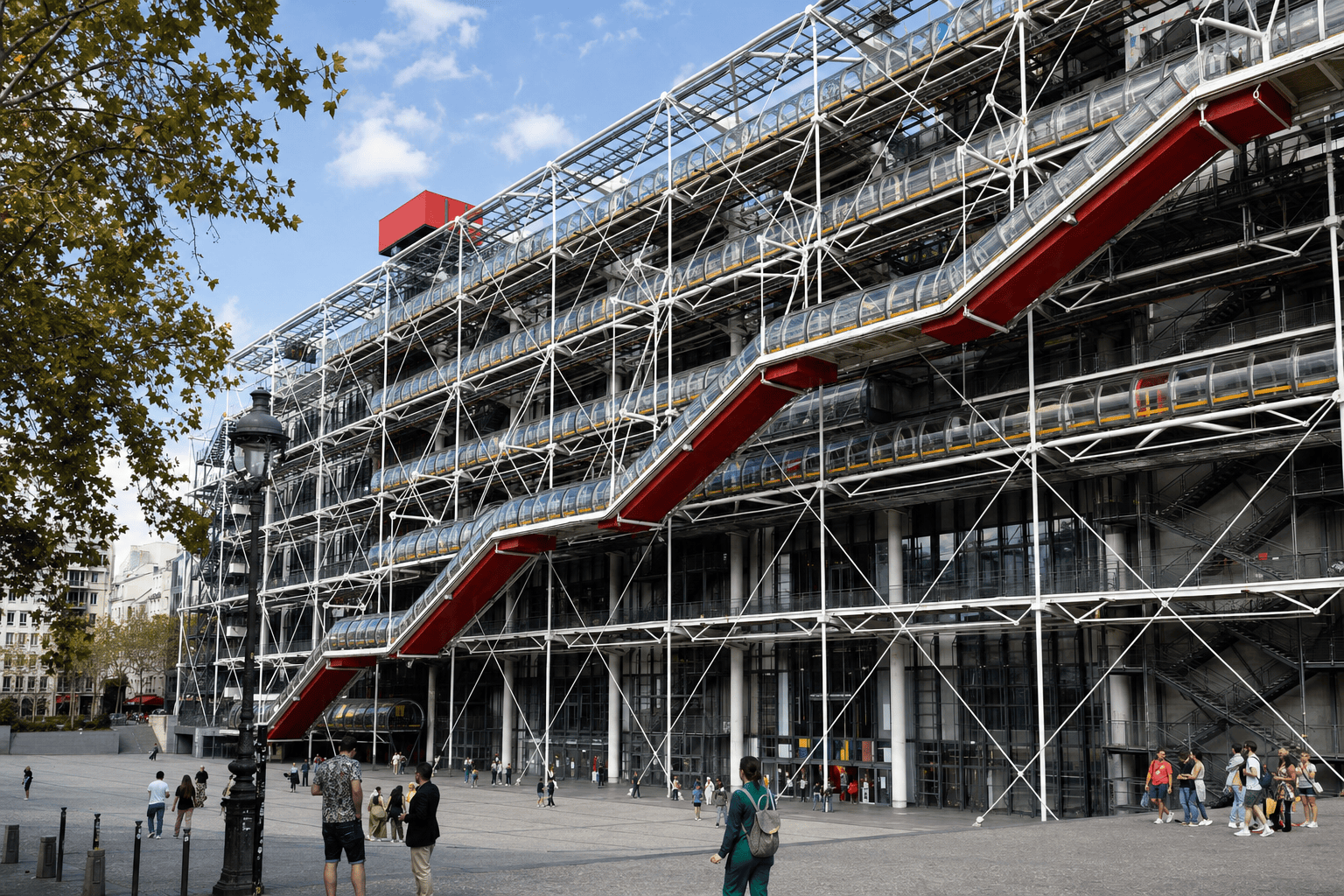
Centre Pompidou: Modern Art and Views of Paris
Paris
The Centre Pompidou profoundly changed Paris’s cultural landscape by bringing together modern art, contemporary creation, architecture, design, film, music, and public debate in a building that became iconic. Located in the heart of the Beaubourg district, between Les Halles and the Marais, it remains one of Paris’s major cultural landmarks, even though its historic building is currently closed for renovation. The closure, which began on September 22, 2025, is intended to enable a technical, energy-efficiency, and cultural transformation, with reopening announced for 2030. In the meantime, its collection and teams continue to thrive through the Constellation program and several partner venues in Paris, the Île-de-France region, France, and abroad.
Practical information
Combine a visit to the forecourt and Beaubourg district with a walk toward the Marais, Saint-Merri Church, Rue des Rosiers, or Les Halles. For off-site activities, check the latest information before setting out.
Getting to the Centre Pompidou from Paris made easy
For a cultural stay in Paris, Booking Paris Transfer can arrange private transportation from your Paris hotel, train station, or Paris-Charles-de-Gaulle and Paris-Orly airports, depending on your itinerary. The service covers transportation only; admission tickets and museum reservations are not included. Since the building is currently closed, first check the exact location of the partner exhibition or event you wish to attend.
Transportation service departing from Paris, a Paris hotel, CDG, or ORY; ticketing not included.
A landmark that redefined the museum in Paris
Opened on January 31, 1977, the Centre Pompidou was born from a unique ambition: to create a place in the heart of Paris where the arts could engage in dialogue rather than remain separate. The project brings together the Musée National d’Art Moderne, exhibition spaces, a public library, performance venues, a music research center, and spaces devoted to film and emerging creation. This diversity explains why a visit to the Centre Pompidou felt unlike a traditional museum tour.
The building also changed the habits of the capital. Its spacious forecourt became a gathering place for street performances and quiet observation, while the Beaubourg district developed into a cultural destination in its own right. For visitors discovering Paris, the Centre Pompidou offers a meeting point between historic heritage, urban life, and the artistic avant-garde. Even while closed, its role in Paris’s cultural identity remains highly visible.
The spectacular architecture of Renzo Piano and Richard Rogers
The Centre Pompidou owes much of its fame to its architecture, designed by Renzo Piano, Richard Rogers, and their teams. In the late 1970s, the building broke with the traditional image of a museum: technical systems are exposed on the facade, circulation routes are moved outside, and the interior spaces are freed up for varied uses. The colored tubes, pipes, and large glass-enclosed escalator create a facade that is immediately recognizable in the Parisian landscape.
This architecture can also be appreciated from the surrounding neighborhood. From Rue Beaubourg, Rue du Renard, or the forecourt, visitors can observe the building’s contrasting colors and structural logic. The chenille, its famous exterior escalator, once offered a spectacular ascent to the upper levels and their views over Paris. During the closure, the building remains a major photographic landmark, but the interior access and panoramic ascent are unavailable as they would be during normal opening periods.
A major collection of modern and contemporary art
The National Museum of Modern Art houses one of Europe’s most important collections devoted to the 20th and 21st centuries. It traces the major turning points in art history: Fauvism, Cubism, Dadaism, Surrealism, abstraction, conceptual art, Nouveau Réalisme, photography, video, design, and contemporary installations. Artists such as Picasso, Matisse, Kandinsky, Chagall, Frida Kahlo, Brancusi, Dubuffet, and Soulages hold an important place here, depending on the displays and periods presented.
The Centre Pompidou is also notable for the way it tells this story. The works are not presented merely as a succession of masterpieces; they are connected to the architecture, society, technology, and debates of their time. This approach appeals both to enthusiasts and to visitors looking to gain context. During the closure of the Paris building, part of the collection is traveling through exhibitions created with partner institutions in France and abroad.
Panoramic views of Paris and its landmarks
Before the closure, one of the pleasures of visiting the Centre Pompidou was reaching the upper floors to see Paris from a different perspective. The chenille and the museum levels offered unobstructed views of rooftops, bell towers, monuments, and the capital’s major avenues. The panorama was not merely an added bonus to the visit: it extended the architectural experience by placing visitors in direct relationship with the city.
From the heights, visitors could take in the central districts, make out the silhouettes of Notre-Dame, Sacré-Cœur, or the Eiffel Tower depending on the direction and weather conditions, and understand the density of Paris’s urban fabric. Today, this panoramic access is unavailable during the renovation. To recapture some of the feeling, you can explore the forecourt, gain elevation in nearby neighborhoods, or choose other public viewpoints in Paris. The announced reopening in 2030 should restore the Centre’s role as a cultural and urban vantage point.
Beaubourg, Les Halles, and the Marais: a neighborhood to explore
The Centre Pompidou is located in one of the most convenient areas for planning a full day of sightseeing on foot. Just minutes away are Saint-Merri Church, the Stravinsky Fountain, City Hall, the Marais district, and the Forum des Halles. This location makes it possible to combine contemporary architecture, medieval streets, historic mansions, shops, galleries, and restaurants without making multiple journeys.
A walk can begin in Châtelet or Les Halles, continue to the Centre Pompidou forecourt, and then head toward Rue des Archives, Rue des Rosiers, or Place des Vosges. Art enthusiasts can continue on to the Marais galleries and other nearby cultural institutions. The neighborhood is dense and lively, so it is best to plan breaks, especially when traveling with children or visiting several museums in succession. In the evening, the building’s lighting and the activity on the forecourt create a different atmosphere, even when the interior spaces are closed.
Access from Paris train stations and airports
The Centre Pompidou has a central location that is convenient for visitors arriving from anywhere in the Paris region or from another French city. The Châtelet–Les Halles metro and RER stations form a major nearby transit hub, while lines serving Hôtel de Ville, Rambuteau, or Les Halles provide access to the area depending on your starting point. From Gare du Nord, the connection to central Paris is especially convenient for travelers arriving on Eurostar or by train from northern France.
From Charles de Gaulle or Orly, allow for a journey to central Paris that may vary depending on the time, roadworks, and traffic. Visitors with luggage should check the route in real time before setting out. By car, traffic and parking in central Paris can be challenging; being dropped off near the neighborhood followed by a short walk is often easier than looking for parking right by the landmark. The current closure does not diminish the neighborhood’s appeal, but it does mean checking the exact location of any partner program.
The closure through 2030 and the Constellation program
The Centre Pompidou’s closure does not mean the site has been abandoned; it marks a major transformation. The project is expected to address the facades, fire safety, accessibility, energy efficiency, and the organization of the spaces. The historic building closed to the public on September 22, 2025, following the gradual closure of its various spaces. Reopening is announced for 2030, but the detailed schedule and visiting arrangements will need to be confirmed by the institution.
During this period, the Constellation program enables the Centre to continue its mission through exhibitions, loans, and collaborations with partner venues. In Paris and Greater Paris, other cultural institutions may host presentations; elsewhere in France, the collection also continues to travel. For a stay in Paris in 2026, it is therefore more useful to consult the updated official program than to visit the site hoping it will be open. The forecourt, exterior architecture, and neighborhood remain accessible, subject to construction conditions.
Frequently Asked Questions
Is the Centre Pompidou open in 2026?
Can you still ride the Centre Pompidou’s chenille escalator?
What is the address of the Centre Pompidou?
Which neighborhoods should you visit around the Centre Pompidou?
How can you experience the Centre Pompidou during the renovation?
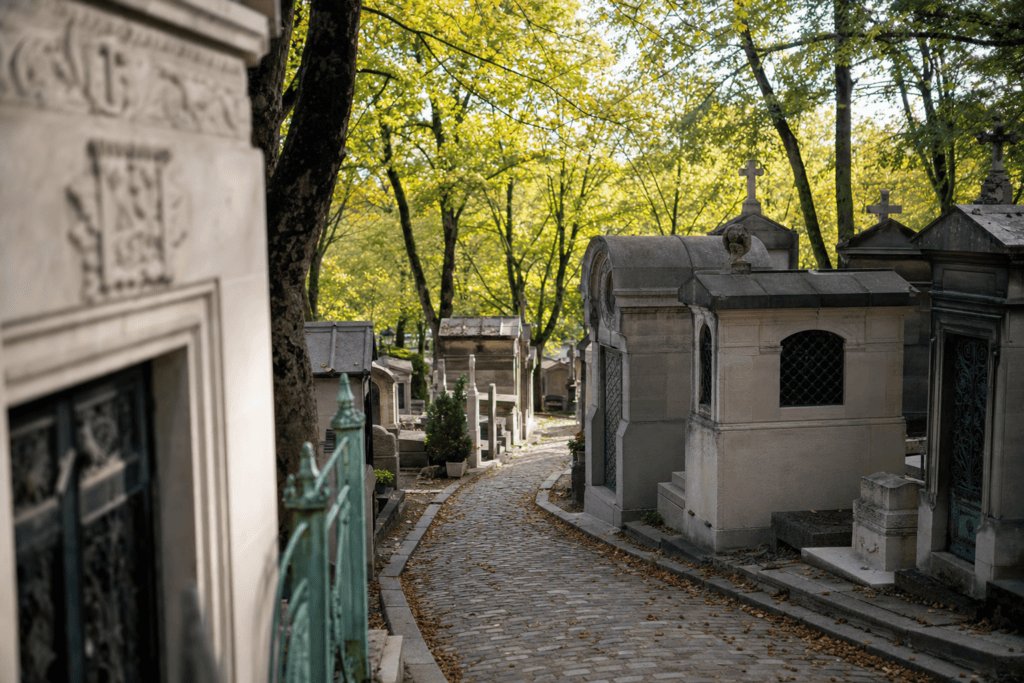 Père-Lachaise Cemetery A historic route among famous graves, sculptures, chapels, and tree-lined paths in the 20th arrondissement.
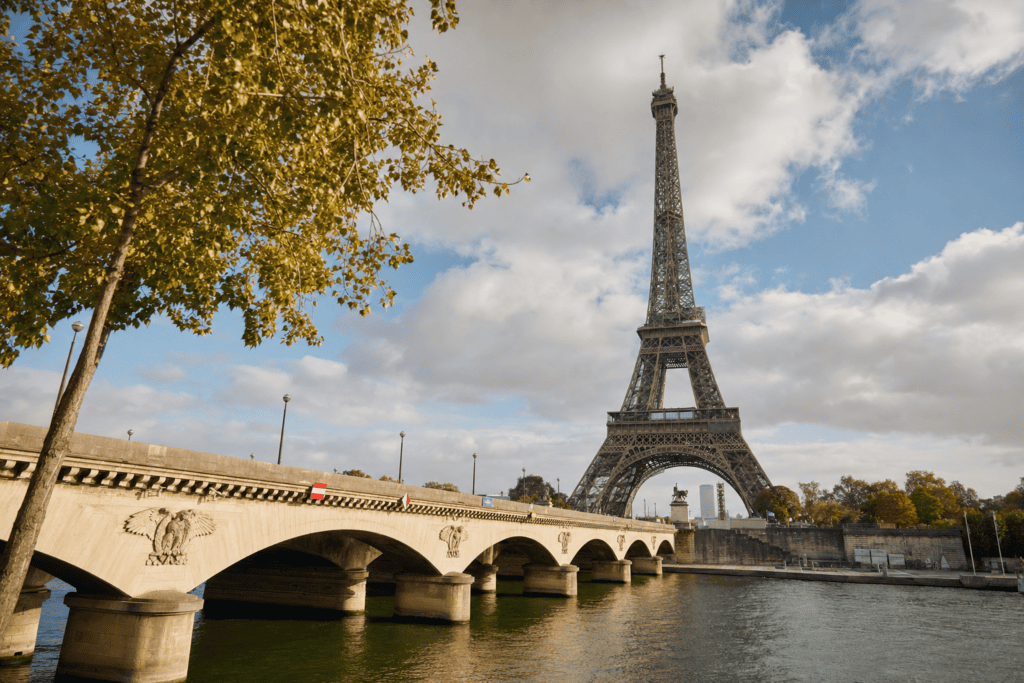 Eiffel Tower Visit the Eiffel Tower with a practical guide to the ascent, panoramic views, access, and the best…
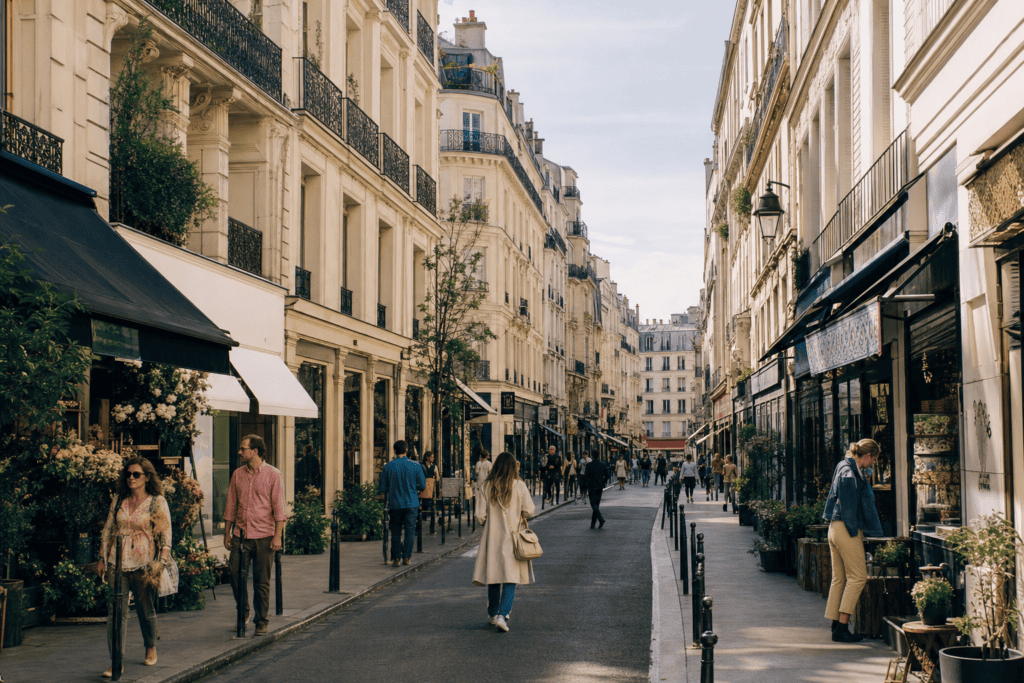 Rue des Martyrs A Parisian uphill route through food shops, cafés, 9th-arrondissement heritage, and the route toward Montmartre.
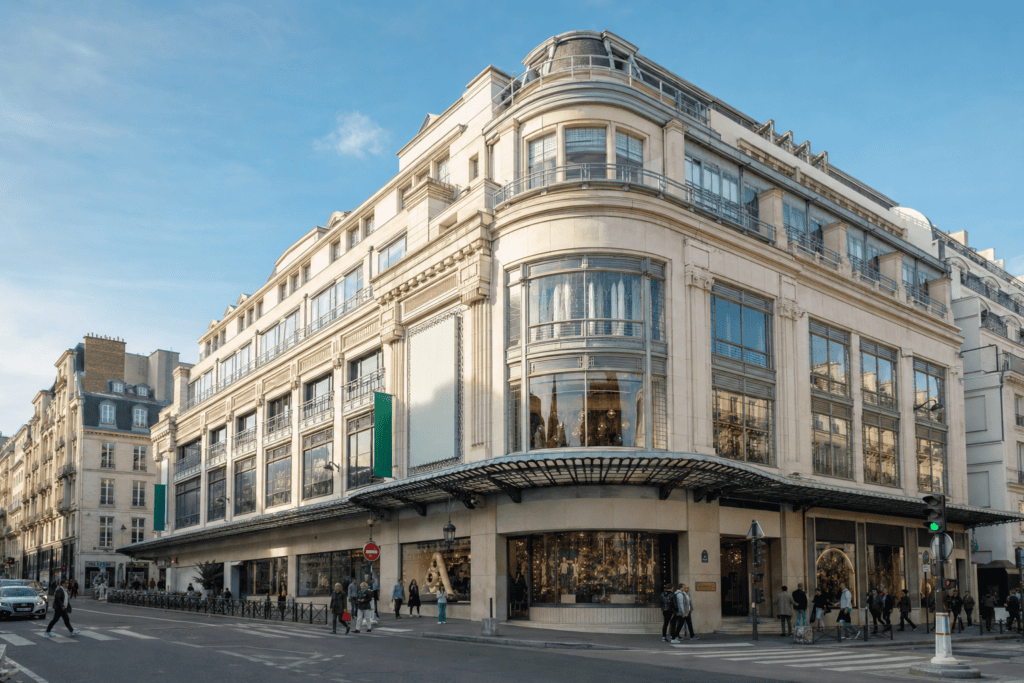 Le Bon Marché Rive Gauche A historic Left Bank department store combining fashion, design, gastronomy and the art of living…
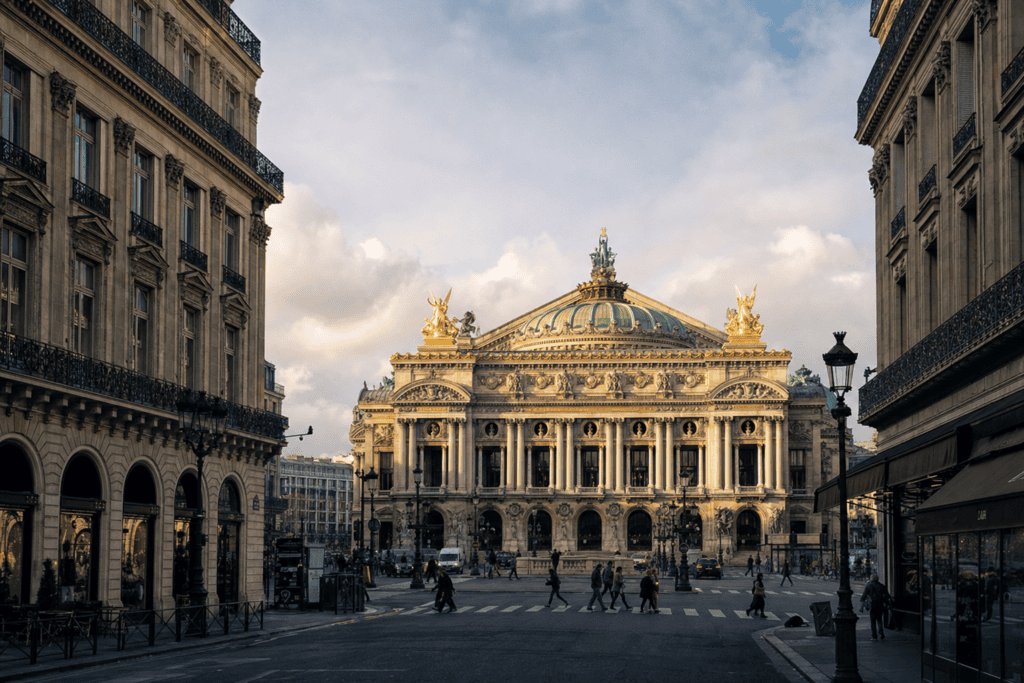 Palais Garnier A monumental opera house worth discovering for its Grand Staircase, foyers, salons, and décor…
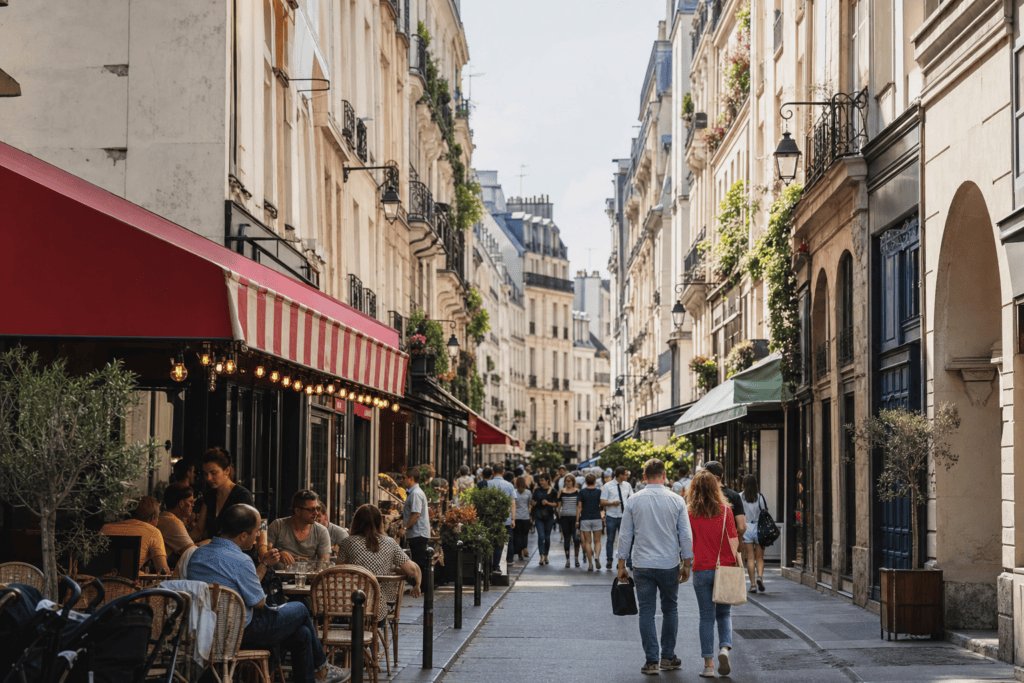 Rue Montorgueil A lively, food-loving Paris street, ideal for exploring food shops between Les Halles,…
Online booking · Paris → Place Georges-Pompidou, 75004 Paris, France
Choose your pickup date and time
Your departure and arrival details are already pre-filled. You can adjust them in the fare calculator before viewing the vehicles and fare.