



Foodie Paris: pastries, cheeses, and local specialties
Paris
This foodie Paris guide to pastries, cheeses, and local specialties helps you plan a delicious day without spending it traveling from place to place. Bakeries, pastry shops, cheese shops, markets, and brasseries are easier to explore by area: choose a neighborhood, plan two or three tastings, and leave time to wander. Addresses change, hours vary, and displays follow the seasons, so keep your itinerary flexible.
Practical information
Bring a reusable bag, buy fragile products at the end of your route, and ask local artisans for advice on storage and transportation.
Make getting around for your Paris food tour easier
To combine several neighborhoods or transport your purchases, Booking Paris Transfer may offer a private ride departing from Paris, a Paris hotel, CDG, or ORY, with a return to Paris depending on the itinerary. The service covers transportation only.
Transportation only: departure from Paris, a Paris hotel, CDG, or ORY, with a return to Paris according to the agreed itinerary.
1. Start at a Parisian bakery
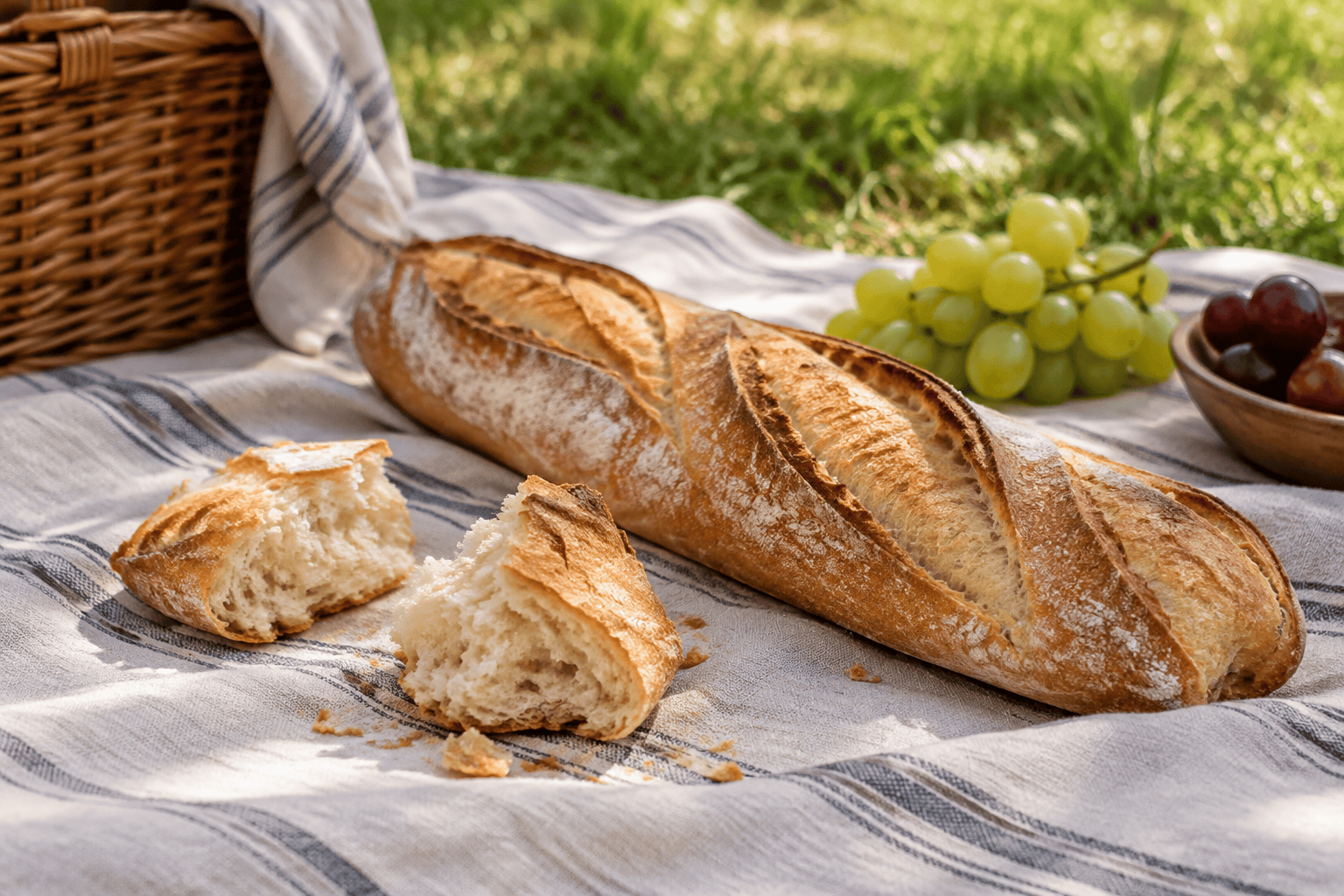
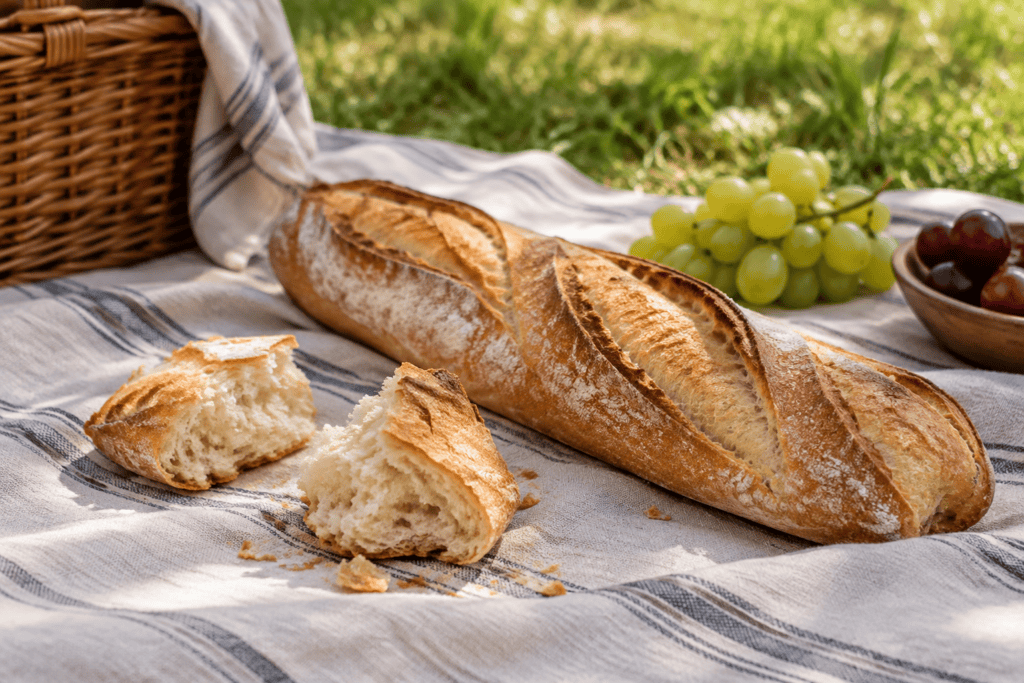
A neighborhood bakery is a great place to start. Baguettes, croissants, and pain au chocolat are classics, but you can also compare sourdough bread, brioche, or a seasonal viennoiserie. Watch for fresh batches coming out and ask which products have just come out of the oven.
For a group tasting, choose one viennoiserie, one rustic loaf, and one sweet specialty rather than several identical portions. A baguette is easy to carry for a picnic, while filled or laminated pastries are best eaten soon after purchase.
The Paris Tourist Office highlights several Parisian specialties, including baguettes and croissants. Use this selection as a starting point, then let the shops along your route guide you.
2. Explore classic and contemporary pastries
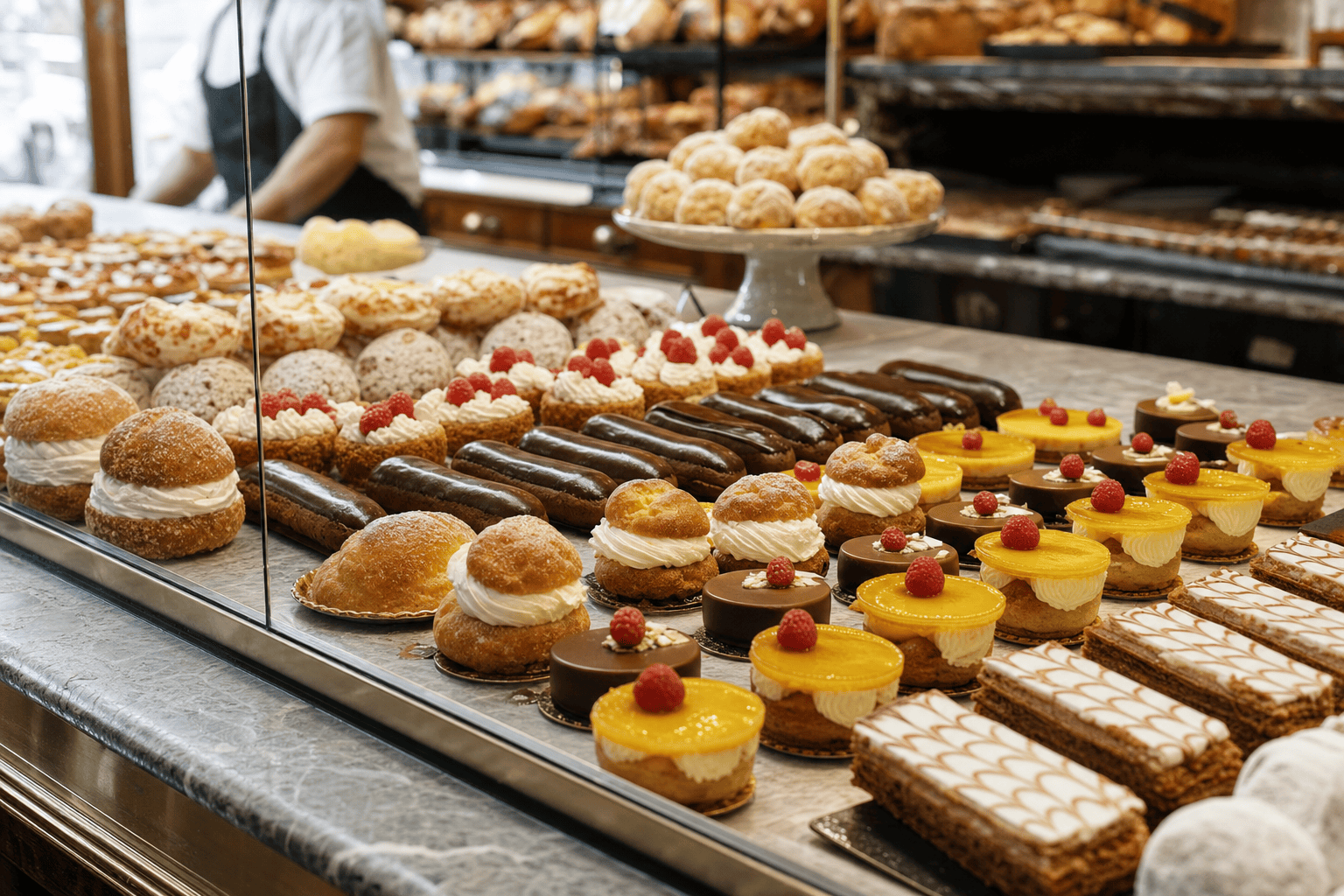
Mille-feuille, opera cake, Paris-Brest, éclairs, macarons, and fruit tarts let you compare very different textures: puff pastry, cream, praline, chocolate, mousse, and meringue. Each shop, however, has its own interpretation.
An effective approach is to buy one pastry per person and share them. That way, you can sample several recipes without overwhelming your palate. If you are looking for a particular creation, check its availability that day: batches may be limited or seasonal.
The Opéra–Louvre area works well for a relatively compact walk, while Saint-Germain-des-Prés and the Marais are better suited to self-contained routes. Montmartre involves more walking and includes sloping streets, so save fragile boxes for last. The Tourist Office lists several Parisian sweet specialties.
3. Choose your cheeses and understand their origins
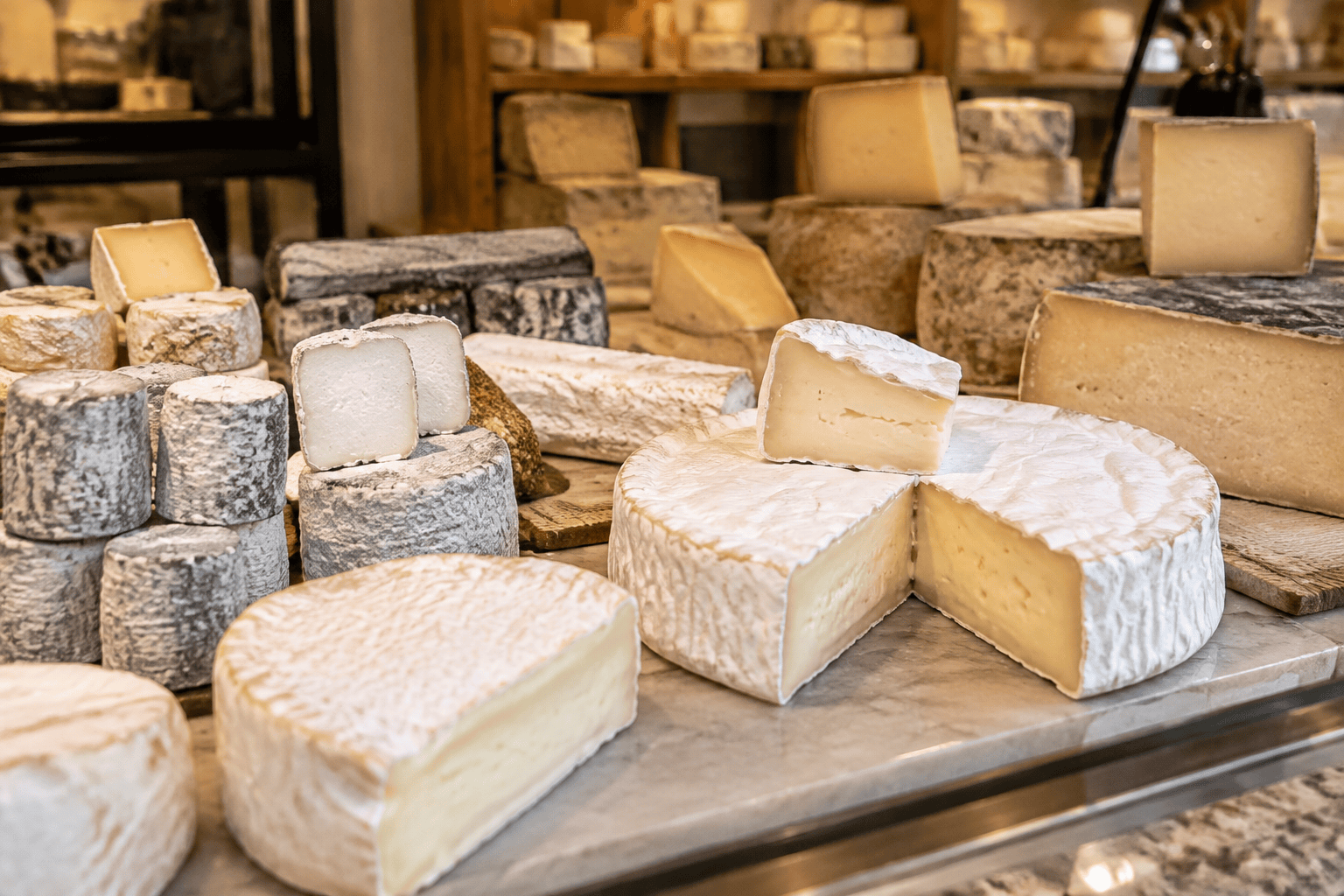
Paris brings together cheeses from many French regions. At a cheese shop, ask for a progression from soft-ripened to semi-hard, goat cheese, and then blue cheese. To stay close to the Île-de-France region, try Brie de Meaux, Brie de Melun, or Coulommiers.
Protected Designation of Origin labels correspond to a specific geographic area and precise production requirements. To better understand these designations, consult the INAO documentation on products with official quality labels.
Ask how to store each cheese and which bread to serve with it. If you have several hours of sightseeing ahead, choose reasonable portions and suitable packaging. When flying or in hot weather, avoid carrying sensitive products for long periods without a way to keep them properly stored.
The Tourist Office’s advice on cheeses in Paris can help with your planning, but the cheesemonger remains the best person to ask about aging and quantities.
4. Discover a food market
A market offers a glimpse into Parisian food habits and lets you put together lunch as you browse the stalls. Don’t try to visit several in the same morning: choose one within a 15- to 25-minute walk of your other stops, or plan a short metro ride.
Le marché couvert des Enfants Rouges se combine facilement avec le Haut-Marais et la place des Vosges. Le marché d’Aligre forme un itinéraire distinct autour de la place d’Aligre, de Bastille et du faubourg Saint-Antoine. Raspail convient davantage à un parcours rive gauche, tandis que la rue Mouffetard s’intègre bien à une promenade entre le Quartier latin et le jardin du Luxembourg.
Days and hours vary from one market to another. Consult the official list of food markets published by the City of Paris before setting out. Arrive early for the widest selection, then eat your purchases only in areas where this is permitted.
5. Three well-planned food itineraries
Marais and central Paris: start near Châtelet or Hôtel de Ville, explore the Marais shops, then walk about 15 to 20 minutes to Marché des Enfants Rouges. Continue toward Place des Vosges or the Louvre area. Allow three to four hours, including breaks.
Left Bank: start in Saint-Germain-des-Prés, explore Marché Saint-Germain, then walk to Luxembourg Gardens in about ten minutes. The Latin Quarter is a natural continuation. This route works well for a cheese tasting followed by a sit-down lunch.
Montmartre and Pigalle: start near Abbesses or Pigalle, save fragile purchases for last, and plan for the climb toward the basilica. Distances look short on the map, but stairs and hills slow you down; allow half a day to enjoy the shops and viewpoints.
In each area, limit yourself to two or three main stops. The goal is to taste without rushing from one arrondissement to another.
6. Taste Parisian specialties without the clichés
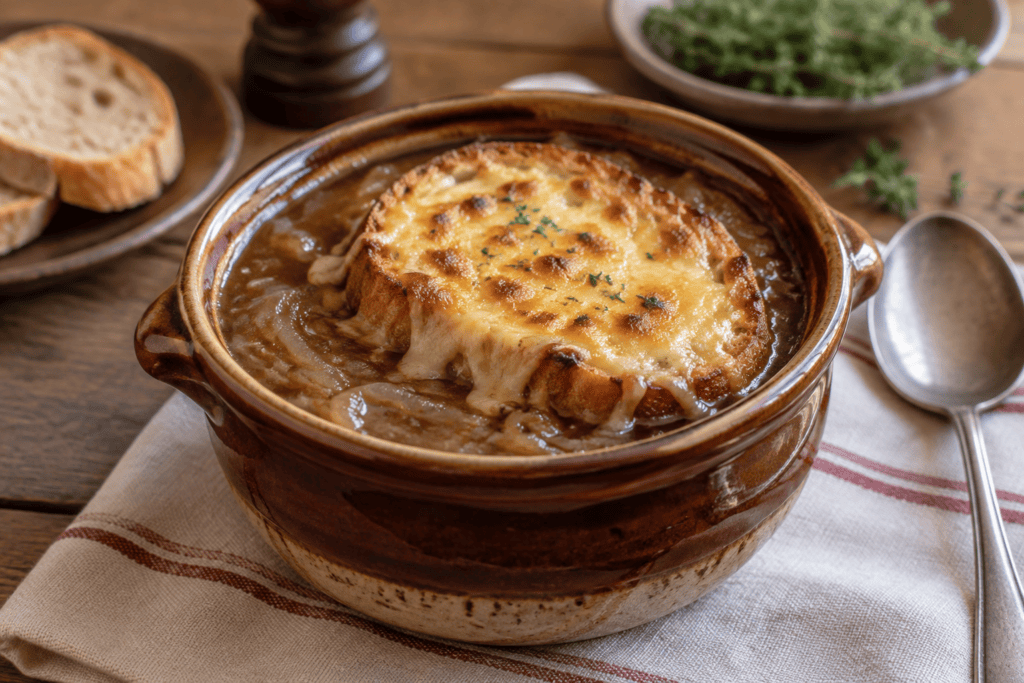
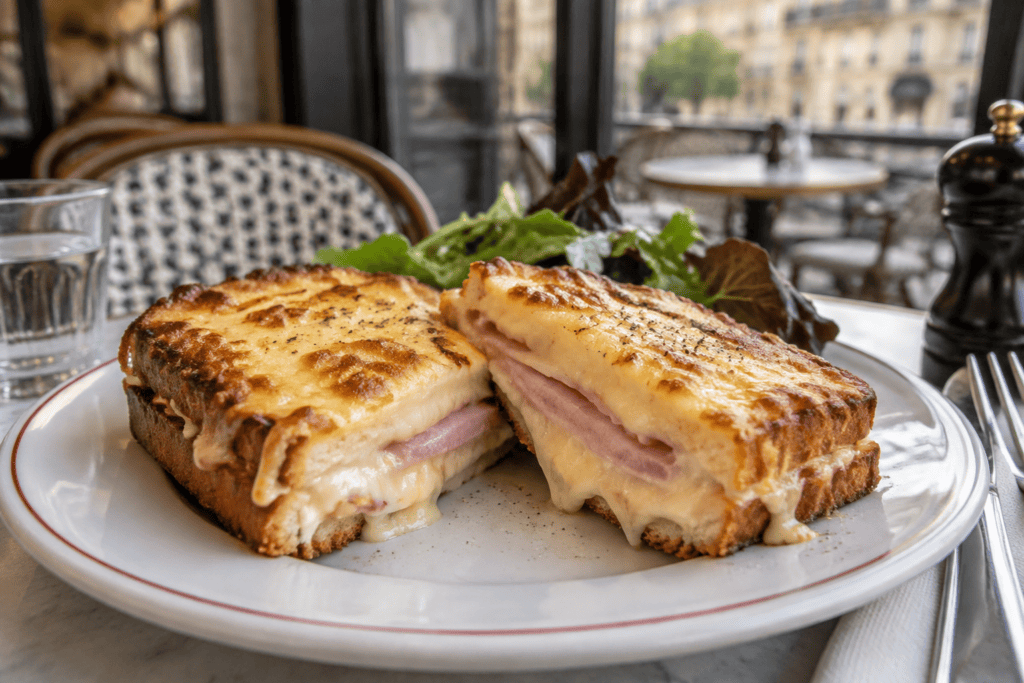
Baguettes, croissants, croque-monsieur, opera cake, and Paris-Brest are among the classics associated with Paris. Some have a history that extends beyond the capital, but they are fully part of its culinary landscape. French onion soup, deviled eggs, a ham-and-butter sandwich, or a charcuterie plate can balance out an especially sweet day.
For a longer meal, choose a restaurant or brasserie whose menu clearly lists the dishes and allergens. Recipes and available products change with the seasons, so ask what is actually being served rather than pursuing one particular specialty at all costs.
Parisian cuisine is international too. A Levantine bakery, an Italian grocery, or a pastry shop rooted in another tradition can all have a place on your route. Pairing a great French classic with a family-run establishment better reflects the capital’s diversity today.
7. Practical tips for planning your day
Check closing days, market hours, and any reservation requirements before setting out. The most popular products may sell out by the end of the day. For allergies, ask the vendor directly about ingredients and cross-contact risks, since recipes can change.
Alternate sweet and savory foods, drink water regularly, and make time for a proper meal break. Buy pastries and cheeses near the end of your route, keep them out of the sun, and ask for suitable packaging. A soft cooler can be useful for a long journey, but it does not replace the professional’s storage instructions.
If you are carrying purchases or need to reach several distant points, a private ride from Paris, a Paris hotel, CDG, or ORY can complement your day’s plans. Transportation does not include tickets, tastings, or restaurant reservations.
Useful sources
Frequently Asked Questions
Which neighborhood should I choose for my first food-focused day in Paris?
Can I visit several Paris markets on the same day?
Which cheeses from the Île-de-France region should I try first?
When should I buy pastries?
How can I carry cheese or pastries during a day of sightseeing?
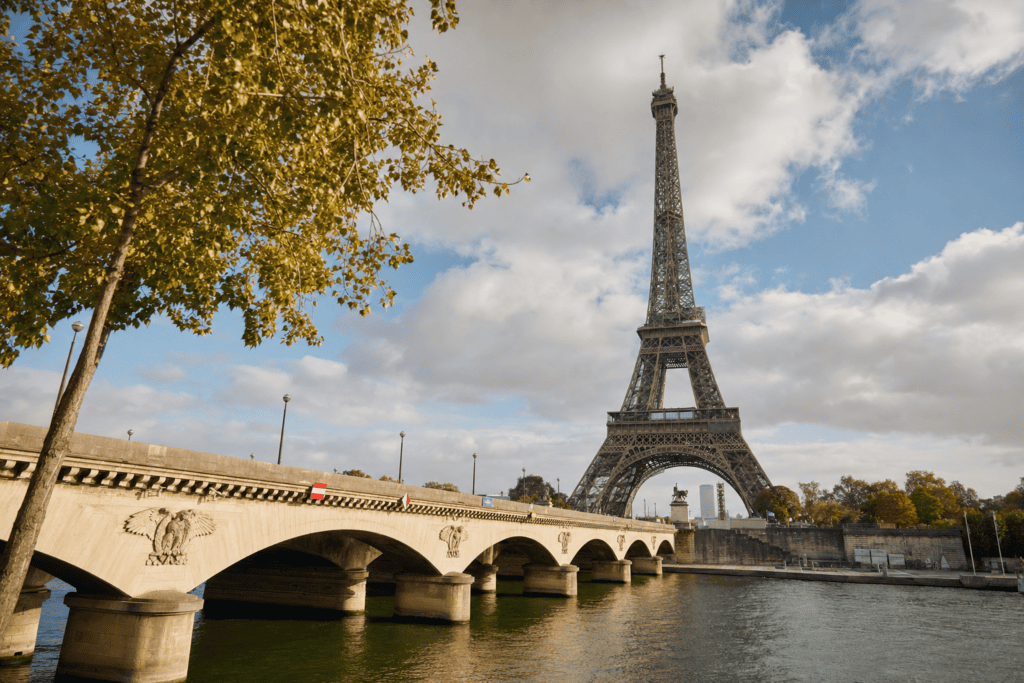 Eiffel Tower Visit the Eiffel Tower with a practical guide to the ascent, panoramic views, access, and the best…
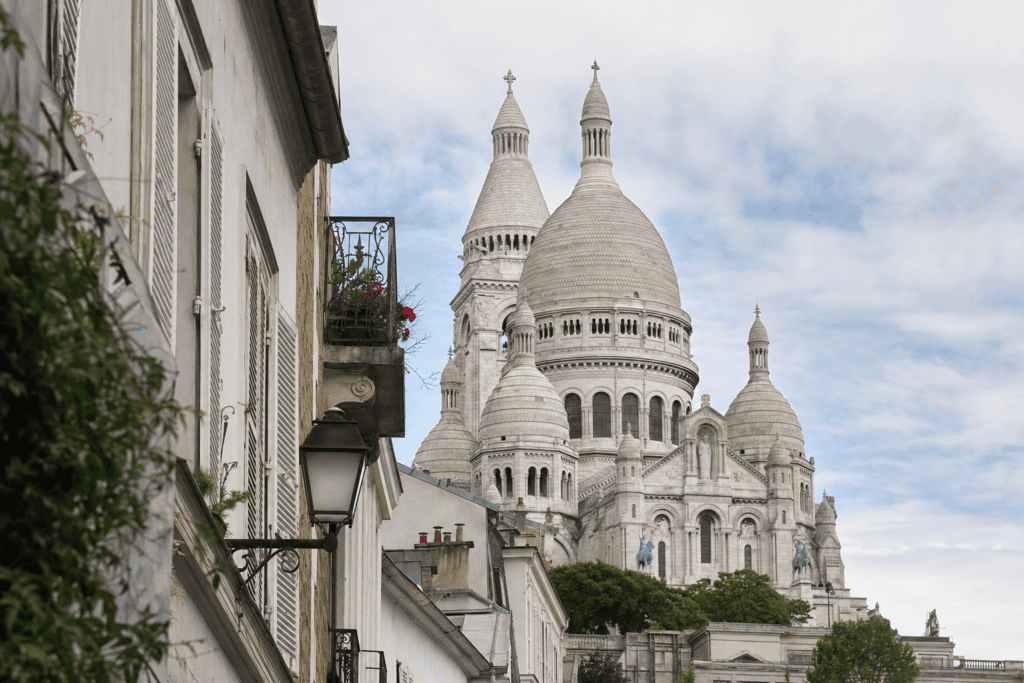 Montmartre and the Sacré-Cœur Basilica A walking route through Abbesses, Place du Tertre, and Sacré-Cœur, with narrow streets…
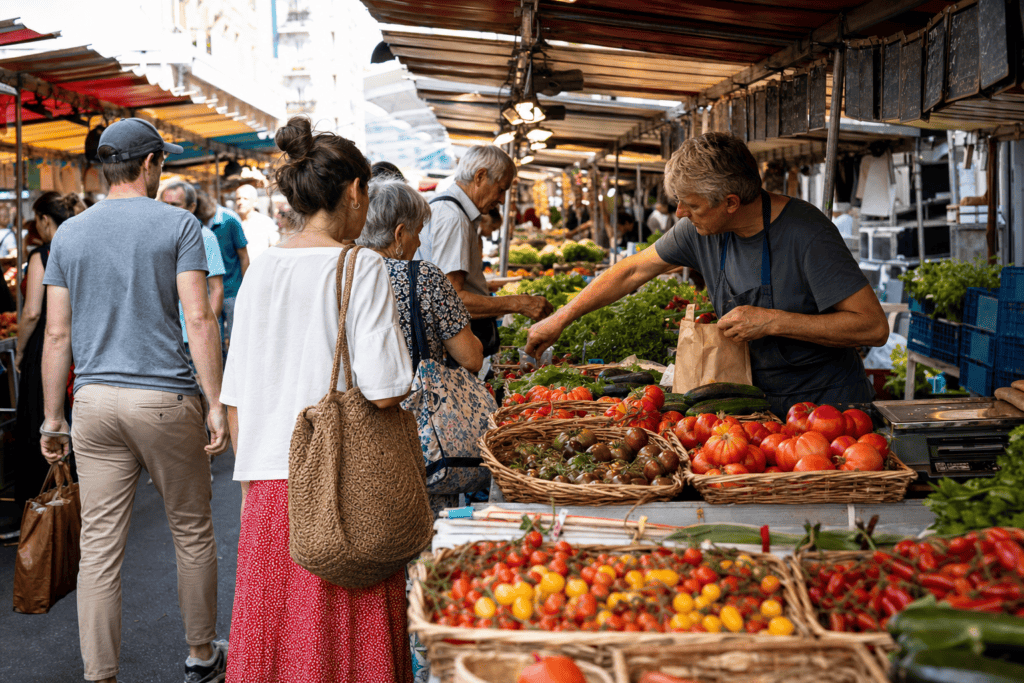 Aligre Market A lively address in the 12th arrondissement where a food hall, outdoor stalls, and a flea market come together to create a truly…
 Notre-Dame Cathedral of Paris and Île de la Cité Notre-Dame, the Seine quays, and the monuments of Île de la Cité form a promenade…
 Aquaboulevard An indoor water park in the 15th arrondissement, convenient for a half-day family outing between Balard and…
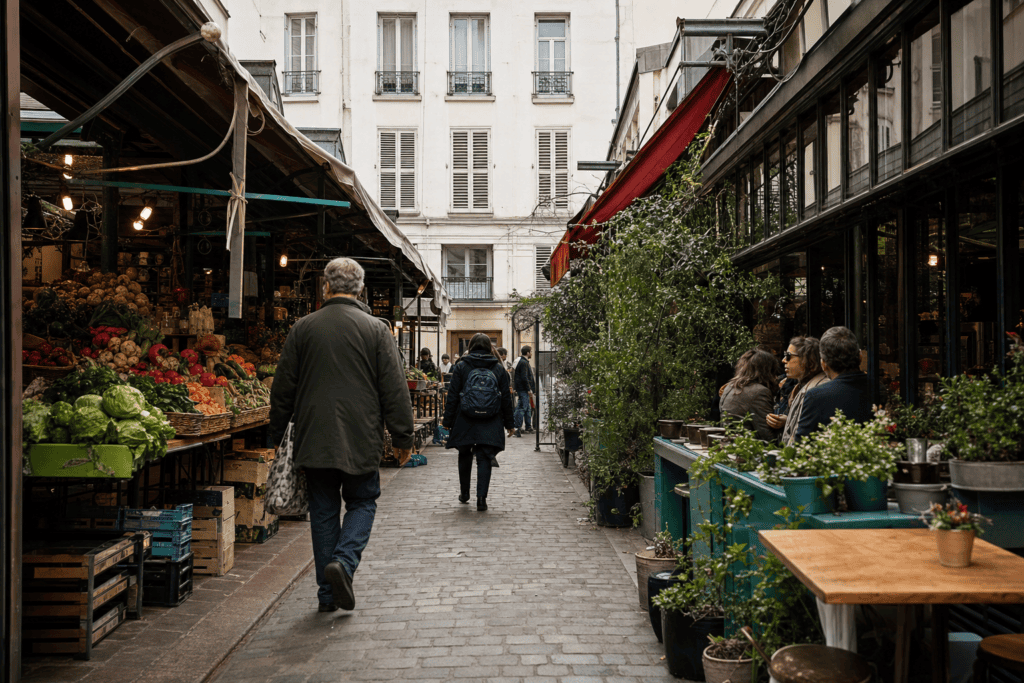 Marché des Enfants Rouges In the Haut Marais, this historic covered market brings together fresh produce and food counters from the…
Online booking · Paris → Paris, France
Choose your pickup date and time
Your departure and arrival details are already pre-filled. You can adjust them in the fare calculator before viewing the vehicles and fare.