



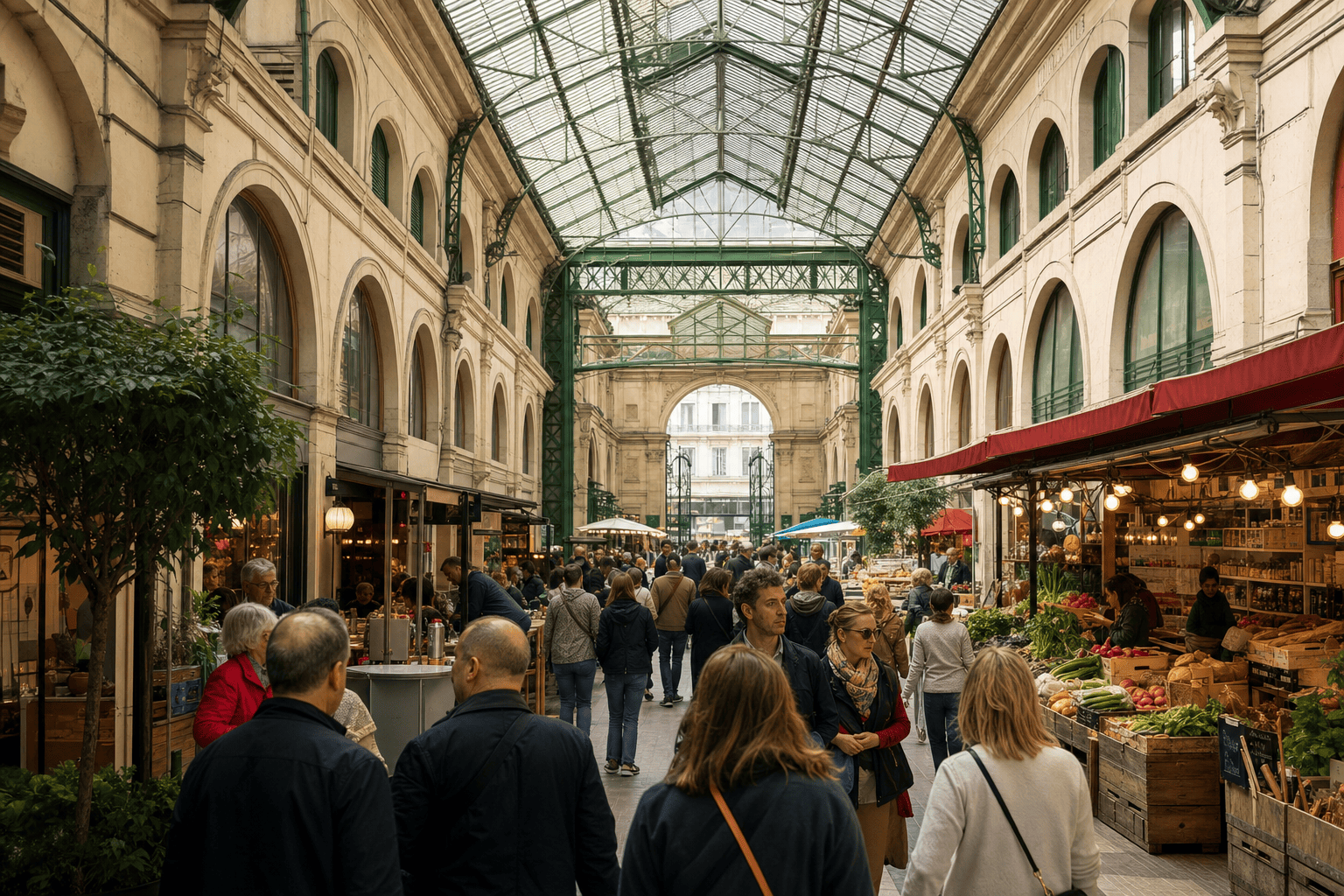
Saint-Quentin Covered Market: A Food Lover’s Guide to Paris
Paris
Between Gare du Nord and Gare de l’Est, Saint-Quentin Covered Market offers a food-focused stop in the heart of Paris’s 10th arrondissement. This shopping hall on Boulevard de Magenta showcases everyday Paris through fresh produce, specialty shops, and neighborhood interactions. It suits travelers with some time near the major train stations as well as visitors looking to extend a walk toward the outer neighborhoods, Porte Saint-Martin, or Canal Saint-Martin. Since the hours of the hall and individual shops may change, check official information before you go.
Practical information
If you have luggage, opt for a short visit and avoid buying perishable goods before a long journey. A reusable or insulated bag may be useful, but the aisles and areas around the boulevard can be busy.
Getting to the Market Easily from Paris
Booking Paris Transfer arranges private trips from Paris, a Paris hotel, or CDG and ORY. Transportation can include a return to Paris depending on your itinerary; purchases, market access, and any luggage storage remain your responsibility.
Transportation service from Paris, Paris hotels, CDG, or ORY. No admission tickets or ticketing services are provided.
Why Visit Saint-Quentin Covered Market?
Saint-Quentin Covered Market is an interesting place to experience a lively, commercial side of Paris, away from routes devoted exclusively to monuments. People come to shop, grab a snack, look for fresh produce, or simply observe daily life in the 10th arrondissement. The hall is neither a museum nor an attraction organized around a set itinerary: its appeal lies in the coexistence of genuine commercial activity, historic architecture, and a very central location.
Its proximity to Gare du Nord, Gare de l’Est, and Gare de Magenta makes it a convenient stop for some travelers. It can fit into an arrival in Paris, a break between two journeys, or a walk through the outer neighborhoods. However, keep your luggage with you and allow plenty of time, as the areas around the stations are busy and traffic conditions vary by time of day.
Food lovers, urban photography enthusiasts, and travelers seeking local atmosphere will find plenty to explore here. The colors of the stalls, the structure of the hall, and the exchanges between vendors and customers create a more everyday than tourist-focused Parisian scene. To enjoy the space, take time to look without blocking passageways, and ask permission before photographing a vendor or an identifiable stall.
A 19th-Century Parisian Market Hall
Saint-Quentin Covered Market is part of the history of the Parisian market halls developed during the 19th century. Municipal and tourism sources generally date it to 1866, a period when Paris was modernizing its roads, commercial facilities, and neighborhoods around the new train stations. Its location met a practical need: bringing food closer to residents while protecting it from the elements and better organizing trade.
Viewed from Boulevard de Magenta, the building stands out as a covered market hall. Inside, look at the metal framework, glazed surfaces, and the height of the space. These features recall the techniques used at the time to cover large areas while preserving sufficient natural light. The architecture deserves attention, but it is meaningful precisely because the building continues to host commercial activity.
The market should also be understood within the urban landscape of the 10th arrondissement. Boulevard de Magenta connects several heavily traveled areas and reflects the transformations Paris underwent during the 19th century. The nearby train stations reinforce this historical perspective: the hall belongs to a neighborhood defined by movement, commerce, and cultural mixing. For a fuller visit, combine your look at the market with a walk toward Gare de l’Est, Gare du Nord, or the streets of the outer neighborhoods, without attributing to the hall decorative features that belong to other buildings in the area.
Fresh Produce and a Variety of Shops
The market’s offerings depend on which shops are open and on the day’s deliveries. Depending on the stalls present, visitors may find fruits and vegetables, meat, charcuterie, fish, cheese, prepared foods, flowers, or takeout items. The hall also reflects the culinary diversity of the 10th arrondissement, with French products and specialties from other gastronomic traditions. This variety makes it possible to put together a simple meal, prepare a picnic, or take home something to enjoy later.
It is important to distinguish the market’s overall offerings from those of each individual vendor. Days of operation, hours, deliveries, and available products are not necessarily the same from one stall to another. If you are looking for a specific item, check an up-to-date list of shops or ask directly before you go. A directory listing does not guarantee that a product will be available on the day of your visit.
Travelers continuing their exploration of Paris should favor purchases that are easy to carry. For fish, dairy products, or fresh prepared foods, ask the vendor for storage advice and consider the length of your journey. An insulated bag may be useful, while buying something to eat right away avoids transportation issues. The market is primarily a place for shopping and commerce: respect lines, counters, and the professionals’ workspace.
Access from Train Stations and Public Transportation
The market is located at 85 bis Boulevard de Magenta, in a central part of the 10th arrondissement. From Gare de l’Est, the route generally follows Boulevard de Magenta north; from Gare du Nord, it runs in the opposite direction. The distance may look short on a map, but actual travel time depends on pedestrian traffic, construction, crossings, and the weight of your luggage. Use a navigation app on the day of your visit rather than relying on an outdated route.
The nearby stations are served by several Paris transit options. Gare de l’Est is served by Metro Lines 4, 5, and 7, while Gare du Nord is served notably by Lines 4 and 5. Gare de Magenta provides access to RER E. Bus lines also run through the neighborhood. Connections may nevertheless involve long corridors, stairs, or crowded platforms; check service and network conditions before leaving.
People with reduced mobility should check the actual accessibility conditions of the market and their chosen station. The availability of an elevator, a temporarily closed route, or construction work may change the best option. Information from the City of Paris, RATP, and Île-de-France Mobilités should be consulted. When walking, stay alert at crossings and keep your luggage close in this busy transit area.
Continue Exploring the 10th Arrondissement
The market can serve as the starting point for a walk focused on urban life north of central Paris. After visiting the hall, head toward Gare de l’Est or Porte Saint-Martin and Boulevard de Strasbourg. The streets of Faubourg Saint-Denis and Faubourg Saint-Martin are lined with restaurants, cafés, shops, and passageways. Their atmosphere differs from that of the monumental neighborhoods near the Seine, with a strong presence of local businesses and considerable cultural diversity.
Another option is to walk toward Canal Saint-Martin. The tree-lined quays, footbridges, and locks provide a pleasant setting for extending a visit focused on food. Depending on your pace, you can then continue to Place de la République or return toward the Grands Boulevards. If you are carrying fresh products, choose one route and avoid turning your shopping trip into a long hike, especially in hot weather.
This combination of market and neighborhood works well over half a day. It lets you combine architecture, food, and observation of local life without making multiple reservations. Travelers arriving by train can also plan their walk around their departure time, but should allow enough time to collect their luggage and reach their platform. Since streets around the stations may be affected by construction, check the route when you set out.
Hours, Crowds, and Practical Tips
The City of Paris listing generally indicates daytime opening from Tuesday through Saturday and on Sunday mornings, with closure on Monday. Check this information before every visit, as a public holiday, construction, exceptional closure, or organizational change may affect normal operations. The hall may be open while some vendors are absent; conversely, a stall may have its own hours or days of operation.
Morning is generally the best time to see food-related activity and enjoy a wider selection. Crowds may increase around mealtimes and when travelers are moving between the stations. Keep your wallet and phone in a safe place, do not block the aisles, and let customers reach the counters. Photography is possible with discretion, but always ask permission from recognizable people and avoid slowing vendors’ work.
For a comfortable visit, wear suitable shoes and bring a compact bag. People with strollers, wheelchairs, or specific needs should find out about current circulation conditions and access points. Regarding animals, ask the market directly what rules apply before you arrive. Finally, if you buy food, follow storage recommendations and do not leave fresh products for several hours in an unrefrigerated vehicle.
Which Travelers Is the Market Suitable For?
Saint-Quentin Covered Market is a good fit for visitors who want to experience a place of everyday life rather than an attraction requiring a reservation. It is particularly appealing to people staying in the 10th arrondissement, travelers arriving at Gare du Nord or Gare de l’Est, and fresh-food enthusiasts. Architecture fans will appreciate the metal structure and the history of Paris’s commercial market halls, while curious visitors can observe the neighborhood’s diverse products and customs.
Families can plan a short stop, taking crowds and movement between the stalls into account. International visitors will discover an area shaped by considerable culinary diversity. However, the market may not justify a separate trip from the other side of Paris; it makes more sense to include it in a walk toward Canal Saint-Martin, the outer neighborhoods, or the historic train stations. Travelers with luggage should keep things simple and avoid purchases that are difficult to store.
Booking Paris Transfer can arrange a private trip from Paris, a Paris hotel, or CDG and ORY. The service covers transportation only, with the option of a return to Paris depending on the agreed itinerary; purchases, market access, and any luggage storage are the visitor’s responsibility. From the nearby stations, walking or public transportation may nevertheless be simpler depending on the time and amount of luggage.
Useful sources
Frequently Asked Questions
Where exactly is Saint-Quentin Covered Market located?
What are the hours for Saint-Quentin Covered Market?
Which Metro lines serve the market?
Can you walk to the market from Gare du Nord?
What can you buy at Saint-Quentin Market?
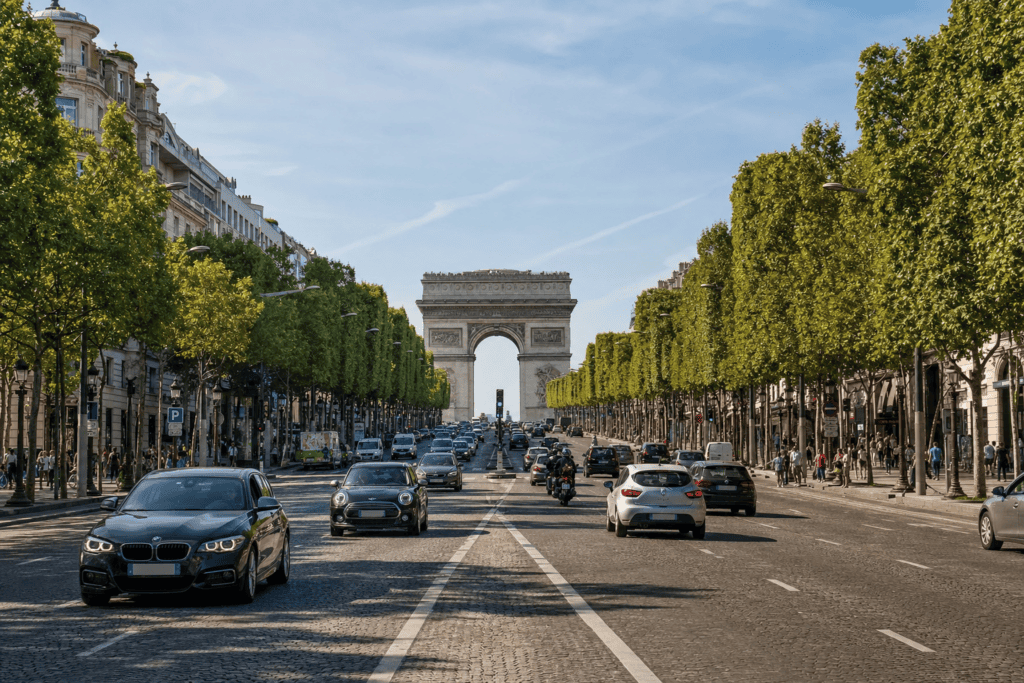 Avenue des Champs-Élysées A grand Parisian promenade lined with gardens, museums, shops and cafés, leading along a monumental vista toward the Arc de Triomphe.
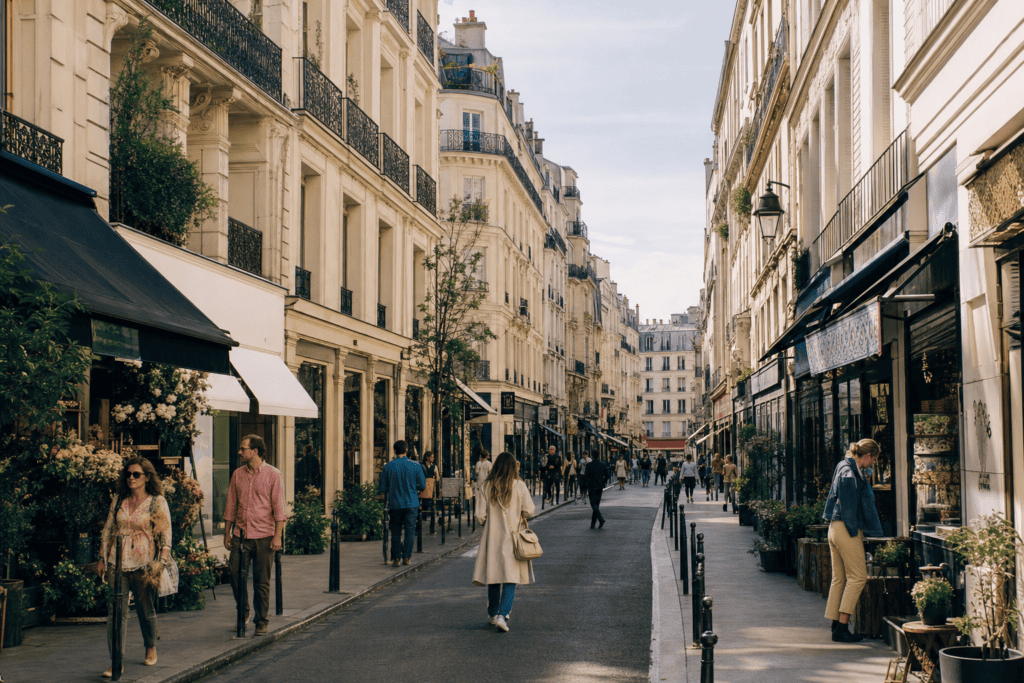 Rue des Martyrs A Parisian uphill route through food shops, cafés, 9th-arrondissement heritage, and the route toward Montmartre.
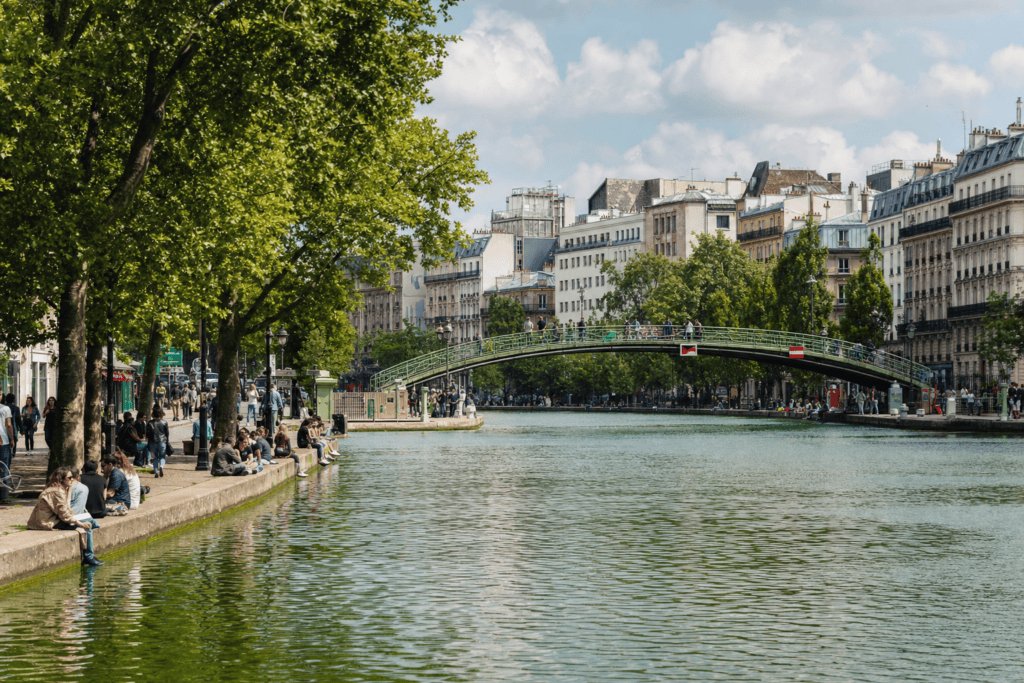 Canal Saint-Martin A Parisian stroll among locks, footbridges, trees and lively quays in the heart of the 10th arrondissement.
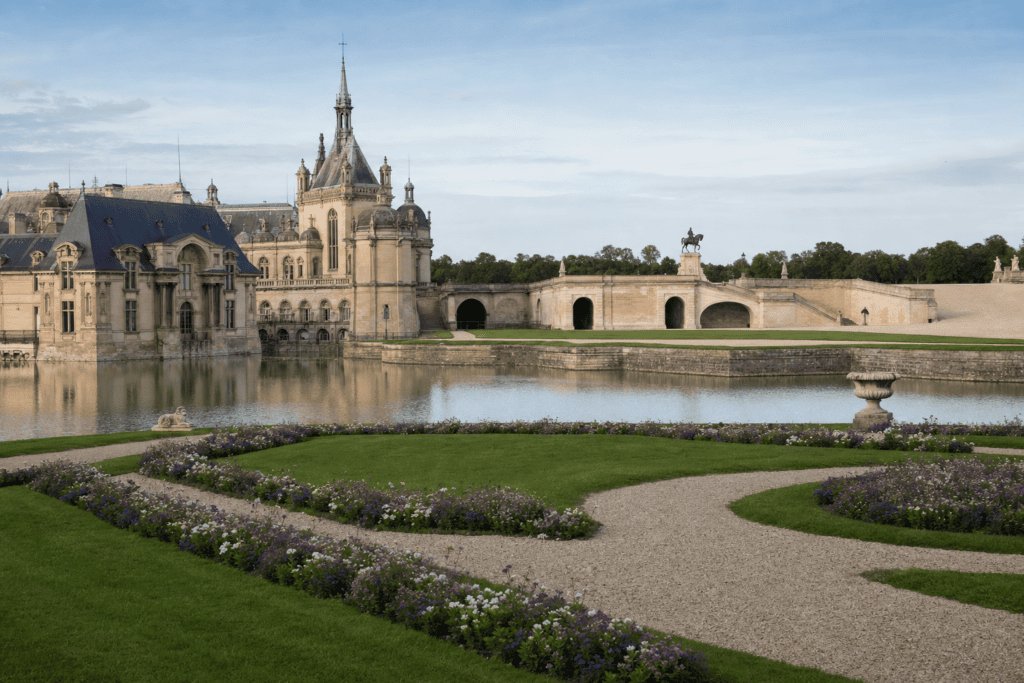 Chantilly Estate A princely estate north of Paris, featuring the Musée Condé, a château, the Great Stables, historic gardens, and…
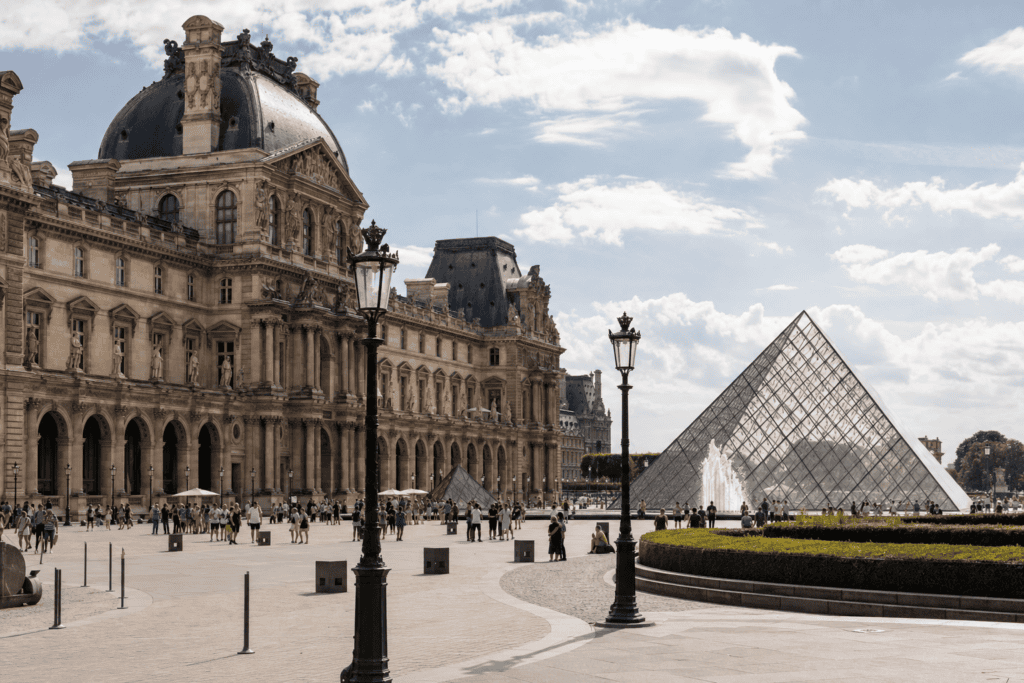 Louvre Museum An essential Paris itinerary featuring the Mona Lisa, antiquities, major European paintings, and the décor of a former palace…
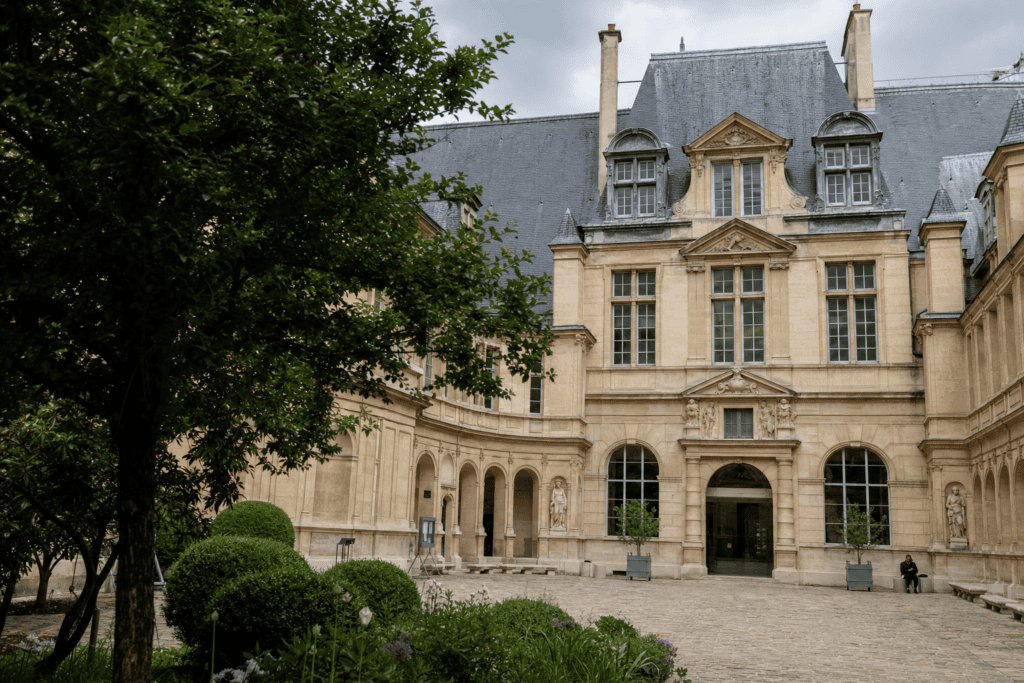 Musée Carnavalet – History of Paris Housed in two private mansions in the Marais, the Musée Carnavalet traces the history of Paris from Prehistory…
Online booking · Paris → 85 bis Boulevard de Magenta, 75010 Paris, France
Choose your pickup date and time
Your departure and arrival details are already pre-filled. You can adjust them in the fare calculator before viewing the vehicles and fare.