



Église de la Madeleine: A Practical Guide to Paris
Paris
With its monumental peristyle and 52 Corinthian columns, Église de la Madeleine is one of Paris’s most recognizable landmarks. Located on Place de la Madeleine in the 8th arrondissement, it is worth visiting for its neoclassical architecture, eventful history, interior décor, and role as a parish church. A visit to the building can be relatively brief, but its location makes it easy to plan a rich itinerary between Place de la Concorde, the Tuileries Garden, Palais Garnier, Place Vendôme, and the department stores. As this is an active place of worship, be sure to check the official information before visiting, especially during services, concerts, or ceremonies.
Practical information
La Madeleine is an active church: dress appropriately, keep noise to a minimum, turn off your flash, and do not photograph a ceremony without permission.
Planning a trip to La Madeleine from Paris
For a private itinerary starting in Paris, Île-de-France, at CDG, or at ORY, Booking Paris Transfer can arrange transportation to Église de la Madeleine or accompany you through several stops in the capital. The service covers transportation only: it does not include admission tickets, a guided tour, or a reservation with the sanctuary.
Transportation service departing from Paris, Île-de-France, CDG, or ORY, subject to availability.
A Spectacular Neoclassical Façade
The first view of La Madeleine evokes an ancient temple more than a traditional Parisian church. The monument features a vast Corinthian peristyle made up of 52 columns set before a particularly imposing façade. The sculpted pediment dominates the whole and gives the building a powerful presence along the Rue Royale axis. From the square, take time to observe the depth of the portico, the height of the steps, and the contrast between the pale stone and the surrounding urban façades.
This appearance is characteristic of Neoclassicism, which draws on the vocabulary of Greco-Roman antiquity while adapting it to a modern monument. La Madeleine has no traditional visible bell tower, and its exterior emphasizes regularity, strong lines, and monumentality. This distinctive character explains why it is a favorite subject for photographers, particularly from Rue Royale and the surroundings of the square.
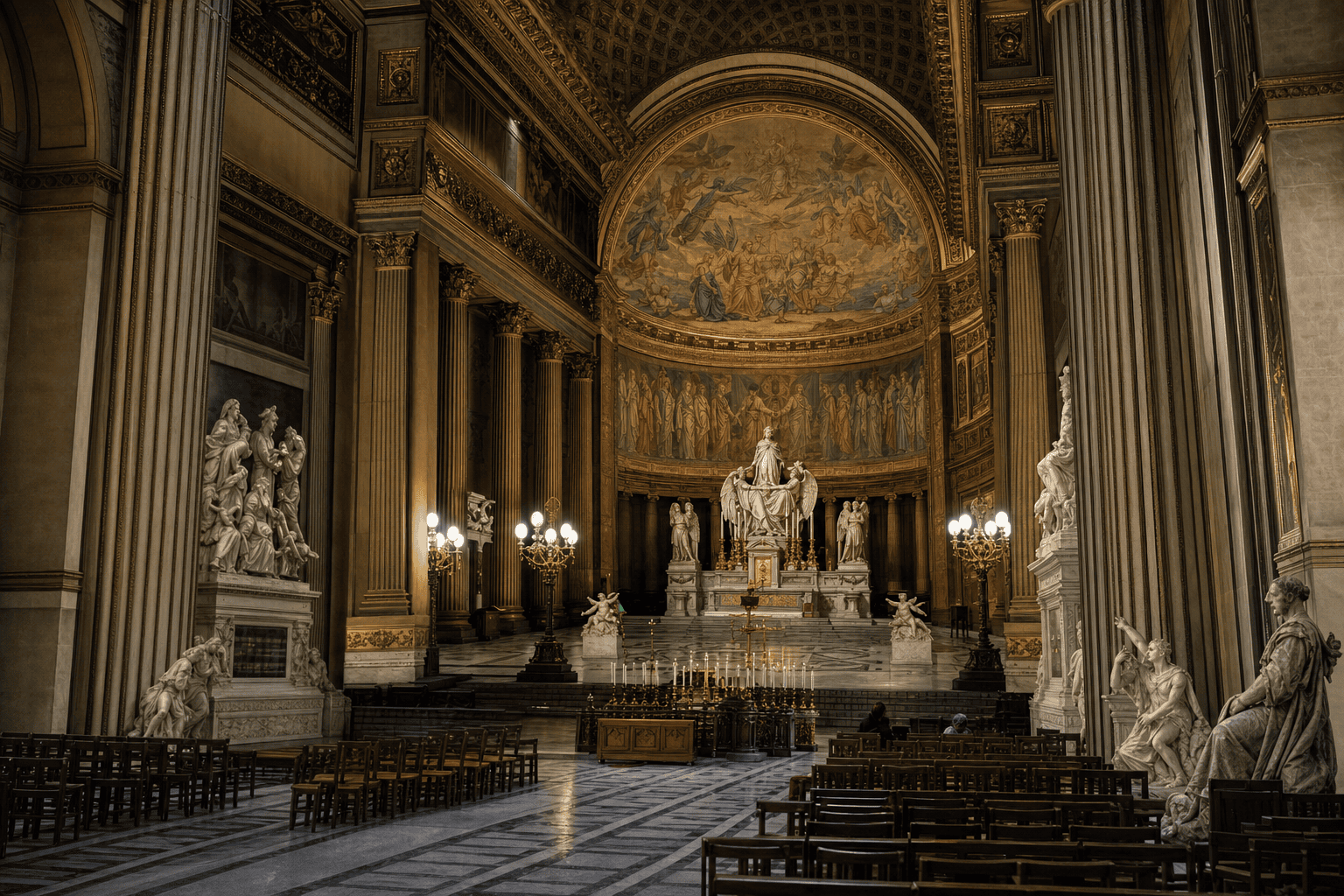
Inside, the impression changes noticeably: the light is more subdued, and the space is organized around a nave, chapels, and domes. The contrast between the solemn exterior and the contemplative atmosphere of the nave is one of the visit’s main points of interest.
A Building Shaped by Changes in Regime
The history of La Madeleine spans several decades and reflects France’s political transformations. The project’s foundation stone was laid during the reign of Louis XV, in 1764. Construction was then interrupted and redirected several times, particularly during the French Revolution, when the building’s intended purpose became uncertain.
The project changed character under Napoleon Bonaparte. In 1806, the building was intended to become a temple glorifying the Grand Army. Architect Pierre Vignon then resumed the work and reinforced its references to ancient architecture. This decision helped give La Madeleine its current appearance, with a façade dominated by columns and an exterior volume without an apparent bell tower.
After the fall of the Empire, the building ultimately returned to a religious purpose. The church was consecrated in 1842. This chronology helps explain why the monument does not correspond to a single architectural program: it preserves the memory of the monarchy, the Revolution, the Empire, and the return of Catholic worship. La Madeleine is therefore a religious building, but also a witness to Paris’s urban and political history.
Nave, Domes, and Interior Décor
After passing through the peristyle, visitors discover an interior layout very different from that of a Gothic cathedral. Chapels line the nave, which is structured by a succession of domes. The space emphasizes regular volumes, axial perspectives, and continuity of décor rather than the verticality of a nave pierced by large stained-glass windows. A first look from the entrance provides an overview of the composition before you focus on the details.
Among the elements visitors often notice is the sculptural group by Charles Marochetti depicting Mary Magdalene Carried by Angels, located in the choir. In the apse, the fresco by Jules-Claude Ziegler, The History of Christianity, is another highlight of the décor. These works form part of a religious and monumental program combining painting, sculpture, and architecture.
The visit is best taken slowly: observe the rhythm of the arches, the transition between the nave and the choir, and then the side chapels. Lighting conditions can alter how the paintings and reliefs appear. Depending on which areas are open and on liturgical activity, some sections may be less easy to see. It is therefore better to approach La Madeleine as a whole to be studied carefully rather than as a simple room to pass through.
An Active Sanctuary and a Place of Musical Memory
La Madeleine remains an active church. It hosts services, ceremonies, and, depending on the program, musical events. This religious function can affect visitor access and requires respect for areas reserved for worship. Before planning your visit, consult the sanctuary’s information rather than relying on an old schedule found on a third-party website.
The monument also holds a place in Paris’s musical memory. Frédéric Chopin’s funeral was held there in 1849, after a delay related to preparations for the ceremony. This historical connection explains the interest the site holds for some visitors passionate about music and cultural history. It should not, however, obscure the fact that La Madeleine is first and foremost a parish sanctuary whose identity is not defined by either a concert or a famous anecdote.
The building’s acoustics are sometimes mentioned, but how they are perceived depends on the event, how the space is occupied, and the listener’s position. For an ordinary visit, focus instead on the relationship between the building’s architectural monumentality, the relative quiet of the nave, and the site’s spiritual purpose.
Getting There by Metro and Arriving at the Square
Église de la Madeleine is located at 1 Place de la Madeleine in the 8th arrondissement. Madeleine station is served by Paris Metro lines 8, 12, and 14. Station entrances and routes may change due to construction or temporary work: check the latest RATP information before setting out, especially if you need an elevator.
The monument’s location is ideal for walking. From Place de la Concorde, Rue Royale leads directly to the façade. From Palais Garnier, the square is also just a few streets away on foot, while Saint-Lazare station is in the same area. This proximity makes it possible to plan a seamless walk without multiple changes of transportation.
For interior accessibility, be sure to distinguish access to the neighborhood, entry to the monument, and movement within the nave. Transportation information alone does not guarantee that every area is accessible. Visitors with reduced mobility should ask the sanctuary about the currently applicable entrance conditions and check for a step-free route from the station or drop-off point. This precaution is preferable to relying on unconfirmed general information.
An Itinerary Among Monuments and Department Stores
La Madeleine is a natural stop on a tour of monumental Paris. Walking down Rue Royale takes you to Place de la Concorde and then the Tuileries Garden. Continuing east, the Louvre can extend the walk, provided you allow separate time to visit the museum. In the other direction, Palais Garnier and the department stores are easy to reach on foot.
A half-day loop can start at La Madeleine, continue to Place Vendôme, then return via the Palais Garnier and Boulevard Haussmann. Another option is to depart from Place de la Concorde, visit the Tuileries Gardens, head back up toward Rue Royale, and finish at La Madeleine. These itineraries combine architecture, urban history, shop windows, and breaks at cafés or restaurants in the neighborhood.
Photographers will find several complementary viewpoints: the perspective from Rue Royale highlights the portico, while the square allows you to step back for a wider view. In the late afternoon, lower light can emphasize the columns and the relief of the pediment, but traffic and crowds may also be heavier. Stay in authorized areas and watch for vehicles around the square.
Tips for a respectful and enjoyable visit
Before your visit, check the sanctuary’s hours and any announcements concerning Masses, ceremonies, concerts, or construction. Tourist access may be limited or suspended when the church is being used for worship. As online schedules can change, the most useful source remains the sanctuary’s official information, supplemented by notices posted on site.
Appropriate attire and a discreet manner are expected. Avoid loud conversations, phone calls, and flash photography. Never cross an area reserved for a ceremony to take a photograph, and follow the instructions regarding photography. If you attend a service, your visit becomes first and foremost a presence in a place of worship, not an ordinary sightseeing visit.
For the church alone, thirty to forty-five minutes is generally enough to view the architecture, domes, chapels, Marochetti’s sculpture, and Ziegler’s fresco when these elements are visible. Allow extra time if you combine La Madeleine with Place de la Concorde, the Tuileries, Palais Garnier, or the department stores. Delays due to traffic, construction, or crowds are possible in this central area. For a private itinerary starting in Paris, Booking Paris Transfer can arrange transportation without providing a ticket or guided tour.
Useful sources
Frequently Asked Questions
Where is Église de la Madeleine located?
How do you get to La Madeleine by Metro?
How much time should I allow?
Can you visit the church during Mass?
Is the interior accessible to visitors with reduced mobility?
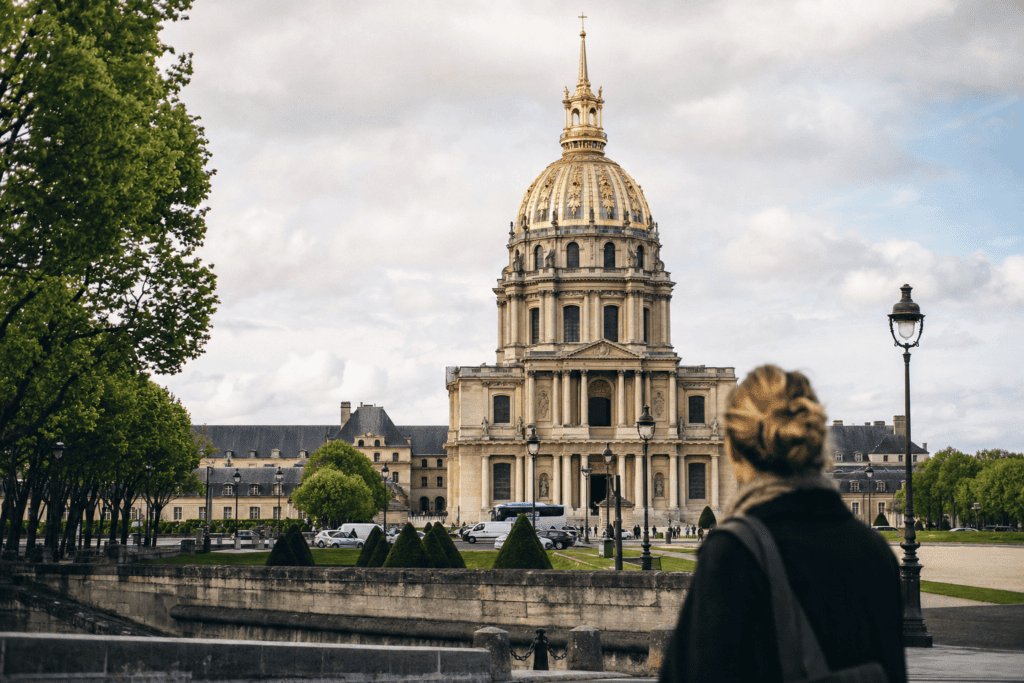 Hôtel des Invalides A monumental Parisian complex where royal architecture, military history, museums and Napoleon’s tomb come together…
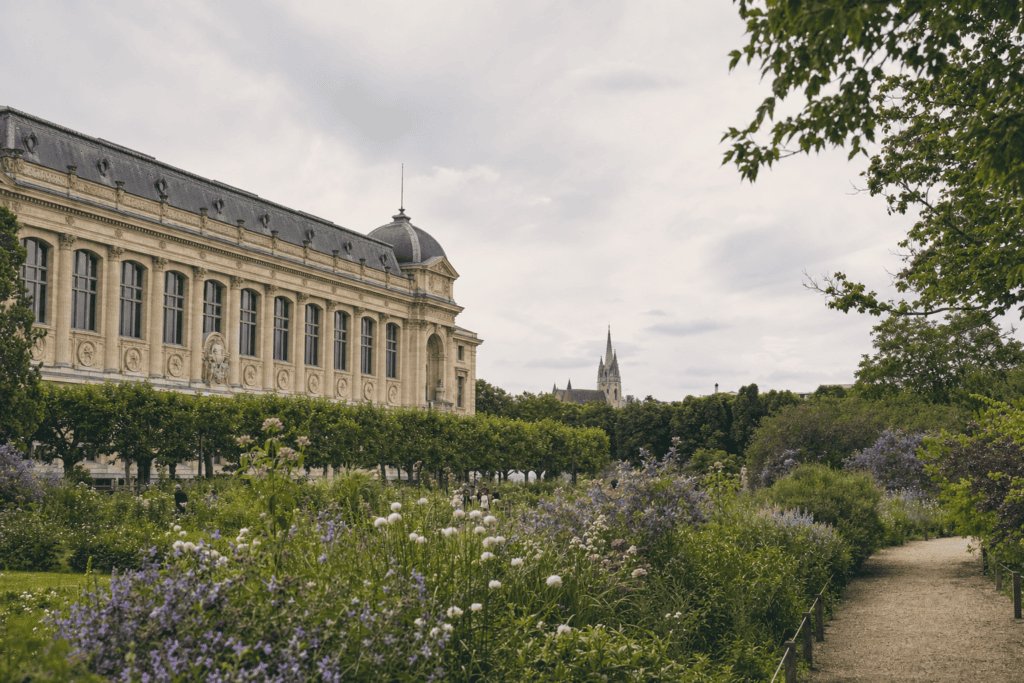 Jardin des Plantes A historic botanical garden where you can see the great greenhouses, plant collections, remarkable trees, and…
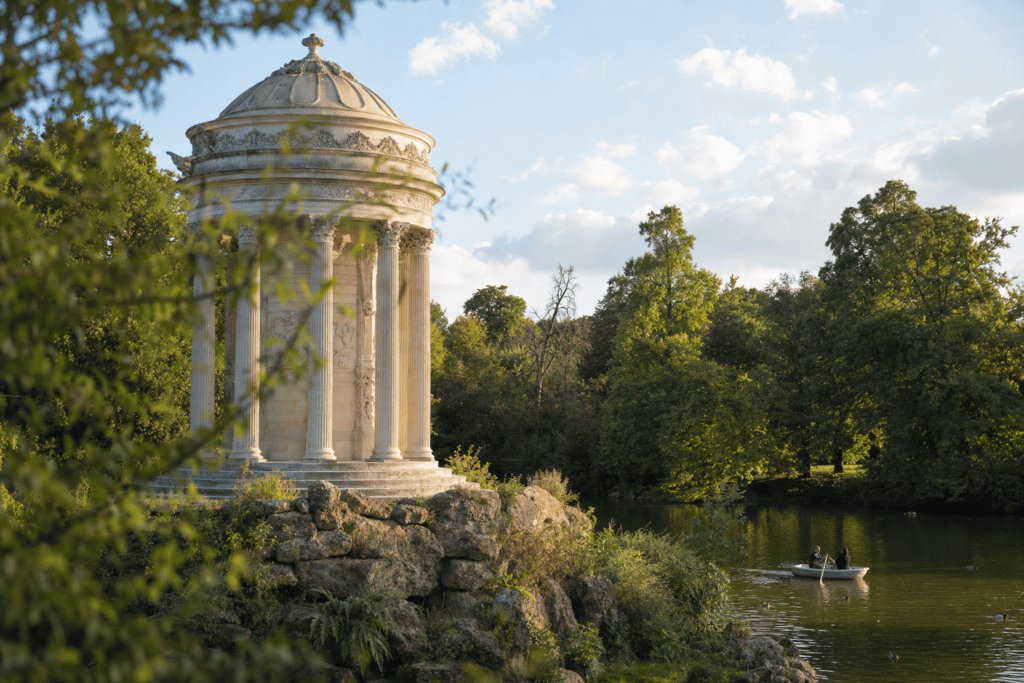 Bois de Boulogne A vast green space west of Paris, ideal for walking, cycling, exploring gardens, and…
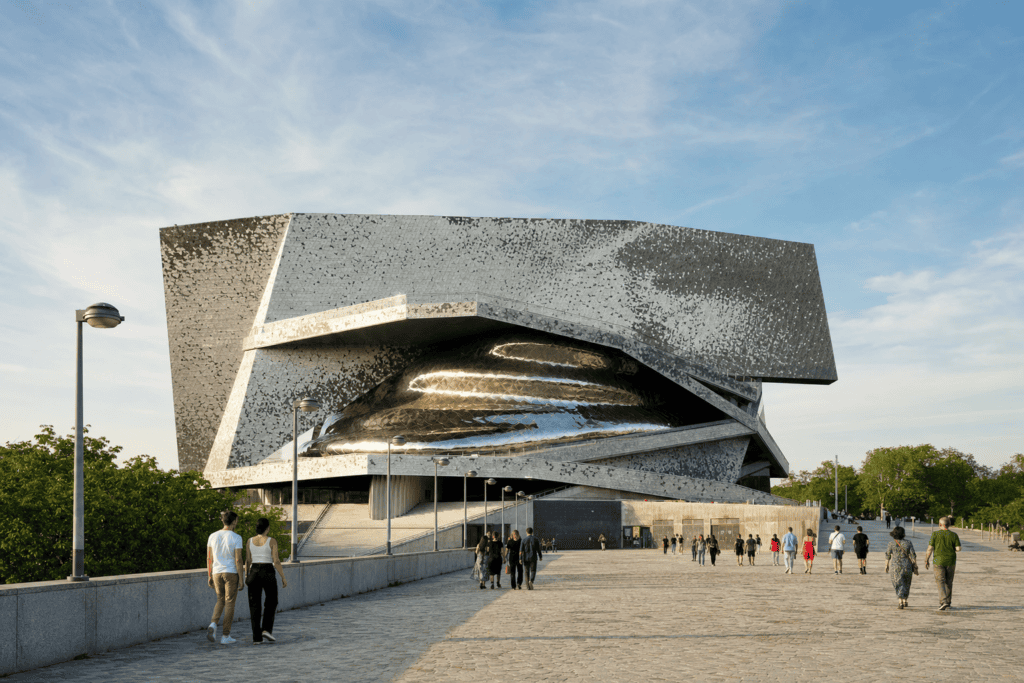 Philharmonie de Paris A major Paris cultural venue where you can hear orchestras, discover Jean Nouvel’s architecture and explore…
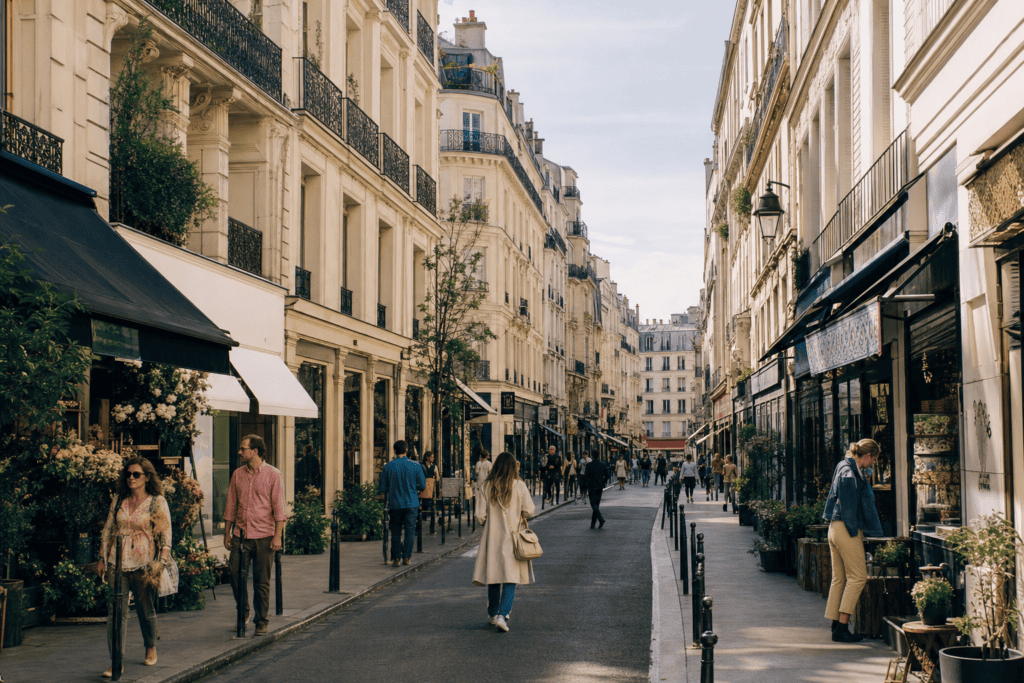 Rue des Martyrs A Parisian uphill route through food shops, cafés, 9th-arrondissement heritage, and the route toward Montmartre.
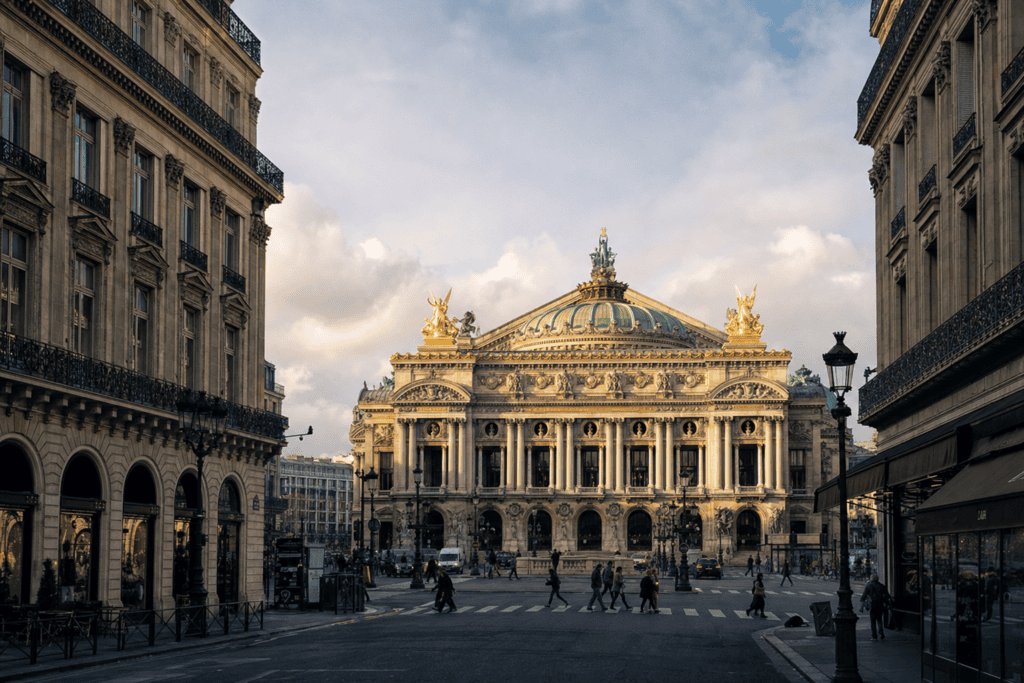 Palais Garnier A monumental opera house worth discovering for its Grand Staircase, foyers, salons, and décor…
Online booking · Paris → 1 Place de la Madeleine, 75008 Paris, France
Choose your pickup date and time
Your departure and arrival details are already pre-filled. You can adjust them in the fare calculator before viewing the vehicles and fare.