



Visiting the Louvre Museum: A Practical Guide to Paris
Paris
The Louvre Museum is one of Paris’s major cultural attractions, but it is about much more than the Mona Lisa. Housed in the former palace of the kings of France, it brings together collections spanning several millennia: Near Eastern, Egyptian, Greek, and Roman antiquities, European paintings, sculptures, decorative arts, drawings, and Islamic art. With some planning, you can discover a few famous masterpieces, quieter galleries, the remains of the medieval fortress, and architecture that deserves almost as much attention as the collections. Since access and reservation procedures may change, check the museum’s official information before your visit.
Practical information
Don’t try to see the entire museum. Choose two or three priorities, locate the Denon, Sully, and Richelieu wings on the official map, and leave time to take in the courtyards and palace spaces.
Getting to the Louvre Museum from Paris or an airport
Book a private transfer from your Paris hotel, anywhere within Paris, CDG, or ORY to the Louvre area. Booking Paris Transfer provides transportation only; museum tickets and admission are not included. A return to Paris or an airport can be arranged according to your itinerary.
Transportation service departing from Paris, Île-de-France, CDG, or ORY. Museum admission tickets not included.
Why visit the Louvre Museum?
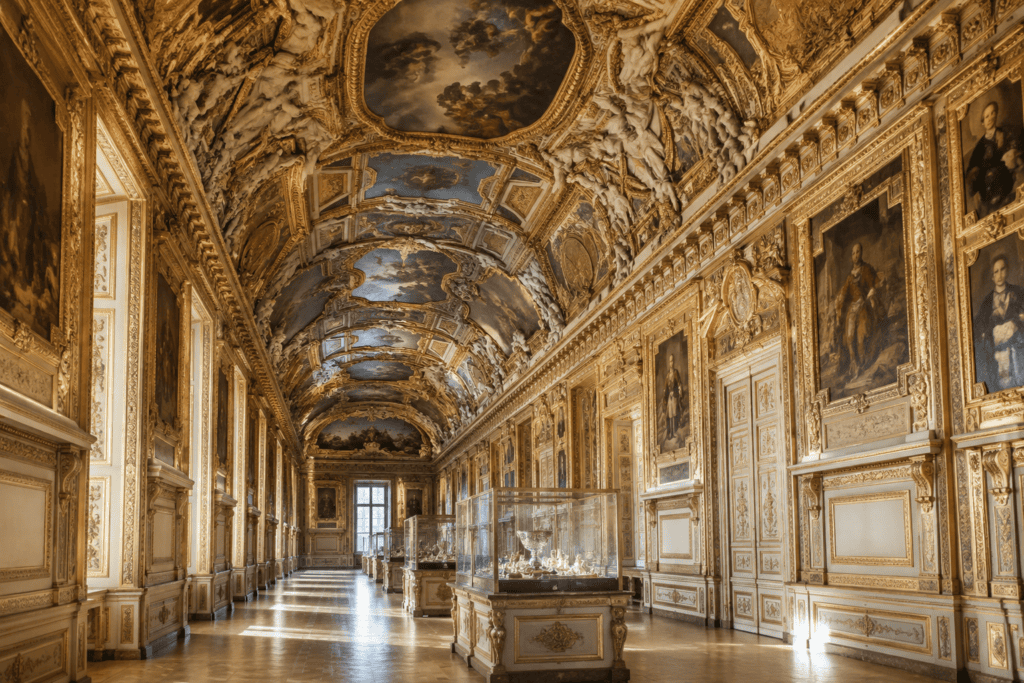
The Louvre is simultaneously a world-renowned museum, a former royal palace, and a remarkable architectural complex in the heart of Paris. Visiting it offers an experience unlike that of a traditional art gallery: you move from a monumental hall to a historic courtyard, from the remains of a medieval fortress to a gallery of Italian paintings, then from a collection of antiquities to richly decorated apartments.
The collections span very long periods, from the earliest civilizations to the 19thth century. Their scale explains why a first visit should be approached as a selective introduction rather than a complete inventory. The official presentation of the collections and departments can help you plan an itinerary suited to your interests.
The Louvre works equally well for a first introduction to Paris or for a themed visit. Painting enthusiasts can focus on the Italian, French, Spanish, and Northern European schools; history buffs on Egypt, Mesopotamia, Greece, or Rome; and families on shorter routes where the architecture serves as a guiding thread.
Must-see works and collections
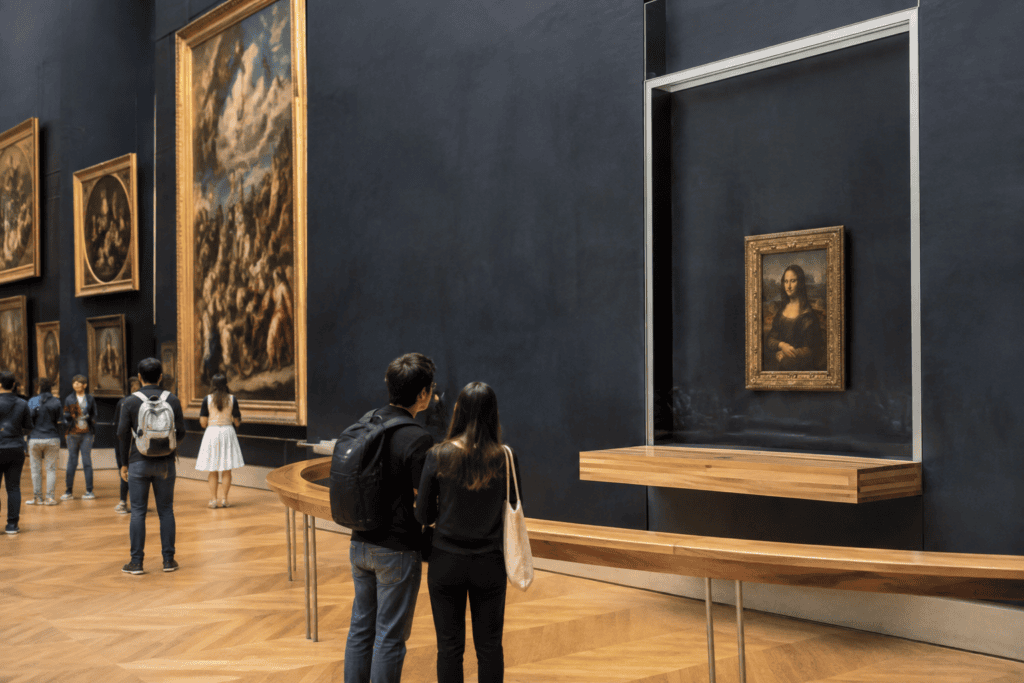
Leonardo da Vinci’s Mona Lisa naturally attracts visitors, but it is only a starting point. In the Denon Wing, the major masterpieces route includes the Winged Victory of Samothrace, the Venus de Milo, The Raft of the Medusa by Géricault, and Liberty Leading the People by Delacroix. The Salle des États, where the Mona Lisa is displayed, is often very crowded: plan for a relatively brief viewing and spend time with the nearby works as well.
The Egyptian antiquities galleries offer another rewarding route, with statues, sarcophagi, ritual objects, inscriptions, and items from daily life. The departments devoted to the ancient Near East and the Greek, Etruscan, and Roman worlds place the works within specific civilizations and historical contexts.
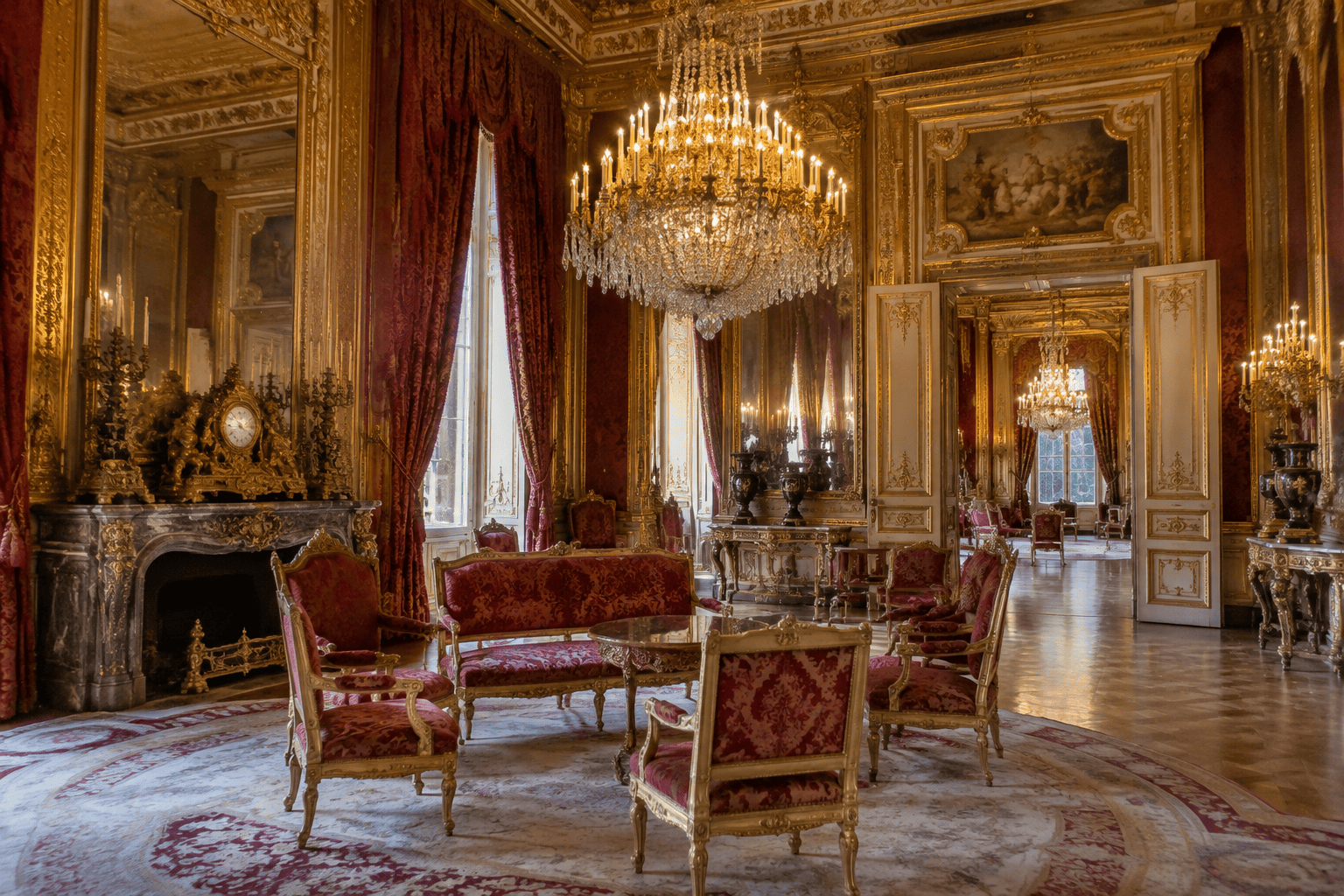
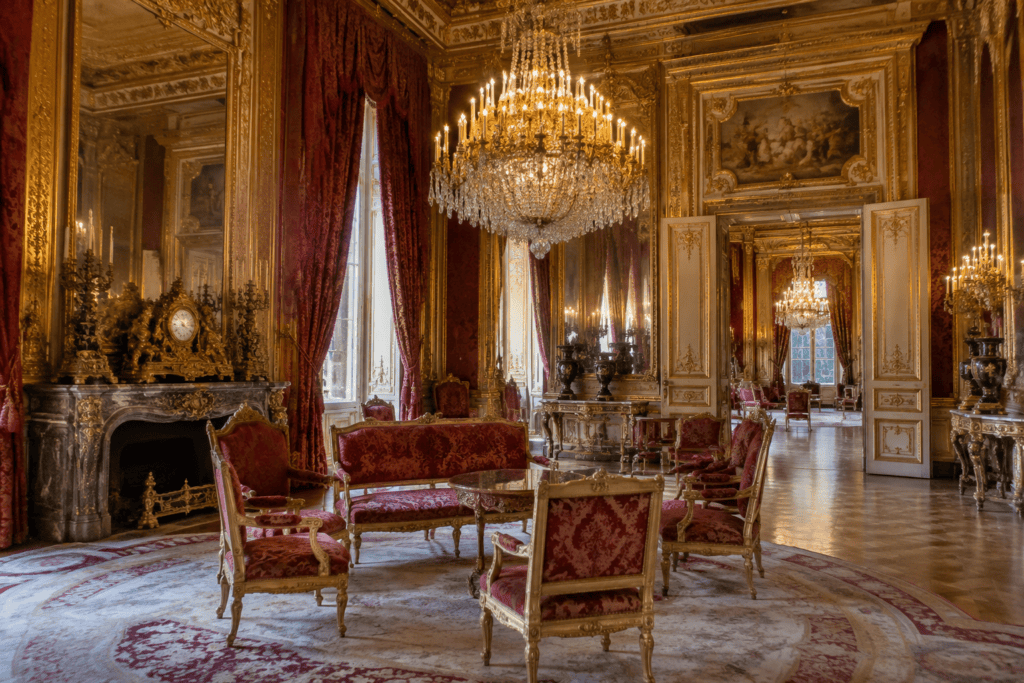
In the Richelieu Wing, the decorative arts, French sculptures, and Napoleon III apartments present the Louvre as a place of power and representation. To plan your route, consult the official Louvre collections database and themed itineraries rather than simply making a list of famous works.
Understanding the history of the Louvre Palace
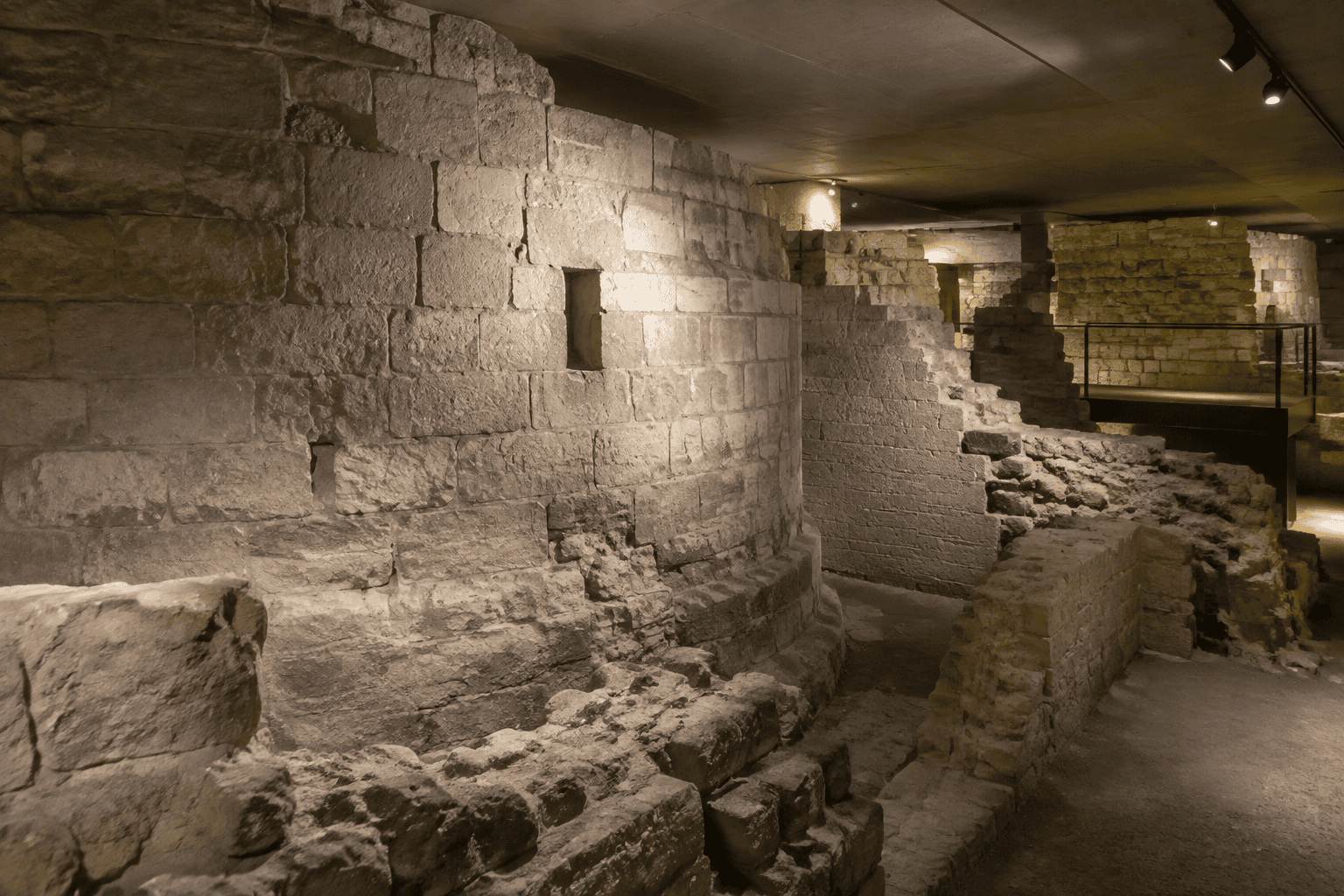
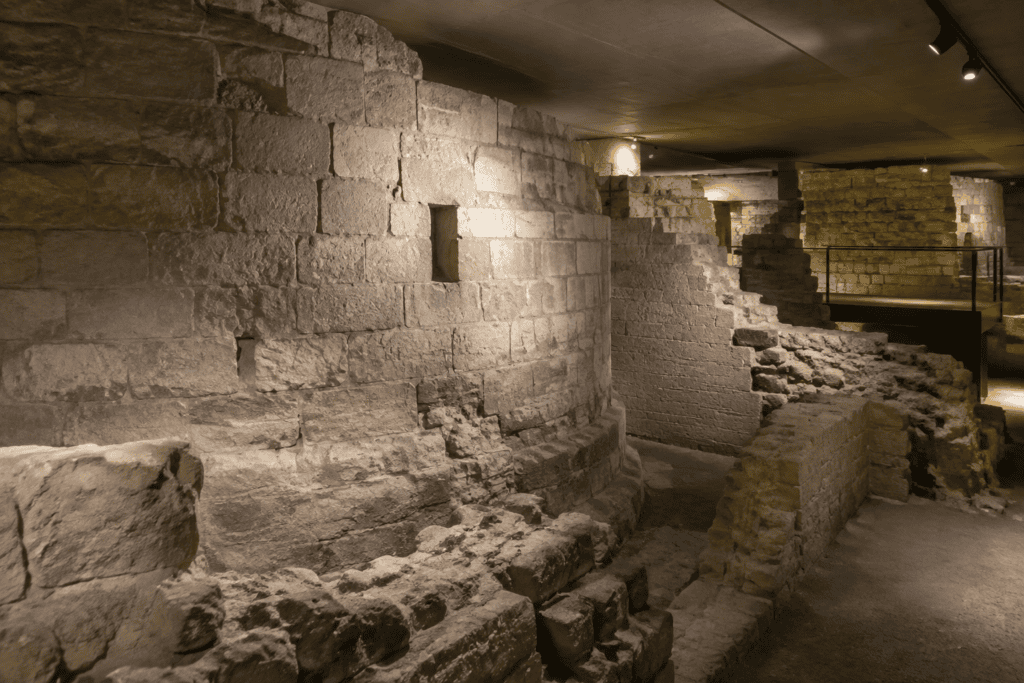
Before becoming a museum, the Louvre was a fortress and then a royal palace. Its successive transformations explain the diversity of the buildings visible today: courtyards, wings, pavilions, galleries, and decorative features belong to different periods. Together with the Tuileries Garden and the Carrousel Garden, the estate forms a vast historic complex in central Paris.
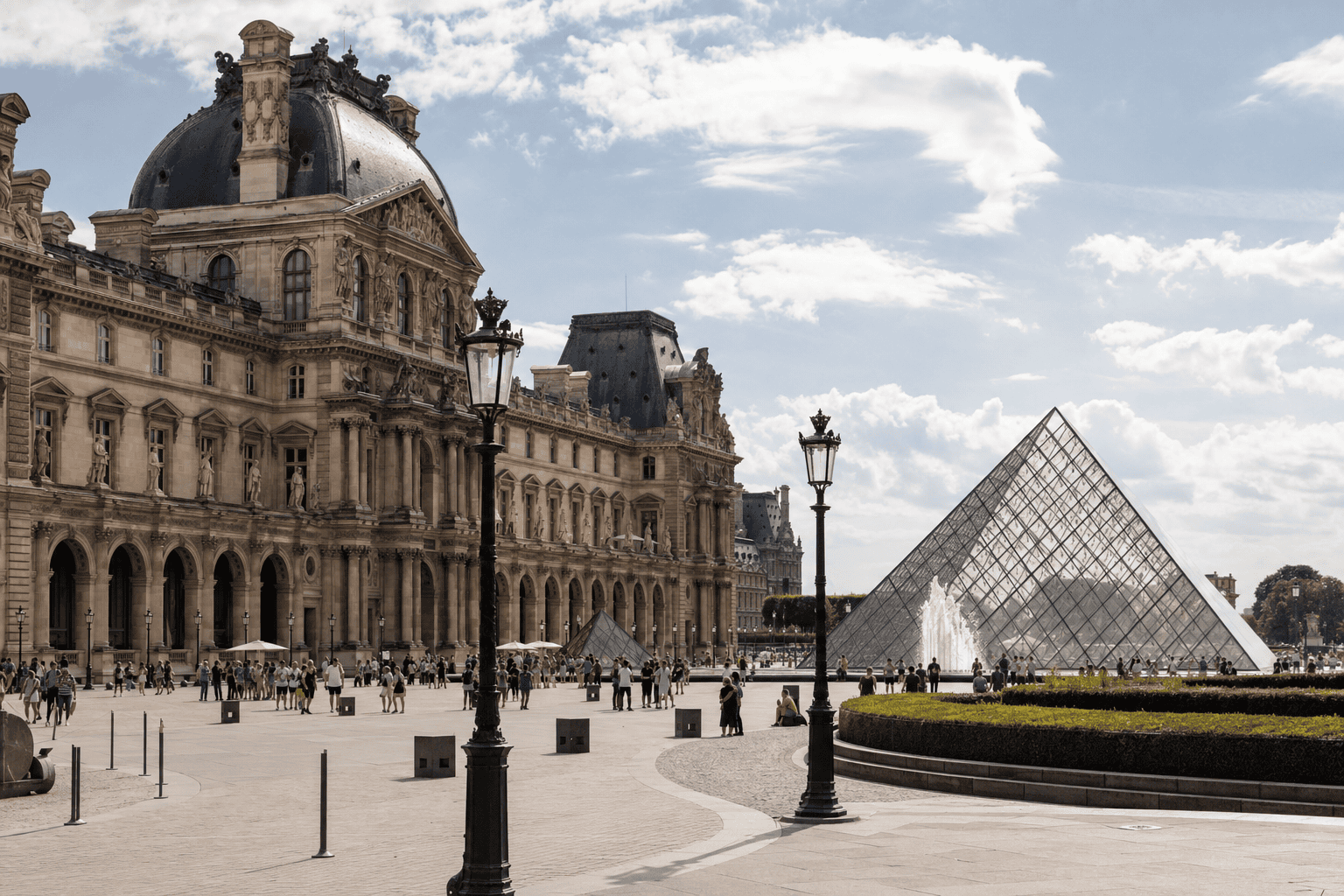
This history can be discovered underground, among the remains of the medieval fortress, as well as on the façades and along the grand perspectives of the Cour Napoléon. The Pyramid, which has been a symbol of Paris since it opened at the end of the 20thth century, engages in dialogue with much older architecture. The contrast between the glass and the classical wings captures the site’s different chapters.
Take a few minutes before or after the galleries to observe the proportions of the courtyards, the pavilions, and the architectural sculptures. An outdoor walk through the Cour Napoléon, Cour Carrée, and Tuileries Garden is a pleasant complement to the visit. The Louvre’s official website traces the history of the palace.
Which itinerary should you choose based on the time available?
For a visit of about two hours, focus on the Denon Wing and select a few major works: the Mona Lisa, the Winged Victory of Samothrace, the Venus de Milo, and two or three paintings that genuinely appeal to you.
With three to four hours, add an antiquities section, such as ancient Egypt or the Greek and Roman civilizations. This gives you a more balanced overview of painting, sculpture, and archaeological objects. For a full day, alternate between the wings and plan a proper break: the distances and number of galleries can reduce the attention you give to the works.
Visitors who already know the major masterpieces can start with Sully or Richelieu, then head to Denon later. Check the map and any gallery closures on the day of your visit: some galleries may be temporarily unavailable because of construction, rotations, or internal operations.
Practical tips before entering
Hours, prices, available time slots, and reservation procedures may change. Check the official Hours and Admission page just before your visit, particularly for closing days, public holidays, the last admission time, and any special conditions.
Booking a time slot is recommended, including for visitors eligible for free admission. Use the Louvre’s official website or the channels clearly identified by the institution. Prices and free-admission conditions depend in particular on age, residency, or specific documentation, so check them before making any reservation.
Wear comfortable shoes, limit bulky items, and consult the official map. Photography and filming may be subject to specific rules in certain areas; always follow the posted instructions, particularly regarding flash, lighting, and temporary exhibitions.
Access, mobility, and family visits
The Louvre is located in the 1stand arrondissement, between Rue de Rivoli, the Seine, and the Tuileries Gardens. Metro lines 1 and 7 serve the Palais-Royal–Musée du Louvre station; line 14 also provides access to the area from Pyramides. Walking from Châtelet, the Seine riverbanks, or Opéra can be pleasant, but allow extra time if you have a specific entry time.
For families, it is better to set a simple goal: one famous work, one antiquities gallery, and one architectural feature. Children can look for sculpted animals, crowns, mythological creatures, or details in the paintings. A short, active visit is often more successful than a long, rigidly structured route.
The museum provides information and services dedicated to accessibility. Visitor facilities, accessible routes, and available services may depend on which areas are open on the day of your visit. Consult the official accessibility page before your visit.
Extend your Louvre discovery
The Louvre fits easily into a day devoted to historic central Paris. Before entering, the Cour Napoléon and Pyramid offer a first glimpse of the site. After exploring the collections, the Tuileries Garden is a chance to walk, sit down, and slow the pace. Continuing toward Place de la Concorde, the Seine quays, or the Palais-Royal, you can create an itinerary combining heritage, gardens, and urban vistas.
However, avoid scheduling too many demanding activities immediately after a long indoor visit. The museum contains a great many galleries and works on display: even a focused route requires energy and attention.
If your day begins or ends at a Paris hotel, Charles de Gaulle Airport, or Orly Airport, Booking Paris Transfer can arrange transportation to the Louvre area. The service covers transportation only, without admission tickets or tour reservations.
Frequently Asked Questions
How much time should you allow to visit the Louvre Museum?
Can you see the Mona Lisa every day?
Should you book admission in advance?
Which entrance should I use for the Louvre?
Are photos allowed at the Louvre?
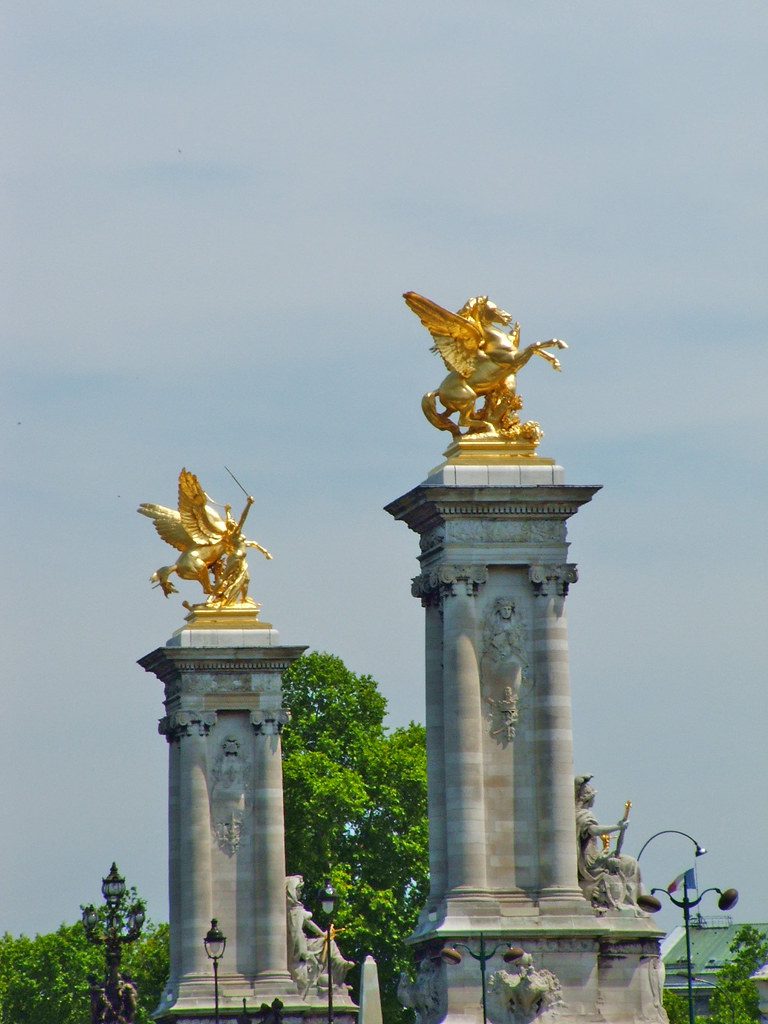 Seine River Cruise Discover Paris’s quays, bridges, and major monuments from the Seine during a…
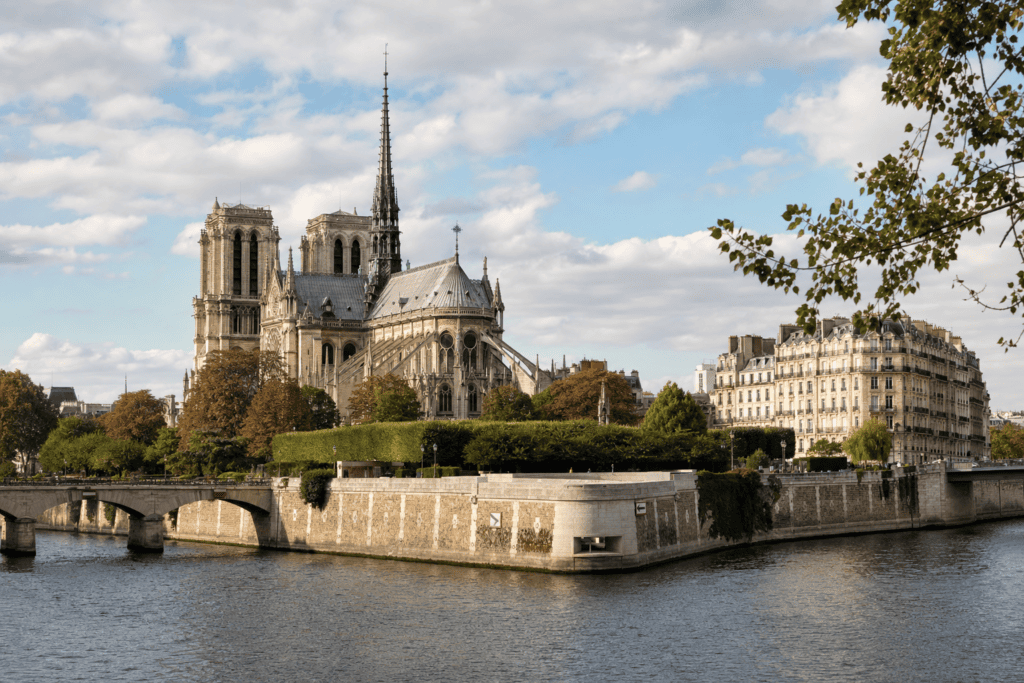 Notre-Dame Cathedral of Paris and Île de la Cité Notre-Dame, the Seine quays, and the monuments of Île de la Cité form a promenade…
 Aligre Market A lively address in the 12th arrondissement where a food hall, outdoor stalls, and a flea market come together to create a truly…
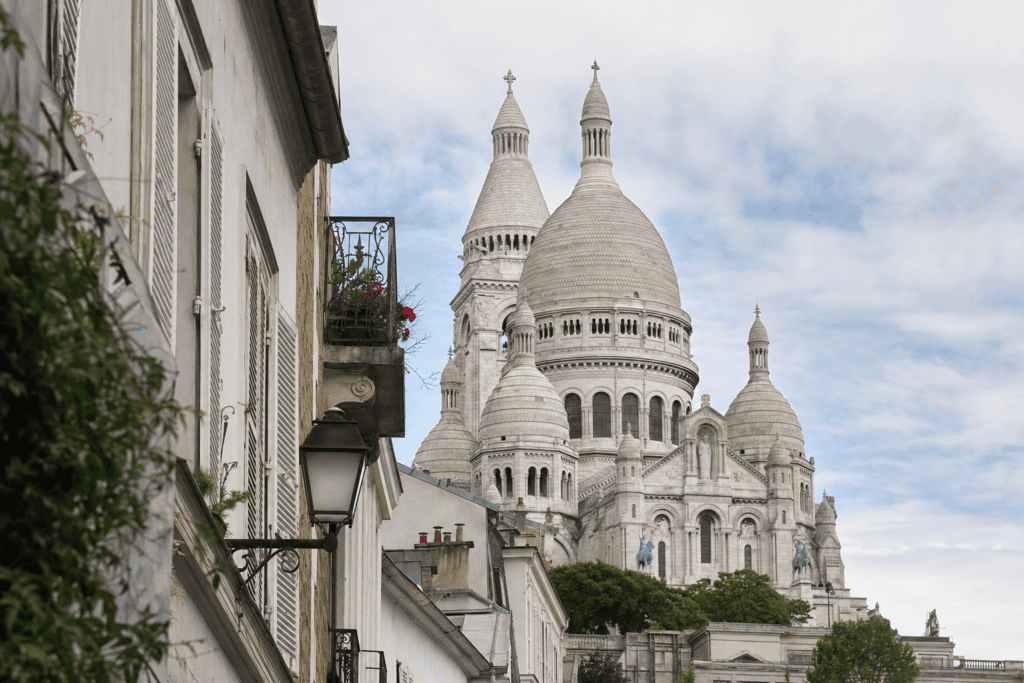 Montmartre and the Sacré-Cœur Basilica A walking route through Abbesses, Place du Tertre, and Sacré-Cœur, with narrow streets…
 Buttes-Chaumont Park A spectacular Parisian park with artificial hills, a lake, grotto, waterfalls and a viewpoint.
 Petit Palais A free Paris museum renowned for its 1900 architecture, varied collections and interior garden.
Online booking · Paris → Rue de Rivoli, 75001 Paris, France
Choose your pickup date and time
Your departure and arrival details are already pre-filled. You can adjust them in the fare calculator before viewing the vehicles and fare.