



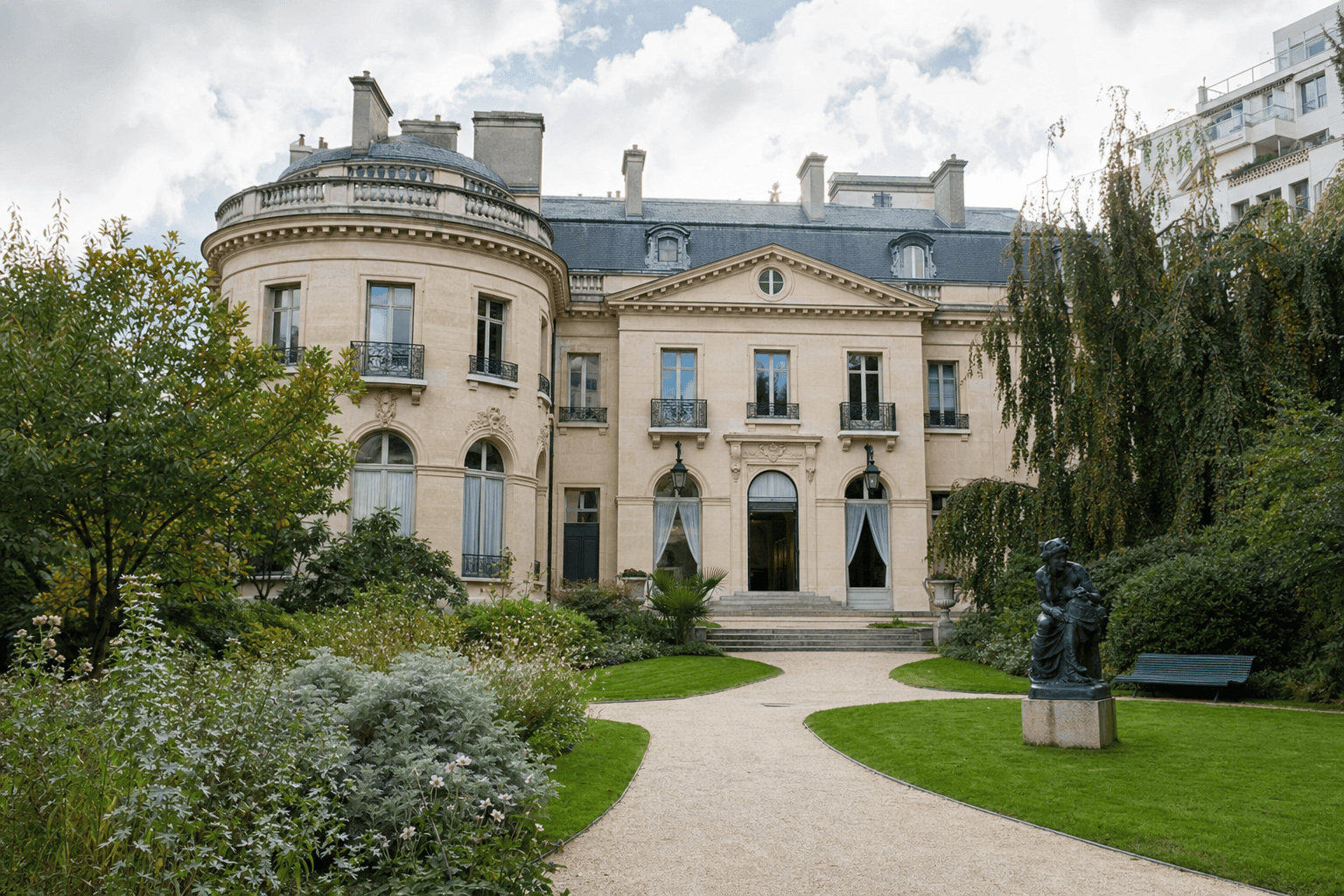
Musée Marmottan Monet: Visitor’s Guide in Paris
Paris
The Musée Marmottan Monet is a must-see for discovering Claude Monet, Berthe Morisot, and Impressionism in the preserved setting of a former private mansion in Paris’s 16th arrondissement. Located near the Jardin du Ranelagh, La Muette, and Passy, it offers a more intimate experience than the capital’s major central institutions. The permanent collections, the building’s history, and temporary exhibitions create a visit suited to art lovers, travelers seeking a peaceful cultural stop, and families looking to combine a museum visit with a walk. Before setting out, check the official hours, admission requirements, accessibility information, and program, as these may change.
Practical information
Combine the museum with the Jardin du Ranelagh and Passy for a well-rounded half-day. If you are traveling with luggage from an airport or train station, check in advance with the museum about luggage storage options and access arrangements.
Transfer from Paris to the Musée Marmottan Monet
From Paris, Île-de-France, CDG, or ORY, Booking Paris Transfer can arrange a private ride to the Musée Marmottan Monet, with a return to Paris according to the agreed itinerary. The service covers transportation only; admission, tickets, and visitor information are handled by the museum.
Departures from Paris, Île-de-France, CDG, or ORY. Return to Paris available according to the itinerary. Transportation only; no ticketing.
Why Visit the Musée Marmottan Monet
The Musée Marmottan Monet holds a distinctive place in Paris’s cultural landscape. Housed in a former private mansion in the 16th arrondissement, it focuses on a concentrated exploration of painting rather than an encyclopedic journey spanning many centuries. This scale gives visitors time to linger in front of the works and better appreciate the connections between the collections, the building, and the history of the collectors who assembled them.
Claude Monet is the main reason to visit, but the museum’s appeal extends well beyond a single artist. The galleries explore Impressionism, its investigations into light, and its modern subjects, while also introducing painters associated with the movement. The prominence given to Berthe Morisot is particularly valuable for understanding the diversity of Impressionist perspectives.
The museum works equally well for a first introduction to Monet and for a more in-depth visit. Its location lends itself to a half-day in western Paris: after the galleries, the Jardin du Ranelagh, Passy, or the edges of the Bois de Boulogne offer pleasant ways to continue.
Claude Monet, Light, and Series
Claude Monet’s works trace a form of painting grounded in light, atmosphere, and changing perceptions. A recognizable subject can become the basis for an intensive investigation: depending on the time of day, season, weather, or viewing position, colors, contours, and depth seem to shift. This attention to change explains the particular power of the landscapes, gardens, and waterside scenes associated with the artist.
Visitors can encounter different stages of Monet’s career, from landscapes and plein-air views to his later explorations connected with his garden at Giverny. The water lilies, pond, and Japanese bridge belong to the artist’s best-known imagery, but they are best understood within a broader artistic evolution. Repeating a subject reveals subtle differences in tone, texture, and composition.
To get the most from the paintings, view them from several distances. Up close, the brushstrokes and juxtapositions of color stand out; a few steps back, they recompose into an impression of air and light. The works on view nevertheless depend on loans, conservation, and the program, so a specific painting may not be displayed on the day of your visit.
Impressionism in Its Historical Context
A visit to the Musée Marmottan Monet offers not only paintings but also an opportunity to explore the history of an artistic movement and how it has been passed down. The museum grew through donations, bequests, and collections assembled by collectors. This origin explains the coherence of certain holdings and reminds us that a cultural institution also tells the story of the choices and generations that made the works accessible to the public.
The term “Impressionism” is traditionally associated with Impression, soleil levant, a painting Monet made in Le Havre and presented at the first Impressionist exhibition in 1874. The work plays an essential role in the movement’s history, but its presence at the Musée Marmottan Monet depends on the current display. It may be absent because of a loan, conservation, or an exhibition elsewhere, so check the official presentation before your visit.
In the galleries, look for connections between the artists rather than limiting yourself to the most famous names. A port, garden, street, or everyday scene can reveal reflections on modernity and perception. The temporary program may complement this perspective with a technical or historical approach.
Berthe Morisot and Modern Scenes
Berthe Morisot’s presence is one of the museum’s major highlights. A leading figure of Impressionism, she painted interiors, gardens, portraits, and scenes of modern life, with particular attention to framing, light, and the spontaneity of her brushwork. Her work deserves to be viewed on its own terms, not merely as a complement to Monet’s or as a record of her artistic circle.
Her paintings broaden the story of Impressionism as it is often presented. Domestic spaces, female figures, children, and ordinary moments become modern subjects, treated with considerable freedom of composition. The paint surface and the movement of the viewer’s gaze animate scenes that may initially appear calm. This approach also invites reflection on the place of women artists in exhibitions and art-historical narratives.
Comparing Morisot with Monet and the other painters on display helps distinguish individual sensibilities rather than seeking a uniform aesthetic. The exact selection may change according to the works exhibited and loans; if Morisot is the main reason for your visit, consult the official presentation before booking your trip.
Le Ranelagh, La Muette, and Passy
The museum is located in a residential area of western Paris, between La Muette, the Jardin du Ranelagh, and Passy. This setting gives the visit a different atmosphere from the capital’s busiest central neighborhoods. The streets, local shops, and planted areas create a quieter side of Paris, ideal for a walk after the galleries. The neighborhood is especially appealing to travelers who want to discover a less monumental side of the capital.
The Jardin du Ranelagh is the most natural continuation. It offers a place to take a break, walk for a few minutes, or give children some downtime. Passy can extend the route with an urban stroll and a break in the neighborhood. Depending on the weather and your energy, the Bois de Boulogne offers a longer option, but allow for the distances and the late-day light.
The Trocadéro and the Eiffel Tower can be combined with this outing, provided you allow time to travel between stops. The Fondation Louis Vuitton, farther west, often deserves a separate itinerary. Two or three well-matched places generally make for a more enjoyable experience than an overly packed route.
Getting There from Paris, Train Stations and Airports
The museum entrance is at 2 rue Louis-Boilly, in the 16th arrondissement. Metro Line 9 serves the area via La Muette and Ranelagh. Both stations require a walk; the exit you choose, construction, and pedestrian conditions may change the most comfortable route. The RER C can take you to Boulainvilliers, followed by a walk to rue Louis-Boilly. Bus lines serving the neighborhood may also be convenient, depending on your starting point.
From Gare du Nord or Gare de l’Est, allow time for a connection to western Paris. From Gare de Lyon, Montparnasse, or Saint-Lazare, travel time depends on the connection and crowd levels. Travelers arriving from Charles de Gaulle or Orly should add the time needed to reach Paris, any transfers, and the final walk. If you have luggage or a timed admission, it is best to allow a comfortable buffer.
Before setting out, check the real-time route with RATP, SNCF, or a mobility service. Also check the museum’s official website for hours, last admissions, closures, and any reservation requirements. For accessibility information, contact the institution directly: the layout of a historic building may require special arrangements.
Practical Tips and Planning Your Visit
Start by checking the current program and official practical information. A temporary exhibition may affect visitor numbers, the time required, and admission conditions. For the collections and a possible exhibition, generally allow between 1½ and 2 hours. Visitors who read the labels, take notes, or spend time comparing paintings will appreciate allowing extra time.
The museum’s size works well for a family outing, especially when the visit is balanced with time outdoors. The Jardin du Ranelagh offers an easy break after the galleries; Passy or the Trocadéro can extend the day if the distances suit your group. Art lovers are better off preserving time in front of the works than filling the day with far-flung appointments. With children, observing details, colors, and changes in light can become a game.
From Paris, Île-de-France, CDG, or ORY, Booking Paris Transfer can arrange a private ride to the museum and, according to the agreed itinerary, a return to Paris. The service covers transportation only: it does not include admission, reservations, or any guarantee regarding hours or works on display. If you are arriving with luggage, provide your exact departure point and desired buffer, then check the visitor information directly with the museum.
Useful sources
Frequently Asked Questions
Where is the Musée Marmottan Monet located?
Which metro station should I use to reach the museum?
Can I come by RER?
How much time should you allow on site?
Is Impression, Sunrise always on display?
Does Booking Paris Transfer sell museum tickets?
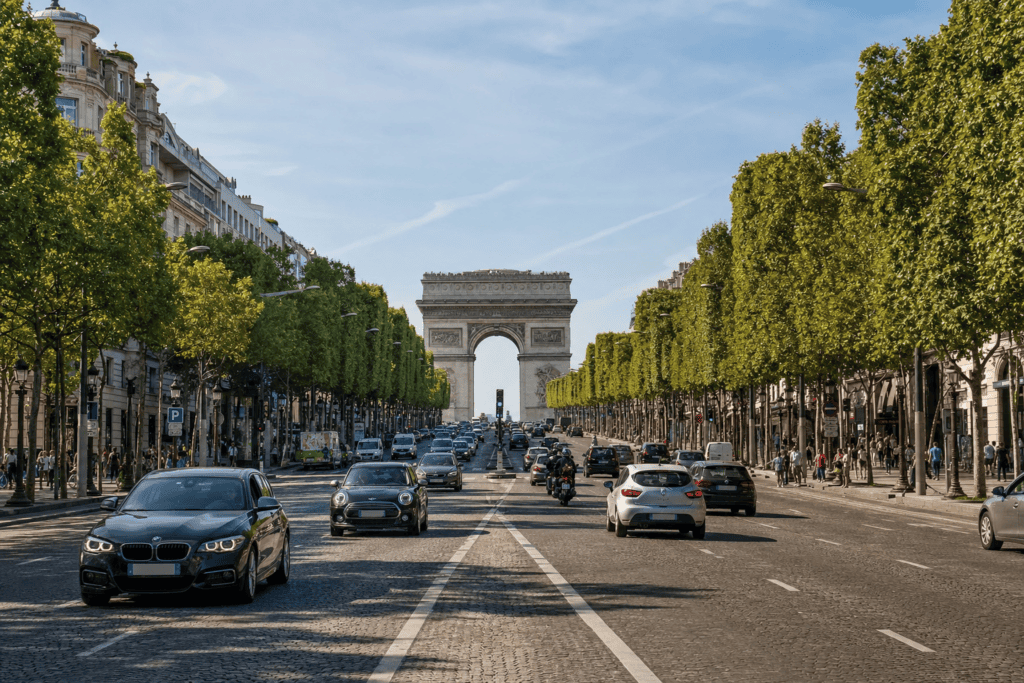 Avenue des Champs-Élysées A grand Parisian promenade lined with gardens, museums, shops and cafés, leading along a monumental vista toward the Arc de Triomphe.
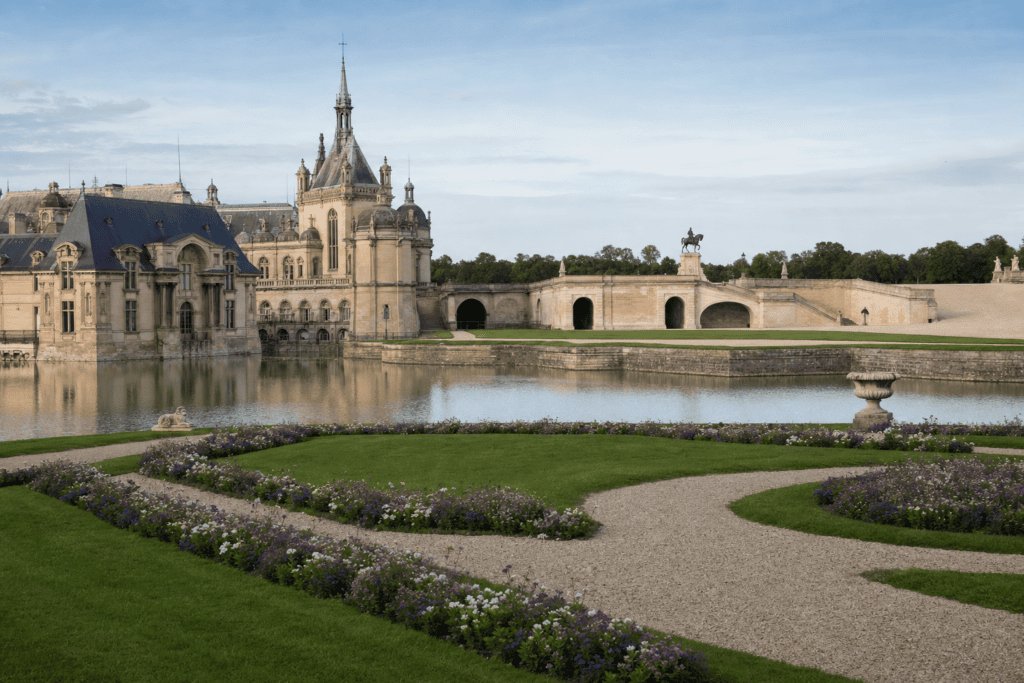 Chantilly Estate A princely estate north of Paris, featuring the Musée Condé, a château, the Great Stables, historic gardens, and…
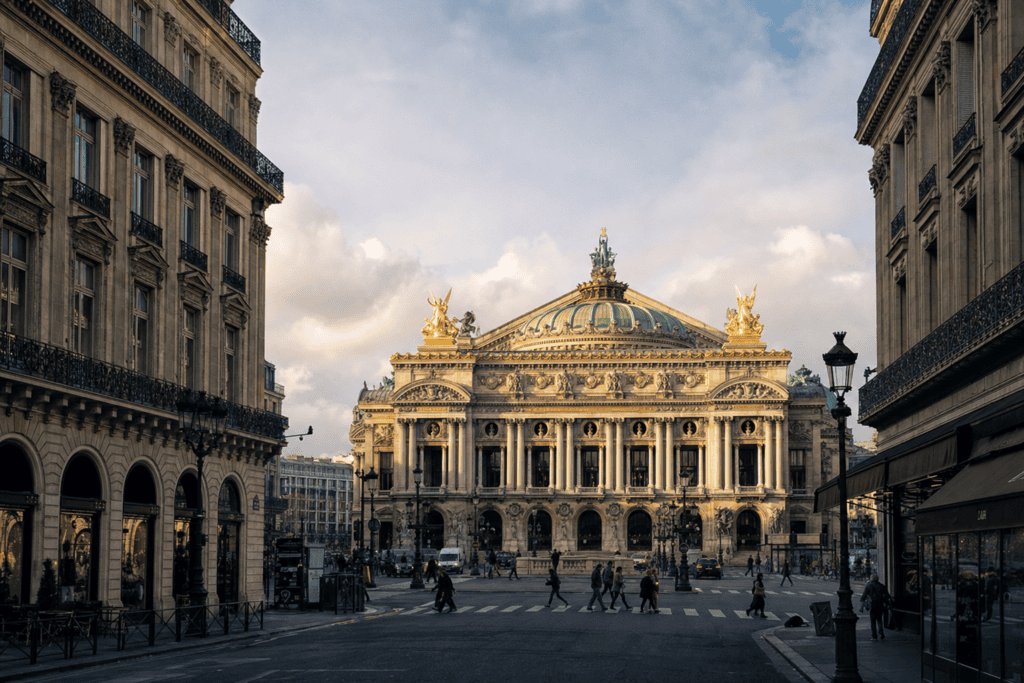 Palais Garnier A monumental opera house worth discovering for its Grand Staircase, foyers, salons, and décor…
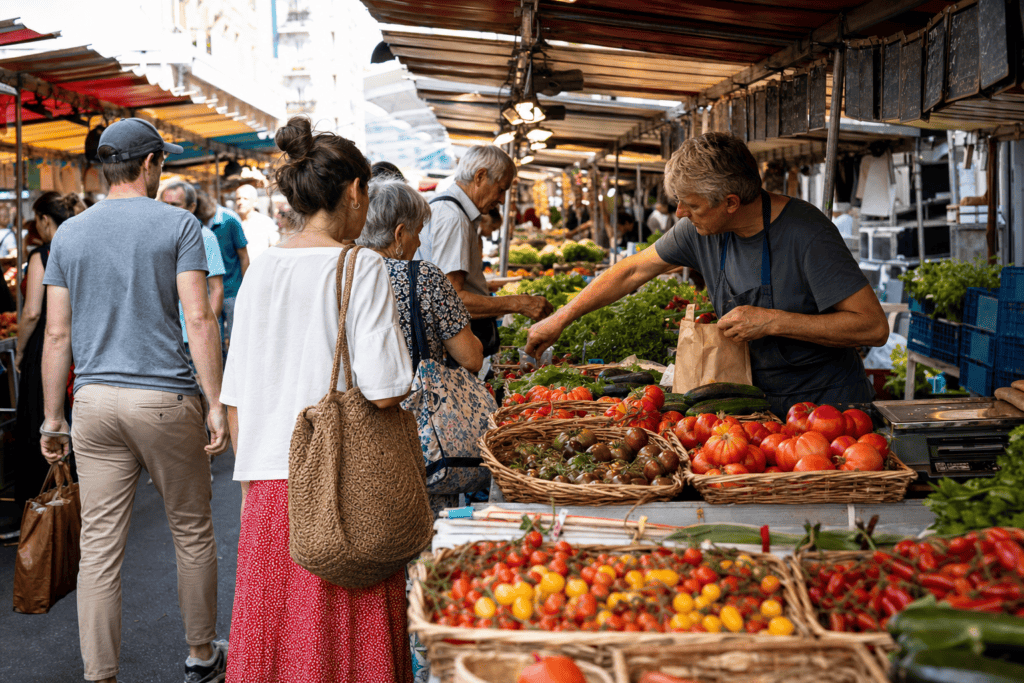 Aligre Market A lively address in the 12th arrondissement where a food hall, outdoor stalls, and a flea market come together to create a truly…
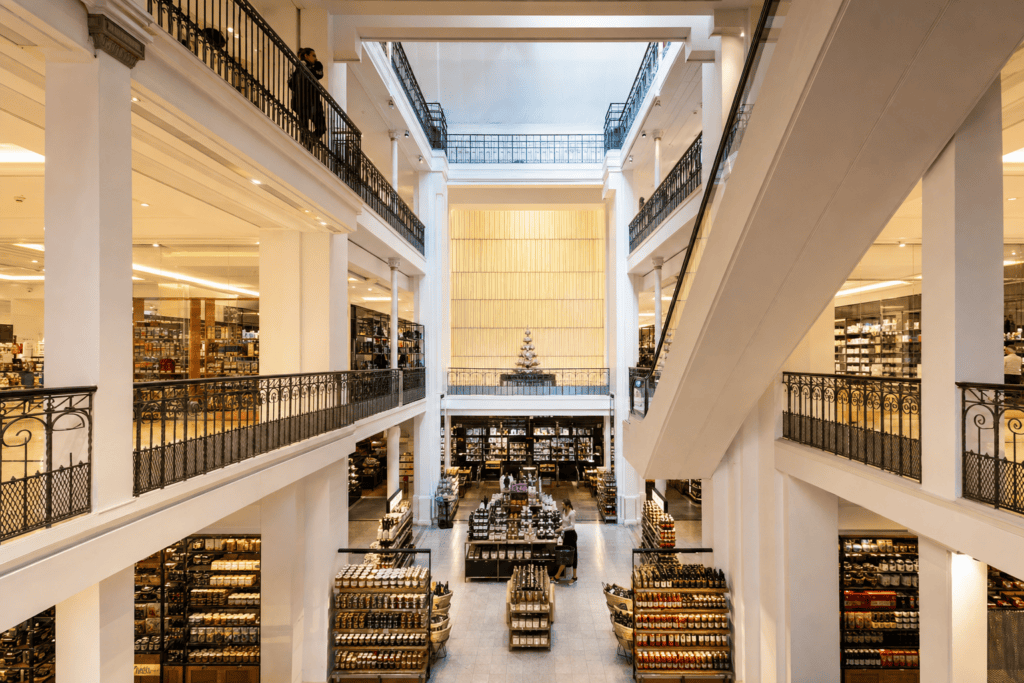 La Grande Épicerie de Paris Two Paris locations for discovering French specialties, fresh produce, pastries, chocolates, condiments, and international selections.
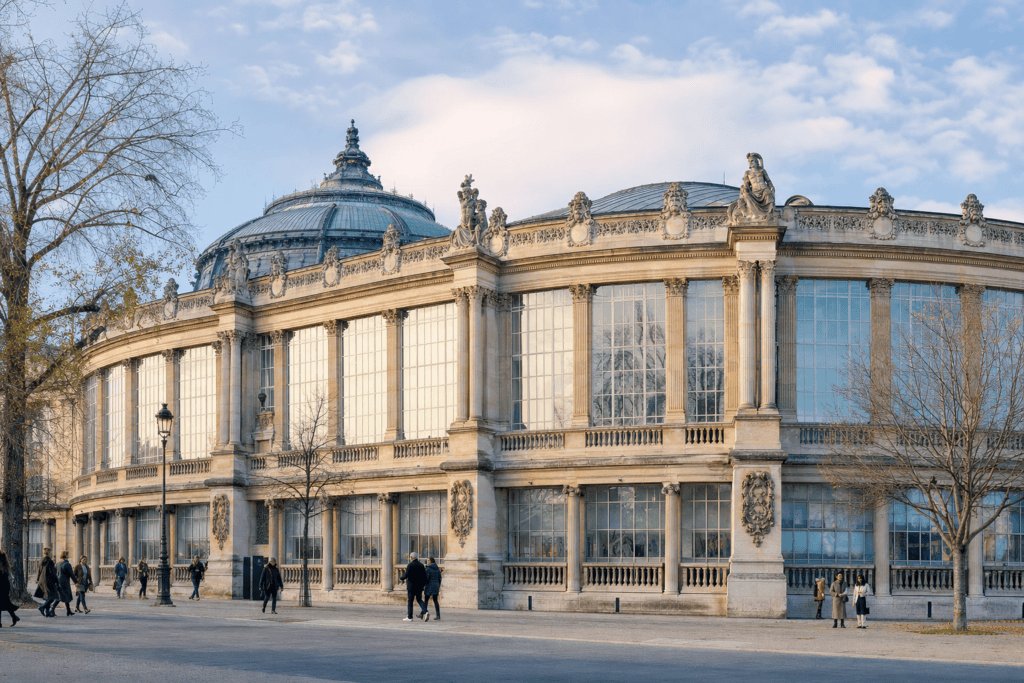 Le Palais des Glaces A Paris venue known for comedy, stand-up, theater, and comedies, near République.
Online booking · Paris → 2 rue Louis-Boilly, 75016 Paris, France
Choose your pickup date and time
Your departure and arrival details are already pre-filled. You can adjust them in the fare calculator before viewing the vehicles and fare.