



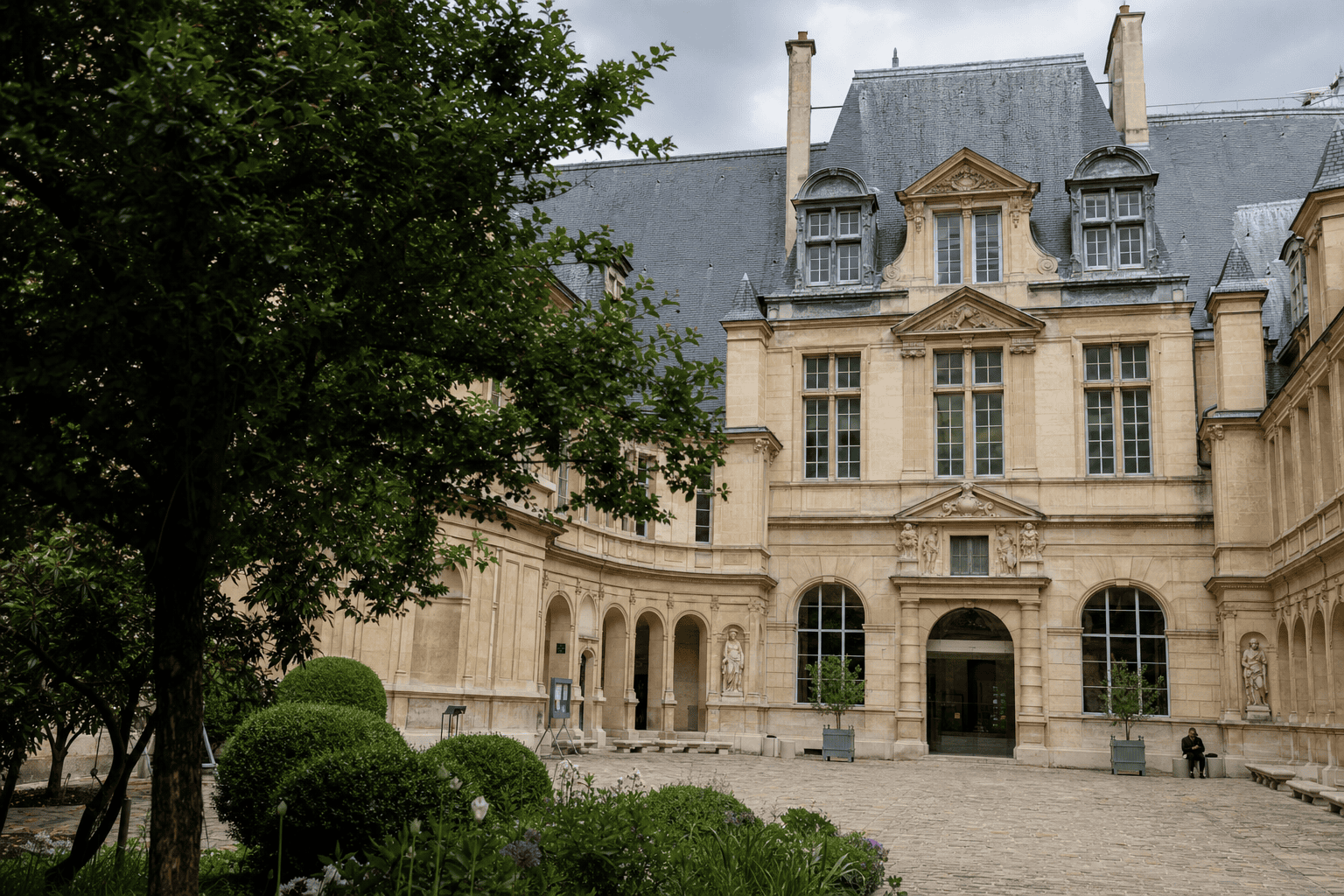
Musée Carnavalet: The Best Story of Paris History
Paris
Housed in the Carnavalet and Le Peletier de Saint-Fargeau mansions, Musée Carnavalet offers an especially rich account of Paris history. From archaeology to contemporary change, its collections bring together everyday objects, paintings, sculptures, photographs, interiors, posters, and mementos connected to the capital. A visit helps explain the French Revolution, major urban projects, social change, and the lives of Parisians. Located in the heart of Le Marais, the museum combines easily with a walk to Place des Vosges, Rue des Francs-Bourgeois, or City Hall.
Practical information
The permanent collections are free, while some exhibitions and activities may charge admission. Large luggage is not allowed: travel light and check the official guidelines before your visit.
Getting to Musée Carnavalet from Paris or Its Airports
Booking Paris Transfer arranges private rides by reservation from a Paris hotel, Paris-CDG, or Paris-Orly to your itinerary in the capital. Transportation can include a return to Paris, depending on your itinerary. Museum tickets, visits, and reservations must be arranged directly with the institution.
Transportation only from Paris, a Paris hotel, Paris-CDG, or Paris-Orly; admission is not included.
Why Visit Musée Carnavalet?
Musée Carnavalet is one of the most useful places to understand Paris beyond its iconic landmarks. Rather than focusing on a single period, it follows the formation and transformation of the capital over a very long span of time. The exhibits bring together archaeology, fine art, decorative arts, photography, furniture, and documents connected to public and private life. This diversity takes visitors from a political event to a household object, then from an urban plan to a work of art.
A visit provides useful context before exploring Le Marais, Île de la Cité, or the grand boulevards. It explains how the city grew, how its residents worked and lived, and how political regimes shaped the urban landscape. For first-time visitors, it offers a structured introduction. Those who already know Paris can see familiar neighborhoods anew through their former functions, social changes, and the traces left by their residents.
Two Historic Mansions in the Heart of Le Marais
The museum brings together the Carnavalet and Le Peletier de Saint-Fargeau mansions, two historic residences that give the visit a distinctive atmosphere. Courtyards, staircases, gardens, wood paneling, and decorated rooms are all an integral part of the experience. The architecture does more than provide a setting for the collections: it recalls the role of private mansions in Le Marais’s history and helps visitors understand how private, ceremonial, and administrative spaces evolved.
This location is also ideal for planning a day on foot. Before or after the museum, you can walk to Place des Vosges, Rue des Francs-Bourgeois, the remains of Philippe Augustus’s former city wall, or the banks of the Seine. The neighborhood is dense and lively, with cobbled passages and streets that can be very busy. Comfortable shoes are useful, especially if you continue with an architectural walk. Still, allow enough time for the galleries: the neighborhood’s setting does not replace the richness of the interior visit.
A History Spanning Archaeology to the Present Day
The older collections place the Paris region within a history that predates the modern city. Archaeological artifacts reveal traces of successive settlements and the stages through which the urban site took shape. The exhibition then explores Paris under the Ancien Régime, when the capital concentrated royal power, religious institutions, commercial activity, and populations from many regions.
The French Revolution occupies a major place in the story, but it is not presented as an isolated episode. The 19th century shows the political, industrial, and social upheavals that transformed the city. Major public works, new routes, changes in housing, and the rise of photography altered how Parisians experienced their surroundings. The modern periods continue this reflection on collective memory. A sign, piece of furniture, poster, or photograph can thus illuminate everyday city life as effectively as a historical text.
Works and Interiors to Look Out For
A first visit can be guided by several especially evocative collections and displays. The Neolithic canoe bears witness to the long history of human settlement in the Paris region. The galleries devoted to the Revolution convey the power of images, symbols, and political objects during a period of upheaval. The interior of Fouquet’s jewelry shop, designed by Alphonse Mucha, is a remarkable example of Art Nouveau applied to a commercial space.
The signs, including the one from the Le Chat Noir cabaret, recall the energy of Parisian streets and nightlife. Marcel Proust’s bedroom introduces a more intimate dimension, bringing together literature, memory, and domestic history. The portrait of Madame de Sévigné connects to the history of the site and the neighborhood. To make the most of these displays, do not try to remember everything: choose a few objects, observe their materials and context, and then connect them to the transformations of Paris visible outside.
Planning Your Visit and Getting to the Museum
Admission to the permanent collections is free, but certain temporary exhibitions, tours, talks, or activities may have different conditions. Opening hours, closure days, reservation procedures, and visitor rules may change depending on the program. The museum’s official website is therefore the reference to consult before setting out, especially when visiting on a public holiday or during a busy period.
The visitor entrance is at 23 Rue des Francs-Bourgeois, in the 3rd arrondissement. Useful metro stations vary depending on your starting point and the state of the network; Saint-Paul, Chemin Vert, Pont-Marie, and Bréguet-Sabin are among the nearby areas to consider, but they do not constitute a single route. Check the remaining walking distance and any disruptions with RATP. Large luggage is not allowed, and bags may be inspected. Visitors with accessibility needs should consult the institution’s dedicated information.
An Itinerary Through Historic Paris
The museum can be the starting point for a day devoted to historic Paris. Begin with the collections, then make your way to Place des Vosges through the streets of Le Marais. You can continue toward City Hall, Île Saint-Louis, or the area around Notre-Dame, depending on your pace and pedestrian traffic conditions. This itinerary connects the objects seen in the galleries with the buildings, squares, and urban layouts that remain visible in the city.
Two hours is enough for a selective introduction, but history, architecture, and literature enthusiasts should plan for half a day. With children, it is better to choose a few themes—transportation, trades, the Revolution, or housing—rather than trying to rush through every room. Groups and visitors interested in a guided tour or workshop should check the relevant schedule, as activities and conditions may vary by date.
When to Visit and Continue Exploring
Musée Carnavalet is a good option on a rainy day, but it also fits naturally into a stay focused on Parisian heritage. Weekends and school holidays may attract more visitors. Arriving early in the day or visiting on a weekday often provides a more relaxed experience, without guaranteeing any specific crowd level. If you would like to see a temporary exhibition, check its dates, admission conditions, and any reservation requirements in the official program.
After your visit, see Le Marais as an extension of the museum: private mansions, former city boundaries, religious sites, shops, and squares also tell the story of the capital’s evolution. From a Paris hotel, Paris-CDG, or Paris-Orly, Booking Paris Transfer can arrange a private ride to your itinerary in Paris. Transportation includes neither admission nor cultural reservations; these must be arranged directly with the relevant institution.
Useful sources
Frequently Asked Questions
Is admission to Musée Carnavalet free?
What is the museum’s address?
How much time should I allow?
How do you get to Musée Carnavalet by public transportation?
Can I enter with a suitcase?
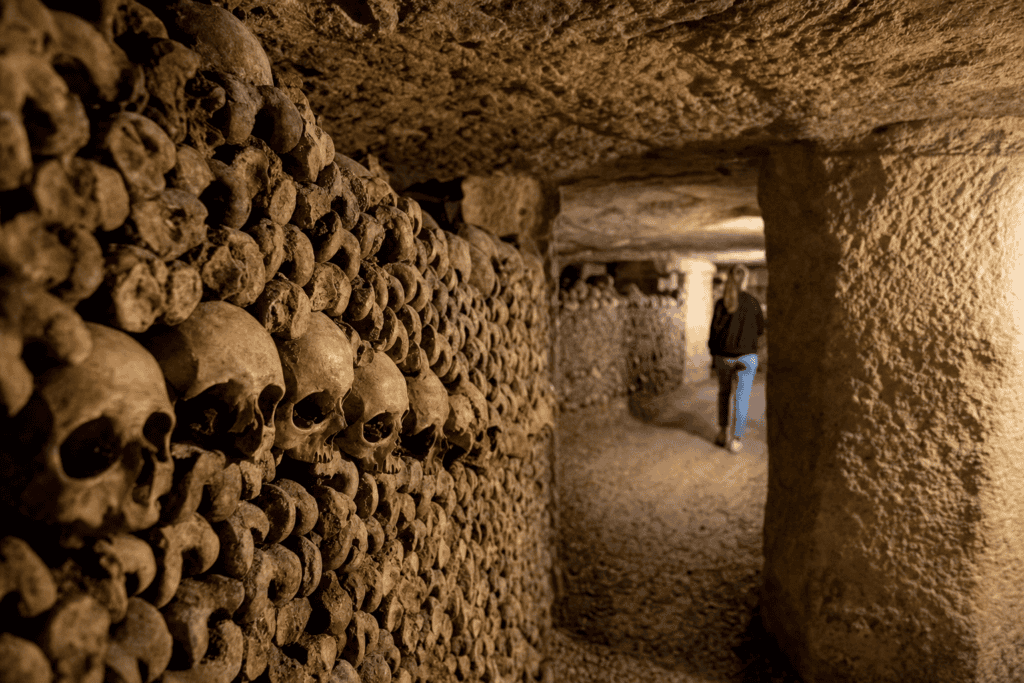 Paris Catacombs A 1,500-meter underground route through the former quarries and municipal ossuary of Paris,…
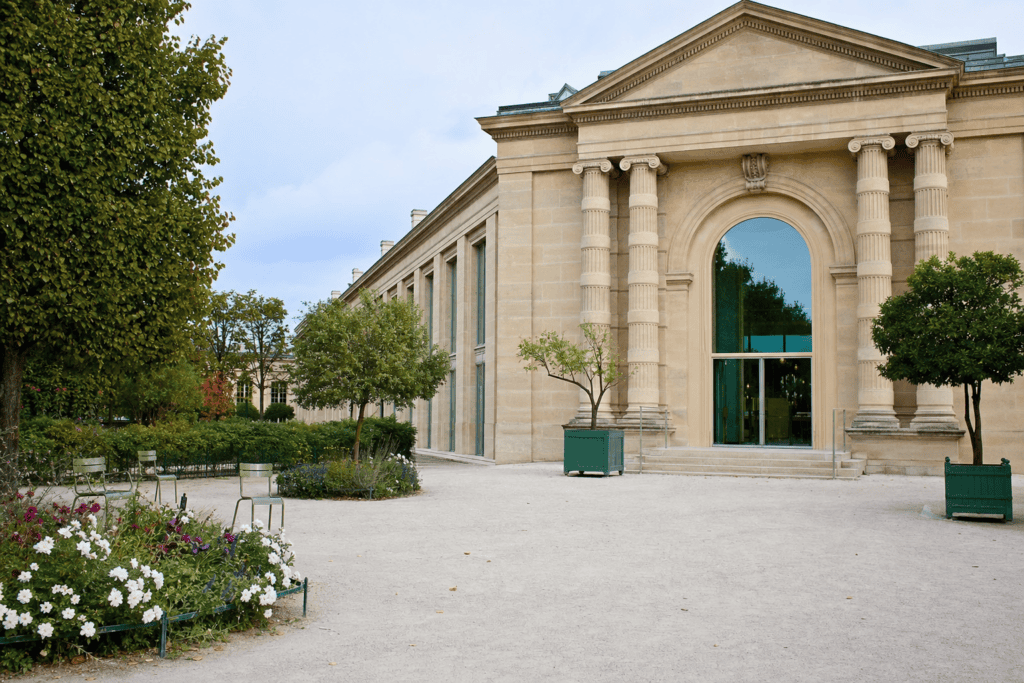 Musée de l’Orangerie A small-scale Paris museum where Monet’s Water Lilies engage in dialogue with the great masters…
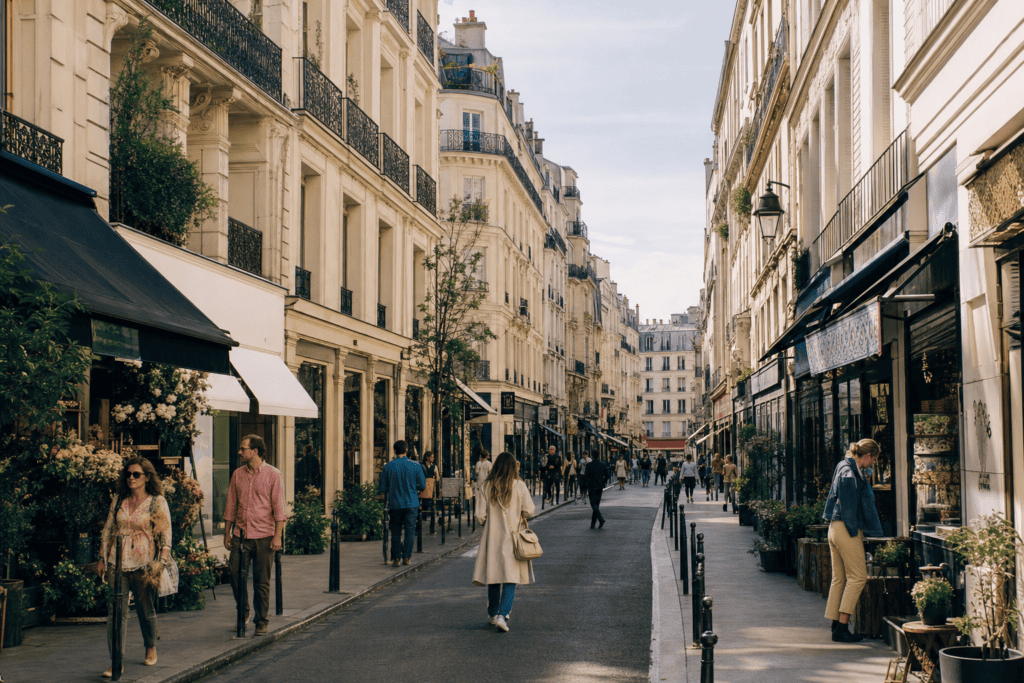 Rue des Martyrs A Parisian uphill route through food shops, cafés, 9th-arrondissement heritage, and the route toward Montmartre.
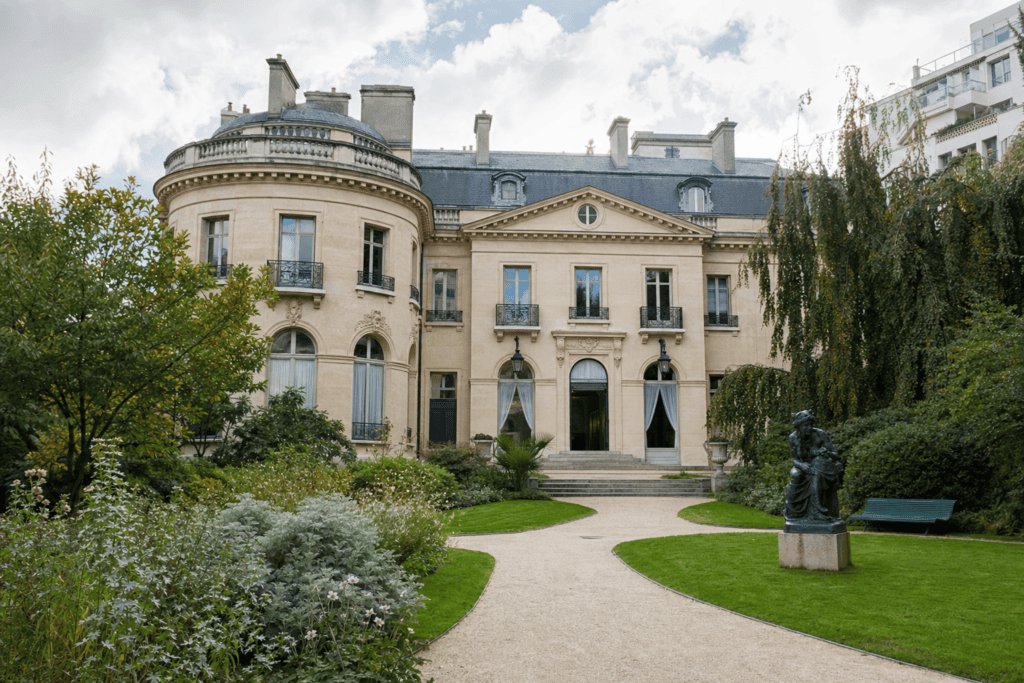 Musée Marmottan Monet A remarkable collection of Monet and Berthe Morisot in the elegant setting of a former mansion…
 Disneyland Paris A full family day out in Chessy, accessible from Paris via RER A, the TGV, by car, or…
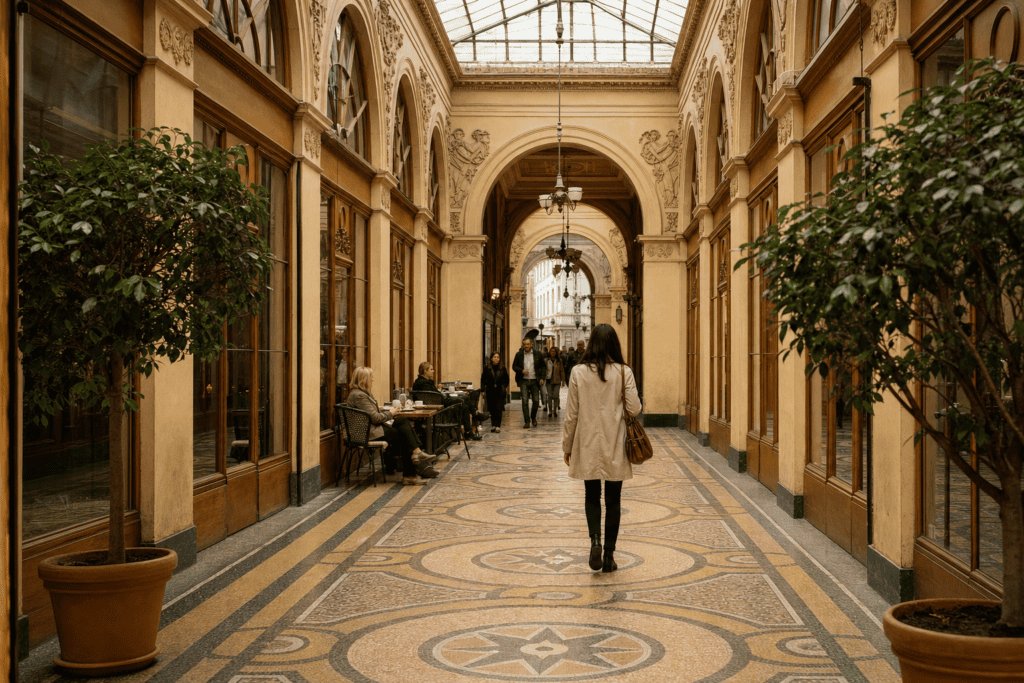 Galerie Vivienne A historic Parisian covered passage where mosaics, a glass roof, an old bookshop, and refined boutiques create an elegant stroll…
Online booking · Paris → 23 Rue des Francs-Bourgeois, 75003 Paris, France
Choose your pickup date and time
Your departure and arrival details are already pre-filled. You can adjust them in the fare calculator before viewing the vehicles and fare.