


Musée de l'Orangerie: A Guide to Monet’s Water Lilies in Paris
Paris
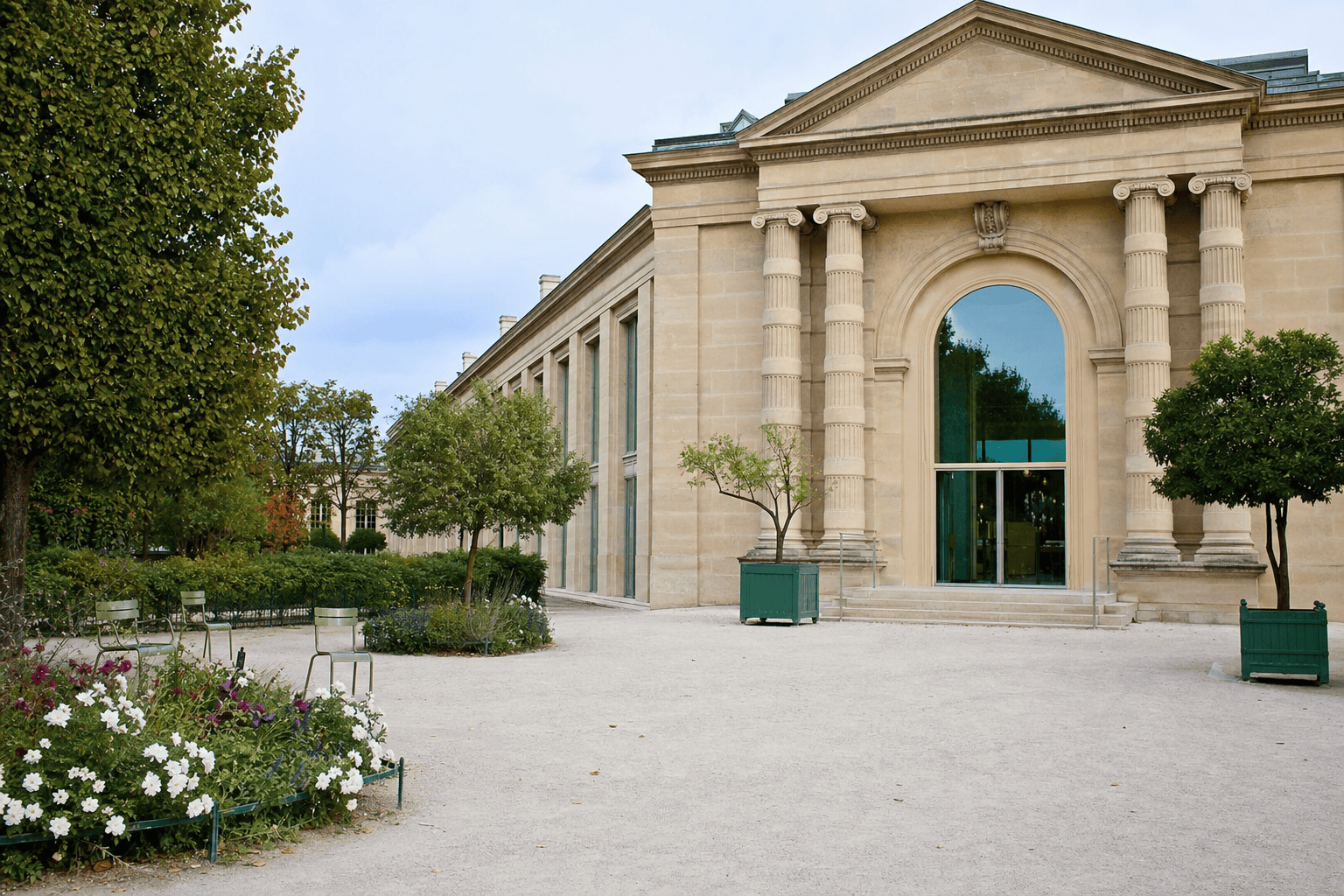
Installé dans le jardin des Tuileries, près de la place de la Concorde, le Musée de l'Orangerie est l’un des lieux les plus singuliers de Paris pour approcher la peinture de Claude Monet. Ses deux salles ovales consacrées aux Nymphéas offrent une expérience presque immersive, tandis que le niveau inférieur présente la collection Jean Walter et Paul Guillaume, avec des œuvres de Renoir, Cézanne, Matisse, Picasso, Modigliani et Soutine. Intimiste malgré la renommée de ses chefs-d’œuvre, le musée se visite facilement au cours d’une journée entre le Louvre, les Tuileries, la Seine et le musée d’Orsay.
Practical information
It is best to reserve a timed entry slot, then plan a walk through the Tuileries Garden before or after your visit.
Getting to the Musée de l'Orangerie from Paris
Booking Paris Transfer can arrange a private ride from your Paris hotel, Paris-Charles-de-Gaulle, or Paris-Orly to central Paris, with a return to your accommodation or onward travel to another stop on your itinerary. The service covers transportation only: museum admission and reservations must be arranged through the official institution.
Possible departure from a Paris hotel, CDG, or ORY; return to Paris according to your itinerary.
Why visit the Musée de l'Orangerie?
The Musée de l’Orangerie is one of the strongest addresses in Paris for anyone who wants to see Monet beyond a succession of small paintings. Here, the Nymphéas occupy two oval rooms designed to envelop the viewer. The panels unfold across the walls, taking visitors from one reflection to another, without a stable horizon line or a traditional figurative narrative. The effect is particularly valuable for understanding Monet’s late development toward a painting of sensation, light, and movement.
The museum is also appreciated for its human scale. Unlike Paris’s large encyclopedic museums, the Orangerie makes it possible to create a coherent visit in a short time without giving up major works. The immediate proximity of the Tuileries reinforces this feeling: after the galleries, you emerge into a historic garden, Place de la Concorde, and the banks of the Seine. The museum is therefore as suitable for a first introduction to Monet as it is for a cultural break between the Louvre and the Musée d’Orsay.
Monet’s Water Lilies: A Work to Experience Slowly
The Water Lilies cycle Nymphéas is linked to the water garden Monet created at Giverny in Normandy. The painter worked on this subject for nearly three decades, varying the hours, seasons, reflections, and framing. The eight large compositions displayed at the Orangerie do more than depict a pond: they offer a pictorial space in which water, sky, plants, and light seem to merge.
To fully appreciate the rooms, avoid moving through them too quickly. Start by sitting for a few moments, then observe the color variations between the panels. The blue, green, pink, and golden tones create different effects depending on the ambient light and viewing distance. The story behind the gift adds a symbolic dimension to the whole: Monet gave the compositions to the French state after the November 11, 1918 armistice, as a gesture associated with peace. They were installed at the Orangerie in 1927, after his death.
The Jean Walter and Paul Guillaume Collection
The visit does not end with the Water Lilies. In the lower galleries, the Jean Walter and Paul Guillaume collection presents another face of artistic modernity. Originally assembled by art dealer Paul Guillaume and later preserved and expanded by Domenica Walter, it brings together artists who reflect the tensions between Impressionism, the avant-garde, and a return to more structured painting.
The collection includes Renoir, Cézanne, Matisse, Picasso, Henri Rousseau, Modigliani, and Soutine, among others. This diversity gives the museum real educational depth: after Monet’s almost abstract immersion, visitors encounter portraits, landscapes, still lifes, and scenes in which the human figure takes center stage again. It is worth exploring the collection without trying to compare everything immediately. Instead, look at how the artists handle color, outline, and texture. The collection thus provides an essential counterpoint to the oval rooms and explains why the Orangerie deserves more than a quick stop devoted solely to the Water Lilies.
A History Closely Linked to the Tuileries
The building was not originally designed as a modern art museum. The Tuileries Orangerie was used to protect the garden’s orange trees and formed part of the monumental complex surrounding the Tuileries Palace. Its large façades and proportions still recall this horticultural purpose and its imperial history. After the Tuileries Palace was destroyed in the 1871 fire, the building served several functions before becoming a museum.
The installation of the Water Lilies profoundly changed its destiny. The project was intended to give Monet’s large canvases an appropriate setting, conceived as a continuous experience rather than a simple display. Later renovation campaigns changed the visitor routes and made it possible to present the Walter-Guillaume collection in dedicated spaces. This layering of eras is part of the appeal: you move from a monument in a royal garden to a setting designed for one of Impressionism’s final great projects, then to a collection tracing several paths through modern art.
Access from Paris Neighborhoods and Train Stations
The museum is located in the Tuileries Garden, very close to Place de la Concorde and the Seine. Concorde metro station is served by lines 1, 8, and 12, making it easy to reach from the Louvre, the Champs-Élysées, Gare du Nord, or the Left Bank with a connection. Several bus routes also serve the Concorde stop, including lines 42, 45, 72, 73, 84, and 94. The museum’s official information also lists several Vélib’ stations nearby.
From a Paris train station, the metro is generally the simplest option, but the final leg is on foot through a very busy area. Visitors arriving from Paris-Charles-de-Gaulle or Paris-Orly can travel to central Paris and continue to Concorde, or choose a private transfer to their hotel before visiting. Driving and parking are less convenient in this central area; visitors with reduced mobility should check the museum’s specific arrangements before arriving.
Planning Your Visit Around the Tuileries
The Orangerie fits especially well into a Paris itinerary focused on art and gardens. A morning can begin in the Tuileries, arriving near Place de la Concorde, followed by a visit to the museum. Continuing on foot toward Rue de Rivoli leads to the Louvre; in the other direction, the riverbanks lead toward the Musée d’Orsay and Saint-Germain-des-Prés. A combined ticket with the Musée d’Orsay may suit some itineraries, but its terms should be checked when booking.
For a more relaxed visit, plan time to pause in the garden before entering: it is a good way to prepare your eye for the Water Lilies’ deliberate pace. After the museum, families can continue to the garden’s ponds, paths, and vistas, while architecture enthusiasts may enjoy the Concorde–Louvre axis. The restaurants and cafés around Concorde, Rue Saint-Honoré, and the Palais-Royal offer many options, but reservations are advisable at lunchtime when tourist traffic is high.
Practical tips before entering
The museum recommends reserving a timed-entry ticket, including for visitors who qualify for free admission. Hours, temporary exhibitions, late openings, and access arrangements may change, so check the official page before setting out. The museum is usually open from 9 a.m. to 6 p.m. and closed on Tuesdays, but public holidays and special events may alter this schedule. The final admission takes place before the galleries close.
Allow time for a security check and limit bulky items. Listed services include an elevator, restrooms, a baby-care area, a cloakroom, and the loan of certain equipment, subject to availability. Guide dogs and assistance dogs are admitted. For visitors with reduced mobility, the accessible entrance is to the left of the main entrance, and special arrangements for adapted parking are available upon prior request. Finally, beware of imitation websites and unofficial sellers: use the museum’s ticketing service and information to verify the day’s conditions.
Frequently Asked Questions
How much time should you allow for the Musée de l'Orangerie?
Is the Musée de l'Orangerie closed on a particular day?
Can you visit the Orangerie and the Musée d'Orsay on the same day?
Which metro station should you use for the museum?
Is the museum suitable for a family visit?
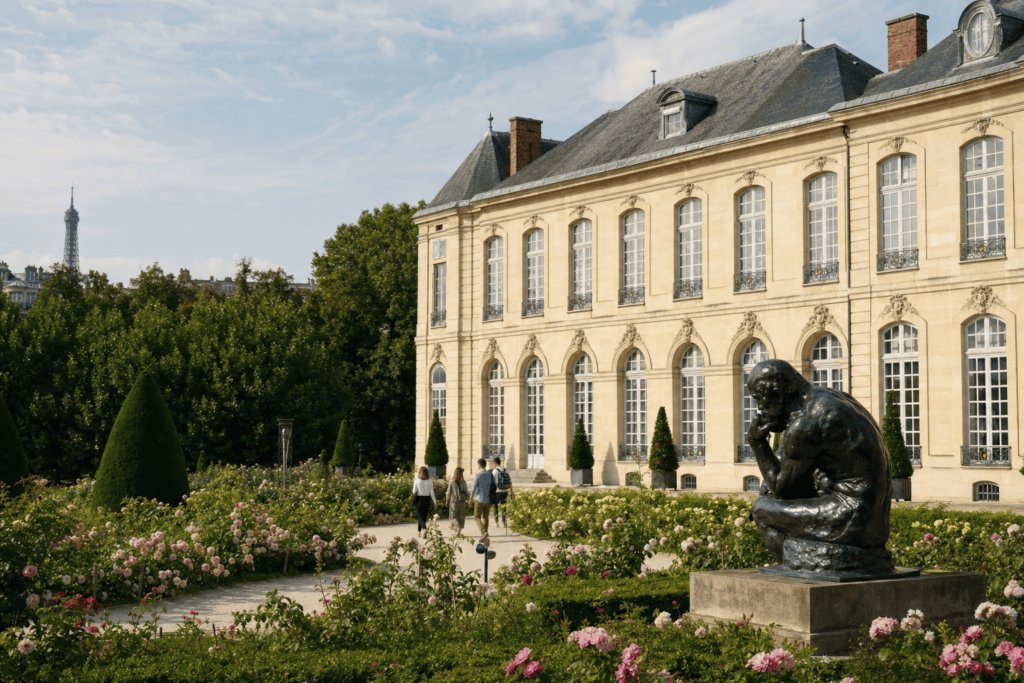 Musée Rodin A historic mansion, a sculpture garden, and major works by Rodin near the…
 Paris Aquarium A family-friendly visit in the heart of Trocadéro, with large tanks, jellyfish, sharks and educational activities.
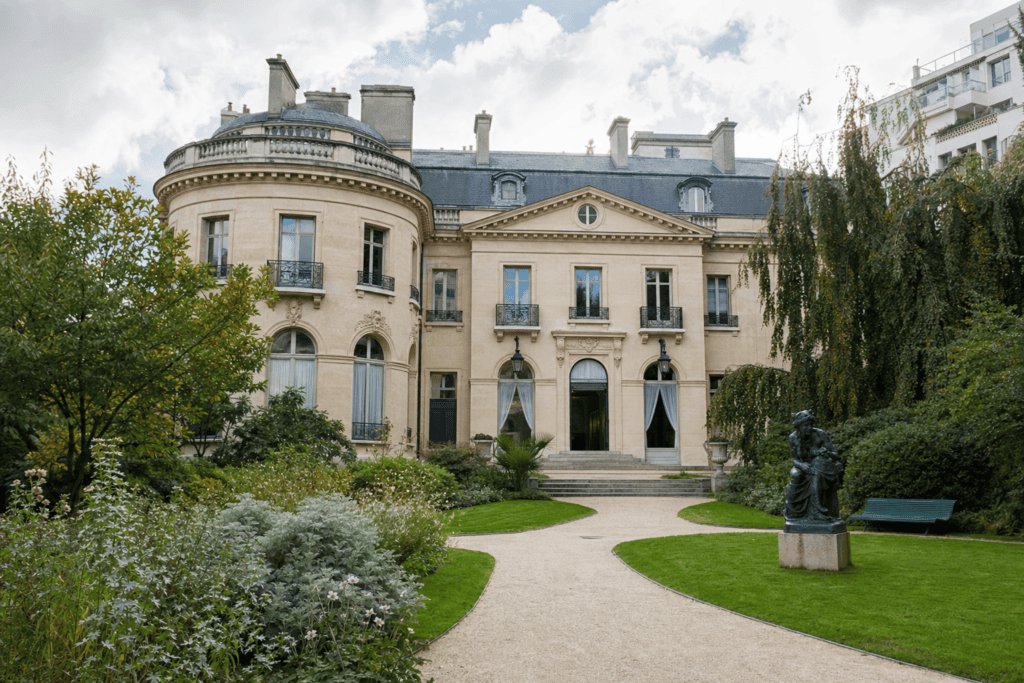 Musée Marmottan Monet A remarkable collection of Monet and Berthe Morisot in the elegant setting of a former mansion…
 Foodie Paris: pastries, cheeses, and local specialties A practical guide to discovering Parisian bakeries, pastry shops, cheese shops, markets and specialties by neighborhood.
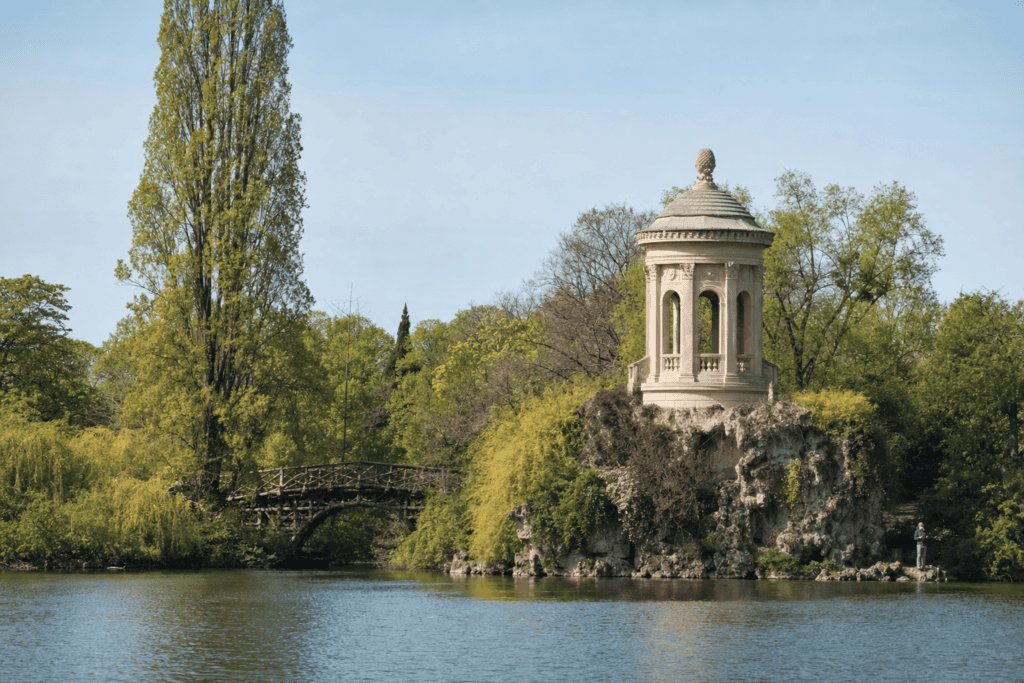 Bois de Vincennes Lakes, forest, cycling paths, and botanical gardens: an easy nature escape from Paris.
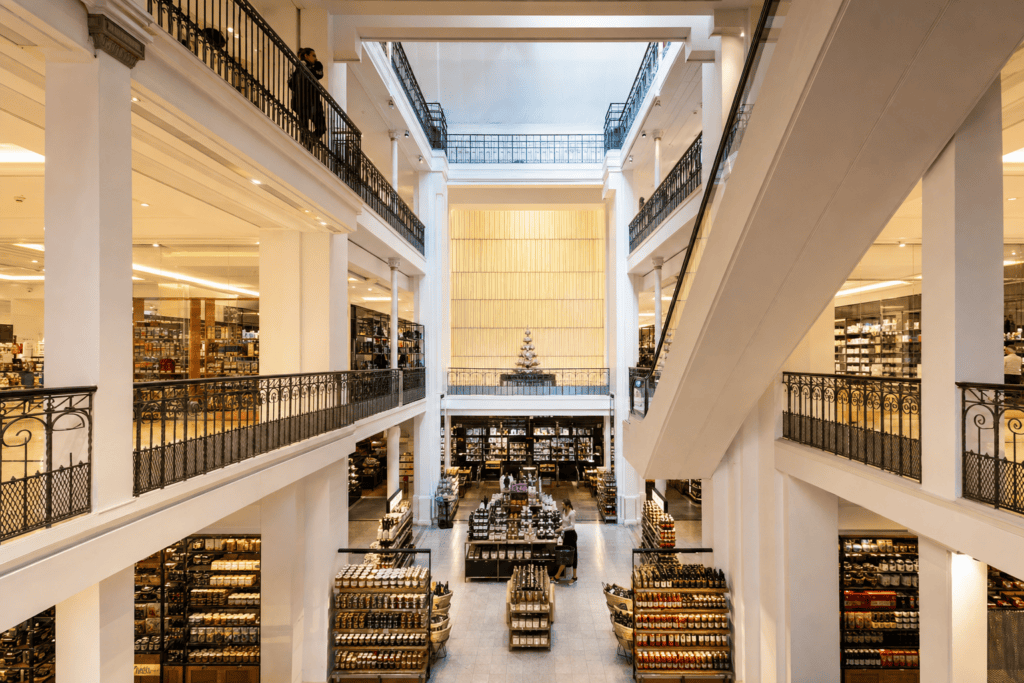 La Grande Épicerie de Paris Two Paris locations for discovering French specialties, fresh produce, pastries, chocolates, condiments, and international selections.
Book online · Paris → Musée de l'Orangerie, Tuileries Garden, Place de la Concorde, Seine side, 75001 Paris
Choose your pickup date and time
Your departure and arrival details are already pre-filled. You can adjust them in the fare calculator before viewing the vehicles and fare.