



Musée des Arts et Métiers: Complete Guide in Paris
Paris
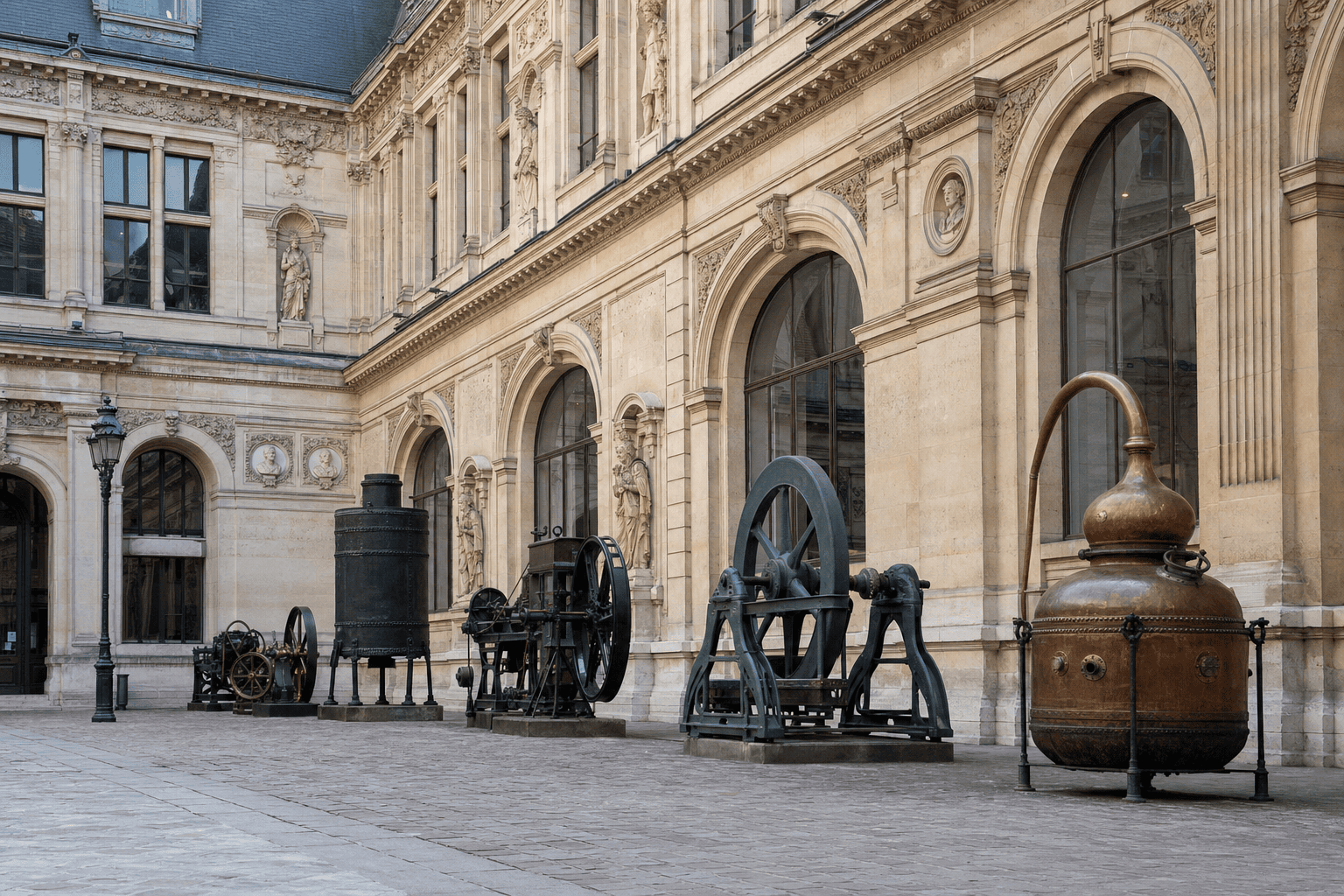
Housed in the former Saint-Martin-des-Champs priory, the Musée des Arts et Métiers traces the history of inventions, science, and technology through often spectacular objects. Industrial machines, measuring instruments, vehicles, aircraft, communication devices, and scientific equipment make up a rich collection displayed in a remarkable historic setting. The former Saint-Martin-des-Champs church, dominated by the Foucault pendulum, is the most distinctive moment of the visit. Easy to combine with the Marais, the Centre Pompidou, or the Les Halles district, the museum is especially well suited to families, history enthusiasts, and visitors who want to discover a less monumental but highly tangible side of Paris.
Practical information
Start by locating the areas devoted to transportation, scientific instruments, and the former church. With children, choose a few standout objects rather than trying to see everything, and leave time to read the explanations.
Getting to the Musée des Arts et Métiers from Paris
From Paris, the Île-de-France region, CDG, or ORY, Booking Paris Transfer can arrange a private ride to the Musée des Arts et Métiers, with return to your hotel or onward travel to another stop in Paris. The service covers transportation only: museum admission, opening hours, and reservations must be arranged separately.
Departures from Paris, the Île-de-France region, CDG, or ORY, with return or onward travel in Paris according to your itinerary.
A Former Priory in the Heart of the 3rd Arrondissement
The Musée des Arts et Métiers occupies part of the former Saint-Martin-des-Champs priory, a site whose history dates back to the Middle Ages. The monastic spaces, vaulted ceilings, and former church give the visit an atmosphere very different from that of a contemporary science museum. The machines and instruments are not isolated in a neutral setting: they interact with historic architecture that evokes the neighborhood’s long history.
The institution is affiliated with the Conservatoire national des arts et métiers, founded during the French Revolution to preserve, transmit, and disseminate technical knowledge. The museum’s purpose therefore goes beyond simply displaying remarkable objects. It shows how societies have sought to measure the world, produce more efficiently, communicate over distances, and improve their means of transportation.
This meeting of heritage, industry, and research is what makes the site distinctive. It offers a chance to discover another side of Paris, particularly appealing after a walk through the Marais or along Rue Réaumur.
Collections and Must-See Objects
The collections cover many fields: scientific instruments, materials, energy, mechanics, construction, transportation, and communication. Optical, astronomical, physics, and measuring instruments demonstrate the precision needed to observe natural phenomena and develop new knowledge. Even the most specialized objects become more accessible when viewed in terms of their use and the problems they were designed to solve.
The transportation gallery contains several particularly memorable pieces. Cugnot’s fardier evokes the earliest experiments with steam-powered vehicles, while Clément Ader’s aircraft recalls the beginnings of aviation. Industrial machines and precision mechanisms, meanwhile, illustrate the gradual transformation of workshops and production methods.
The areas devoted to the telegraph, telephone, images, and sound trace the evolution of communications. To get the most from the visit, take time to read the labels: they explain the uses, limitations, and context of each invention rather than reducing the objects to their striking appearance alone.
The Foucault Pendulum in the Former Church
The former Saint-Martin-des-Champs church is the museum’s highlight. Beneath its great vault, the Foucault pendulum makes Earth’s rotation perceptible through the apparent movement of its oscillation plane. A physics experiment thus becomes a visual spectacle, enhanced by the height of the nave and the contrast between religious architecture and scientific demonstration.
Léon Foucault presented his experiment in 1851, notably at the Panthéon. The museum preserves the sphere and related elements associated with the history of this demonstration. However, the presence of the apparatus in the galleries should be distinguished from any guided demonstrations: their schedule depends on the museum’s programming and may change.
Don’t plan only a quick stop to take a photograph. Observe the height of the building, the pendulum’s movement, and how the apparatus fits into the space. This combination of scientific experiment, architectural heritage, and intellectual history is one of the main reasons to visit the museum.
Why Families Enjoy the Visit
The museum is well suited to a day out with children, especially if the visit is built around a few simple questions: What problem was this invention intended to solve? How did it work? What replaced it? Vehicles, aircraft, machines, and measuring instruments provide tangible points of reference that are easier to observe than a long succession of display cases.
With younger visitors, select a few highlights: Cugnot’s fardier, Clément Ader’s aircraft, the industrial mechanisms, and the Foucault pendulum create a varied route. Older children may be interested in objects related to electricity, communications, clockmaking, and timekeeping.
The museum regularly organizes educational activities, tours, and demonstrations. Their content, schedules, and booking requirements may vary by season. Check the official program before your visit, especially if you want to tailor the outing to the children’s ages or attend a specific activity. Two hours may be enough for a first family visit.
Getting to Parc Astérix from Paris, CDG, and Orly
The museum is located at 60 rue Réaumur, in the 3rd arrondissement, between Le Marais, the Montorgueil district and the Centre Pompidou. Arts et Métiers station, served by lines 3 and 11, is the most convenient metro stop. Its metal décor, inspired by the world of Jules Verne, already offers a small preview of the visit. Réaumur–Sébastopol is another option, depending on where you are coming from.
From Charles de Gaulle, the RER B reaches Paris, but the connection to the museum involves walking through a large central station with luggage. Châtelet–Les Halles followed by Line 11 may work well when your bags are light. From Orly, Line 14 reaches central Paris; a later connection to Line 11 may be needed depending on the day’s route. Check the network status and available elevators before setting out.
By car or private transfer, allow extra time for frequent traffic near the Right Bank, Les Halles, and the major boulevards. A vehicle can drop visitors off nearby, but don’t expect immediate parking directly in front of the museum. With large bags, a door-to-door journey from CDG, ORY, or a Paris hotel may be more comfortable than several connections; luggage remains subject to the museum’s rules, however.
Combining the Museum with the Marais and the Centre Pompidou
The location makes it easy to plan a cohesive cultural day without covering long distances. From the Centre Pompidou, it is about a ten-minute walk to the museum through the Rambuteau area and streets near the Marais. In the other direction, a museum visit can precede a stroll through Les Halles, Rue Montorgueil, or the Haut-Marais. The distances are short, but crowds and breaks can make the route take longer.
The Marché des Enfants Rouges on Rue de Bretagne is about a fifteen- to twenty-minute walk from the museum, depending on the route. It is a practical place to stop for lunch or discover a historic covered market, subject to the vendors’ opening days and hours. It makes more sense to combine it with a walk through the Haut-Marais than with a simple museum outing.
The Centre Pompidou is even closer and can round out the day with a look at modern and contemporary art, but check its program and access requirements before planning both visits. To avoid fatigue, choose one main visit and a shorter second stop rather than rushing through two full itineraries.
Practical Tips Before Your Visit
Check the official website before you leave to confirm opening hours, closure days, any changes related to construction or public holidays, and the activities on offer. Access hours for certain areas or booking arrangements for a tour may differ from simple admission to the collections. This check is especially useful during school holidays and busy periods.
Avoid arriving with a large suitcase, bicycle, or scooter without checking the luggage rules first. Bulky items may not be admitted, and storage options may change. If you are traveling directly from an airport, ask in advance rather than assuming that your luggage can be stored on-site.
Visitors with reduced mobility can consult the official accessibility information and contact the museum if they need clarification. Wear comfortable shoes: the route covers several areas and deserves an unhurried pace. Finally, leave some time for the lesser-known pieces. Objects related to measurement, energy, and communications often explain technological progress better than the most photographed masterpieces alone.
Frequently Asked Questions
Where is the Musée des Arts et Métiers located?
How much time should I allow?
Is the Foucault pendulum always on display?
Is the museum suitable for children?
How do I get there from Charles de Gaulle or Orly?
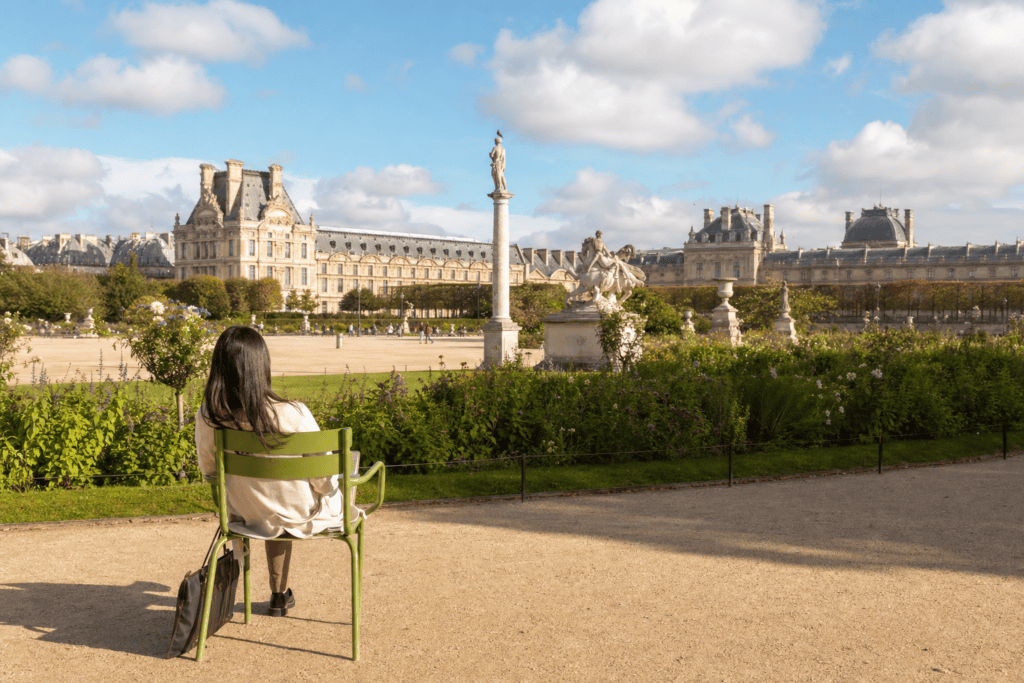 Tuileries Garden A former royal garden turned into a must-see Parisian promenade between the Louvre and Place de…
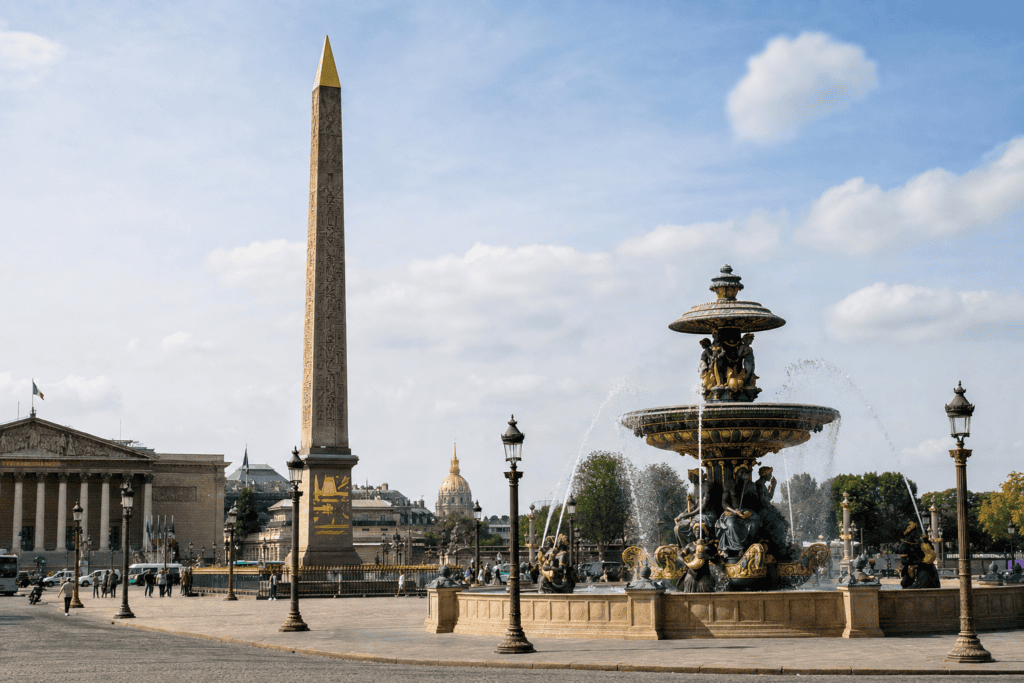 Place de la Concorde A vast historic square between the Tuileries and the Champs-Élysées, dominated by the Luxor Obelisk and…
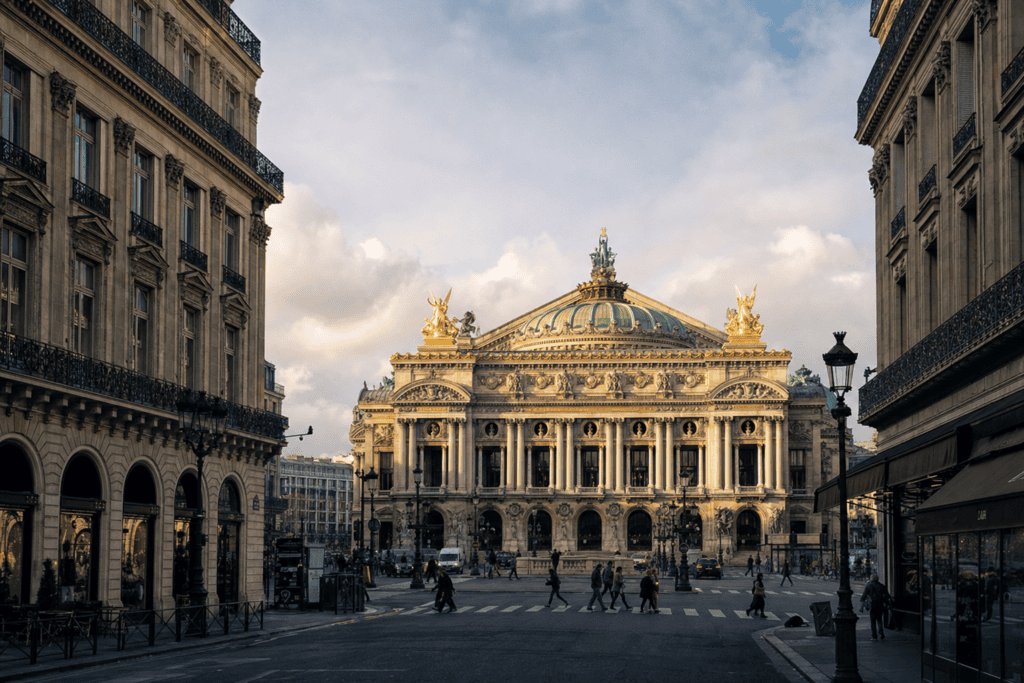 Palais Garnier A monumental opera house worth discovering for its Grand Staircase, foyers, salons, and décor…
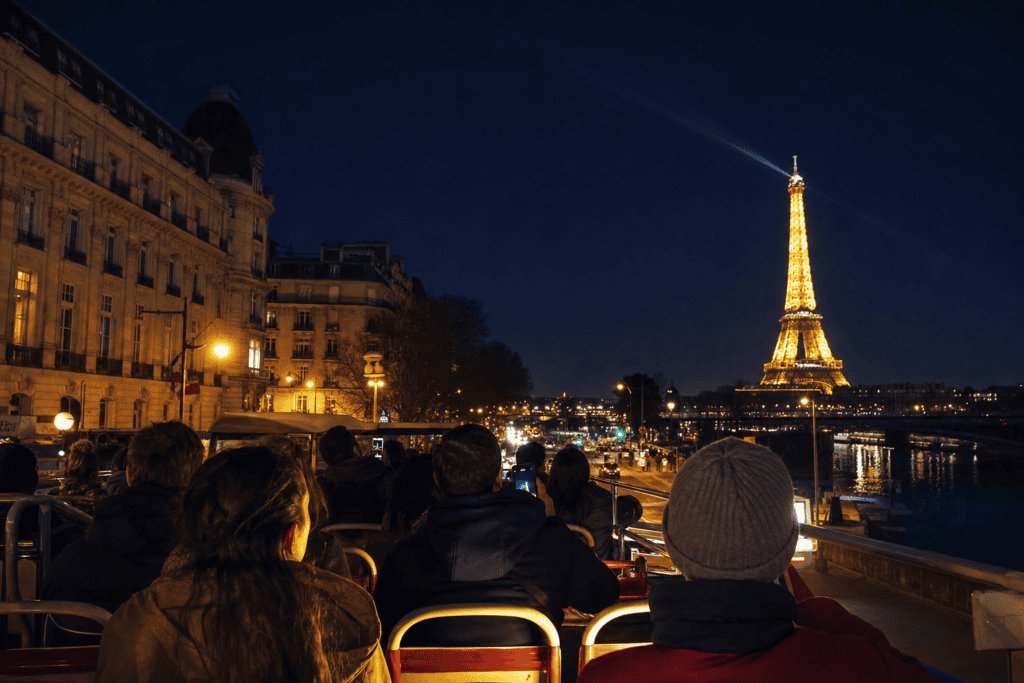 Paris by Night on a Panoramic Bus A comfortable evening loop for admiring Paris’s illuminated monuments, with a route and a…
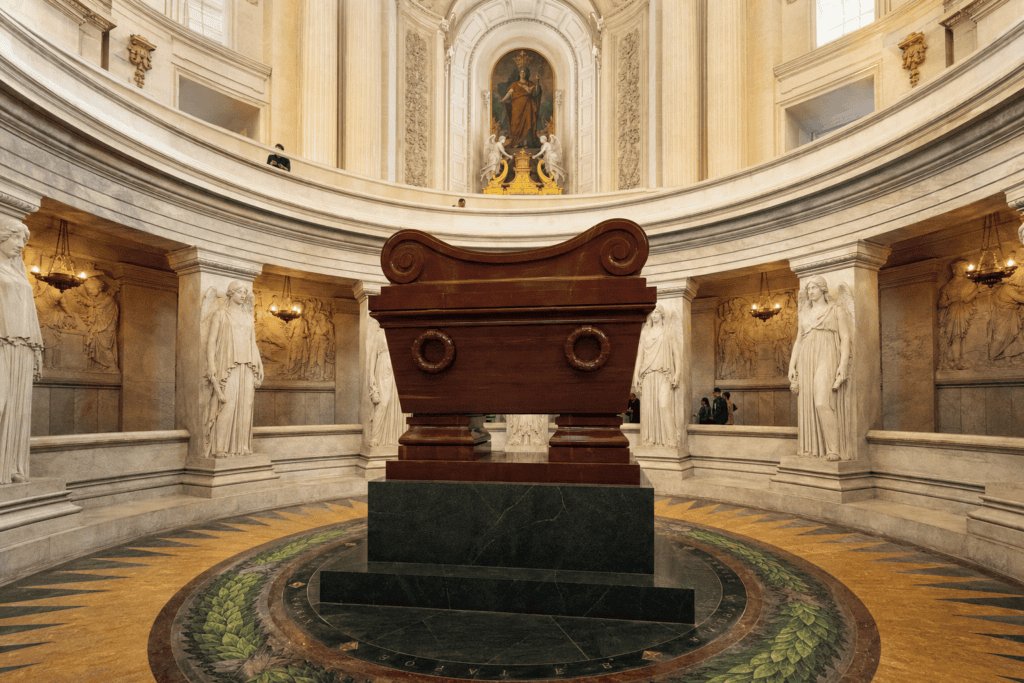 Army Museum and Napoleon’s Tomb A rich historical journey through Les Invalides, featuring military collections, monumental architecture, and the tomb of Napoleon I.
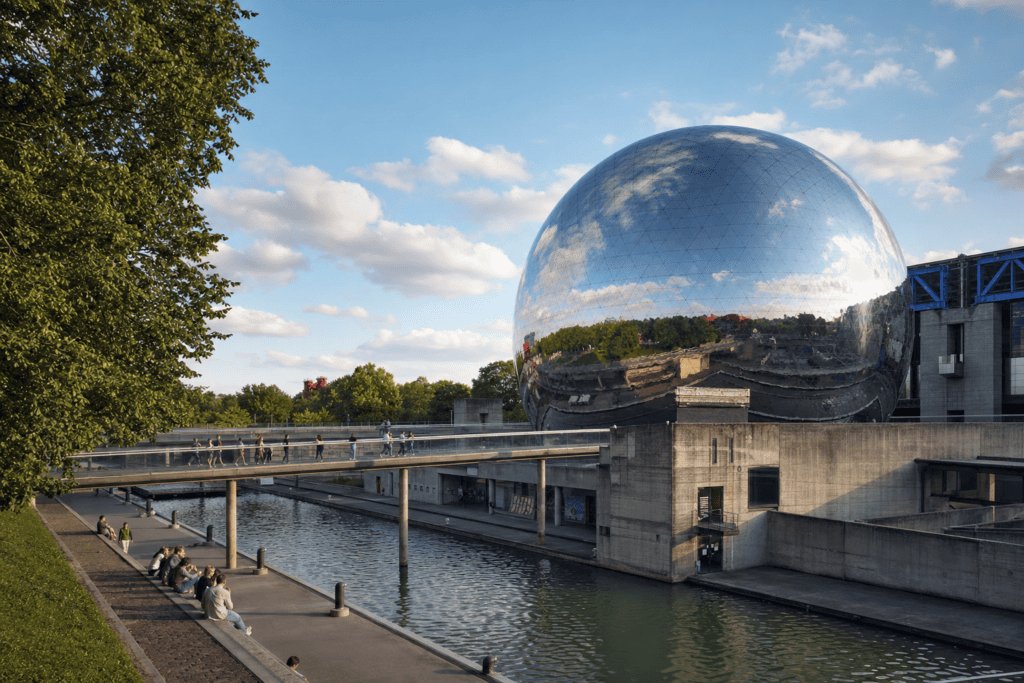 La Villette Park A large Parisian park combining gardens, contemporary architecture, the Canal de l’Ourcq, museums, concerts and activities in…
Online booking · Paris → 60 Rue Réaumur, 75003 Paris, France
Choose your pickup date and time
Your departure and arrival details are already pre-filled. You can adjust them in the fare calculator before viewing the vehicles and fare.