



Musée de l’Armée in Paris: Invalides Guide
Paris
Housed in the Hôtel national des Invalides, the Musée de l’Armée in Paris presents a major journey through French and European military history. Weapons, armor, uniforms, flags, paintings, personal belongings and campaign memorabilia connect major events with individual stories. The visit notably includes the Dôme church, recognizable by its gilded dome, where Napoleon I’s monumental tomb is located. The Invalides complex also includes the Saint-Louis des Invalides Cathedral, the Musée des Plans-Reliefs, the Musée de l’Ordre de la Libération and the Charles de Gaulle Historical Museum, depending on which spaces are open and which ticket you choose. This guide brings together the main historical highlights, access information and useful precautions, without assuming that opening hours or visitor conditions will remain unchanged.
Practical information
Identify your priority departments on the map before entering. For accessibility, strollers and the Dôme areas, ask the museum directly for confirmation.
Getting to Les Invalides from Paris
From a Paris hotel, train station, Charles de Gaulle or Orly, Booking Paris Transfer can arrange your journey to Les Invalides, with a return to Paris or onward travel to another stop on an itinerary that began in Paris. The service covers transportation only and does not include a museum ticket or reservation. For arrivals from an airport, provide your flight time and allow extra time for baggage, security checks and Paris traffic.
Transportation departing from Paris, Île-de-France, CDG or ORY; tickets not included.
Why visit the Musée de l’Armée at Les Invalides?
The Musée de l’Armée occupies one of Paris’s most evocative monumental complexes: the Hôtel national des Invalides, founded under Louis XIV to house soldiers who were elderly, wounded or no longer fit for service. The Cour d’Honneur, classical façades, galleries and view of the dome immediately provide context for the collections. Military history is therefore not presented in a neutral building; it is embedded in a place designed for veterans and connected to the history of the state.
The visit appeals to Napoleon enthusiasts as well as fans of architecture, heritage, social history and historic objects. The weapons document technological progress, while uniforms, letters, flags and memorabilia make major events more personal. For a first visit, it is better to select a few collections than try to see everything quickly. The Cour d’Honneur, weapons and armor, Napoleonic areas and the Dôme form a coherent half-day itinerary.
The Dôme and Napoleon I’s Tomb
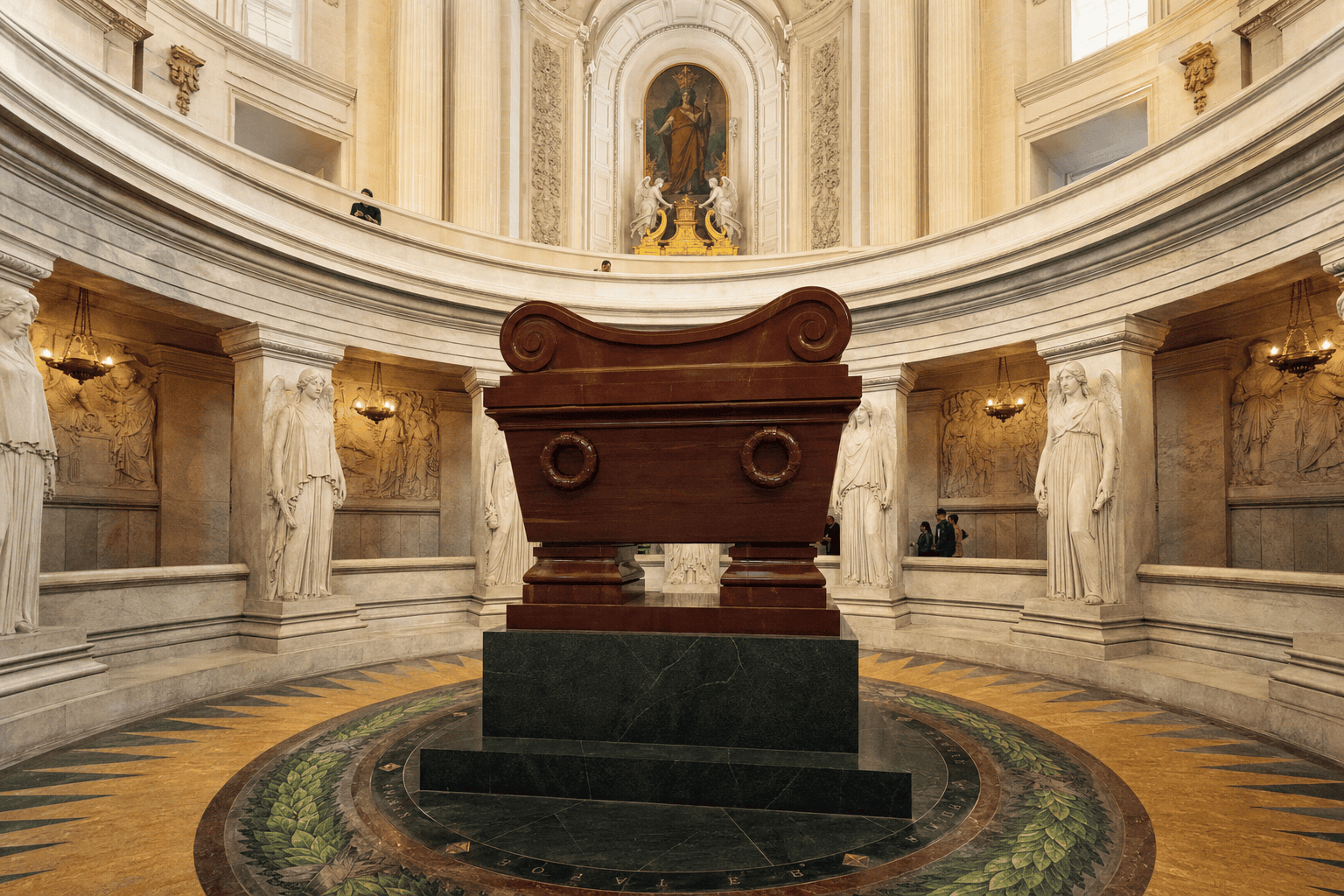
With its gilded dome, the Dôme church is Les Invalides’ most famous visual landmark. Inside, Napoleon I’s tomb stands at the center of a circular space beneath the dome. The monumental sarcophagus, surrounding chapels and associated tombs create a funerary setting intended to shape an imperial memory. The experience is as much architectural as historical: the light, proportions and height of the monument completely change how the site is perceived from outside.
Do not confuse the Dôme church with Saint-Louis des Invalides Cathedral. These two buildings belong to the same complex, but their functions and histories are distinct. The tomb can be visited under the conditions set by the museum. Check the exact ticket contents, open areas and any temporary restrictions on the official ticketing site, especially if you are planning your visit around a specific time, a group or a train connection.
From Weapons and Armor to Contemporary Wars
The collections trace the evolution of armies over a very long period. The department of ancient weapons and armor presents defensive equipment, swords, firearms, prestige objects and pieces associated with chivalry. These objects were not used only for combat: they also signaled rank, wealth and authority. Their preservation offers insight into manufacturing, usage and representations of power in European societies.
The galleries devoted to the modern era and the Empire shed light on the political and military transformations from Louis XIV to Napoleon III. Uniforms, emblems, flags and campaign memorabilia give the major periods a human dimension. The contemporary section covers conflicts from 1871 to 1945 in particular. The Musée des Plans-Reliefs, the Musée de l’Ordre de la Libération and the Charles de Gaulle Historical Museum can round out the visit. Access depends on the ticket and the day’s arrangements: check what your visit includes rather than assuming everything is automatically covered.
The Hôtel des Invalides and Its Two Churches
The creation of Les Invalides reflected a desire to assist soldiers, as well as a political ambition. By housing and caring for veterans, the monarchy affirmed its responsibility toward those who had served the kingdom. The vast complex combined daily life, medical care, prayer and the representation of authority. Its courtyards and buildings bear witness to this original organization, while the site’s monumental scale placed military power in the Parisian landscape.
Saint-Louis des Invalides Cathedral is connected to the military community and preserves the religious memory of the armed forces. The Dôme church, designed as a royal church, became an imperial necropolis after Napoleon’s tomb was installed there. This distinction helps clarify the route and avoids common confusion. Access to religious or outdoor areas may change because of ceremonies, construction, security checks or special arrangements. Check the museum’s instructions on the day of your visit, even if you already know the monument.
Access, Entrances and Transportation to Les Invalides
The main address is 129 rue de Grenelle, in the 7th arrondissement. The museum may also direct visitors to an entrance on the Place Vauban side, opposite the Dôme, but the entrance that is actually open depends on the opening hours and the site’s arrangements. The Invalides, Varenne and La Tour-Maubourg stations serve the area; Invalides RER C station may be convenient from several parts of Paris and the western Île-de-France region. From a Paris train station, the best route depends on your starting point, the remaining walking distance and your luggage.
From Charles de Gaulle or Orly, public transportation is possible, but connections may be less comfortable with a family, suitcases or a late arrival. If driving, allow plenty of extra time: heavy traffic, roadworks, demonstrations, temporary restrictions and the search for parking can lengthen the journey, especially during rush hour. A private transfer from Paris, a train station, CDG or ORY can make arrival easier, but you should provide your actual landing time and allow enough time to collect your luggage and leave the airport. Booking Paris Transfer handles transportation only: admission, tickets, reservations and security checks are managed by the venue.
Preparing for a comfortable, accessible visit
For a first visit, make a short list of priorities: the Cour d’Honneur, weapons and armor, the Napoleonic galleries, the Dôme and, if time allows, a section devoted to contemporary history. The site is extensive, and the distances between galleries can be tiring for children and adults alike. Half a day offers a good balance, while a very comprehensive itinerary requires more time and careful planning. Check the map before entering to limit backtracking, and plan breaks.
Opening hours, prices, exhibitions, reservations and circulation rules may change. Visitors with reduced mobility should contact the museum before coming: the Dôme has steps, and access conditions may vary by area. Strollers may also be subject to specific rules depending on their model, the galleries and visitor numbers. Do not expect one uniform solution across the entire site. Contacting the museum in advance helps you find out which entrances are actually available and adapt your route, especially when visiting from an airport or with a group.
What to See Around Les Invalides
Le quartier permet de prolonger la journée sans multiplier les longs déplacements. Le musée Rodin, installé non loin des Invalides, propose une approche très différente autour de la sculpture, de l’hôtel Biron et du jardin. En direction de la Seine, le pont Alexandre III offre une perspective spectaculaire vers le Grand Palais, le Petit Palais et les Champs-Élysées. Dans l’autre direction, l’esplanade des Invalides conduit vers le Champ-de-Mars et la tour Eiffel à travers le 7e arrondissement.
The Musée d’Orsay can also complement your itinerary on the other side of the Seine, provided you check its opening hours and leave enough time for each visit. To avoid an overly packed day, choose just one additional major site. The area has cafés and restaurants, but availability varies by time and season. Fans of Napoleonic history can continue with other Paris sites associated with the Empire, checking each venue separately. An early arrival provides more flexibility for security checks, lines or changes to access at Les Invalides.
Useful sources
Frequently Asked Questions
Does the museum ticket include Napoleon’s tomb?
What is the difference between Saint-Louis Cathedral and the Dôme church?
How much time should I allow?
Which entrance should I use?
Is the Dôme accessible to visitors with reduced mobility?
Are strollers allowed?
 Petit Palais A free Paris museum renowned for its 1900 architecture, varied collections and interior garden.
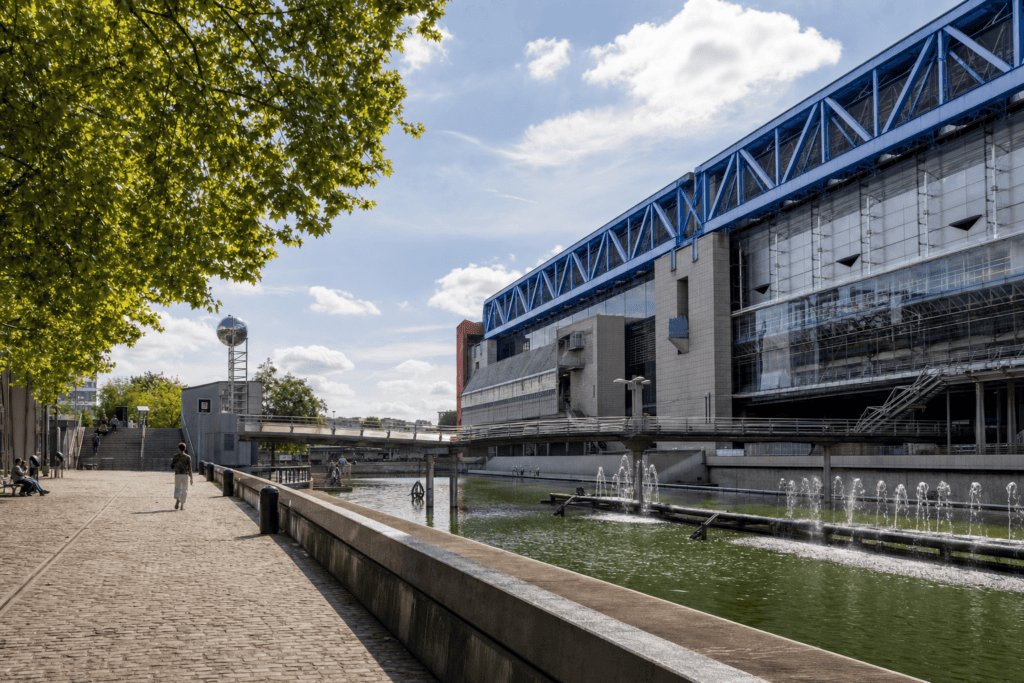 Cité des Sciences et de l’Industrie An interactive museum in Parc de la Villette where families can explore science through exhibitions,…
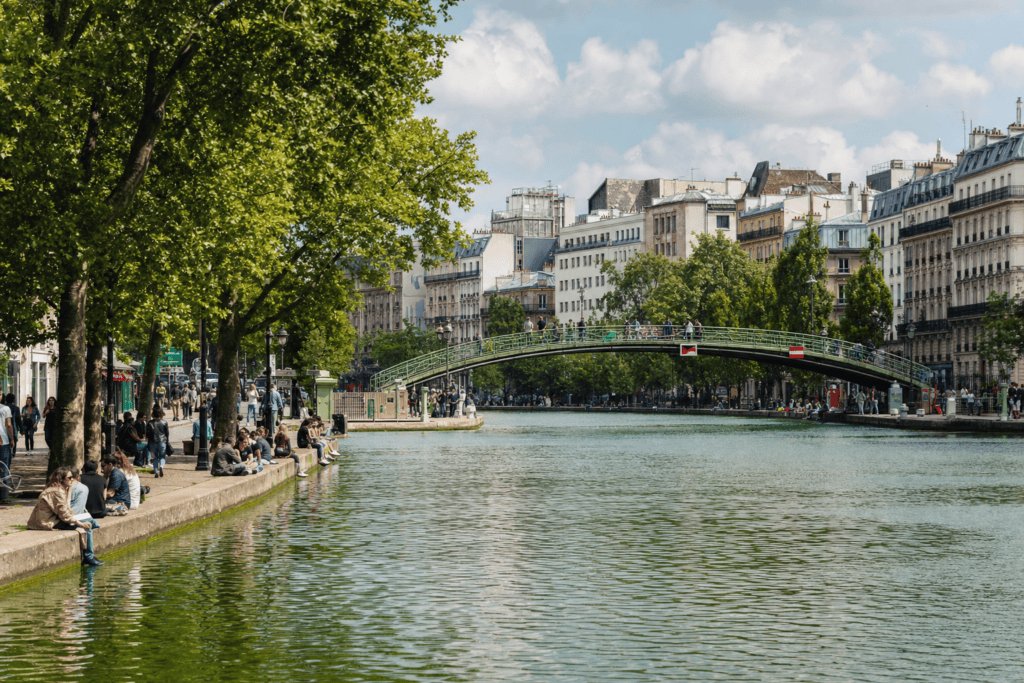 Canal Saint-Martin A Parisian stroll among locks, footbridges, trees and lively quays in the heart of the 10th arrondissement.
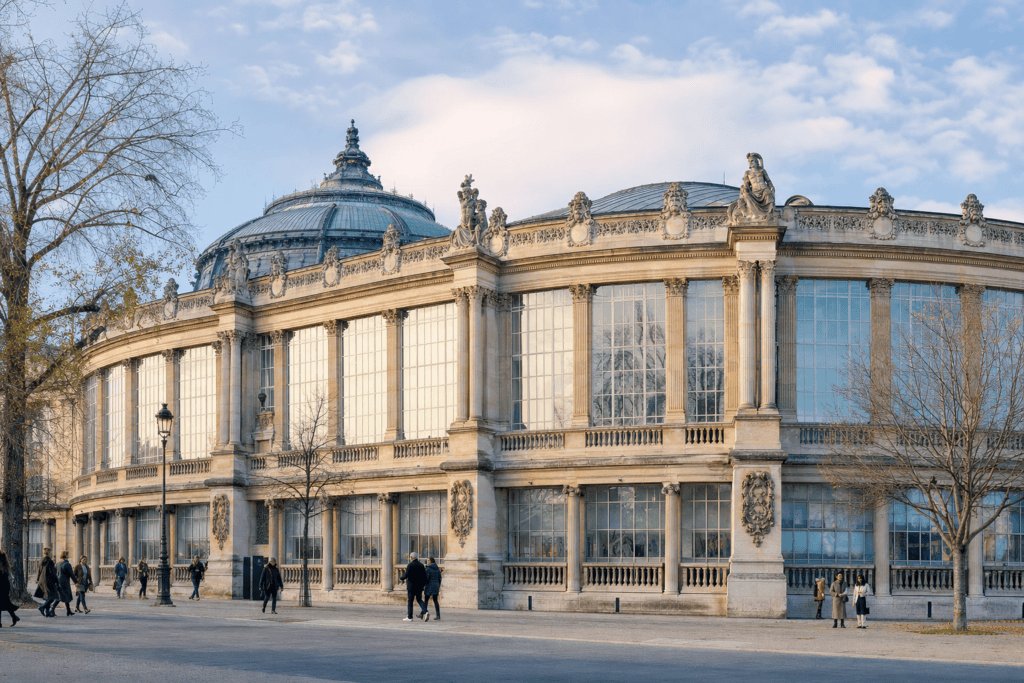 Le Palais des Glaces A Paris venue known for comedy, stand-up, theater, and comedies, near République.
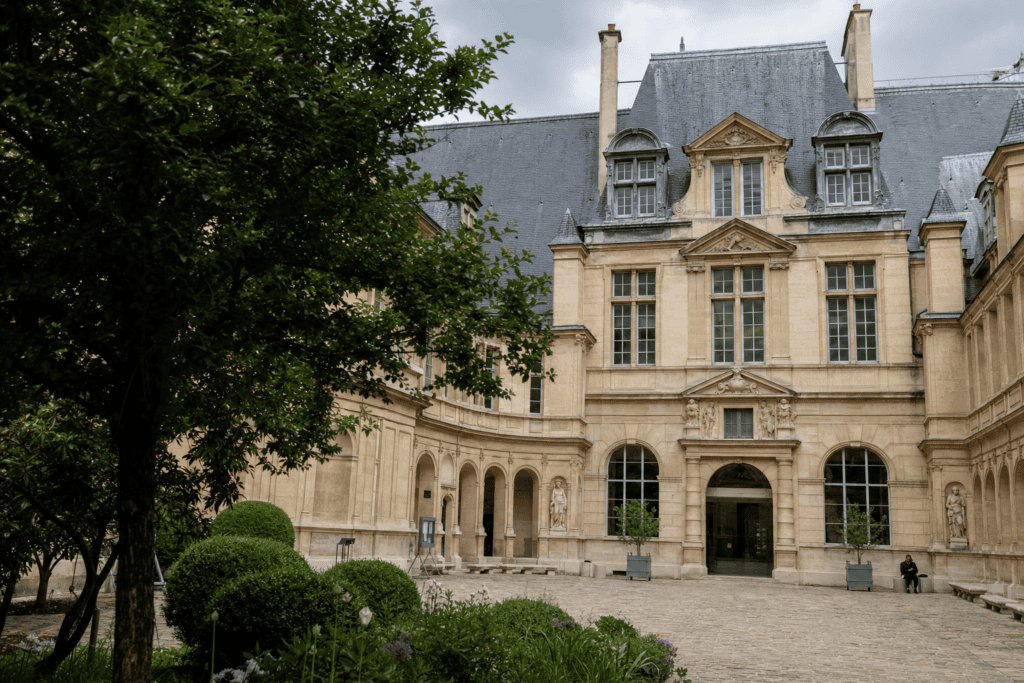 Musée Carnavalet – History of Paris Housed in two private mansions in the Marais, the Musée Carnavalet traces the history of Paris from Prehistory…
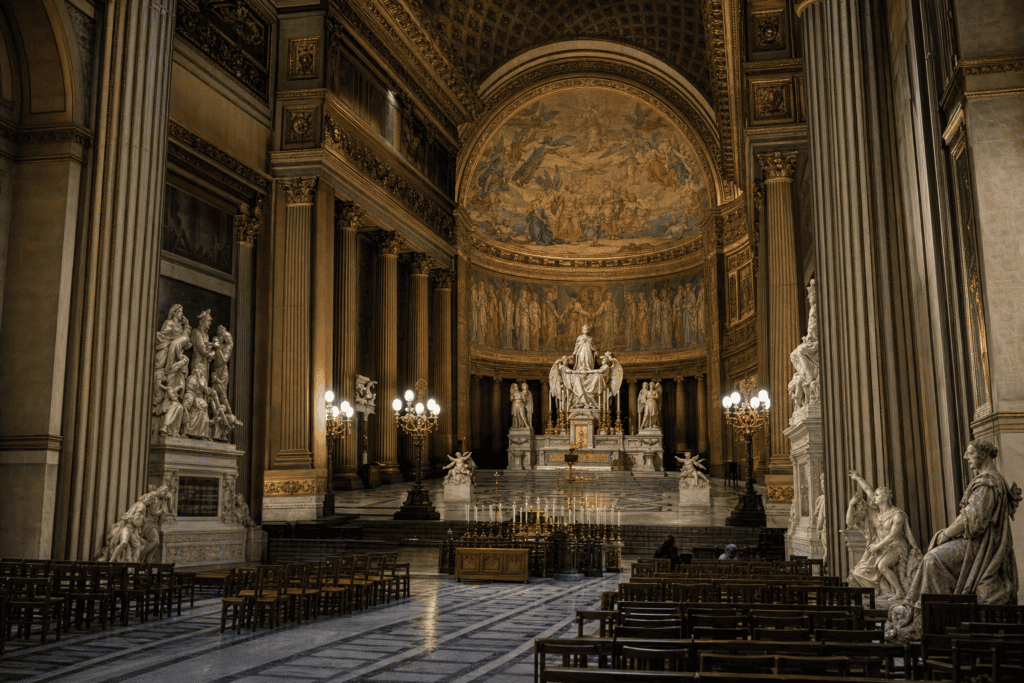 La Madeleine Church A major neoclassical monument, ideal for a stop between Place de la Concorde, the Palais Garnier, and the grand…
Online booking · Paris → Hôtel national des Invalides, 129 rue de Grenelle, 75007 Paris
Choose your pickup date and time
Your departure and arrival details are already pre-filled. You can adjust them in the fare calculator before viewing the vehicles and fare.