



Place de la Concorde: History and a Paris Walking Tour
Paris
Located between the Tuileries Garden and the Champs-Élysées, Place de la Concorde is one of Paris’s great historic spaces. Its Luxor Obelisk, monumental fountains, and open vistas tell the story of several centuries of urban planning, power, and national memory. It is best explored on foot as part of a walk connecting the Louvre, the Tuileries, the Seine, and the Champs-Élysées.
Practical information
Don’t limit yourself to the center of the square: look for the eight statues representing French cities, the fountains, the townhouses, and the views toward the Louvre and the Arc de Triomphe.
Getting to Place de la Concorde from Paris
Booking Paris Transfer can arrange a private ride from your Paris hotel, a train station, Paris-CDG, or Paris-Orly, with drop-off in an area suited to your walk. The service covers transportation only and does not include admission tickets. For a cultural itinerary, combine Place de la Concorde with the Tuileries, the Louvre, or the Champs-Élysées, then plan a return to Paris or your accommodation.
Transportation service departing from Paris, a Paris hotel, Paris-CDG, or Paris-Orly; no ticketing included.
A square designed to connect Paris’s major avenues
Place de la Concorde occupies an exceptional position in the Parisian landscape. It connects several major walking routes: to the east, the Tuileries Garden leads to the Louvre; to the west, the Champs-Élysées gradually rises toward the Arc de Triomphe; and to the south, the Pont de la Concorde leads to the Seine and the National Assembly. This layout explains why the square is often a stop along a route rather than a destination on its own.
To explore it, start at the entrance to the Tuileries and walk toward the obelisk. The view gradually widens, revealing the fountains and the buildings along the north bank. From the center, take time to look in all four directions: the avenues offer an almost theatrical perspective on Paris. The square is vast, highly paved, and crossed by heavy traffic, so the best views are from its edges and pedestrian crossings.
Its central location makes it especially convenient for a first visit to Paris, a photography walk, or a route linking a museum, a garden, and a shopping district.
From Place Louis XV to Place de la Concorde
The square was created in the 18thth century west of the Tuileries Garden, in an area that was less developed than it is today. Designed by Ange-Jacques Gabriel, it was initially named Place Louis XV and was intended to hold an equestrian statue of the king. The two large buildings along its north side, designed as part of the same architectural ensemble, still give the square a strong classical presence.
During the French Revolution, the site took on a profoundly different meaning. Renamed Place de la Révolution, it became a site of public executions, including those of Louis XVI and Marie Antoinette, as well as Danton and Robespierre. This period explains Concorde’s particular historical weight: behind today’s elegant perspectives lies one of the most dramatic settings in French history.
The name Concorde was adopted at the end of the 18thth century to evoke national reconciliation. This was therefore more than an administrative change: it was a symbolic effort to transform a place of political violence into a gathering space. An attentive visit is enriched by keeping this layering of eras in mind.
The Luxor Obelisk, the central landmark of the visit
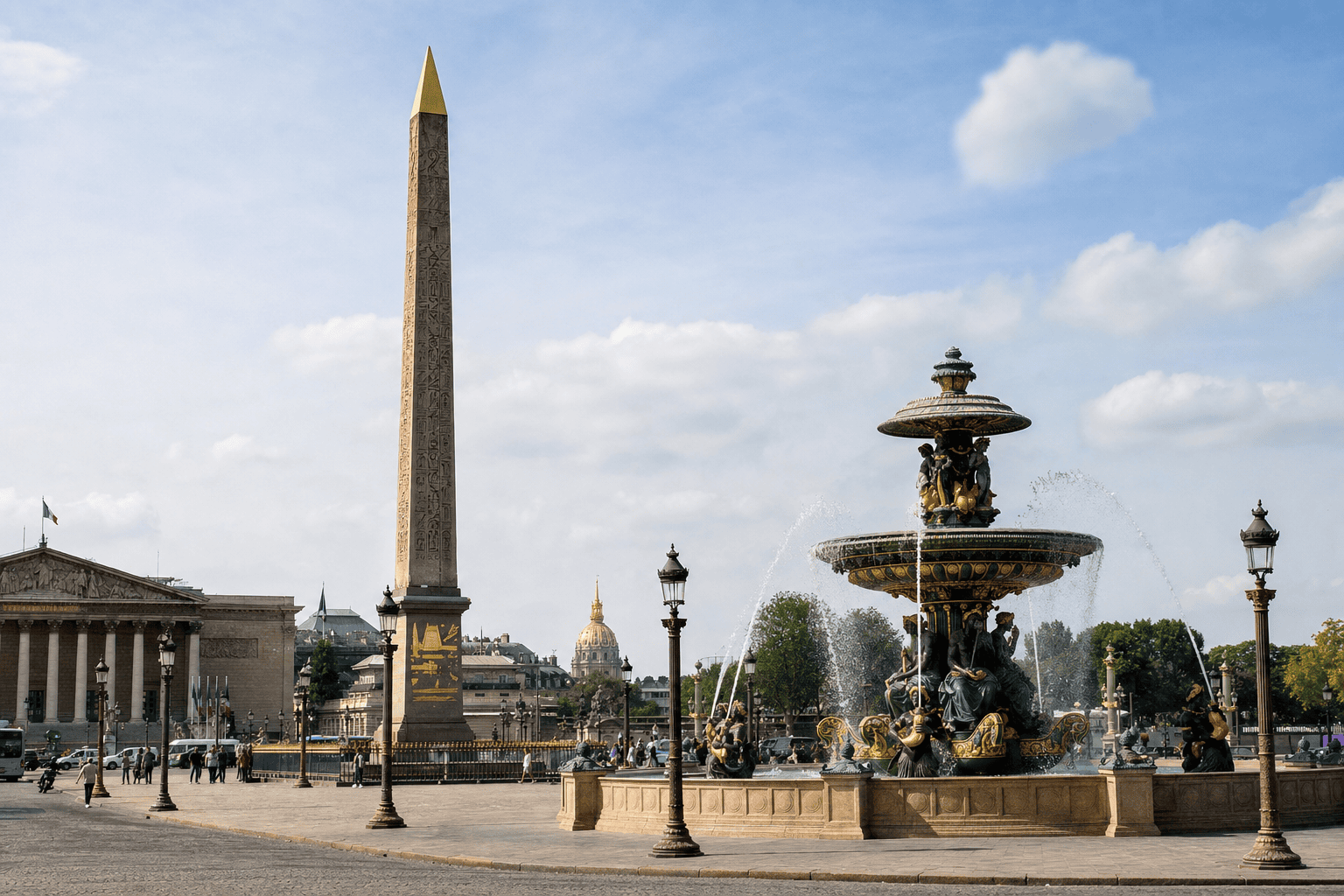
At the center of the square stands the Luxor Obelisk, a several-thousand-year-old Egyptian monument presented to France in the 19thth century. Transported from Egypt, it was installed in Paris in 1836. Its journey by river and land was a considerable undertaking for the time, further underscoring the monument’s exceptional nature.
Observe its stone, hieroglyphs, and gilded pyramidion, which catches the light at the top. The obelisk is not merely an archaeological object placed in the middle of a French square: it serves as both a visual axis and a monumental sundial. Its presence organizes the views and adds vertical scale to a space dominated by the horizontal lines of the façades and gardens.
For photographs, the most interesting viewpoints are not always directly in front of the monument. From the Tuileries, the obelisk stands out against the Champs-Élysées; from the north side, it engages with the fountains and pavilions. However, avoid getting close to traffic areas and follow the designated paths around the square.
Fountains, statues, and architectural details to look for
Place de la Concorde rewards a close look at its edges. Its two large fountains, often referred to as the Fountain of the Seas and the Fountain of the Rivers, recall the importance of the navy and waterways in the imagination of the 19thth century. Their sculptures, basins, and jets of water bring movement to an otherwise very open space.
Around the square, eight statues represent French cities. They stand on small pavilions that punctuate the corners and sides of the ensemble. Take time to identify these allegorical figures: they help explain how the square was conceived as a representation of France, not merely as a Parisian backdrop.
The buildings on the north side are also essential to the visit. Their regular façades frame the view and contrast with the openness toward the Seine and the Champs-Élysées. By looking at the balustrades, lampposts, sentry boxes, and sculpted details, you can better appreciate Jacques-Ignace Hittorff’s 19thth century redevelopment project. This attention to detail turns a simple crossing into a true heritage walk.
Continue your visit through the Tuileries Garden
Place de la Concorde is one of the best gateways to the Tuileries Garden. A few steps take you from a major urban crossroads to a historic garden laid out along the axis of the Louvre. Entrance to the garden is free, but its hours vary by season and may be adjusted for installations or events: check the official information before you go.
Once in the Tuileries, walk east along the central axis. The ponds, chairs, sculptures, and rows of trees offer a calmer pace after the bustle of the square. You can detour to the nearby Musée de l’Orangerie, particularly to see Claude Monet’s large Water Lilies paintings. The Louvre can then be reached on foot along the garden’s vista.
This combination is especially suitable for travelers with a few hours between visits. It brings together architecture, history, art, and an outdoor break without requiring numerous transfers. Wear comfortable shoes: distances may look short on a map, but the route quickly becomes long if you add the Louvre or the Champs-Élysées.
Access, transportation, and tips for a smooth visit
Concorde metro station is the main arrival point. It is served by lines 1, 8, and 12, with several exits around the square, including toward the Tuileries Garden, Rue de Rivoli, Rue Royale, and Avenue Gabriel. This service provides direct access from several tourist areas of Paris, but entrances and exits may be temporarily modified by construction or events.
The square is also served by Paris bus routes. When arriving from a train station or airport, it is generally easiest to reach central Paris first, then continue by metro, on foot, or by vehicle with drop-off on an authorized street. Roads around Concorde are heavily trafficked, and large gatherings may lead to traffic restrictions.
Visitors with reduced mobility should check access details before traveling, as station accessibility depends on its facilities and the exit selected. For a more comfortable walk, avoid peak times and cross only at designated crossings. In the event of a ceremony, fan zone, or demonstration, check information from the City of Paris and RATP on the day itself.
When to visit and how to include Concorde in your Paris itinerary
The square can be explored year-round, but the experience varies by season. In spring, the Tuileries provide a pleasant transition between the stone façades and flower beds. In summer, the light is generous, but the square can be hot and highly exposed, so a morning or late-afternoon visit is more comfortable. In fall, views of the Tuileries trees are especially photogenic. In winter, lower visitor numbers often make it easier to observe the façades and statues at a leisurely pace.
A classic itinerary starts at the Louvre, crosses the Tuileries, reaches Concorde, and then continues toward the Champs-Élysées. A shorter option is to visit the Orangerie, exit near the obelisk, cross the square, and continue to Rue Royale and La Madeleine. History enthusiasts can add the Carnavalet Museum or follow a route devoted to the French Revolution.
Concorde also suits business trips, photography tours, and family walks, provided you explain the role of the avenues, fountains, and obelisk to children. For a first visit to Paris, it offers an impressive one-stop overview of the capital’s history, architecture, and monumental geography.
Useful sources
Frequently Asked Questions
Is Place de la Concorde free to visit?
Which metro station should I use to get to Place de la Concorde?
How much time should I allow for a visit?
Can I visit Place de la Concorde with children?
Are there events at Place de la Concorde?
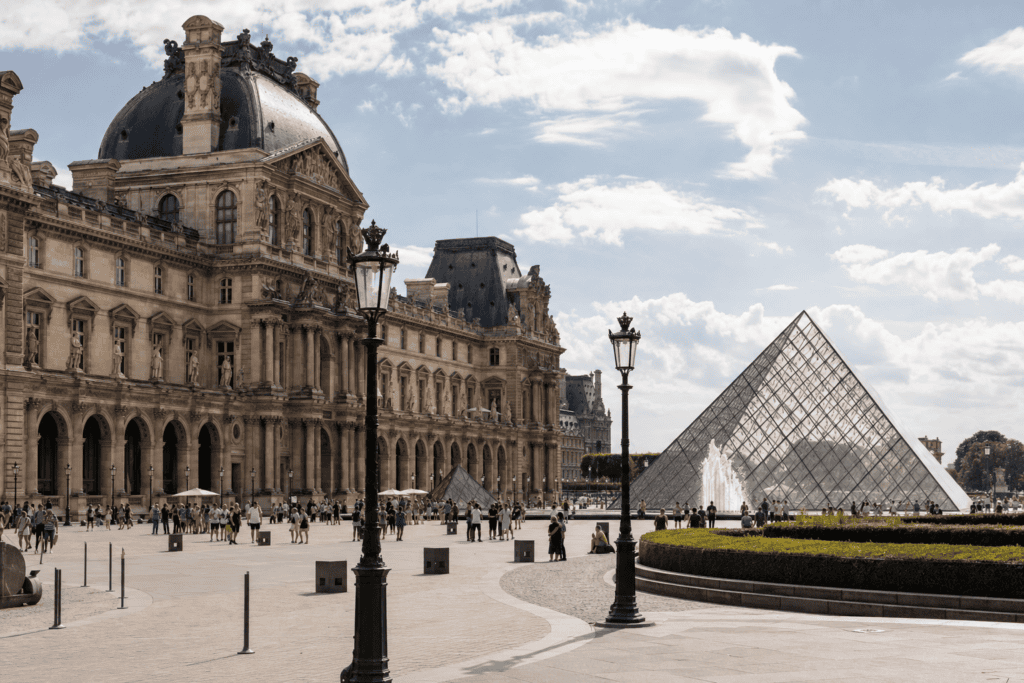 Louvre Museum An essential Paris itinerary featuring the Mona Lisa, antiquities, major European paintings, and the décor of a former palace…
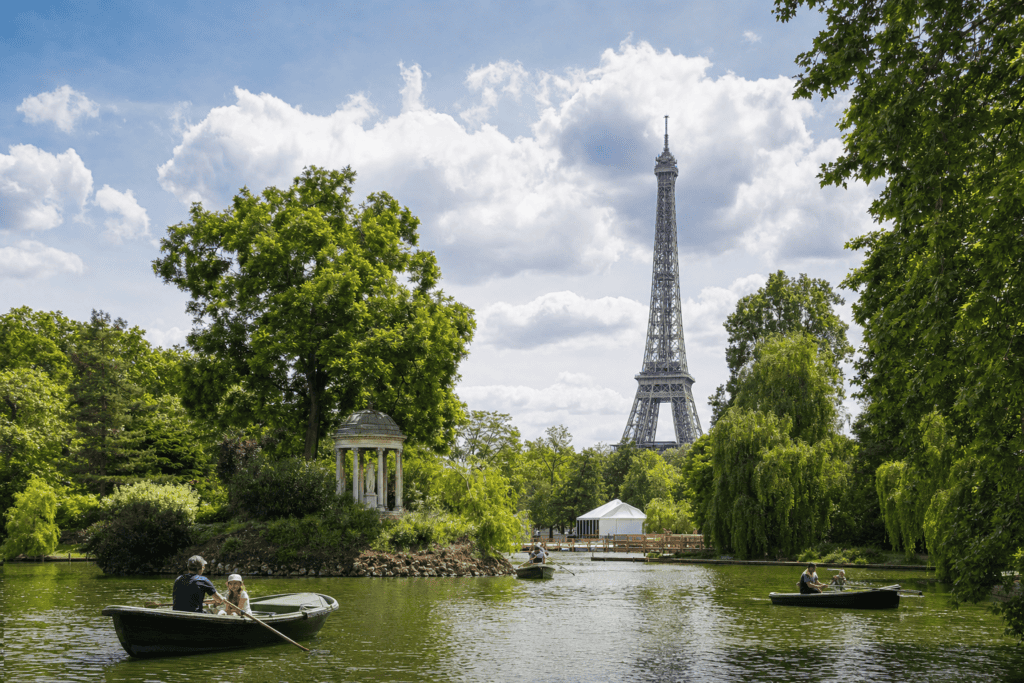 Jardin d’Acclimatation A historic Paris park with rides, animals, gardens, and a walk suitable for a flexible family outing…
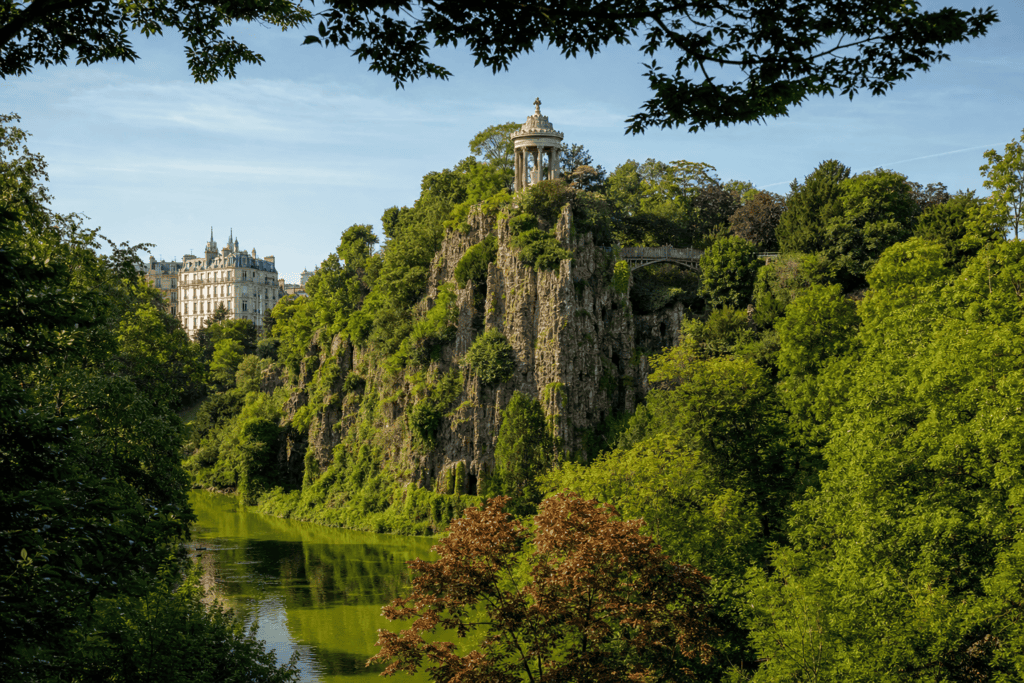 Buttes-Chaumont Park A spectacular Parisian park with artificial hills, a lake, grotto, waterfalls and a viewpoint.
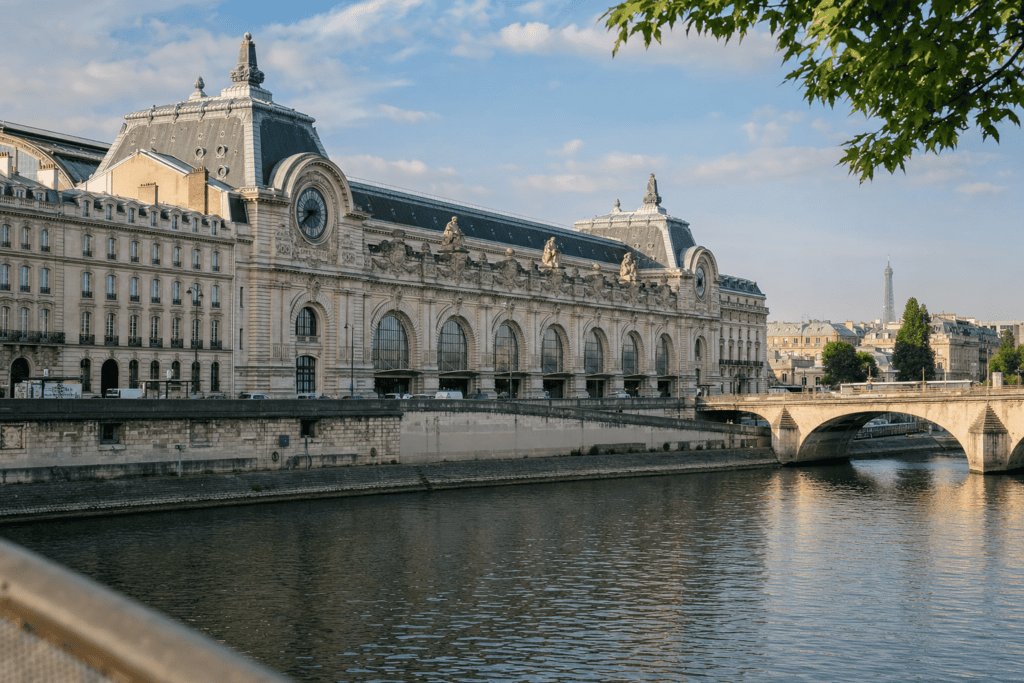 Musée d’Orsay A former 1900 train station that became one of Paris’s major museums, renowned for its collections…
 Parc André-Citroën A 14-hectare contemporary park with large greenhouses, themed gardens, a central lawn and waterfront paths…
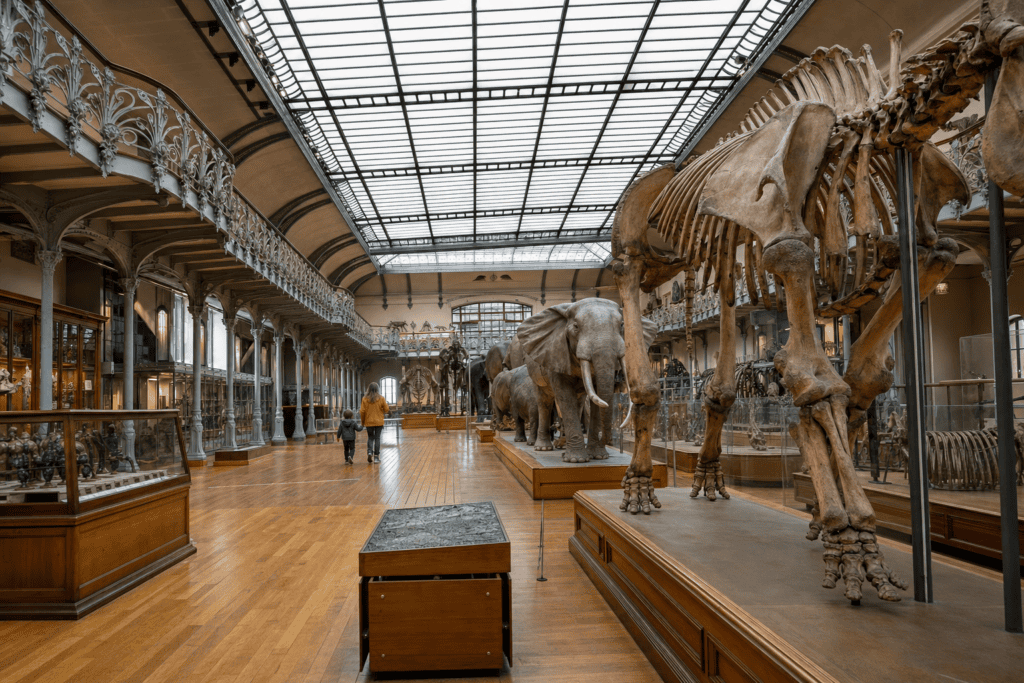 Gallery of Evolution A monumental gallery and an impressive display of animals in the heart of the Jardin des Plantes, ideal for…
Online booking · Paris → Place de la Concorde, 75008 Paris, France
Choose your pickup date and time
Your departure and arrival details are already pre-filled. You can adjust them in the fare calculator before viewing the vehicles and fare.