



Musée du quai Branly: A Journey Across Four Continents
Paris
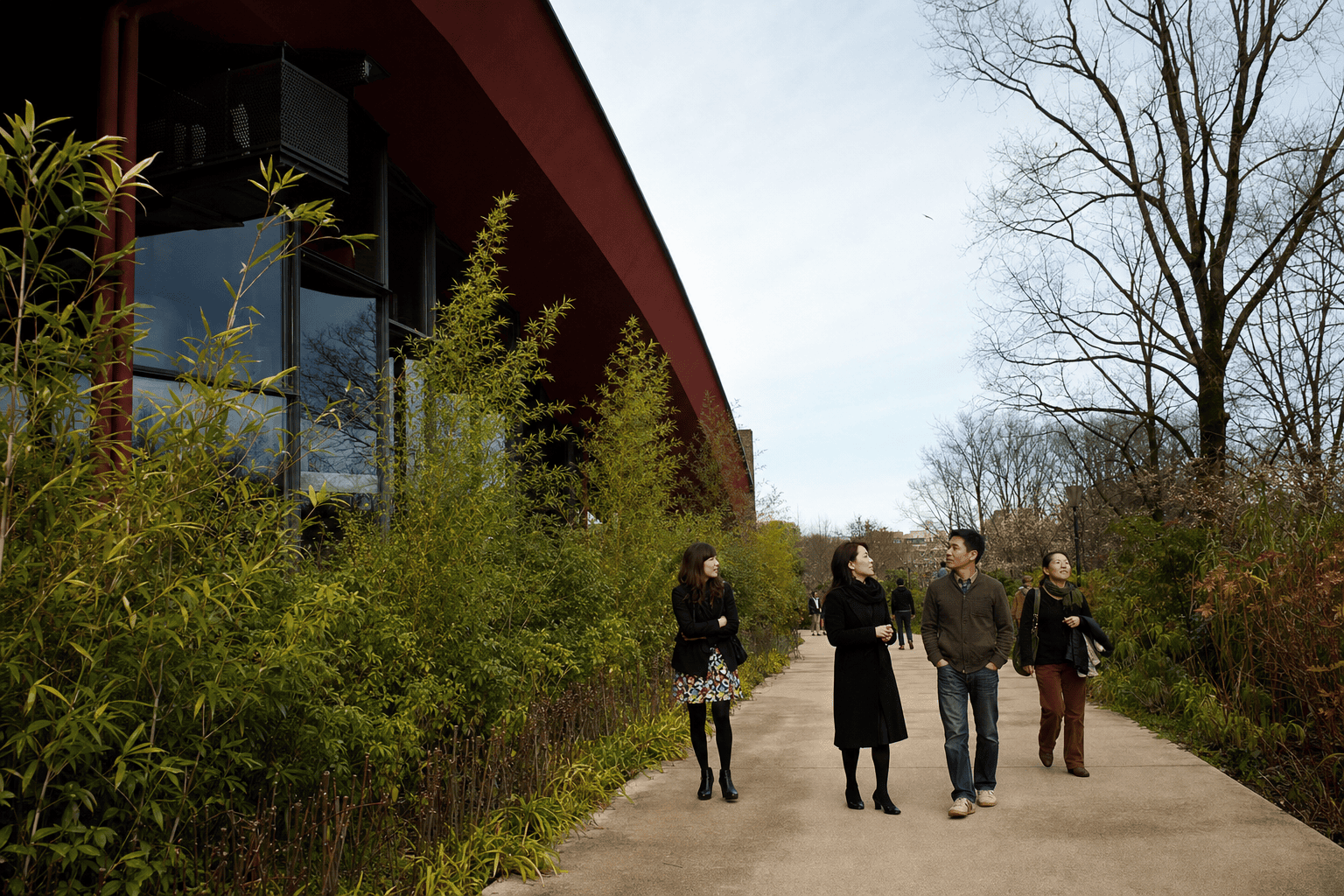
Located at the foot of the Eiffel Tower, the Musée du quai Branly – Jacques Chirac brings together works from Africa, Asia, Oceania and the Americas in a distinctive building designed by Jean Nouvel. The visit begins before you even reach the collections, in Gilles Clément’s garden, and continues onto the vast Collections Plateau. It is a particularly fascinating place to understand the diversity of artistic forms, beliefs, customs and relationships with the world that have shaped non-European societies.
Practical information
Suitcases and bulky luggage are not permitted. Book or check the visiting conditions on the official website, especially during school vacations and for temporary exhibitions.
Getting to the Musée du quai Branly from Paris
From a Paris hotel, train station or airports CDG and ORY, Booking Paris Transfer can arrange private transportation to the Musée du quai Branly, with a return to Paris or continuation to the next stop on your Paris itinerary. The service covers transportation only and does not include an admission ticket.
Departure from Paris, a Paris hotel, CDG, or ORY; return to Paris is possible depending on your itinerary.
Why visit the Musée du quai Branly in Paris?
The Musée du quai Branly holds a unique place in Paris’s cultural landscape: it is dedicated to the arts and civilizations of Africa, Asia, Oceania and the Americas. A visit goes beyond simply viewing a succession of remarkable objects. Masks, sculptures, textiles, instruments, jewelry and ritual objects reveal very different ways of inhabiting the world, passing on memory, and representing relationships between humans, ancestors and the environment.
The museum is also notable for its location on the Left Bank of the Seine, just steps from the Eiffel Tower. It fits naturally into a day focused on the 7th arrondissement, the Champ-de-Mars and the riverfront. Unlike a traditional museum organized around European schools, the route offers a transcontinental discovery, with connections often based on visual, technical or symbolic similarities. This approach encourages visitors to take their time and study the labels, materials and cultural contexts rather than focusing only on famous works.
Collections from Africa, Asia, Oceania and the Americas
The heart of the visit is the Collections Plateau, an open-plan space where works are displayed along a long walkway. The route brings together several thousand pieces selected from a much larger collection preserved and studied by the museum. The layout encourages free exploration: visitors can follow one continent, return to a display case or stop in front of a work whose materials catch their eye.
The African collections include sculptures, prestige objects, items connected with religious practices, and works reflecting royal or community traditions. In the Asian collections, visitors encounter objects from highly diverse cultures, from the Himalayas to Southeast Asia. Oceania and the Americas are represented by objects connected with navigation, adornment, ceremonies and origin stories. On a first visit, it is best not to try to see everything: choose a few areas and let the works that intrigue you guide you.
Architecture designed by Jean Nouvel
The architecture is one of the museum’s main reasons to visit. Designed by Jean Nouvel and opened in 2006, the building unfolds as a long structure raised on stilts above a dense garden. Its main facade is dotted with colorful boxes housing different spaces, while the interior route forms a broad, winding line rather than a series of traditional rooms.
The building was conceived as a showcase for collections that were not meant to be confined to a purely Western interpretation of art history. The relative dimness of the Collections Plateau, the display cases and the changes in pace create an atmosphere unlike that of Paris’s major encyclopedic museums. The architecture also plays with the nearby Seine and Eiffel Tower: from certain spaces, the landmark’s presence reminds visitors that the museum fully belongs to Paris while directing their gaze toward other continents. Take time to observe the volumes, stilts and transitions between outdoors and indoors.
Gilles Clément’s garden: the perfect introduction
The museum garden is more than a decorative setting. Designed by Gilles Clément, it forms an 18,000 m² botanical walk made up of paths, small hills, ponds and planted areas that gradually shield visitors from the bustle of the riverfront. This passage symbolically prepares visitors for the collections: they leave behind Paris’s monumental perspective and enter a more intimate space conducive to observation.
The garden features oaks, maples, magnolias and cherry trees, among other plants, with intentionally lush vegetation. It can be visited without entering the galleries, making it a pleasant stop between the Eiffel Tower, the Musée de l’Homme and the Seine riverfront. The colors and light change dramatically with the seasons. Cultural and family activities may also be offered, particularly during the summer program. Since access and opening hours may vary, check the official information before planning an independent walk.
Getting There from Train Stations, Airports and Paris Neighborhoods
The museum is located at 37 quai Jacques Chirac, in the 7th arrondissement. For public transportation, Alma-Marceau station on line 9 and Pont de l’Alma on RER C are the most convenient landmarks. Several bus lines also serve the area, which is useful if you are arriving from Les Invalides, Saint-Germain-des-Prés, Montparnasse station or the Right Bank. The Eiffel Tower is an obvious point of reference, but it is best to follow the route indicated by the museum rather than crossing the riverfront at random.
From Gare du Nord, Gare de Lyon or Montparnasse station, the journey requires a connection by metro, RER or bus. From Charles de Gaulle or Orly, allow for a variable journey time depending on traffic and connections. A private transfer from a Paris hotel, CDG or ORY may be convenient for families, groups or visitors with luggage, keeping in mind security checks and the museum’s ban on bulky suitcases.
Planning an enjoyable and accessible visit
A successful visit starts with checking the official calendar: opening hours, temporary exhibitions, reservation procedures and possible closures may change. The museum is usually closed on Mondays, with exceptions during certain school vacations, and generally offers a late opening on Thursdays. On the first Sunday of the month, the museum’s advertised free-admission arrangements may draw larger crowds, so allow plenty of extra time.
Allow two hours for a focused visit and longer if you want to explore the collections, see a temporary exhibition and enjoy the garden. Families can alternate between the indoor spaces and an outdoor break. Visitors with reduced mobility should review the accessibility information before arriving to identify available entrances and services. Café Jacques, accessible from the garden, can round out the visit with a break in a contemporary setting overlooking the Eiffel Tower. Reservations may be recommended depending on the time of year.
What to see around the Musée du quai Branly?
The museum fits easily into a Paris itinerary focused on monuments and cultural institutions on the Left Bank. The Eiffel Tower and Champ-de-Mars are the most obvious extensions, but a walk along the riverfront can also take you to Pont de l’Alma and Les Invalides. In the same area, the Musée de l’Homme, located across the Seine at the Palais de Chaillot, offers a different perspective centered on human evolution, societies and cultures.
For a longer day, continue to the Musée Rodin, Les Invalides or Saint-Germain-des-Prés. Visitors arriving in Paris by train or plane can therefore include the museum in a sightseeing route through west-central Paris rather than making it a separate trip. In the evening, the Seine riverfront offers pleasant views of the illuminated monuments, but check the schedule for your next activity. Museum events, screenings, talks and workshops vary by season and are worth checking on the official program.
Useful sources
Frequently Asked Questions
Where is the Musée du quai Branly – Jacques Chirac located?
How much time should I allow for the visit?
Can you visit the garden only?
Is the museum family-friendly?
Are suitcases allowed?
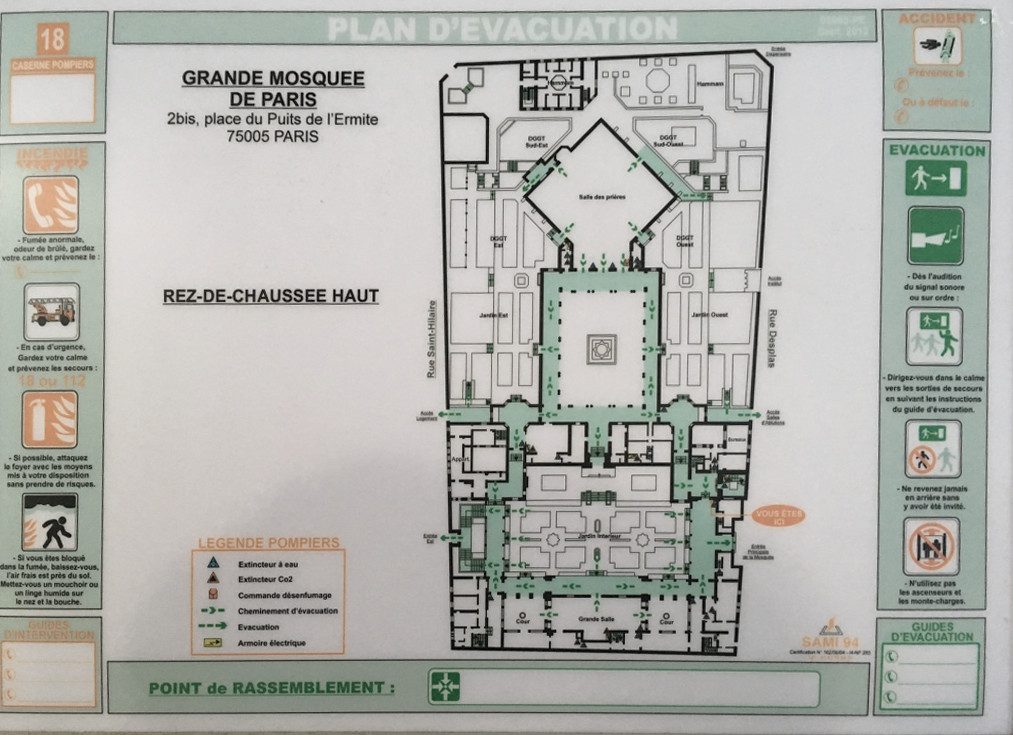 Grand Mosque of Paris A remarkable Hispano-Moorish landmark in the 5th arrondissement, known for its patio, mosaics, and salon de…
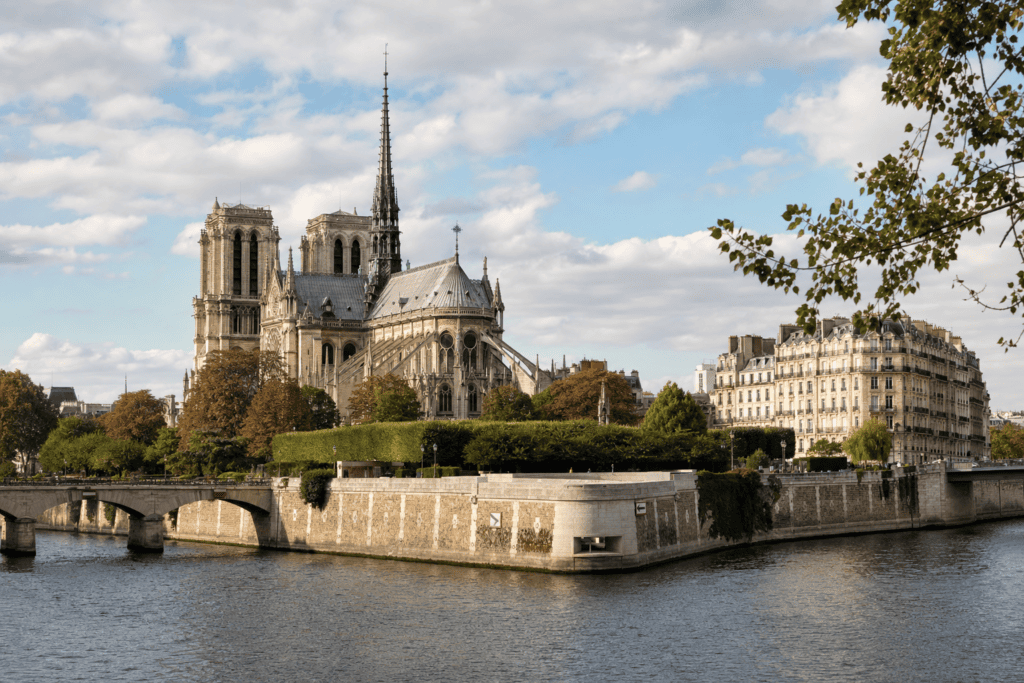 Notre-Dame Cathedral of Paris and Île de la Cité Notre-Dame, the Seine quays, and the monuments of Île de la Cité form a promenade…
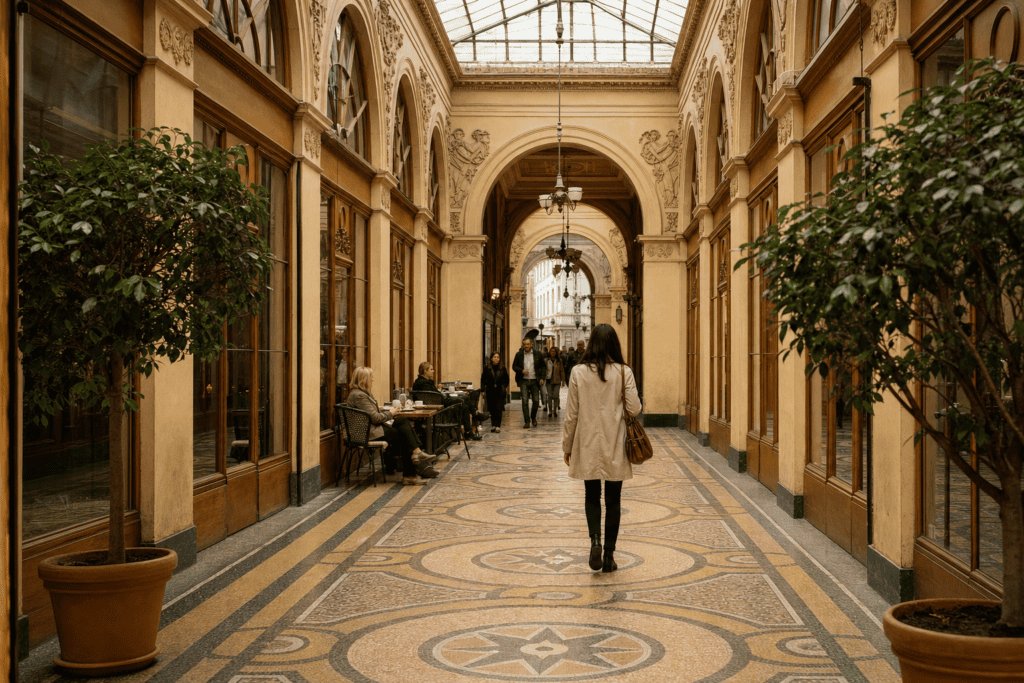 Galerie Vivienne A historic Parisian covered passage where mosaics, a glass roof, an old bookshop, and refined boutiques create an elegant stroll…
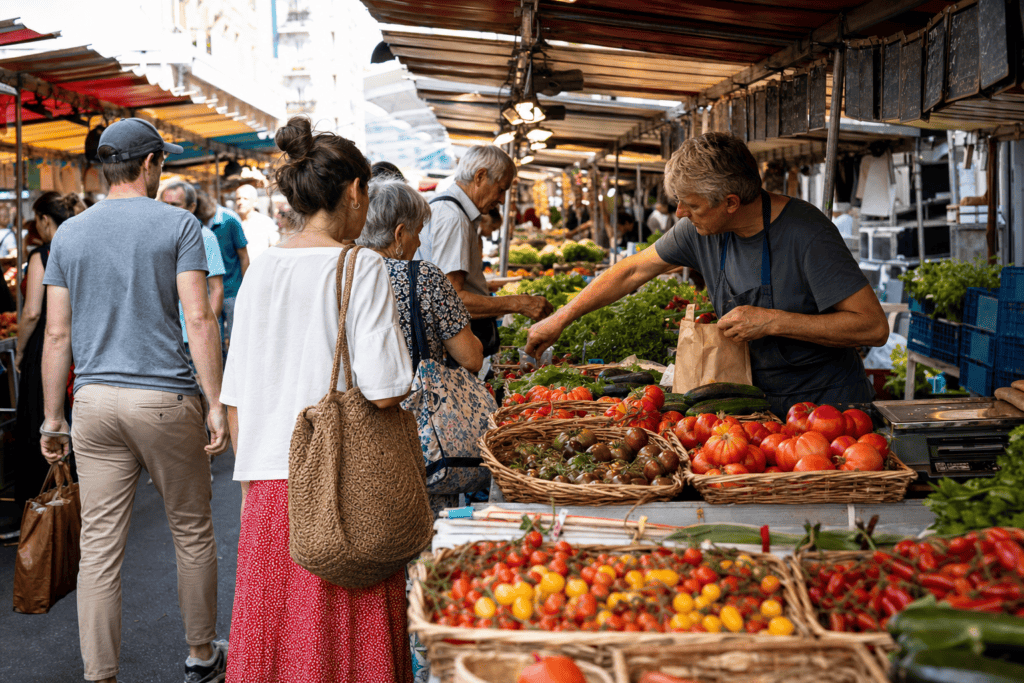 Aligre Market A lively address in the 12th arrondissement where a food hall, outdoor stalls, and a flea market come together to create a truly…
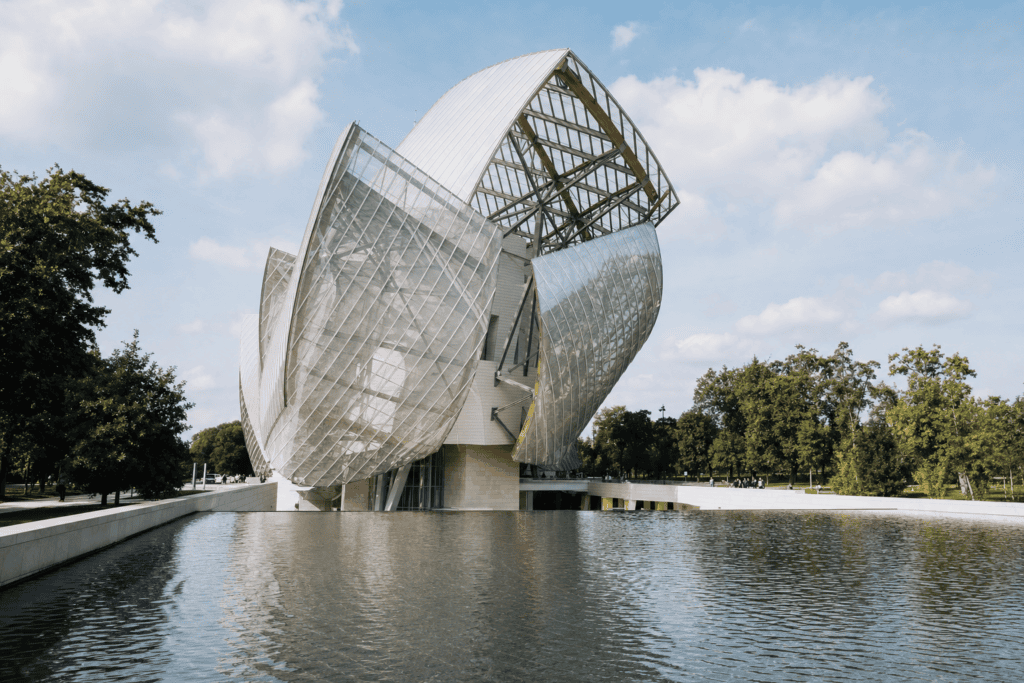 Fondation Louis Vuitton A remarkable Paris cultural venue where exhibitions engage with Frank Gehry’s architecture and the…
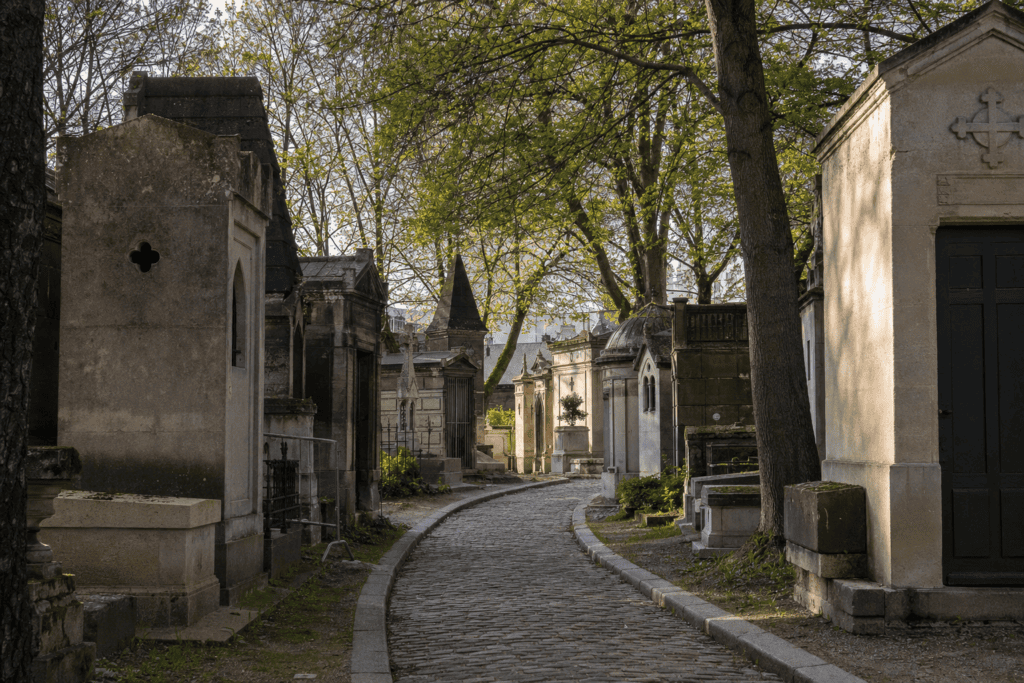 Montparnasse Cemetery A cultural, tree-lined walk following in the footsteps of writers, artists, and intellectuals in the heart of the 14th arrondissement…
Online booking · Paris → 37 quai Jacques Chirac, 75007 Paris, Île-de-France, France
Choose your pickup date and time
Your departure and arrival details are already pre-filled. You can adjust them in the fare calculator before viewing the vehicles and fare.