


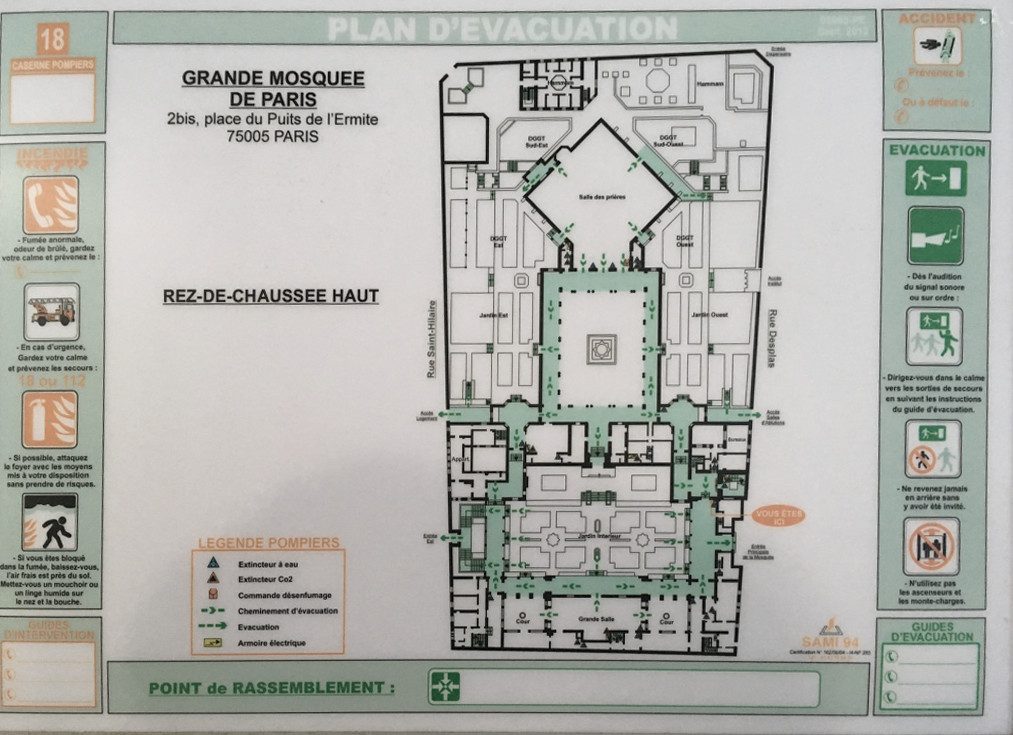
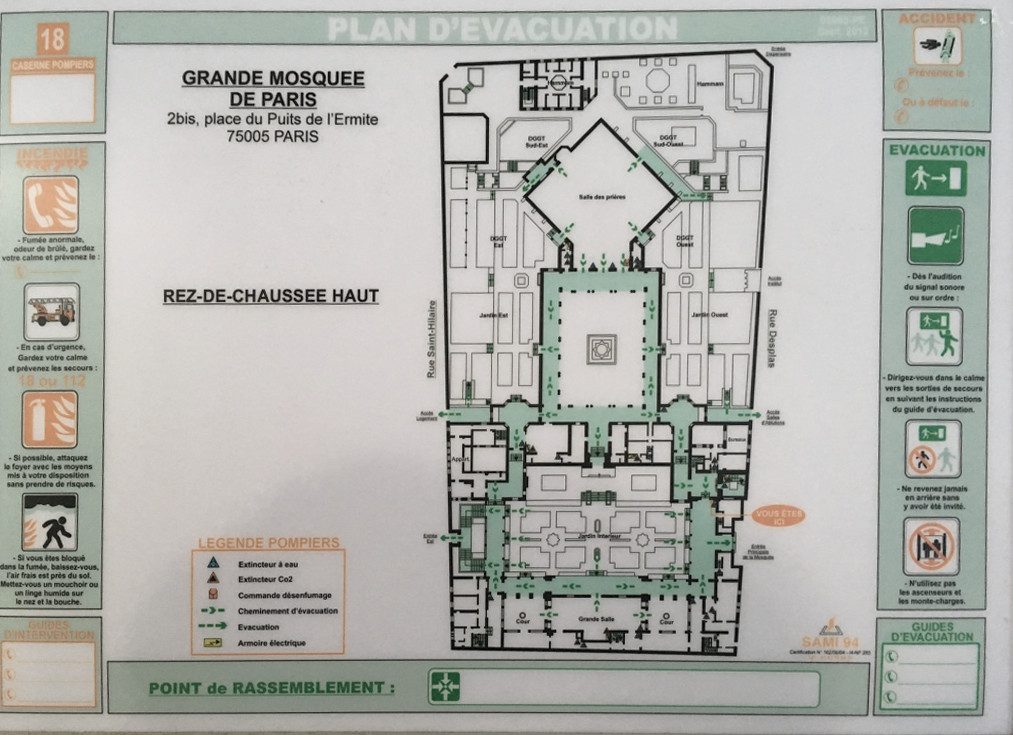

Grande Mosquée de Paris: A Guide to the Patio and the 5th Arrondissement
Paris
In the heart of the Latin Quarter, the Grande Mosquée de Paris offers a unique architectural and cultural experience. Built between 1922 and 1926 to honor Muslim soldiers who died for France during World War I, it combines a minaret, patio, mosaics, garden, and welcoming spaces. Its location makes it easy to visit alongside the Jardin des Plantes, the National Museum of Natural History, the Arènes de Lutèce, or the Arab World Institute. As it remains a place of worship, confirm accessible areas, opening hours, and the arrangements for the hammam or restaurant using official information before you travel.
Practical information
Wear respectful clothing, remain discreet, and follow the posted instructions. The tourist route, tea room, restaurant, and hammam may each have different arrangements.
Transfer from Paris, CDG, or ORY to the Grande Mosquée
Booking Paris Transfer can arrange transportation from Paris, a Paris hotel, Paris-CDG, or Paris-Orly to the Grande Mosquée de Paris, with a return trip to Paris according to your itinerary. This service covers transportation only and does not include an admission ticket, tour reservation, or access to the hammam or restaurant.
Service departing from Paris, Île-de-France, CDG, or ORY, with a return to Paris according to your travel needs.
A Mosque Shaped by French History
The Grande Mosquée de Paris is a religious monument, but also a place of remembrance connected to the history of modern France. Its construction was decided after World War I, as part of the tribute paid to Muslim soldiers who died for France. Inaugurated in 1926, the building reflects a period when Paris was strengthening its ties with the Mediterranean and North African world. This background explains its distinctive place in the heritage of the 5th arrondissement.
The visit is best approached through this historical perspective rather than solely through the exoticism of its décor. The building bears witness to cultural exchange, traditional craftsmanship, and a Franco-Maghrebi history that continues to shape Parisian life. Its location near the Jardin des Plantes, the Arènes de Lutèce, and the university institutions of the Latin Quarter makes it easy to include in an itinerary focused on memory, science, and world cultures.
Distinctive Hispano-Moorish Architecture
The minaret of the Grande Mosquée de Paris, approximately 108 feet high, is the most visible landmark from the surrounding streets. The monumental gate, arches, glazed tiles, and geometric patterns form an ensemble inspired by the architecture of the Maghreb and Andalusia. The influence of Hispano-Moorish palaces and gardens is often noted, but the monument also has a distinct Parisian identity shaped by its history and current use.
The details are especially rewarding for visitors who take the time to slow down: zellige tilework, carved wood, ceramic tiles, columns, and symmetrical designs interact throughout this relatively compact space. The colors and materials change with the light, making each observation slightly different. To continue exploring this perspective, the Arab World Institute, located nearby on the Left Bank of the Seine, offers another view of Arab-world cultures and arts.
The Patio and Garden: The Heart of the Visit
The patio is the best-known image of the Grande Mosquée de Paris. Surrounded by arcades and columns, it draws the eye to the water, mosaics, and vegetation. Green tiles, the fountain, and geometric decorations create a cool, orderly atmosphere that is especially pleasant after a walk through the lively streets of the Latin Quarter. The space evokes the courtyards of North Africa while remaining part of a 20th-century Parisian monument.
The garden reinforces this sense of calm. It is better to focus on the architectural details than to look only for a wide establishing shot: mosaic grout, reliefs, reflections, and the arcades’ shadows offer numerous subjects. Photography must nevertheless remain compatible with the peacefulness of the site and the instructions given on-site. Some areas may be temporarily restricted depending on religious activity, an event, or the day’s arrangements.
Tea Room and Dining: Planning Your Break
The tea room is part of the experience commonly associated with the Grande Mosquée de Paris. Taking a break with mint tea, North African pastries, or loukoums lets you extend your visit in a more relaxed atmosphere. Depending on the crowd and current conditions, seating may be available in different areas. It is therefore best to regard tea as a pleasant possibility rather than a service guaranteed at a specific time.
The site is also known for North African-inspired dining, with dishes such as couscous and tagines. Hours, the menu, table availability, and any reservation procedures may change. Check directly with the establishment before planning lunch on-site. The nearby Jardin des Plantes offers a simple alternative for continuing your day, while the streets of the Latin Quarter have many other restaurants, particularly around Rue Monge and Rue des Écoles.
The Hammam: A Separate Activity from the Visit
The hammam is often mentioned among the attractions of the Grande Mosquée de Paris, but it is not the same type of experience as visiting the patio or heritage areas. It is a wellness activity with its own access requirements, organization, and possible reservation restrictions. Someone visiting solely for the architecture should not assume that access to the monument automatically includes the hammam.
Before traveling, check with the establishment for available sessions, opening days, practical arrangements, rules concerning personal belongings, and any conditions relating to admitted guests. Also allow extra time if you would like to combine the two experiences. Discretion, modesty, and respect for the rules are essential in this space. Checking in advance avoids disappointment and clearly distinguishes a short cultural visit from a longer period of relaxation.
Access and Directions in the Latin Quarter
The mosque is located at 2 bis place du Puits-de-l’Ermite, in the 5th arrondissement, immediately near the Jardin des Plantes. Place Monge, on metro line 7, is the most direct access point. Jussieu station, served by lines 7 and 10, is also convenient. From Gare d’Austerlitz, you can walk there through the area around the Jardin des Plantes. As bus routes and traffic conditions may change, use the official transportation journey planner on the day of your trip.
A half-day could begin at the mosque, continue through the Jardin des Plantes and its galleries, and then head to the Arènes de Lutèce. Continuing toward the Seine, the Arab World Institute is a natural stop for architecture and Mediterranean culture enthusiasts. The Panthéon and the Sorbonne lie in the opposite direction. From a Paris hotel, Paris-CDG, or Paris-Orly, a car can be useful with luggage, but travel between sites is often easier on foot or by Metro.
Practical Tips for a Successful Visit
The Grande Mosquée de Paris is an active place of worship, not a museum that is fully accessible at all times. Wear modest clothing, speak quietly, and follow staff instructions. Prayer rooms may be reserved for worship or subject to specific restrictions. Visiting hours, patio access, and the operations of the tea room, restaurant, and hammam may vary: check official information before you leave, especially if you are traveling on a tight schedule.
Spring and early fall are pleasant times to combine the monument with the Jardin des Plantes. In summer, visiting in the morning generally limits exposure to high temperatures and makes it more comfortable to enjoy the neighborhood. Photographers will appreciate the side light on the mosaics, but should avoid disturbing visitors or worshippers. Allow extra time for possible waits and remember that the experience also depends on the day’s religious activity. This flexibility is the best way to discover the site respectfully.
Useful sources
Frequently Asked Questions
Where is the Grande Mosquée de Paris located?
Which Metro Station Should You Use?
Is the prayer room open to visitors?
Is the hammam included in the visit?
Can I have lunch or tea on-site?
 Musée Carnavalet – History of Paris Housed in two private mansions in the Marais, the Musée Carnavalet traces the history of Paris from Prehistory…
 Montparnasse Cemetery A cultural, tree-lined walk following in the footsteps of writers, artists, and intellectuals in the heart of the 14th arrondissement…
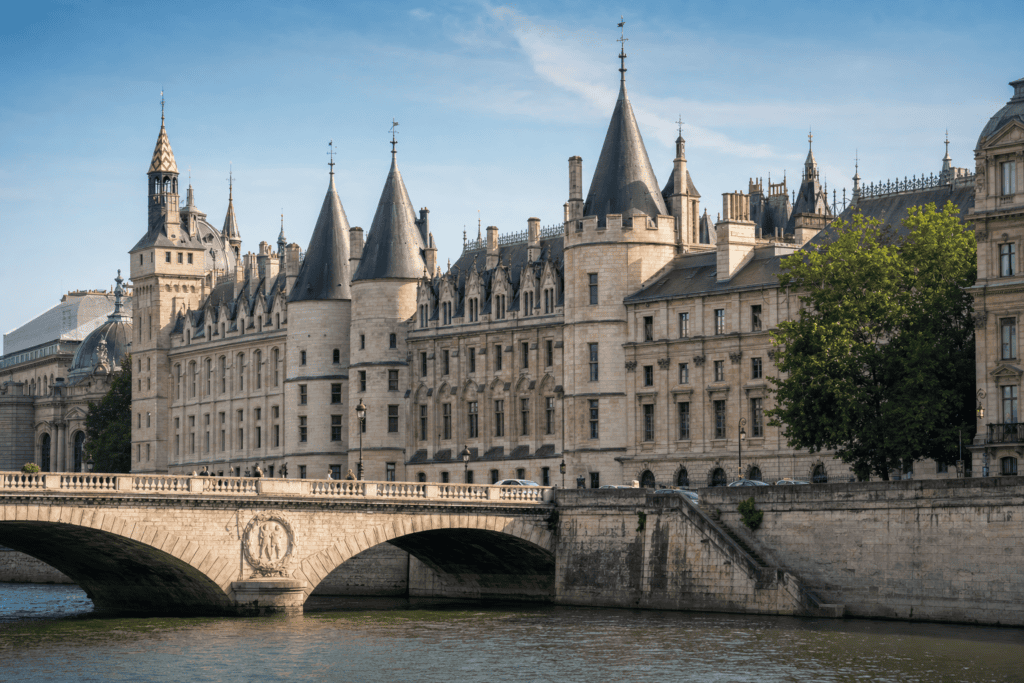 Conciergerie An iconic monument on the Île de la Cité, combining medieval architecture, the French Revolution, and memories of…
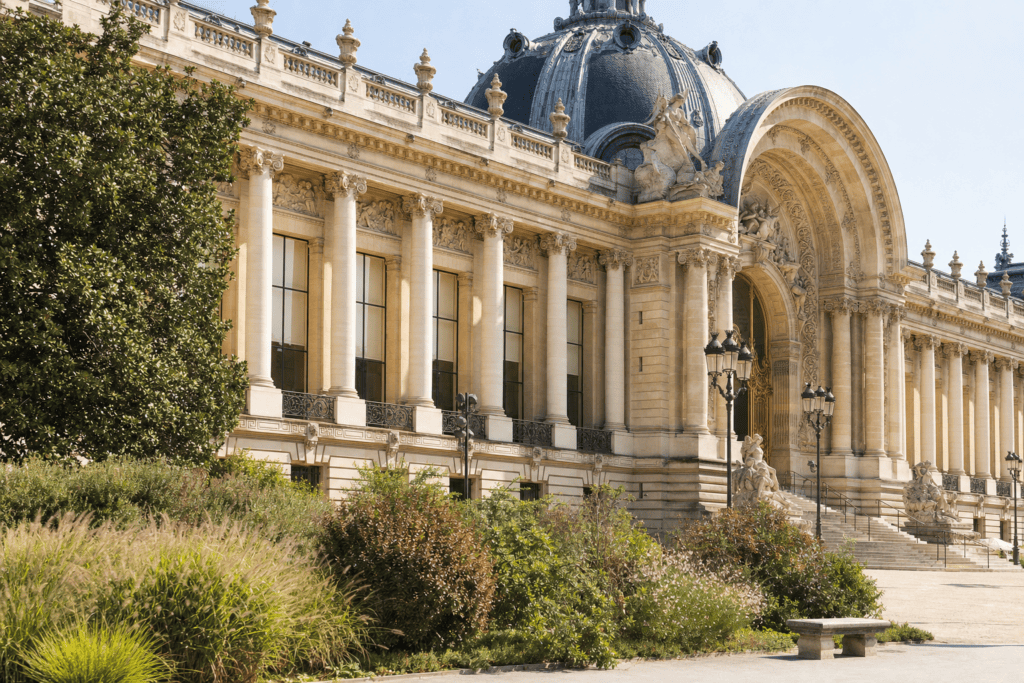 Petit Palais A free Paris museum renowned for its 1900 architecture, varied collections and interior garden.
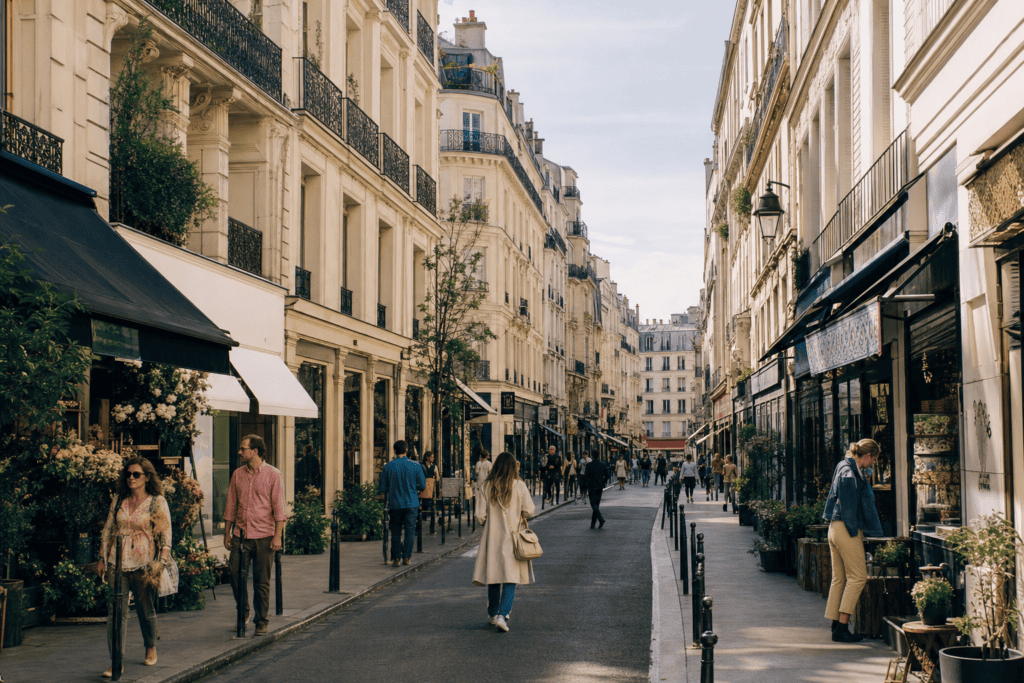 Rue des Martyrs A Parisian uphill route through food shops, cafés, 9th-arrondissement heritage, and the route toward Montmartre.
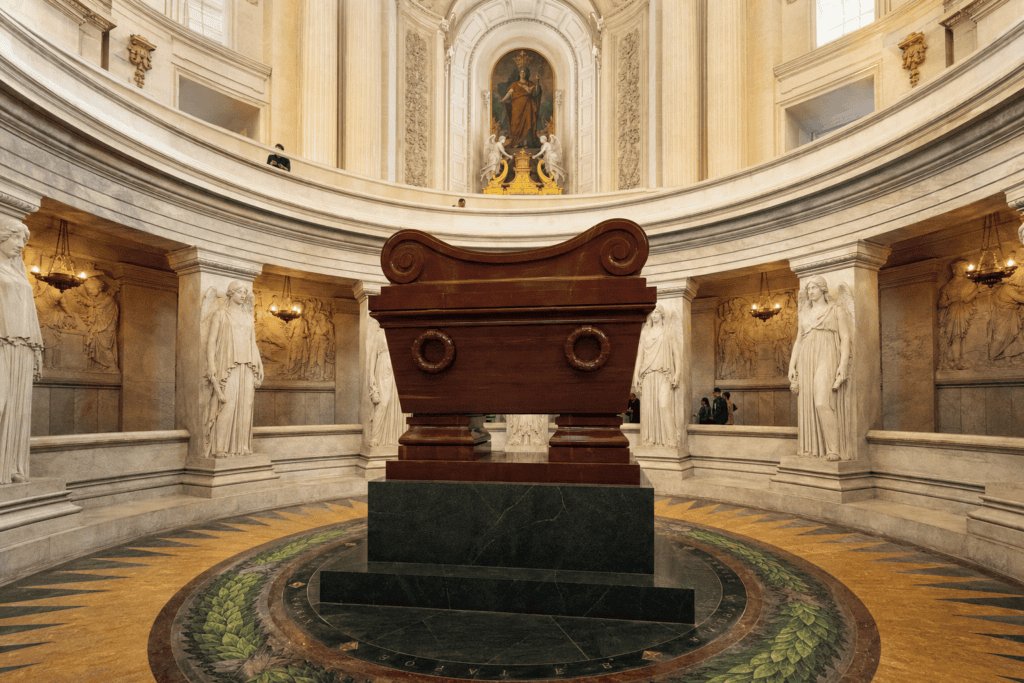 Army Museum and Napoleon’s Tomb A rich historical journey through Les Invalides, featuring military collections, monumental architecture, and the tomb of Napoleon I.
Online booking · Paris → 2 bis place du Puits-de-l’Ermite, 75005 Paris, Île-de-France
Choose your pickup date and time
Your departure and arrival details are already pre-filled. You can adjust them in the fare calculator before viewing the vehicles and fare.