



Marché d’Aligre Paris: A Practical Guide to a Popular Food-Lover’s Market
Paris
Marché d’Aligre is one of the liveliest markets in eastern Paris. Located around Place d’Aligre and Rue d’Aligre, it combines Beauvau Market Hall, open-air food stalls, and a flea market. People come here to buy fresh produce, look for a piece of tableware, browse books, or simply experience a neighborhood atmosphere that goes beyond the city’s major monuments. Its proximity to Bastille, Rue du Faubourg-Saint-Antoine, and Gare de Lyon makes it easy to include in a morning stroll through the 12th arrondissement.
Practical information
Bring a reusable bag and avoid suitcases if possible. For food shopping, plan a route that limits the time fresh products spend in transit, and check with each vendor which payment methods they accept.
Getting to Marché d’Aligre from Paris or a Paris airport
A private transfer can be arranged from Paris, Paris-CDG, or Paris-Orly to a Paris address near the market. The service covers transportation only and does not include tickets or a guided tour.
Departures from Paris, Paris hotels, Paris-CDG, or Paris-Orly, with drop-off in Paris according to your itinerary.
Why visit Marché d’Aligre?
Marché d’Aligre offers a very down-to-earth way to experience Paris. It is not simply a place for visitors: local residents come here to do their shopping, compare prices, choose seasonal products, and chat with vendors. This everyday local clientele gives the market a different atmosphere from places designed mainly for tourism.
Its appeal begins with the variety of its different areas. Beauvau Market Hall houses covered food shops, while the outdoor stalls extend the lively atmosphere across the square and along Rue d’Aligre. The flea market adds another dimension, with items whose availability and variety may change from one day to the next.
The market suits both a first visit to Paris and a longer stay. It is a chance to take a break between two monuments, prepare a picnic, or spend a morning in a neighborhood that is less monumental but especially lively. Entry to the market is free; only purchased products and items cost money.
To appreciate the market, it is best to accept its unhurried, unpredictable rhythm: move between the stalls, stop to look at the products, and then continue your stroll through the neighboring streets. The market is better experienced as a glimpse of everyday Parisian life than as an attraction to rush through.
Beauvau Market Hall: The Food Hub of the Market
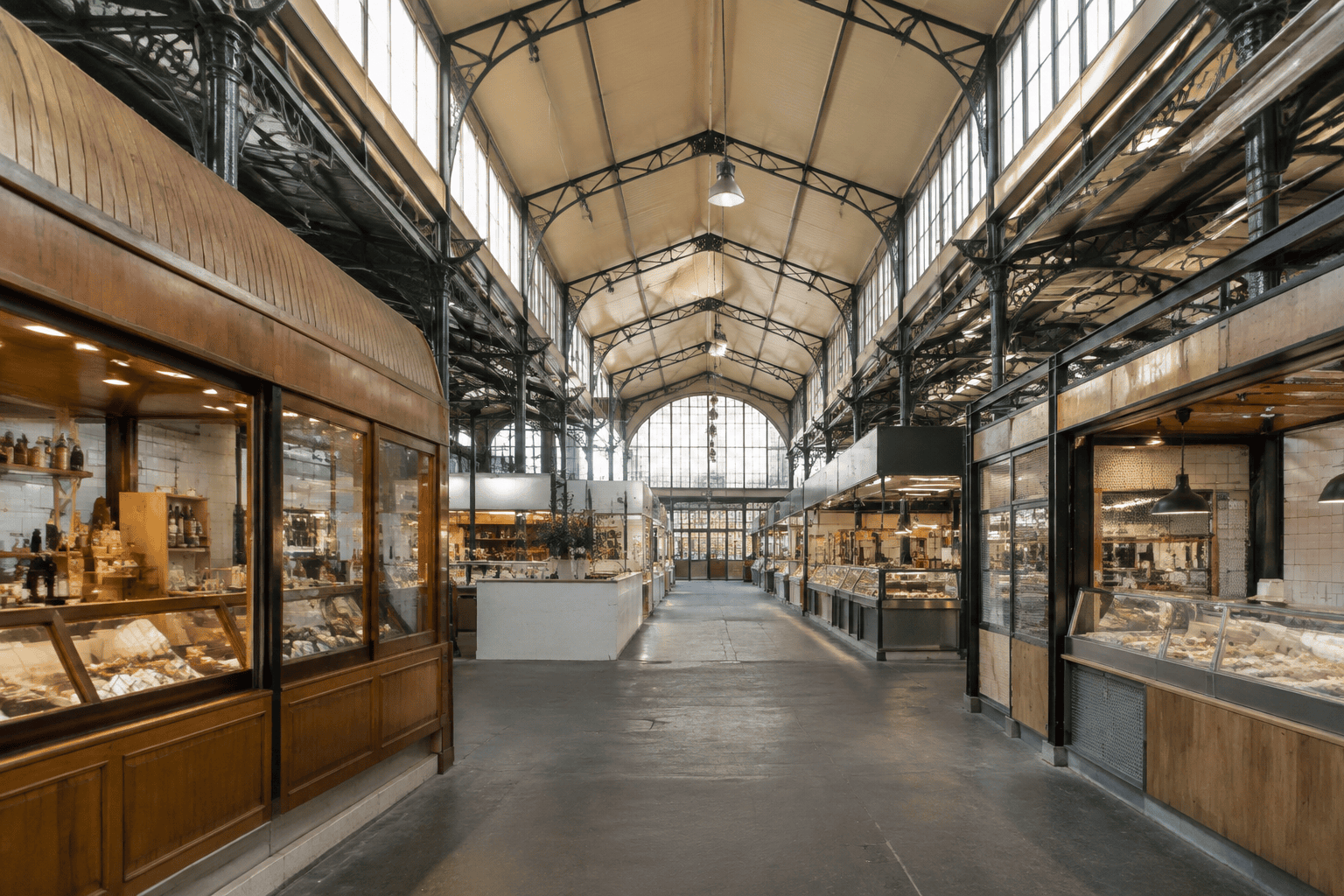
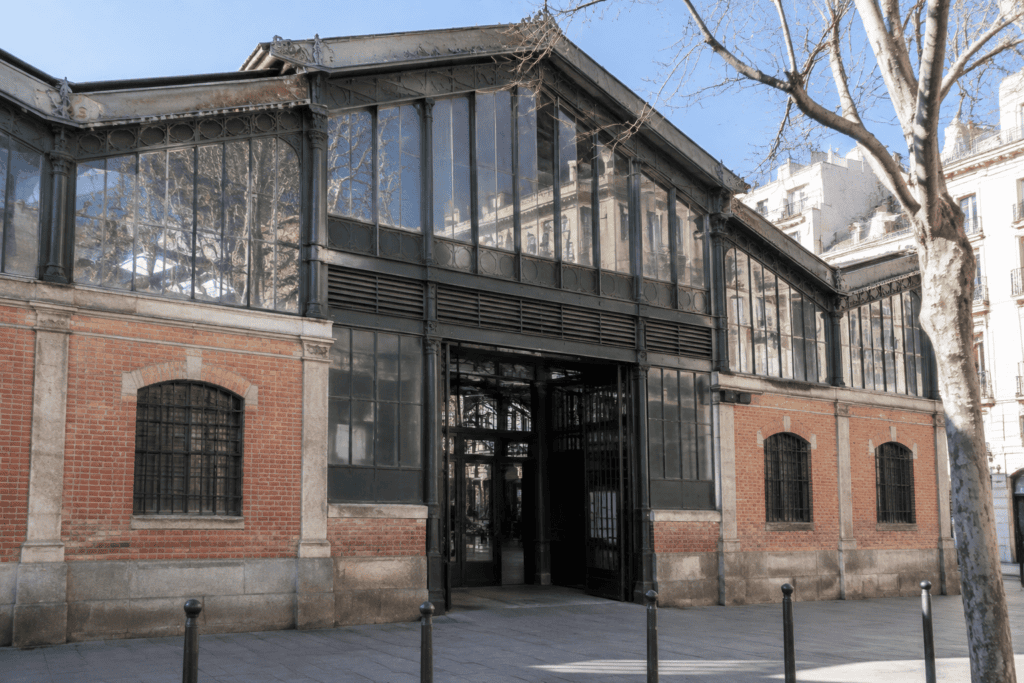
Beauvau Market Hall is the covered, food-focused section of Marché d’Aligre. Depending on their specialties and deliveries, the shops may offer fruits and vegetables, cheeses, cured meats, meat, fish, spices, oils, prepared foods, and other everyday groceries. This variety makes it possible to enjoy a food-focused visit without searching for one specific product.
A first walk through gives you a general sense of what is available, but it is worth slowing down afterward to examine the displays and compare the stalls. Seasonal differences, origins, and preparation methods can affect the selection. If you are unfamiliar with a product, simply ask the vendor for advice; that conversation is often part of the market experience.
The hall is also convenient when the weather is less favorable. It offers a more sheltered route than the outdoor stalls, although it can become busy during peak periods. The passageways are not designed to comfortably accommodate large bags or groups that stop for long in the middle of the flow of traffic.
Before planning your visit, check the official list of Paris food-market hours. This will help you confirm how the covered market operates and avoid confusing its hours with those of the open-air section.
Outdoor Stalls Around Place d’Aligre
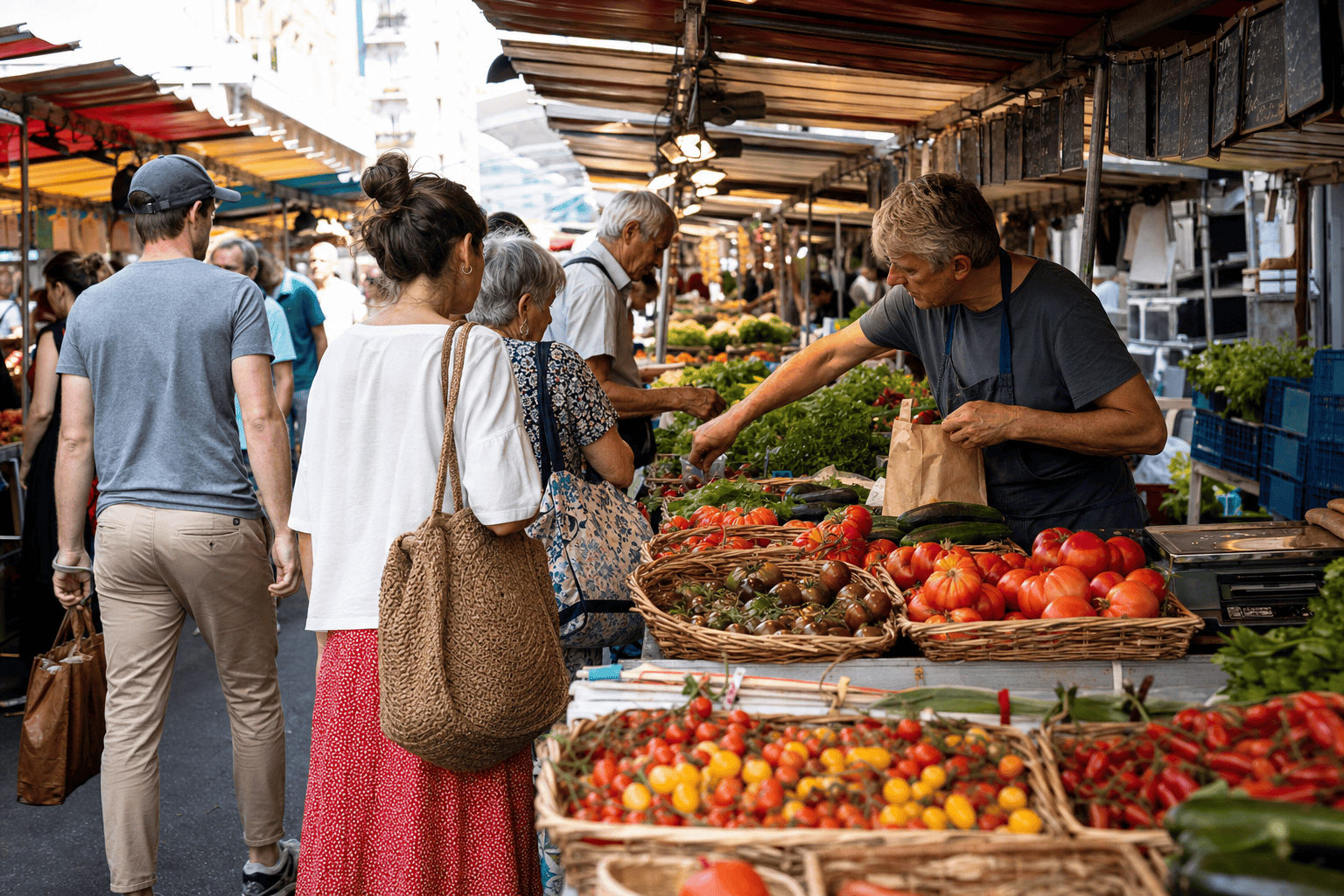
The outdoor stalls give the market its open and lively character. They spread around Place d’Aligre and along Rue d’Aligre, in an environment where shopping, conversation, and movement are constantly intertwined. Fruits, vegetables, and food products feature prominently, but the exact selection depends on the vendors present and the day’s deliveries.
Morning is generally a good time for visitors who want to see the stalls at their fullest and enjoy a wider selection. However, the best time to see the products is not necessarily the quietest: the market may be busiest precisely when activity is most interesting. Take your time and keep your bag close in crowded areas.
The outdoor section also helps you understand the neighborhood’s layout. The facades, permanent shops, and covered hall form a setting that is more than just a row of stalls. Take time to notice the details without blocking access to the stands or getting in the way of people doing their shopping.
Opening days and hours should be checked on the official Marché d’Aligre listing. This is especially useful if your schedule depends on a particular day or a visit during a public holiday.
Flea-Market Finds, Books, and Secondhand Goods
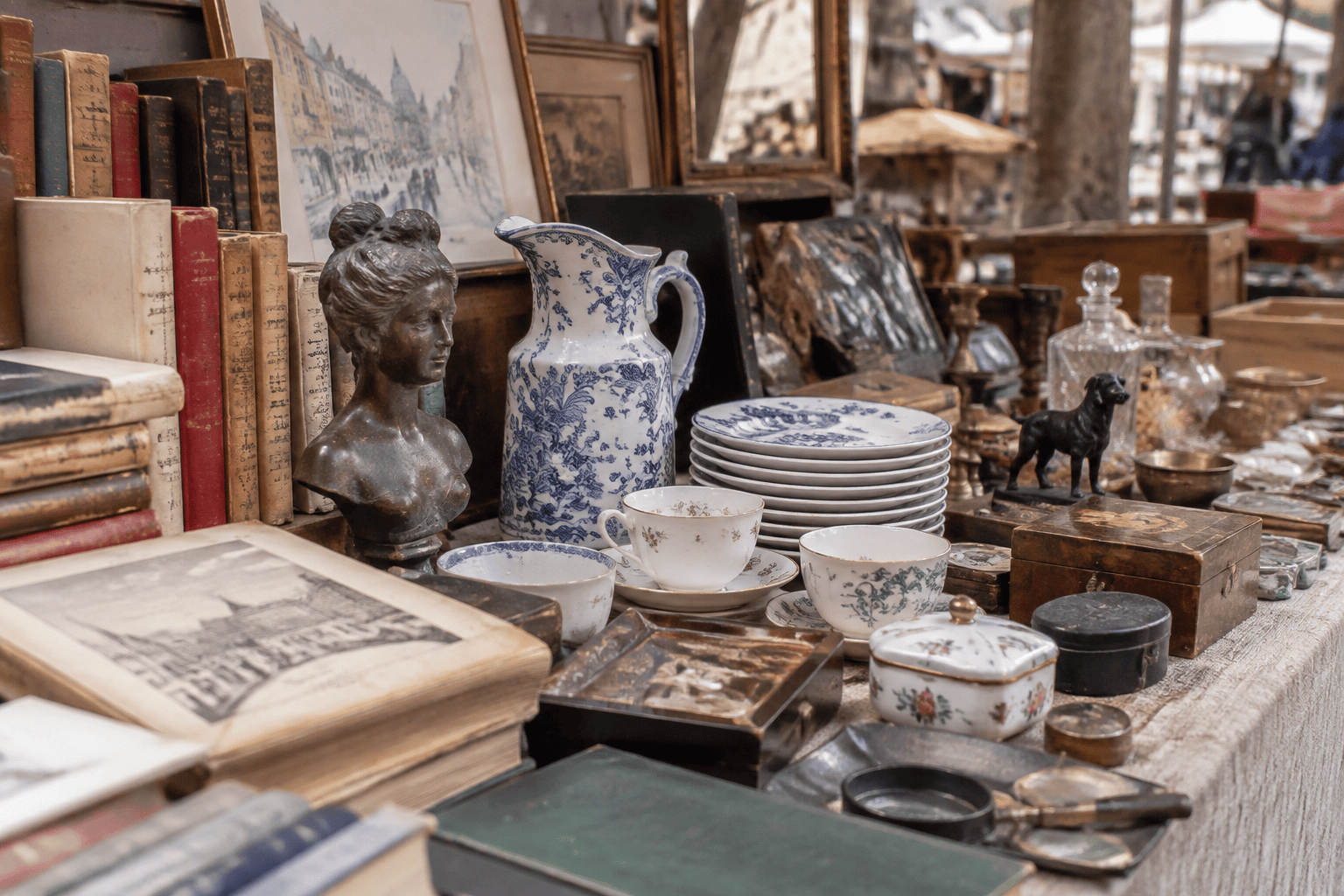
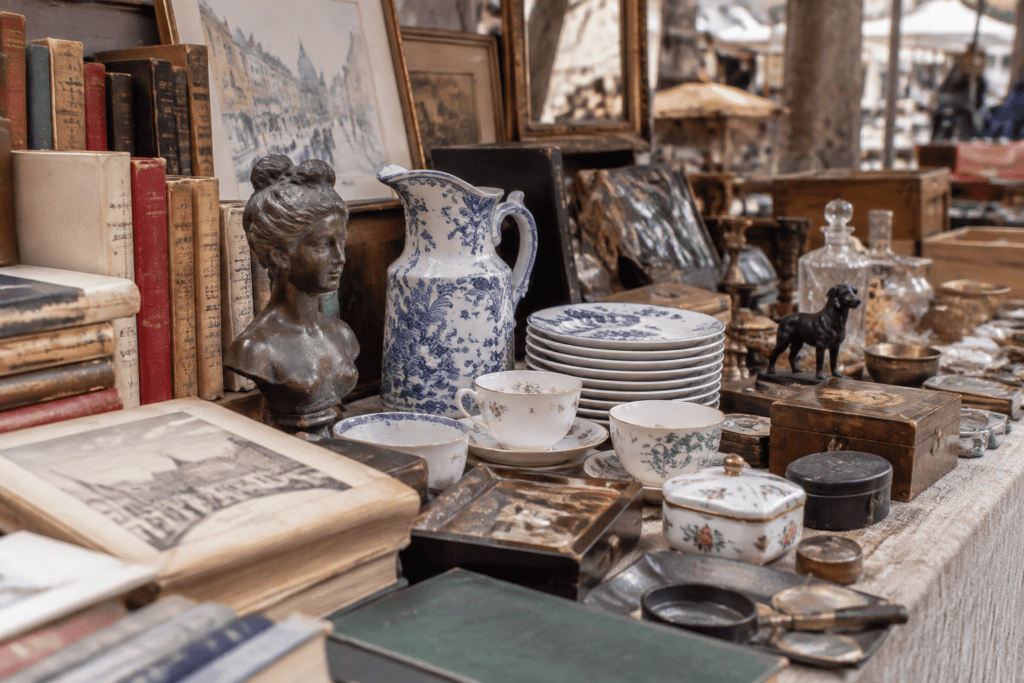
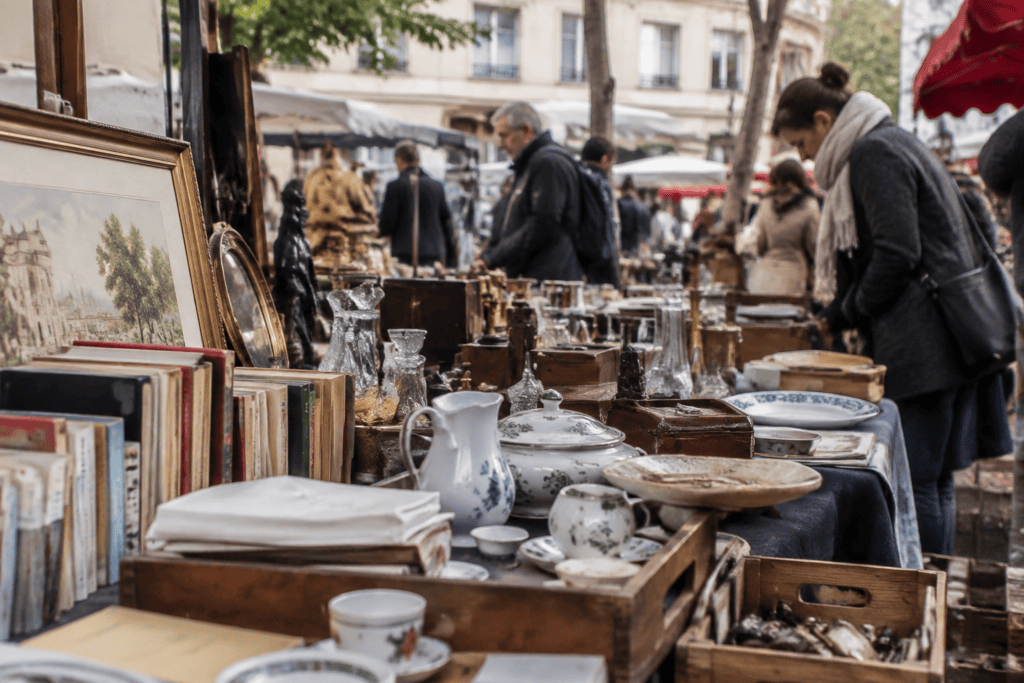
Marché d’Aligre has a flea-market side that sets it apart from a typical food market. Depending on the vendors and the day, the stalls may feature books, tableware, trinkets, accessories, fabrics, posters, or various vintage and secondhand items. The selection is not fixed: a visit may reveal a find that is gone a few days later.
The best way to browse for treasures is to take your time. Walk around the tables, look closely at the details, and ask the price before handling a fragile item. Haggling should not be considered automatic; it depends on the seller, the nature of the item, and the circumstances of the sale. A courteous exchange is always better than pressing the issue.
The flea market can offer a more personal souvenir than a standardized item. An old book, a small piece of tableware, or a poster can remind you of the neighborhood without taking up much room in your luggage. For larger items, check their condition, sturdiness, and practical transportation requirements before buying.
Vendors may also appreciate visitors asking permission before photographing items or their stall. The market remains an active place of business, so shoppers should give priority to customers who are making purchases and keep circulation areas clear.
Planning a Food-Focused Morning in the Neighborhood
A simple route is to start at Beauvau Market Hall, then head to the outdoor stalls on Place d’Aligre before following Rue d’Aligre. This order takes you through the covered section, the lively square, and the shops that extend the market experience. Allow more time if you want to compare products or stop to browse the flea-market stalls.
Food purchases can make up a simple lunch, but keep perishable items in mind. Cheese, fish, meat, and fresh prepared foods should not be left for long without suitable storage conditions. Ask the vendor for advice, and plan to shop at the end of your visit rather than the beginning if you still have several hours of sightseeing ahead.
For a break, choose a café or restaurant in the neighborhood and avoid settling in the middle of delivery or pedestrian-traffic areas. The market is a workplace as well as a place to stroll, and the stalls need to remain accessible to both customers and vendors.
After the market, you can continue toward Bastille, Rue du Faubourg-Saint-Antoine, Bassin de l’Arsenal, or Gare de Lyon. To place this visit within a broader itinerary, see the suggestions from the Paris tourist office dedicated to the 12th arrondissement.
Practical Tips for an Enjoyable Visit
Comfortable shoes are recommended, as the visit alternates between standing, slow walking, and frequent stops. The passageways may be crowded with shopping baskets, strollers, and people doing their shopping. If you are traveling with a stroller or wheelchair, choose a time when visitor numbers are lower and proceed carefully.
Suitcases are particularly impractical in the hall and around the stalls. If you are arriving from an airport or train station, it is best to leave your luggage at your accommodation or in a suitable luggage-storage facility before coming. You will enjoy the visit more and avoid inconveniencing other customers.
Hours are the main detail to check before setting out. The outdoor section and Beauvau covered market may operate differently, and changes may occur on public holidays, during construction, or for local events. The Paris city listing remains the most useful reference for checking.
Finally, keep an eye on your purchases in crowded areas, respect any lines, and ask before photographing a vendor or another person. A reusable bag is handy, but it does not replace suitable packaging for fragile foods: ask the seller how best to transport each product.
Including the Market in a Paris Stay
Marché d’Aligre pairs easily with a morning spent exploring eastern Paris. It can be the starting point for a walk toward Bastille, a stop before heading to Faubourg-Saint-Antoine, or a break near Gare de Lyon. Its location makes it easy to create a compact itinerary without adding multiple long journeys between visits.
One hour is enough to see the main areas and get a feel for the atmosphere. Allow one to two hours if you want to explore Beauvau Market Hall, take a closer look at the outdoor stalls, browse the flea market, and stop in the neighborhood. Photography and food enthusiasts could easily spend an entire morning here.
The market is also a good choice for travelers who want to experience an everyday side of Paris. It does not replace a museum or monument visit, but it complements a cultural itinerary with a more local experience centered on the neighborhood’s products, shops, and daily customs.
If you need to reach the market from a Paris hotel, Paris-CDG, or Paris-Orly with luggage, a private transfer can be arranged to a Paris address. Booking Paris Transfer acts solely as a transportation service here; no admission ticket or guided tour is included.
Useful sources
Frequently Asked Questions
What days is Marché d’Aligre open?
Where exactly is Marché d’Aligre located?
Is entry to Marché d’Aligre free?
What can you buy at Beauvau Market Hall?
What can you find at the Marché d’Aligre flea market?
How much time should I allow?
 Seine River Cruise Discover Paris’s quays, bridges, and major monuments from the Seine during a…
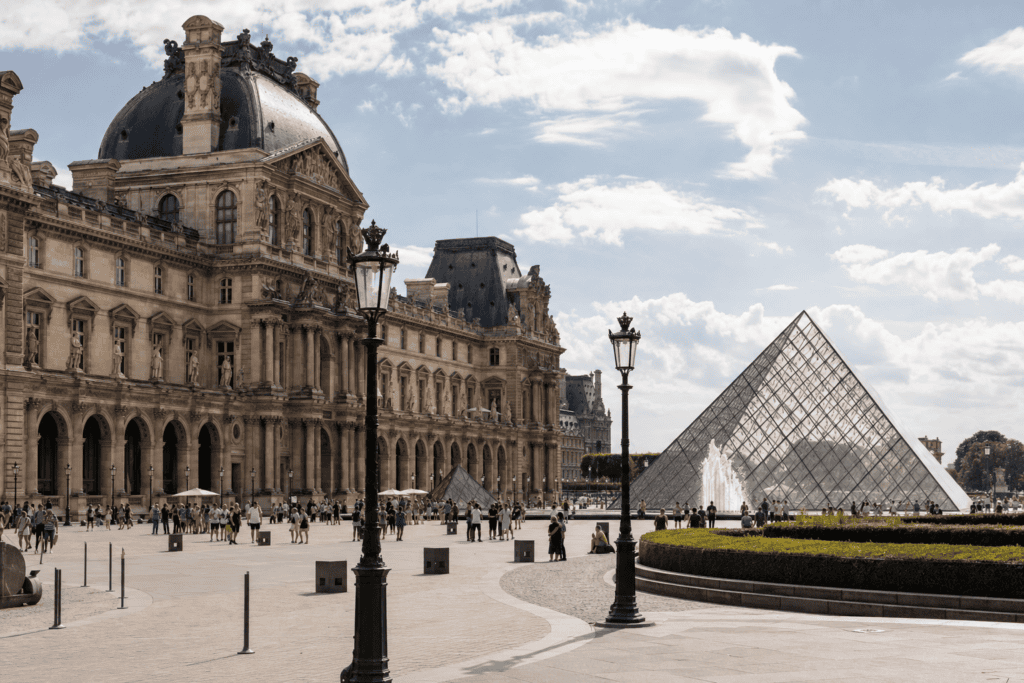 Louvre Museum An essential Paris itinerary featuring the Mona Lisa, antiquities, major European paintings, and the décor of a former palace…
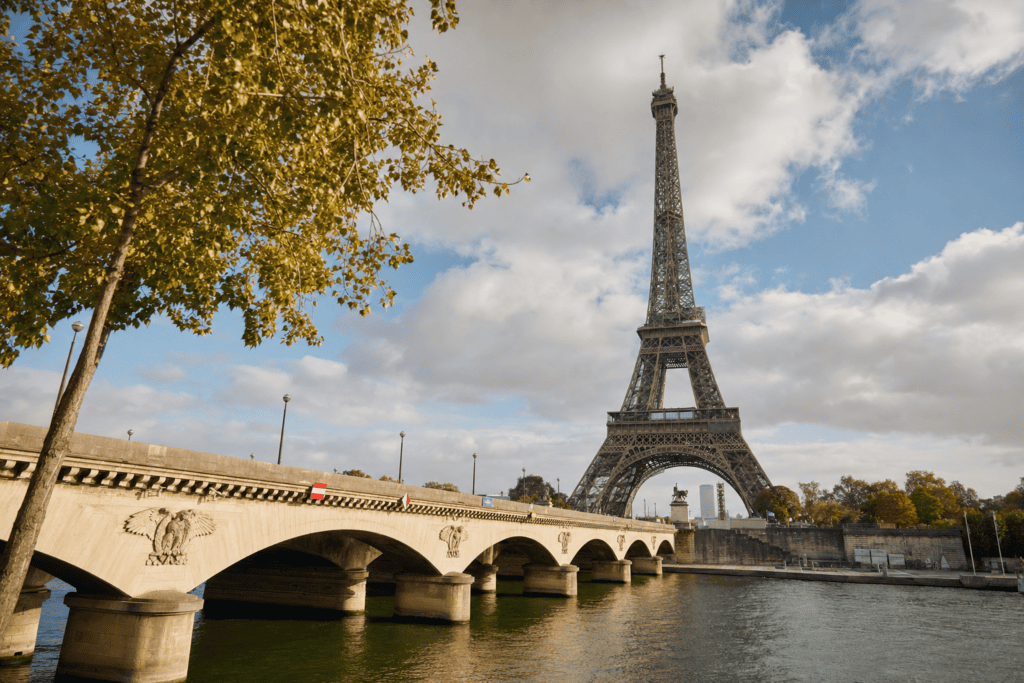 Eiffel Tower Visit the Eiffel Tower with a practical guide to the ascent, panoramic views, access, and the best…
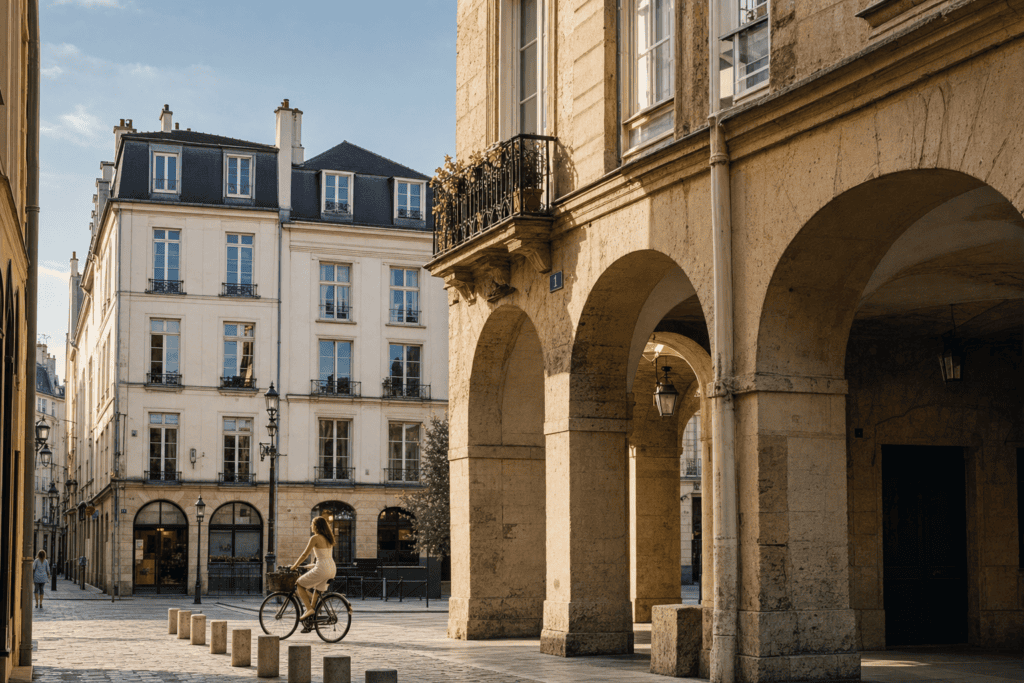 Le Marais An iconic Paris neighborhood known for its private mansions, Place des Vosges, museums, and more…
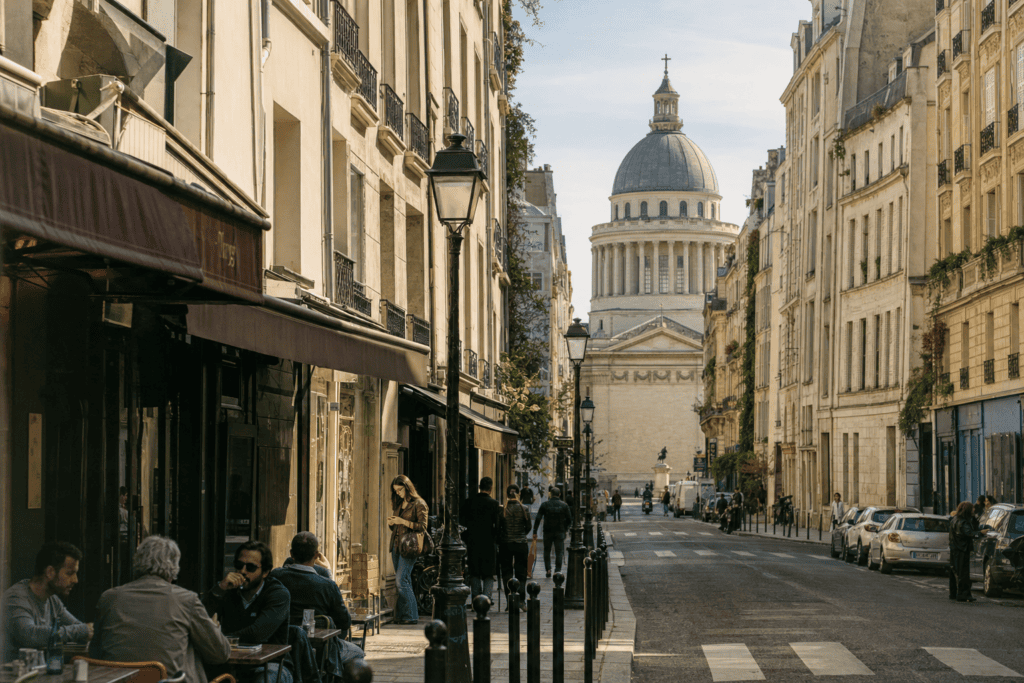 Latin Quarter A lively Parisian neighborhood where ancient remains, universities, museums, bookshops, gardens, and great places to eat come together.
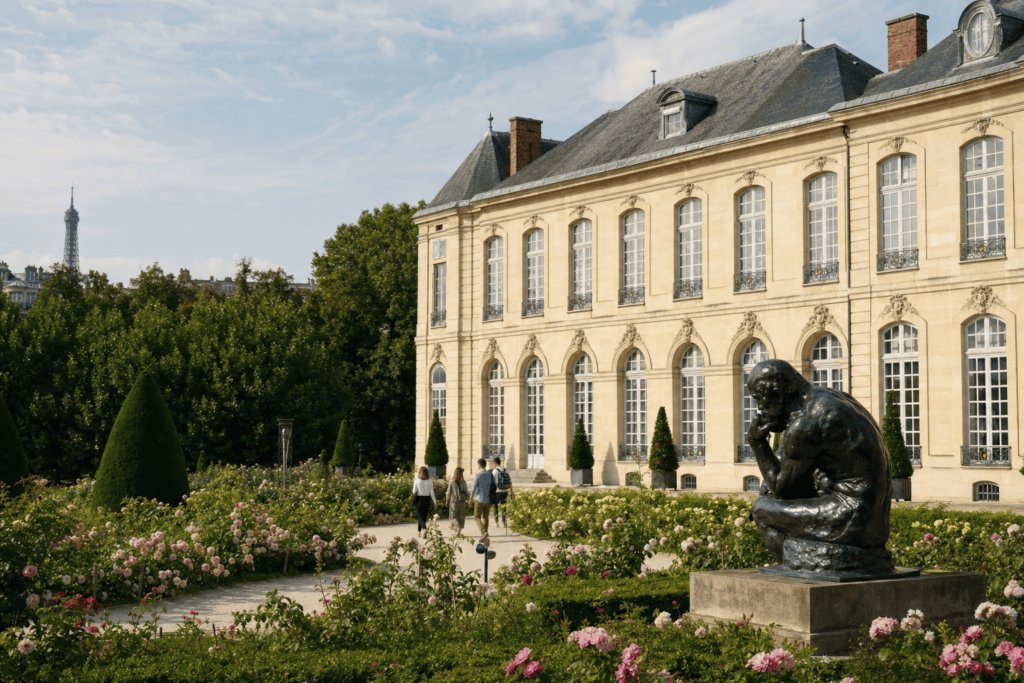 Musée Rodin A historic mansion, a sculpture garden, and major works by Rodin near the…
Online booking · Paris → Place d’Aligre and Rue d’Aligre, 75012 Paris
Choose your pickup date and time
Your departure and arrival details are already pre-filled. You can adjust them in the fare calculator before viewing the vehicles and fare.