



Visiting Notre-Dame de Paris and Île de la Cité
Paris
At the heart of the Seine, Île de la Cité brings together some of Paris’s major historic landmarks. Notre-Dame, its forecourt, the riverbanks, Sainte-Chapelle, the Conciergerie, and Pont Neuf form a group that can be explored on foot in half a day. The cathedral remains the natural starting point, but the visit is also compelling for its views of the river, urban remains, and the island’s political, religious, and judicial history.
Practical information
Start at the forecourt, then view the façade from Quai de Montebello before crossing the island toward Place Dauphine and Square du Vert-Galant. For a more complete visit, set aside separate time for the nearby attractions that charge admission and avoid bringing bulky luggage.
Planning a trip to Notre-Dame from Paris
For an itinerary covering several neighborhoods, a train station, or a Paris airport, private transportation can complement walking and public transit. Booking Paris Transfer can arrange a trip from Paris, the Île-de-France region, Charles de Gaulle, or Orly, with return transportation to your accommodation. The service covers transportation only and does not include any tickets or attraction reservations.
Private transportation from Paris, the Île-de-France region, a Paris train station, Charles de Gaulle, or Orly. No admission tickets or attraction reservations included.
Why visit Notre-Dame and Île de la Cité
Île de la Cité is one of the oldest and most central places in Paris. Located in the middle of the Seine, it naturally connects the Right Bank and Left Bank while retaining a distinct identity shaped by the capital’s major religious, royal, and judicial institutions. A walk around the island therefore lets you experience several centuries of history within a relatively compact area.
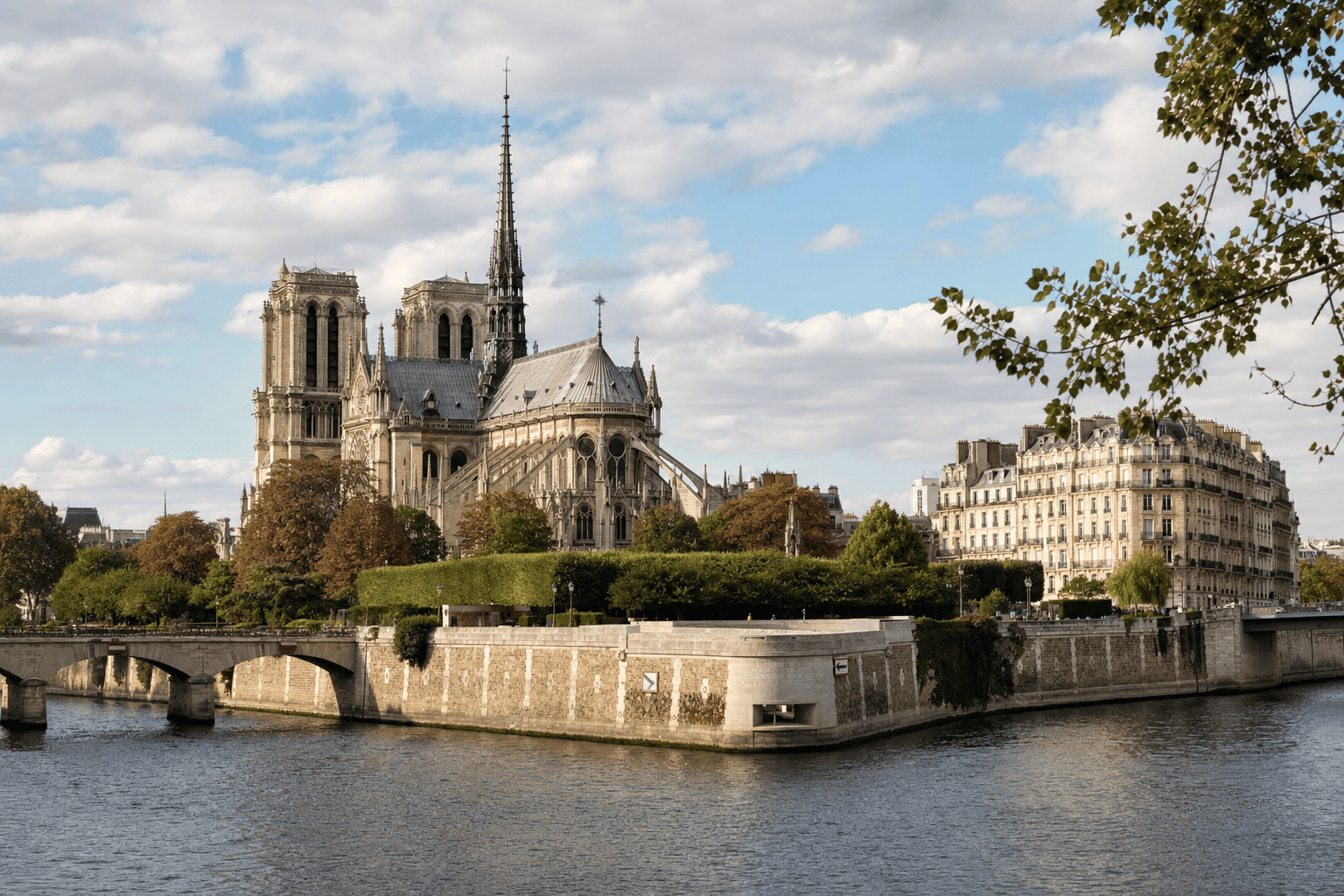
Notre-Dame is its most famous landmark. Its façade, towers, portals, and silhouette, visible from the riverbanks, make it a monument to discover from several angles. The forecourt offers an initial monumental view of the building, while Quai de Montebello, Quai de l’Archevêché, and Quai aux Fleurs provide more open views of its structure and apse.
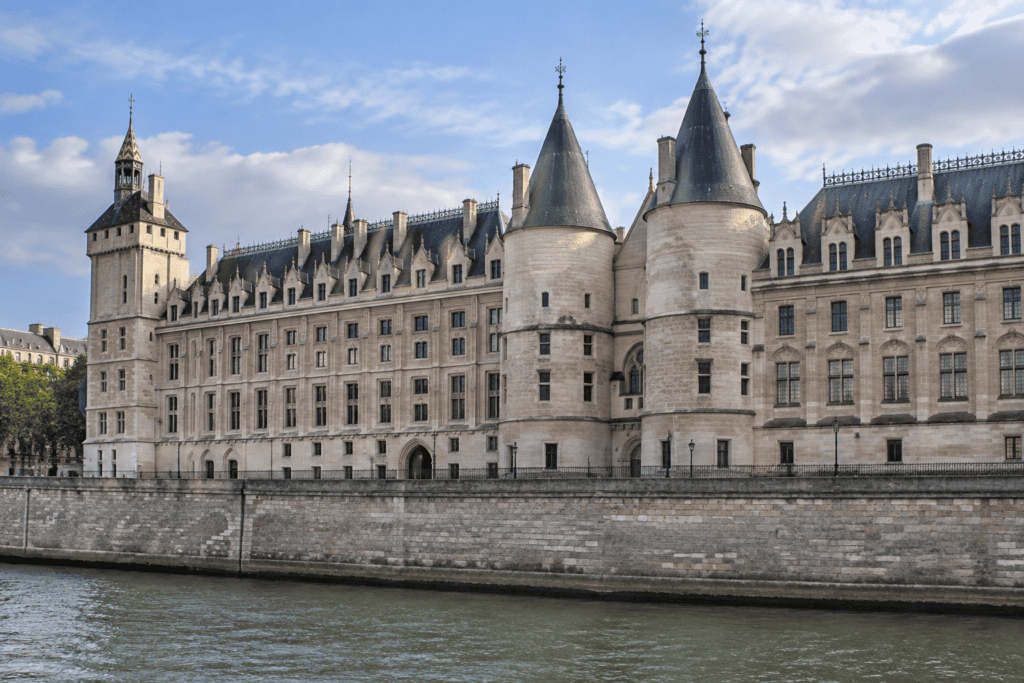
The visit is not limited to the cathedral, however. Sainte-Chapelle recalls the prestige of the medieval monarchy, the Conciergerie evokes the former courthouse and the French Revolution, while the archaeological crypt reveals traces of the island’s urban development. Continuing toward Pont Neuf, Place Dauphine, or Île Saint-Louis, you gradually move from medieval Paris to the urban landscapes of the 17thth and 18th centuries.
For a first visit, plan at least a loop around Notre-Dame and the riverbanks. Architecture, history, and photography enthusiasts can easily spend half a day here.
Historical background on Notre-Dame de Paris
Construction of the present cathedral began in the 12thth century, under the direction of Maurice de Sully, Bishop of Paris. The project accompanied the city’s growth and the importance of Île de la Cité as a religious and political center. The building was gradually expanded and transformed over the centuries as uses and styles evolved.
Notre-Dame went through periods of deterioration, particularly during the French Revolution, and then underwent major restoration in the 19thth century. The success of the novel The Hunchback of Notre-Dame by Victor Hugo helped renew public interest in the monument and in medieval architecture. The restoration led by Eugène Viollet-le-Duc played a major role in shaping the cathedral’s current appearance.
On April 15, 2019, a fire severely damaged the roof and spire. The restoration project that followed brought together conservators, architects, craftspeople, and heritage specialists. The reopening and visiting arrangements were organized by the relevant authorities, but some routes or facilities may still depend on decisions related to safety, worship, or ongoing work.
The Banks of the Seine in Paris, which include Île de la Cité and its surroundings, have been listed as a UNESCO World Heritage Site since 1991. This designation covers a broader urban landscape than Notre-Dame: it includes the riverbanks, bridges, and several landmarks that give the walk its historical coherence.
What to see inside the cathedral
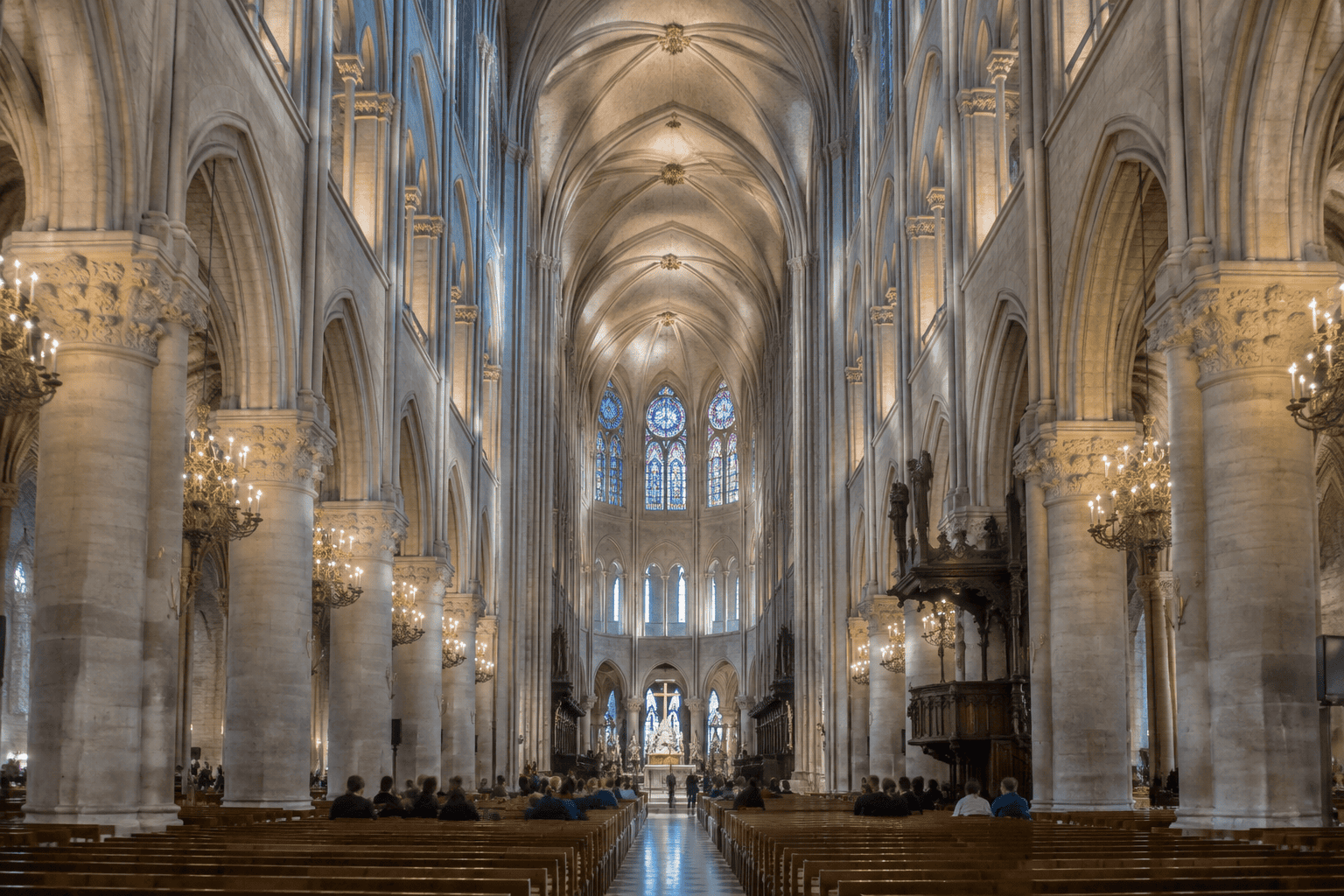
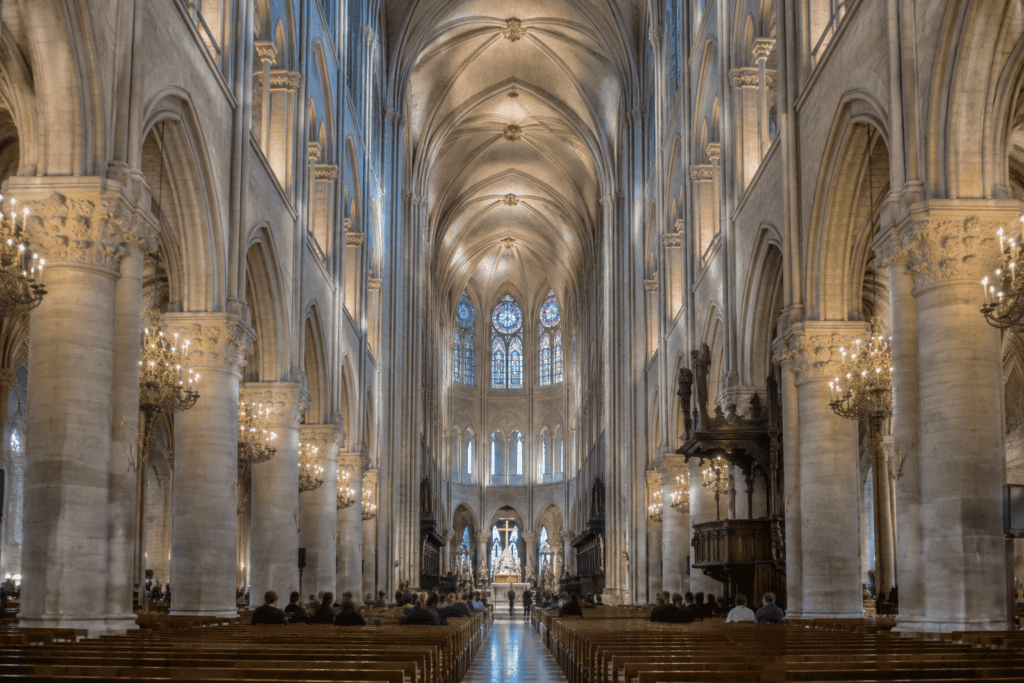
Inside, begin by stepping back to take in the layout of the nave, choir, and side aisles. The vertical elevation, arches, and vaults illustrate the principles of Gothic architecture, which seeks to let in more light while transferring the forces of the structure toward its supports.
The rose windows and stained glass change in appearance depending on the time of day and weather. When light passes through the windows, it highlights the volume of the nave and creates contrasts with the side chapels. The portals, sculptures, paintings, liturgical works, and restored elements also deserve careful attention, even during a relatively short visit.
Notre-Dame remains first and foremost a place of worship. Visitors should respect areas reserved for prayer, services, and silence, as well as staff instructions. It is best to avoid noisy visits or photography that disturbs worshippers. Visitor routes, accessible areas, and interpretation facilities may be adapted depending on circumstances.
Don’t try to see everything too quickly. Spending around ten minutes observing the nave, stained glass, and chapels is already enough to better understand the building. If you would like to explore further, the cathedral’s official historical resources provide a useful supplement before or after your visit.
Forecourt, riverbanks, and views of Notre-Dame
The forecourt is the first viewing point. From here, the west façade can be seen as a whole: the three portals, Gallery of Kings, large rose window, and towers form a particularly recognizable composition. Take time to look at the sculptural details rather than limiting yourself to a straight-on photograph.
For a different perspective, cross to the Left Bank and head to Quai de Montebello. The view of the apse and flying buttresses is more open there, especially when you move slightly away from the forecourt. On the island, Quai de l’Archevêché lets you continue alongside the cathedral in a quieter setting, with views toward the bridges and the Seine.
Le quai aux Fleurs et le quai de l’Horloge prolongent la boucle autour de l’île. Depuis le pont Saint-Louis, vous pouvez regarder Notre-Dame dans son environnement fluvial avant de continuer vers l’île Saint-Louis. Le pont Neuf et la place Dauphine offrent une autre séquence architecturale, plus régulière et plus résidentielle.
Photographers will appreciate the changing light on the façades late in the day, but the riverbanks can be very busy. Watch out for bicycles, stairs, and any areas temporarily closed. Pedestrian routes may be changed by construction, demonstrations, or safety requirements.
Landmarks to combine with your visit
Sainte-Chapelle is located within the Palais de la Cité complex, a few minutes’ walk from Notre-Dame. It is especially known for its 13thth century stained-glass windows, which play a major role in the perception of the interior space. The Conciergerie, located in the same historic complex, recalls the palace’s former judicial and prison functions. These two landmarks have their own hours, prices, security checks, and reservation requirements.
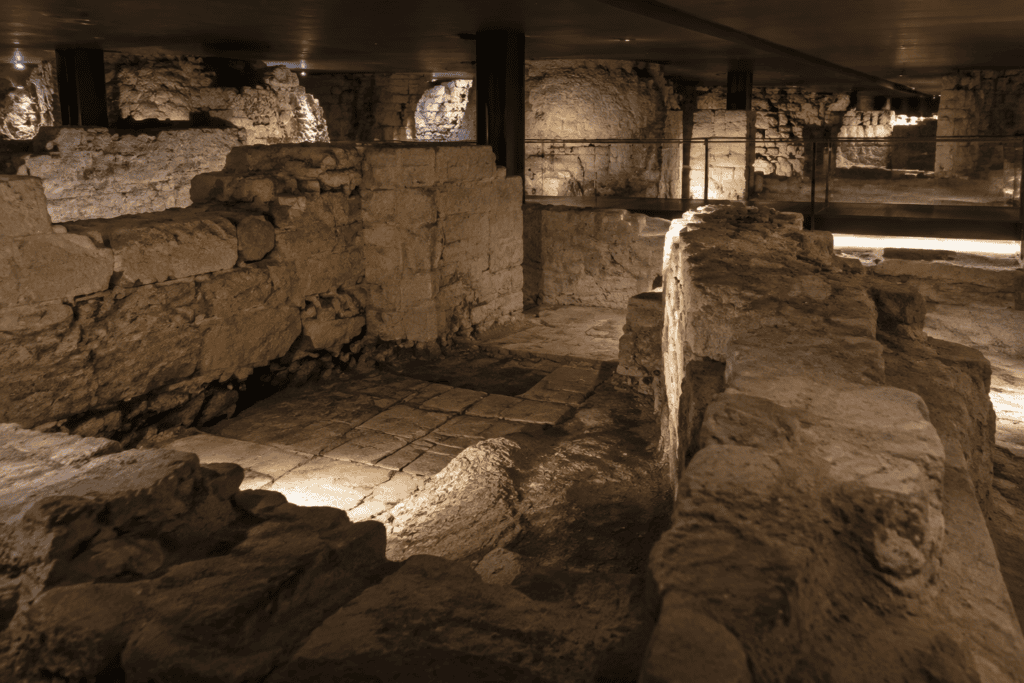
Beneath the Notre-Dame forecourt, the archaeological crypt presents remains and traces of the island’s urban transformations. It shows how the current landscape rests on several layers of occupation, from antiquity to modern developments. A visit usefully complements the cathedral, especially if you want to add an archaeological dimension to your itinerary.
Pour une pause, dirigez-vous vers la place Dauphine, puis vers le square du Vert-Galant à la pointe ouest de l’île. Ces espaces offrent un contraste avec l’animation du parvis. En traversant le pont Saint-Louis, vous pouvez poursuivre jusqu’à l’île Saint-Louis, ses quais et ses rues résidentielles. Une boucle incluant Notre-Dame, la Sainte-Chapelle, la place Dauphine et le pont Neuf demande généralement plusieurs heures.
Don’t group too many landmarks together if you have limited time. Choose one attraction with an admission fee to complement Notre-Dame, then leave some time to walk along the Seine.
Practical Tips for Planning Your Visit
Notre-Dame is located at 6 Parvis Notre-Dame, Place Jean-Paul II, in the 4thth arrondissement. The forecourt is a very busy area, and traffic around the island may slow during ceremonies or major events. Allow extra time if you have a train, a timed entry, or an appointment afterward.
Access to the cathedral is free, while nearby landmarks have their own rules. To avoid confusion, check the information for Notre-Dame, Sainte-Chapelle, the Conciergerie, and the crypt separately. Security checks may restrict permitted items and lengthen waits. A small bag is generally more practical than bulky luggage.
Visitors using a wheelchair, cane, or stroller should check accessibility information before their visit. The area includes cobblestones, stairs, riverbanks, and some narrow passages. Stations and transportation routes are not all equally accessible; a route with a transfer may therefore be preferable to a closer station without suitable facilities.
For an enjoyable visit, wear comfortable shoes and bring water and rain protection. The riverbanks are exposed to wind, and shaded areas are limited. Respect lines, quiet areas, and posted instructions.
Getting to Notre-Dame by metro, RER, bus, or on foot
Notre-Dame is very well connected to the Paris transit network, but no station is located directly in front of the entrance. The station Cité, served by Line 4, is one of the closest on Île de la Cité. From the exit, allow a few minutes to walk to the forecourt, following local signs. The station Saint-Michel, also on Line 4, allows you to arrive via Boulevard Saint-Michel and then cross Pont Saint-Michel.
The hub Saint-Michel–Notre-Dame is served by RER B and C. It is convenient from several parts of Paris and from airport connections, but the exact route may involve corridors, stairs, or elevators depending on the exit used. Check accessibility in real time if you are traveling with a wheelchair, stroller, or luggage.
Several bus lines pass through or near the area, including Lines 21, 27, 38, and 47, depending on their routes and the stops in service. Since routes may change because of construction or demonstrations, use the official Paris transit app to choose the most suitable stop on the day of your visit. Buses often provide a more gradual arrival, with views of the riverbanks and façades.
Walking is especially enjoyable from the Louvre, Hôtel de Ville, the Latin Quarter, or Luxembourg Garden. From the Louvre, cross Pont des Arts or Pont Neuf; from the Latin Quarter, go down toward Quai de Montebello before heading to the forecourt. This option turns the journey into a heritage walk and avoids an extra transfer.
From a Paris train station or airport, choose the metro or RER for an economical trip, taking stairs and the final walk into account. Private transportation can be useful if your day includes several stops, people with reduced mobility, or luggage, but vehicles cannot drop passengers directly on the pedestrian forecourt.
Useful sources
Frequently Asked Questions
Is admission to Notre-Dame de Paris charged?
Do you need to book to visit Notre-Dame?
How much time should you allow on Île de la Cité?
Which metro station should you use for Notre-Dame?
What are the best views of Notre-Dame?
Can you walk to Notre-Dame from the Louvre or the Latin Quarter?
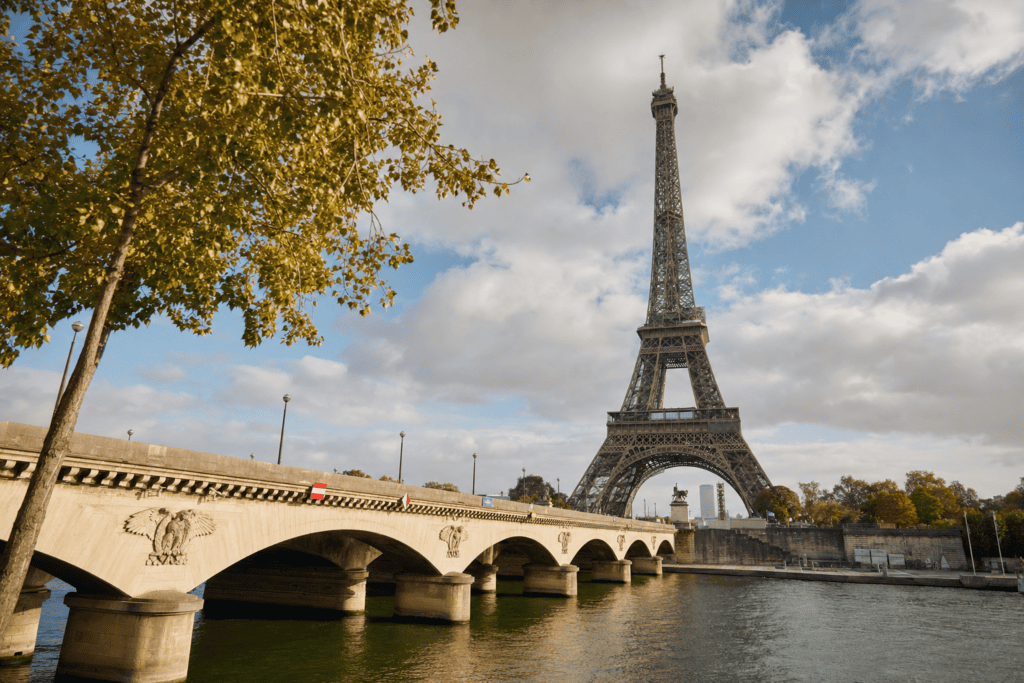 Eiffel Tower Visit the Eiffel Tower with a practical guide to the ascent, panoramic views, access, and the best…
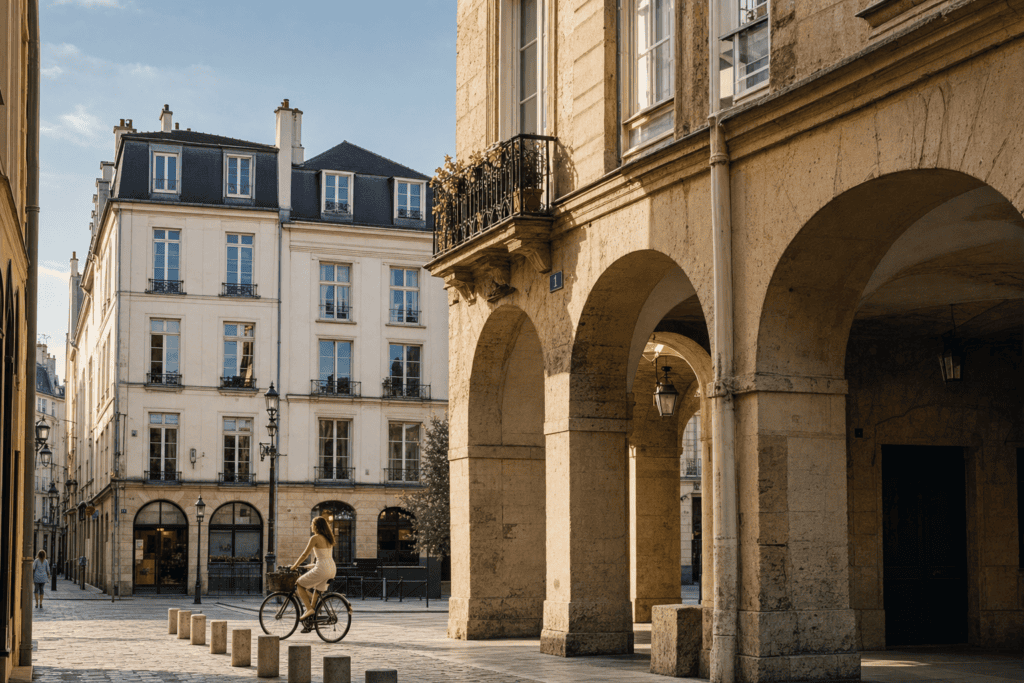 Le Marais An iconic Paris neighborhood known for its private mansions, Place des Vosges, museums, and more…
 Foodie Paris: pastries, cheeses, and local specialties A practical guide to discovering Parisian bakeries, pastry shops, cheese shops, markets and specialties by neighborhood.
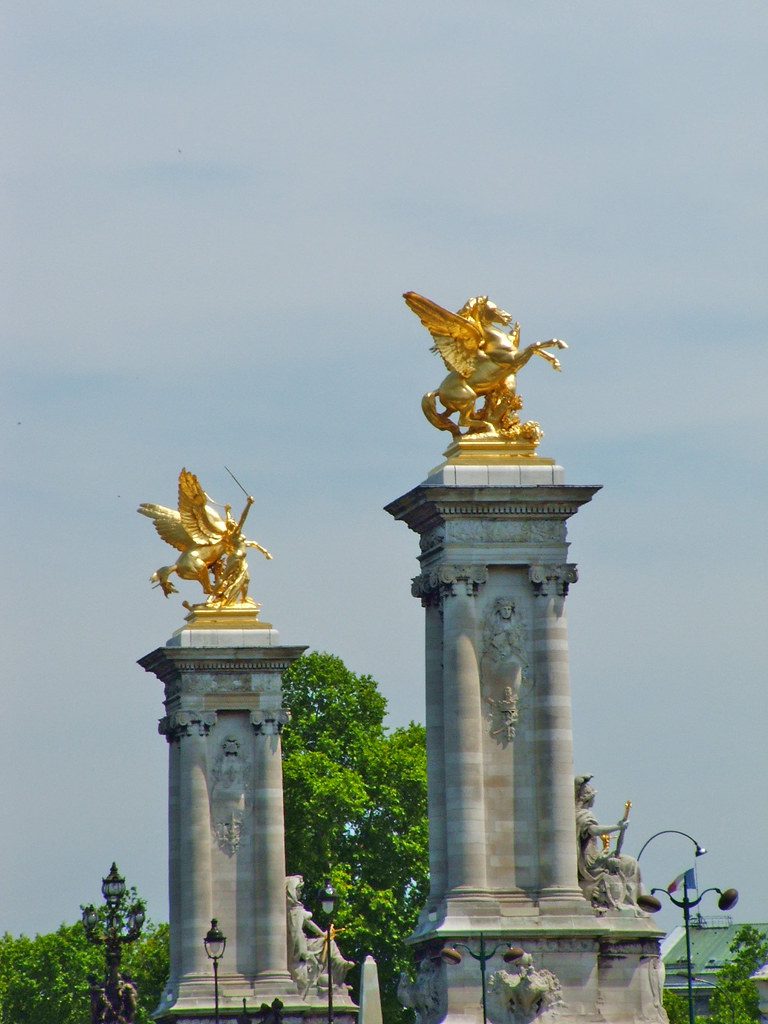 Seine River Cruise Discover Paris’s quays, bridges, and major monuments from the Seine during a…
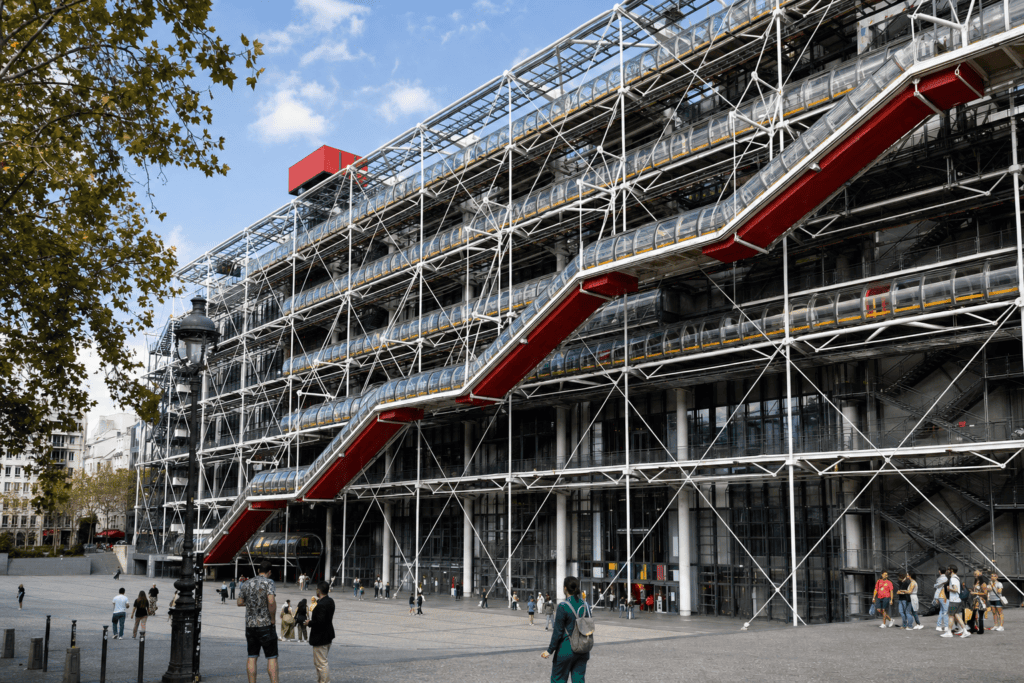 Centre Pompidou The Centre Pompidou is closed for renovations until 2030, but its history, architecture and…
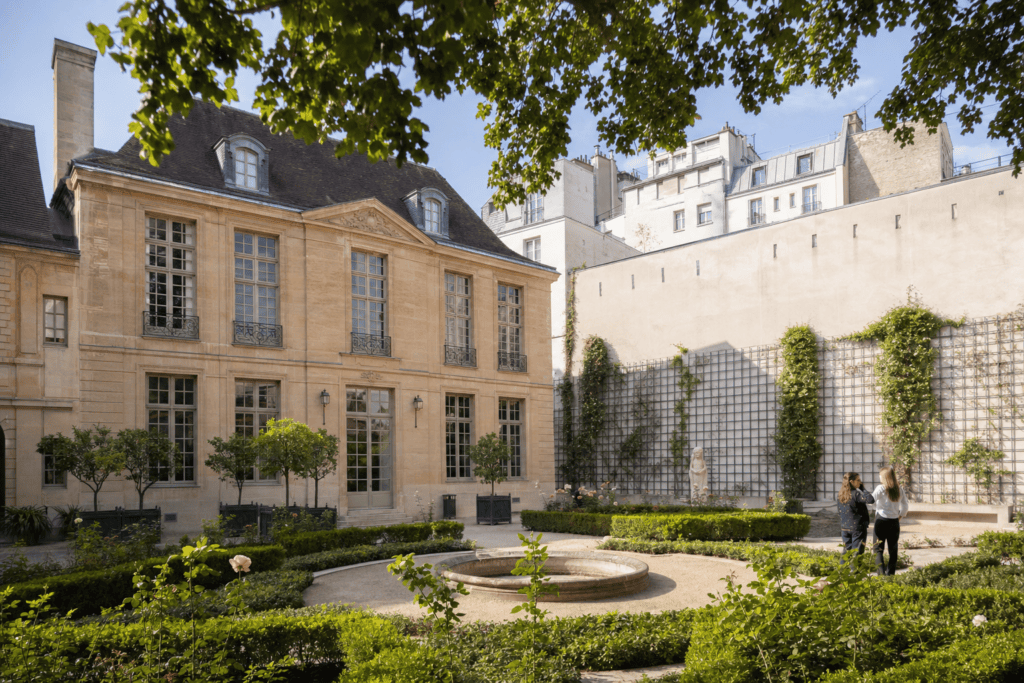 Musée Picasso Paris A major Picasso collection in the Hôtel Salé, in the historic heart of the Marais.
Online booking · Paris → Notre-Dame Cathedral of Paris, 6 Parvis Notre-Dame – Place Jean-Paul II, 75004 Paris
Choose your pickup date and time
Your departure and arrival details are already pre-filled. You can adjust them in the fare calculator before viewing the vehicles and fare.