



Pont Neuf in Paris: History and a Seine River Walk
Paris
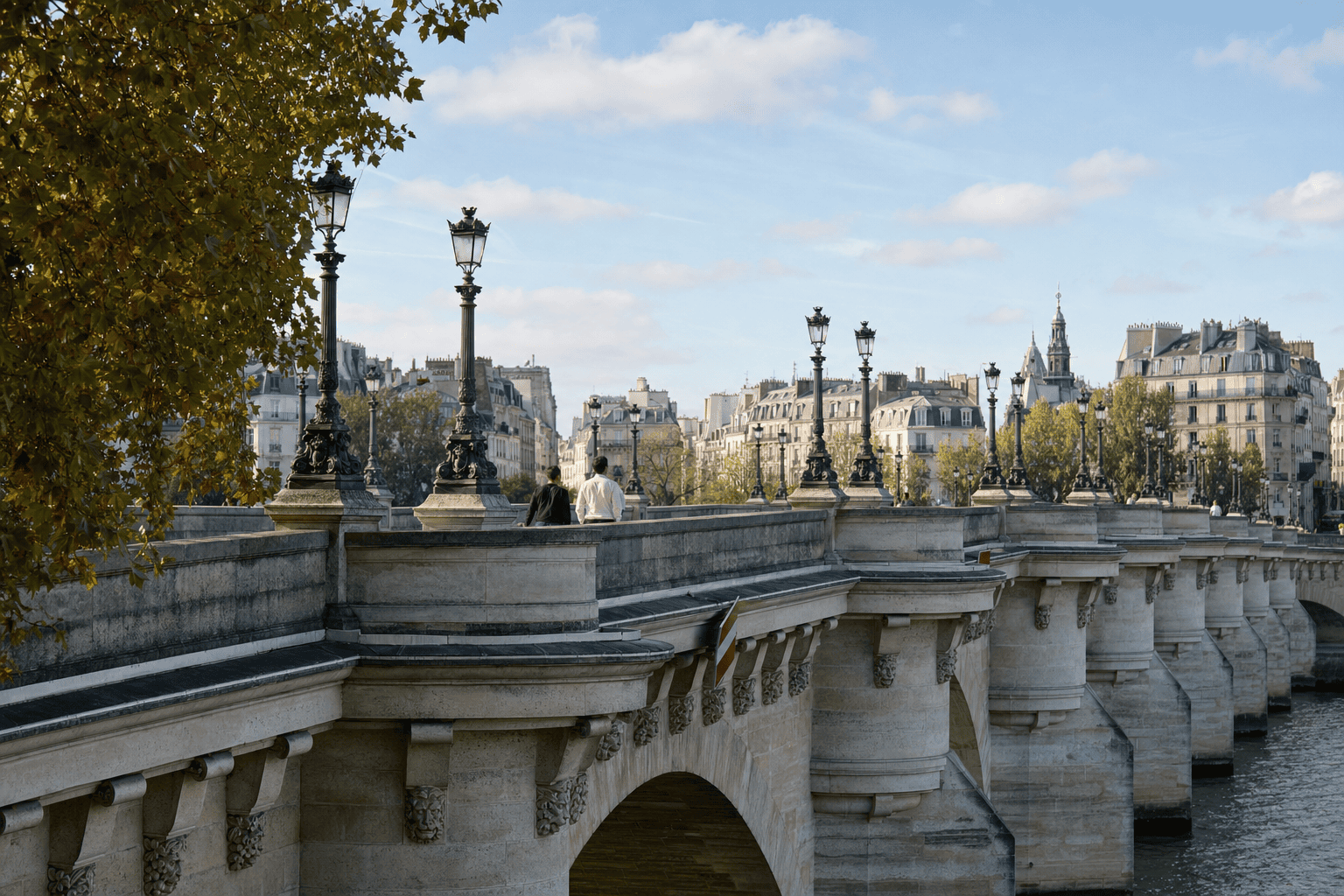
Pont Neuf is the oldest bridge in Paris preserved in its entirety, despite its name, which simply meant “new bridge” when it was built. Constructed between the late 16th and early 17th centuries, it connects the two banks of the Seine by way of the western tip of Île de la Cité. Its arches, turrets, grotesque masks and equestrian statue of Henry IV create a remarkable urban setting. Crossing the bridge leads to Place Dauphine, Square du Vert-Galant, the Louvre, La Samaritaine and the Monnaie de Paris. Free and accessible from public spaces, Pont Neuf is ideal both for a first introduction to Paris and for a riverside photo walk.
Practical information
Cross the bridge in both directions, then go down to Square du Vert-Galant to view the arches from a lower vantage point.
Getting to Pont Neuf from Paris, CDG or ORY
If you arrive in Paris with luggage, a private transfer from your hotel, CDG or ORY can simplify the start of your itinerary. Booking Paris Transfer arranges journeys from Paris or its airports; Pont Neuf can then be explored on foot in public spaces. No admission ticket is sold or included.
Departure from Paris, CDG or ORY; return to Paris or inclusion in a Paris itinerary.
Why Visit Pont Neuf
Pont Neuf holds a special place in Paris because it is at once an engineering work, a traffic route and a promenade. It crosses the Seine in two sections connected by the tip of Île de la Cité. In just a few minutes, visitors can go from the Right Bank to the Left Bank while crossing the historic heart of the capital.
Its location makes it easy to create an itinerary from the Louvre, La Samaritaine or Quai de la Mégisserie. On the other side, Rue Dauphine leads toward the Monnaie de Paris, Saint-Germain-des-Prés and the Left Bank quays. The bridge is therefore a natural stop rather than an isolated monument.
The design of Pont Neuf was groundbreaking for its time: unlike several earlier bridges, it was not lined with houses and included walkways reserved for pedestrians. Its unobstructed river views helped make it as much a place for strolling as a way to cross the Seine.
A Construction Spanning Two Reigns
The first stone of Pont Neuf was laid on May 31, 1578, under Henry III. Construction slowed because of the Wars of Religion and financial difficulties. Work continued under Henry IV and was completed in the early 17th century, as part of the redevelopment of the western tip of Île de la Cité and the creation of Place Dauphine.
The project addressed a practical need. Older bridges were often narrow, crowded and built with houses on them. The new bridge was intended to facilitate movement between the Louvre, the Right Bank and the Left Bank neighborhoods while improving circulation around Île de la Cité.
The equestrian statue of Henry IV was installed in 1614. The original work was destroyed during the French Revolution; the statue visible today is a 19th-century reconstruction. The bridge was listed as a historic monument in 1889 and forms part of the Seine riverbanks landscape recognized by UNESCO.
Arches, Turrets and Grotesque Masks to Look For
The best way to understand Pont Neuf is to slow down as you cross it. The semicircular platforms built above the piers create small projections over the river. They let you step away from the main path and view the boats, quays and façades from different angles.
The grotesque masks are the bridge’s best-known decorative elements. These expressive, sometimes grotesque sculpted faces appear along the cornices. Their count varies by source and according to which elements are included, so it is best to avoid presenting any number as absolutely certain. Their variety is more interesting than their number: each figure has a distinct expression and facial features.
Also look for the semicircular arches, raised sidewalks, piers and turrets. From above, the bridge unfolds as a succession of perspectives. From the quays, its volumes take on a more monumental character. This contrast explains why it is worth visiting in both directions.
From Île de la Cité to Vert-Galant
Pont Neuf is best explored as part of a walk toward the tip of Île de la Cité. From the statue of Henry IV, a path leads to Square du Vert-Galant, a tree-lined space along the Seine. The contrast between the bustle of the roadway and the garden’s relative calm is particularly pleasant.
Below, the arches appear from a different perspective. The piers divide the river and add depth to views of the Parisian banks. The site is ideal for a break, watching boats or taking a short photo session. Late-afternoon light often highlights the stone, while mornings offer a more peaceful atmosphere.
The walk can continue to Place Dauphine and Quai de l’Horloge. In the other direction, the quays lead toward Pont des Arts and the Louvre. The area includes cobblestones and stairs, so suitable shoes make the route more comfortable.
Access and Transportation from Paris
The Pont Neuf station, served by Metro line 7, provides the most direct access. Depending on your starting point, the Châtelet, Louvre–Rivoli, Cité, or Saint-Michel stations may also be convenient. From there, you can reach the monument on foot while passing through central neighborhoods filled with landmarks and shops.
From the Louvre, the walk to the bridge is straightforward and follows the Seine. From Saint-Germain-des-Prés, Rue Dauphine naturally leads to the bridge’s Left Bank side. Bus lines serving central Paris can be useful, but routes and stops change: check real-time information on the official RATP or Île-de-France Mobilités services.
Automobile traffic in central Paris can be heavy and subject to changing restrictions. It is generally preferable to reach a suitable drop-off point or parking facility, then continue on foot. From CDG, ORY or a Paris train station, Pont Neuf fits better into a central itinerary than as a stand-alone driving destination.
Places to Combine with a Visit to the Bridge
Pont Neuf’s location makes it possible to visit several major sites in a single day. On Île de la Cité, Sainte-Chapelle and the Conciergerie offer a look at Paris’s medieval, royal and judicial history. Notre-Dame is also within walking distance; check access conditions and any required reservations through official channels before your visit.
Sur la rive droite, le Louvre prolonge naturellement la promenade. La Samaritaine, le quai de la Mégisserie et la rue de Rivoli ajoutent une dimension commerciale et architecturale au parcours. Sur la rive gauche, la Monnaie de Paris, le quai des Grands-Augustins et Saint-Germain-des-Prés conviennent aux amateurs d’histoire, d’architecture et de librairies.
For a balanced day, choose two or three stops. A Louvre–Pont Neuf–Place Dauphine route remains compact. Another option is to start in Saint-Germain, cross the bridge, go down to Vert-Galant and then continue to Notre-Dame. The views change depending on the bank and the season.
Practical Tips and Photography
Crossing Pont Neuf and walking through public spaces are free. This is not a museum with an interior route or a single admission ticket. Nearby monuments, such as Sainte-Chapelle and the Conciergerie, have their own visiting rules and conditions.
Spring and fall are pleasant seasons for walking along the quays. In summer, choose the morning or end of the day to avoid the hottest hours and busiest periods. In winter, the wind is noticeable on the platforms above the Seine; a warm jacket is useful. Before setting out, check for any construction, events or local restrictions.
To photograph the bridge, alternate between viewpoints: the semicircular platforms, the statue of Henry IV, the lower quay and Vert-Galant. The grotesque masks are best appreciated by focusing on the details rather than looking only for a panoramic view. Do not stop in the middle of narrow passageways, and be considerate of other pedestrians. One hour is enough for the bridge and garden; allow extra time for nearby monuments.
Useful sources
Frequently Asked Questions
Why Is Pont Neuf Called That?
Is Pont Neuf Located on Île de la Cité?
Is Visiting Pont Neuf Free?
Which metro station should I choose?
Where Can You See the Arches of Pont Neuf?
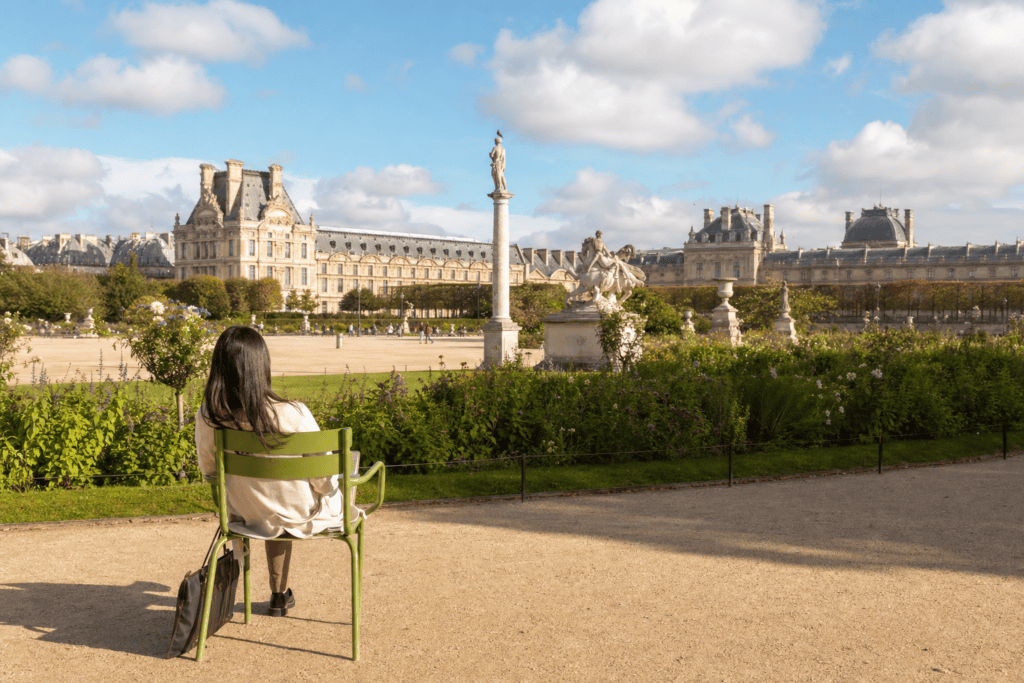 Tuileries Garden A former royal garden turned into a must-see Parisian promenade between the Louvre and Place de…
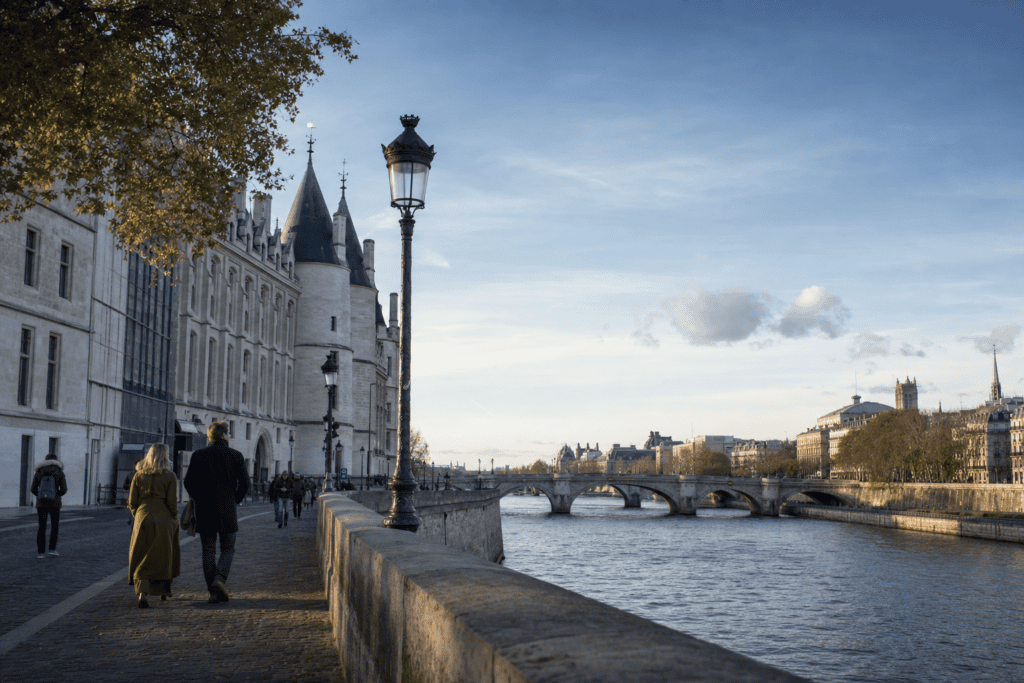 Photo Walk Along the Seine A photographic itinerary along the Seine, between Notre-Dame, the Louvre, historic bridges, and…
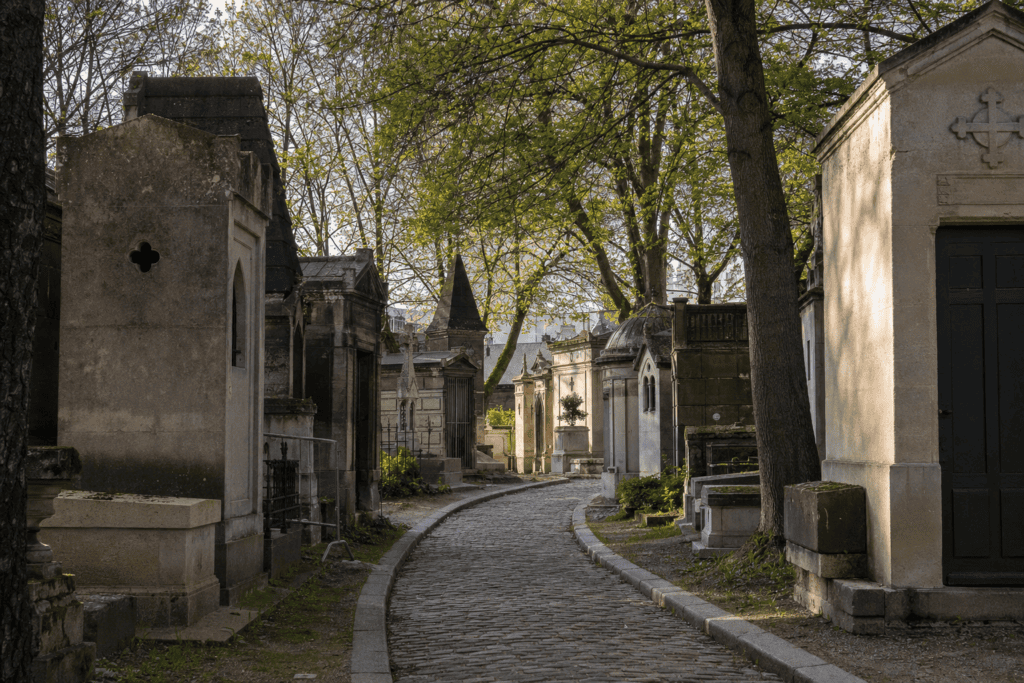 Montparnasse Cemetery A cultural, tree-lined walk following in the footsteps of writers, artists, and intellectuals in the heart of the 14th arrondissement…
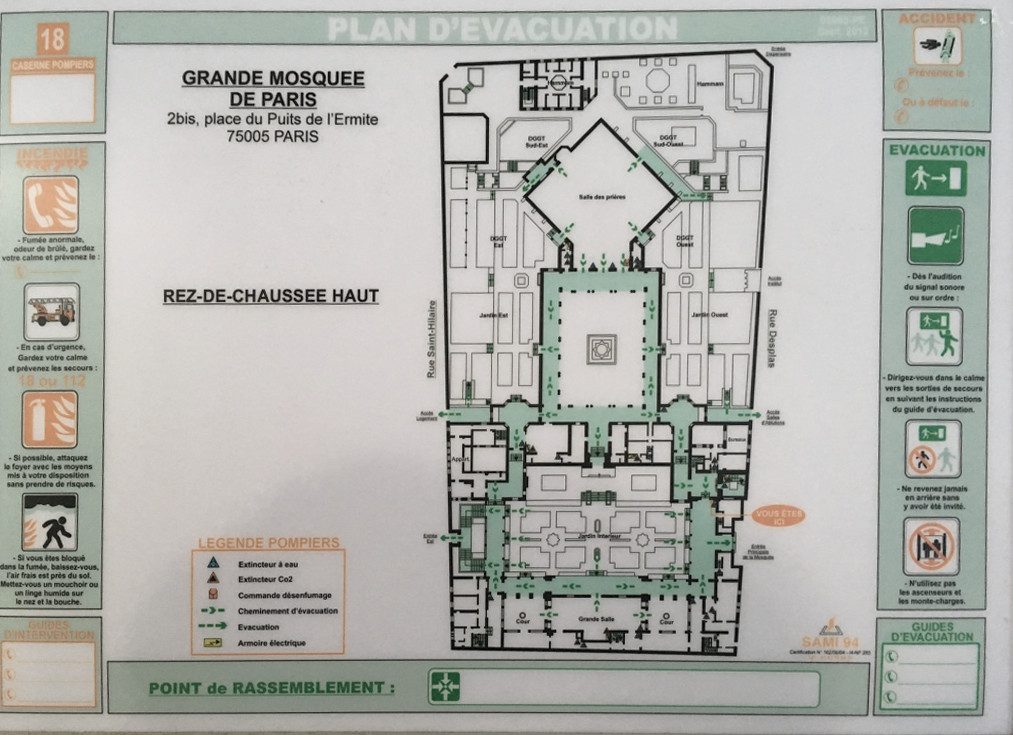 Grand Mosque of Paris A remarkable Hispano-Moorish landmark in the 5th arrondissement, known for its patio, mosaics, and salon de…
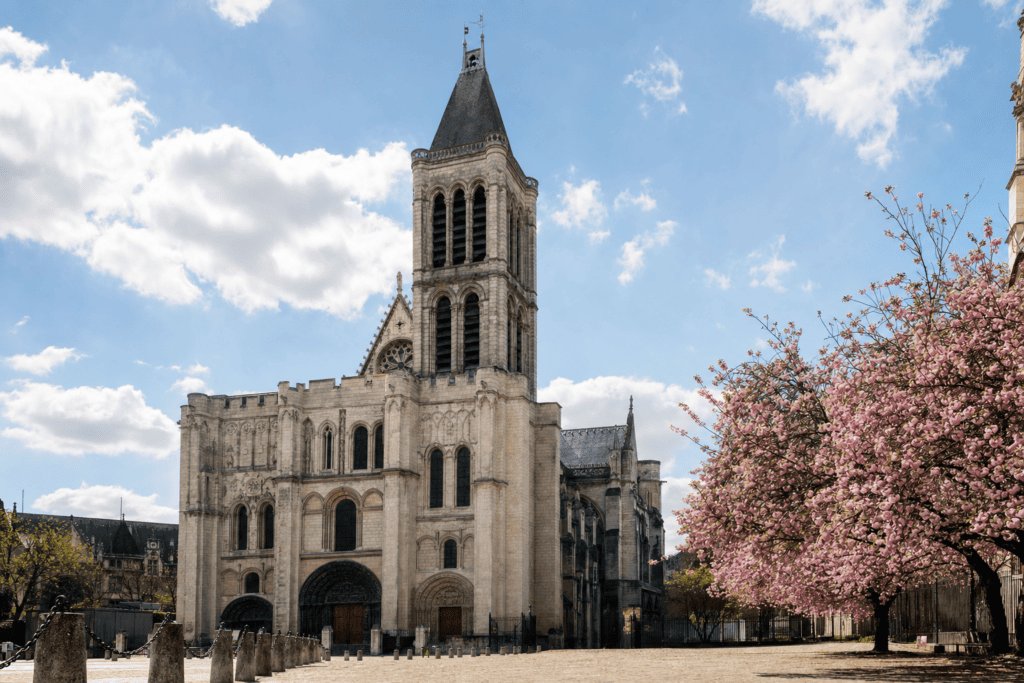 Basilica of Saint-Denis A Gothic cathedral and the necropolis of the kings of France, just a few stops from Paris.
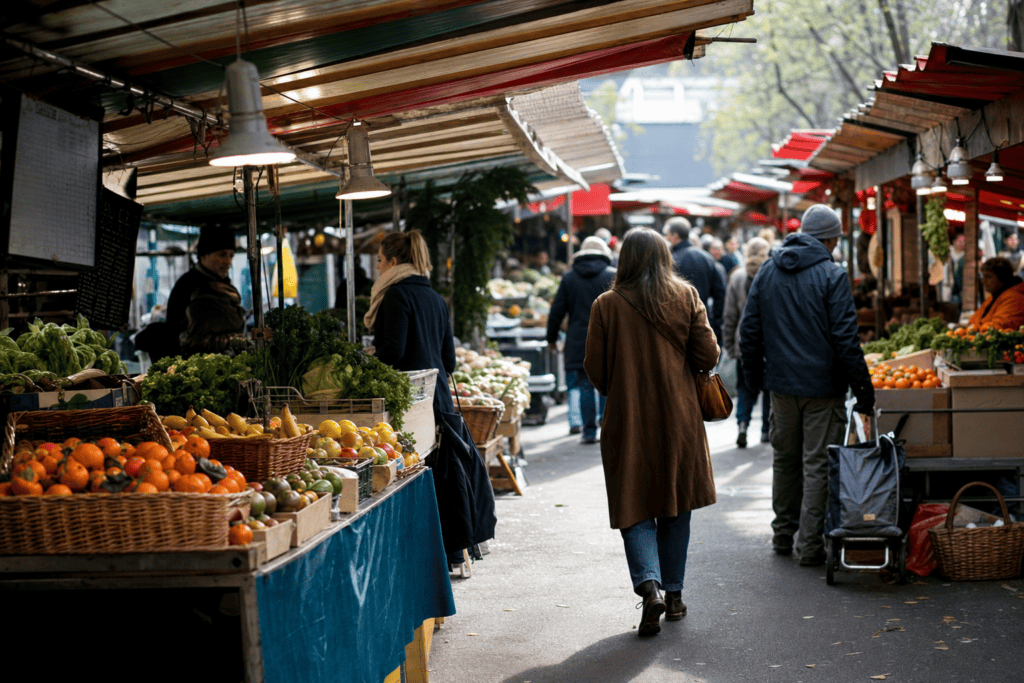 Bastille Market A lively market on Boulevard Richard-Lenoir, ideal for discovering fresh produce and everyday local life…
Online booking · Paris → Pont Neuf, 75001 Paris, France
Choose your pickup date and time
Your departure and arrival details are already pre-filled. You can adjust them in the fare calculator before viewing the vehicles and fare.