



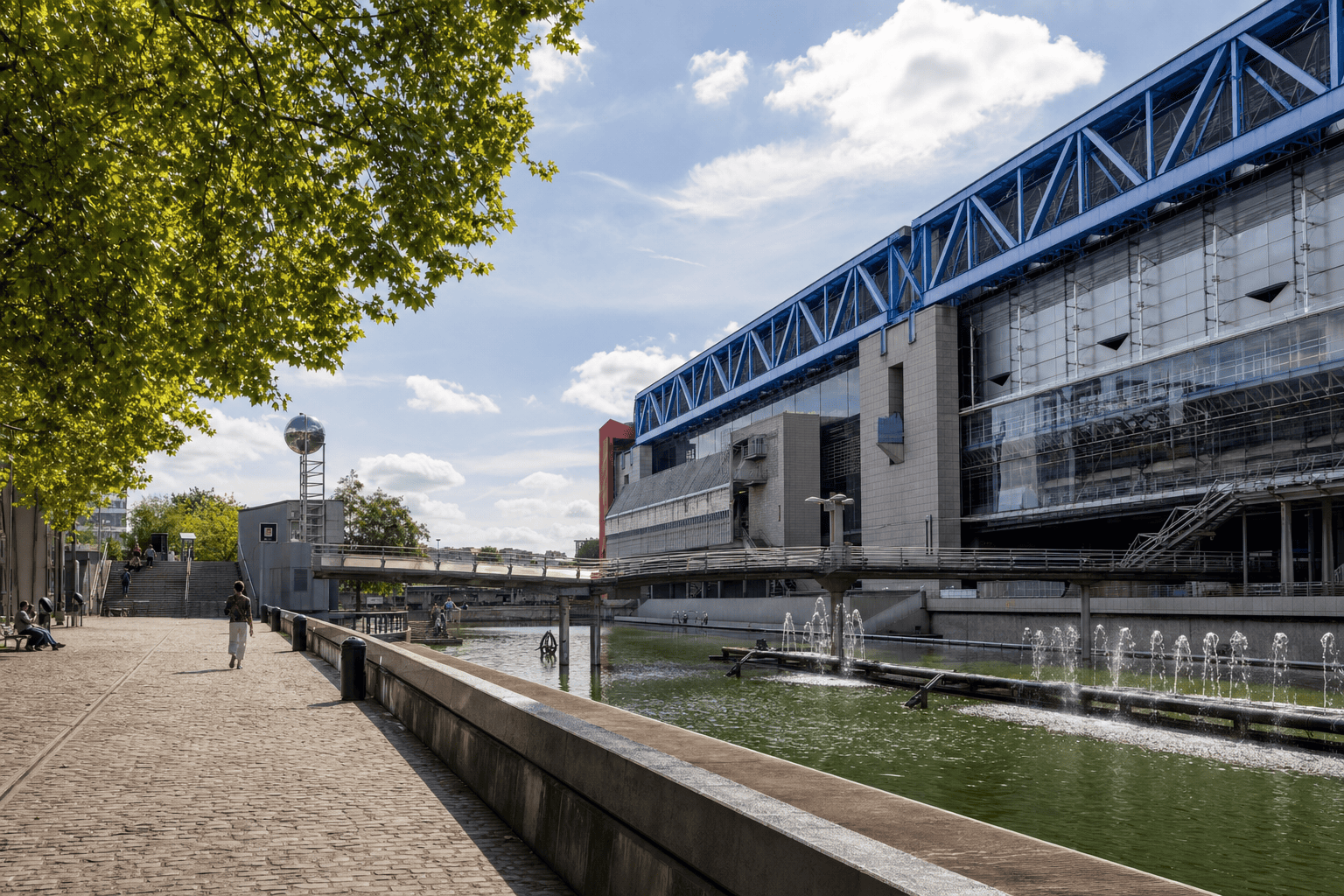
Cité des Sciences et de l’Industrie: Practical Guide
Paris
The Cité des Sciences et de l’Industrie is one of Paris’s leading science museums, located in Parc de la Villette in the 19th arrondissement. Its approach is based on experimentation: visitors observe, handle, test, and challenge their ideas rather than simply viewing collections. The exhibitions explore topics including life, space, technology, the environment, and major contemporary issues. The site is especially well suited to families thanks to the Cité des Enfants, but it also appeals to teenagers and adults. A visit can take half a day or form part of a longer outing in Parc de la Villette. Since several activities require reservations or follow their own schedules, it is best to plan your visit using official sources before setting out.
Practical information
Book timed activities in advance and check the recommended ages, tickets, and access requirements for each area separately.
Getting to the Cité des Sciences from Paris
From Paris, a train station, Charles de Gaulle Airport, or Orly Airport, a private transfer can take you directly to the Cité des Sciences et de l’Industrie and bring you back to Paris after your visit. Booking Paris Transfer provides transportation only; admission tickets, time slots, and reservations must be arranged separately with the venue.
Transportation from Paris, a Paris hotel, CDG, or ORY, with return transportation to Paris available. Admission tickets not included.
A Science Museum in the Heart of Parc de la Villette
Opened in 1986, the Cité des Sciences et de l’Industrie occupies an iconic building in Parc de la Villette, developed on the site of the former slaughterhouses. Its large metal structure and expansive spaces make it very different from museums primarily devoted to preserving works or objects. Here, the visitor experience is central: you observe, handle, listen, and compare in order to understand.
This approach is particularly well suited to families, allowing children to learn without following a traditional school-like route. Adults can also explore topics in greater depth through texts, films, digital exhibits, and explanations from museum educators. Themes range from the human body and space to climate, industry, digital technology, and changes in society.
The building is extensive, so it is best to select a few areas based on your group’s ages and interests. It is also a good option on a rainy day, although a walk in the park can pleasantly round out the experience when the weather is favorable.
Permanent and Temporary Exhibitions
The permanent exhibitions form the foundation of the visit. They present scientific and technical phenomena through hands-on activities, models, audiovisual materials, and interactive installations. Depending on which areas are open on the day of your visit, you may explore sound, life, technology, space, or environmental issues. This variety makes it possible to create a different itinerary each time.
Temporary exhibitions regularly refresh the program. They may focus on an innovation, a natural phenomenon, a research field, or a social debate. Some emphasize experimentation, while others require more reading and are better suited to teenagers and adults. Check the official calendar to find out which exhibitions are actually on display during your stay.
Educational programming may take the form of workshops, talks, lectures, or demonstrations. These activities are not necessarily available under the same conditions as the exhibitions, so check their schedules and booking requirements separately. With young children, plan breaks between the most stimulating activities.
The Cité des Enfants by Age Group
The Cité des Enfants is one of the most popular areas with families. It offers two separate experiences: one for children ages 2 to 6 and another for children ages 5 to 10. The age ranges intentionally overlap, but it is still important to choose the time slot corresponding to the child’s age at the time of booking.
Activities focus on play and hands-on participation. Children can experiment with water and air, build, communicate, observe their surroundings, and develop their motor skills. The goal is to help them understand phenomena by taking part directly. Accompanying adults remain present and are encouraged to interact with the children rather than simply watch them.
Admission is by scheduled session and should not be confused with general open admission to the museum. If you would like to add exhibitions, the planetarium, or another activity, check which ticket option is appropriate. Leave some time between slots: the building is large and getting around can take time.
Planetarium, Argonaute, and Additional Activities
The planetarium offers an immersive experience devoted to astronomy and observing the sky. Sessions vary according to the schedule and may have different content or recommended age groups. Before booking, check the duration and expected level of understanding. For families, this session can provide a quieter break after highly interactive areas.
The Argonaute offers a visit inside a real submarine, exploring technology and life aboard a military vessel. Passageways are more restricted than in a traditional gallery; visitors with young children or specific needs should consult the official practical information. Availability and access arrangements may change.
Other workshops, lectures, shows, and activities may round out your visit. La Géode, located in Parc de la Villette, has a separate program; its hours and reservations must be checked separately. For a first visit, two main activities are generally enough. An overly packed schedule leaves less time for the exhibitions and makes transitions more difficult, especially with children.
Getting There from Paris, Train Stations and Airports
The Cité des Sciences et de l’Industrie is located at 30 avenue Corentin-Cariou in the 19th arrondissement. For public transportation, Porte de la Villette is the main reference point: the station is served by Metro Line 7 and Tram T3b. Since the Paris transit network may change due to construction, temporary closures, or disruptions, check your route on the day of travel. Park signage will then help you find the entrance for your activity.
From Gare du Nord, Line 7 may offer a convenient route depending on your departure station and the state of the network. From Gare de l’Est, plan for a transfer or a short connection according to the route shown. If you have a stroller or luggage, check accessibility conditions and allow extra time for transfers.
From Charles de Gaulle, the RER B can take you into Paris before you continue northeast, while a direct transfer avoids changes when traveling with a heavily loaded group. From Orly, the journey depends on traffic and the mode of transportation chosen. Booking Paris Transfer can arrange transportation from Paris, a train station, or CDG/ORY, but museum admission tickets and reservations remain separate.
Planning a Comfortable Family Visit
Start by checking the official hours, available exhibitions, and program. The building’s opening does not mean that every activity is available without a time slot: the Cité des Enfants, planetarium, Argonaute, and some activities follow specific arrangements. Check recommended ages, session durations, and any accessibility instructions before finalizing your itinerary.
Half a day is enough to see a few areas without rushing. For a full day, plan a proper break and avoid scheduling reservations too close together. Food services, the cloakroom, and policies for strollers or luggage may change; consult the practical information if these details matter to your group.
Arriving before your first time slot makes it easier to check tickets and find your way around the spacious building. Keep confirmations accessible on your phone or in the format requested by the venue. If you have specific needs, the official accessibility information can help you plan a more realistic route. Booking online does not replace checking the instructions for the day of your visit.
Extend Your Outing in Parc de la Villette
Parc de la Villette lets you extend your visit in a cultural and landscaped setting very different from historic Paris. Its gardens, footbridges, and facilities offer a pleasant transition after several hours spent in the exhibitions. Depending on the season and weather, you can plan a walk before or after the museum without turning the day into an overly ambitious itinerary.
You can combine the Cité des Sciences with a screening at La Géode, a show, or another activity in the park. However, each venue has its own hours, tickets, and access requirements. Check the programs separately and leave enough time between appointments. For families, it is often more comfortable to book one main indoor activity and keep the rest of the day flexible.
This arrangement suits visitors who want to venture beyond the classic routes through central Paris. The Cité des Sciences et de l’Industrie is especially relevant for outings with children or teenagers, as it connects experimentation, technology, and society. After your visit, direct transportation can be arranged to your Paris hotel, a train station, or an airport, depending on the rest of your trip.
Frequently Asked Questions
Where is the Cité des Sciences et de l’Industrie located?
How do you get to the museum by public transportation?
Is the Cité des Sciences suitable for young children?
Do I need to make a reservation before visiting?
How much time should I allow for a visit?
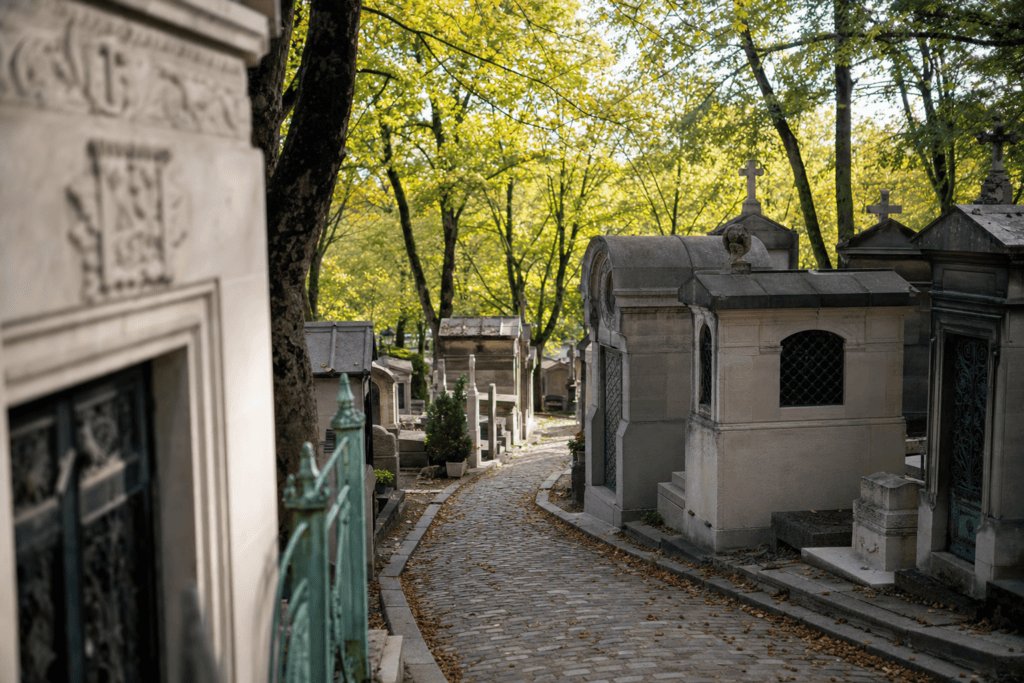 Père-Lachaise Cemetery A historic route among famous graves, sculptures, chapels, and tree-lined paths in the 20th arrondissement.
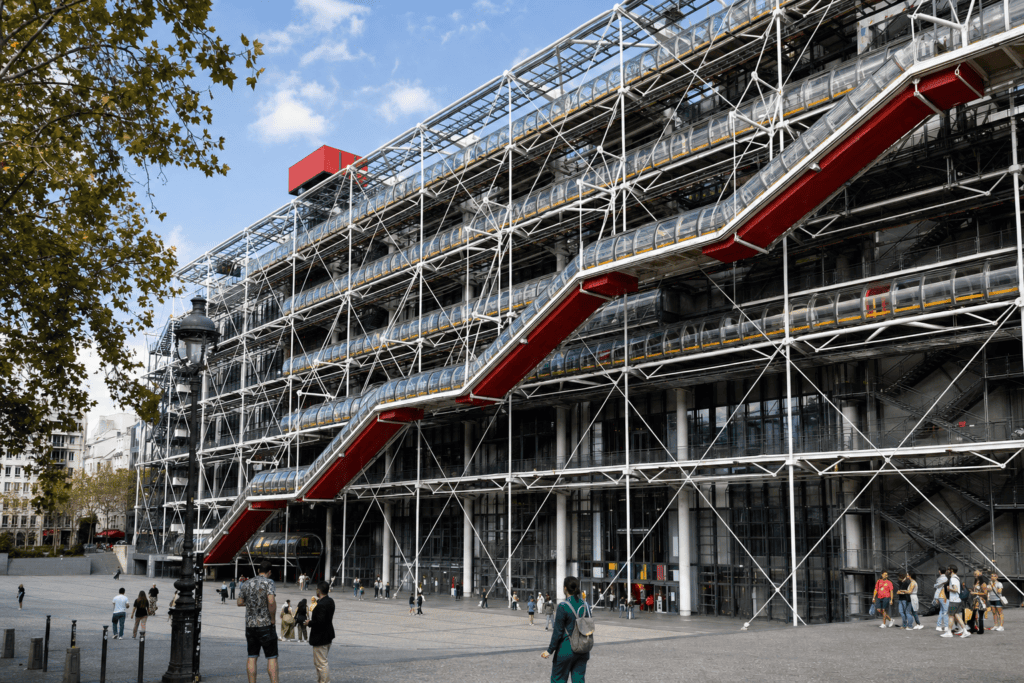 Centre Pompidou The Centre Pompidou is closed for renovations until 2030, but its history, architecture and…
 Parc André-Citroën A 14-hectare contemporary park with large greenhouses, themed gardens, a central lawn and waterfront paths…
 Fontainebleau Castle A former royal residence where Renaissance decoration, imperial apartments, and the forest come together in a…
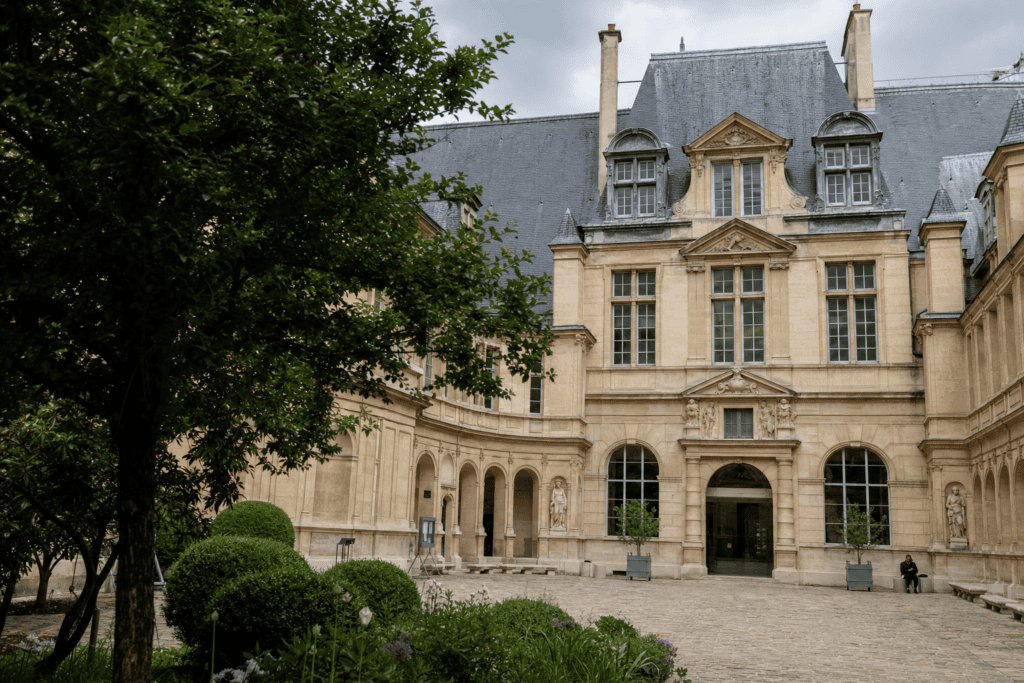 Musée Carnavalet – History of Paris Housed in two private mansions in the Marais, the Musée Carnavalet traces the history of Paris from Prehistory…
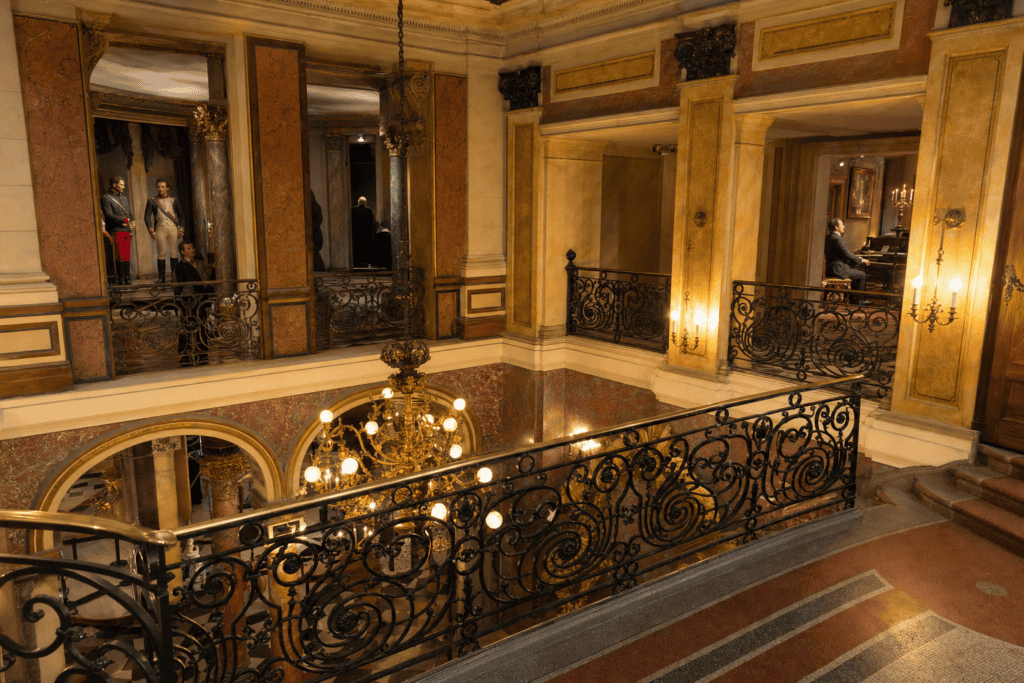 Musée Grévin A family-friendly, photo-worthy outing in Paris, with wax figures, historic sets, the Hall of Mirrors…
Online booking · Paris → 30 avenue Corentin-Cariou, 75019 Paris, France
Choose your pickup date and time
Your departure and arrival details are already pre-filled. You can adjust them in the fare calculator before viewing the vehicles and fare.