



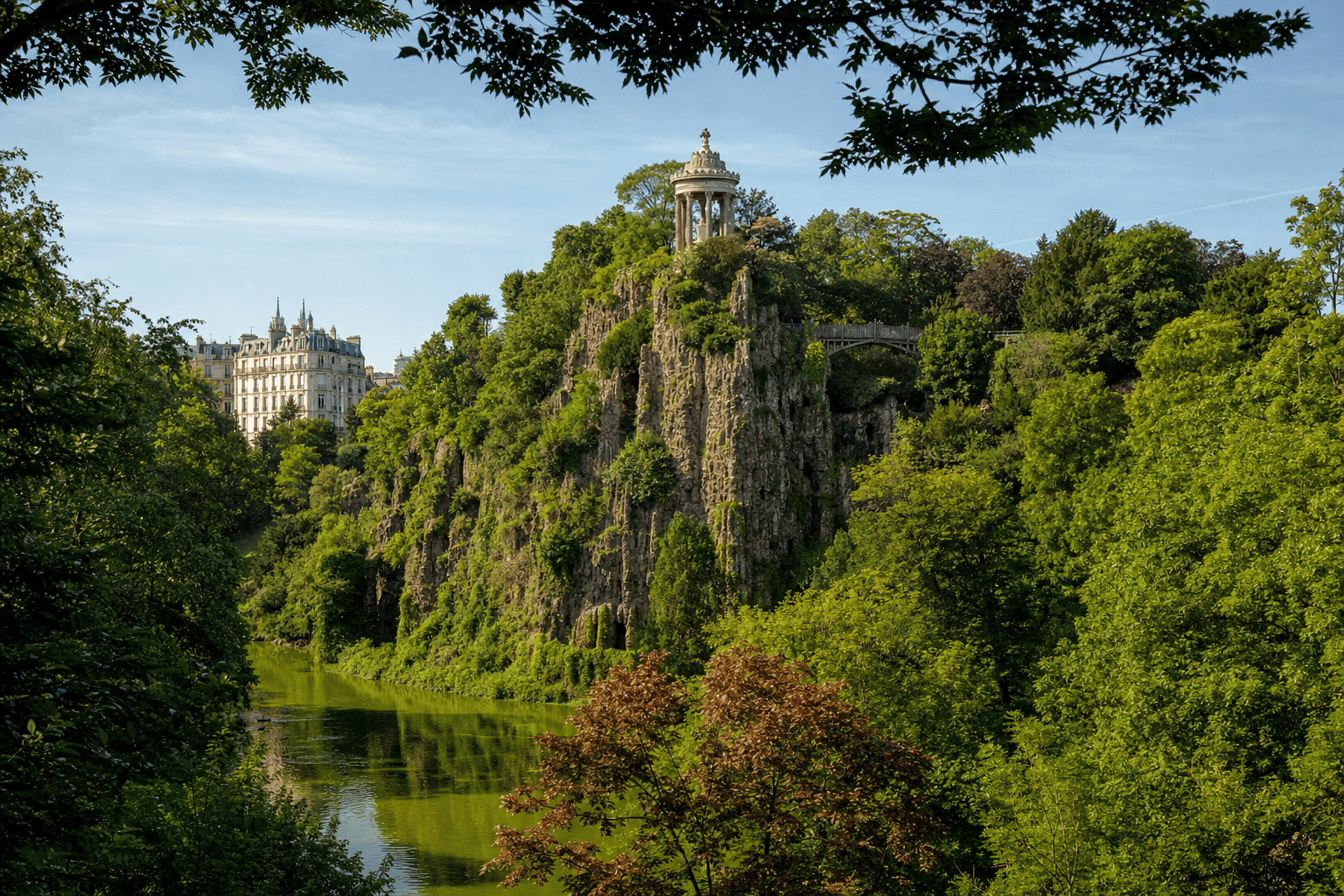
Parc des Buttes-Chaumont: A Guide to a One-of-a-Kind Stroll
Paris
In Paris’s 19th arrondissement, Parc des Buttes-Chaumont offers one of the city’s most surprising landscapes. Its artificial hills, lake, grotto, waterfalls, and Temple de la Sibylle create an almost mountainous setting, designed in the 19th century as part of the capital’s transformation. The park appeals to photography enthusiasts, families, and travelers looking to discover a more residential side of Paris, between Belleville, the Ourcq Canal, and La Villette. Because the site is hilly and may occasionally close, check the official information before setting out.
Practical information
The terrain is very hilly. Wear comfortable shoes and check opening conditions before planning a specific route around the grotto, island, or waterfalls.
Easily plan your visit from Paris
For arrivals from CDG, ORY, or a Paris hotel, Booking Paris Transfer can make private travel in Paris and the Île-de-France region easier. A transfer can drop you near your chosen entrance before your visit, then take you back to Paris or continue on to another stop. The service covers transportation only and does not include admission tickets.
Transportation service departing from Paris, a Paris hotel, CDG, or ORY. Admission tickets are not included.
A spectacular landscape in the heart of the 19th arrondissement
Parc des Buttes-Chaumont immediately stands apart from Paris’s more formal gardens. Here, paths rise and fall, wind around rocky cliffs, pass through groves, and open onto unexpected viewpoints. This succession of scenes gives the walk a genuine sense of discovery. Even a short visit lets you alternate between shaded paths, sloping lawns, and views of the buildings in northeastern Paris.
The lake forms the visual center of the park. In the middle of the water, a rocky island supports the Temple de la Sibylle, the site’s iconic monument. Bridges, a footbridge, rocks, and vegetation frame the scene like a Romantic landscape. The park is especially rewarding for photography, as the light changes quickly between wooded areas, water surfaces, and openings to the sky.
With its roughly 25 hectares, the park offers plenty of space for a peaceful walk, but its terrain requires more effort than a flat garden. Visitors who simply want to enjoy the scenery can follow the main paths, while walkers will appreciate the detours and climbs toward the viewpoints.
Lake, grotto, and Temple de la Sibylle
The route around the lake brings together several of the park’s best-known features. The grotto was built into a former quarry and enhances the impression of a man-made natural landscape. Its rocky walls, openings, and waterfall create a theatrical atmosphere, very different from the classic vistas of the gardens in central Paris. The water feature may occasionally be turned off for technical or maintenance reasons.
Île du Belvédère is dominated by the Temple de la Sibylle, inspired by the Temple of Vesta in Tivoli. From around the lake, the monument appears from several angles and makes an excellent photographic subject. The suspension bridge and other bridges add a sense of height, but access is not guaranteed at all times. Closures may occur to preserve the structures or protect the public.
It is therefore best to plan a flexible walk. When certain paths are closed, the park remains worth visiting for its viewpoints, plantings, and perimeter paths. The official City of Paris website should be your reference before visiting, particularly after heavy rain, during construction, or when cliffs and former quarries are being secured.
A history of quarries and urban transformation
The landscape of Buttes-Chaumont is explained by the site’s industrial history. Before the park was created, this part of the capital was associated with gypsum quarries and heavily altered terrain. The cavities, fill, and cliffs were later incorporated into a major landscape project carried out under the Second Empire. The park therefore does not recreate untouched nature; it stages a landscape shaped from land marked by extraction.
The park was laid out for the 1867 Exposition Universelle, amid the major works that transformed Paris. Engineer Adolphe Alphand and his teams used water, rocks, trees, bridges, and paths to create surprising transitions. Visitors move from a woodland atmosphere to an open view, then gradually discover the lake and temple.
This history explains the site’s particular fragility. Its landscape structures and former quarry areas require regular maintenance. Temporary restrictions are not only related to visitor comfort; they may be necessary for stability, restoration, or plant protection. Understanding this history makes the visit more rewarding and encourages respect for marked-off areas.
Access, entrances, and public transportation
Several entrances let you approach the park from the neighborhood where you arrive. Place Armand-Carrel, located opposite the 19th-arrondissement town hall, is a convenient landmark for reaching the lake quickly. The entrances on Rue Botzaris, Rue Manin, Rue de Crimée and Avenue Simon-Bolivar offer other options, particularly useful if you are arriving from Belleville, La Villette or Bassin de la Villette.
The area is served by the Metro, particularly around Botzaris, Buttes-Chaumont, Laumière, and Mairie du 19e stations. Bus routes also run along nearby streets. The best access depends on your itinerary and the area you want to explore: an entrance near the lake is not necessarily the easiest route for a stroller or someone with limited mobility.
Slopes, stairs, and changes in surface should be taken into account. Accessibility may also vary depending on which areas are open when you visit. For a private ride from a Paris hotel, CDG, or ORY, clearly specify your preferred entrance and allow extra time for traffic. The vehicle will drop you near an access point; it does not replace the walk inside the park.
Belleville, La Mouzaïa, and La Villette around the park
Buttes-Chaumont fits easily into a day exploring northeastern Paris. To the west and south, the neighborhoods of Belleville and La Mouzaïa offer another perspective on the arrondissement, with sloping streets, residential passages, and lively local life. Nearby Butte Bergeyre adds a more secluded atmosphere and views over the city.
Northward, Bassin de la Villette and the Ourcq Canal let you extend your outing with a flatter waterside walk. La Villette adds cultural venues and broad open spaces, but the distance from Buttes-Chaumont should be judged according to your pace. An itinerary combining the park, canal, and La Villette is better suited to a half-day than to a quick one-hour visit.
For a first visit, start at an entrance near the lake, see the main viewpoints, then descend toward the La Villette neighborhood. For a more urban walk, start in Belleville, cross the park, and continue to the basin. These combinations reveal an everyday, residential, and cultural Paris far from the city center’s monuments alone.
Families, dining, and services on site
The park is well suited to a family break, with play areas and large lawns, although the changes in elevation can make getting around with a stroller more difficult. Swings, carousels, and various facilities for children are listed on the city website. Their availability, as well as that of restrooms, water fountains, and family services, may vary by area and season.
Several venues and dining spots are associated with the park, including Rosa Bonheur, Pavillon Puebla, and Pavillon du Lac. They give the site a different atmosphere depending on the time of day: coffee or a daytime break, outdoor dining in good weather, and a livelier evening setting. Do not assume their hours, possible reservations, or seasonal openings; check directly before planning a meal on site.
Dogs may be allowed in certain areas, subject to park rules and city guidelines. Visitors should remain mindful of children, plantings, and steep sections. If you plan a picnic, bring water and use only permitted areas. Local residents frequent the park, so keeping paths clean and clear helps preserve the quality of the walk.
Visiting and photography tips
A successful visit depends on a flexible route. Paths can be slippery after rain, and climbs are sometimes steeper than they appear from the entrance. Closed-toe, comfortable shoes are recommended. Families with young children, older visitors, and people with reduced mobility should favor the main paths, limit detours, and check access conditions before arriving.
For photographs of the lake and Temple de la Sibylle, mornings often offer fewer visitors. Late-day light can highlight the terrain, foliage, and rocks. A wide-angle lens is useful for landscapes, while a tighter composition works well for details of the grotto, bridges, or reflections. Respect barriers and stay on marked paths when looking for a viewpoint.
Garden hours, area closures, and access to certain structures may change depending on the season, construction, weather, or events. Check city information on the day of your visit. Also plan a backup option, such as the Ourcq Canal or La Villette, if part of the park is inaccessible. This precaution helps keep your day enjoyable without turning the visit into a tightly timed itinerary.
Useful sources
Frequently Asked Questions
Where is Parc des Buttes-Chaumont?
What can you see in the park?
Is the park suitable for children?
Can you access the grotto and island year-round?
How much time should I allow?
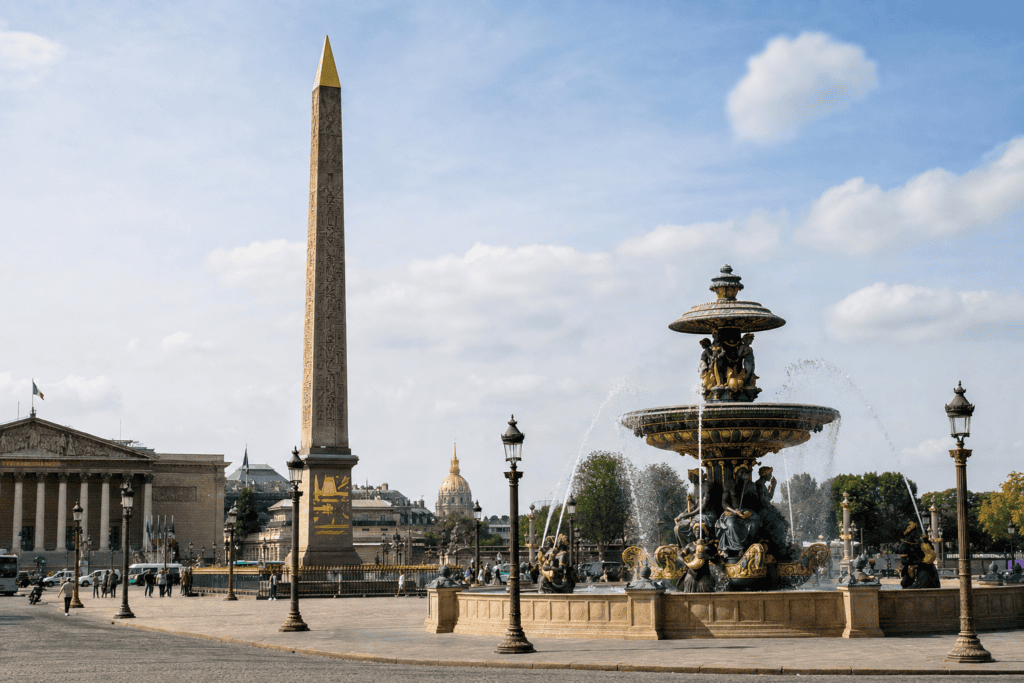 Place de la Concorde A vast historic square between the Tuileries and the Champs-Élysées, dominated by the Luxor Obelisk and…
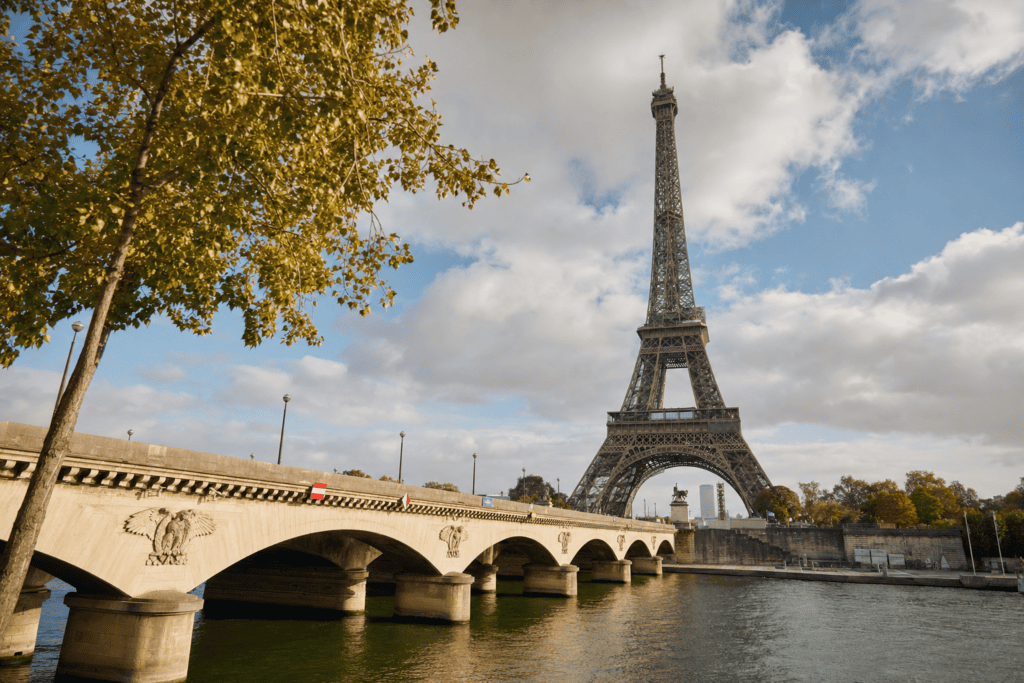 Eiffel Tower Visit the Eiffel Tower with a practical guide to the ascent, panoramic views, access, and the best…
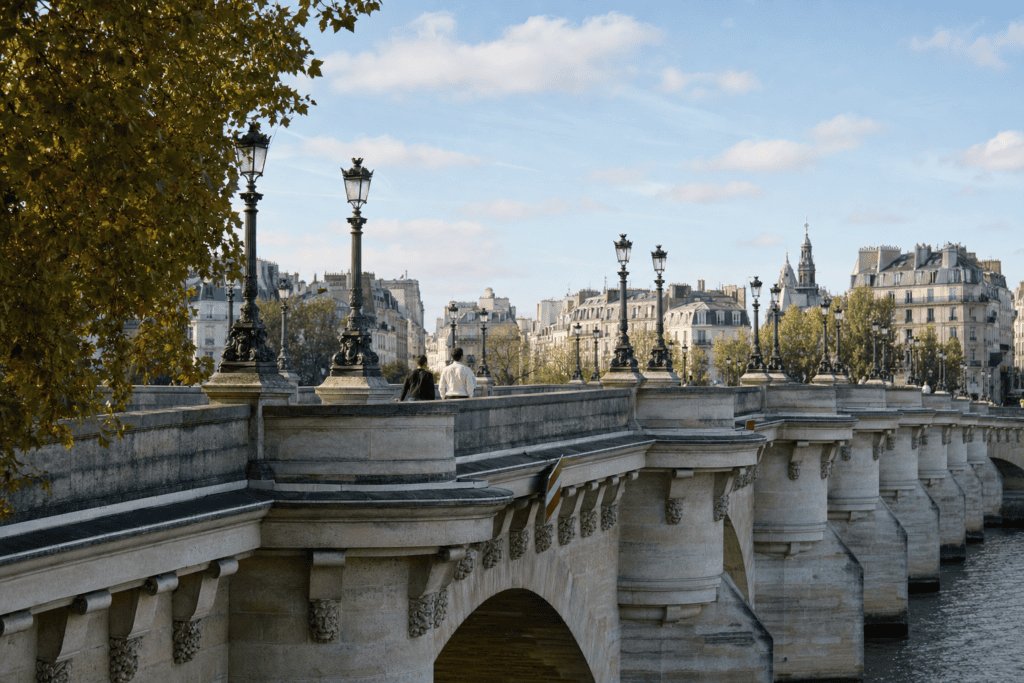 Pont Neuf Pont Neuf connects the two banks of the Seine around Île de la Cité…
 Musée Picasso Paris A major Picasso collection in the Hôtel Salé, in the historic heart of the Marais.
 Montmartre and the Sacré-Cœur Basilica A walking route through Abbesses, Place du Tertre, and Sacré-Cœur, with narrow streets…
 Parc Astérix In Plailly, attractions, shows, and Gaulish humor make for a family excursion that is easy to organize from Paris…
Book online · Paris → Place Armand-Carrel, 75019 Paris, France
Choose your pickup date and time
Your departure and arrival details are already pre-filled. You can adjust them in the fare calculator before viewing the vehicles and fare.