



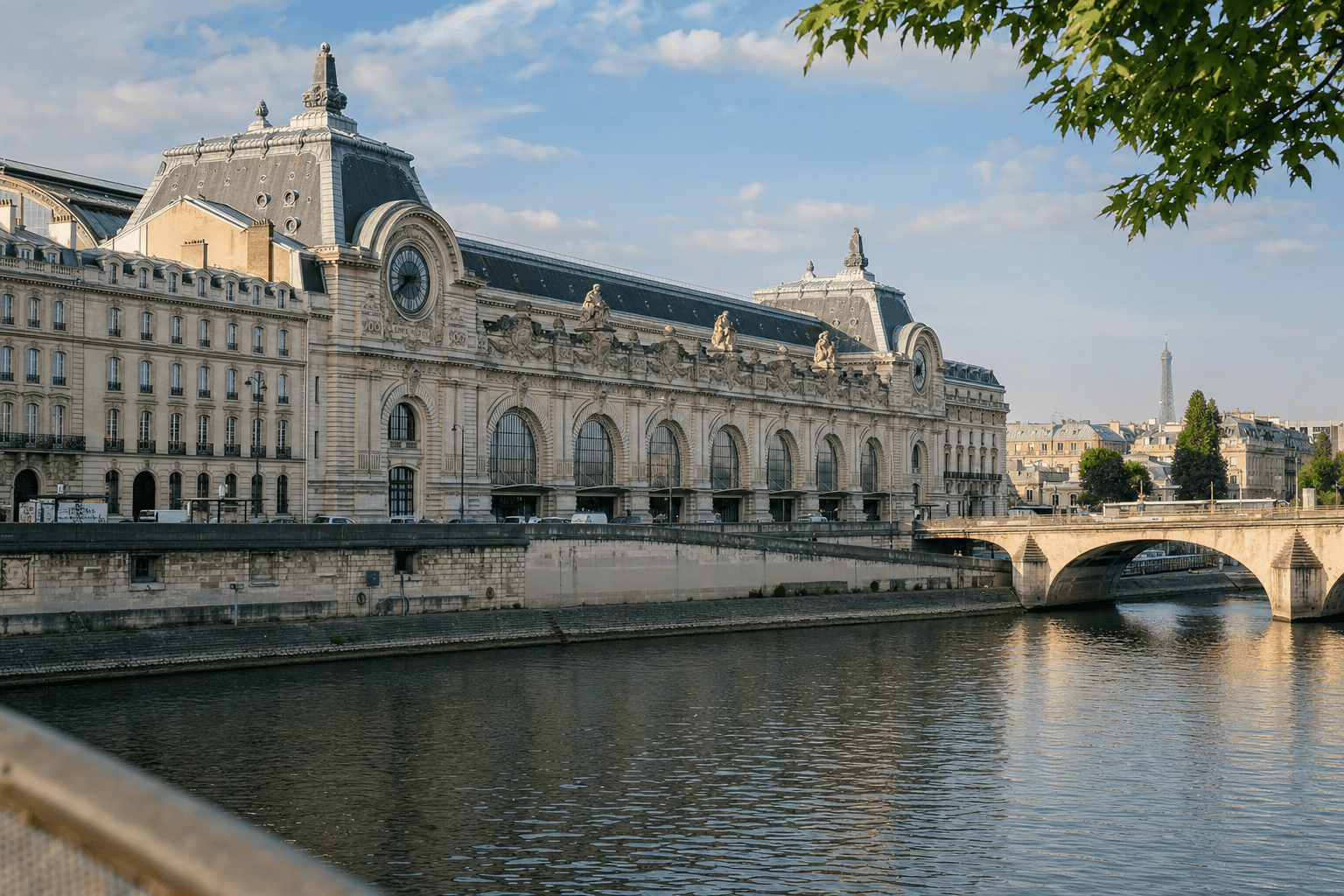
Musée d'Orsay: Impressionism in a Former Train Station
Paris
Housed in the former Gare d’Orsay, the Musée d’Orsay brings together one of the most remarkable collections of Western art produced between 1848 and 1914. Its monumental nave, oversized clocks, and galleries devoted to Monet, Renoir, Degas, Cézanne, Van Gogh, and Gauguin give the visit a distinctly Parisian character. Located on the Left Bank, opposite the Tuileries and just minutes from the Louvre, it fits easily into a day devoted to museums, the Seine riverbanks, and the Saint-Germain-des-Prés neighborhood.
Practical information
Whenever recommended, book a time slot in advance, then start on Level 5 with the Impressionists before gradually making your way down toward the nave and sculpture collections.
Getting to the Musée d'Orsay from Paris or its airports
For arrivals from a Paris hotel, the train station, Charles de Gaulle, or Orly, Booking Paris Transfer can arrange private transportation to central Paris. The service covers transportation and drop-off, not the purchase or reservation of museum tickets. Plan your visit time with traffic and access checks in mind.
Transportation service from Paris, Paris hotels, CDG, or ORY; admission tickets not included.
A 1900 Train Station Turned Iconic Museum
The Musée d’Orsay is more than a collection of paintings: the building itself is an essential part of the experience. The former Gare d’Orsay was built for the 1900 Exposition Universelle to welcome travelers arriving in the heart of Paris. Its railway origins explain the length of the nave, the open volumes, and the oversized clocks that now serve as visual landmarks along the route. After the railway network was modernized, the station lost its original purpose before being converted into a museum, which opened in 1986.
This history gives the site a different atmosphere from the Louvre or the Centre Pompidou. You move through a former transportation space designed for movement and arrivals, now devoted to contemplation. Renovation work on the visitor reception areas scheduled to begin on March 10, 2026, will not close the museum: the collections and exhibitions will remain accessible, although entrances may vary depending on the ticket or type of visit. It is therefore wise to check the official information before setting out.
Why the Impressionists Are at the Heart of the Visit
The museum is particularly important for understanding Impressionism because it presents the artists within the artistic and social context of the second half of the 19th century. Works by Monet, Renoir, Pissarro, Sisley, Morisot, and Degas are shown alongside those of Manet, often considered a transitional figure, and the later Post-Impressionist work of Van Gogh, Gauguin, Seurat, and Cézanne. The route traces the transformation of painting: new ways of depicting light, scenes of modern life, landscapes painted outdoors, and increasingly free brushwork.
The Impressionist gallery on the fifth floor is often the highlight of a first visit. The rooms bring together famous works, but the appeal is not limited to the most frequently reproduced paintings. Take time to observe the formats, framing, and landscape series: they show how artists renewed the way people viewed Paris, the countryside, leisure, and interiors. To get more from the route, avoid trying to see everything at the same pace. Choose a few major works, then let the connections between artists and periods guide you.
Works and Spaces Not to Miss
A successful visit generally begins with an overview of the building. From the nave, the sculptures offer an initial perspective on 19th-century French creativity, while the side galleries lead toward painting, decorative arts, and photography. On the upper level, the Impressionist rooms bring together some of the museum’s best-known images. Monet, Renoir, Degas, and Cézanne’s paintings deserve extended attention, particularly for their effects of light and relationship to movement.
The route also offers a broader view of Impressionism. Sections devoted to Manet, Van Gogh, Gauguin, and the Symbolist painters show that the museum tells the story of a period marked by profound change. Architecture, sculpture, and decorative arts complete this story. The station’s oversized clocks also provide a highly sought-after photographic viewpoint, but it is best not to reduce the visit to this setting alone. Lesser-known works can reveal connections between painting, urban planning, theater, photography, and the new social habits of modern Paris.
Planning Your Visit from Paris Neighborhoods
The museum is located on Esplanade Valéry Giscard d’Estaing, in the 7th arrondissement, along the Seine. The most direct metro access is Line 12 at Solférino station. RER C serves Musée d’Orsay station directly, making it convenient from the Left Bank, the Latin Quarter, and several areas connected to this line. Buses 63, 68, 69, 73, 83, 84, 87, and 94 also provide access to the museum, depending on your starting point. The official website also lists Vélib’ stations nearby.
For a day of sightseeing, arriving on foot is often very pleasant. From the Louvre, cross the Tuileries and continue to the riverbank; from Saint-Germain-des-Prés, Rue de Lille and Quai Voltaire offer a short walk among galleries, bookstores, and historic façades. From Gare Montparnasse or Gare du Nord, the metro or a combination of walking and public transportation will generally be simpler than being dropped off directly in front of the museum. By car, traffic and parking conditions in central Paris make a planned drop-off useful, especially during busy periods.
Organizing Your Visit and Managing Busy Periods
The Musée d’Orsay is usually closed on Mondays and open Tuesday through Sunday, with late hours on Thursdays. Hours, last admission, and reservation requirements may change, so always check the official page before your visit. The museum recommends booking online, and reception-area renovation work beginning in March 2026 may alter queues and entrances. Holders of timed tickets are directed to the entrance corresponding to their situation, while certain priority visitors, groups, or people with untimed tickets use another entrance.
Thursday evening may suit visitors who want to combine the museum with dinner in the neighborhood, but the late opening often attracts a large crowd. On the first Sunday of the month, free admission for everyone requires reserving a time slot. For a quieter experience, choose a weekday morning outside school holidays or arrive at the start of the day. Families will benefit from limiting the route to a few themes: the station, landscapes, leisure scenes, and the oversized clocks. Art history enthusiasts can supplement the permanent collection with a temporary exhibition, subject to availability.
Extending Your Outing Around the Left Bank
The museum’s location makes it easy to create a cohesive itinerary in central Paris. After your visit, you can reach the Tuileries Gardens via the Passerelle Léopold-Sédar-Senghor, walk along the Seine, or continue toward the Louvre. In the opposite direction, Quai Voltaire leads toward Saint-Germain-des-Prés, with its bookstores, historic cafés, and galleries. The Musée de l’Orangerie, located in the Tuileries, is a natural complement for visitors interested in Monet and modern art, provided you plan a separate visit and check ticketing arrangements.
The neighborhood is also well suited to a break before or after the galleries. The museum has its own dining venues, including Café de la Gare beneath the nave and Café Campana near the Impressionist gallery. A terrace may be open depending on the season and weather. For lunch outside the museum, Rue de Lille, Rue du Bac, and Saint-Germain offer plenty of options, although reservations may be useful at peak times. At the end of the day, the Seine riverbanks offer remarkable views of the Louvre, the Tuileries, and the façades of the Right Bank.
Who Is It For, and How Much Time Should You Allow?
The museum suits both first-time visitors to Paris and travelers on an art-focused trip. Those with limited time can focus on the nave, sculptures, and fifth floor, allowing around two hours. For a more balanced visit, plan on half a day to include the rooms devoted to Post-Impressionist artists, decorative arts, photography, and temporary exhibitions. Enthusiasts can return several times: the building’s light, the density of the collections, and the program change how the site is experienced each time.
Families will appreciate the former station’s easy-to-understand layout and variety of formats, but it is best to avoid an overly ambitious route with young children. Travelers arriving in Paris by train can easily include the museum in a Left Bank itinerary, while visitors coming from Charles de Gaulle or Orly should arrange their transfer with sufficient time before their reserved entry. The museum provides dedicated access information for people with reduced mobility; because entrances and routes may change during the renovation work, check the official guidance before departure. The site remains one of Paris’s best choices for connecting architecture, urban history, and modern painting.
Useful sources
Frequently Asked Questions
Where is the Musée d’Orsay located?
How do you get to the Musée d’Orsay by public transportation?
How much time should you allow to visit the museum?
Is the Musée d’Orsay still open during the 2026 renovation work?
What is the best time to visit the Musée d’Orsay?
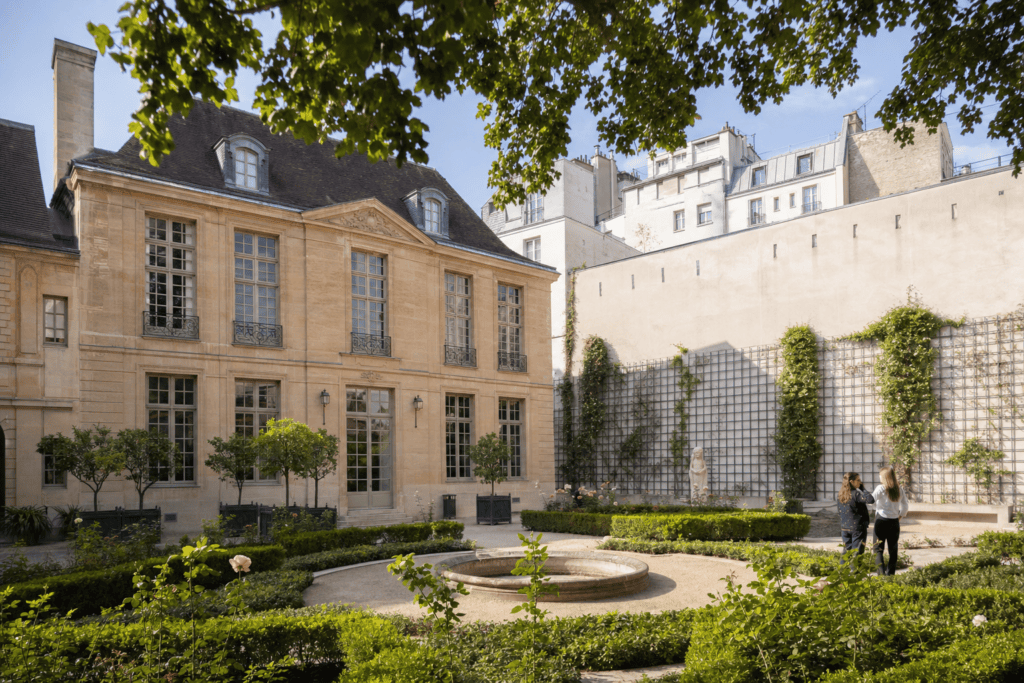 Musée Picasso Paris A major Picasso collection in the Hôtel Salé, in the historic heart of the Marais.
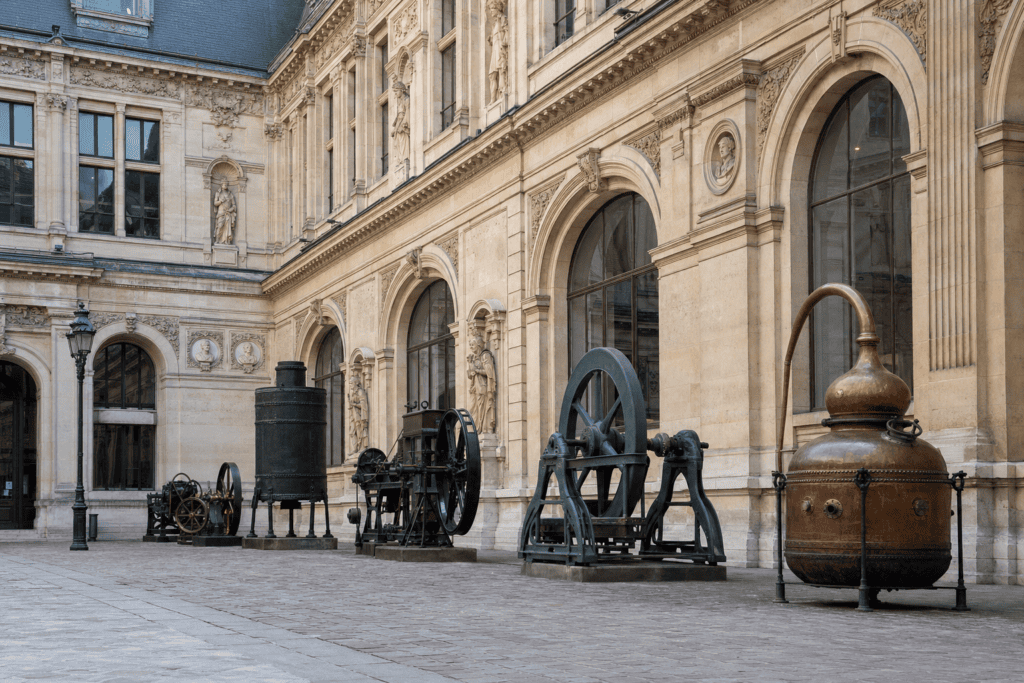 Musée des Arts et Métiers A Paris museum dedicated to inventions, machines, and scientific instruments, featuring the Foucault pendulum…
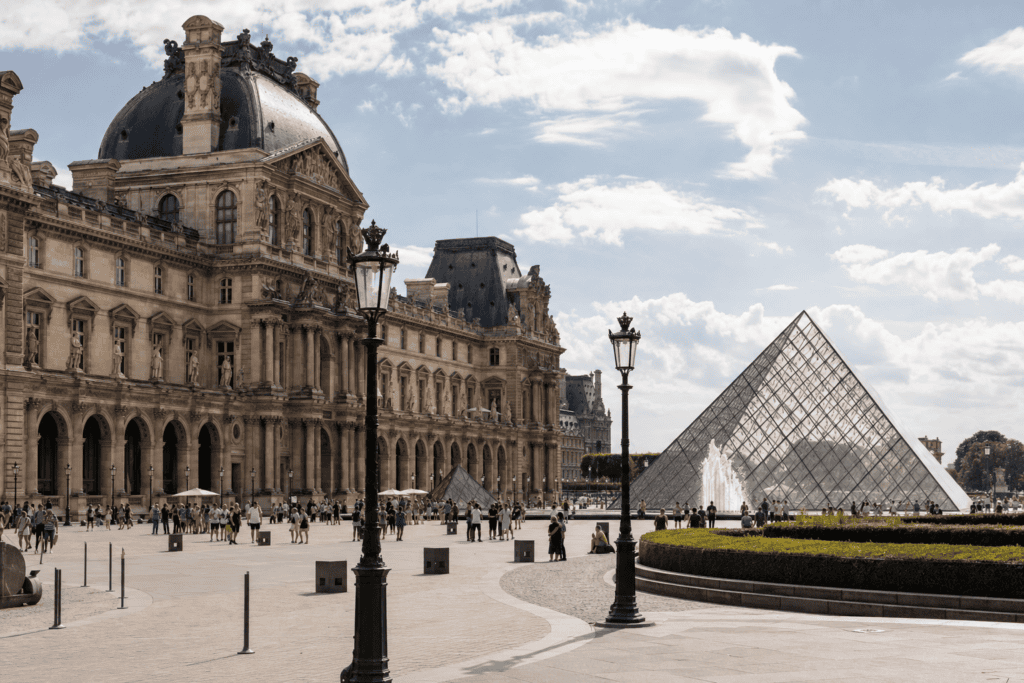 Louvre Museum An essential Paris itinerary featuring the Mona Lisa, antiquities, major European paintings, and the décor of a former palace…
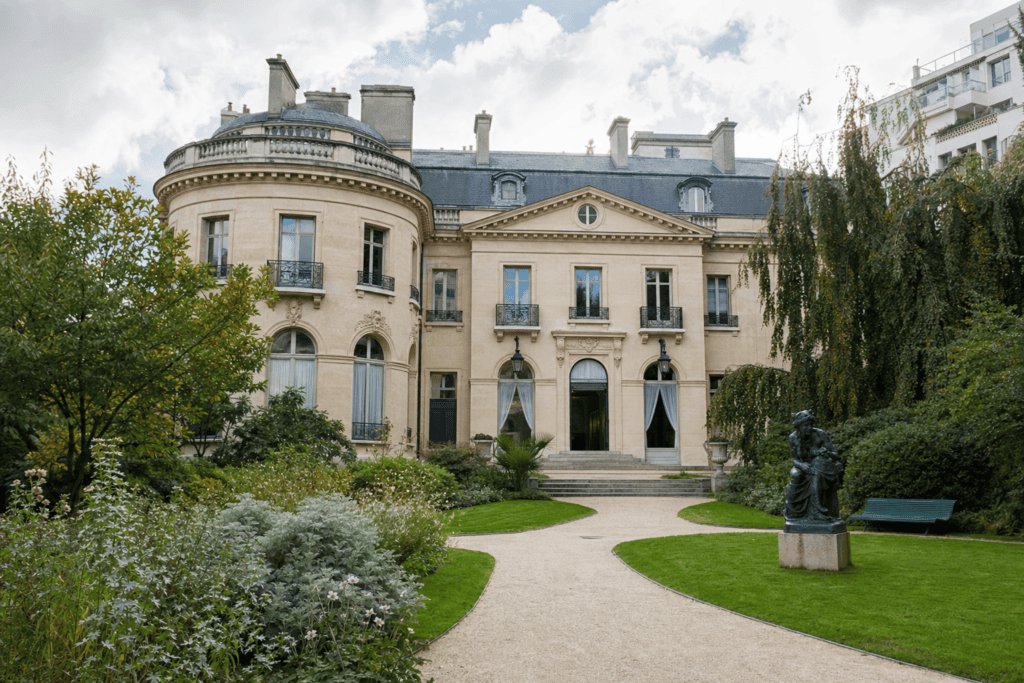 Musée Marmottan Monet A remarkable collection of Monet and Berthe Morisot in the elegant setting of a former mansion…
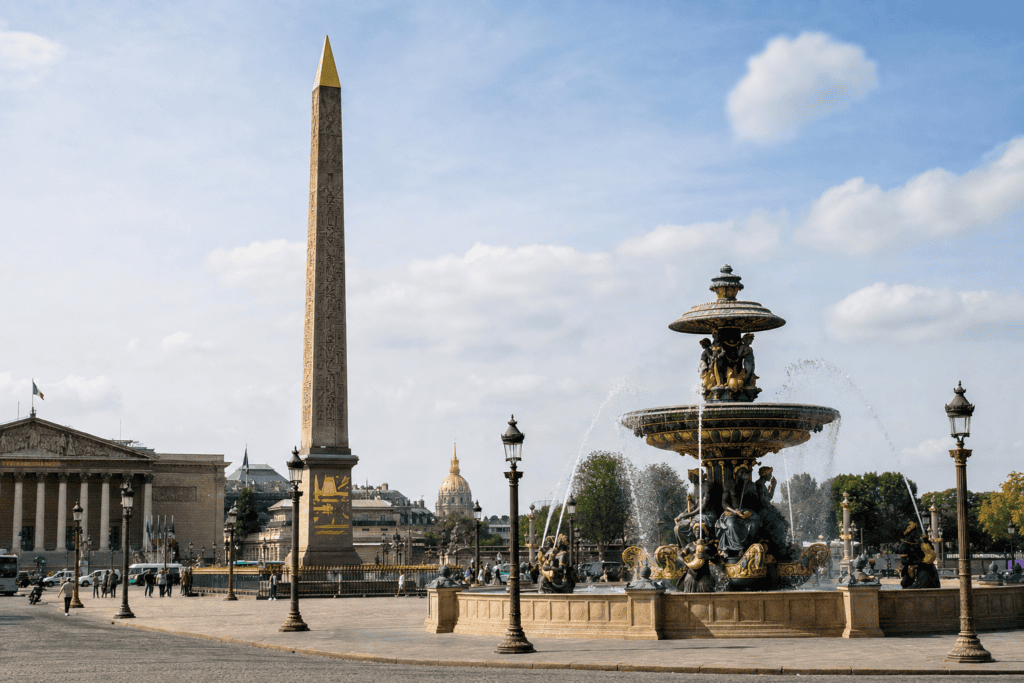 Place de la Concorde A vast historic square between the Tuileries and the Champs-Élysées, dominated by the Luxor Obelisk and…
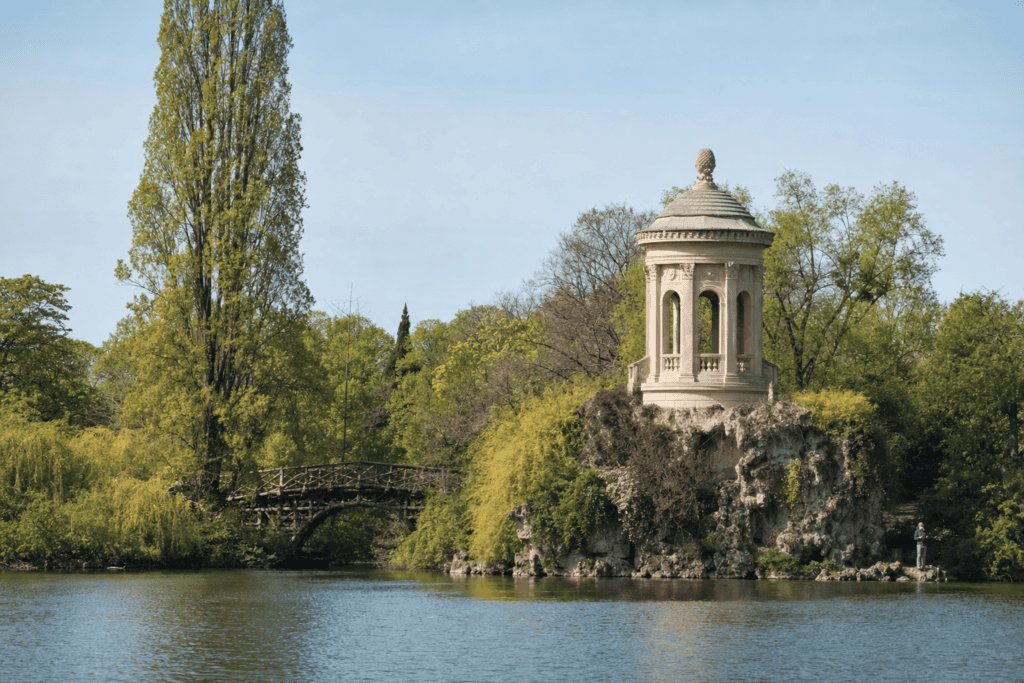 Bois de Vincennes Lakes, forest, cycling paths, and botanical gardens: an easy nature escape from Paris.
Online booking · Paris → Esplanade Valéry Giscard d’Estaing, 75007 Paris, France
Choose your pickup date and time
Your departure and arrival details are already pre-filled. You can adjust them in the fare calculator before viewing the vehicles and fare.