



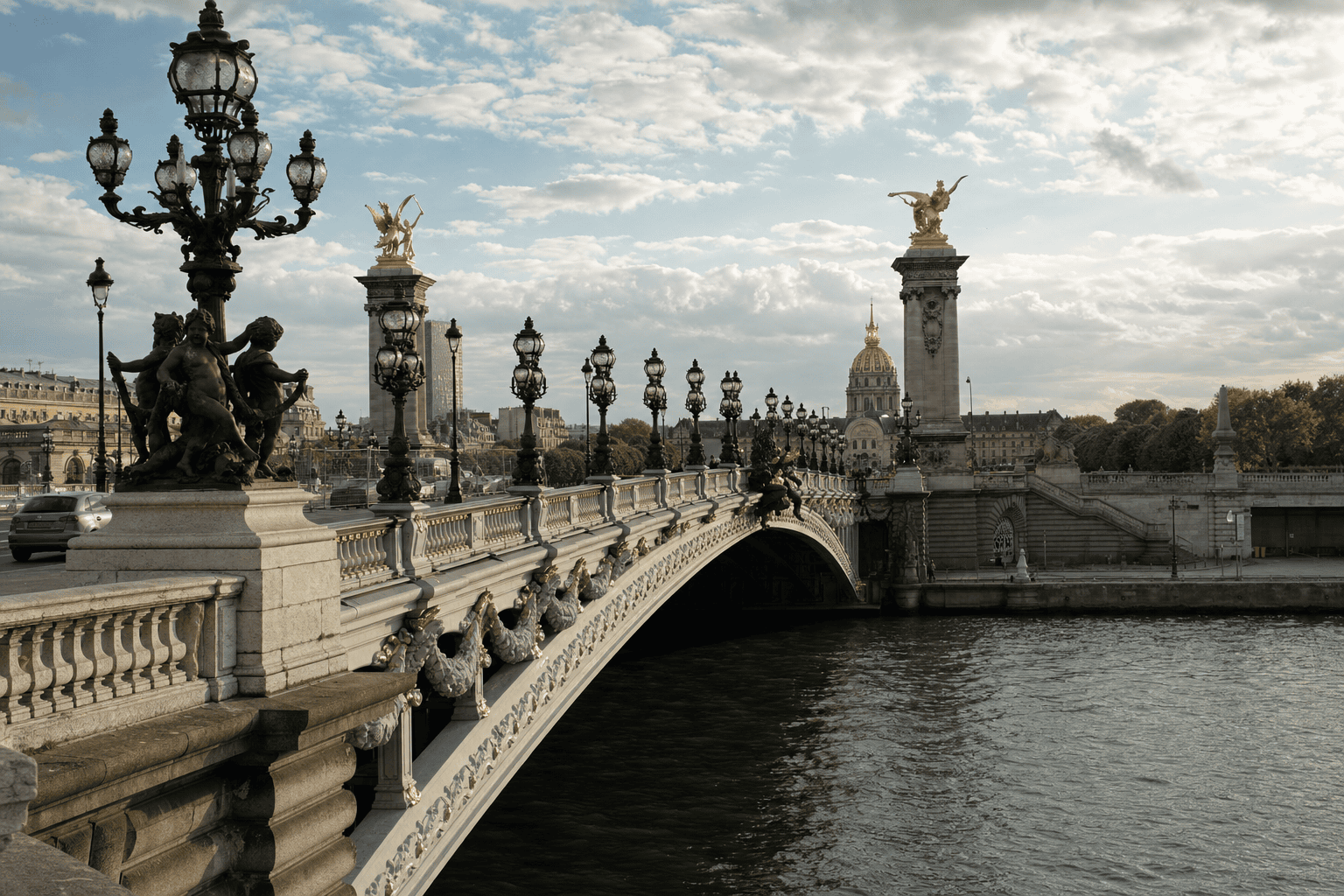
Pont Alexandre III: Paris’s Belle Époque jewel
Paris
Between Les Invalides and the Champs-Élysées, Pont Alexandre III offers one of the most spectacular crossings of the Seine. Its metal arch, candelabras, gilded sculptures, and views toward the Eiffel Tower, the Grand Palais, and Les Invalides make it far more than a simple traffic bridge. This historic monument is best explored slowly, camera in hand, and is ideal for a Paris stroll among museums, riverbanks, and gardens.
Practical information
Don’t just cross the bridge: look closely at the pylons, gilded groups, candelabras, and sculptures from the lower Seine riverbanks to appreciate the composition as a whole.
Getting to Pont Alexandre III from Paris
For arrival from your Paris hotel, a train station, or CDG/ORY, Booking Paris Transfer can arrange private transportation to a suitable drop-off point around Les Invalides or the Champs-Élysées. You can then explore the bridge and nearby monuments on foot, depending on traffic conditions and temporary restrictions.
Transportation service departing from Paris, a Paris hotel, or CDG/ORY; no admission ticket included.
Why visit Pont Alexandre III?
Pont Alexandre III is one of the best places in Paris to combine architecture, history, and sweeping views in a single walk. It connects the Left Bank, dominated by Les Invalides, with the Right Bank, home to the Grand Palais, the Petit Palais, and the Champs-Élysées. This location explains its appeal to visitors: within minutes, you move from a military and historic complex to a district devoted to the arts, exhibitions, and Parisian ceremonies.
The bridge is also remarkable for its balance between structure and decoration. Its very low metal arch leaves the view across the Seine largely unobstructed, while the corner pylons mark the crossing like a monumental gateway. From the center, you can see the Eiffel Tower, Les Invalides, the exhibition palace façades, and boats traveling along the river. Photography enthusiasts will find especially clear leading lines here, particularly early in the morning or as the sun sets behind the monuments.
For a first introduction to Paris, the bridge is therefore an excellent link between several major sites rather than an isolated stop.
Built for the 1900 World’s Fair
The history of Pont Alexandre III is inseparable from the Franco-Russian rapprochement of the late 19th century and preparations for the 1900 World’s Fair. Its foundation stone was laid on October 7, 1896, in the presence of Tsar Nicholas II and President Félix Faure. The bridge was intended to connect Les Invalides with the Champs-Élysées while preserving the city’s grand vistas and navigation on the Seine.
Opened for the World’s Fair, it reflects the Belle Époque’s confidence in metalworking, modern infrastructure, and major urban projects. Its name honors Alexander III, the father of Nicholas II, in the context of the Franco-Russian alliance. This diplomatic dimension also appears in the decorative program, which combines symbols of France, Russia, the Seine, and the Neva.
The bridge thus belongs to a period when Paris was becoming an international showcase. It should be viewed as a political and urban monument as much as a decorative work: its construction accompanied a new way of presenting the capital from its riverbanks and grand avenues.
Architectural details not to miss
A quick crossing is not enough to reveal the richness of Pont Alexandre III. Start with the four monumental pylons at the ends of the bridge. They rise approximately 17 meters and are topped with groups of gilded bronze Pegasus figures associated with the arts, sciences, commerce, and industry. At their bases, stone lions reinforce the impression of a solemn gateway.
The bridge deck features a wide variety of ornaments: bronze candelabras, statues, reliefs, allegorical figures, and motifs inspired by the aquatic world. The streetlamps are particularly photogenic when low-angle light highlights the gilding. Also take time to look at the elements placed at eye level: fish, shells, foliage, and small figures give the bridge an almost intimate scale despite its monumental character.
The appeal lies in the contrast between the delicacy of the arch, designed to remain visually light, and the abundance of decoration. This contrast is easier to understand from the riverbanks. Restoration of the ornaments has brought back the colors and gilding that now contribute to the monument’s visual identity.
The best views of the Seine
Pont Alexandre III is first and foremost an urban viewpoint. From the middle of the bridge deck, look west: the Eiffel Tower appears in line with the Seine, with the riverbanks and boats in the foreground. Facing the Left Bank, the gilded dome of Les Invalides gives the view a distinctly Parisian depth. Toward the Right Bank, the Grand Palais and Petit Palais frame the Champs-Élysées promenade.
To photograph the bridge as a whole, head down to the Seine riverbanks when access is open and practical. Side views show the arch, pylons, and streetlamps without traffic getting in the way. You can then continue toward the Passerelle Léopold-Sédar-Senghor, Quai d’Orsay, or Tuileries Garden, depending on the time available.
The light greatly changes the atmosphere. In the morning, the façades and Les Invalides may benefit from clear, even light. In the late afternoon, the gilding stands out more, and reflections on the Seine create a more romantic mood. At night, the bridge becomes an elegant backdrop, but stay alert around traffic areas and consider how busy the site is.
A walk between Les Invalides, museums, and the Champs-Élysées
The best way to visit Pont Alexandre III is to include it in a cultural itinerary. From Les Invalides, start at the esplanade and dome before heading to the Seine. Then cross the bridge toward the Grand Palais and Petit Palais. The Petit Palais, the City of Paris Museum of Fine Arts, is a natural stop for its collections and interior architecture. Depending on its schedule, the Grand Palais hosts exhibitions and major events; check its hours and access conditions before visiting.
After crossing the bridge, you can continue toward Avenue Winston-Churchill, the Champs-Élysées, or Place de la Concorde. In the other direction, Quai d’Orsay leads to the Musée d’Orsay, gardens, and landscaped sections of the Seine riverbanks. This layout is especially convenient for travelers who want to combine several monuments without making multiple trips.
The area is also busy during ceremonies, demonstrations, parades, and sporting events. Access around the bridge may then be temporarily changed. Check municipal information and the cultural venues’ websites on the day of your walk.
Getting there from Paris and practical tips
The bridge lies on the boundary between the 7th and 8th arrondissements, between Quai d’Orsay and Cours la Reine. For public transportation, the Les Invalides area is the simplest landmark on the Left Bank; Champs-Élysées–Clemenceau and Concorde stations are useful on the Right Bank. Metro lines, exits, and walking routes may be affected by construction or temporary restrictions: check the updated route with RATP or the City of Paris.
No ticket is required to cross the bridge. However, nearby museums and monuments have their own hours, possible reservation requirements, and access rules. If you are traveling with a stroller, wheelchair, or luggage, plan your route in advance: the riverbanks and surrounding areas may include ramps, stairs, or paved sections.
By car, the bridge is a busy urban route, and immediate parking is not a practical option. When arriving from a Paris hotel, train station, or Paris airport, plan to be dropped off in an authorized area and continue on foot. During major gatherings, a chauffeur-driven vehicle can simplify the ride to an accessible drop-off point, but it does not replace exploring the monument on foot.
When to visit and how to make the most of it
Pont Alexandre III can be enjoyed year-round, but the experience varies by season. In spring and summer, the riverbanks, nearby gardens, and terraces make an extended walk especially pleasant. Crowds are heavier, however, particularly around midday. In fall, the trees around the bridge add warm tones to photographs, and the light can be very soft. In winter, mornings are quieter, but wind on the bridge and damp riverbanks make warm clothing essential.
To avoid crowds, arrive early, especially if you want to photograph the pylons without too many people around. Sunset naturally attracts visitors, so choose a viewpoint on the riverbanks rather than only in the middle of the bridge deck. Rainy days can also produce beautiful reflections, provided you take care on slippery surfaces.
The bridge is a passageway, not an enclosed space with a museum-style route. Its appeal therefore lies in observation. Allow at least half an hour to take in the sculptures, views, and structure, and more if you add Les Invalides, the palaces, and a riverside walk.
Frequently Asked Questions
Where is Pont Alexandre III located?
Is Pont Alexandre III free to visit?
Which monuments can you see from the bridge?
How much time should I allow for the visit?
Can you reach the bridge by public transportation?
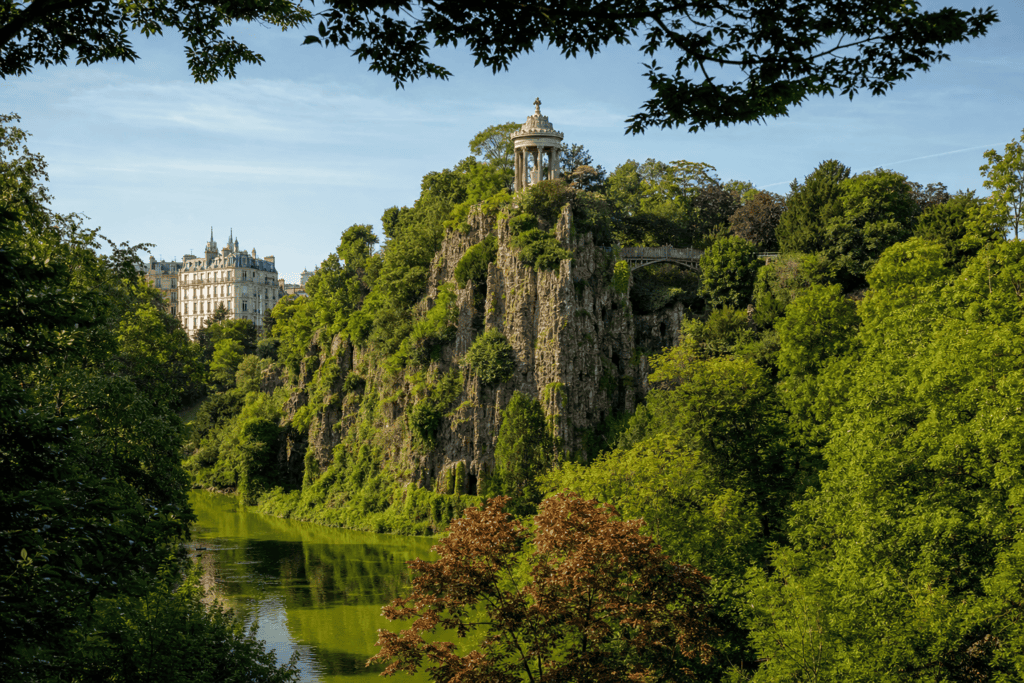 Buttes-Chaumont Park A spectacular Parisian park with artificial hills, a lake, grotto, waterfalls and a viewpoint.
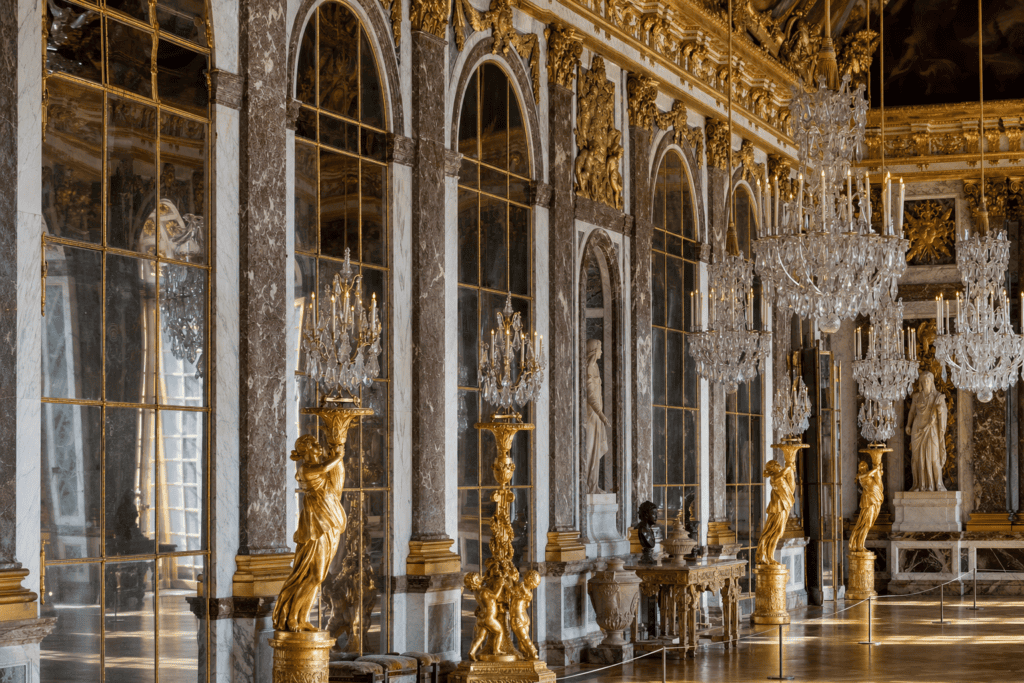 Palace of Versailles A day trip from Paris featuring the royal palace, Le Nôtre’s gardens, the Grand Trianon, the Petit Trianon, and…
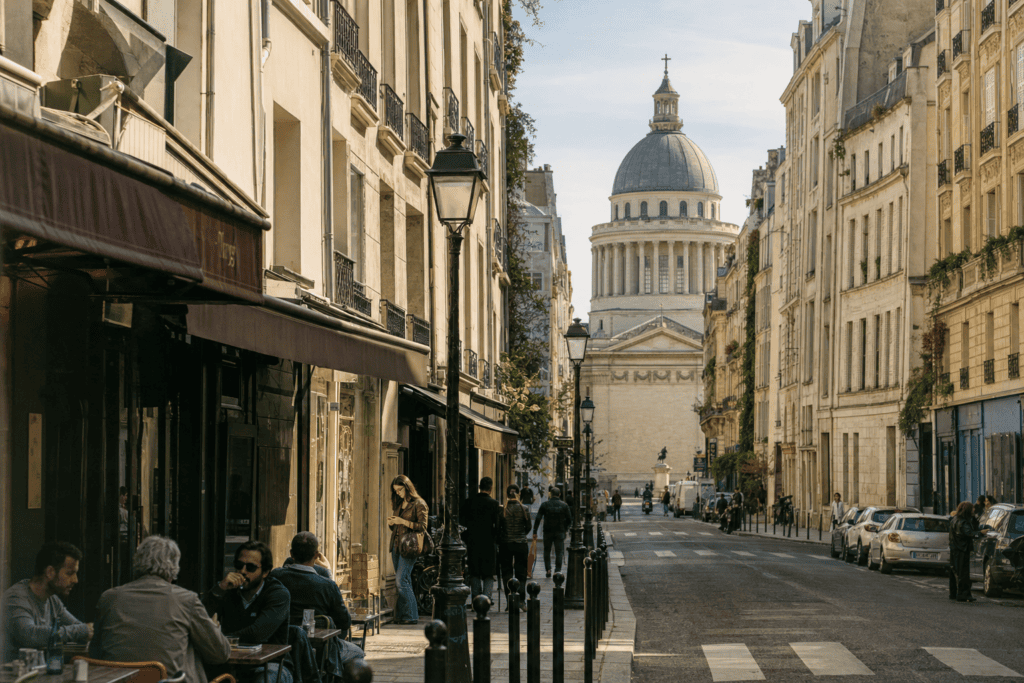 Latin Quarter A lively Parisian neighborhood where ancient remains, universities, museums, bookshops, gardens, and great places to eat come together.
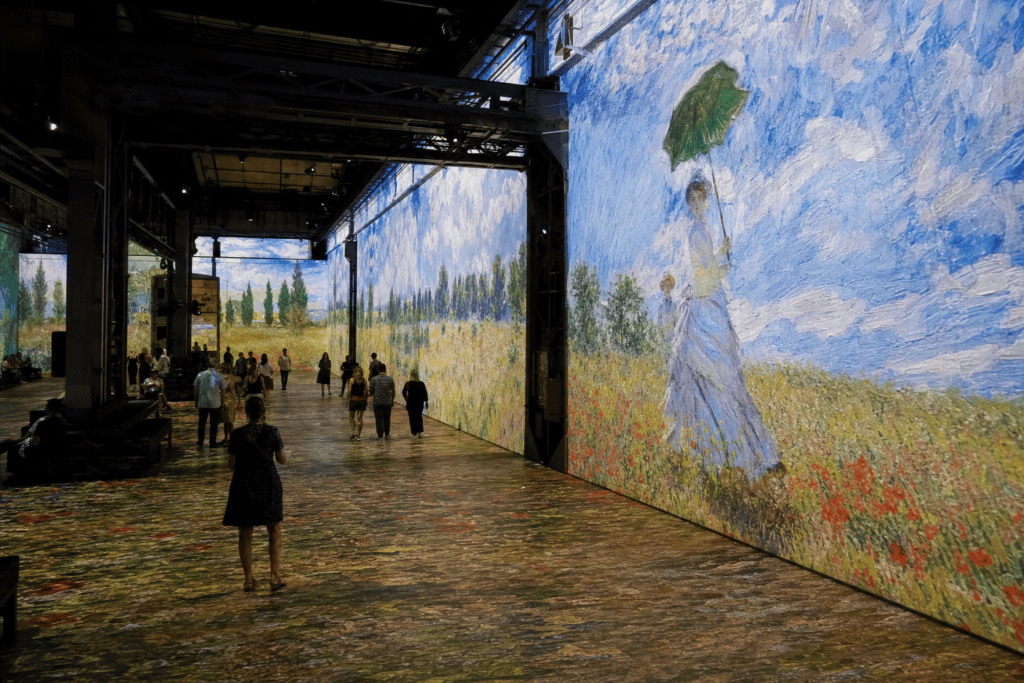 Atelier des Lumières In a former foundry in the 11th arrondissement, Atelier des Lumières combines monumental projections, music, and architecture…
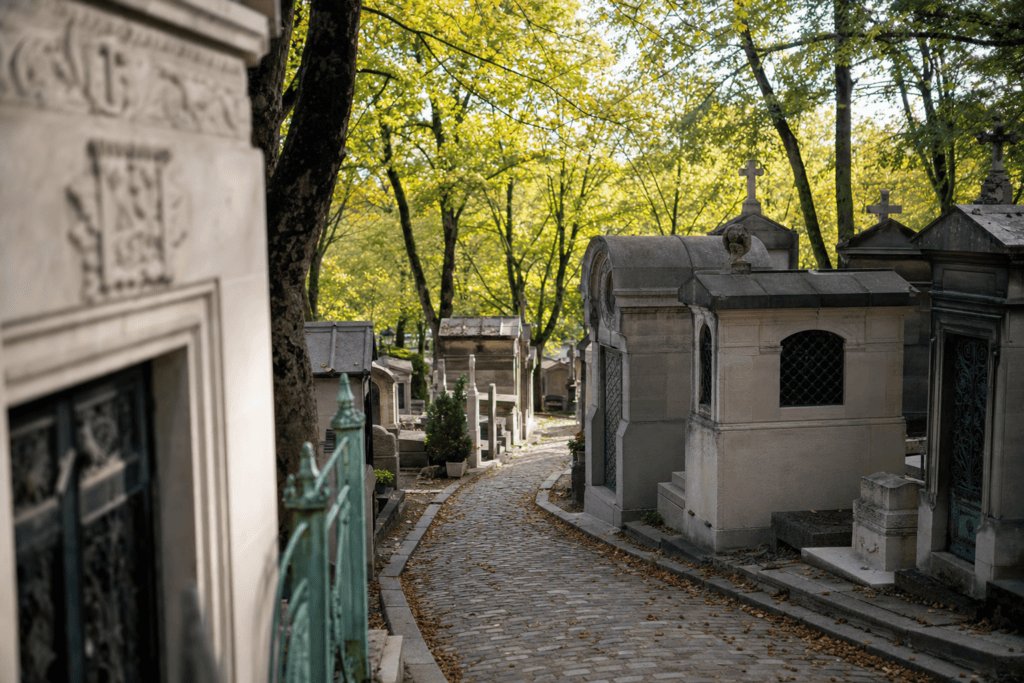 Père-Lachaise Cemetery A historic route among famous graves, sculptures, chapels, and tree-lined paths in the 20th arrondissement.
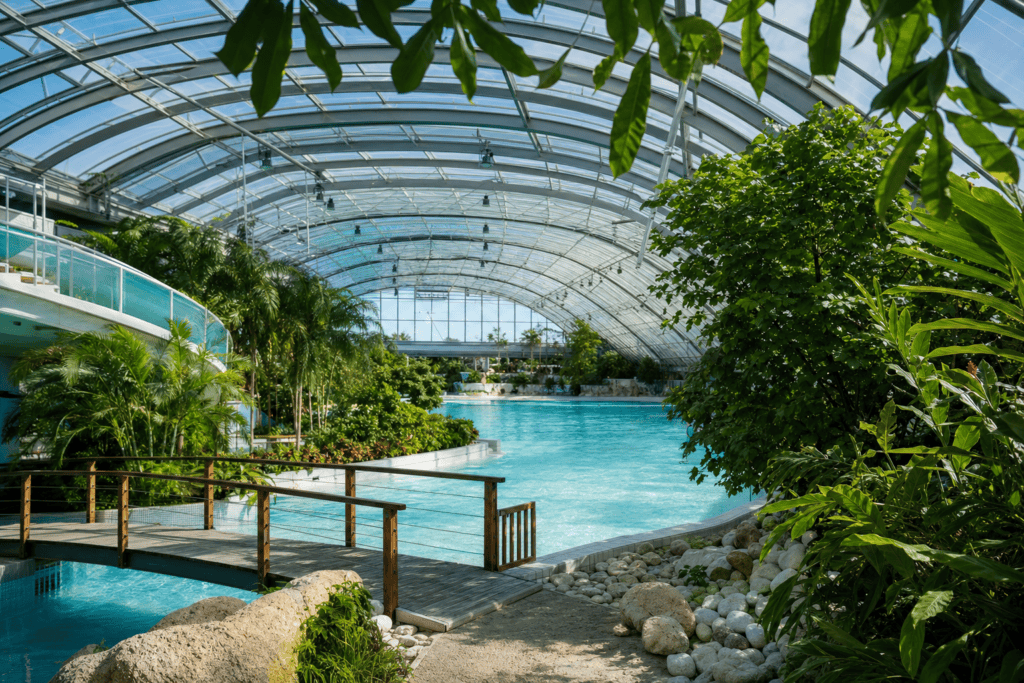 Aquaboulevard An indoor water park in the 15th arrondissement, convenient for a half-day family outing between Balard and…
Online booking · Paris → Pont Alexandre III, between Quai d’Orsay and Cours la Reine, Paris 7th–8th arrondissements
Choose your pickup date and time
Your departure and arrival details are already pre-filled. You can adjust them in the fare calculator before viewing the vehicles and fare.