



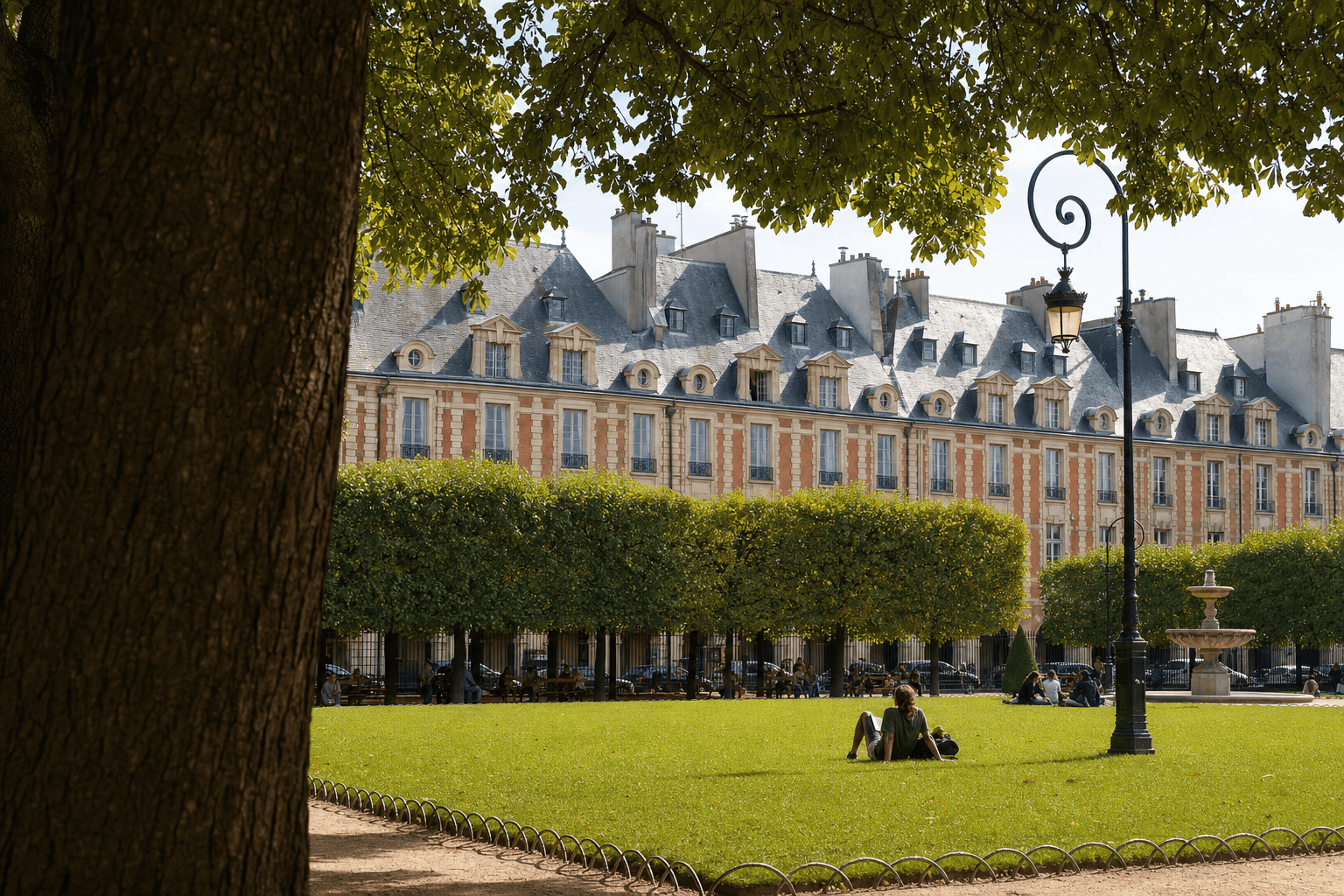
Place des Vosges: A Royal Pause in the Marais
Paris
In the heart of the Marais, Place des Vosges is one of Paris’s most harmonious urban ensembles. Its brick-and-stone façades, regular arcades, and central square create an ideal setting for a peaceful stroll, a shady break, or a cultural detour. Formerly known as Place Royale, it is also an excellent starting point for exploring the private mansions, museums, and historic streets of the 4th arrondissement.
Practical information
Start on Rue de Birague to discover the monumental entrance, then walk beneath the arcades before crossing Louis XIII Square. Allow extra time if you would like to visit the Maison de Victor Hugo.
Reach Place des Vosges from Paris with complete peace of mind
For arrivals from a Paris hotel, Paris-Charles de Gaulle, or Paris-Orly, Booking Paris Transfer can arrange private transportation to the Marais, with a return to Paris or continuation of your Paris itinerary. The service covers transportation only and does not include museum admission tickets.
Departure is available from Paris, Paris hotels, CDG, or ORY, depending on your itinerary.
A Royal Square Designed Under Henry IV
Place des Vosges is part of the grand history of Parisian urban planning. Construction began in 1605 under the reign of Henry IV, in an area then marked by the former Hôtel des Tournelles. The project established a regular layout, rare in Paris at the time: pavilions and building sections aligned around a central space, with a distinctive palette of red brick, light stone, and slate.
Long known as Place Royale, it was renamed during the French Revolution before becoming Place des Vosges in 1800. The name honors the Vosges département, said to have been the first to pay its taxes. The current name therefore recalls a revolutionary period as much as an episode in the history of the monarchy.
To understand this evolution, look at the entrances on Rue de Birague and Rue de Béarn: they reveal how the square was designed as a cohesive architectural ensemble, rather than simply as a garden surrounded by buildings.
Reading the Architecture Beneath the Arcades
A first visit to Place des Vosges often begins with a walk beneath its arcades. They form a continuous gallery that provides shelter from the sun and rain while giving the façades a distinctive sense of depth. The thirty-six pavilions surrounding the square are not perfectly identical, but their shared rhythm creates an exceptional sense of balance.
Take time to notice the details: bands of stone, slate roofs, dormer windows, vertical windows, and surrounds create an elegant yet non-uniform architectural style. The King’s Pavilion and the Queen’s Pavilion define the two opposite sides of the square, while the other buildings now house residences, galleries, shops, and a few food establishments.
The square is also interesting for its views. From Rue de Birague, the entrance gradually frames the square and façades. Beneath the arcades, the perspectives shift with every turn. This visual richness explains why the site remains enjoyable even during a short visit, without a specific cultural itinerary.
Louis XIII Square at the Center of Place des Vosges
At the center of the square lies Louis XIII Square, a planted area that offers a welcome breath of fresh air in the Marais’s dense urban fabric. Its paths let you experience the layout from within, with unobstructed views of the pavilions. Lawns, trees, and benches make it a popular place for a break between visits, although the atmosphere varies with the weather and crowds.
The equestrian statue of Louis XIII stands at the center of the garden. It recalls the square’s royal past, but its history has been eventful: an earlier statue was installed in the 17th century before being toppled during the Revolution and replaced in the 19th century. This contrast between architectural continuity and political change aptly captures the character of the site.
For an enjoyable visit, don’t limit yourself to a single photo taken from the entrance. Walk around the square, view the façades from all four sides, and return beneath the arcades: the light and perspectives significantly transform the experience.
The Maison de Victor Hugo at 6 Place des Vosges
The Maison de Victor Hugo is the cultural site most directly associated with the square. Housed in the Hôtel de Rohan-Guéménée at number 6, the museum occupies the apartment where Victor Hugo lived from 1832 to 1848. The writer worked there during a particularly productive period of his life, before his exile and later political involvement.
The visit takes you into an interior connected with the author of Les Misérables, and The Hunchback of Notre-Dame and the great poetic works of the 19th century. The rooms feature furniture, personal memorabilia, artworks, and a setting that evokes the different facets of the writer, artist, and public figure.
Visiting conditions, temporary exhibitions, and admission fees may change, particularly depending on the museum’s scheduled programs. Check the official information before you go. For a well-balanced cultural outing, start with the square and arcades, then visit the Maison de Victor Hugo, whose entrance is directly on the square.
A Starting Point for Exploring the Marais
Place des Vosges is best appreciated as part of a longer walk through the Marais. From Rue de Birague, make your way toward Rue Saint-Antoine, then continue to the Hôtel de Sully, whose grounds offer an interesting heritage detour. Heading northwest, you’ll find the neighborhood’s historic streets, private mansions, and museums, which give it its strong identity.
Rue des Rosiers adds another dimension to the walk, with its connection to Paris’s Jewish community, shops, and dining spots. Farther on, the Carnavalet Museum recounts the history of Paris across several private mansions, while the Picasso Museum occupies the Hôtel Salé, within a reasonable walking distance depending on your chosen route.
This variety makes it possible to tailor your visit to different interests: architectural walks, cultural outings, food discoveries, or an afternoon of shopping. Place des Vosges thus serves as an elegant gateway to a neighborhood where history can be read in the streets as much as in the museums.
Access, Arrival, and Planning Your Visit
La Place des Vosges se trouve dans le 4e arrondissement, au sud du Marais, entre la rue Saint-Antoine et le boulevard Beaumarchais. Les stations Bastille, desservie par les lignes 1, 5 et 8, Saint-Paul sur la ligne 1 et Chemin Vert sur la ligne 8 sont les repères les plus utiles. Des lignes de bus et des stations Vélib’ desservent également les abords, mais les conditions de circulation peuvent changer selon les travaux ou les événements.
From a Paris train station, the Metro is generally a convenient way to reach the neighborhood. From Paris-Charles de Gaulle or Paris-Orly, allow more time for your arrival, with a connection or road transfer depending on your luggage and schedule. The neighborhood is then best explored on foot: the historic streets, arcades, and museums are close together, but cobblestones and occasionally narrow sidewalks invite you to take your time.
If you arrive by car, it is best to treat the square as a pedestrian destination and check in advance which drop-off and parking options are authorized in the area.
When to Visit and How to Enjoy the Site
Place des Vosges can be visited year-round, but its atmosphere changes considerably depending on the time of day. In the morning, the arcades offer a quieter experience, and photographs are often clearer before the groups arrive. In the warmer months, the square makes a welcome break after a walk through the Marais. In fall and winter, the façades sometimes take on a softer tone, while the arcades become a pleasant refuge in changeable weather.
A late-afternoon visit can be particularly rewarding: the angled light highlights the brick and stone, while the neighborhood’s terraces and shops naturally extend the outing. To avoid an overly packed experience, combine the square with just two or three stops, such as the Maison de Victor Hugo, the Hôtel de Sully, and a historic Marais street.
Families will appreciate the central space and short distances. Photography enthusiasts should nevertheless remain mindful of passersby and respect the usual etiquette in the square. Visitors with reduced mobility should check the museums’ specific access conditions and the most comfortable routes before visiting.
Frequently Asked Questions
Is Place des Vosges free to visit?
How much time should I allow for a visit?
Which metro station should I choose?
Can you visit the Maison de Victor Hugo without a reservation?
What can you see near Place des Vosges?
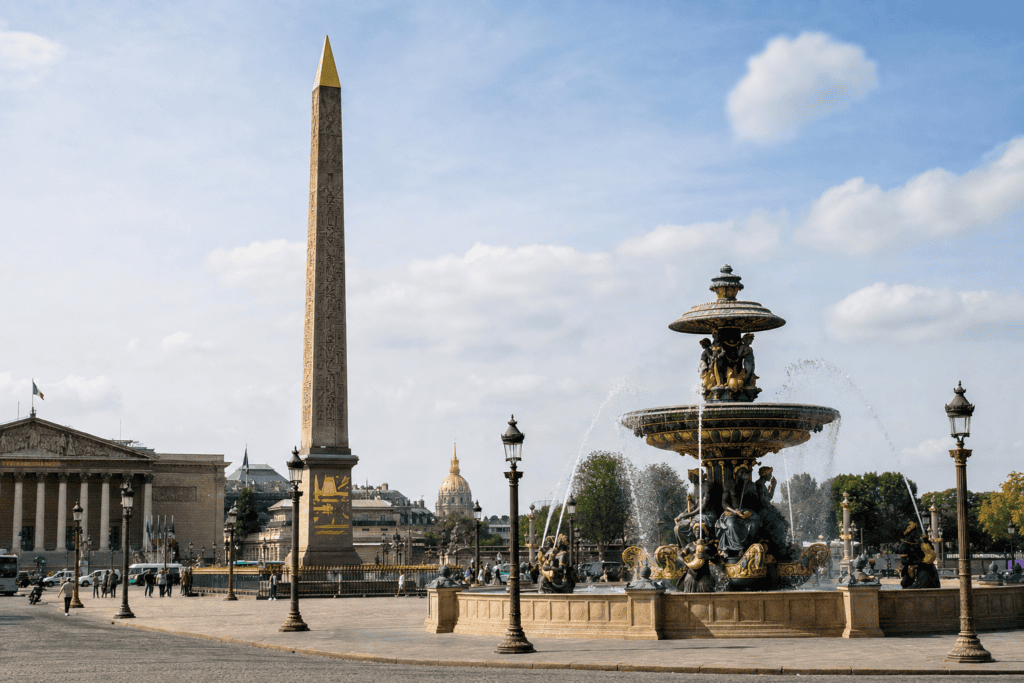 Place de la Concorde A vast historic square between the Tuileries and the Champs-Élysées, dominated by the Luxor Obelisk and…
 Hôtel des Invalides A monumental Parisian complex where royal architecture, military history, museums and Napoleon’s tomb come together…
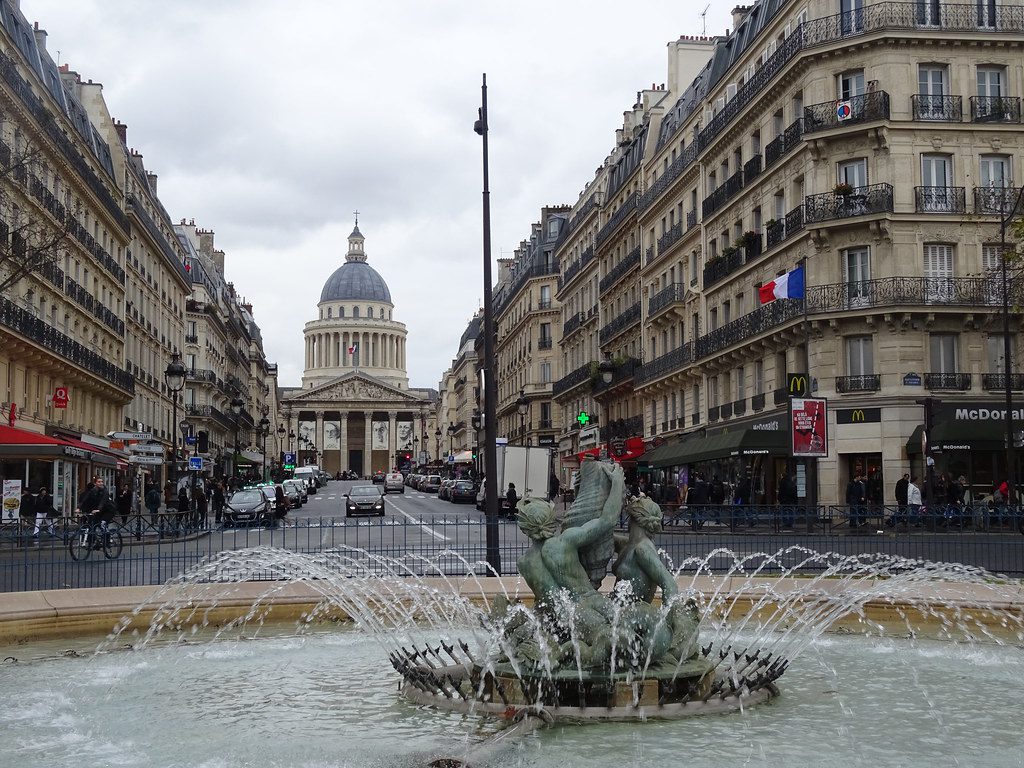 Panthéon Beneath its vast dome, the Panthéon tells the story of France through its architecture, decorations…
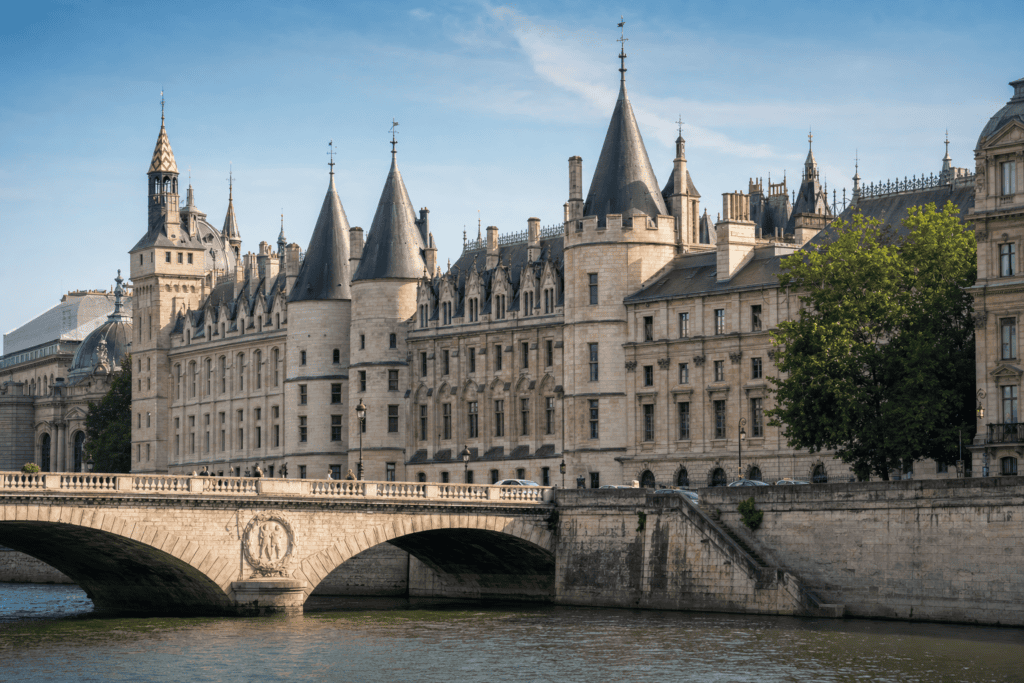 Conciergerie An iconic monument on the Île de la Cité, combining medieval architecture, the French Revolution, and memories of…
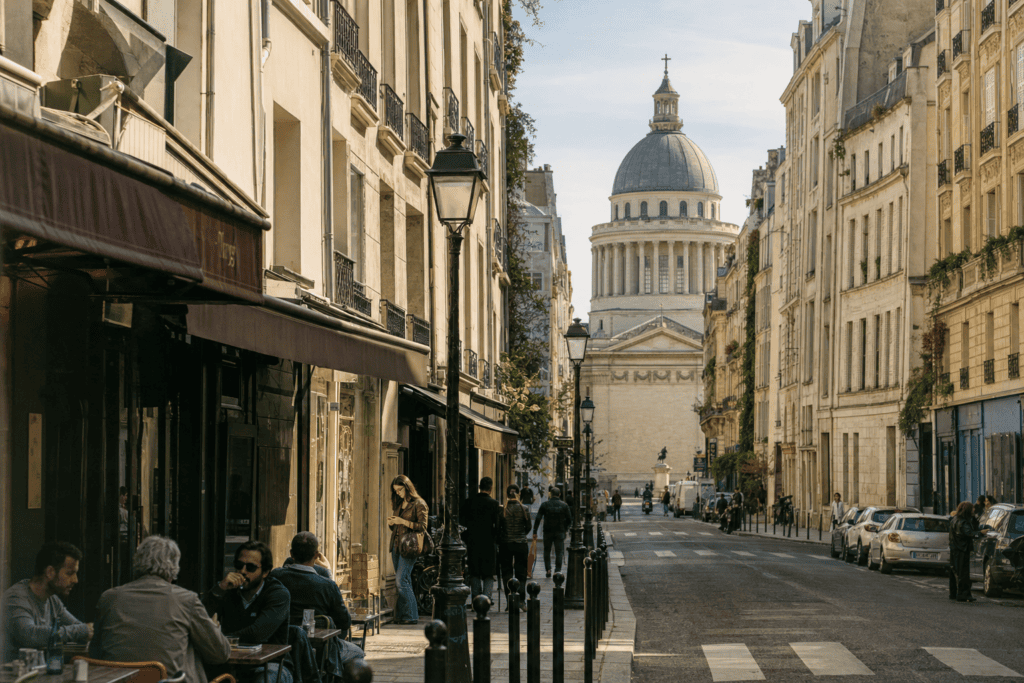 Latin Quarter A lively Parisian neighborhood where ancient remains, universities, museums, bookshops, gardens, and great places to eat come together.
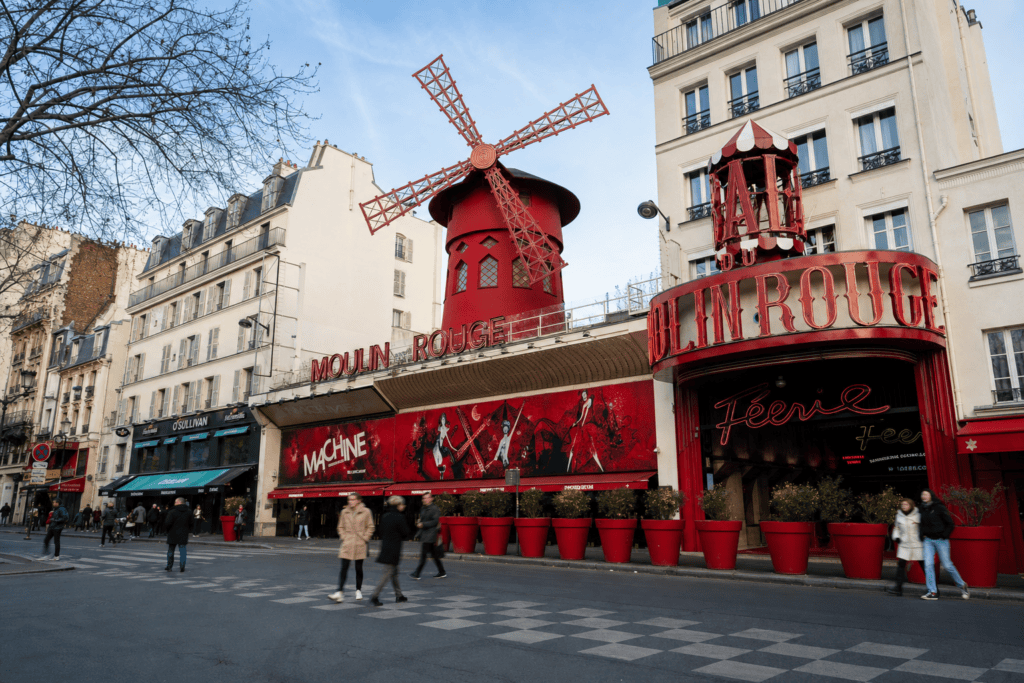 Moulin Rouge A historic Montmartre cabaret, famous for its Féerie revue, spectacular costumes, and the legacy of…
Online booking · Paris → Place des Vosges, 75004 Paris, France
Choose your pickup date and time
Your departure and arrival details are already pre-filled. You can adjust them in the fare calculator before viewing the vehicles and fare.