



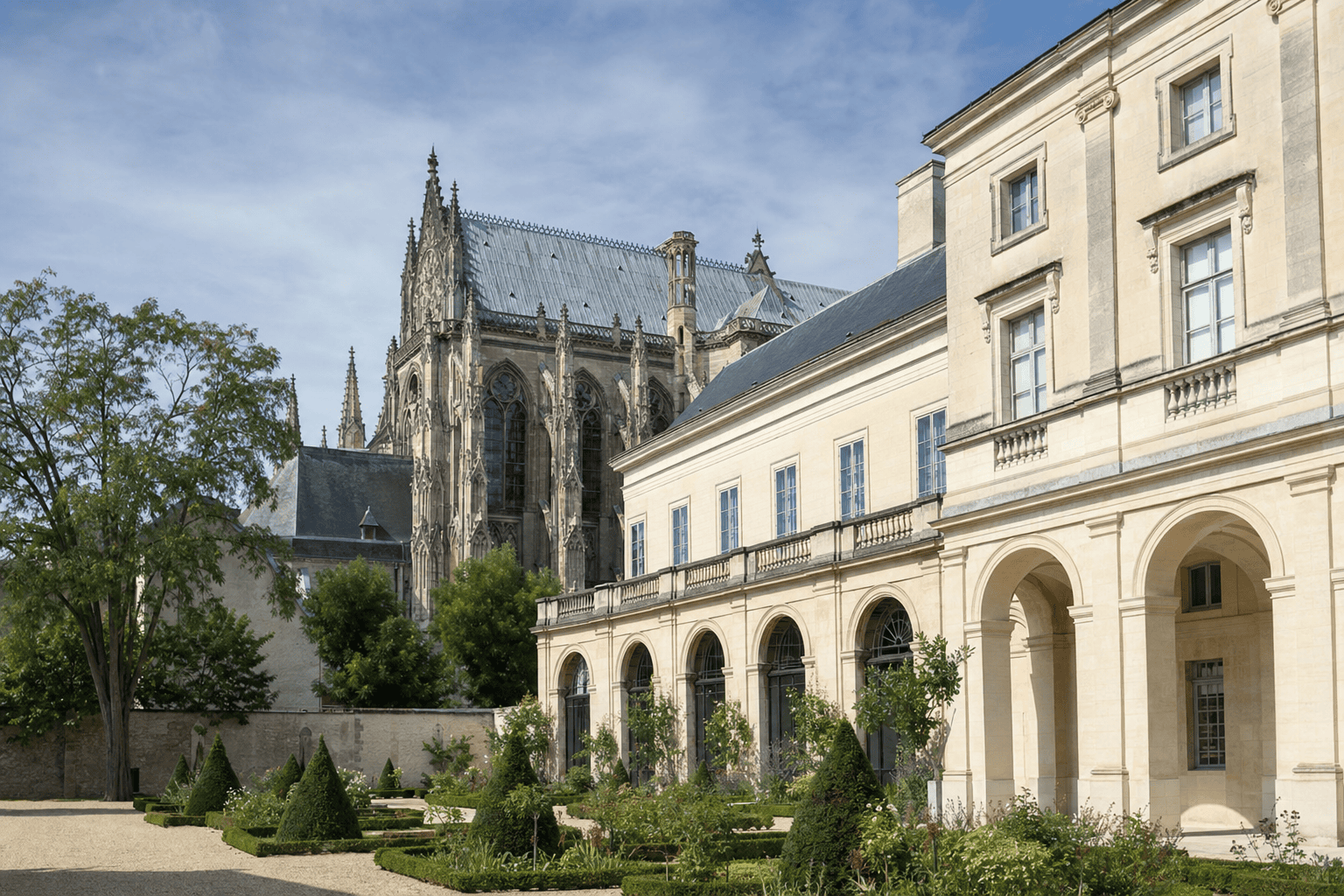
Musée Saint-Remi: Two Thousand Years of History in Reims
Reims
Housed in the former Saint-Remi Abbey, Musée Saint-Remi is one of the best places to understand the history of Reims and Champagne. Its exhibits combine archaeology, religious history, medieval sculpture, and military heritage in a monument whose buildings are an integral part of the visit. The nearby Saint-Remi Basilica offers an opportunity to continue exploring, while Notre-Dame Cathedral and the Palais du Tau provide another perspective on the city’s royal role. From Paris, Reims is easy to reach by train or as part of a private itinerary focused on Champagne’s heritage and vineyards.
Practical information
Start with the museum, then visit Saint-Remi Basilica before continuing to Notre-Dame Cathedral and the Palais du Tau for a well-rounded day of heritage sightseeing.
Getting to Musée Saint-Remi from Paris
Booking Paris Transfer can arrange a private trip from Paris, Île-de-France, Charles de Gaulle Airport, or Orly to Reims, with a return to Paris after your cultural or Champagne itinerary. The service covers transportation only: museum admission, tours, and reservations must be arranged with the relevant institutions.
Transportation service departing from Paris and Île-de-France; museum admission and ticketing services are not included.
A Former Abbey Turned Museum
Musée Saint-Remi occupies the buildings of the former Benedictine Saint-Remi Abbey, a monumental complex that gives the visit a special dimension. The rooms, monastic spaces, and traces of religious architecture are more than just a backdrop: they help explain the abbey’s place in the history of Reims. The museum is therefore worth visiting even for those already familiar with the cathedral, as it offers a broader account of the city and its surrounding area.
The abbey is associated with the memory of Saint Remi, the Bishop of Reims whom tradition credits with baptizing Clovis. The museum presents this context with the care appropriate to historical sources. Nearby Saint-Remi Basilica contains the saint’s tomb. The two sites are separate, but their proximity makes it easier to understand the religious importance of this historic district.
The Ancient Origins of Reims
An essential part of the visit focuses on the origins of Reims and Champagne. In antiquity, Durocortorum was the capital of the Remi and became a major city in northern Gaul. The archaeological collections include objects, architectural fragments, funerary elements, and evidence of everyday life that shed light on the organization of this ancient city.
This approach places Reims in a history that is much older than that of the royal coronations. Visitors discover how a Gallic settlement developed into an important urban center under Roman rule, with its roads, buildings, and trade networks. Models and objects make this evolution accessible to non-specialists. For a first visit, this section is a good starting point before exploring downtown, ancient remains, and Reims’s major monuments.
The Middle Ages and the Memory of Saint Remi
The Middle Ages occupy an important place in the museum’s collections and architecture. Reims emerges as a religious, political, and artistic city whose influence extended beyond the Saint-Remi district. Sculptures, capitals, fragments of monuments, and religious works testify to the quality of local and regional workshops, particularly between the 11thth and the beginning of the 16th centuryth century.
The visit also helps distinguish the functions of Reims’s main monuments. Saint-Remi Basilica is linked to the memory of the saint and the history of the abbey, while Notre-Dame Cathedral is associated with the archbishopric and the coronations of the kings of France. The tradition of the Holy Ampulla belongs to the history of the coronation and the cathedral; it should not be understood as an object currently displayed in the museum. This distinction makes the itinerary more accurate.
Sculpture and Urban Heritage
The museum preserves works that enhance an understanding of Reims’s monuments. Medieval sculptures show how styles, expressions, and religious programs evolved over the centuries. Some pieces come from buildings that were altered, damaged, or had their elements relocated. Their presentation therefore offers another perspective on the heritage visible in Reims’s streets.
The reconstruction of part of the Maison des Musiciens, with its statues of minstrels, is an especially evocative reference point for understanding medieval civil architecture. It shows that artistic creation was not limited to religious buildings. To get the most from this section, take time to compare the works with the façades, portals, and carved details you encounter later in the historic center. The museum then becomes a way of reading the city, not merely a place of preservation.
A Military History Connected to the Region
Musée Saint-Remi is not limited to archaeology and religious art. Its military collections evoke the conflicts and changes that shaped Reims and its region. Weapons, uniforms, objects, documents, paintings, and models trace the evolution of equipment and societies, with attention to local and national history.
This section highlights Reims’s strategic position in northeastern France and usefully complements a visit focused on kings or cathedrals. It will interest visitors who want to understand the upheavals of the modern and contemporary eras. Depending on the time available, the visit can be extended to the Musée de la Reddition or Fort de la Pompelle, two Reims sites dedicated to other episodes in military history. Check their practical information and opening conditions separately.
Planning an Itinerary in Reims
The museum is located at 53 rue Simon, in the Saint-Remi district southeast of central Reims. Its location makes it possible to plan an itinerary on foot or by public transportation, taking each site’s opening hours into account. A simple plan is to visit the collections, explore the nearby basilica, and then head to the historic center to see Notre-Dame Cathedral and the Palais du Tau. These monuments are thematically connected, but their visits remain separate.
Travelers arriving by train can use Reims station as their starting point and check local transit connections during their stay. From Paris, the TGV Reims station is served by high-speed trains; the exact journey time depends on the service selected and should be checked when booking. If driving, plan ahead for parking and any traffic restrictions in the center.
Hours, Reservations, and Helpful Tips
Before you visit, consult the official Musées de Reims website to confirm opening hours, closing days, admission fees, accessibility, temporary exhibitions, and guided tours. This information may change depending on the program, construction work, or special circumstances. For an individual self-guided visit, reservations are generally not required, but this does not replace checking the current conditions.
Groups, school visits, and guided activities must be arranged according to the procedures announced by the museum. A weekday morning often offers a pleasant pace, while weekends and tourist periods may be busier. With children, allow for a flexible schedule and alternate the galleries with a break in the neighborhood. Champagne enthusiasts can then continue to Reims’s cellars or, on a separate itinerary, to Épernay and the Reims Mountain.
Useful sources
Frequently Asked Questions
Where is Musée Saint-Remi located?
Which periods are covered?
Are Musée Saint-Remi and the basilica the same site?
Do I need to reserve an individual visit?
How much time should I allow?
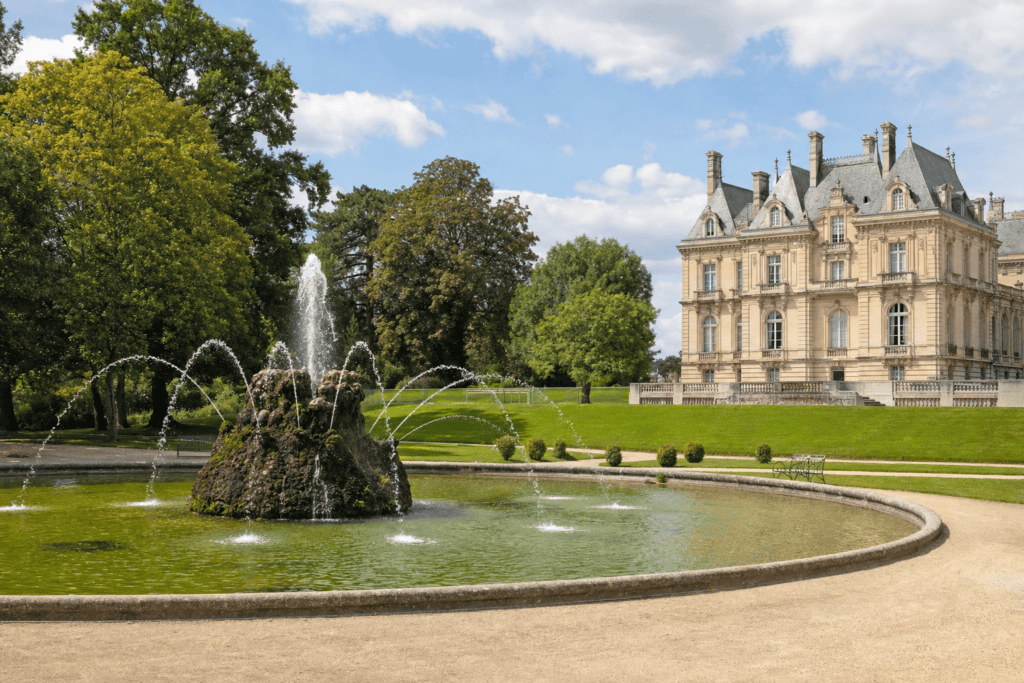 Champagne Park A large 22-hectare park in Reims where nature, leisure, sports, and history come together…
 Palace of Tau Next to Reims Cathedral, the Palais du Tau tells the story of royal coronations at…
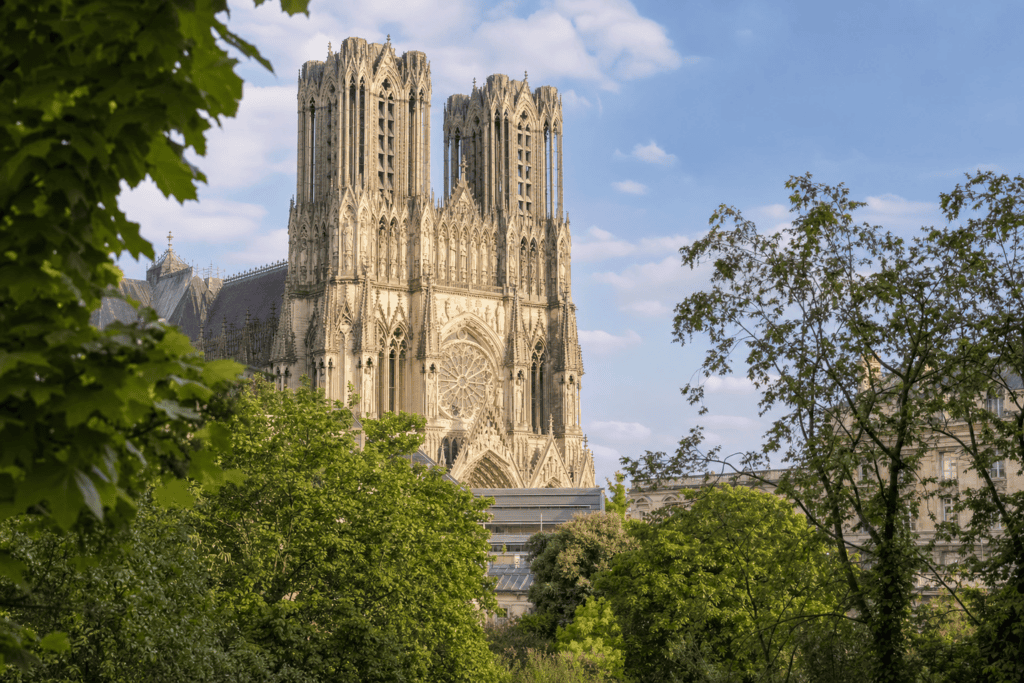 Notre-Dame Cathedral of Reims A Gothic masterpiece in the heart of Reims, featuring monumental sculptures, remarkable stained glass, and historic memory…
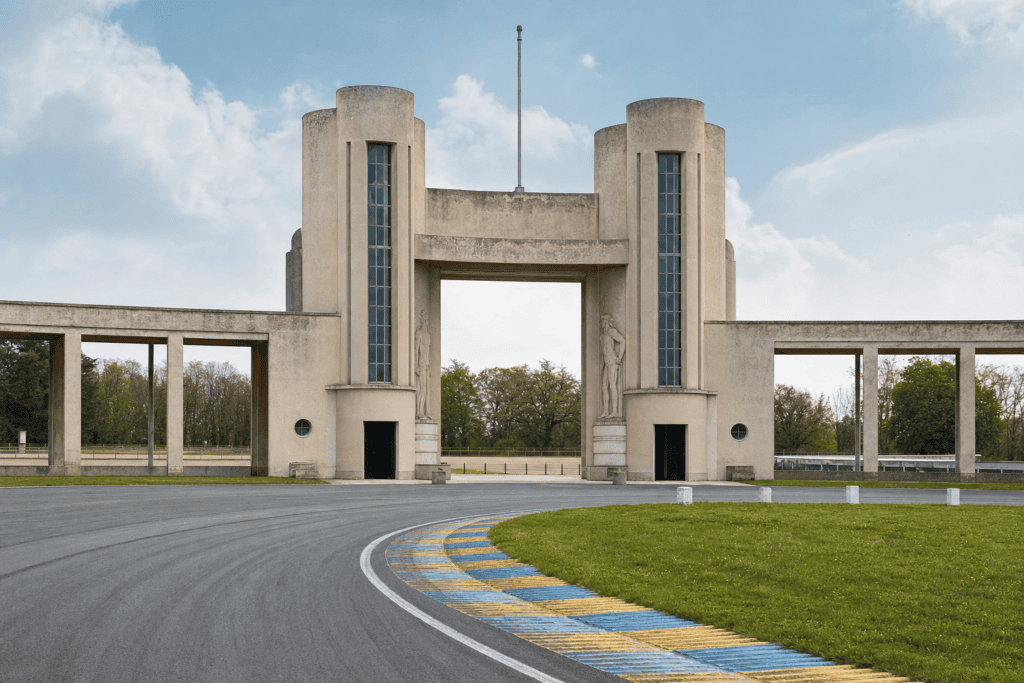 Reims Art Deco Walking Tour A 2- to 3-hour walk between the train station, Les Promenades, Cours Langlet, and…
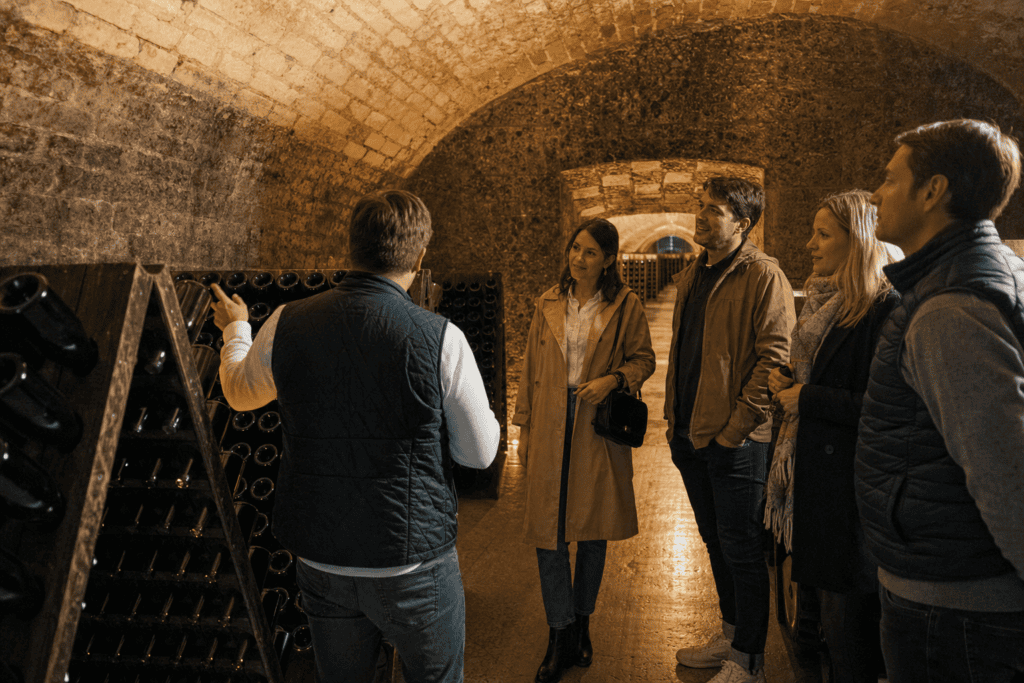 Champagne cellar tour in Reims Descend into Reims’ chalk cellars to learn how champagne is made and enjoy a tasting at the…
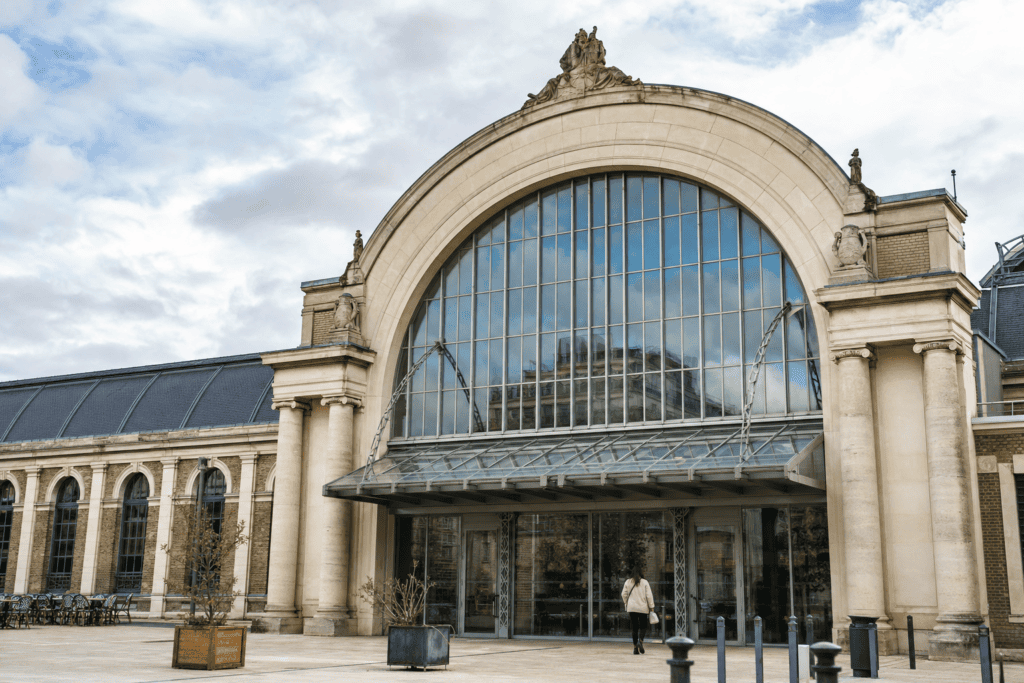 Halles du Boulingrin An iconic covered market in Reims, where Art Deco architecture accompanies a delicious exploration of local products…
Online booking · Paris → 53 rue Simon, 51100 Reims, France
Choose your pickup date and time
Your departure and arrival details are already pre-filled. You can adjust them in the fare calculator before viewing the vehicles and fare.