



Champagne Cellar Tours in Reims: Practical Guide
Reims
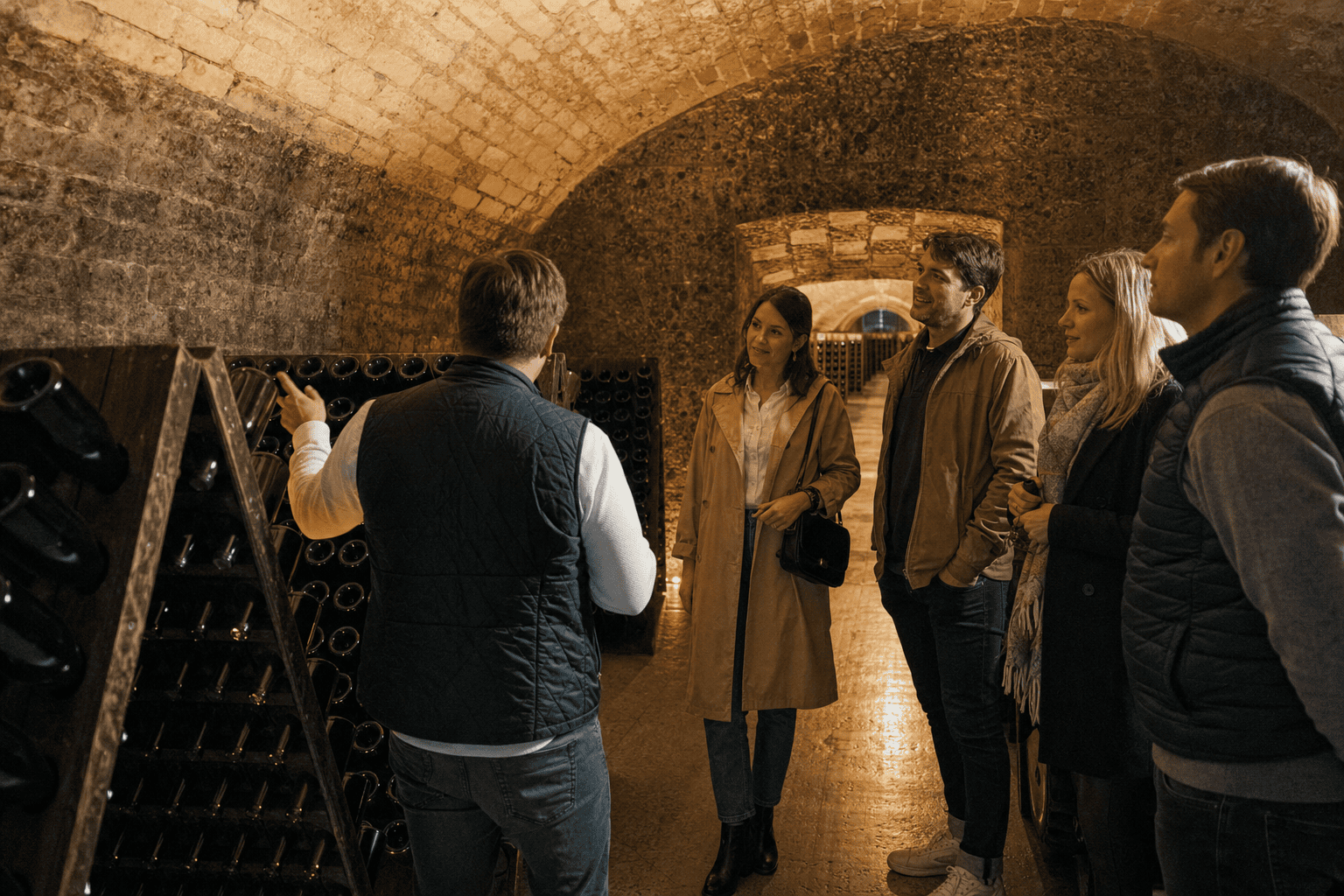
A Champagne cellar tour in Reims lets you discover sparkling wine in its natural setting: chalk quarries, underground galleries, and the houses that helped make Champagne famous. Several meters below the city, cool temperatures, darkness, and humidity create special conditions for aging the bottles. The tour generally combines history, heritage, explanations of how Champagne is made, and a guided tasting. Saint-Nicaise Hill and its Champagne houses are part of the “Champagne Hillsides, Houses and Cellars” site, listed as a UNESCO World Heritage Site. Before setting out, check availability and access requirements with your chosen house: hours, languages, minimum ages, and reservation procedures vary by establishment.
Practical information
Compare the duration, language, number of cuvées tasted, and access requirements before booking. For multiple tastings, arrange for a designated driver or private transportation.
Getting to Reims from Paris with peace of mind
First book your visit with the Champagne house, then arrange transportation separately. Booking Paris Transfer offers private transportation from Paris, a Paris hotel, CDG, or ORY to Reims, with the option of returning to Paris after the visit. The service covers transportation only and does not sell admission or tasting tickets.
Transportation service departing from Paris and Île-de-France; the cellar visit must be booked directly with the establishment you choose.
Why visit a Champagne cellar in Reims?
A cellar tour in Reims adds particular depth to your discovery of Champagne. Before tasting, you see where the bottles rest, how long they need to mature, and the steps that transform still wine into sparkling wine. This approach helps you better understand the differences between a cuvée, a vintage, a Blanc de Blancs, or a rosé.
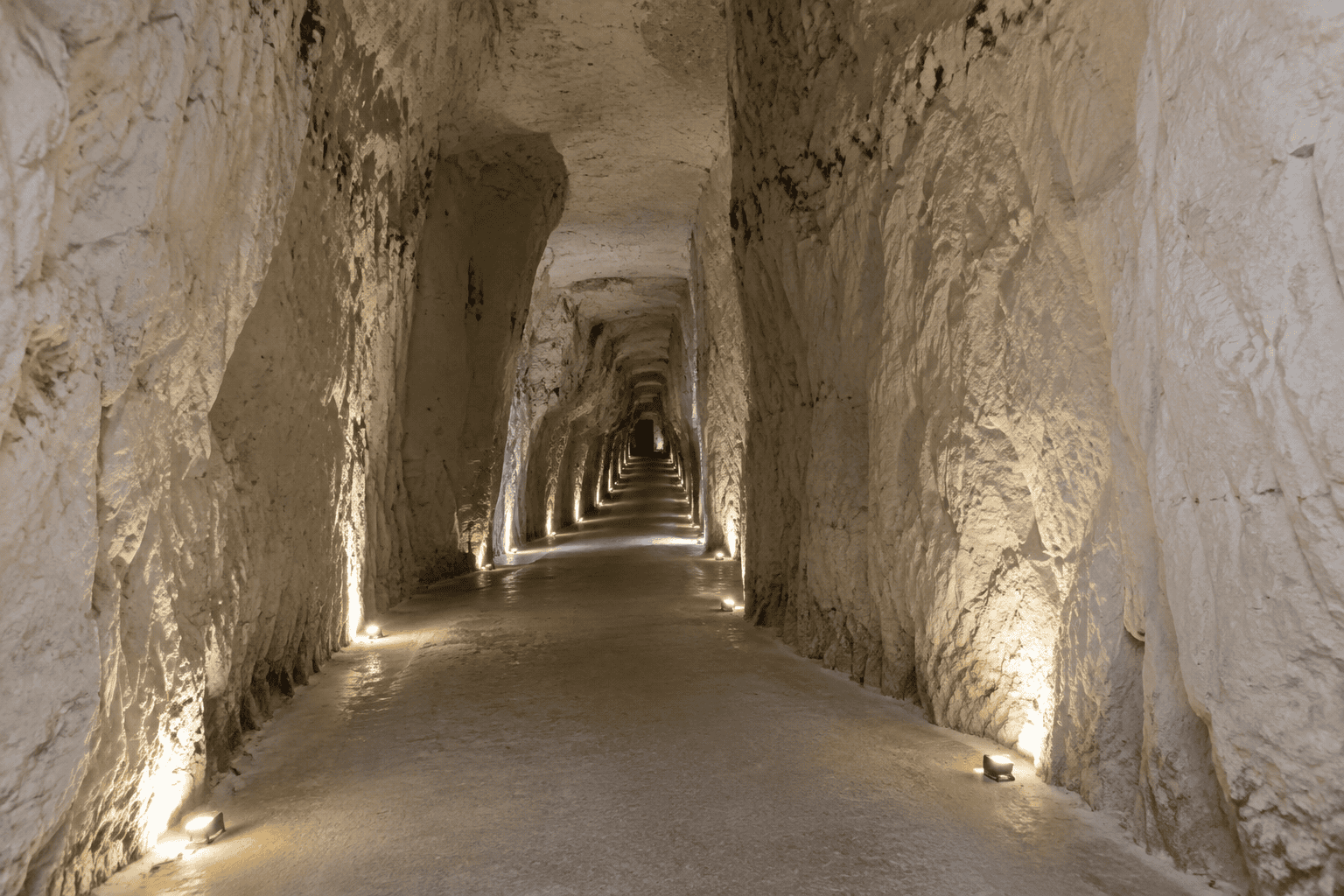
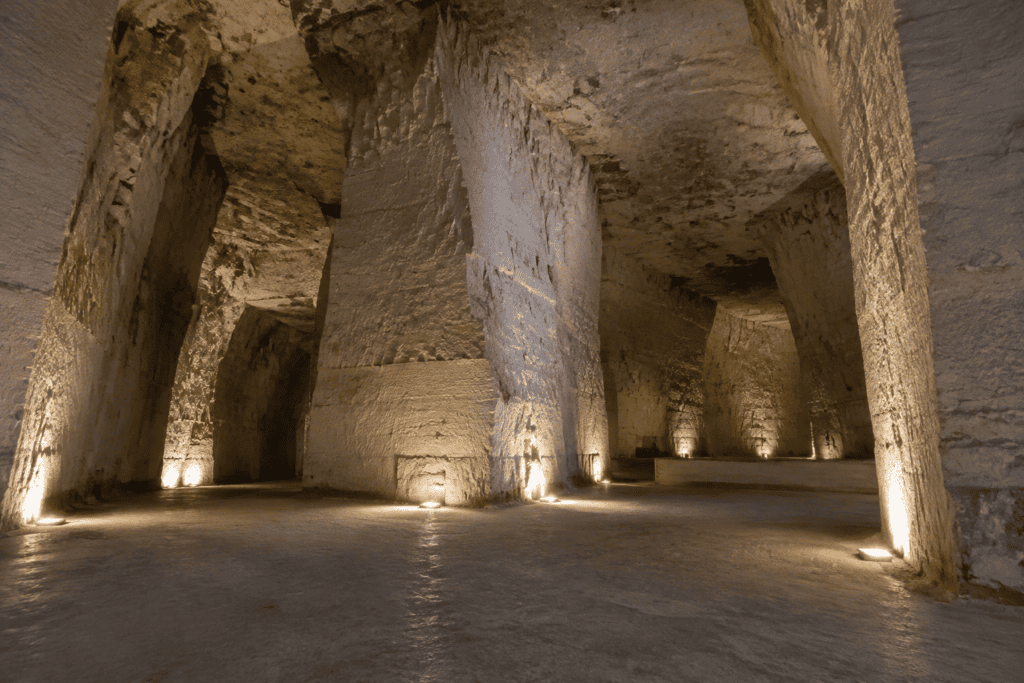
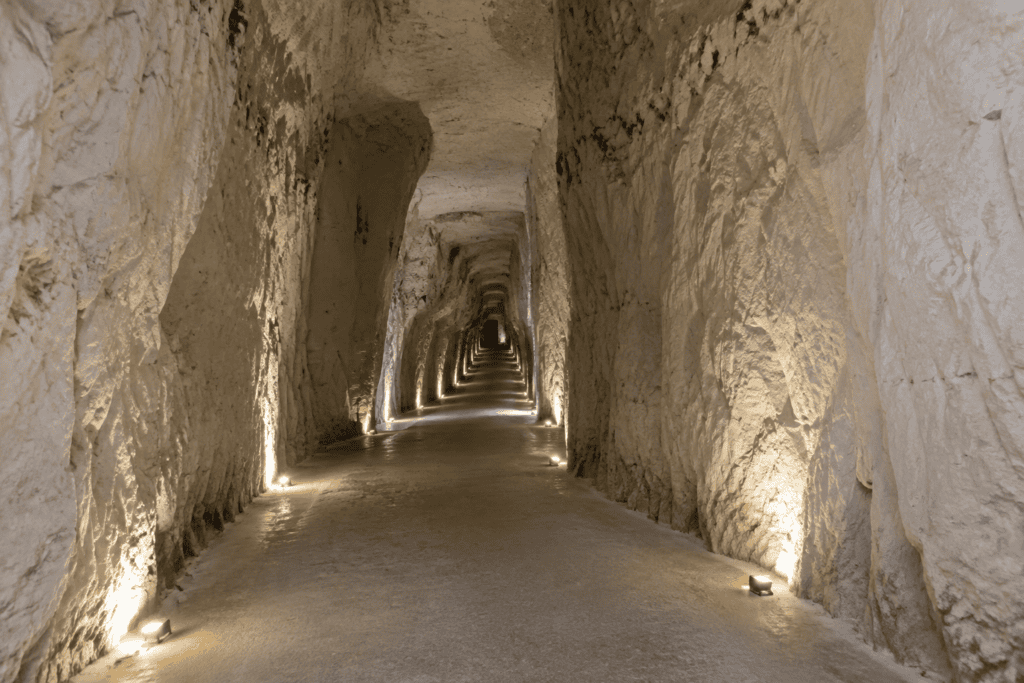
Reims has a strong underground identity thanks to its former chalk quarries, known as crayères. Originally exploited as a source of building materials, some were later incorporated into the cellar networks of Champagne houses. Their stable temperature and darkness support the aging of the bottles.
Saint-Nicaise Hill is part of the “Champagne Hillsides, Houses and Cellars” site, recognized by UNESCO. The visit thus becomes an experience that is simultaneously about wine, history, and architecture. It naturally complements a visit to Notre-Dame Cathedral, the historic center, and the Saint-Remi Basilica.
Discover Reims’ Underground Chalk Quarries
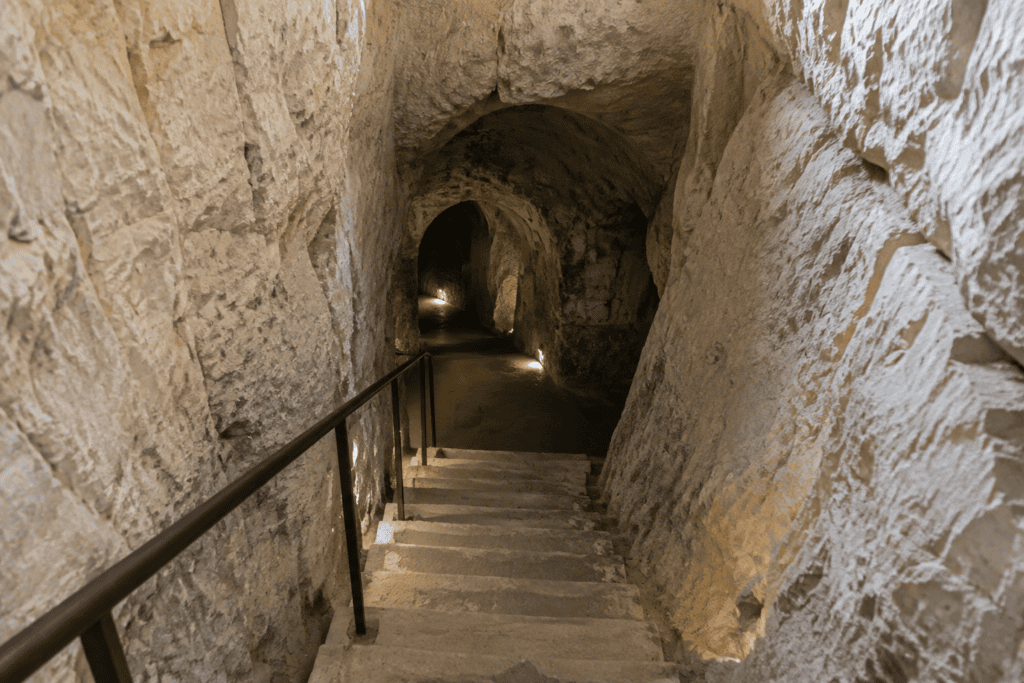
Descending into a chalk quarry is often the most memorable part of the tour. After a few steps, the atmosphere of the city gradually fades away: the light dims, the walls turn white, and the temperature becomes noticeably cooler. The galleries may take the form of long corridors, impressive rooms, or more intimate spaces where the bottles are stored.
However, each house offers a different experience. Some focus on the history of the quarries, while others emphasize production, architecture, or the brand. Not all chalk quarries are open to the public, and self-guided visits are rarely possible. It is therefore best to book in advance and check the exact meeting point before you arrive.
On site, follow the guide’s instructions and watch your step on stairs, damp floors, and areas with changes in level. A covering layer is useful even on a hot day. To identify establishments that welcome visitors, consult the official directory of Champagne cellars or the website of your chosen house.
Understanding How Champagne Is Made
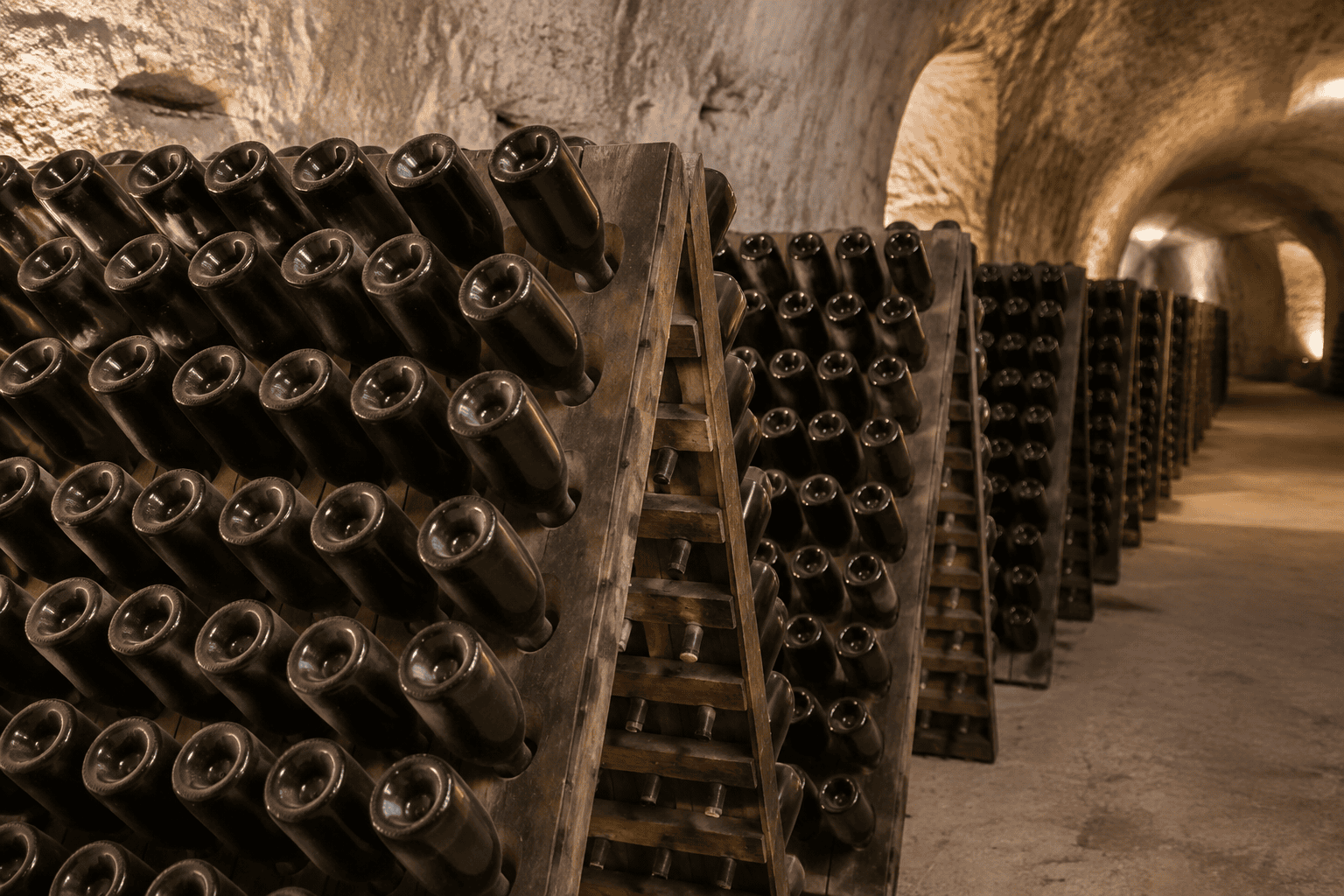
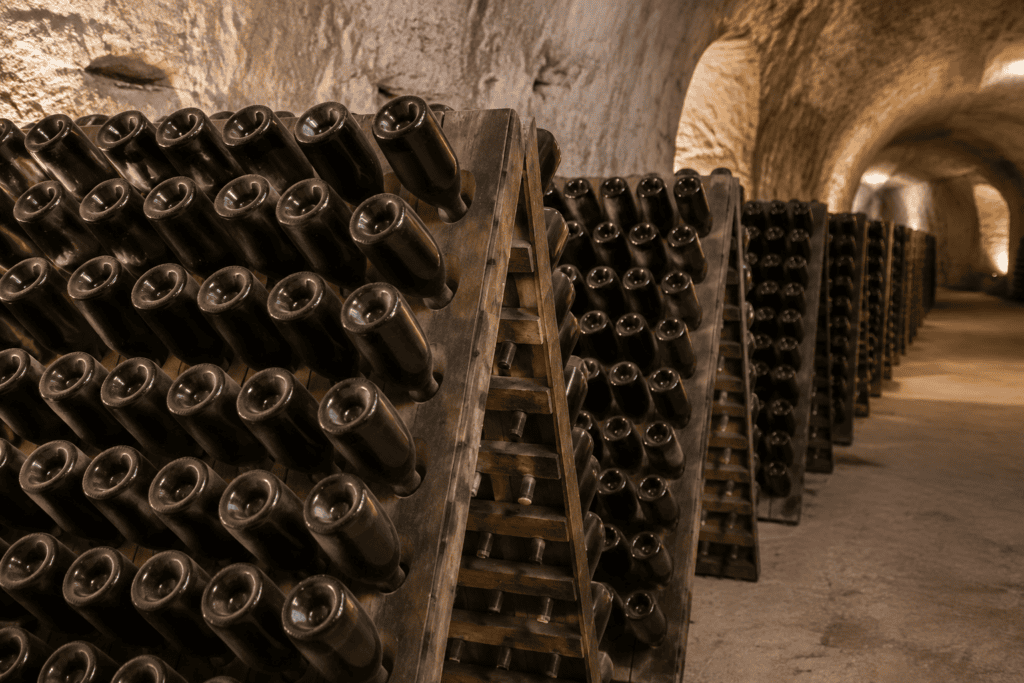
A guided tour places each bottle within a long and precise process. Grapes from the designated appellation area are first made into wine. The wines may then be blended to achieve a particular style, before tirage and the second fermentation in the bottle. This stage produces the bubbles and marks the beginning of cellar aging.
The guide generally explains the role of yeast, riddling, and disgorgement. Riddling gradually moves the sediment toward the neck of the bottle, while disgorgement removes it. The final dosage then contributes to the wine’s balance on the palate. Depending on the house, these explanations may be illustrated with historic tools, vintage bottles, or contemporary displays.
The value of the tour lies in connecting technical vocabulary with tangible steps and places. You gain a better understanding of why aging time, blending, terroir, and grape selection influence the style of a cuvée. These reference points make you more attentive during the tasting and make it easier to read a label.
Make the Most of Your Tasting
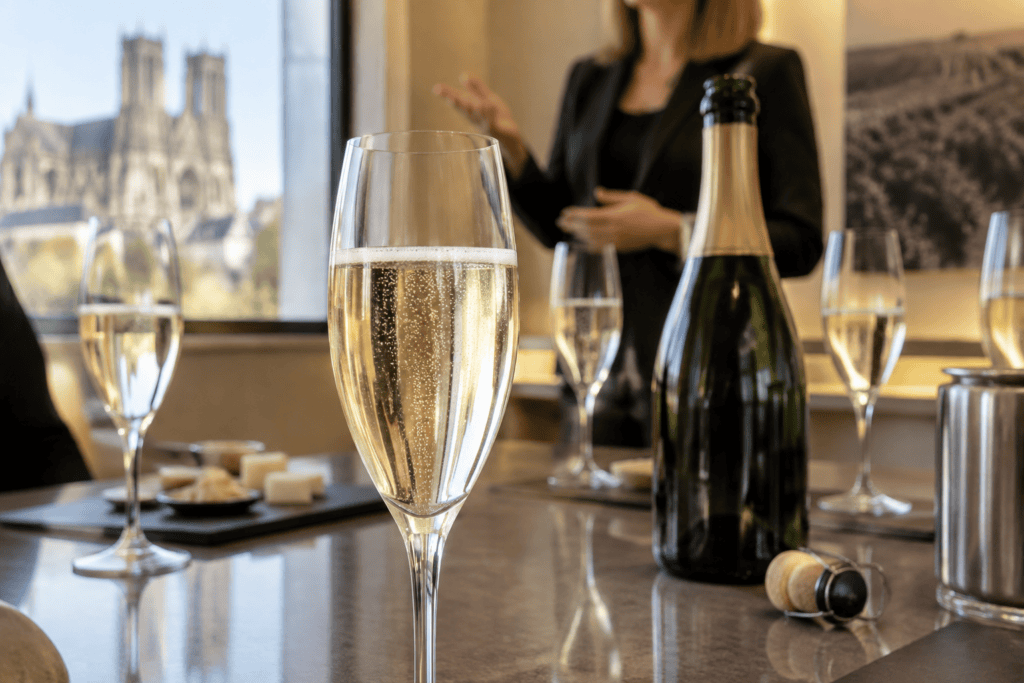
The tasting often concludes the tour, but it is about more than simply drinking a glass. Start by observing the color, the fineness of the bubbles, and their persistence. On the nose, look for the aromatic families mentioned by the guide: citrus, white fruit, flowers, brioche, dried fruit, or more developed notes. On the palate, pay attention to freshness, texture, balance, and length.
A house may present several Champagne styles. A non-vintage brut generally expresses the house style, while a vintage depends more heavily on a specific harvest. The terms Blanc de Blancs, Blanc de Noirs, and rosé also indicate choices of grapes or winemaking methods. Feel free to ask which food pairings suit each cuvée.
If you visit several establishments, space out your appointments and drink responsibly. Spit when facilities allow it, and plan appropriate transportation back. Alcohol should be consumed in moderation. A designated driver or private transportation helps prevent a day of discovery from becoming a road-safety issue.
Choosing the Right House for Your Stay
The best choice depends on the type of experience you are looking for. Some houses focus on historic chalk quarries and heritage; others provide more detail about blending, cellar work, or the brand’s commercial history. Large houses often offer several languages and regular time slots, while independent growers may provide a more personal discussion of their plots and cuvées.
Before confirming, compare the duration, tasting content, language, minimum age, and number of stairs. Also check whether reservations are required, whether children are admitted, and whether part of the route is accessible to people with reduced mobility. This information may change depending on the season, construction work, or private events.
For reliable information, use the establishment’s official website or the Comité Champagne directory. Old listings and nonspecialized platforms may show outdated hours. If you would like to visit several houses, create a realistic schedule: the quality of the explanations and moderation matter more than the number of tastings.
Planning a Day Trip to Reims
A cellar visit fits easily into a day in Reims. You can start at Notre-Dame Cathedral and the historic center, then head to your reserved appointment and plan lunch or a walk around Saint-Nicaise Hill. The Saint-Remi Basilica, Saint-Remi Museum, and covered market are other worthwhile additions, depending on the time available.
Arrive a few minutes early, especially if the establishment is in a different neighborhood from the station or city center. Check the meeting point, as several houses have separate addresses. If you have reduced mobility, ask before booking which areas are accessible and whether an adapted route can be offered.
Reims can be visited as a day trip from Paris, but an excursion with tastings should be planned carefully. Booking Paris Transfer can provide private transportation from Paris, a Paris hotel, Charles de Gaulle Airport, or Orly, with a return trip to Paris. Transportation must be booked separately from the visit and does not include admission.
What to See Around Reims’ Cellars
A cellar visit is best combined with Reims’ main landmarks. Notre-Dame Cathedral offers the chance to admire a Gothic masterpiece and understand the city’s historical role. The Palais du Tau adds to this discovery, while the Saint-Remi Basilica and its museum offer insight into the city’s religious and urban history.
Around Saint-Nicaise Hill, also take time to notice the facades of the houses, private mansions, and major thoroughfares that reflect the growth of the Champagne trade. A walk before or after the visit helps reveal the connection between the city, the houses, and the underground cellars.
With more time, you can extend your itinerary to the vineyards of the Montagne de Reims. Plan transportation in advance and avoid packing in too many tastings. The goal is to leave time for the landscapes, villages, and conversations with producers. A well-chosen cellar, an attentive tasting, and an organized return are enough to make Reims a memorable stop in Champagne.
Useful sources
Frequently Asked Questions
Do I need to book a cellar tour in Reims?
What should I wear to the cellars?
Are the tours accessible to people with reduced mobility?
Can I visit several cellars in one day?
How should I arrange transportation back to Paris after a tasting?
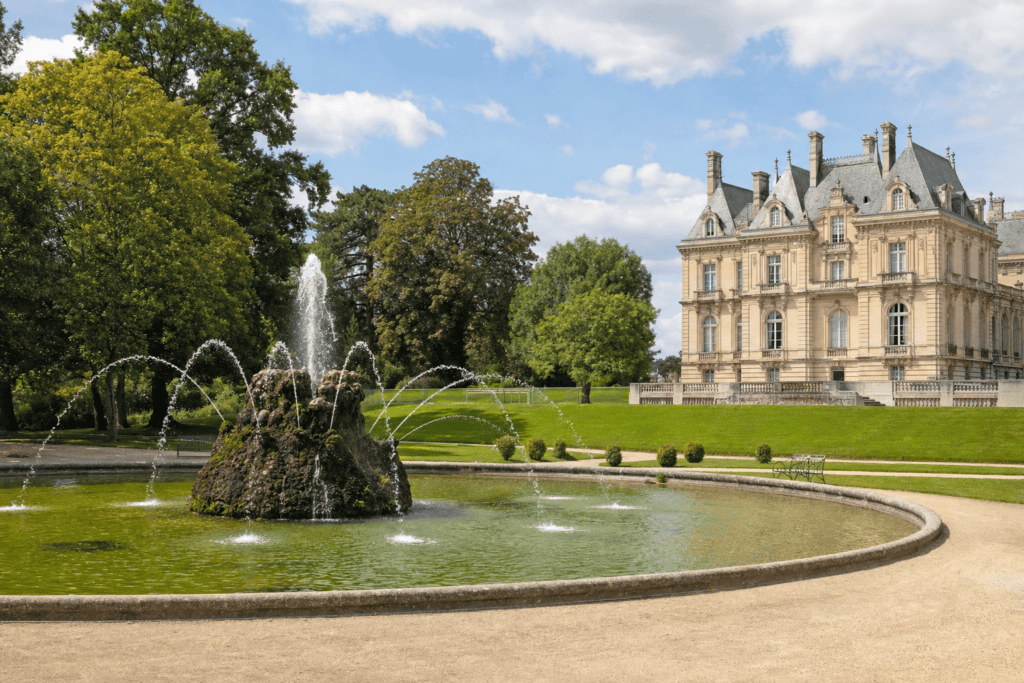 Champagne Park A large 22-hectare park in Reims where nature, leisure, sports, and history come together…
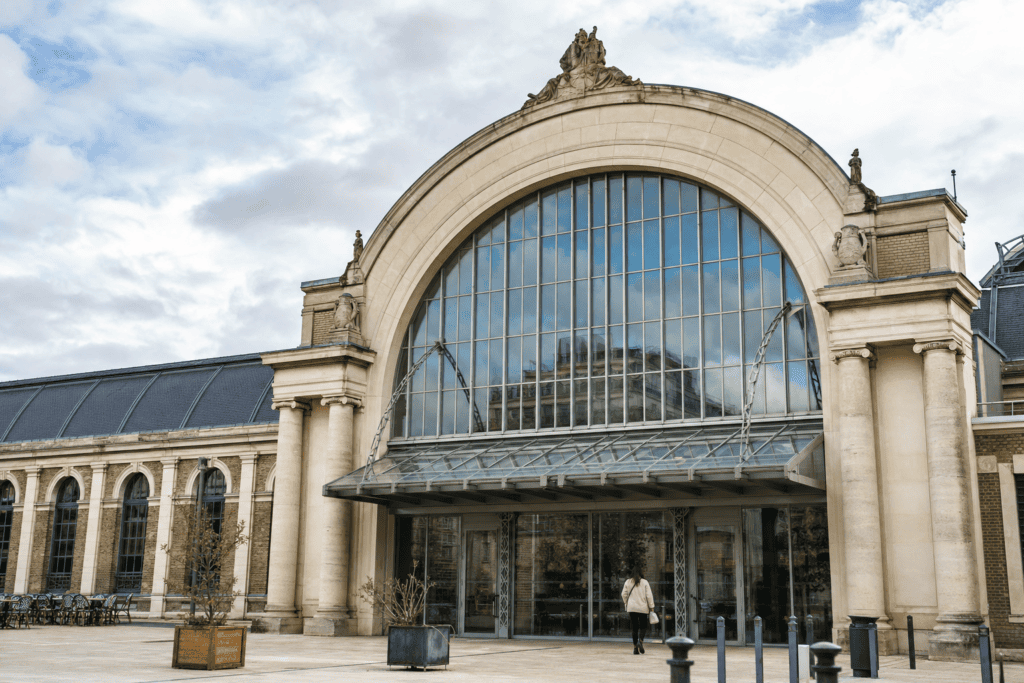 Halles du Boulingrin An iconic covered market in Reims, where Art Deco architecture accompanies a delicious exploration of local products…
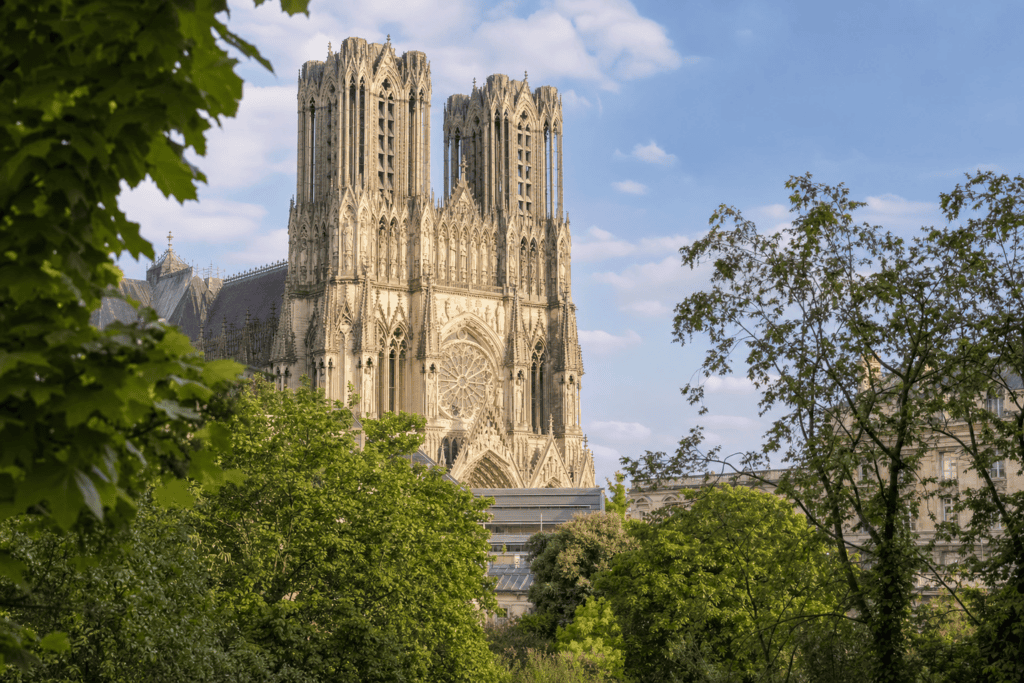 Notre-Dame Cathedral of Reims A Gothic masterpiece in the heart of Reims, featuring monumental sculptures, remarkable stained glass, and historic memory…
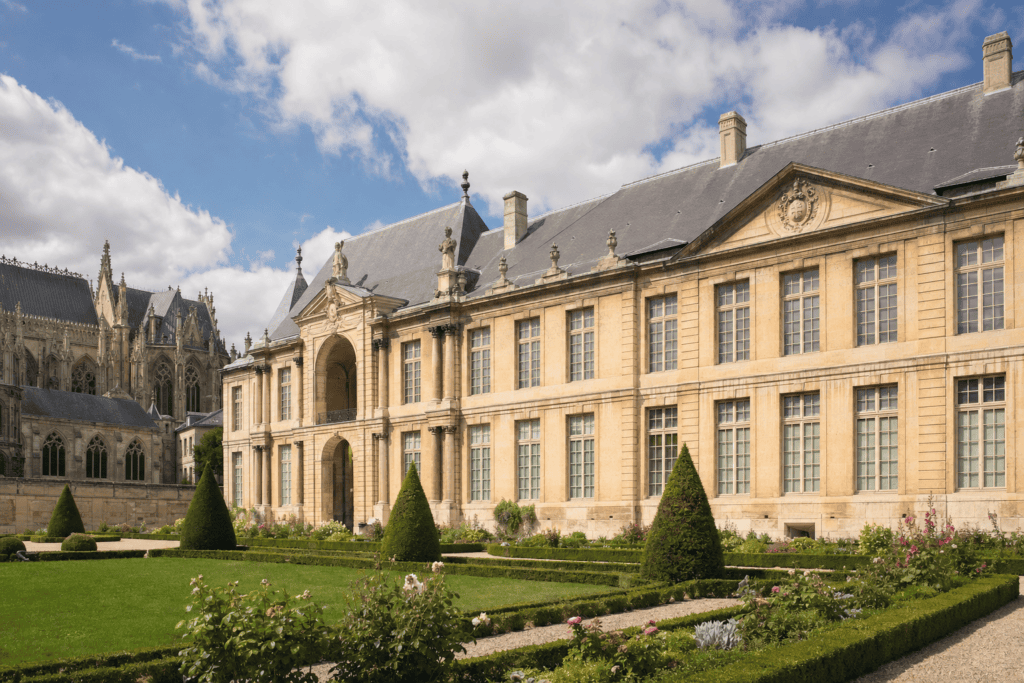 Palace of Tau Next to Reims Cathedral, the Palais du Tau tells the story of royal coronations at…
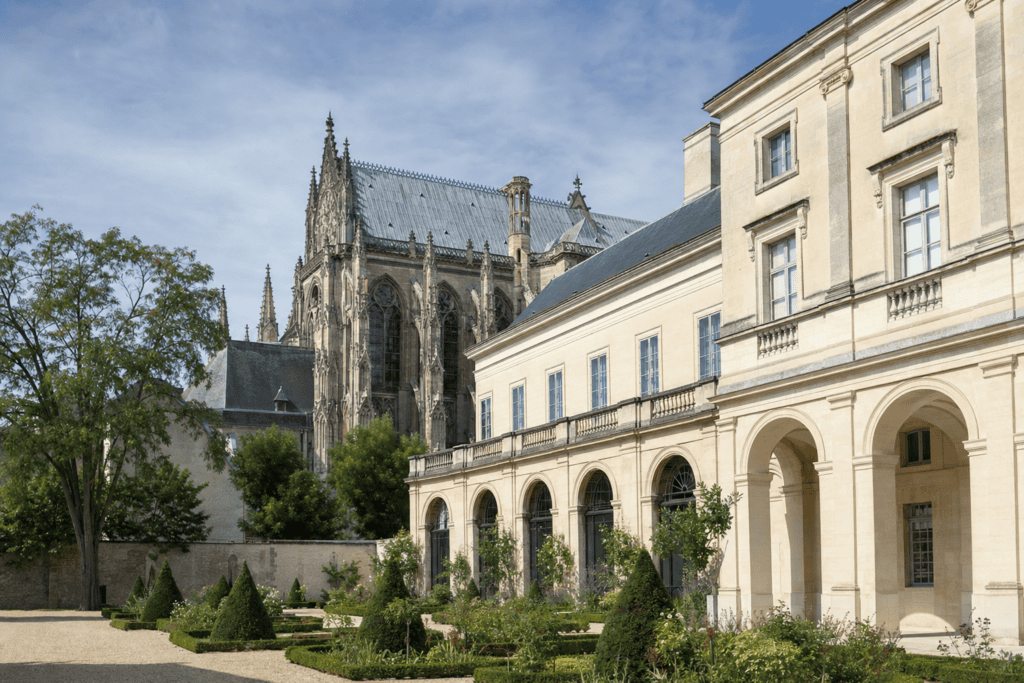 Musée Saint-Remi Housed in a former Benedictine abbey, the Saint-Remi Museum tells the history of Reims from antiquity to the…
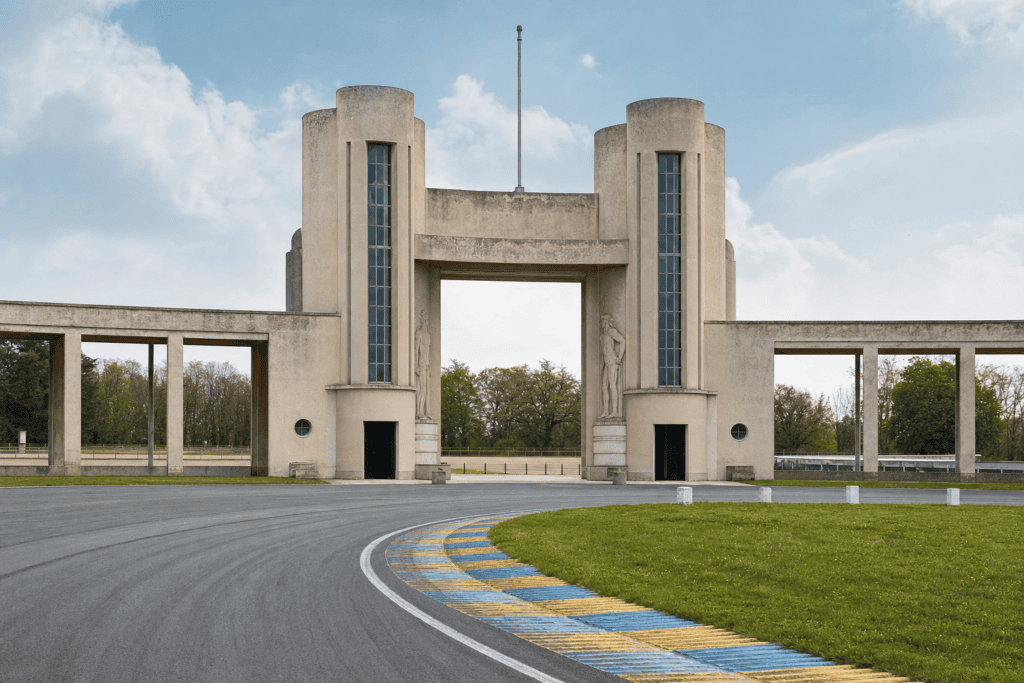 Reims Art Deco Walking Tour A 2- to 3-hour walk between the train station, Les Promenades, Cours Langlet, and…
Online booking · Paris → Reims, particularly around Saint-Nicaise Hill and the Champagne houses open to visitors. The exact address depends on the establishment you book.
Choose your pickup date and time
Your departure and arrival details are already pre-filled. You can adjust them in the fare calculator before viewing the vehicles and fare.