



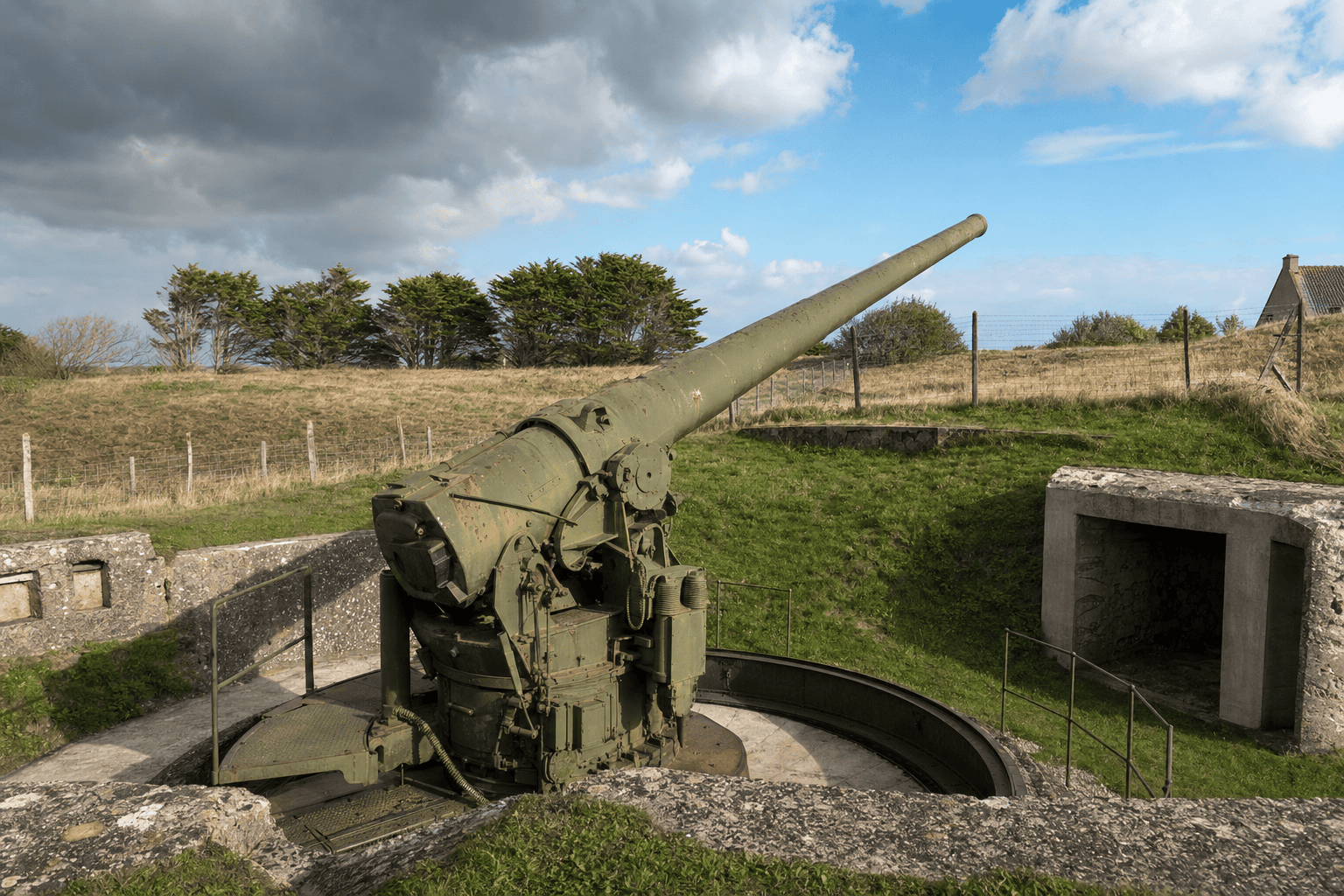
Crisbecq Battery: D-Day history in the Cotentin
Sainte-Mère-Église
In Saint-Marcouf, in the Cotentin, Crisbecq Battery preserves a significant fortified section of the Atlantic Wall, near Utah Beach. Casemates, artillery pieces, shelters and traces of the fighting help explain the role of a German coastal battery during the D-Day landings on June 6, 1944. The visit fits naturally into an itinerary linking Sainte-Mère-Église, La Fière, Utah Beach and Carentan. As the site is in a rural area, check opening conditions, the exact route, parking and accessibility with the operator before setting out.
Practical information
From Carentan, Valognes or Cherbourg, plan the final part of your journey in advance: no train serves the battery directly. Choose a pre-booked taxi, rental car or private transfer, and use only authorized parking areas.
Getting to Crisbecq Battery from Paris
Booking Paris Transfer can arrange private transportation from Paris, a Paris hotel, CDG or ORY, with an itinerary to Saint-Marcouf, Crisbecq, Sainte-Mère-Église and Utah Beach. The service covers transportation only: admission fees, tickets, guided tours and museum reservations must be arranged separately. A return to Paris or a Normandy tour beginning in the capital can be considered depending on your itinerary.
Private transportation from Paris, a Paris hotel, CDG or ORY. Admission, tickets and tours not included.
A coastal battery in the Cotentin
Crisbecq Battery, also associated with the Saint-Marcouf area, formed part of the German Atlantic Wall defenses established along the Cotentin coast. A coastal battery was more than its guns. It included observation posts, command structures, ammunition bunkers, shelters and protected passageways. Its purpose was to monitor maritime approaches and help defend the coastline facing Utah Beach.
The layout of the remains helps explain this military organization. Casemates were designed to protect the guns and their crews, while other structures served observation, storage or movement. Looking at the orientations, embrasures and distances between the structures, you can appreciate the constraints of a site that had to operate under the threat of bombardment.
Today, fields, hedgerows and narrow roads give the area a peaceful appearance. The contrast between the rural landscape and the architecture of war is one of the highlights of the visit. Crisbecq gives a tangible dimension to the maps, testimonies and objects displayed in the D-Day museums.
Casemates, artillery and visible remains
The route features several characteristic elements of a coastal battery: concrete casemates, shelters, protected passageways, firing positions and installations connected with artillery operations. The thickness of the walls reflects the protection sought against bombardment. The openings indicate the sectors that were observed or covered, although they do not always make it possible to reconstruct the entire defensive system on their own.
The artillery pieces give the story a human scale. They help visitors imagine the sequence of operations required to fire: observing the sea, identifying a target, relaying information, preparing the gun and coordinating with the other posts. The ammunition bunkers, underground entrances and interior spaces also evoke the daily work of the soldiers assigned to the battery.
The areas actually open to visitors may vary depending on the season, construction work, weather or safety rules. Never cross a fence or enter a closed structure. Closed-toe shoes with non-slip soles are recommended, especially after rain. A phone flashlight can help you look into an authorized passage, but it does not replace the site's own equipment.
Crisbecq’s role on June 6, 1944
On June 6, 1944, Utah Beach was one of the sectors assigned to American forces. After landing, troops had to leave the beach, secure the roads and advance through the Cotentin. Coastal batteries such as Crisbecq were among the defenses to be neutralized. However, the battle was not limited to the shoreline: marshes, bridges, crossroads and villages strongly influenced military movements and decisions.
The battery was involved in the fighting around Saint-Marcouf and came under bombardment and attack during the liberation operations in the Cotentin. Its position links several dimensions of D-Day: the threat from the sea, the fixed coastal defenses and the land advance that followed the landing. The preserved structures do not tell the whole story of the battle, but they provide a physical framework for historical maps and accounts.
To explore the subject further, combine Crisbecq with the Utah Beach Landing Museum, which presents the amphibious operation, and then the Airborne Museum in Sainte-Mère-Église, dedicated to American paratroopers. These visits show how maritime and airborne operations unfolded simultaneously within a relatively confined area.
Building an itinerary around Utah Beach
Crisbecq Battery fits well into a day devoted to the eastern Cotentin. Sainte-Mère-Église can be a first stop, with the Airborne Museum and sites connected to the parachute drops during the night of June 5–6. The itinerary can then continue to Saint-Marcouf and Crisbecq before heading on to Utah Beach. This sequence takes you from airborne operations to coastal defense and then to the amphibious landing.
La Fière adds to the itinerary by highlighting the importance of bridges and waterways around Sainte-Mère-Église. Farther south, Carentan offers another perspective on the marshes and military communications. However, avoid packing in too many stops without allowing extra time: museums require time to read, and outdoor sites are best explored without rushing.
A realistic day should account for rural roads, breaks, parking and possible lines. Around the June ceremonies, detours or restrictions may change the usual order. A flexible schedule works better for groups, families and visitors who want to listen to testimonies or read the information panels.
Access from Cotentin train stations
A car is generally the most practical option, as Crisbecq is rarely visited on its own and the memorial sites are spread out. From Carentan, plan a road connection through the Sainte-Mère-Église, Saint-Marcouf and Utah Beach area; the exact distance depends on the order of the stops and the route chosen. Valognes is another rail gateway to the Cotentin, while Cherbourg suits a broader stay in northern Manche.
Trains serve these hubs, but none goes directly to the battery. For the final leg, arrange a rental car, a taxi booked in advance or private transportation. Services may be less frequent in rural areas, outside the high season and on Sundays. It is unwise to rely on an improvised connection between several D-Day sites.
From Paris, CDG or ORY, private transportation can arrange a round trip or a loop beginning in the capital. On site, use only marked parking areas, and do not park on narrow shoulders, in front of farm entrances or on private roads. Travel times should be checked based on your departure point and the day's traffic.
Preparing for a safe, comfortable visit
Before setting out, check directly with the official site or the relevant tourist office to confirm opening days, hours, admission fees, any reservations required and accessible areas. This information may change with the season, construction work, weather or commemorative events. Route de Crisbecq is the reference address listed for Saint-Marcouf, but checking the route is still useful in this area of narrow roads.
Bring a jacket even in clear weather. The casemates can be cool, dimly lit and damp, while the outdoor areas are exposed to wind and showers. Closed-toe shoes with stable soles are better suited to gravel and uneven ground. Bring water and rain protection, as shops may not be close to the battery.
Visitors with reduced mobility should ask in advance which parts of the route are accessible and what parking options are available. Children will get more from the visit if you explain the differences between a casemate, ammunition bunker and observation post. Respect the fences, do not move any objects and follow staff instructions to help preserve the remains.
Seasonal considerations and other memorial sites
Spring brings changing light across the hedgerows and structures. Early fall can offer a quieter atmosphere than the height of summer, while the summer season makes it easier to organize a family tour but brings larger crowds. The period around June 6 has particular commemorative significance because of the ceremonies and gatherings; it also means booking accommodations early and allowing for possible local restrictions.
Utah Beach is the most obvious pairing: the beach and its museum place Crisbecq within the American amphibious operation. Sainte-Mère-Église and the Airborne Museum shed light on the parachute drops, La Fière recalls the fighting around the bridges, and Carentan offers insight into the role of the marshes. Each stop provides a different perspective and keeps the visit from becoming a simple succession of bunkers.
Photographers will appreciate the concrete lines, embrasures, mossy textures and contrast between the fortifications and agricultural landscape. However, respect restricted areas and other visitors. Low-angle light can reveal the contours, but safety, site preservation and discretion should always take priority over photography.
Frequently Asked Questions
Which municipality is Crisbecq Battery located in?
What can you see during the visit?
How much time should I allow for a visit?
Can you get there by train from Carentan or Valognes?
Where can you park near the battery?
Which sites can be combined with Crisbecq?
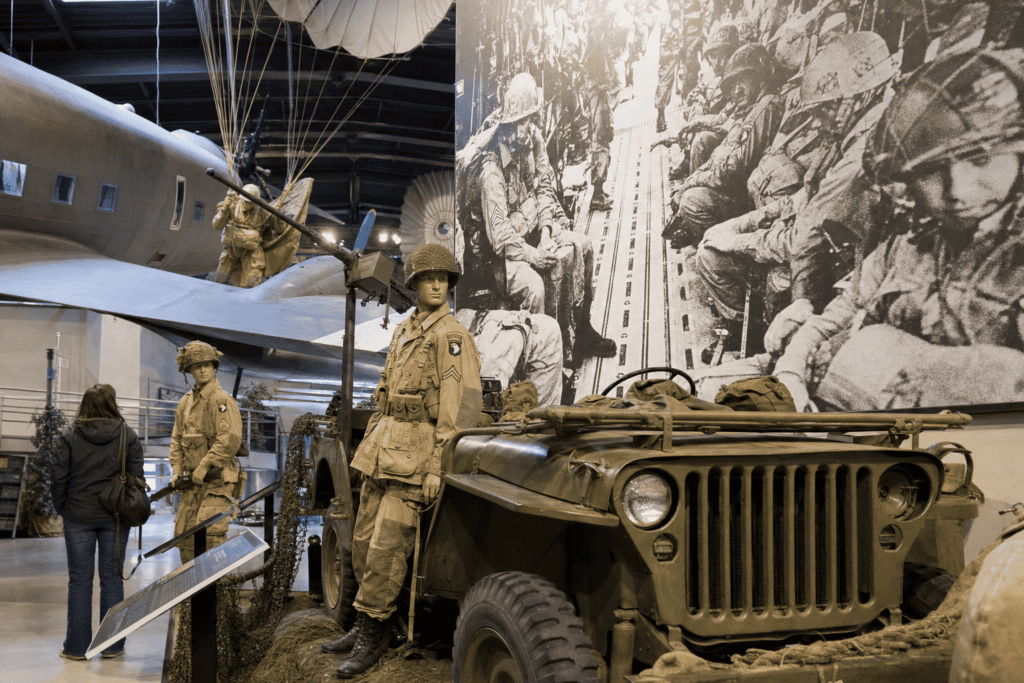 Airborne Museum A major D-Day museum dedicated to American paratroopers and the battles around Sainte-Mère-Église.
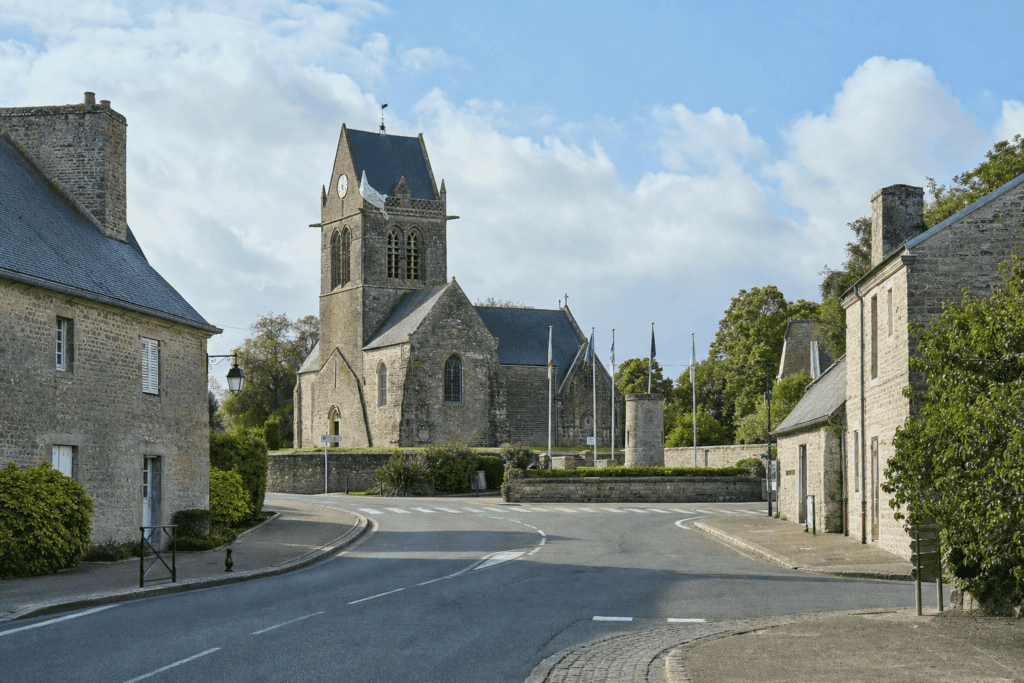 Getting to Sainte-Mère-Église from Carentan, Bayeux or Caen A practical guide to getting to Sainte-Mère-Église from Paris, Caen, Bayeux, Carentan, or Cherbourg and planning an…
 Sainte-Mère-Église Market A Cotentin food stop to confirm, ideal before the Airborne Museum and D-Day sites…
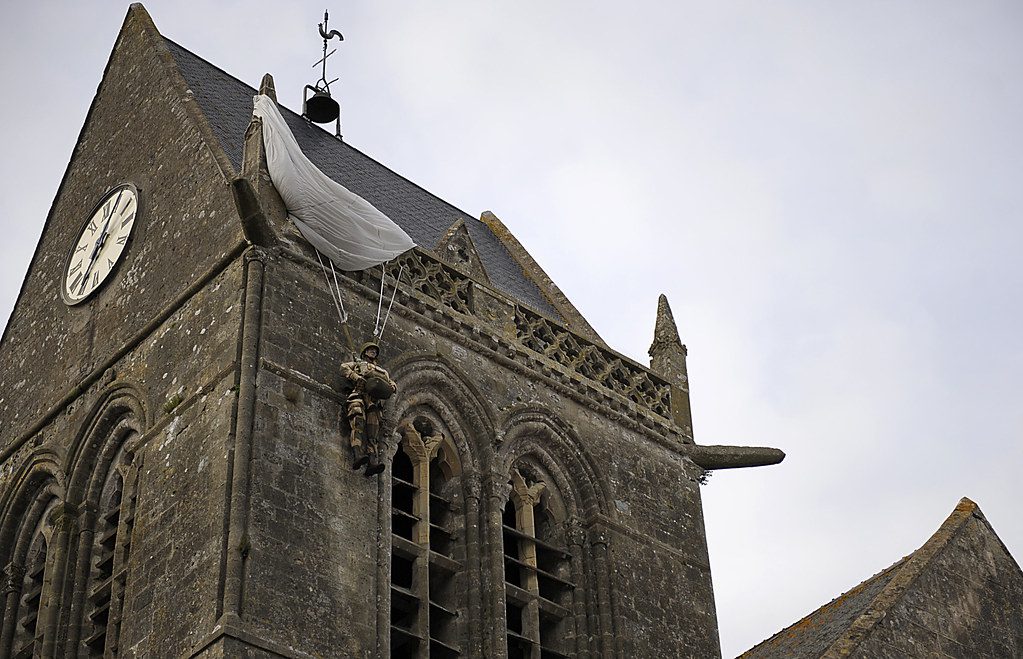 What to Do on the D-Day Beaches from Sainte-Mère-Église A one-day historical route between Sainte-Mère-Église, Azeville, and Utah Beach in the Cotentin.
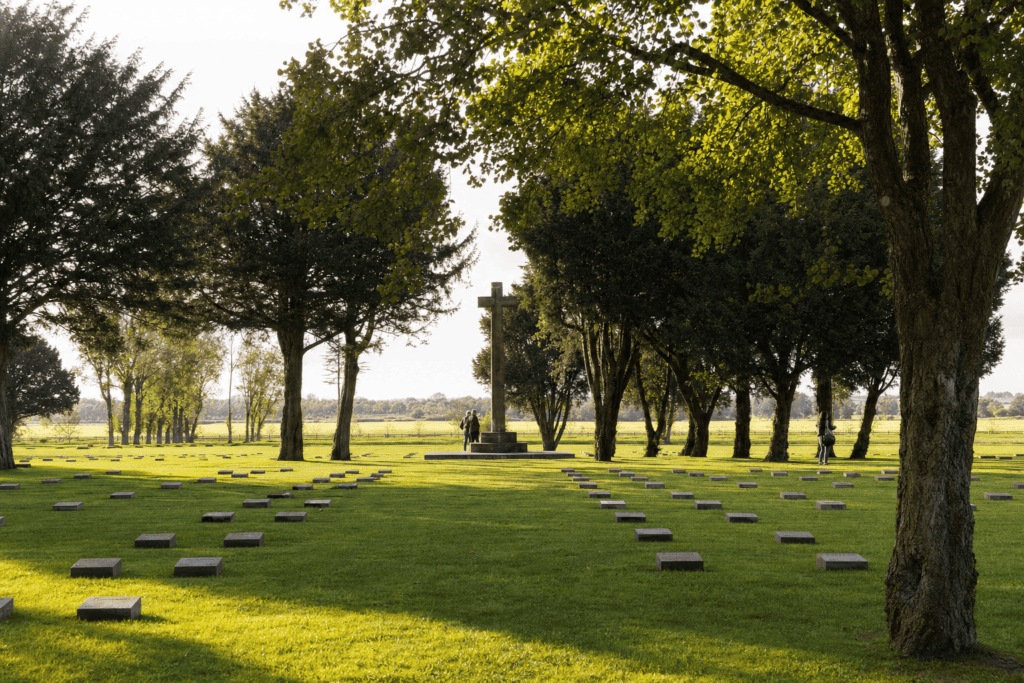 Orglandes German Military Cemetery A solemn German cemetery in the Cotentin, to combine with Sainte-Mère-Église, Utah Beach, and Carentan.
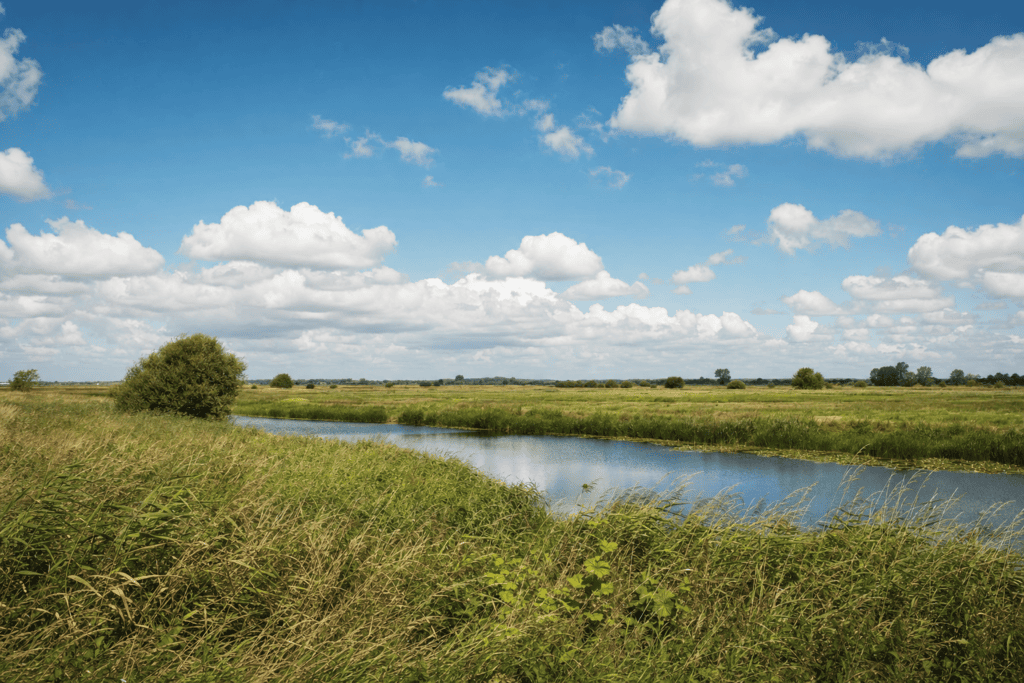 Cotentin and Bessin Regional Nature Park Discover the Cotentin’s marshes, birds, and hedgerows from Sainte-Mère-Église, combining nature, history, and…
Online booking · Paris → Route de Crisbecq, 50310 Saint-Marcouf, Manche, Normandy. Check the practical address and route directly with the site before your visit.
Choose your pickup date and time
Your departure and arrival details are already pre-filled. You can adjust them in the fare calculator before viewing the vehicles and fare.