



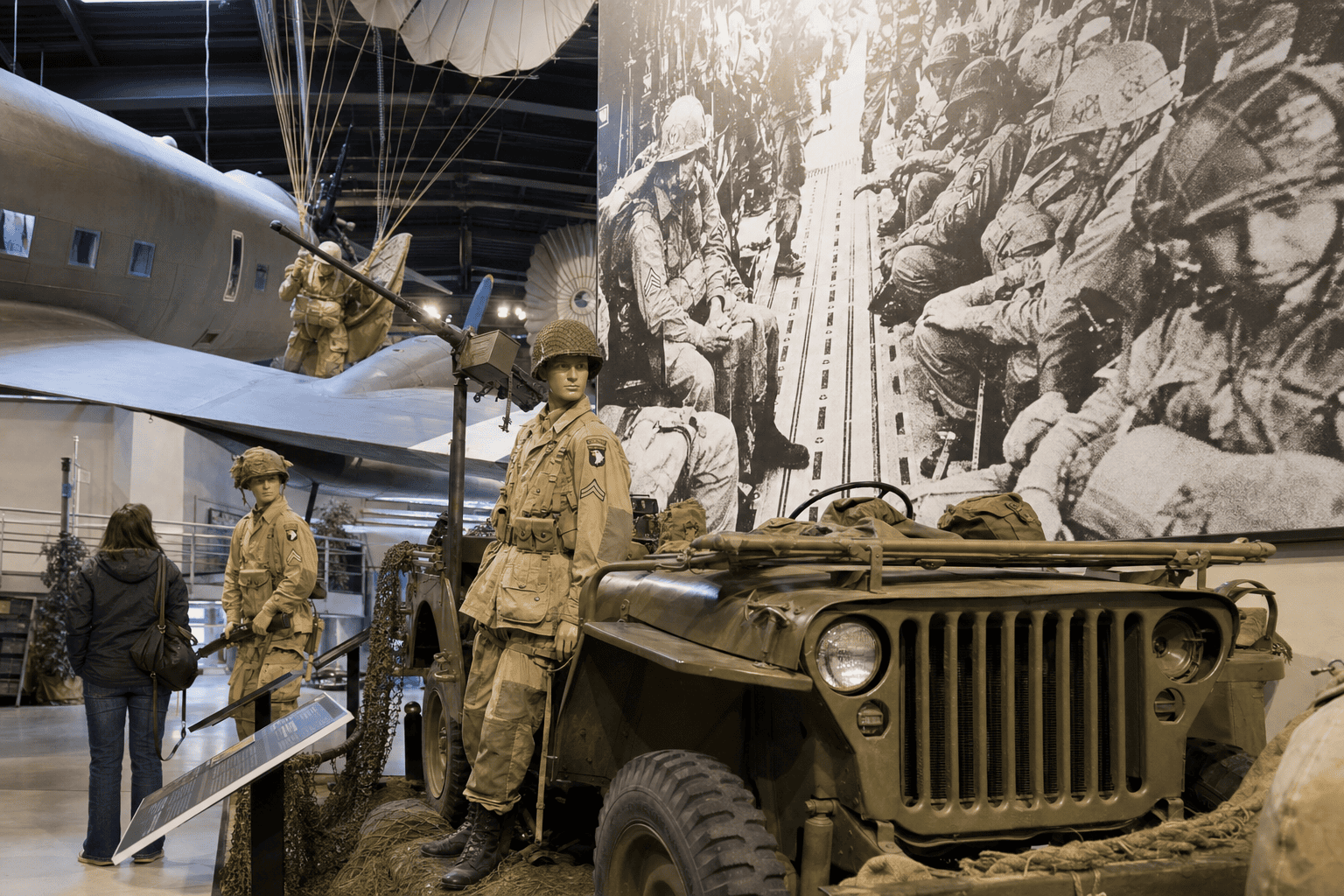
Airborne Museum: Understanding D-Day in Sainte-Mère-Église
Sainte-Mère-Église
In the heart of Sainte-Mère-Église, the Airborne Museum tells the story of the American paratroopers of the 82nd and 101st Airborne Divisions during the night of June 5–6, 1944. Historic aircraft, gliders, equipment, personal accounts, and immersive exhibits place visitors in the hours before and after the drops over the Cotentin Peninsula. The visit fits naturally into an itinerary focused on the D-Day beaches, including Utah Beach, the German batteries, Carentan, and the surrounding marshes. This guide covers the historical context, the museum’s highlights, transportation, additional stops, and useful advice for planning a day trip from Paris or Normandy.
Practical information
Check the official website before setting out to confirm hours, prices, last admission, activities, and accessibility information. For a first day, pair the museum with Sainte-Mère-Église Church and Utah Beach rather than trying to visit multiple distant sites.
Getting to Sainte-Mère-Église from Paris
Private transportation can be arranged from Paris, a hotel in the Île-de-France region, CDG, or ORY to Sainte-Mère-Église. The itinerary can include Utah Beach or other sites in the Cotentin Peninsula, with a return to Paris. Admission tickets, guided tours, meals, and lodging must be booked separately.
Departure from Paris, the Île-de-France region, CDG, or ORY; return to Paris or a D-Day itinerary starting in Paris, according to the agreed program.
Sainte-Mère-Église and the Night of June 6, 1944
The Airborne Museum should be experienced in connection with the Cotentin landscape. During the night of June 5–6, 1944, Sainte-Mère-Église was at the center of the American airborne troops’ area of operations. Their mission included securing roads, bridges, and crossroads to protect the flank of the units landing at Utah Beach. The town was therefore a strategic point between the coast and the interior.
The drops were widely scattered. Some men landed far from their objectives, in darkness, among hedgerows, marshes, and flooded areas. Some found themselves isolated, without knowing their exact position or that of their unit. The museum helps visitors understand this initial disorganization, followed by the soldiers’ gradual regrouping and the first actions around Sainte-Mère-Église.
The church and its steeple recall the famous episode involving John Steele, whose parachute became caught on the spire. This image is significant, but it does not sum up the battle. As you explore the town center, also look for the monuments, plaques, and markers that recall the scale of the fighting in the area.
A Tour Dedicated to American Paratroopers
The tour follows the paratroopers from the operation’s preparation through the fighting in Normandy. Uniforms, maps, documents, equipment, and personal belongings give a tangible dimension to an operation often reduced to a few famous photographs. The visit shows the weight of the equipment, the preparation for the jump, and the difficulties soldiers faced in finding their comrades after landing.
The immersive exhibits make the story accessible to visitors discovering the history of D-Day. They convey the limited communications, the confusion of the drops, and the need to make decisions with incomplete information. Depending on the season and programming, certain digital exhibits or interpretive activities may be offered under varying conditions; check their availability directly with the museum before your visit.
Families can use the visual materials and reconstructions to explain the historical context, while keeping in mind that the subject concerns a deadly military operation. History enthusiasts will find more detail in the maps, archival documents, and explanations about the American airborne divisions.
C-47, WACO Glider, and Historic Collections
The aircraft on display are among the museum’s most striking features. The C-47 helps visitors visualize the transport planes used to carry paratroopers over Normandy. Its presence evokes the loading of the soldiers, preparation for the jump, the role of the crews, and the approach to the area of operations. For many visitors, the aircraft gives a very tangible sense of the logistics of D-Day.
The WACO glider illustrates another aspect of the airborne operation. Without an engine, it could transport soldiers, light vehicles, weapons, ammunition, and equipment essential to consolidating positions on the ground. This presentation moves beyond the image of individual parachute drops and helps explain the operation as a whole, which also depended on supplies and the speed of reinforcements.
Smaller objects complement the large machines: helmets, bags, shoes, communications equipment, documents, and personal mementos. They show how much the success of an operation depended on countless details. Since the collections and activities may change, consult the official information if you are looking for a specific item or interpretive program.
Planning Your Visit in Central Sainte-Mère-Église
Located on Rue Eisenhower, the Airborne Museum is easy to visit along with Sainte-Mère-Église Church and the town’s monuments. Allow about two hours to explore the exhibits without rushing, read the displays, and take time to view the aircraft. A longer visit may be necessary for families, an activity, or a more in-depth look at the documents on display.
Hours, prices, last admission, and reservation requirements vary by season. Check the official website before departing, especially if you are traveling in a group or during commemorations. Days around June 6 may also bring traffic restrictions, parking changes, or different access to certain areas of the town center.
Parking depends on local signage, roadworks, markets, and events. Arriving early is advisable during school vacations and busy periods. For a stroller, wheelchair, service dog, or specific request, contact the museum team directly; they can confirm the access conditions that apply to your situation.
Utah Beach, Batteries, and Other Cotentin Sites
Pairing the museum with Utah Beach creates a coherent historical itinerary. In Sainte-Mère-Église, you discover the paratroopers’ actions inland; on the beach, you understand the arrival of soldiers, vehicles, and supplies by sea. The Utah Beach Museum complements this perspective with artifacts, explanations, and a setting directly connected to the June 6 landings.
The batteries at Azeville and Crisbecq shed light on the German defensive system. Carentan and Saint-Côme-du-Mont provide insight into the fighting around the marshes, roads, and transportation routes. Pointe du Hoc, Omaha Beach, and the American Cemetery at Colleville-sur-Mer are also essential, but they belong to another sector and require more driving time.
Avoid trying to cover all the beaches in a single day. A balanced plan could combine Sainte-Mère-Église, Utah Beach, and one battery, then set aside a second day for Carentan or the Omaha sector. Small roads, parking, ceremonies, and crowds can make planned journeys take longer.
Getting Here from Paris, Carentan, Bayeux, or Cherbourg
From Paris, driving is generally the most practical option for combining the museum with several D-Day sites. The route usually goes through the western Paris region, Caen, and then the Cotentin Peninsula, but actual travel time depends on traffic, roadworks, and the season. Allow plenty of extra time on weekends, in summer, and around D-Day ceremonies.
Carentan train station is a useful rail arrival point for reaching the area. However, it is not in front of the museum: the final leg to Sainte-Mère-Église must be arranged by taxi, rental car, or reserved transportation. Local services may be limited depending on the time and season, so check your options before choosing a train.
Bayeux is a popular base for exploring the D-Day beaches, while Caen offers numerous connections and services. Cherbourg is better suited to an itinerary focused on northern Cotentin. There is no direct train service to the museum; check connections and last-mile transportation options. Private transportation can depart from Paris, the Île-de-France region, CDG, or ORY, with a return to Paris or continuation along an itinerary that began in Paris.
Where to Stay and Eat Near the Museum
Staying in Sainte-Mère-Église lets you walk to the museum and explore the town center before day visitors arrive. Hôtel du 6 Juin is a recognizable address in the town, but check its availability, arrival conditions, and services directly. Accommodations in the area may sell out well in advance of commemorations and holiday weekends.
Carentan is an interesting base for combining Utah Beach, the marshes, and the area’s American memorial sites. Bayeux and Caen offer a wider choice of hotels and restaurants, at the cost of longer daily drives. Cherbourg is better suited to a tour including northern Cotentin, the coastline, or an arrival by port.
In Sainte-Mère-Église, restaurant availability and hours may vary by season. Le Biscuit de Sainte-Mère-Église is a well-known restaurant in town; check its opening hours and service on the day of your visit. In the off-season, plan a backup option in a nearby town, especially for dinner. Reservations are recommended during busy periods.
Useful sources
Frequently Asked Questions
Where is the Airborne Museum located?
How much time should I allow for the visit?
Can you visit the museum and Utah Beach on the same day?
How can you get from Carentan to Sainte-Mère-Église without a car?
Are the hours and access conditions consistent?
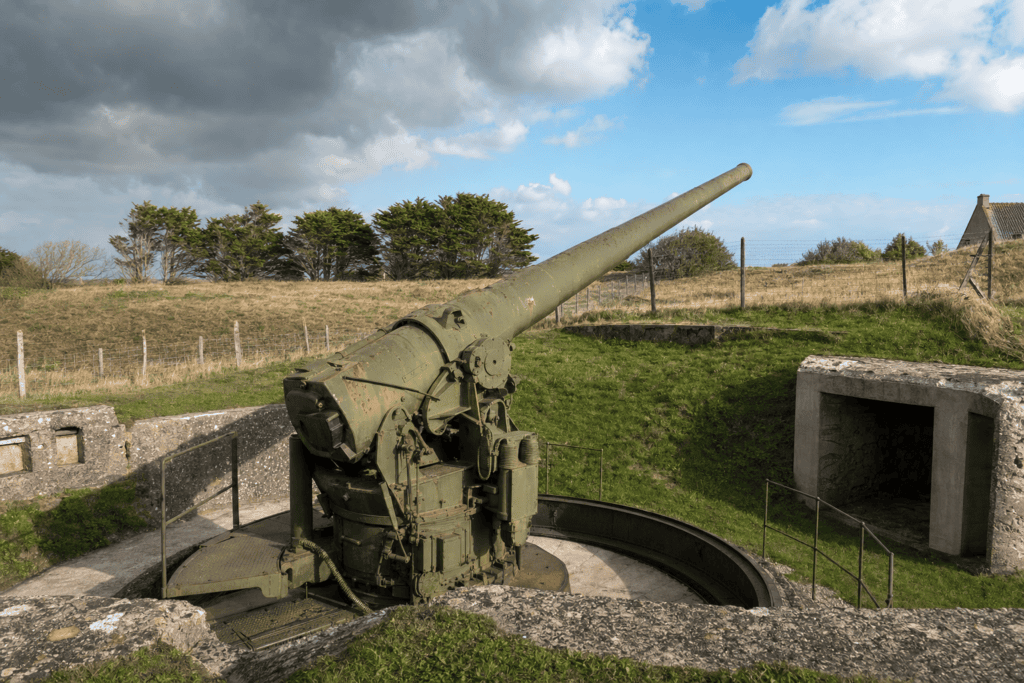 Crisbecq Battery A major fortified site in the Cotentin Peninsula, to discover between Saint-Marcouf, Utah Beach, Sainte-Mère-Église, and other…
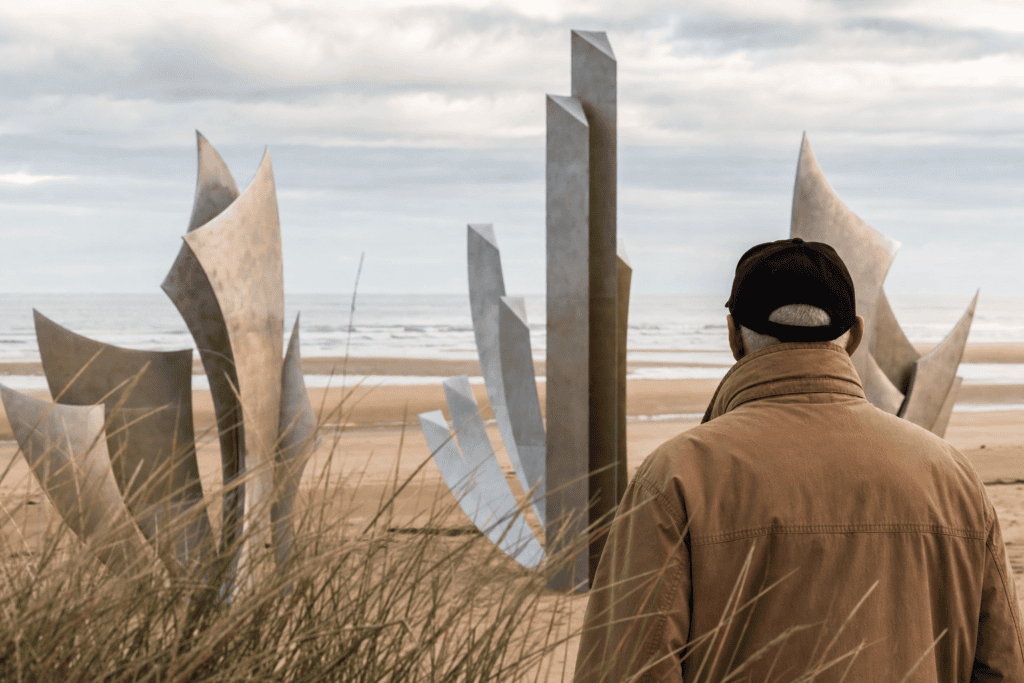 Utah Beach and the D-Day Museum Discover Utah Beach in Sainte-Marie-du-Mont: museum, beach, monuments, and markers along the Liberty Road…
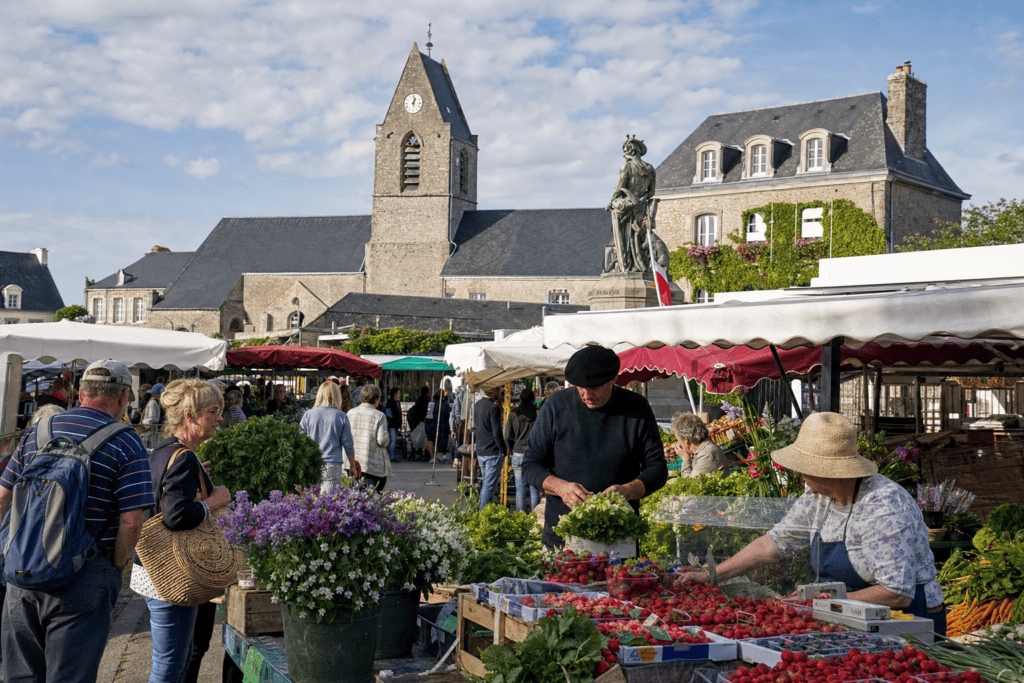 Sainte-Mère-Église Market A Cotentin food stop to confirm, ideal before the Airborne Museum and D-Day sites…
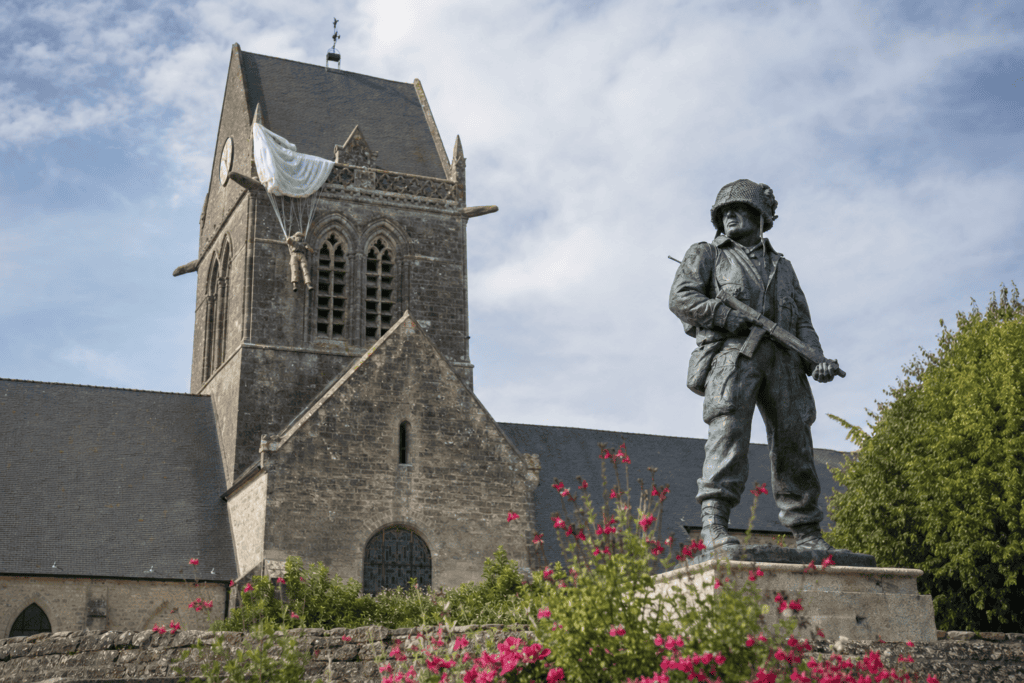 Sainte-Mère-Église Church and Paratrooper John Steele The steeple associated with John Steele, commemorative stained-glass windows, and the Airborne Museum make this a major stop…
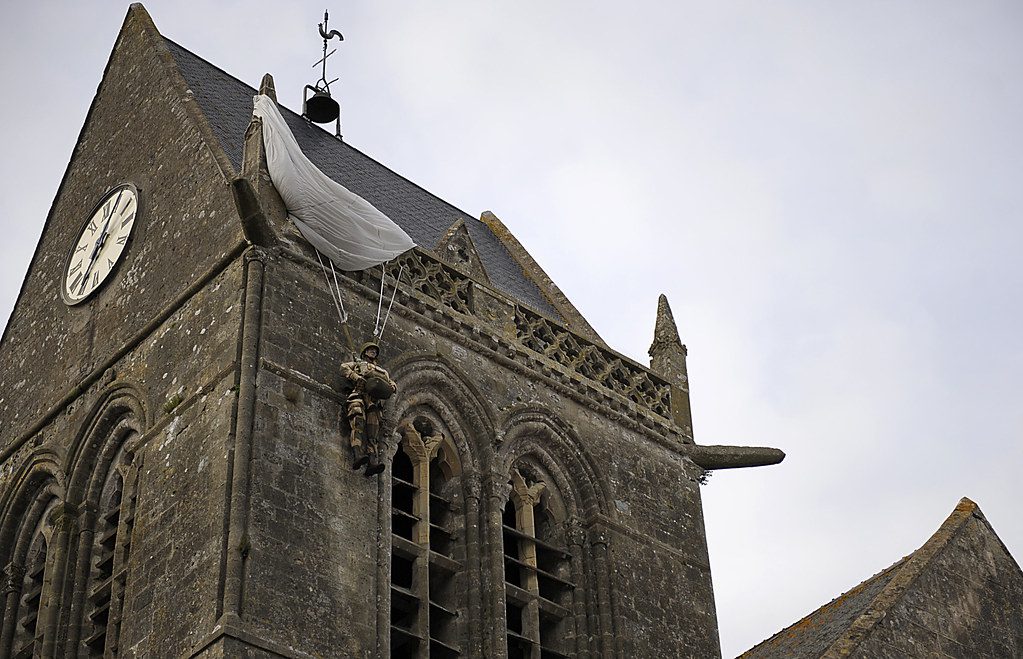 What to Do on the D-Day Beaches from Sainte-Mère-Église A one-day historical route between Sainte-Mère-Église, Azeville, and Utah Beach in the Cotentin.
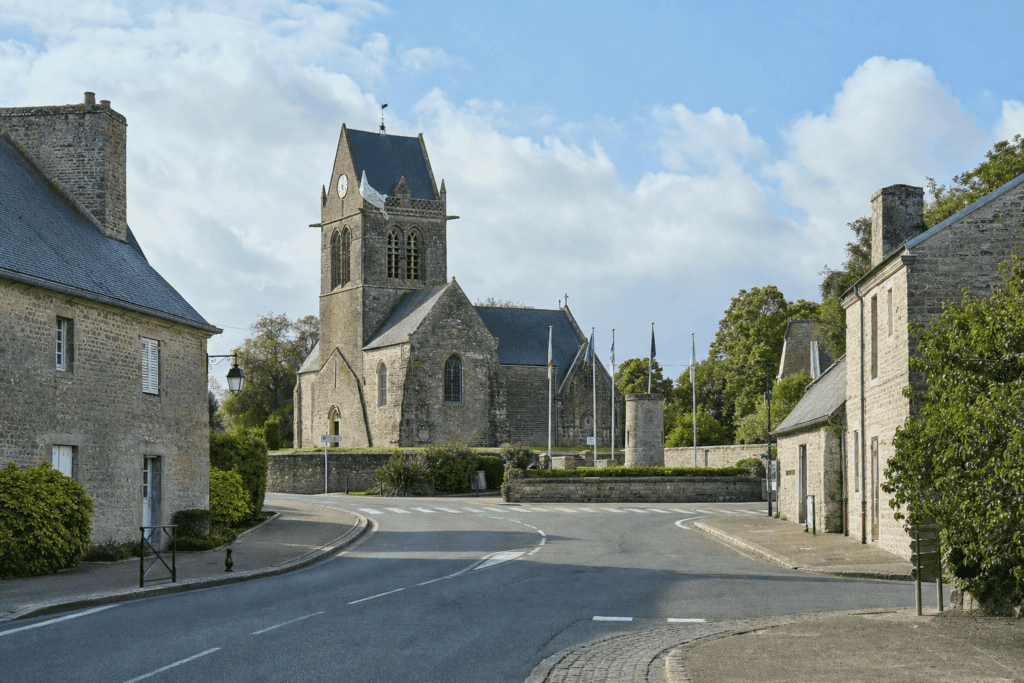 Getting to Sainte-Mère-Église from Carentan, Bayeux or Caen A practical guide to getting to Sainte-Mère-Église from Paris, Caen, Bayeux, Carentan, or Cherbourg and planning an…
Online booking · Paris → 14 Rue Eisenhower, 50480 Sainte-Mère-Église, Manche, Normandy, France
Choose your pickup date and time
Your departure and arrival details are already pre-filled. You can adjust them in the fare calculator before viewing the vehicles and fare.