



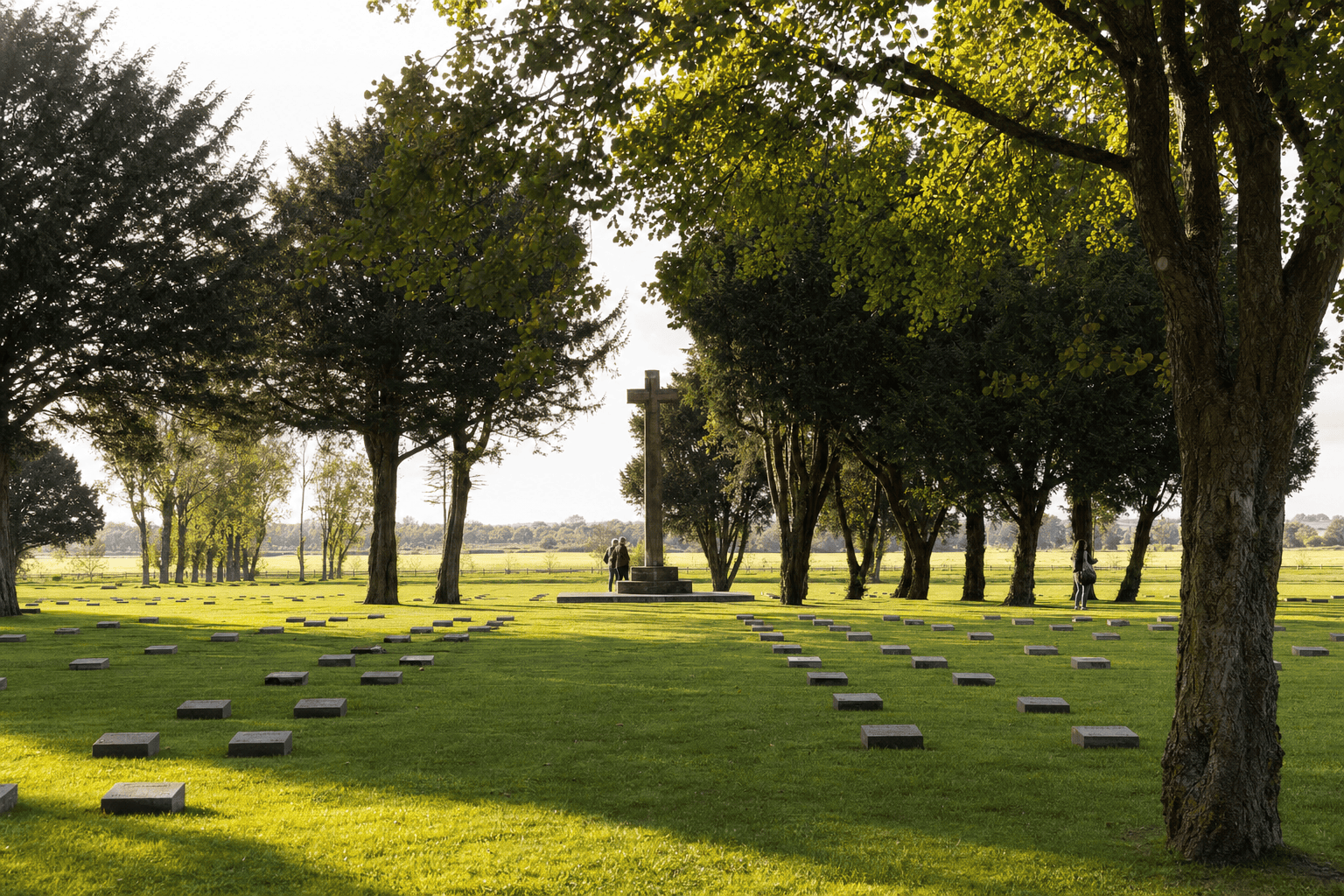
German Military Cemetery at Orglandes: Practical Guide
Sainte-Mère-Église
In the Cotentin, the German Military Cemetery at Orglandes is a memorial site dedicated to German soldiers who died during World War II, particularly in the fighting of the Battle of Normandy. Its quiet simplicity contrasts with the museums and D-Day beaches, while helping visitors understand the human cost of the battles that followed June 6, 1944. Set in a rural landscape, the cemetery can be visited peacefully and easily included in an itinerary linking Sainte-Mère-Église, Utah Beach, Carentan, and the Cotentin marshes. This guide covers its history, precautions to take, access from Normandy’s train stations and ports, and itinerary options from Paris.
Practical information
Review the site manager’s guidelines before your visit, wear suitable footwear for the terrain, and allow enough time between Orglandes and the other stops on your itinerary.
Getting to Orglandes from Paris
Booking Paris Transfer peut organiser un transport routier depuis Paris, un hôtel parisien, Paris-Charles-de-Gaulle ou Paris-Orly vers Orglandes, Sainte-Mère-Église et les autres sites du D-Day. Le trajet peut prévoir un retour à Paris ou une continuation en Normandie. La prestation concerne uniquement le transport ; vérifiez directement les horaires, visites, réservations et autorisations auprès des sites concernés.
Departure from Paris, a Paris hotel, CDG, or ORY; return to Paris or onward travel in Normandy depending on the itinerary.
Why Visit This Cotentin Cemetery
The German Military Cemetery at Orglandes complements the major Allied sites in Manche by offering a different perspective on the Battle of Normandy. At Sainte-Mère-Église, the story focuses in particular on the American airborne landings and the first hours of June 6, 1944. At Utah Beach, it centers on the coastline, the landings, and the troops’ advance. At Orglandes, visitors encounter one of the human consequences of the fighting that continued inland across the Cotentin.
The site is suited to travelers interested in history, European remembrance, and rural landscapes. It is neither a museum nor an attraction with interactive exhibits. The rows of graves, lawns, trees, and silence make up the essence of the experience. This stop is especially meaningful when combined with a museum or interpretation center. A slow, respectful visit is preferable to a quick stop intended only for taking a few photographs.
The Historical Context of the Battle
After the Allied landings, the Cotentin became a strategic sector. American forces had to consolidate the beachheads, advance into the peninsula, and isolate Cherbourg. The bocage, sunken lanes, thick hedgerows, and wetlands slowed movement. The battle therefore extended far beyond June 6, with fighting continuing for several weeks around villages, roads, and marshes.
The soldiers buried at Orglandes died mainly during this period. Like other military cemeteries in Normandy, the cemetery brought together remains from temporary graves established near the battlefields. The Volksbund Deutsche Kriegsgräberfürsorge maintains the site and provides historical and biographical information. For the exact number of graves, biographies, and any updates, refer to the manager’s official listing rather than relying on unverified copied information.
A Quiet Visit in the Norman Landscape
The cemetery favors a simple, orderly design. The paths structure the visit, while the stones and groups of graves convey the conflict’s collective scale. Orglandes’ landscape is not merely a backdrop: the bocage helps visitors understand the conditions in which units fought, advanced, or tried to hold their positions during the summer of 1944.
On site, take your time and read the inscriptions when the light and conditions allow. Respect the lawns, graves, and planted areas; do not touch the monuments or disturb other visitors. The site manager’s rules should also guide photography. Personal photography may be compatible with respectful remembrance, while editorial or professional projects require advance permission. After rain, suitable footwear is useful, especially when the ground is wet.
Stops to Combine Around Orglandes
The cemetery fits naturally into an itinerary focused on D-Day and the Battle of Normandy. Sainte-Mère-Église is a natural pairing: the Airborne Museum presents the airborne operations and helps place the area in the first hours of the landings. Utah Beach then offers the perspective of the coast, while Carentan helps explain the routes between the beaches and inland Cotentin.
The Cotentin marshes add a valuable landscape perspective, since water, dikes, and low-lying land influenced military movements. Valognes may suit a more heritage-focused visit, particularly if your stay is not limited to the D-Day sites. Bayeux requires more time and deserves to be treated as a full stop, with its heritage and memorial sites. Before planning your day, check each venue’s hours and avoid adding too many detours on small rural roads.
Getting There from Sainte-Mère-Église, Carentan, or Cherbourg
Orglandes does not have a train station. From Sainte-Mère-Église, the drive is relatively straightforward and can fit between the Airborne Museum and Utah Beach. From Carentan station, you will need additional ground transportation: a taxi, rental car, or private transfer. Taxi and vehicle availability may be limited in rural communities, so booking ahead is recommended, especially during the June commemorations.
Cherbourg-en-Cotentin is an important gateway for travelers arriving in northern Manche. From the train station or ferry terminal, drive to Orglandes before continuing to Sainte-Mère-Église or the coast. Do not try to fit the journey between two ferry times without planning: departmental roads, roadworks, local markets, and seasonal traffic can lengthen the trip. The ports of Ouistreham and Le Havre are Normandy arrival points, but they are farther away and require different planning, often including an overnight stay in the area.
Preparing an Accessible and Respectful Visit
Before leaving, review the information published by the Volksbund Deutsche Kriegsgräberfürsorge regarding opening hours, visitor guidelines, groups, and special conditions. A rural cemetery does not necessarily offer the facilities of a museum: do not automatically expect a ticket office, café, permanent staff, or services suited to every need. Visitors with reduced mobility should ask about parking, surfaces, and paths before finalizing their itinerary.
Bring water, rain protection, and extra time between appointments. Spring and fall can be wet; closed-toe shoes are recommended. During ceremonies connected with June 6, traffic, parking, and lodging availability may change. For photographs intended for publication, request the manager’s permission. On site, dress and behave appropriately for a funerary location, and avoid intrusive photographs of other visitors.
Planning an Itinerary from Paris
From Paris, Orglandes works better as part of a two-day or longer stay than as a rushed day trip. A first day could link Sainte-Mère-Église, the Airborne Museum, and the cemetery, with an overnight stay in Sainte-Mère-Église, Carentan, or nearby. The next day, Utah Beach, the Cotentin marshes, and, depending on the time available, another memorial site form a coherent itinerary. Bayeux can be added to a longer program, but be sure to allow for driving time.
Booking Paris Transfer can arrange ground transportation from Paris, a Paris hotel, Paris-Charles-de-Gaulle, or Paris-Orly to Orglandes and nearby sites, with a return to Paris or onward travel in Normandy. The service covers transportation only: schedules, visits, permits, and any tickets must be checked with the relevant sites. To preserve the historical value of the itinerary, plan a full day or an overnight stay rather than a simple stop between two destinations.
Frequently Asked Questions
How Many Graves Are There at Orglandes Cemetery?
How Do You Get to Orglandes from Sainte-Mère-Église?
Can You Travel Directly from Carentan Station?
Is the site accessible to people with reduced mobility?
Can You Photograph the Cemetery?
How can I arrange transportation from Paris?
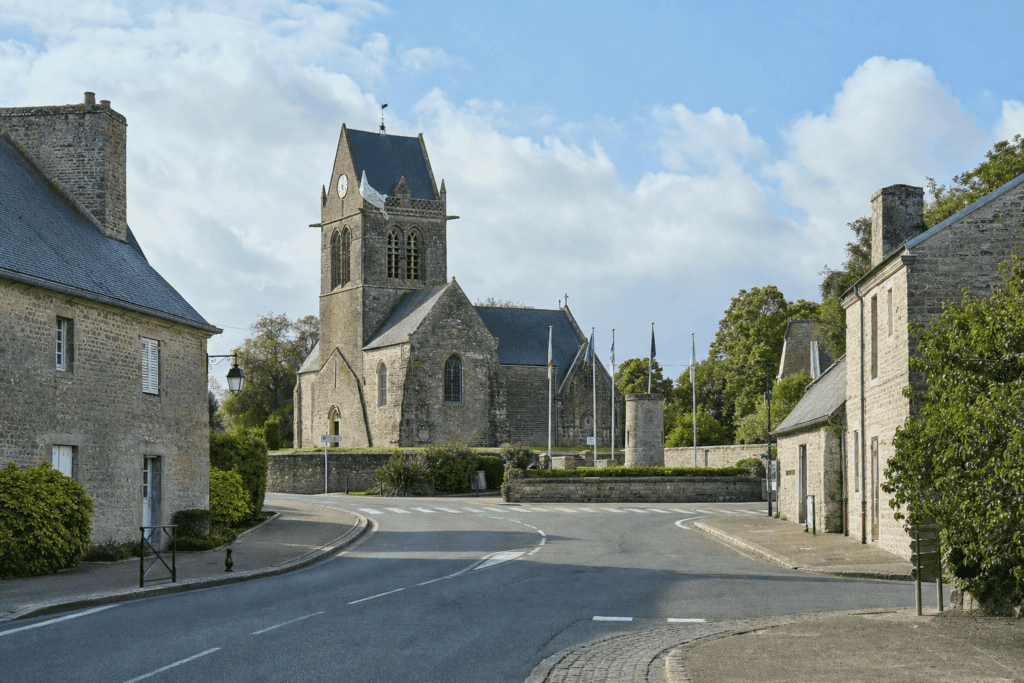 Getting to Sainte-Mère-Église from Carentan, Bayeux or Caen A practical guide to getting to Sainte-Mère-Église from Paris, Caen, Bayeux, Carentan, or Cherbourg and planning an…
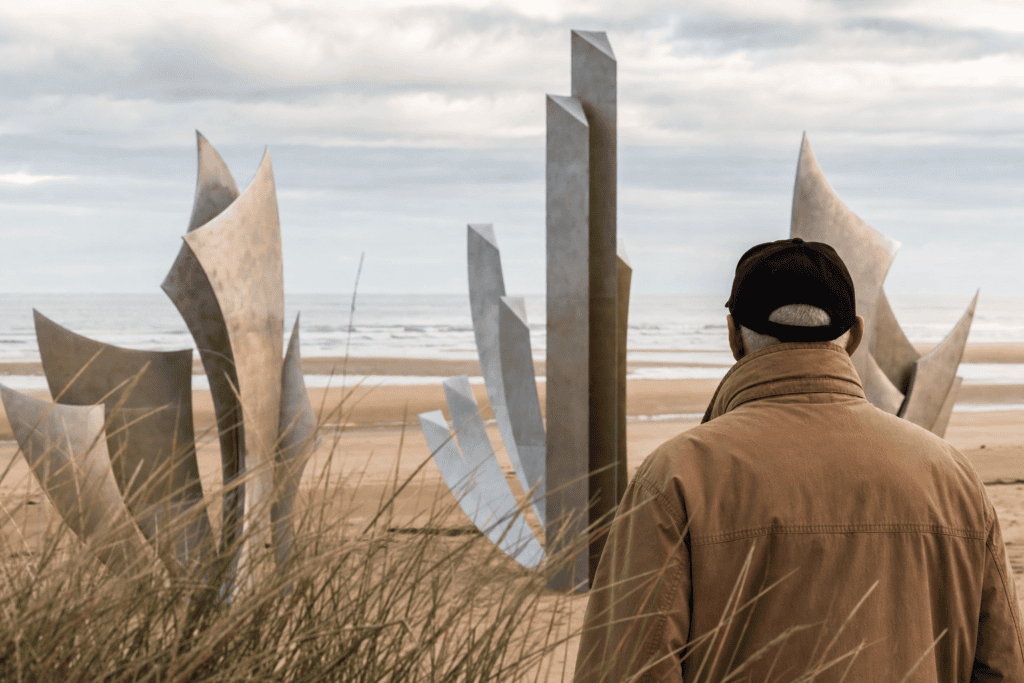 Utah Beach and the D-Day Museum Discover Utah Beach in Sainte-Marie-du-Mont: museum, beach, monuments, and markers along the Liberty Road…
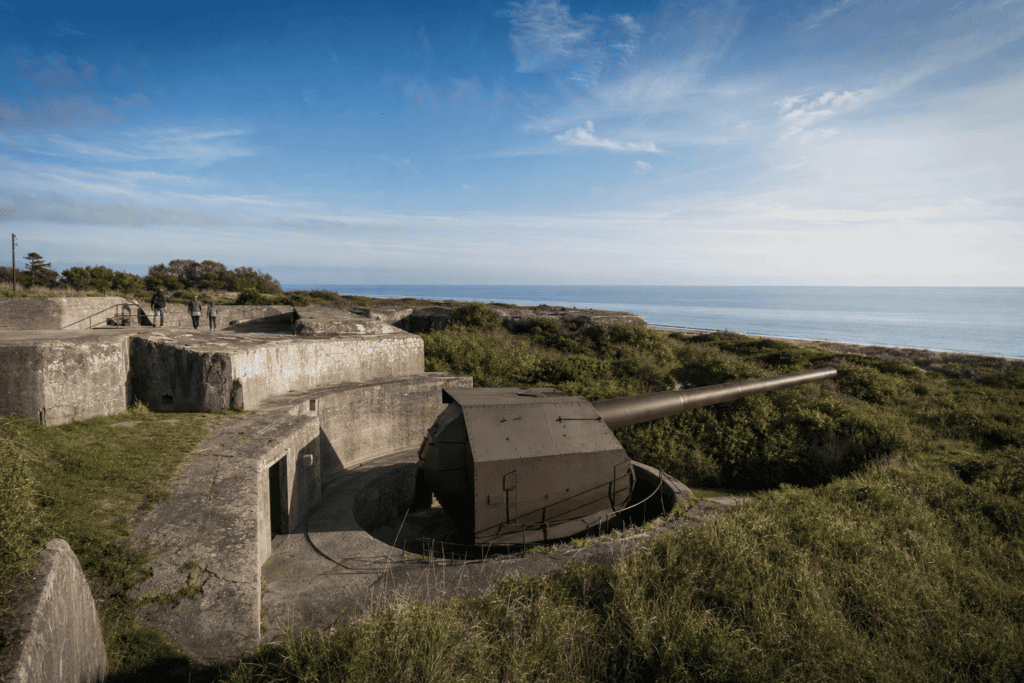 Azeville Battery A Cotentin German battery for understanding the Atlantic Wall defenses and the fighting…
 What to Do on the D-Day Beaches from Sainte-Mère-Église A one-day historical route between Sainte-Mère-Église, Azeville, and Utah Beach in the Cotentin.
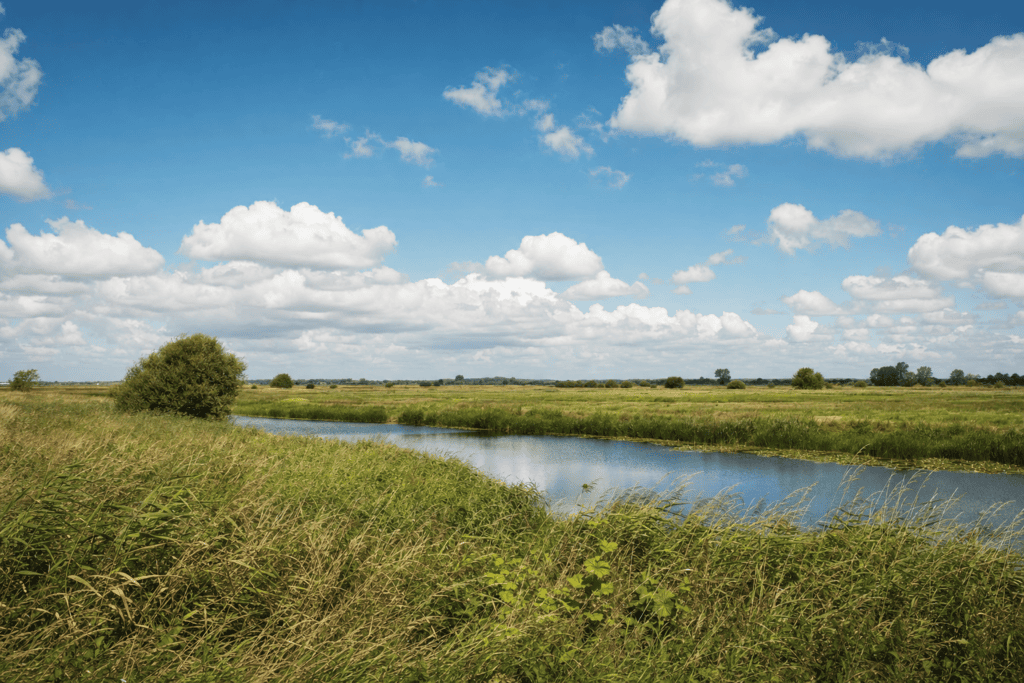 Cotentin and Bessin Regional Nature Park Discover the Cotentin’s marshes, birds, and hedgerows from Sainte-Mère-Église, combining nature, history, and…
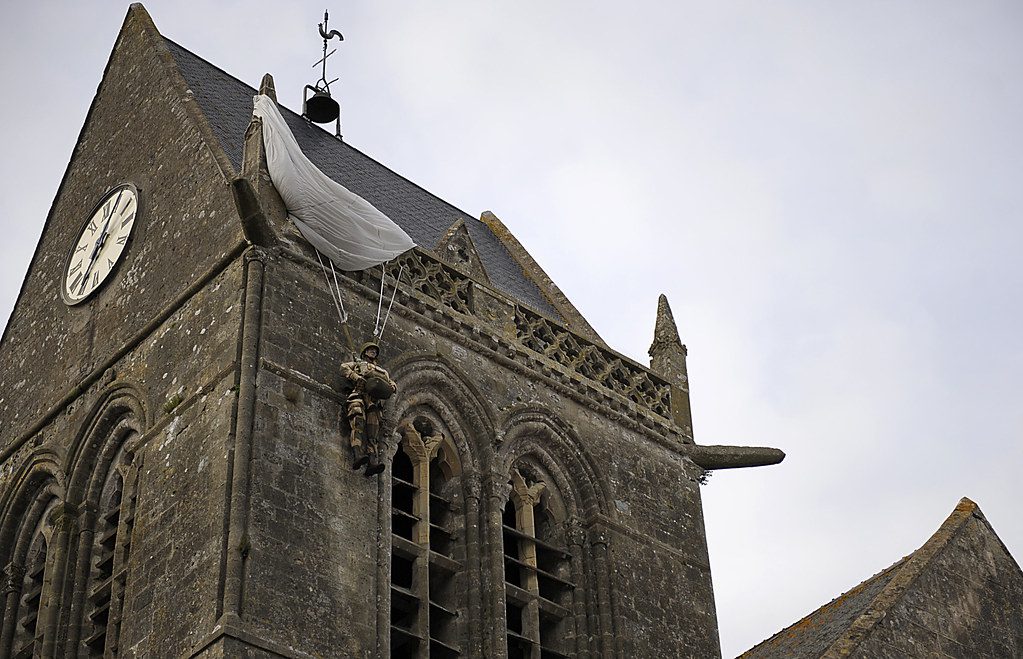
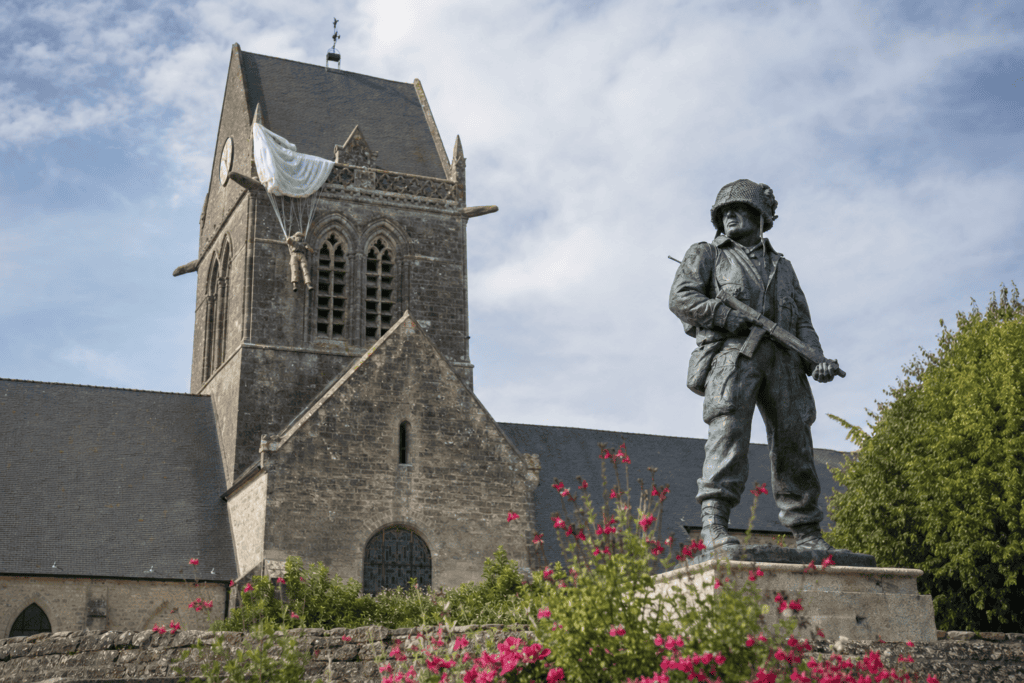 Sainte-Mère-Église Church and Paratrooper John Steele The steeple associated with John Steele, commemorative stained-glass windows, and the Airborne Museum make this a major stop…
Online booking · Paris → German Military Cemetery at Orglandes, 50390 Orglandes, Manche, Normandy, France. Check practical information with the Volksbund Deutsche Kriegsgräberfürsorge before departure.
Choose your pickup date and time
Your departure and arrival details are already pre-filled. You can adjust them in the fare calculator before viewing the vehicles and fare.