



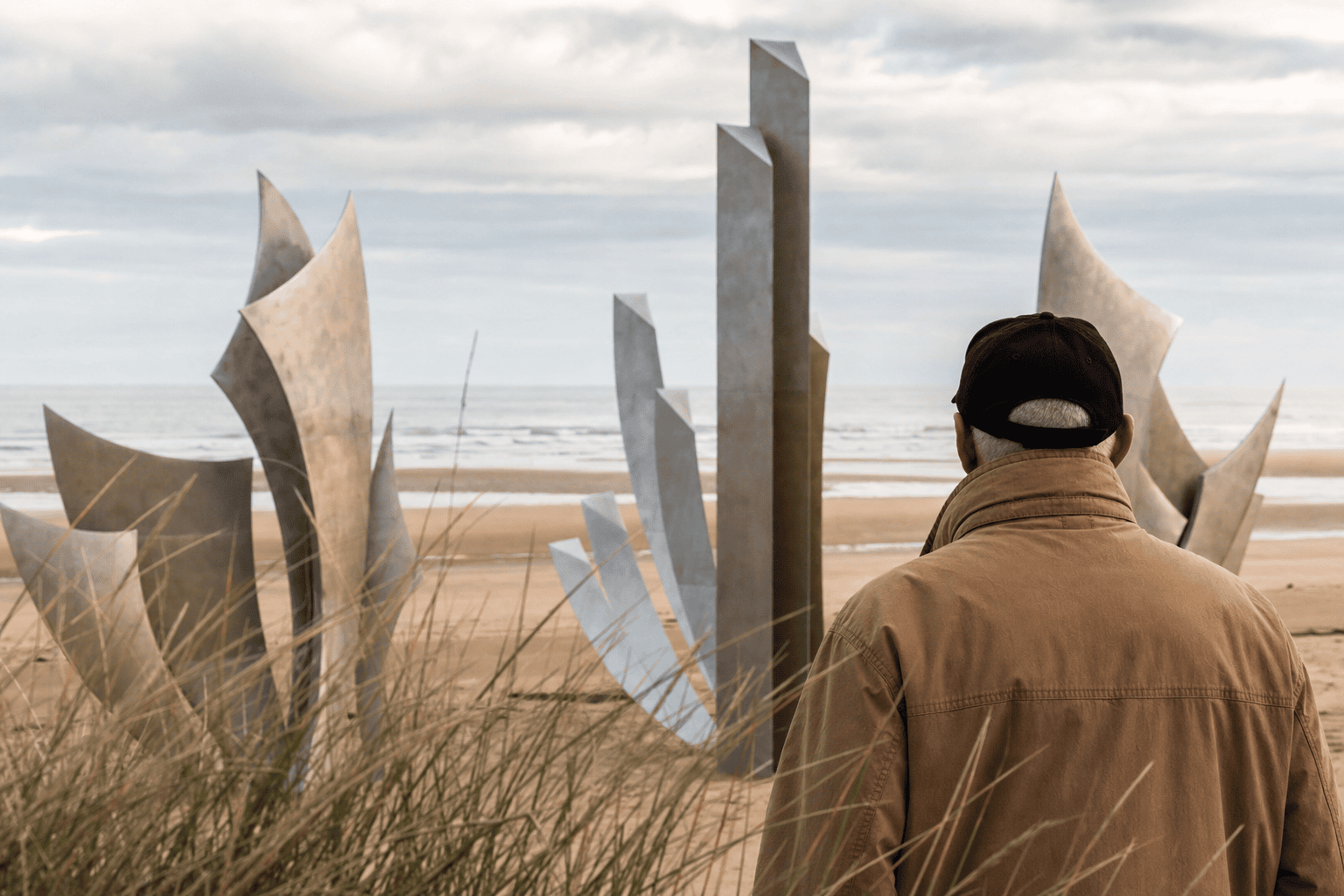
Utah Beach: Practical Guide to the Museum and Beach
Sainte-Mère-Église
Utah Beach, in the municipality of Sainte-Marie-du-Mont in Manche, is one of the major American D-Day sites in Normandy. The D-Day Museum, shoreline, monuments, and markers along the Voie de la Liberté help explain the role of this sector on June 6, 1944. A visit naturally complements Sainte-Mère-Église, associated with the parachute drops of the American airborne divisions. The site lies in a rural and coastal setting: the distances between the train station, museums, villages, and other memorial sites require careful planning, especially without a car. This guide presents the main points of interest, realistic access options from Carentan or Sainte-Mère-Église, and itinerary ideas in the Cotentin.
Practical information
Check the museum’s official hours, any shuttle services, and traffic conditions before setting out. Bring a windbreaker, water, and suitable footwear for sand and coastal paths.
Getting to Utah Beach from Paris
Booking Paris Transfer can arrange a private journey from Paris, the Île-de-France region, CDG, or ORY to Sainte-Marie-du-Mont, with a return to Paris or continuation of a D-Day itinerary in Normandy. The service covers transportation only and does not include site admission.
Departure from Paris, the Île-de-France region, CDG, or ORY; return to Paris or a Normandy itinerary available on request. Tickets and admission fees remain the visitors’ responsibility.
Understanding Utah Beach’s Role in D-Day
Utah Beach is the westernmost of the five Allied landing beaches in Normandy. On June 6, 1944, American troops came ashore on the Cotentin coast as part of Operation Overlord. The objective was not limited to taking the beach: they had to establish a beachhead, open routes inland, and link up with the airborne units dropped during the night.
The geography explains some of the challenges. Behind the coastal strip lie marshes, narrow roads, hedgerows, and villages that slowed movement. Today’s more peaceful landscape helps convey the importance of the sea walls, access routes, and low-lying areas. An attentive visit therefore combines the museum with the shoreline rather than treating them as two separate stops.
Utah Beach is best visited together with Sainte-Mère-Église, located in the same historic area of the Cotentin. One evokes the amphibious assault, while the other recalls the airborne operations. This complementarity provides a clearer understanding of the battle’s first hours.
Visit the D-Day Museum
The D-Day Museum is located at La Madeleine, immediately beside the beach. Its exhibits cover the Occupation, Allied preparations, German defenses, the role of naval and air forces, and the course of the assault on June 6, 1944. This chronological progression provides useful context before heading outside to the coast and monuments.
The collections include military artifacts, uniforms, documents, vehicles, archives, and personal accounts. The B-26 Marauder bomber displayed in the hangar is one of the most impressive pieces. It highlights the close cooperation between the air force, navy, airborne troops, and ground units on which the landing depended.
Allow time to read the panels and place the objects in context. The museum is particularly useful for a first visit, but it can also complement a tour already focused on Omaha Beach or Pointe du Hoc. Opening hours, activities, accessibility, and visitor arrangements vary by season: check the information published by the museum before your visit.
The Beach, Monuments, and the Voie de la Liberté
From the museum, Utah Beach’s shoreline is easy to reach on foot. The beach is a vast sandy area bordered by dunes and facing the Baie des Veys. Its scale helps visitors understand the distances covered by the soldiers and the importance of tides, obstacles, and routes leading inland. Winds can be strong, even when the weather seems pleasant farther inland.
The area contains several monuments and plaques dedicated to the units involved. They invite a reflective visit rather than an ordinary seaside stroll. Respect protected areas, dunes, marked access points, and local instructions. Closed-toe shoes are preferable if you continue along the sandy paths.
Borne 00 of the Voie de la Liberté is located in the Utah Beach sector, at La Madeleine. It symbolically marks the beginning of this commemorative route associated with the advance of the U.S. Third Army across France. Borne 0 in Sainte-Mère-Église belongs to the same memorial system: it should not be confused with Borne 00 or interpreted as a second landing point. These markers should therefore be understood within the history of the Voie de la Liberté, not as exact coordinates of the assault.
Getting to Utah Beach from Carentan or Sainte-Mère-Église
Carentan-les-Marais train station is often the simplest rail connection for reaching the area from Paris or other towns in Normandy. It is located on the rail line linking Paris-Saint-Lazare with Normandy, with connections or journeys to be checked depending on the date. However, the station is not at Utah Beach, and there is no dense urban transit network providing direct service to the museum, beach, and monuments.
From the station, the final leg must be arranged by car, taxi, or transportation booked in advance. The drive to Utah Beach generally takes around half an hour, but this depends on the exact departure point, traffic, and any detours. From Sainte-Mère-Église, allow approximately thirty minutes by road under normal conditions.
Valognes station may suit some itineraries, but it does not solve the final access issue either. Seasonal or event shuttles are not permanent services that can be taken for granted. Check their availability with tourist offices and local operators before planning your day around them.
Planning a D-Day Itinerary in the Cotentin
For a first day, start in Sainte-Mère-Église with the Airborne Museum and sites connected to the parachute drops. This stop covers the operations carried out during the night of June 5–6 and the village’s strategic role. Then continue to Sainte-Marie-du-Mont for the D-Day Museum, Borne 00, and the Utah Beach shoreline. By car, this combination is coherent and leaves time for exhibits, travel, and breaks.
If you have more time, add Carentan-les-Marais and the Cotentin marshes. The canals, wet meadows, and bocage landscape shed light on the difficulties faced by troops after the landing. It is better to group stops by area than to make numerous back-and-forth trips along rural roads.
Omaha Beach, Pointe du Hoc, and the American Cemetery at Colleville-sur-Mer are in another sector. They combine better with Bayeux or as part of a multi-day trip. An overly ambitious same-day program would leave less time for museums and reflection.
Seasonality, Traffic, and Visiting Conditions
Summer offers long days and makes it easier to combine the museum, beach, and monuments. It is also the busiest season, particularly during school holidays. Arriving early can make the visit more comfortable, although parking availability is not guaranteed. Follow local directions and do not park in access areas reserved for emergency services, residents, or site operations.
The period around June 6 is unusual. Ceremonies, convoys, gatherings, restrictions, and security measures may alter usual routes. Roads may be temporarily diverted or less accessible. Check announcements from the municipality, the Manche prefecture, and tourist offices before setting out, then allow extra time in your schedule.
Spring and fall often offer a more peaceful atmosphere and interesting light along the coast. In winter, visitor numbers decrease, but days are short and weather changes quickly. Wind, dampness, and sandy ground make waterproof clothing and suitable footwear advisable year-round.
Continuing to Explore Normandy’s D-Day History
Utah Beach is a gateway to the American sector of D-Day. To explore further, continue toward Carentan-les-Marais, the Cotentin marshes, and sites connected with the fighting in the bocage. These landscapes are more than a backdrop: hedgerows, ditches, canals, and narrow roads influenced the advance of Allied units after June 6.
A longer itinerary toward Calvados can include Omaha Beach, Pointe du Hoc, the American Cemetery at Colleville-sur-Mer, the Longues-sur-Mer battery, and the German military cemetery at La Cambe. These sites are spread out and each deserves meaningful time to visit. Bayeux offers a convenient base for organizing several excursions, while Sainte-Mère-Église is especially suitable for an itinerary focused on the Cotentin.
The best approach is to alternate museums, landscapes, and memorial sites without turning the day into a simple succession of miles. Book the necessary transfers in advance if you are traveling without a car. For a journey from Paris, Booking Paris Transfer can provide transportation to the site or as part of a Normandy itinerary only; admission tickets are not included.
Frequently Asked Questions
Which municipality is Utah Beach in?
Which train station should I use to get to Utah Beach?
How long does it take to travel from Sainte-Mère-Église to Utah Beach?
Is Borne 00 located in Sainte-Mère-Église?
How much time should I allow for a visit?
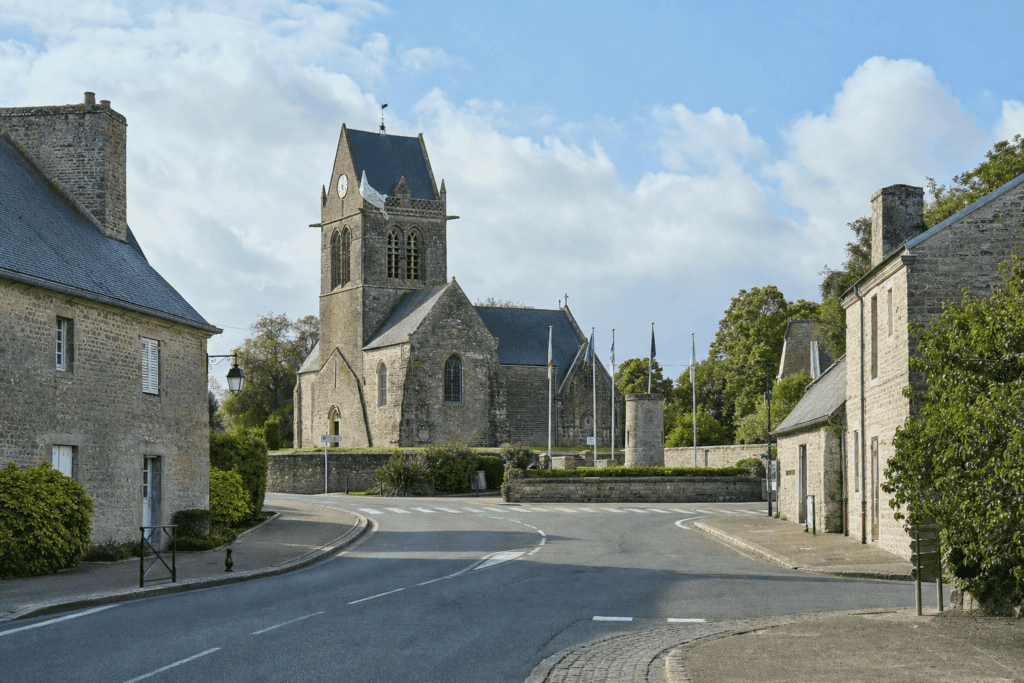 Getting to Sainte-Mère-Église from Carentan, Bayeux or Caen A practical guide to getting to Sainte-Mère-Église from Paris, Caen, Bayeux, Carentan, or Cherbourg and planning an…
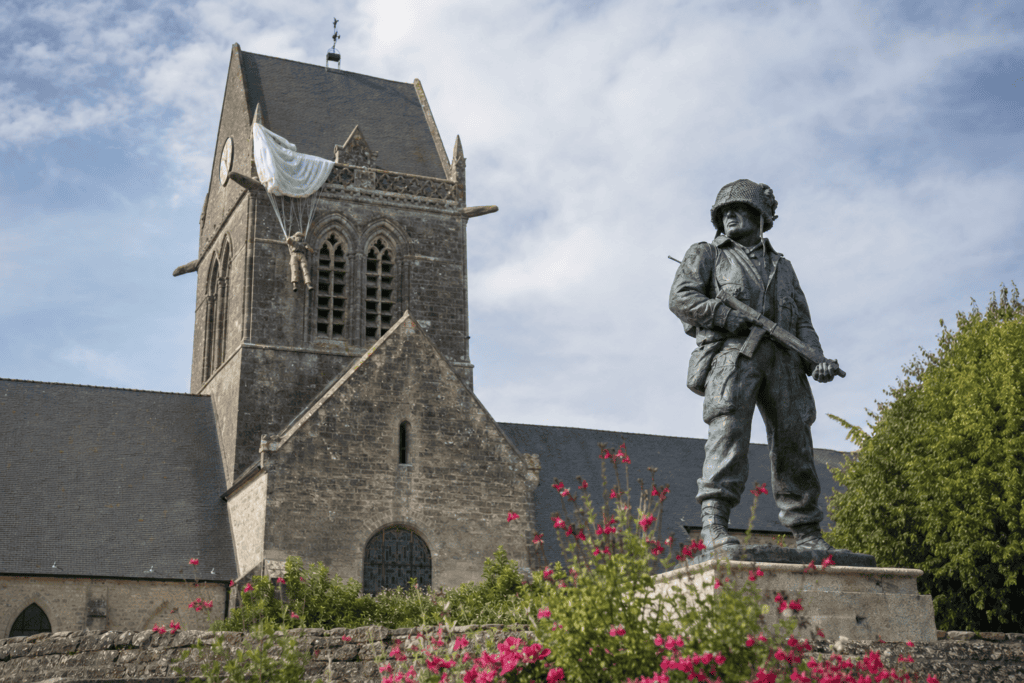 Sainte-Mère-Église Church and Paratrooper John Steele The steeple associated with John Steele, commemorative stained-glass windows, and the Airborne Museum make this a major stop…
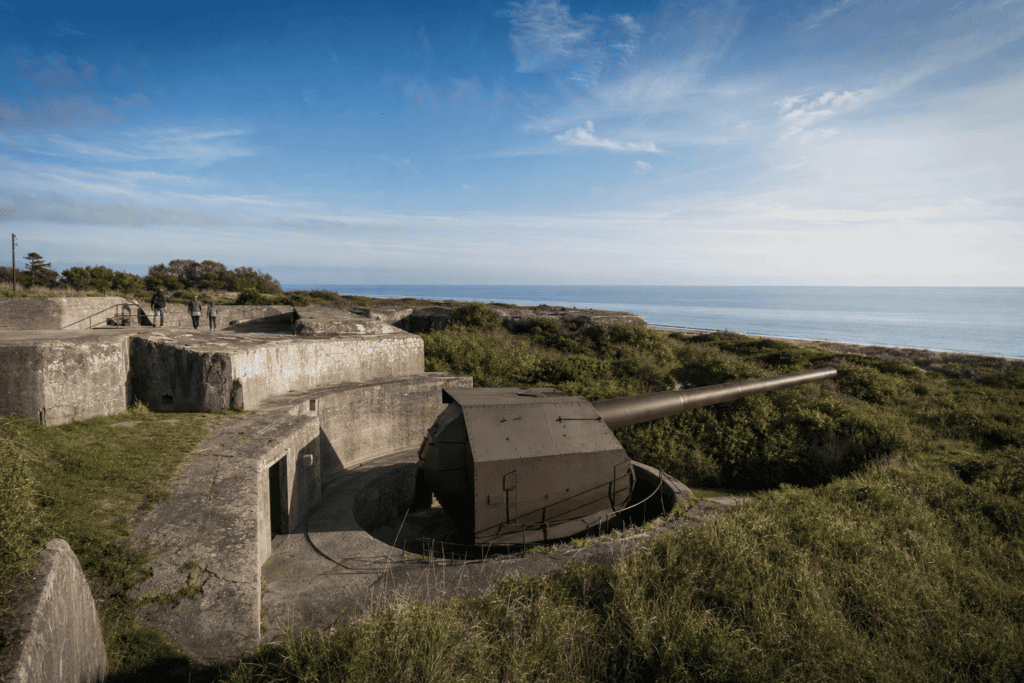 Azeville Battery A Cotentin German battery for understanding the Atlantic Wall defenses and the fighting…
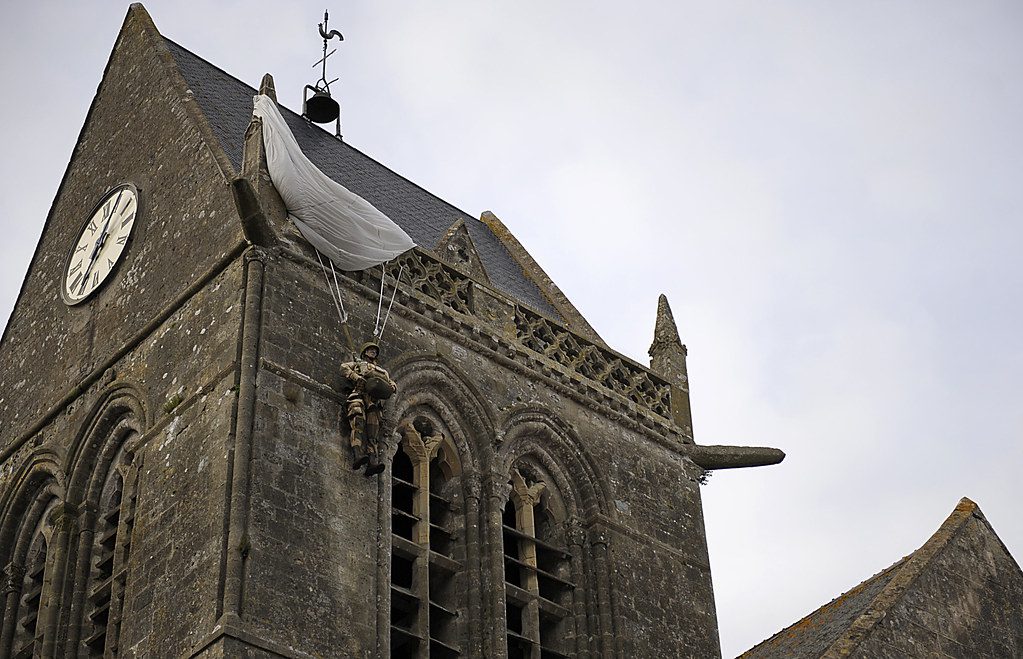 What to Do on the D-Day Beaches from Sainte-Mère-Église A one-day historical route between Sainte-Mère-Église, Azeville, and Utah Beach in the Cotentin.
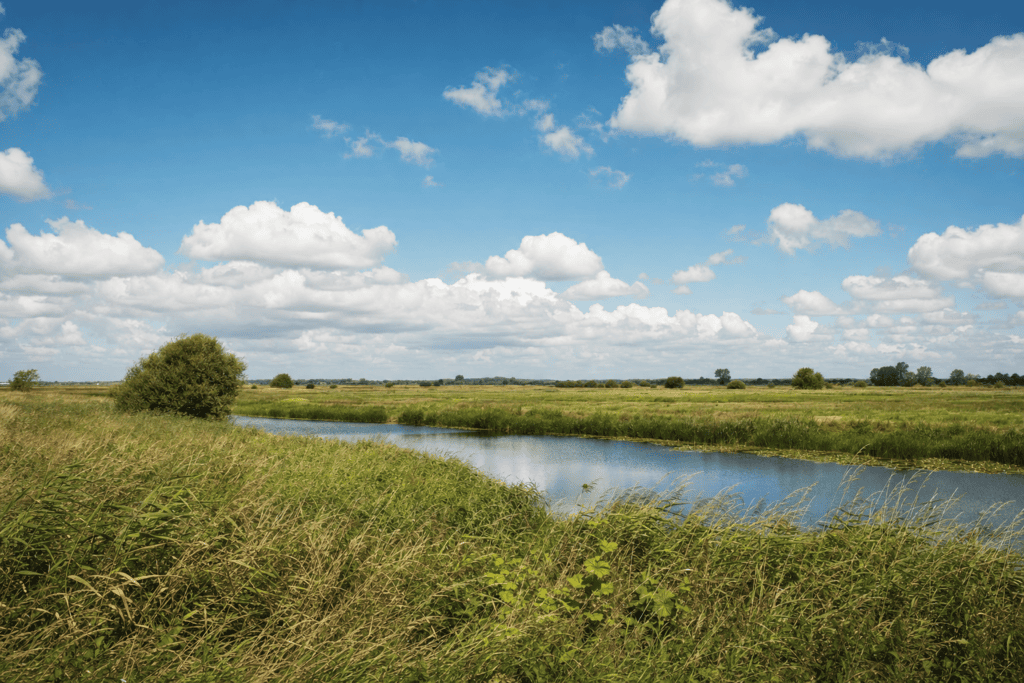 Cotentin and Bessin Regional Nature Park Discover the Cotentin’s marshes, birds, and hedgerows from Sainte-Mère-Église, combining nature, history, and…
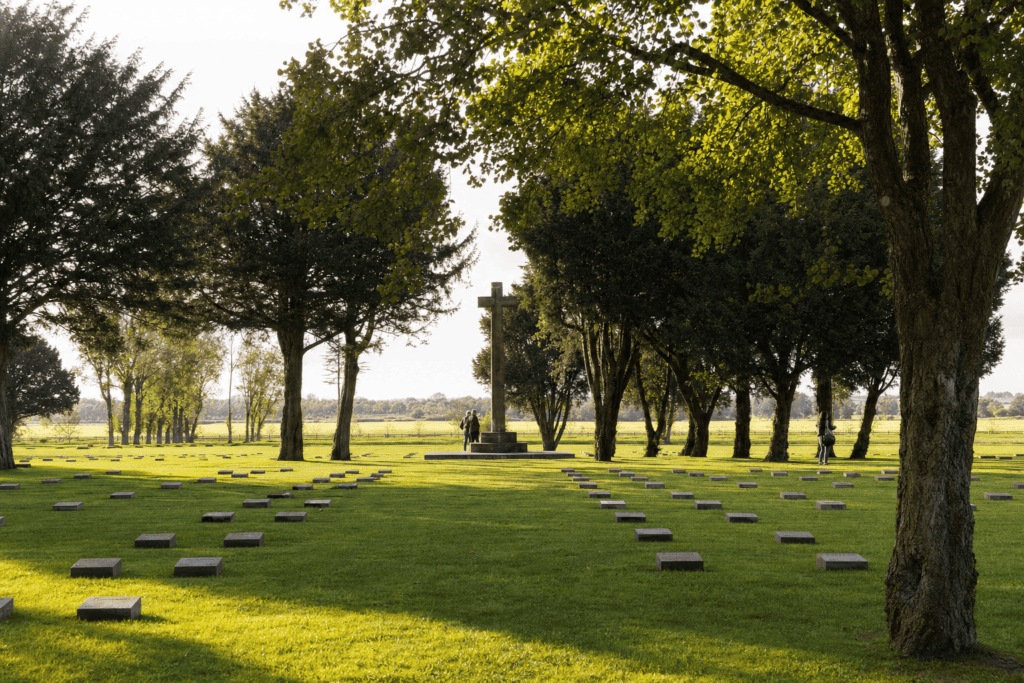 Orglandes German Military Cemetery A solemn German cemetery in the Cotentin, to combine with Sainte-Mère-Église, Utah Beach, and Carentan.
Online booking · Paris → Utah Beach D-Day Museum, Plage de la Madeleine, 50480 Sainte-Marie-du-Mont
Choose your pickup date and time
Your departure and arrival details are already pre-filled. You can adjust them in the fare calculator before viewing the vehicles and fare.