



Capital of Brittany · Brittany
Visit Rennes: Heritage, Culture, and the Breton Art of Living
Visiting Rennes means discovering a lively, accessible regional capital on a human scale, where half-timbered houses stand alongside contemporary architectural creations. Between the Parliament of Brittany, the Mordelaises Gates, Thabor Park, museums, markets, and the banks of the Vilaine, Rennes offers a complete urban experience—ideal for a cultural weekend or as a starting point for exploring Brittany’s major attractions.
Explorer Rennes
Rennes Must-Sees
 Museums
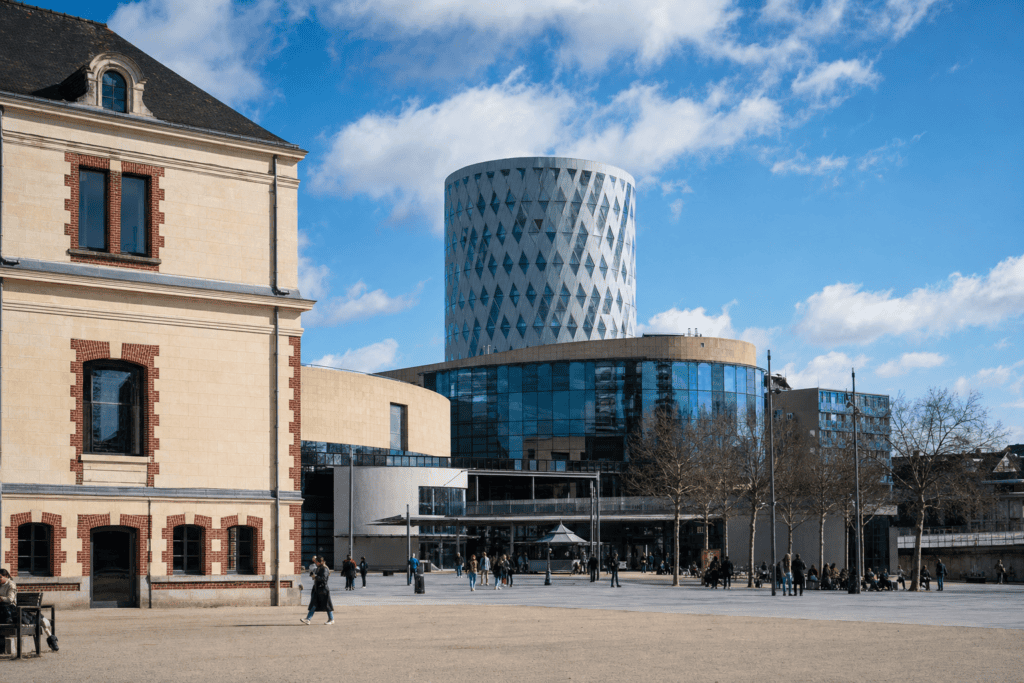
Les Champs Libres
A major cultural hub in Rennes bringing together a museum, science facilities, a library, exhibitions, lectures, and a planetarium.
 Parks & gardens
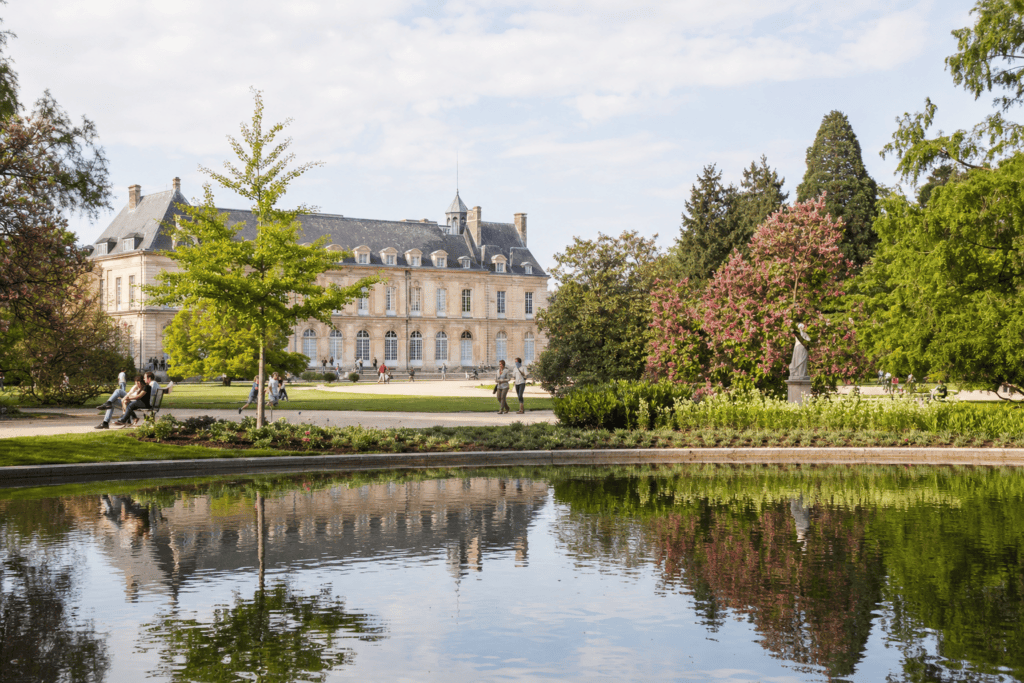
Thabor Park
A nearly ten-hectare public garden in Rennes featuring a rose garden, botanical garden, waterfalls, aviary, and shaded paths.
 Must-see
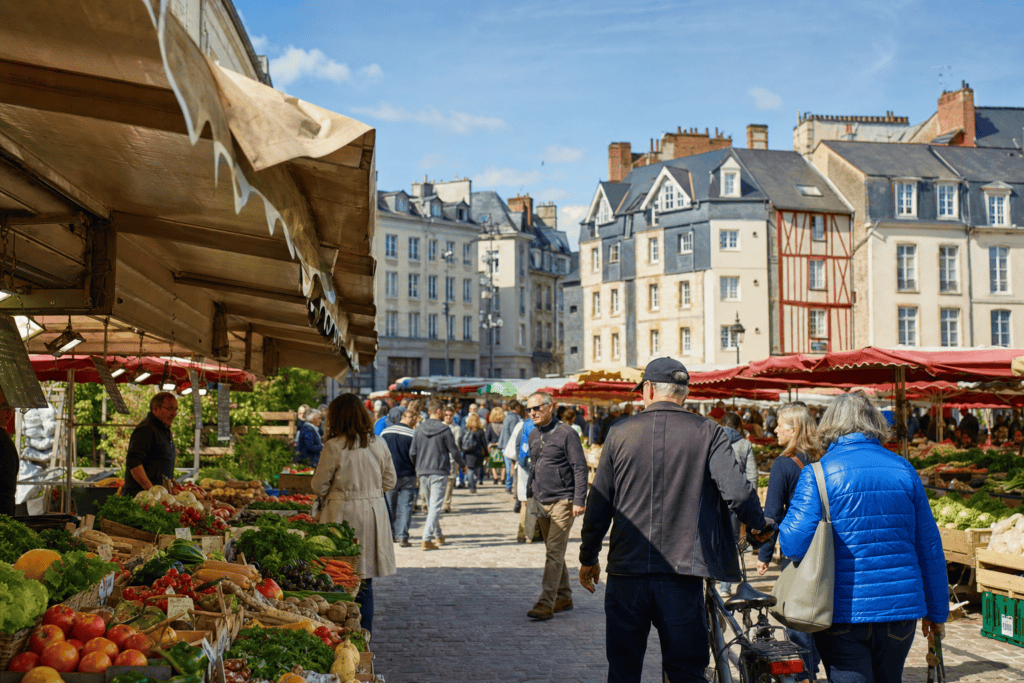
Marché des Lices
On Saturday mornings, discover the stalls, Halles Martenot, and the famous galette-saucisse in historic central Rennes.
 Must-see
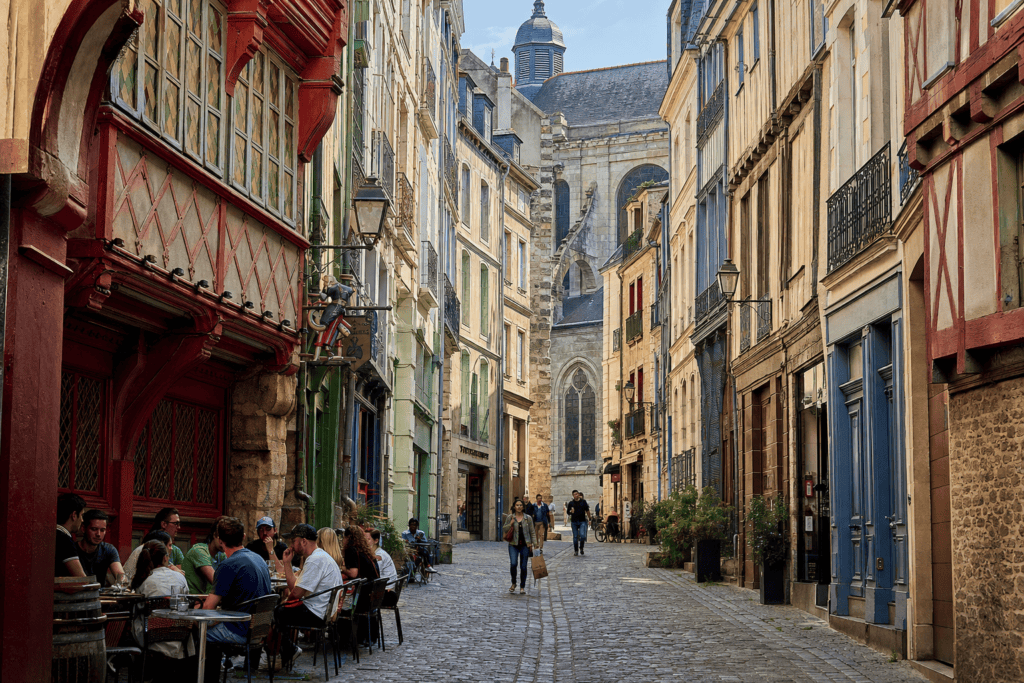
Rennes Historic Center
A walking route through Old Rennes, among half-timbered houses, historic squares, private mansions…
 Must-see
Parliament of Brittany
A historic palace in central Rennes, famous for its Grand’Chambre, restored décor, and role in…
Other destinations to discover
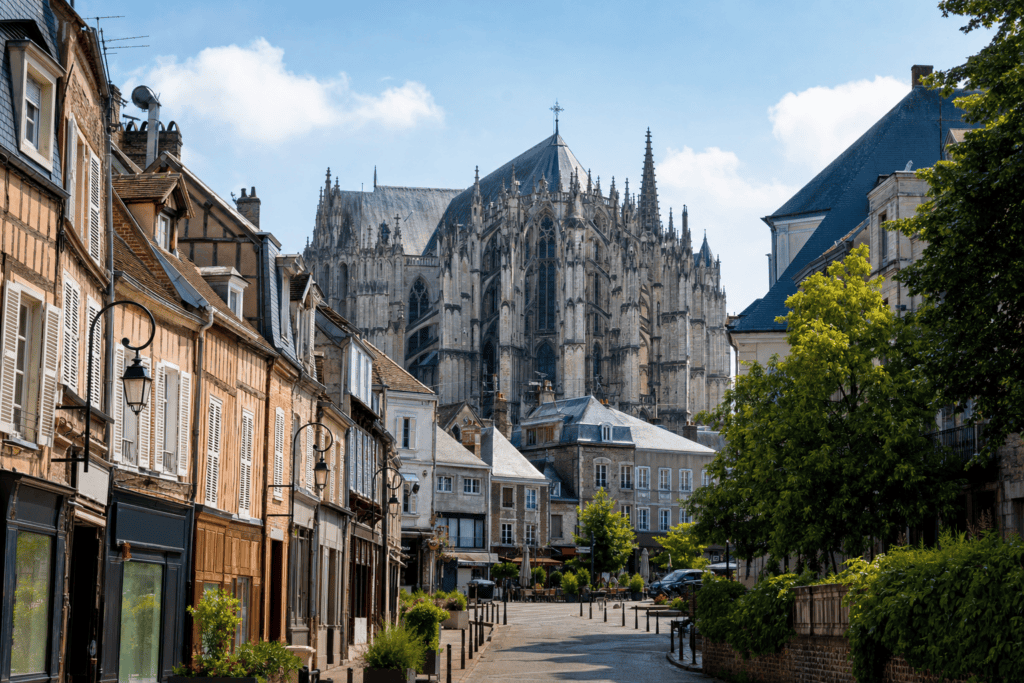
Beauvais
A heritage destination north of Paris, with an unfinished Gothic cathedral, astronomical clock, episcopal palace, tapestry and…

Chantilly
A remarkable princely estate near Paris, featuring the Condé Museum, Great Stables, formal French gardens,…
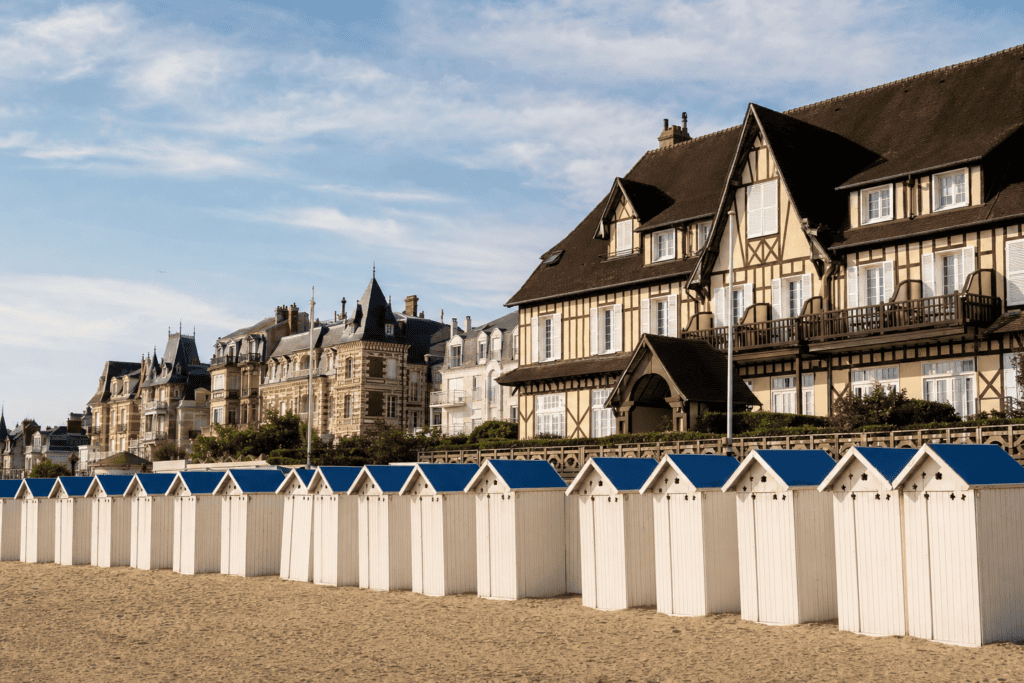
Cabourg
An elegant seaside resort on the Côte Fleurie, with beaches, Belle Époque villas, Proustian heritage and promenades…

Caen
Une ville normande où se rencontrent Guillaume le Conquérant, les grandes abbayes, le château ducal et la…
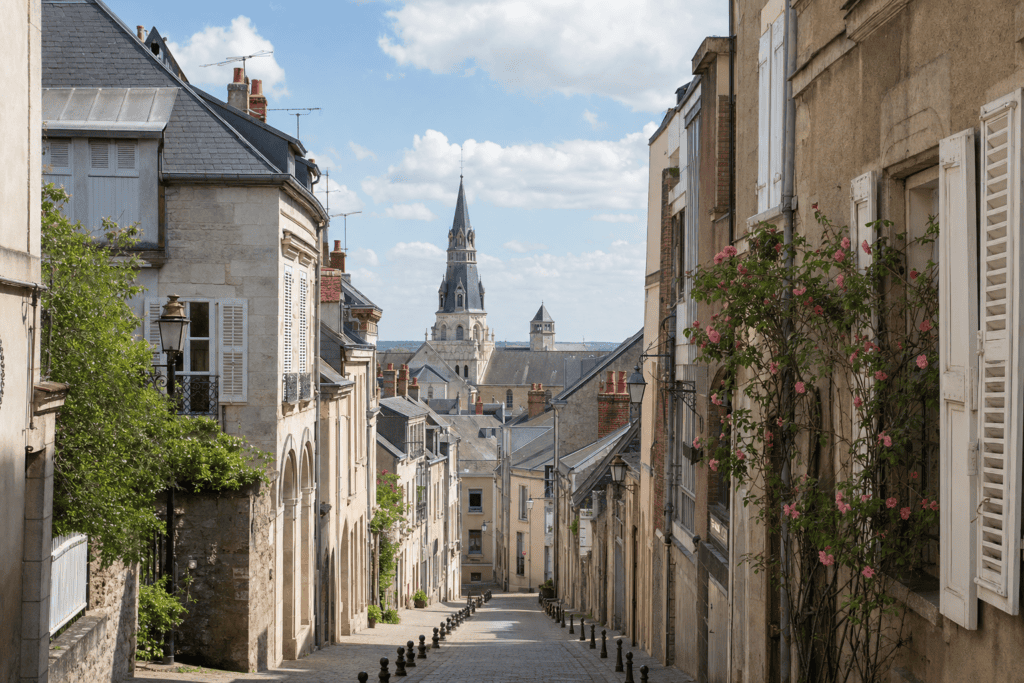
Châteauroux
From Château Raoul and the historic center to gardens, museums, and excursions in the Indre, Châteauroux reveals a discreet, cultural side of Berry…

Montpellier
A lively, elegant southern city, ideal for exploring a pedestrianized historic center, museums, and…
DESTINATION GUIDE
Rennes Travel Guide
A Breton capital to discover on foot
Rennes is an especially enjoyable destination for a first introduction to Brittany. Its historic center brings together a remarkable variety of monuments within an area that is easy to explore on foot. In just a few streets, you can move from medieval remains to private mansions, from half-timbered houses to eighteenth-century classical buildings, and then on to contemporary projects that have reshaped the city’s image.
The best way to begin is to take your time wandering around Place Sainte-Anne, Rue Saint-Michel, Rue du Chapitre, and Place des Lices. These neighborhoods offer a chance to admire colorful façades, sculpted details, inner courtyards, and numerous cafés and restaurants. The old town is protected as a remarkable heritage site, helping preserve its architectural identity.
For a more structured visit, the Tourist Office regularly offers tours focusing on the historic heart, medieval heritage, architecture, or urban art. Details vary depending on the season and events, so it is best to check the official schedule before your trip.
The Historic Center’s Iconic Heritage
The Parliament of Brittany is one of Rennes’ best-known monuments. Built beginning in the seventeenth century, it served for many years as the seat of Breton justice and institutions. Its interior decorations, particularly the ceilings and woodwork in the Grand’Chambre, reflect the building’s political and judicial importance. Visits depend on the monument’s schedule and opening conditions.
Nearby, City Hall forms a remarkable ensemble with the Opera House. Their face-to-face arrangement showcases two different architectural periods and creates one of Rennes’ most recognizable urban scenes. Saint-Pierre Cathedral, Saint-Germain Church, and the Basilica of Saint-Sauveur complete this religious and heritage route.
The Mordelaises Gates recall the city’s former defensive role. This fortified complex was one of Rennes’ main entrances during the Middle Ages. The walkway along the ramparts now offers a better understanding of the layout of the old city, as well as a different view of the historic center’s façades.
The Couvent des Jacobins, a former Dominican convent now transformed into a convention center, is another important site. Its historic architecture now hosts business and cultural events. Depending on the schedule, the site may also be open for heritage tours or special events.
Thabor Park and Green Spaces
Thabor Park is one of Rennes’ essential attractions. Located near the city center, it combines a formal French garden, landscaped grounds, a rose garden, aviary, pools, waterfalls, and wooded areas. Its design, linked to the history of the former Saint-Melaine Abbey, offers several distinct atmospheres throughout the walk. The garden is especially popular in spring and early summer, when blooms define the park’s different sections.
Thabor is equally suited to a leisurely stroll or a break between visits. Botany enthusiasts can observe a wide variety of trees and plants, while photographers will find many viewpoints around the flower beds, greenhouses, and bandstand. Access and usage rules may vary by area, so check the city’s information before you visit.
Rennes is not limited to Thabor. The Saint-Martin meadows, Gayeulles Park, Oberthür Park, the banks of the Vilaine, and the Apigné ponds offer other opportunities for a walk or a break in nature. For a more local experience, the towpaths and cycling routes around the Vilaine let you extend your visit beyond the city center.
Museums, art, and cultural life
The Rennes Museum of Fine Arts holds collections ranging from antiquity to modern and contemporary art. It is an interesting stop when the weather is uncertain or a useful complement to exploring the city’s architecture. The museum also hosts temporary exhibitions, whose dates and access conditions should be checked before setting out.
Rennes’ cultural life also draws on venues such as Frac Bretagne, the Rennes Opera House, Les Champs Libres, and the Théâtre National de Bretagne. Les Champs Libres notably brings together the library, the Museum of Brittany, and the Science Space. This complex explores regional history, changes in Breton society, and major scientific questions through exhibitions and activities suited to different audiences.
Rennes is also known for its music scene and festivals. The program changes with the seasons, featuring concerts, performances, exhibitions, outdoor events, and heritage-focused activities. If you are planning a trip around an event, check the official dates and whether reservations are required.
Markets, Gastronomy, and the Rennes Atmosphere
The Lices Market is a major part of local life. Held on Place des Lices, it brings together producers, growers, artisans, and vendors in a lively atmosphere. It is a great opportunity to discover Breton products, seafood, cheeses, vegetables, crêpes, and regional specialties. Market days and arrangements may change, especially on public holidays, so check local sources for the latest information.
La gastronomie rennaise se découvre aussi dans les crêperies, les boulangeries, les cafés et les restaurants du centre. Galettes de sarrasin, crêpes de froment, cidre breton et produits de la mer trouvent naturellement leur place dans un séjour à Rennes. Les quartiers autour de la rue Saint-Michel, de la place Sainte-Anne, de la rue Saint-Georges et de la place des Lices sont particulièrement propices à une pause gourmande, même si l’offre évolue régulièrement.
Trip Ideas by Length of Stay
- One day: Start with the historic center, the Mordelaises Gates, the Parliament of Brittany, and City Hall, then finish with a stroll through Thabor.
- Two days: Add the Museum of Fine Arts or Les Champs Libres, explore the Lices Market, and plan a walk along the Vilaine.
- Three days: Set aside half a day for the parks and less central neighborhoods, or use Rennes as a base for discovering another Breton site as part of an organized itinerary.
Rennes is well suited to travelers looking for a cultural, lively city that is easy to explore without making numerous trips. To help ensure a smooth visit, check opening hours, any reservation requirements, construction work, and schedules directly with the relevant establishments.
Travel from Paris to Rennes by Private Car
Booking Paris Transfer peut organiser un trajet privé au départ de Paris, de l’Île-de-France, de l’aéroport Charles-de-Gaulle ou d’Orly vers Rennes. Ce service convient aussi à un retour vers Paris ou à un itinéraire multi-ville commençant à Paris. Booking Paris Transfer n’est pas un chauffeur local implanté à Rennes et ne vend pas de billets d’entrée pour les monuments ou les activités.