



Normandy · Alabaster Coast · Normandy
Étretat: Guide to Normandy’s Iconic Cliffs
Étretat’s cliffs offer one of the most striking landscapes on the Alabaster Coast. East and west of the village, white chalk, natural arches, the Needle and the English Channel create a spectacular setting to discover from the beach, the heights and the coastal trails. Étretat deserves more than a quick photo stop, however: its village, gardens, literary heritage and nearby valleys invite visitors to explore this fragile coastline attentively and respectfully.
Explore Étretat
Étretat’s Must-See Sights
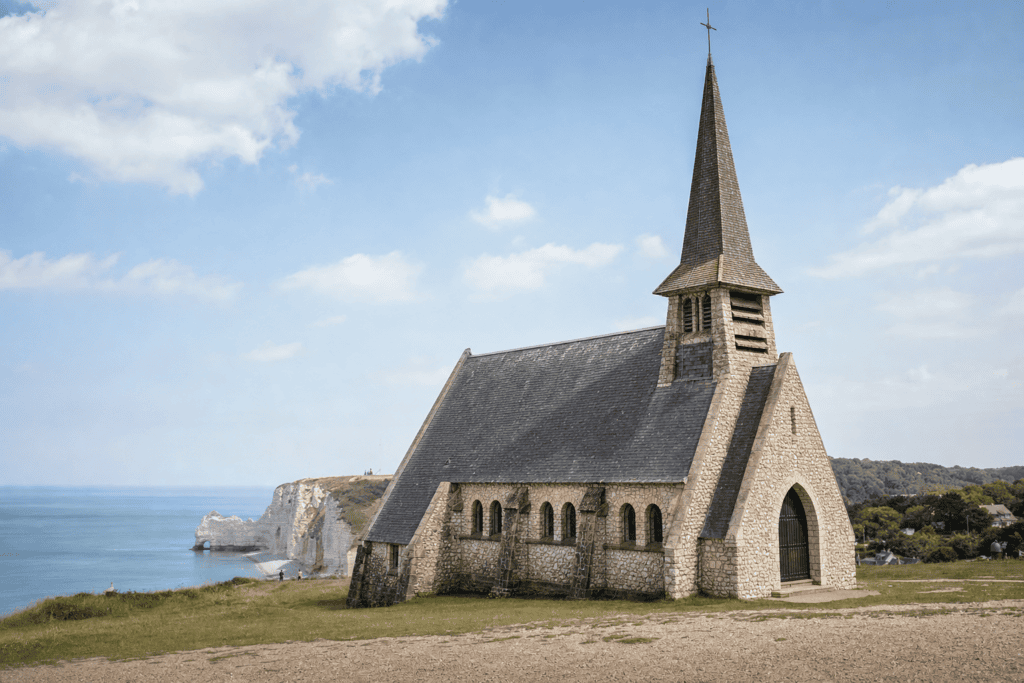 Religious sites
Notre-Dame-de-la-Garde Chapel in Étretat
A remarkable seaside chapel on the Amont Cliff, with evocative architecture and sweeping views over Étretat…
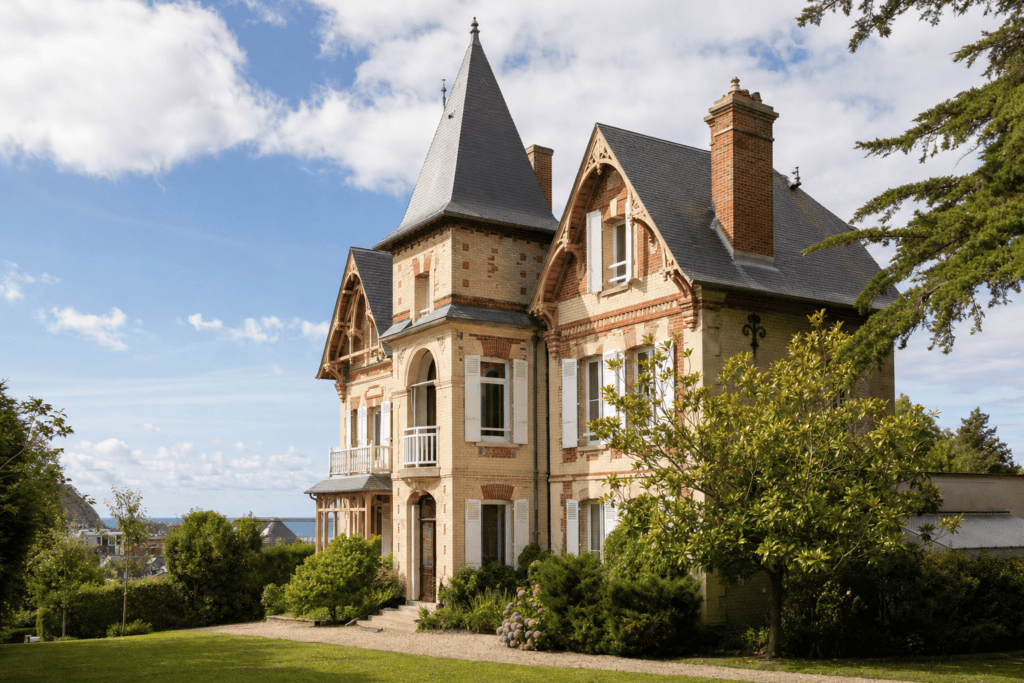 Museums
Le Clos Arsène Lupin – Maurice Leblanc House
A theatrical visit through Maurice Leblanc’s former home in the heart of Étretat, following in the footsteps of Arsène Lupin and…
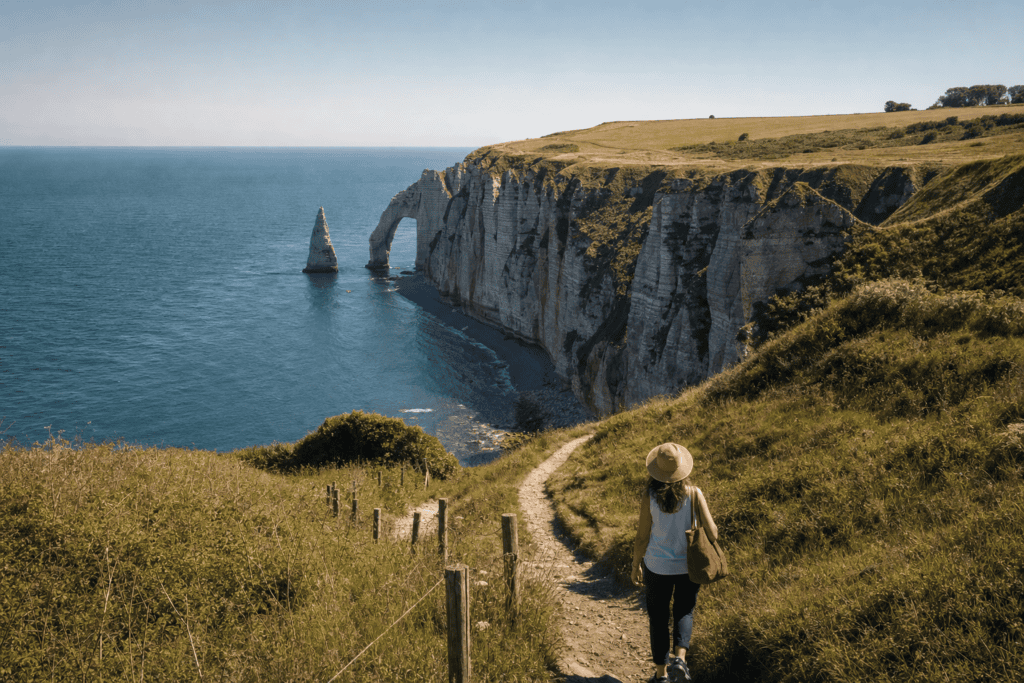 Must-see
Coastal Hike Between the Cliffs of Étretat and the Antifer Valley
A panoramic hike between the cliffs of Étretat, the Pays de Caux plateau and the Antifer valley, to be planned according to…
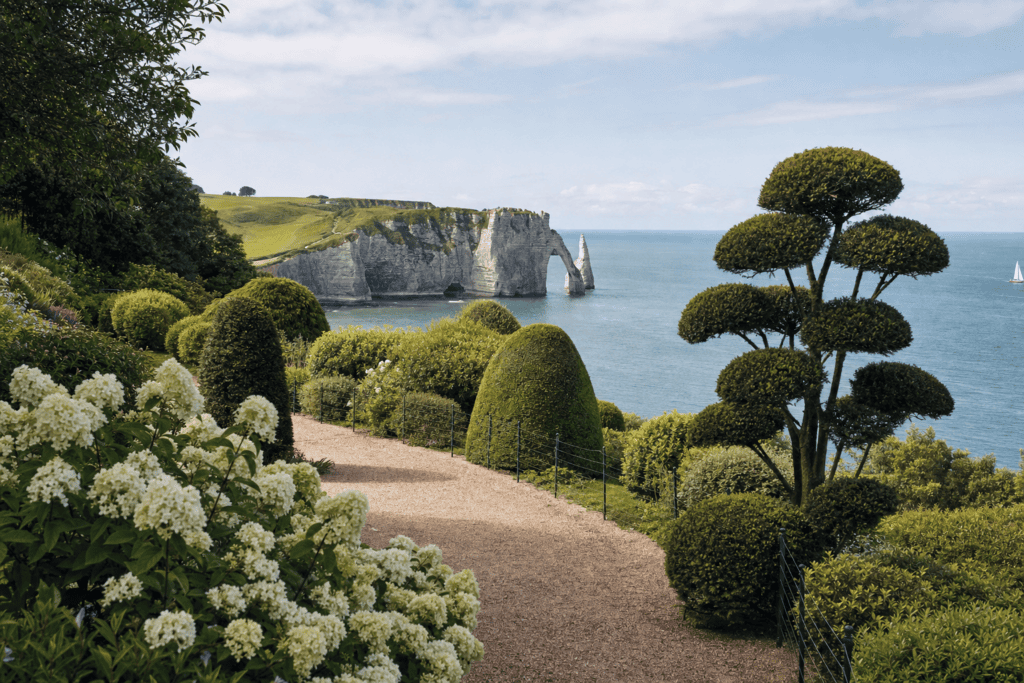 Must-see
The Étretat Gardens
A contemporary, poetic garden on the heights of Étretat, featuring plant sculptures, art and views of the cliffs…
 Must-see
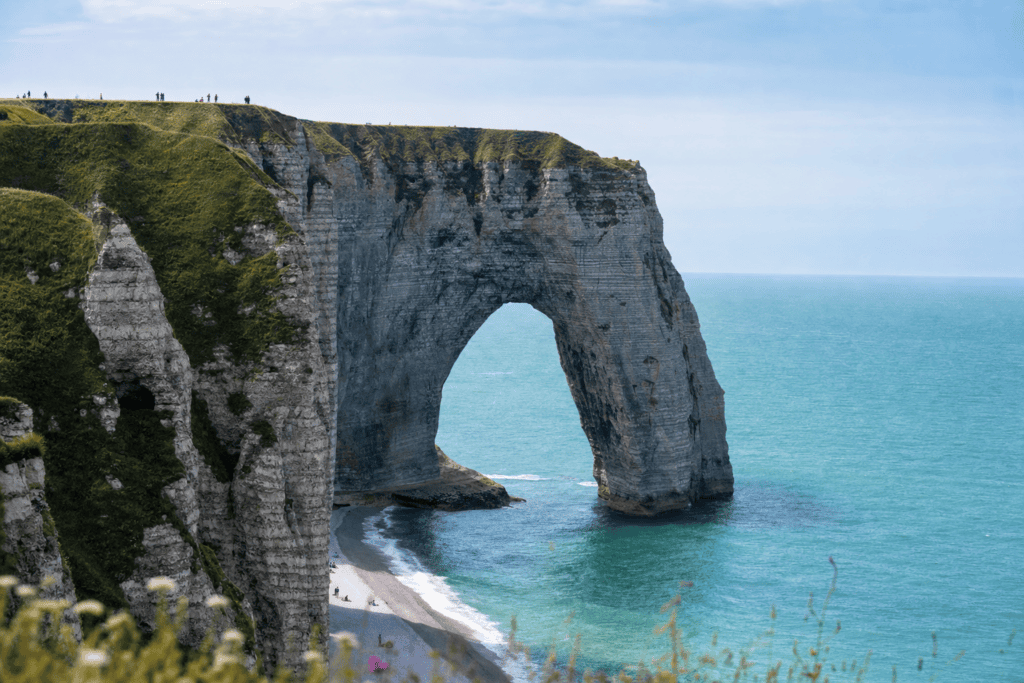
Étretat Cliffs and the Porte d’Aval Natural Arch
A vast Normandy landscape to explore from Étretat, between chalk cliffs, a natural arch, coastal trails and panoramic views…
Other destinations to discover
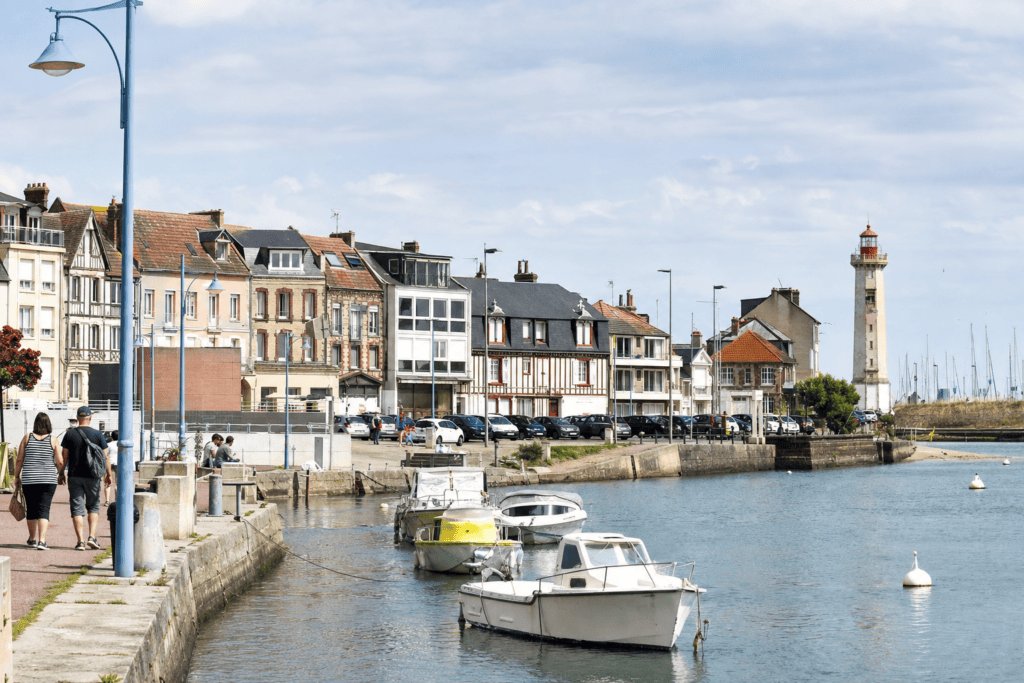
Ouistreham
Discover Riva-Bella Beach, Sword Beach, the Grand Bunker, the harbor and D-Day sites…
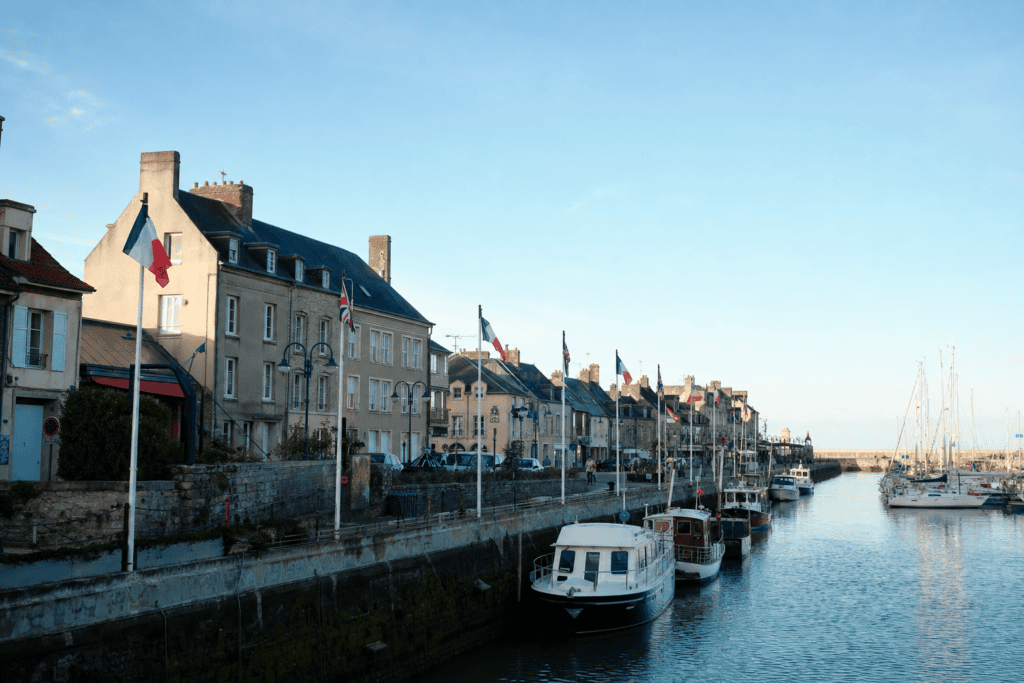
Courseulles-sur-Mer
A Côte de Nacre resort with beaches, a harbor, seafood and Canadian heritage…
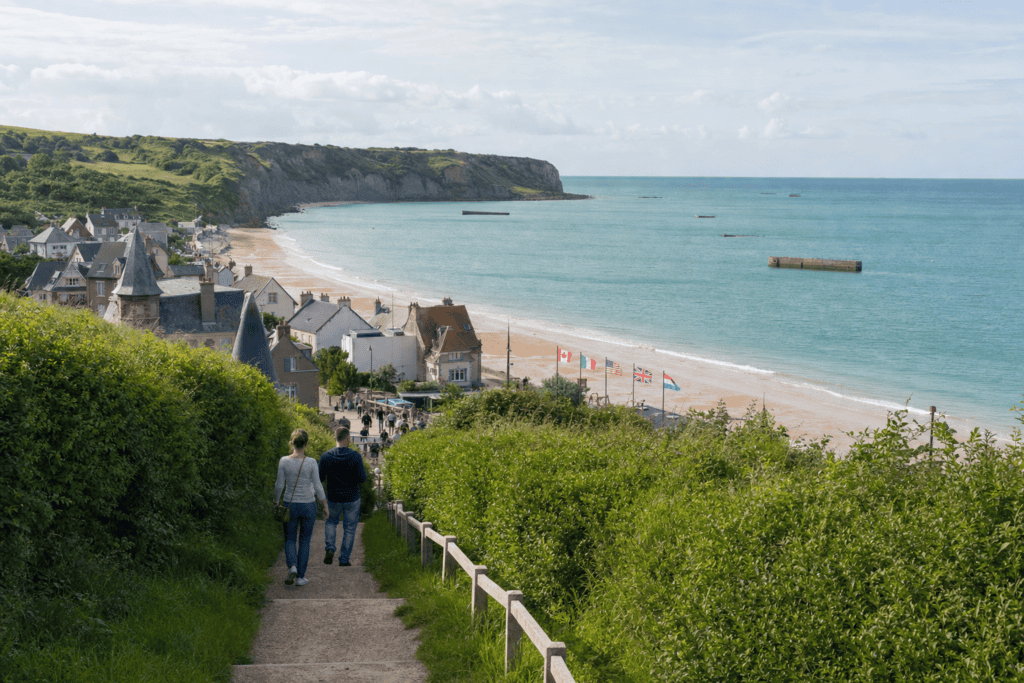
Arromanches-les-Bains
A major D-Day site featuring Mulberry B harbor, Gold Beach, a museum, and remembrance routes from Bayeux.

Sainte-Mère-Église
Discover the Airborne Museum, John Steele’s church, La Fière, and Utah Beach from Sainte-Mère-Église.
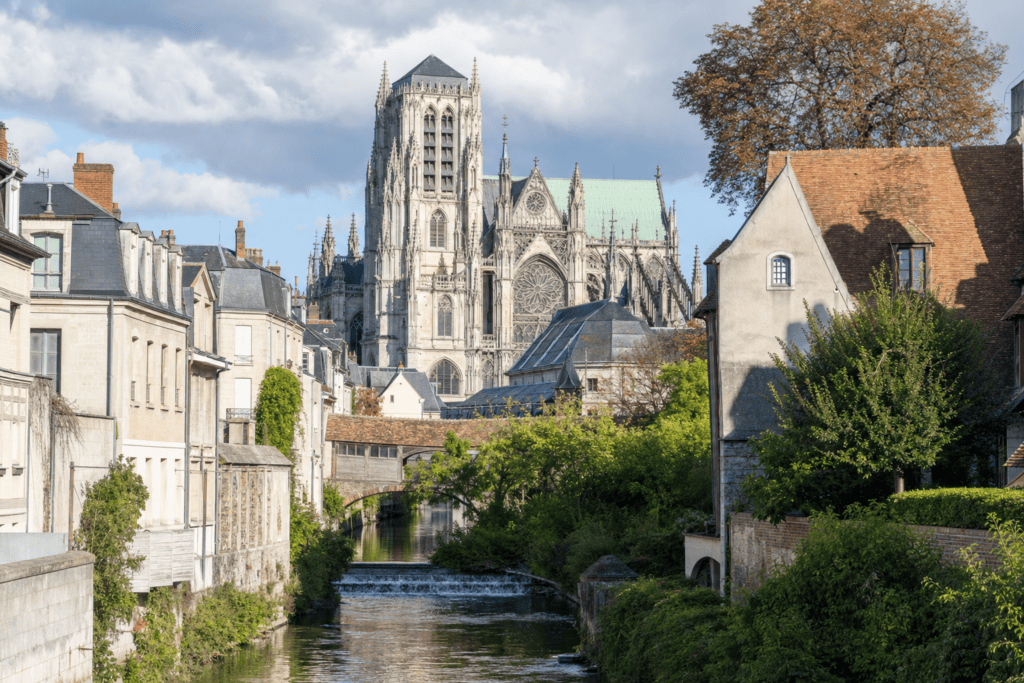
Évreux
A charming Norman town where the cathedral, belfry, museum and banks of the Iton make for a rich and…

Alençon
Alençon charms visitors with its historic heritage, exceptional needle lace, religious legacy and landscapes…
DESTINATION GUIDE
Étretat Travel Guide
Understanding Étretat’s Landscape
Étretat is located in Seine-Maritime, on the Alabaster Coast, between Le Havre and Fécamp. The town is famous for its high white chalk cliffs, cut by several natural arches and topped by the plateaus of the Pays de Caux. From the pebble beach, you can look toward the Aval Cliff, the Porte d’Aval and the Needle. On the opposite side, the Amont Cliff frames the village and offers another view of the bay. Farther west, the Manneporte continues the series of landforms that has inspired many painters, writers and photographers.
These formations are not static. They result from the combined action of the sea, runoff and cliff erosion. Rockfalls can therefore occur without obvious warning, including in areas that appear calm. This geological reality explains the site’s beauty, as well as the safety notices posted there. Visitors should always follow authorized routes and take any temporary restrictions into account.
The Best Viewpoints
The promenade and beach are a good starting point for understanding the layout of the landscape. From the waterfront, the Porte d’Aval and the Needle form Étretat’s best-known view. The beach is made up of pebbles: it is a pleasant place to observe the cliffs and changing light, but it should not be considered unrestricted access to the areas beneath the cliff faces.
The climb to the Aval Cliff leads to wide-open views of the arch and bay. The trail continues across the plateau and joins the GR21, a major coastal route in Normandy. On the other side of the village, the Amont Cliff offers a complementary view of the beach, Étretat’s rooftops and the Aval Cliff. The Notre-Dame-de-la-Garde Chapel, located on the heights, is an important landmark in the landscape.
Étretat Gardens offer a different experience. The site combines plant compositions, sculptures and views toward the sea. It is a landscaped attraction with its own visiting conditions, so it is best to check the official information before going. To broaden your exploration, the villages of Yport, Vaucottes and Saint-Jouin-Bruneval offer a chance to discover an Alabaster Coast less concentrated around Étretat.
Hiking the GR21 and Safety Rules
Hiking is one of the best ways to discover Étretat’s landscape. The sections near the village offer remarkable views, but the paths may be uneven, muddy or exposed to the wind. Bring suitable shoes, water, rain protection and enough time to walk without rushing. Difficulty depends on the route chosen, the weather and trail conditions.
- Stay on marked trails and keep away from the edge of the cliffs.
- Never cross a barrier or enter a closed passage.
- Do not set anything down at the foot of the cliffs, even for a short break.
- Check local guidance and take tide times into account if your route follows the coast.
- Do not collect pebbles, and take your trash with you to help limit erosion and damage to the site.
Access to certain tunnels, valleys or areas beneath the cliffs may be prohibited or restricted depending on local decisions and safety conditions. Signs posted on-site always take precedence. The Grand Site des Falaises d’Étretat – Côte d’Albâtre project aims in particular to better protect natural environments and manage the arrival of large numbers of visitors.
The Village and Its Belle Époque Heritage
Étretat is more than a natural viewpoint. The resort developed in the 19thth century and still has villas, streets and a seaside atmosphere inherited from that period. After leaving the promenade, take time to explore the center and notice the architectural details that recall the rise of coastal tourism.
The village is also associated with several artistic and literary figures. Claude Monet painted the cliffs in many different lights, while Maurice Leblanc linked Étretat to the world of Arsène Lupin. Le Clos Arsène Lupin offers a visit devoted to this fictional world in the residence associated with the writer. Since opening hours and visiting arrangements may change, check the official information before your visit.
When Should You Visit Étretat?
Weekends, school holidays and sunny summer days are the busiest periods. For a quieter atmosphere, choose early morning, late afternoon or the shoulder seasons. Spring and fall often offer interesting contrasts between the chalk, grass and sea. In winter, the landscape becomes more stark, and changes in light can be particularly spectacular.
Norman weather changes quickly. An overcast sky can emphasize the landforms and create especially photogenic light, but wind and rain make trails slippery. Check the forecast before hiking and adapt your route to the day’s conditions. The views are more enjoyable when observed without taking risks to get a photograph.
Planning a Responsible Visit
Étretat’s center is easy to explore on foot, but traffic and parking can be difficult during busy periods. When possible, choose public transportation and plan your arrival ahead of time. Connections may be arranged via Fécamp or Le Havre depending on the season; check current services with the relevant operators before setting out.
A longer excursion can combine Étretat with Fécamp, Yport, Le Havre or other stops along the Alabaster Coast. This approach spreads out your visits and offers a better understanding of the coastline’s geographic continuity. From Paris, a private itinerary can also include several Normandy villages, provided you allow time for walking and follow the access rules specific to each site. Étretat is best discovered by taking time to observe its geology, sea, plateau farmland and village life, rather than reducing this natural heritage to a single viewpoint.
Getting to Étretat from Paris
Booking Paris Transfer can arrange a private transfer from Paris, the Île-de-France region or airports CDG and ORY to Étretat, with the option of returning to Paris or creating a multi-stop itinerary in Normandy. The service covers transportation only: admission tickets and local activities are not sold by Booking Paris Transfer.