



Avenue des Champs-Élysées: A Visitor’s Guide to Paris
Paris
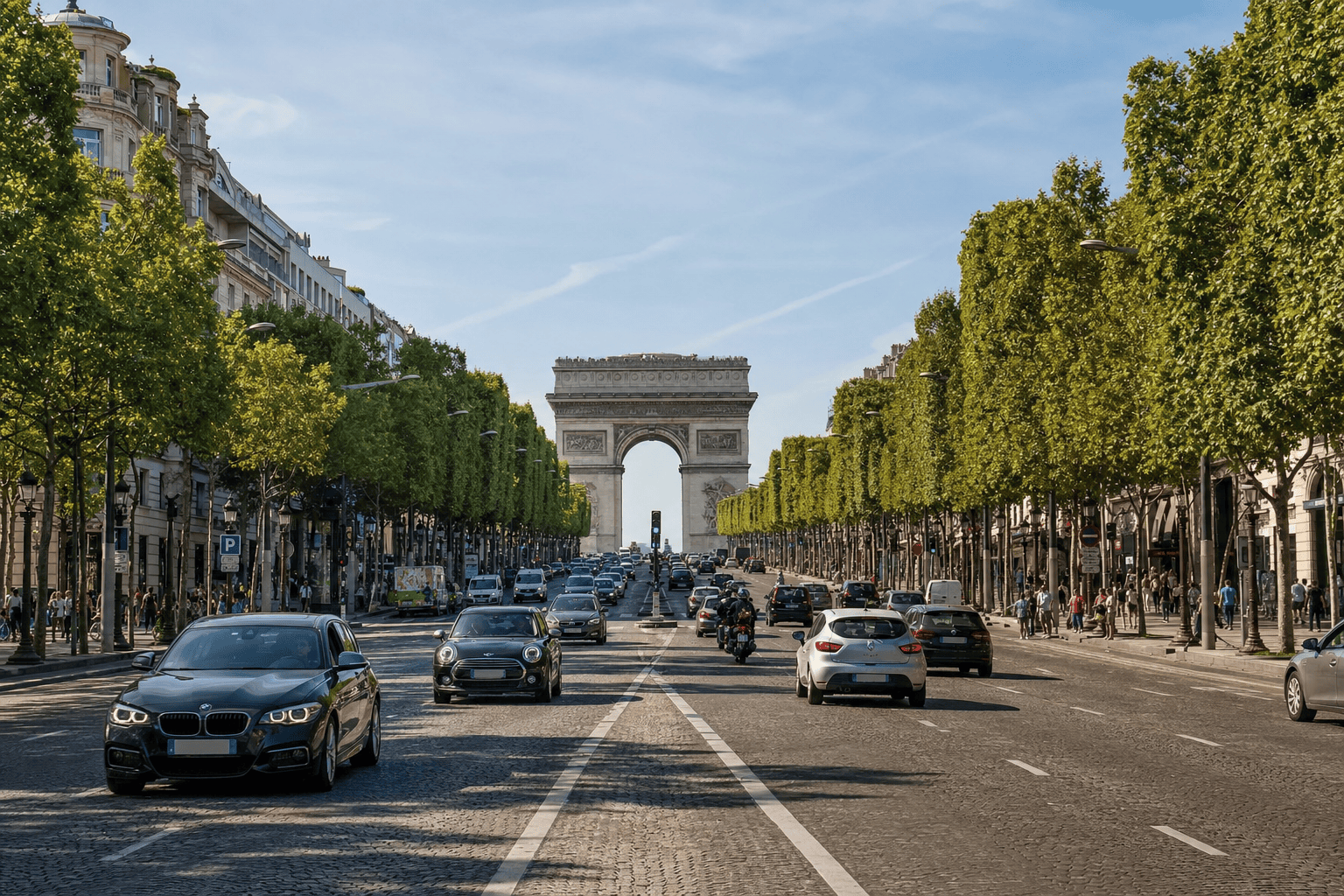
Between Place de la Concorde and Place Charles-de-Gaulle, the Avenue des Champs-Élysées offers a spectacular Parisian promenade lined with gardens, museums, boutiques, cafés, and landmarks. On your first visit, don’t limit yourself to the storefronts: the lower section reveals a tree-lined walkway and several cultural institutions, while the upper section gradually leads toward the Arc de Triomphe. Depending on your pace, allow two to three hours, or longer if you add a museum, a food break, or a visit to the monument.
Practical information
Start at Place de la Concorde, cross the gardens, then continue uphill toward the Arc de Triomphe. Wear comfortable shoes and stay alert when crossing the road.
Getting to the Champs-Élysées from Paris
From a Paris hotel, train station, CDG, or ORY, a private transfer can drop you off near the avenue and arrange a return to Paris according to your itinerary. Booking Paris Transfer provides transportation only: no admission tickets or guided tours are included. Plan your day around the gardens, museums, boutiques, or the Arc de Triomphe, taking traffic and any day-specific restrictions into account.
Departure is available from Paris, a Paris hotel, CDG, or ORY, with a return to Paris depending on your itinerary.
Understanding the Champs-Élysées axis
The Avenue des Champs-Élysées connects Place de la Concorde with Place Charles-de-Gaulle, where the Arc de Triomphe stands. It forms part of the grand Parisian axis extending the Tuileries gardens westward. This urban composition gives the promenade a distinctive character: the vistas are long, the monuments appear gradually, and the avenue opens up clear views of Parisian architecture.
The distance is often estimated at nearly two kilometers, but visiting the avenue is about more than walking from one end to the other. The lower section, around the gardens, is better suited to leisurely strolling and cultural stops. The upper section concentrates boutiques, restaurants, movie theaters, and international brands. This difference in atmosphere lets you shape your walk around your interests, alternating planted areas, monumental façades, and nearby side streets.
For a first visit, the most logical route is to start at Place de la Concorde and gradually make your way up toward the Arc de Triomphe. This lets you enjoy the perspective at its most spectacular while keeping the option of extending your day into the surrounding neighborhoods.
Start at Place de la Concorde
Place de la Concorde is a convenient starting point for understanding how the avenue is laid out. From its expansive open space, the view toward the Champs-Élysées unfolds immediately. Before setting off, take in the façades surrounding the square and the gardens marking the start of the lower section of the route. This first stop also helps you gauge the distances before choosing your pace.
The Champs-Élysées gardens offer a welcome break from the traffic around the square. Their paths, planted areas, and varied landscaping make for a more relaxed walk than the shopping sidewalks. They are especially pleasant for a family break, a morning stroll, or photos focused less on the boutiques.
The area is close to several cultural sites, including the Petit Palais and Grand Palais, as well as the bridges and quays along the Seine. If you plan to visit indoors, check the opening hours, any reservation requirements, and the access conditions for each institution beforehand. Road layouts around Place de la Concorde may also change because of construction or events.
Gardens, museums, and nearby heritage sites
The lower Champs-Élysées has a cultural dimension that is often underestimated. The Petit Palais houses the City of Paris Museum of Fine Arts in a remarkable building, while the Grand Palais offers a program that may vary depending on the season and construction work. The two venues are close enough to combine with your walk, but visiting them requires additional time.
Autour de l’avenue Winston-Churchill, les perspectives vers les Invalides, le pont Alexandre-III et la Seine offrent une alternative intéressante à l’axe principal. Les amateurs d’architecture peuvent aussi emprunter l’avenue Montaigne ou observer les façades des institutions et hôtels particuliers des rues voisines. Le Théâtre des Champs-Élysées, situé à proximité, complète cet environnement culturel avec sa programmation de spectacles.
For a short outing, choose one venue and leave an hour for the gardens. For a half-day, start with a museum, continue with the promenade, then head toward the Arc de Triomphe. Always confirm opening hours, prices, closures, and reservation procedures on the official websites of the places you plan to visit.
Shopping, cafés, and food breaks
The upper section of the avenue is home to boutiques, major retailers, luxury houses, and several international establishments. The appeal of the walk lies as much in the storefronts as in the façades, entrances, and urban vistas. Even if you are not planning to shop, it is enjoyable to explore this section while taking in the different retail atmospheres and the streets leading toward Avenue George V, Avenue Montaigne, and Rue du Faubourg-Saint-Honoré.
Dining options range from quick cafés to brasseries and more elegant restaurants. The avenue’s terraces are convenient for watching visitors go by, but the best-known establishments can be very busy at mealtimes. A reservation may therefore be useful, although availability can vary from day to day.
With a more limited budget, a drink, pastry, or takeaway lunch can easily fit into your route. You can take an initial break in the gardens, walk to the roundabout, then choose a restaurant or café on a side street. This approach keeps the visit from becoming entirely commercial and leaves more room to discover the neighborhood.
Continue to the Arc de Triomphe
As you make your way up the avenue, the Arc de Triomphe gradually becomes the focal point of the walk. The view narrows visually around the monument, while the surroundings become livelier. As you approach Place Charles-de-Gaulle, pay particular attention to pedestrian, bicycle, and vehicle traffic. Use the designated crossings and do not cross the traffic circle directly.
The monument deserves a separate visit if you would like to see its reliefs, inscriptions, the Tomb of the Unknown Soldier, and, when access is available, the view from its terrace. Opening hours, prices, reservations, wait times, and possible closures may change. Check the information provided by the Centre des Monuments Nationaux before planning this stop.
If you do not go to the top, take time to admire the sculpted details and the twelve avenues radiating from the square. Light varies considerably by time of day and season, making a difference for photos. Arriving in the late afternoon can bring beautiful colors to the axis, while a morning visit often makes it easier to get around.
Choosing the best time to visit
The Champs-Élysées can be enjoyed year-round, but its atmosphere changes throughout the day. Morning is generally the most comfortable time for walking, photographing the vistas, and enjoying the gardens before the groups arrive. Around midday, the avenue gets busier, particularly around the boutiques and restaurants. Late afternoon brings interesting light to the façades and a livelier atmosphere.
After dark, the storefronts and lighting give the avenue a different character. During holiday periods, the illuminations may attract more visitors. Events, parades, demonstrations, and celebrations may affect access, transportation, and traffic. It is therefore best to check information from the City of Paris before setting out.
Visitors with a stroller or reduced mobility should allow extra time, as crossings, temporary construction, and changes to pedestrian routes can make certain sections more difficult. Extra time is also recommended if you have a museum or restaurant reservation. When crowds are heavy, parallel streets may offer a more comfortable route before you rejoin the avenue.
Route and practical tips
A well-balanced route starts at Place de la Concorde, crosses the gardens, passes near the Petit Palais and Grand Palais, and then reaches the Champs-Élysées roundabout. Continue through the shopping district toward the Arc de Triomphe. Depending on your plans, you can add a cultural visit, a café break, or a detour to Avenue Montaigne. This route works well for a first visit without requiring too much backtracking.
The Concorde, Franklin-D.-Roosevelt, George V, and Charles-de-Gaulle–Étoile stations serve the avenue or its surroundings. Since exits, operating lines, and traffic conditions may change, check transportation information on the day of your visit. Cyclists have dedicated facilities in the area, but intersections and the surroundings of Place Charles-de-Gaulle require particular caution.
Wear comfortable shoes, bring a bottle of water, and make sure your phone is sufficiently charged. Distances may look simple on a map, but stops, storefronts, gardens, and crossings can quickly extend the visit. To arrange a private transfer from a Paris hotel, train station, CDG, or ORY, allow extra time for traffic jams and temporary restrictions.
Useful sources
Frequently Asked Questions
How long is the Avenue des Champs-Élysées?
How much time should you allow to visit the Champs-Élysées?
Which cultural sites should you visit near the avenue?
What is the best time to take a walk?
Can you get to the avenue by metro?
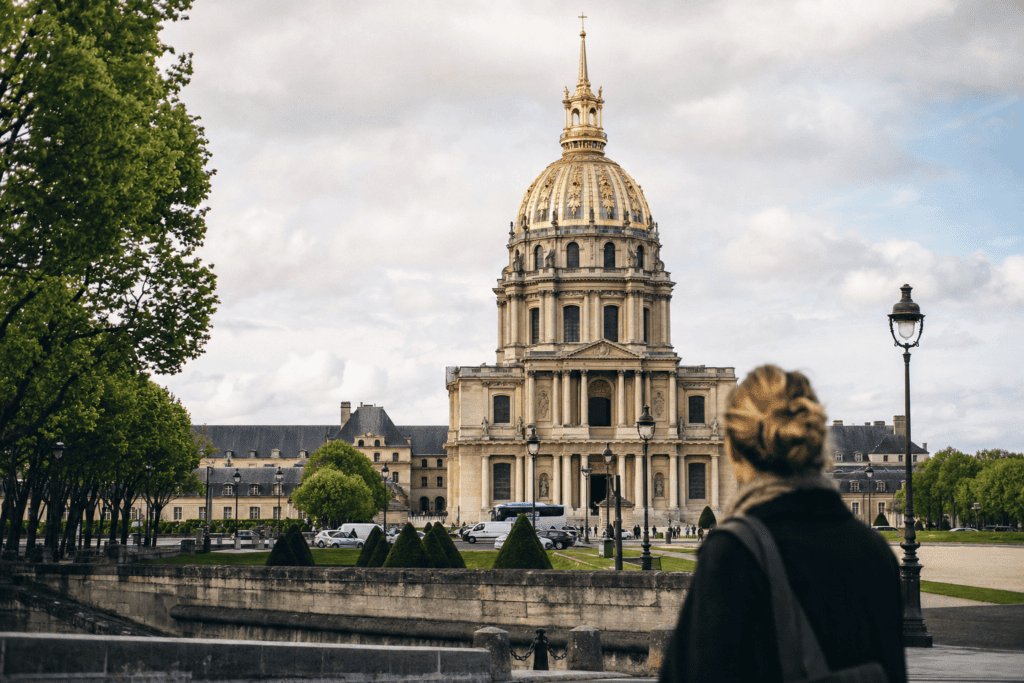 Hôtel des Invalides A monumental Parisian complex where royal architecture, military history, museums and Napoleon’s tomb come together…
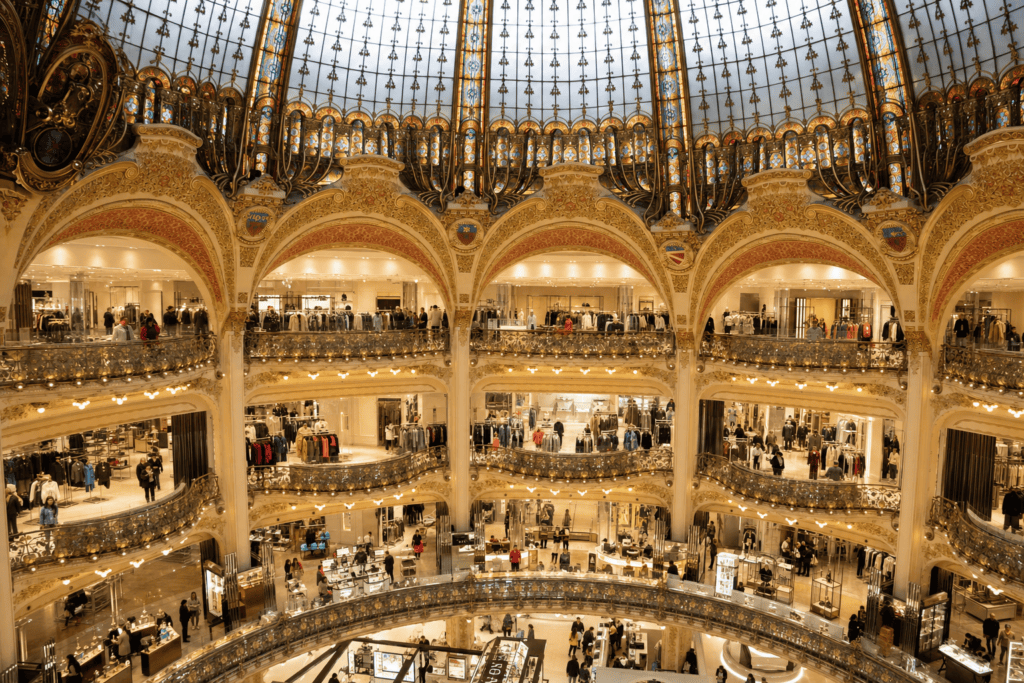 Galeries Lafayette Haussmann A historic Paris department store where you can admire an Art Nouveau dome, shop, and…
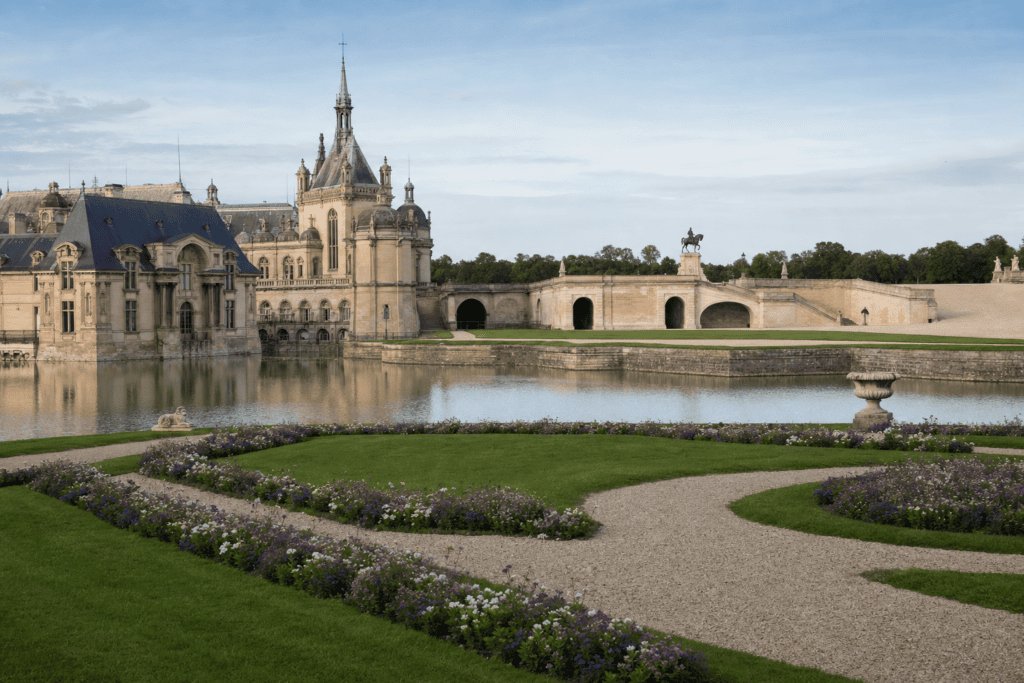 Chantilly Estate A princely estate north of Paris, featuring the Musée Condé, a château, the Great Stables, historic gardens, and…
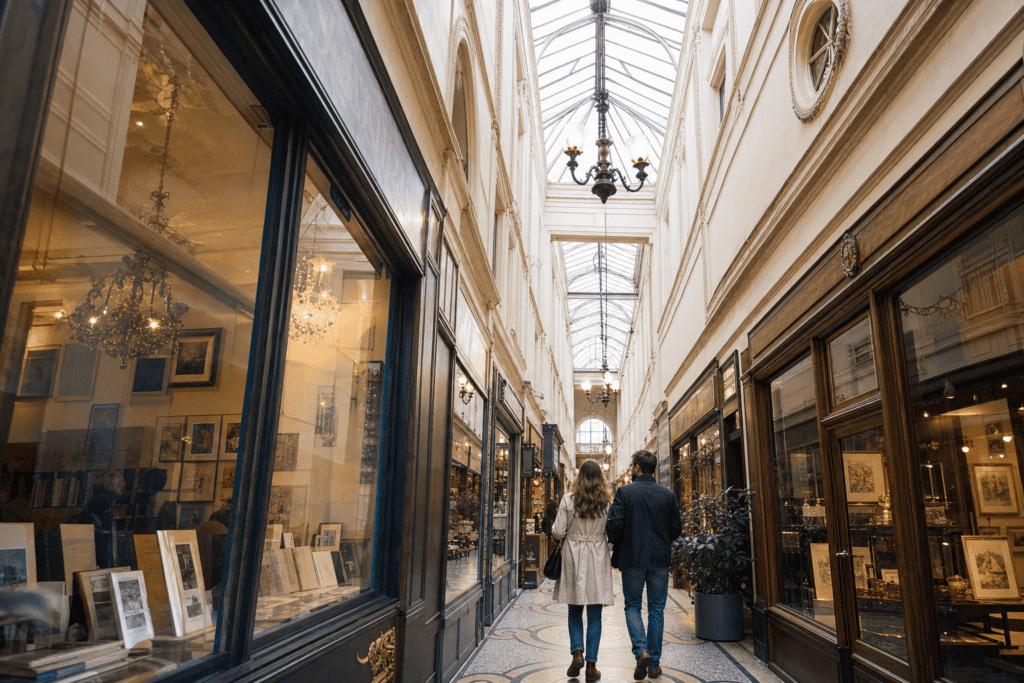 Passage des Panoramas A historic covered arcade in Paris, notable for its glass roof, specialty shops, and side passages…
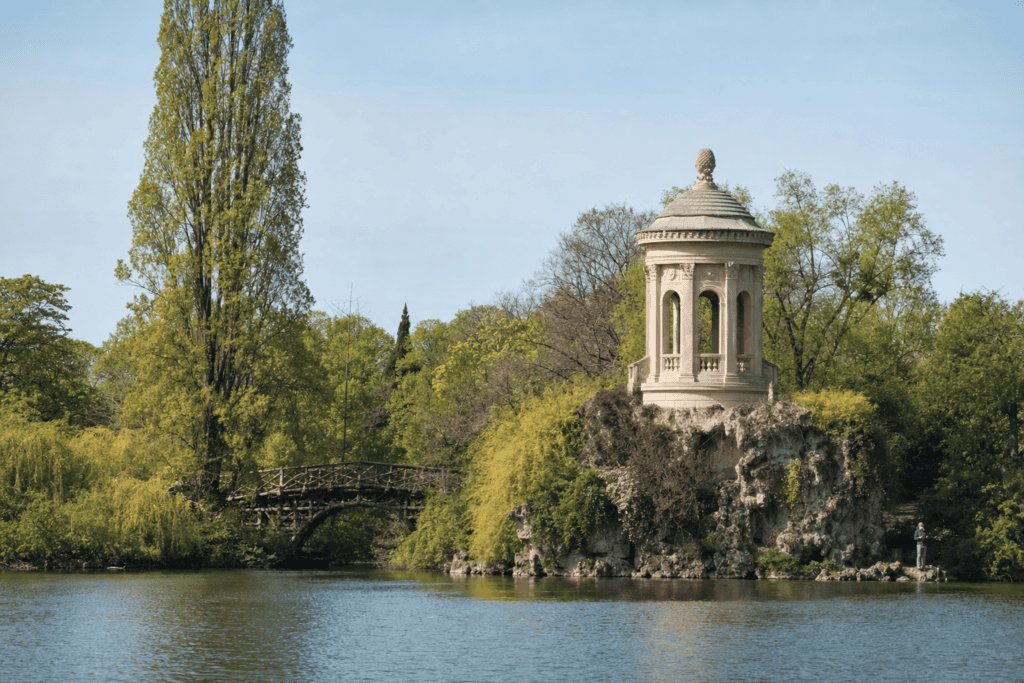 Bois de Vincennes Lakes, forest, cycling paths, and botanical gardens: an easy nature escape from Paris.
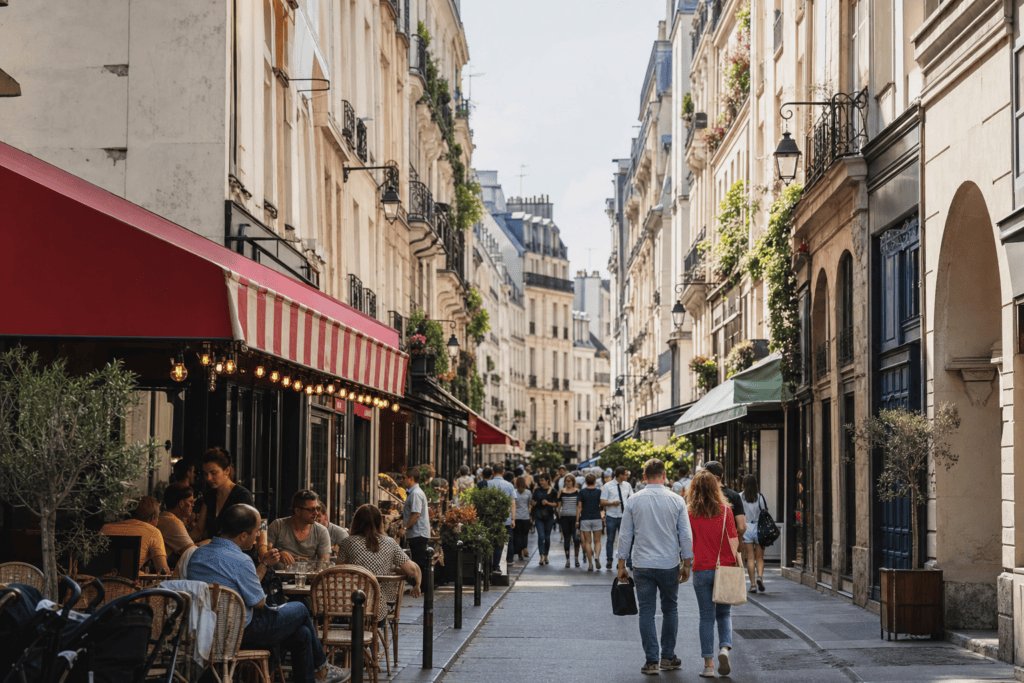 Rue Montorgueil A lively, food-loving Paris street, ideal for exploring food shops between Les Halles,…
Online booking · Paris → Avenue des Champs-Élysées, from Place de la Concorde to Place Charles-de-Gaulle, 75008 Paris
Choose your pickup date and time
Your departure and arrival details are already pre-filled. You can adjust them in the fare calculator before viewing the vehicles and fare.