



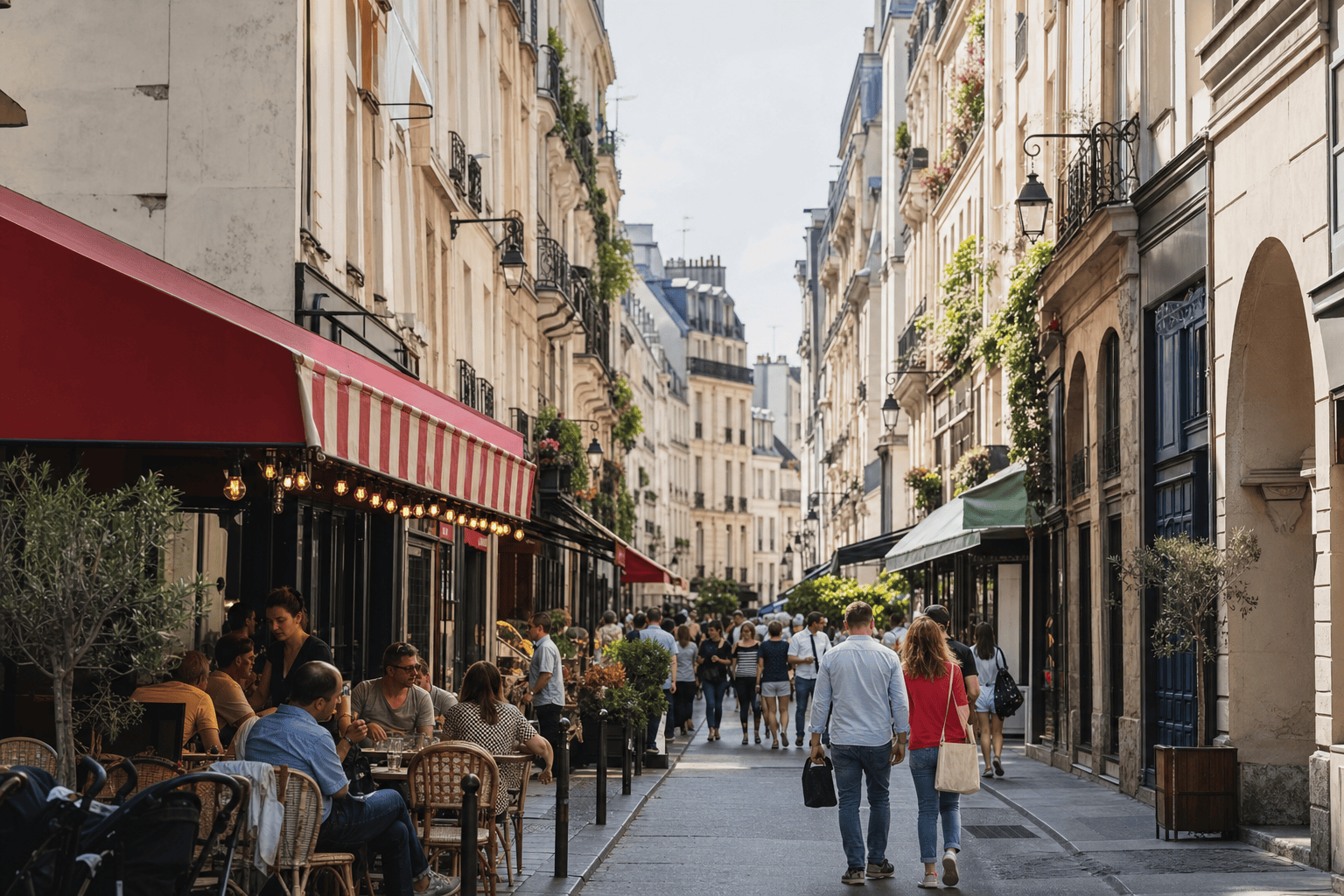
Rue Montorgueil: A Gourmet Stroll in the Heart of Paris
Paris
In the heart of Paris, Rue Montorgueil offers a gourmet stroll among bakeries, pastry shops, cheese shops, cafés and restaurants. Connecting the Les Halles area with the Sentier neighborhood, this lively shopping street is ideal for breakfast, lunch, a sweet treat or an evening stroll. Its appeal lies as much in its renowned establishments as in the atmosphere of a central neighborhood shaped by the history of Paris’s markets.
Practical information
Plan several short stops rather than visiting just one place: Montorgueil’s appeal lies in the variety of its shops and neighboring streets.
Getting to Montorgueil from Paris
Depuis un hôtel parisien, Charles-de-Gaulle ou Orly, Booking Paris Transfer peut organiser un transport privé jusqu’à un point accessible du centre de Paris. La Rue Montorgueil se découvre ensuite à pied, entre les Halles, le Sentier et les Grands Boulevards. Le service concerne le transport, sans vente de billets ni réservation de table.
Possible departure from Paris, the Île-de-France region, CDG, or ORY, with a return to Paris depending on your itinerary.
Discover a Gourmet Street in the Heart of Paris
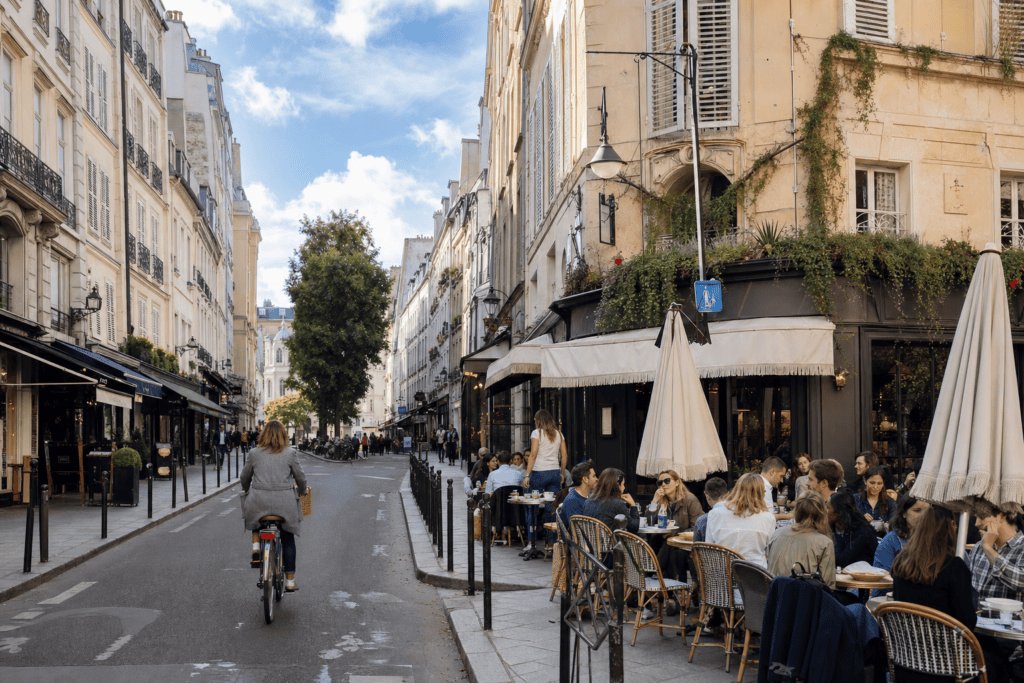
Rue Montorgueil runs through a central part of Paris, between Les Halles, the Sentier neighborhood and the Grands Boulevards. Its charm comes from its urban yet welcoming scale: old façades, terraces, specialty food shops and cobblestone streets create a setting that invites you to linger rather than simply pass through. The area is lively and can be very busy, but it retains the character of a neighborhood street.
The street is associated with the commercial tradition of the former Les Halles, once the capital’s main food market. Although the central market was moved to Rungis in the 1970s, the area has retained a strong presence of greengrocers, bakeries, pastry shops, cafés, restaurants and specialty food stores. This continuity explains why Montorgueil remains an interesting destination for observing Parisian food culture.
The walk can begin near Étienne Marcel and continue toward Saint-Eustache, the Canopée des Halles or Sentier. Take time to look at the window displays, the products on offer and the details of the buildings before choosing your first stop.
What to Taste Along the Way
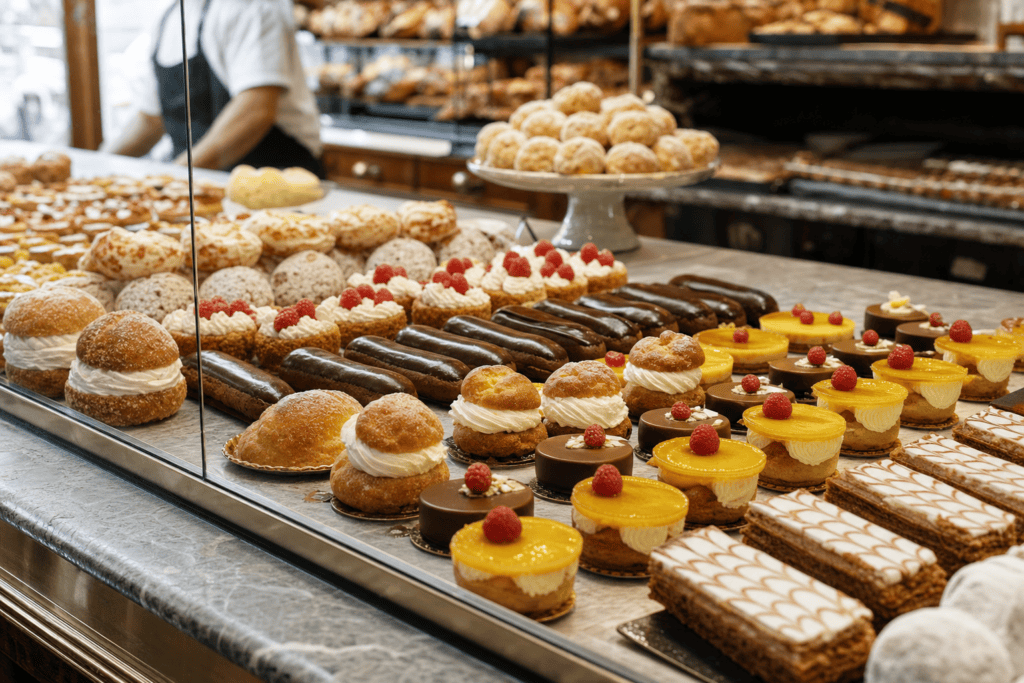
Rue Montorgueil is ideal for gradually discovering Parisian gastronomy. A pastry or baguette can make a good first stop in the morning, followed by cheese, fresh produce or a pastry to share. The specialty food shops also make it possible to put together a small urban picnic, provided you follow the area’s rules regarding eating and pedestrian circulation.
Stohrer pastry shop, located at 51 rue Montorgueil, is one of the street’s best-known historic establishments. Founded in the 18thth century by Nicolas Stohrer, a pastry chef associated with the court of Louis XV, it is known for its age, décor and sweet and savory specialties. Check the establishment’s current visiting conditions and opening hours directly before planning your visit.
For a more spontaneous experience, let the window displays and the flow of regulars guide you. There is no need to make numerous purchases: a pastry, a cheese recommended on site and a dessert can already give you a good sense of the street’s gourmet character. Consider bringing a suitable bag if you plan to take home delicate products.
Historic Restaurants and Neighborhood Terraces
Montorgueil is also a place to sit and watch Parisian life unfold. Its terraces and restaurant dining rooms offer a range of experiences, from a quick coffee to a more traditional meal. The atmosphere can become very lively at lunchtime and dinnertime. A slightly off-peak time often makes it easier to find a seat, while reservations are recommended whenever the establishment requires them.
L’Escargot Montorgueil, at 38 rue Montorgueil, is one of the area’s iconic establishments. Its historic décor and traditional cuisine attract visitors looking for an experience that combines French dining with a heritage atmosphere. The façade and interior are visually interesting, but it is best to check the restaurant’s current information rather than rely on an old schedule.
Le Rocher de Cancale, known for its colorful façade and history connected to Paris’s literary and gastronomic life, recalls the neighborhood’s former importance in the capital’s social scene. For this establishment and others, opening conditions, menus and days of operation may change. Check their official information before setting out.
Les Halles, Saint-Eustache and Parisian History
Montorgueil’s character is largely explained by its proximity to the former Les Halles of Paris. For centuries, this area was a major supply center, animated by merchants, porters, restaurateurs and residents shopping for fresh produce. This commercial history left a lasting mark on the streets, names and habits of the neighborhood, even after the market moved to Rungis.
The street and its surroundings appear in many documents devoted to old Paris. Photographs by Charles Marville held by Paris Musées, in particular, make it possible to observe the area before several urban transformations. They offer a useful point of comparison: some alignments and vistas remain visible, while the contemporary Les Halles facilities have profoundly reshaped the surroundings.
La balade gagne à être prolongée vers l’église Saint-Eustache, la Canopée des Halles et la Bourse de Commerce. Selon le temps disponible, vous pouvez ensuite rejoindre le Centre Pompidou, la tour Saint-Jacques ou la rue Tiquetonne. Cette continuité entre gastronomie, architecture, culture et histoire fait de Montorgueil une étape complète au centre de Paris.
Access by Metro, RER and from the Train Stations
Rue Montorgueil is easy to reach by public transportation. Étienne Marcel station, served by Line 4, and Sentier station, served by Line 3, provide access to either end of the area. Châtelet–Les Halles is another important gateway, with metro connections and RER lines A, B and D. The exact walking time depends on the exit you choose and the section of the street you want to visit.
From Gare du Nord or Gare de l’Est, the metro provides a quick way to reach the center, with travel times varying according to connections and network conditions. From Gare Saint-Lazare, a combination of metro rides or a walk along the Grands Boulevards can be enjoyable if you want to begin exploring before arriving at Montorgueil.
Travelers arriving from Charles de Gaulle or Orly can use public transportation, a taxi or a private transfer booked in advance. A car is rarely useful on the street itself: the neighborhood is best explored on foot, and some streets are pedestrian-only or subject to traffic restrictions. Check the RATP’s official information before departing.
A Gourmet Itinerary Around Montorgueil
For a well-balanced stroll, start at Étienne Marcel and head south along Rue Montorgueil. Browse the shops, plan an initial sweet stop, then continue toward Les Halles. This section lets you experience the contrast between the human-scale shopping street and the contemporary design of the Canopée.
Nearby, Saint-Eustache Church is worth a detour for its architecture and its long-standing connection to the market district. You can then continue to Rue des Petits-Carreaux, Rue Tiquetonne or Rue Saint-Denis, where you will find additional restaurants, cafés and boutiques. The parallel streets are often less concentrated than the main route and offer a change of atmosphere, especially when Montorgueil is very busy.
To finish, choose a terrace or historic establishment before heading to the Grands Boulevards. Allow more time if you want to buy food to take away, photograph the façades or visit a nearby museum. The route suits couples, solo travelers and families who are comfortable walking in a lively area. With young children, plan regular breaks and supervise them when crossing streets.
Practical Tips by Season
Morning is a good time to discover the street in its commercial rhythm. Shops set up their displays, and bakeries and pastry shops make it possible to begin your visit with a tasting. By late morning, visitor numbers gradually increase, particularly on Saturdays and during tourist periods. To photograph the façades with fewer people around, choose a weekday and avoid mealtimes.
Warm weather is ideal for terraces and longer walks toward Les Halles, but it also attracts more visitors. In fall and winter, cafés and gourmet shops offer welcome breaks; nevertheless, plan suitable clothing for the outdoor portions of the route. Opening hours, closing days, menus and reservation policies vary by establishment.
The neighborhood is central and lively: keep your belongings close in crowded areas and respect lines outside shops. It is best not to schedule too many fixed stops. The best way to discover Montorgueil leaves room for spontaneity while checking the official information of the establishments that interest you. For a transfer from Paris, arrival can be arranged at a location accessible by car, after which the visit continues on foot.
Frequently Asked Questions
Where exactly is Rue Montorgueil?
Which metro station should I use to visit Montorgueil?
What can you taste on Rue Montorgueil?
Is Rue Montorgueil suitable for families?
How much time should I allow for a visit?
 What to Do in Paris in 3 Days A practical itinerary for discovering Paris in three days, including must-see monuments, neighborhoods to…
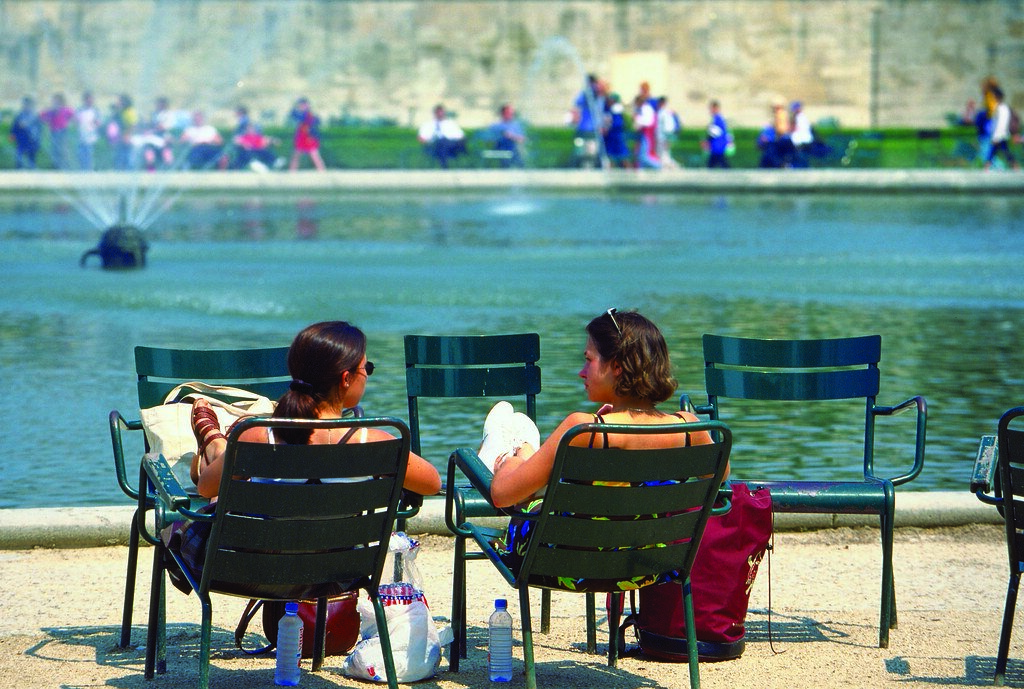 Luxembourg Garden A historic garden spanning approximately 23 hectares, ideal for a walk around the pond or a peaceful break…
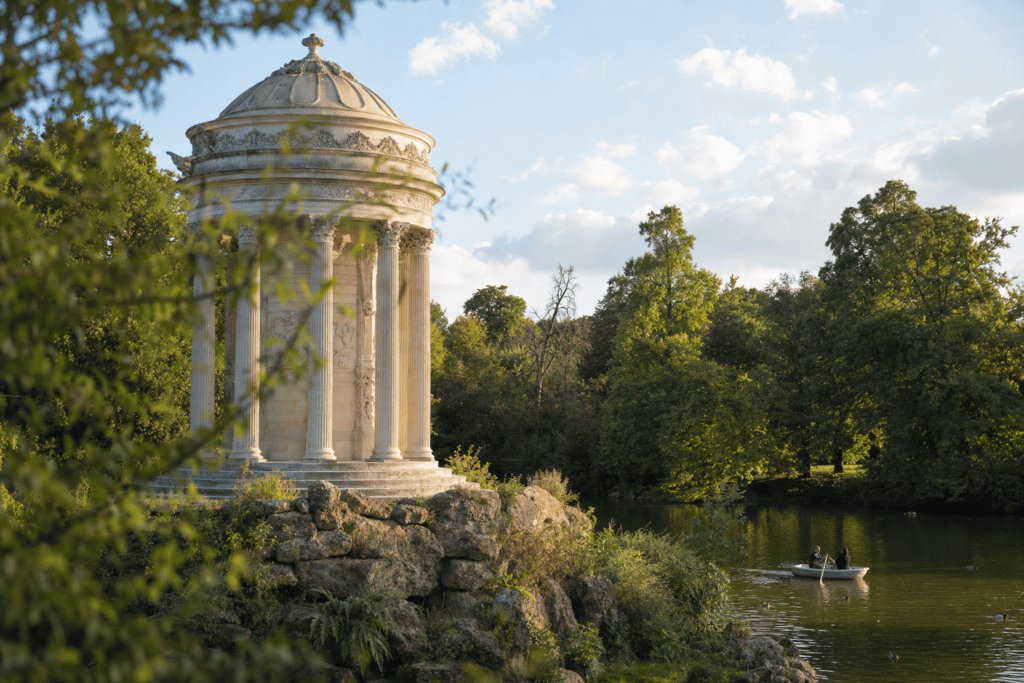 Bois de Boulogne A vast green space west of Paris, ideal for walking, cycling, exploring gardens, and…
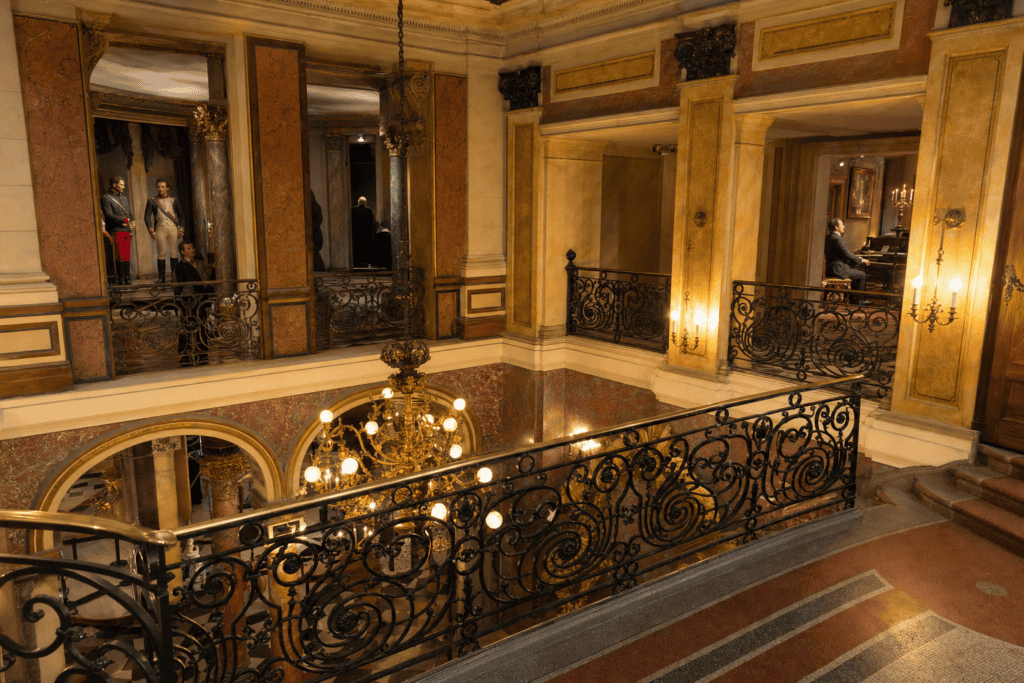 Musée Grévin A family-friendly, photo-worthy outing in Paris, with wax figures, historic sets, the Hall of Mirrors…
 Saint-Germain-des-Prés A Parisian stroll through religious heritage, literary cafés, art galleries, and Left Bank boutiques.
 Foodie Paris: pastries, cheeses, and local specialties A practical guide to discovering Parisian bakeries, pastry shops, cheese shops, markets and specialties by neighborhood.
Online booking · Paris → Rue Montorgueil, Paris 1st and Paris 2nd arrondissements, Île-de-France
Choose your pickup date and time
Your departure and arrival details are already pre-filled. You can adjust them in the fare calculator before viewing the vehicles and fare.