



Saint-Germain-des-Prés: the vibrant elegance of the Left Bank
Paris
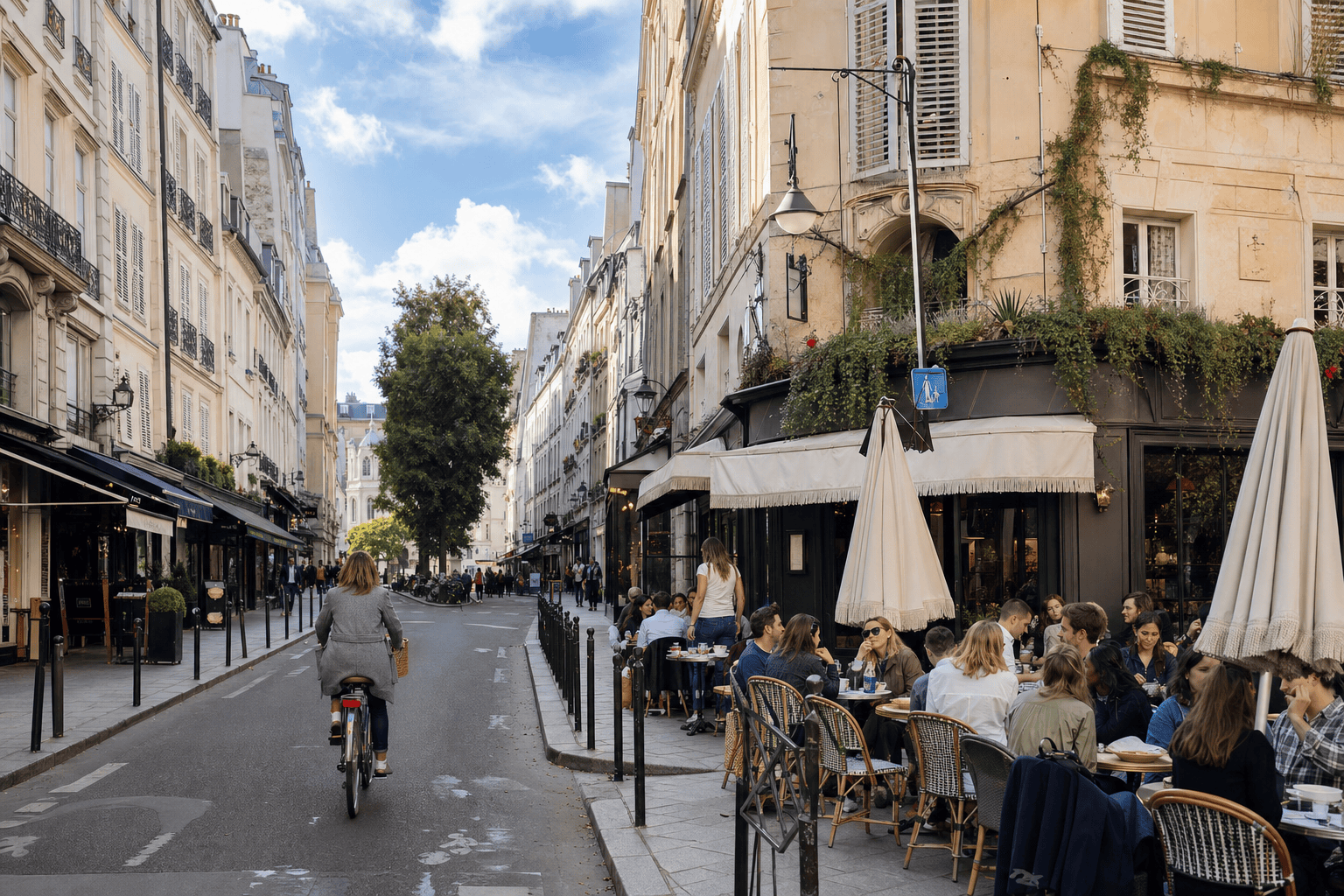
Just steps from the Seine, Saint-Germain-des-Prés embodies a certain vision of Paris: a former abbey, cafés associated with postwar writers, art galleries, bookshops, refined boutiques, and streets best explored on foot. This part of the 6th arrondissement is easy to visit without a rigid itinerary, alternating between monuments, shop windows, terraces, and quieter passageways.
Practical information
Wear comfortable shoes: the streets are easy to explore on foot, but some are narrow and sidewalks can be crowded. Start at the church, then gradually make your way toward Rue de Seine, Rue de Buci, and Rue de l’Échaudé.
Getting to Saint-Germain-des-Prés from Paris or its airports
Booking Paris Transfer peut organiser un transfert privé depuis un hôtel parisien, la gare ou les aéroports de Paris-Charles-de-Gaulle et Paris-Orly vers votre point de départ dans la capitale. Le service concerne le transport uniquement : les visites, repas et billets éventuels restent à organiser séparément. Pour un programme parisien plus large, un itinéraire depuis Paris peut combiner Saint-Germain-des-Prés avec Saint-Sulpice, le jardin du Luxembourg, les quais de Seine ou le Quartier Latin, selon votre temps disponible.
Departures from Paris, Paris hotels, CDG, or ORY, with a return or onward travel within Paris depending on your itinerary.
A neighborhood born around an ancient abbey
Saint-Germain-des-Prés is more than its famous cafés. Its identity developed around an abbey founded in the 6th century, away from the city’s original center. The basilica dedicated to Saint Vincent and Holy Cross was consecrated in 558, and the religious complex later endured the destruction, rebuilding, and transformations that shaped Paris’s history. The current church notably retains a remarkable bell tower and porch, as well as a nave whose Romanesque origins can still be seen in its proportions and stonework.
Before beginning your walk, take time to observe Place Saint-Germain-des-Prés. Recently redesigned, it gives pedestrians more space and provides a clearer view of the church façade. The site is an excellent starting point for understanding the neighborhood: a very old religious monument stands here amid a lively commercial and cultural setting. This juxtaposition of medieval heritage and contemporary Parisian life is one of the area’s great attractions.
Visiting Saint-Germain-des-Prés Church
Saint-Germain-des-Prés Church deserves a careful visit, even if you came primarily for the cafés or boutiques. Inside, the light, columns, vaults, and paintings reflect the different stages of its history. The monument has survived Norman invasions, changes to the abbey, the Revolution, and major 19th-century restorations. The Chapel of Saint Symphorian adds an archaeological and spiritual dimension to the experience.
It is best to check opening arrangements, services, and any guided tours with the parish before you visit. The church remains a place of worship, so respectful clothing and behavior are expected, especially during services. Visitor resources and an official audio guide allow you to explore the building at your own pace. To fully appreciate the architecture, allow yourself a few quiet minutes rather than making it only a quick photo stop.
The Left Bank’s legendary cafés
Le boulevard Saint-Germain et ses rues voisines ont accueilli une intense vie intellectuelle et artistique au XXe siècle. Le Café de Flore, les Deux Magots et la Brasserie Lipp sont devenus les symboles de cette époque où écrivains, philosophes, peintres et journalistes se retrouvaient à la même table. Jean-Paul Sartre, Simone de Beauvoir et Albert Camus sont associés à cette histoire, qui a contribué à faire de Saint-Germain-des-Prés un lieu reconnu bien au-delà de Paris.
Today, these establishments are also very popular with visitors. The appeal is not necessarily to recreate a frozen image of the past, but to observe a continuing tradition: sitting, reading, talking, and watching the city go by. For a more relaxed experience, also explore the small streets around Rue de Buci and Rue de l’Échaudé. Their terraces offer a more everyday view of the neighborhood, shared by residents, students, travelers, and regulars.
Galleries, bookshops, and artistic heritage
The walk becomes especially interesting around Rue de Seine, Rue de Buci, Rue Jacob, and Rue de l’Échaudé. Galleries often occupy former ground-floor spaces or discreet small façades. Depending on the address, they showcase modern art, photography, sculpture, drawing, or contemporary artists. Since opening hours and exhibitions change regularly, check gallery websites before planning a specialized route.
Rue Jacob is also known for its private mansions, bookshops, and boutiques. It leads toward the Musée National Eugène-Delacroix, housed in the painter’s final apartment and studio, with a garden that creates a surprisingly peaceful interlude in the heart of the Left Bank. This visit complements the church: one tells the neighborhood’s long religious history, while the other reflects the presence of artists and studios in 19th-century Saint-Germain. Culture enthusiasts can continue toward the Institut de France and Quai de Conti.
A walk among boutiques and lively streets
Saint-Germain-des-Prés can also be discovered through its shops. Fashion, home décor, perfumery, design, and publishing stores are concentrated mainly around Boulevard Saint-Germain, Rue Bonaparte, and the surrounding streets. Some addresses are decidedly upscale, while others retain a more independent character. The key is to vary your route: the major thoroughfares convey the neighborhood’s elegant character, while the side streets reveal courtyards, specialty storefronts, and older façades.
For a food break, the Marché Couvert Saint-Germain and the area’s food shops make it easy to put together lunch or a snack. Lively Rue de Buci combines cafés, restaurants, and food stores. Toward the end of the day, the terraces become busier. If you prefer a more peaceful walk, head toward Rue de Seine or the area around Place Furstenberg, staying alert around narrow passageways and local traffic.
Recommended half-day itinerary
Commencez place Saint-Germain-des-Prés par l’église, puis rejoignez la rue Bonaparte. Descendez vers la rue Jacob en prenant le temps de regarder les façades et les galeries. Selon vos centres d’intérêt, faites un détour par le musée national Eugène-Delacroix, dont l’accès et les conditions de visite sont à vérifier sur le site officiel. Continuez ensuite vers la rue de Seine, la rue de Buci et le marché couvert Saint-Germain.
For lunch, choose a historic brasserie if you want to visit the iconic addresses, or a more contemporary restaurant on a side street. In the afternoon, continue toward the Institut de France, Quai de Conti, and the banks of the Seine, or toward Saint-Sulpice and the Luxembourg Gardens. This route is easy to adapt: allow about two hours without going inside any attractions, and longer if you enter a church, museum, bookshop, or several galleries. The neighborhood is better suited to leisurely wandering than to quickly checking off one viewpoint after another.
Getting around, transportation, and practical tips
Saint-Germain-des-Prés is one of Paris’s most accessible neighborhoods by public transportation. Saint-Germain-des-Prés station, served by Line 4, is an obvious arrival point, while Mabillon, Odéon, Saint-Sulpice, and the proximity of RER B at Saint-Michel–Notre-Dame may work better depending on your route. Several bus lines also run through the area. Visitors arriving from a train station or airport will generally find it easiest to reach central Paris first by public transportation or a reserved transfer, then explore the neighborhood on foot.
The neighborhood is central but very busy. Sidewalks can be narrow, shopping streets crowded, and some crossings uncomfortable during rush hour. A stroller, wheelchair, or limited mobility may require an itinerary planned in advance; the Tourist Office offers accessible routes and detailed information. Finally, always check museum hours, closing days, roadwork, and the church’s visiting conditions before setting out.
Frequently Asked Questions
How long does it take to visit Saint-Germain-des-Prés?
What is the best metro station for starting the visit?
Can you visit Saint-Germain-des-Prés Church?
Which historic cafés should you see in the neighborhood?
Is Saint-Germain-des-Prés suitable for a family visit?
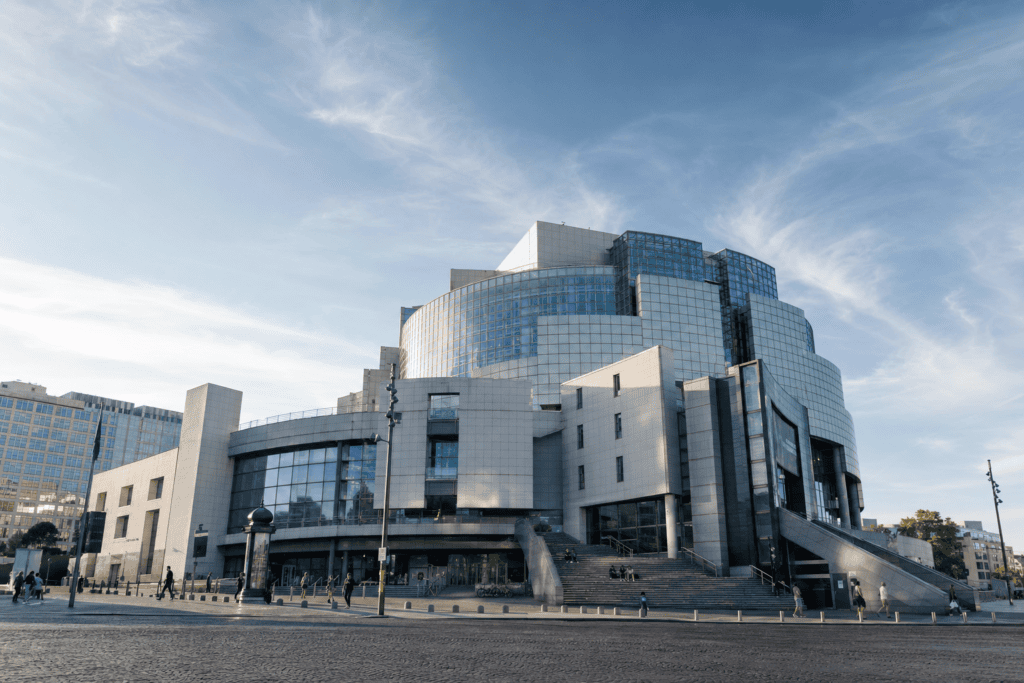 Paris Opera Bastille Opera, ballet, contemporary architecture, and a stroll around Bastille: an iconic cultural outing to…
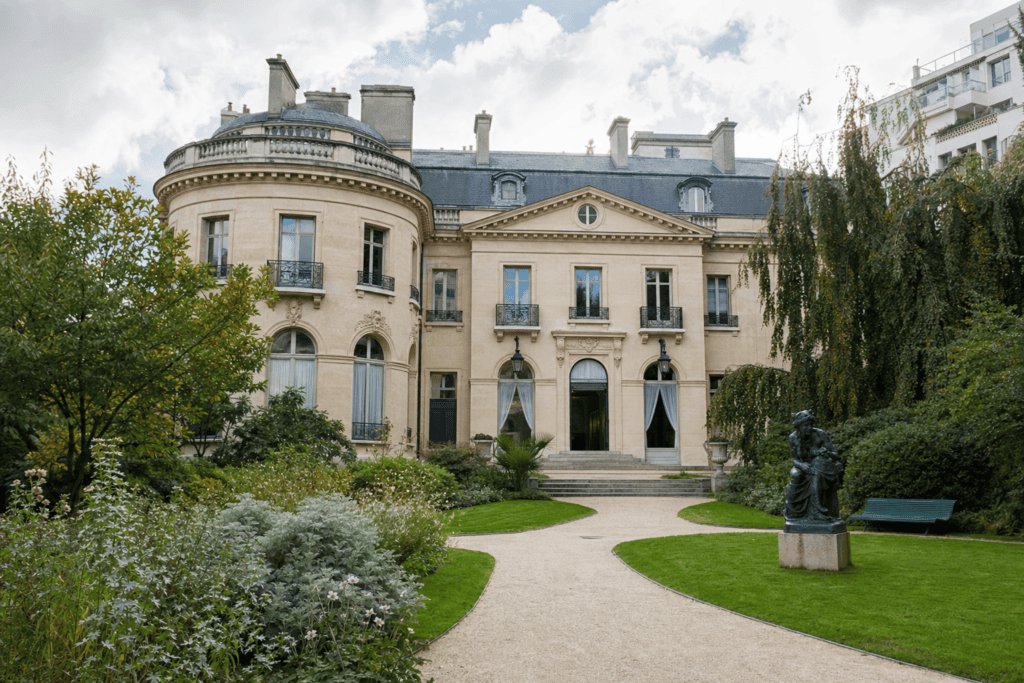 Musée Marmottan Monet A remarkable collection of Monet and Berthe Morisot in the elegant setting of a former mansion…
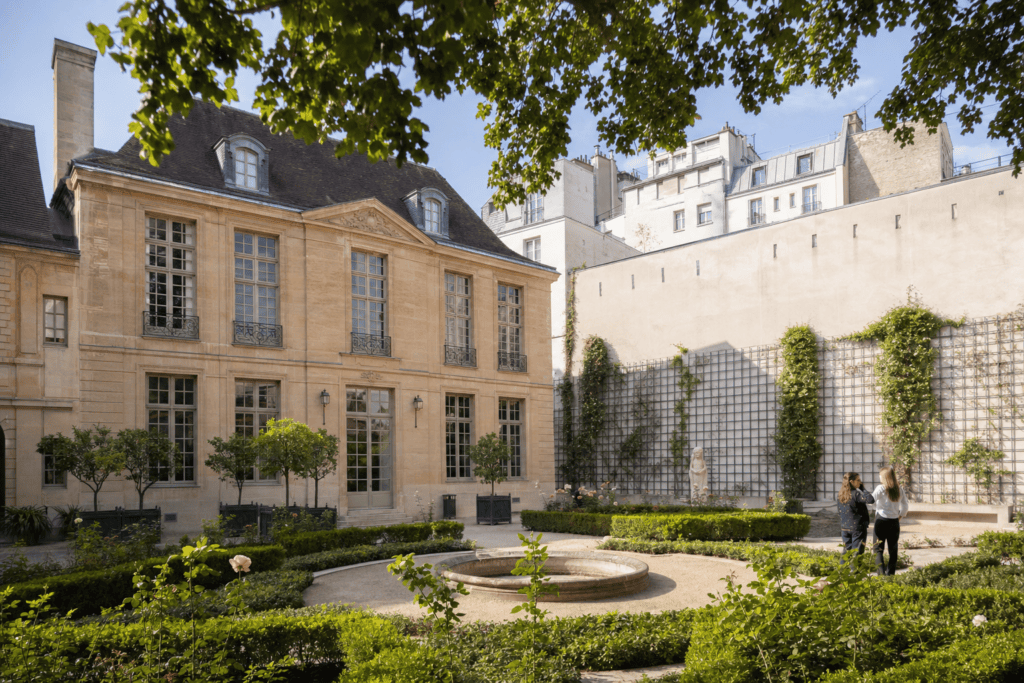 Musée Picasso Paris A major Picasso collection in the Hôtel Salé, in the historic heart of the Marais.
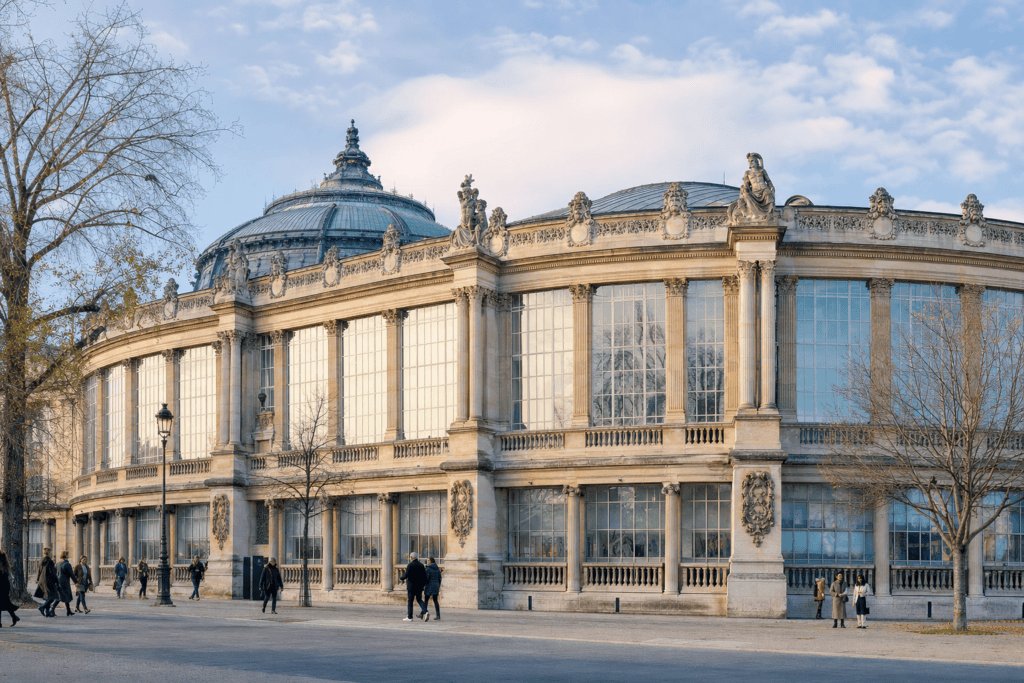 Le Palais des Glaces A Paris venue known for comedy, stand-up, theater, and comedies, near République.
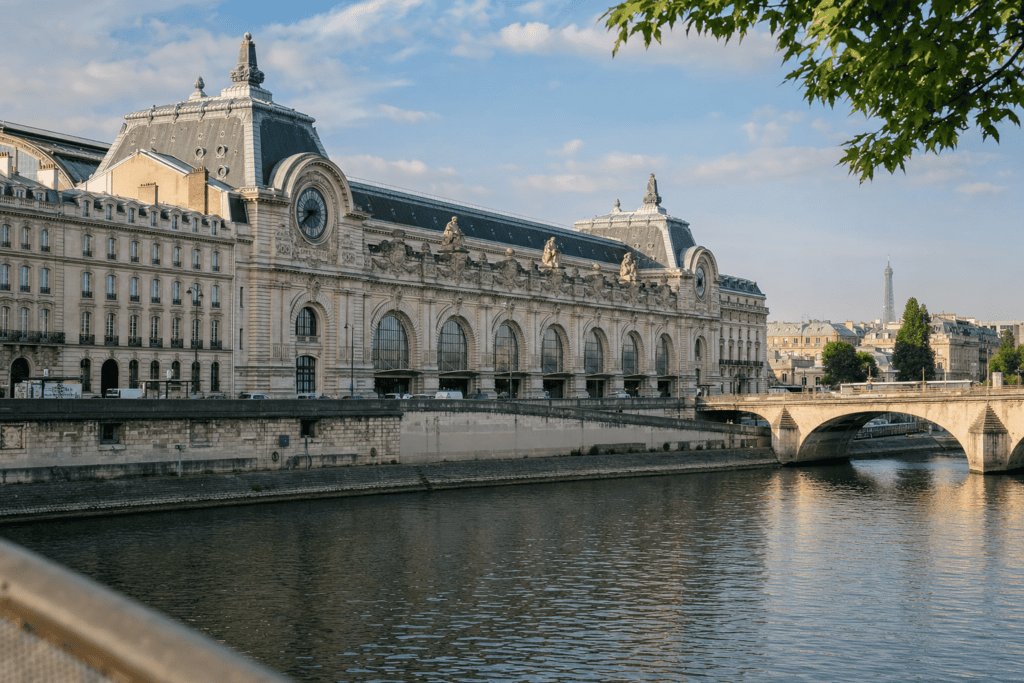 Musée d’Orsay A former 1900 train station that became one of Paris’s major museums, renowned for its collections…
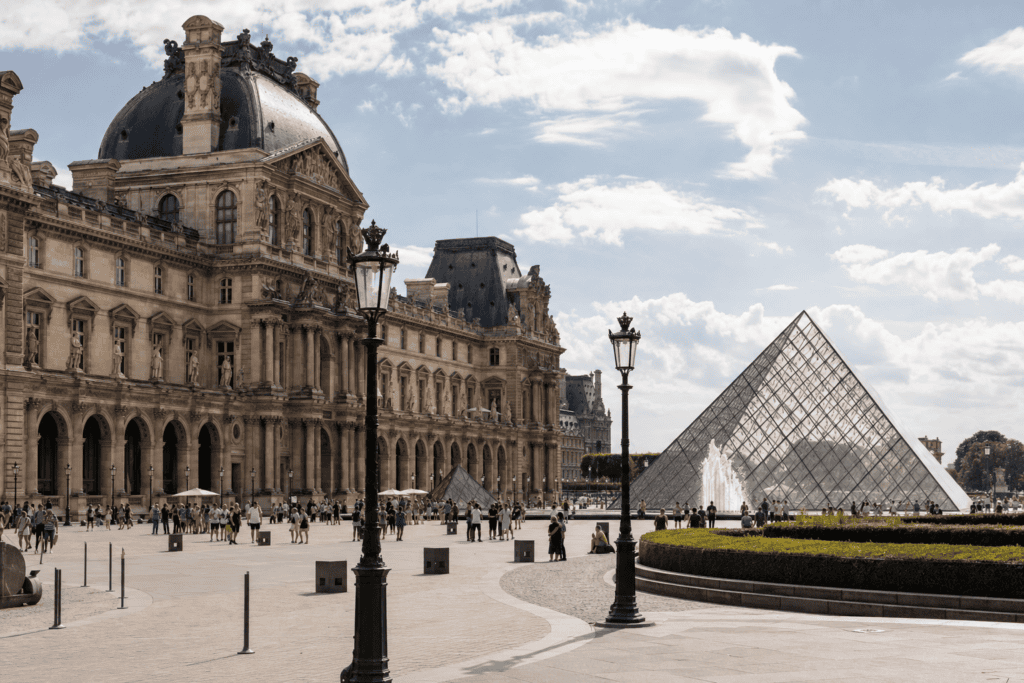 Louvre Museum An essential Paris itinerary featuring the Mona Lisa, antiquities, major European paintings, and the décor of a former palace…
Online booking · Paris → Place Saint-Germain-des-Prés, 75006 Paris, France
Choose your pickup date and time
Your departure and arrival details are already pre-filled. You can adjust them in the fare calculator before viewing the vehicles and fare.