



Marché des Enfants Rouges: A Food Lover’s Guide to Paris
Paris
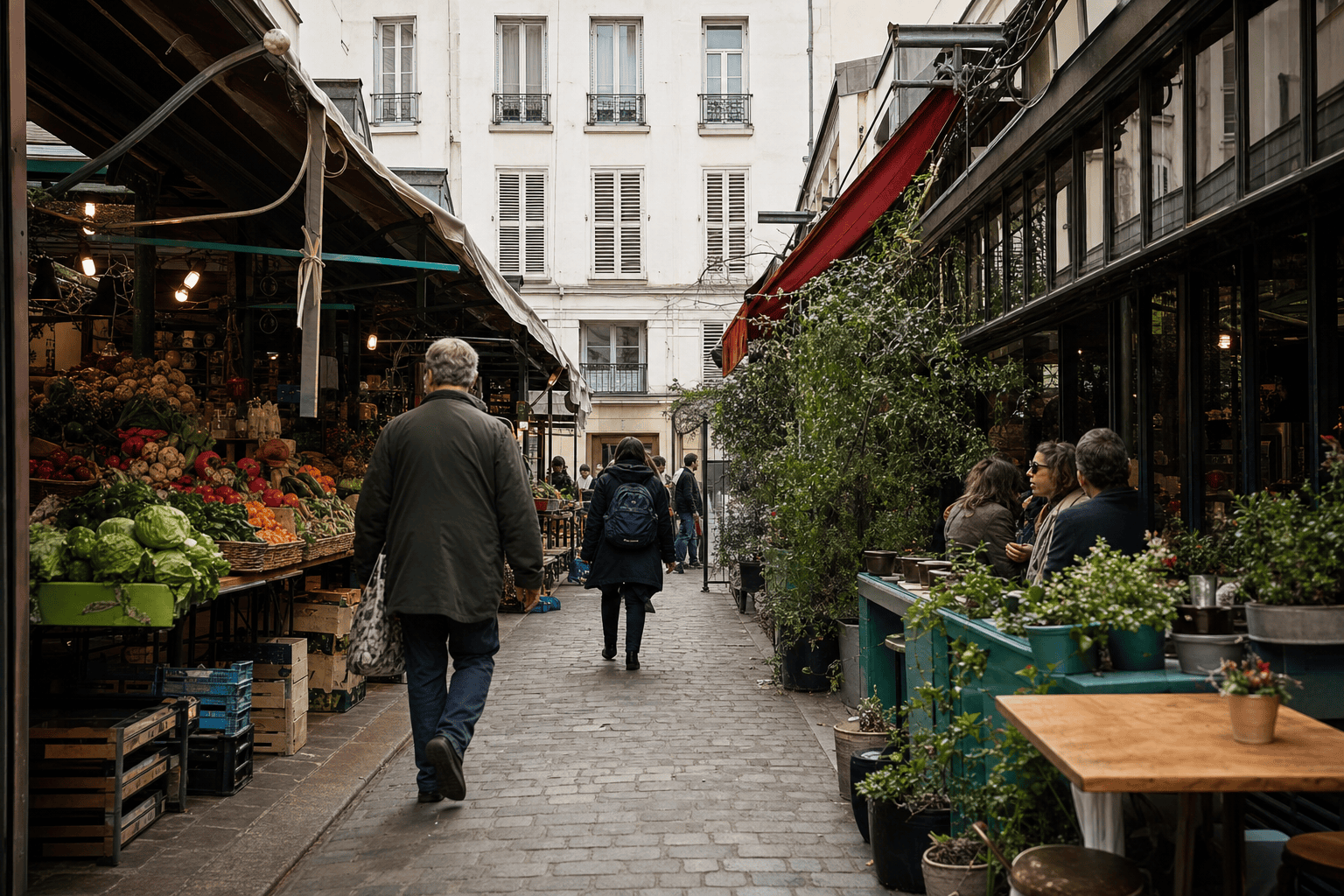
In the heart of the Haut Marais, the Marché des Enfants Rouges is a historic, popular, and food-focused Parisian stop. Established in 1615, it is described by the City of Paris as the oldest covered food market in the capital. Beneath its market hall, fresh-produce stalls stand alongside counters serving French-, Japanese-, Moroccan-, Italian-, Lebanese-, and Afro-Caribbean-inspired cuisines. Its compact size makes it easy to include between the Picasso Museum, Carreau du Temple, Rue des Archives, and Place des Vosges. Since opening days and hours may vary by vendor, public holidays, and construction work, check the official information before setting out.
Practical information
First walk around the market hall to compare the open counters, then choose your meal. Availability, lines, and seating vary by time of day.
Getting to the Marché des Enfants Rouges from Paris
Booking Paris Transfer can arrange a private ride from a Paris hotel, train station, CDG, or ORY to the Marais, with a return trip to Paris available. The service covers transportation only and does not include tickets, meals, or reservations with vendors.
Transportation from Paris, the Île-de-France region, CDG, or ORY, with a return trip to Paris or your accommodations available.
A Parisian history dating back to 1615
The Marché des Enfants Rouges was established in 1615, during the reign of Louis XIII. Its name is generally linked to children cared for at a nearby charitable institution: dressed in red, they are believed to have given the market its name. This origin explains why the market’s name does not refer to the color of the goods or the market hall. As is often the case in Paris, the site’s history is connected to that of a neighborhood, its institutions, and everyday uses.
The market went through periods of decline and faced the threat of closure at the end of the 20th century. The efforts of residents, vendors, and elected officials helped preserve it. Following renovation work, it regained new momentum in the early 2000s. Today, the market hall is recognized as part of Paris’s heritage, but it remains first and foremost an active market.
This continuity is interesting to observe on site: visitors come to eat, while local residents shop for groceries. The market is therefore not merely a historic backdrop, but a neighborhood amenity that has adapted to contemporary habits.
The Haut Marais around Rue de Bretagne
The market is located in Paris’s 3rd arrondissement, in an area of the Marais often called the Haut Marais. The neighborhood brings together private mansions, museums, galleries, studios, independent shops, and food establishments. Rue de Bretagne, where tourist sources identify the main entrance, is a good starting point for exploring the neighborhood on foot.
Nearby, Carreau du Temple hosts cultural and special events, while the Picasso Museum occupies the Hôtel Salé, notable for its classical architecture. The Carnavalet Museum, devoted to the history of Paris, can also be reached within a few minutes on foot, depending on the route. Farther south, Rue des Archives and Rue des Rosiers lead to other sides of the Marais.
The market can therefore serve as a break during a day of sightseeing. A cultural morning can end with lunch beneath the market hall, followed by a leisurely walk toward Place des Vosges. This approach avoids making a separate trip solely for the market and provides a better sense of its urban surroundings.
Fresh Produce and Global Cuisines
The Marché des Enfants Rouges’s current appeal comes from the coexistence of food shops and prepared-food vendors. Depending on the day and the vendors present, you may find fresh produce, takeout dishes, and several styles of cuisine. Japanese, Moroccan, Italian, French, Lebanese, and Afro-Caribbean influences are often associated with the market’s food identity, although the selection is not entirely fixed.
It is best to walk through the entire market hall before ordering. Some counters have a few tables, while others focus more on takeout. Menus, portions, preparation times, and payment methods are determined by each vendor. A long line at one stand does not necessarily mean that the other areas are full.
The market is especially suitable for groups who want to eat different dishes without splitting up. Solo travelers will also find an atmosphere that is less formal than a traditional restaurant. Its appeal lies in the variety, the proximity to the food preparation, and the market-hall atmosphere, rather than in a formal dining experience or service shared by all the stands.
What to Expect During Your Visit
A first visit can begin with a complete walk-through without buying anything. The market hall’s compact dimensions make it easy to quickly identify open stalls, food counters, and available seating. In the morning, activity is often more focused on shopping and fresh produce. As lunchtime approaches, the number of office workers, residents, and Marais visitors increases.
If you are having lunch there, remain flexible. There is no single menu for the entire market: each counter has its own policies. Follow the instructions provided when you order, and do not assume a table is available simply because no one is sitting there. During busy periods, waiting and looking for a seat are normal parts of the experience.
The market is also a good place to buy food to take away, provided you can keep it properly stored during the rest of your walk. Ask permission before photographing vendors or customers. The market remains a place of work and commerce, not just a tourist site to be staged for photos.
Getting There by Metro, on Foot, and from the Airports
The reference address is 39 Rue de Bretagne in the 3rd arrondissement. Filles du Calvaire on Line 8 is generally identified as one of the closest stations. Temple on Line 3 and Arts et Métiers, served by Lines 3 and 11, also provide walking access to the market. Routes may be affected by construction, closures, or disruptions: check RATP information on the day of your journey.
From Gare du Nord or Gare de l’Est, the neighborhood can be reached by metro followed by a short walk. From Gare de Lyon, a connection toward the Marais area is generally required. Travelers arriving at Montparnasse or Saint-Lazare should also expect to change lines, depending on the route selected. Once in the neighborhood, walking is often more practical than driving.
From Charles de Gaulle or Orly, the journey depends heavily on traffic and the condition of the transit network. With luggage, a private transfer from the airport or a Paris hotel can simplify your arrival, but the final stretch is generally on foot because of the Marais’s narrow streets and heavy foot traffic.
Accessibility, Hours, and the Best Time to Visit
The City of Paris indicates that the market is accessible to people with reduced mobility, but this information does not guarantee a comfortable route in every situation. Before visiting, ask for confirmation of the most suitable entrance, any thresholds, passage widths, and restroom access. Public sources do not always provide details about the layout of each counter. Crowds can also make it difficult to maneuver a wheelchair or stroller.
The market is generally listed as open Tuesday through Sunday, with a Monday closure. This should be confirmed before traveling, since vendors’ hours may differ from those of the market hall and may change on public holidays, during construction, or in other special periods. Food counters may also start or end service at different times from the stalls.
For a quieter experience, go in the morning or at the start of lunch service. Sundays are often busier throughout the Marais. In heavy rain, the market hall provides shelter, but its aisles may become more crowded. Visitors who need a clear path should avoid the busiest time slots.
Itinerary Ideas in the Marais
The market fits easily into an itinerary focused on historic Paris. From Place de la République, you can head to Carreau du Temple and then continue down to Rue de Bretagne. Another option is to begin at the Picasso Museum, have lunch at the market, and continue to the Carnavalet Museum or Place des Vosges. Distances are manageable, but allow more time if you plan to visit the museums.
For a shorter walk, combine the market with the streets of the Haut Marais and a few independent shops. For a full day, choose just one major cultural visit before your meal: the market hall is compact and does not require several hours, while nearby museums can take up half a day. Families will also appreciate being able to choose different dishes without making a reservation at a traditional restaurant.
From a Paris hotel, train station, or CDG/ORY, Booking Paris Transfer can arrange a private ride departing from Paris or the Paris region, with a return trip to your accommodations available. The service covers transportation only: market admission, meals, and any reservations with vendors must be arranged directly. Check the official information before departing.
Useful sources
Frequently Asked Questions
What is the address of the Marché des Enfants Rouges?
Why is the market called that?
Can you have lunch at the Marché des Enfants Rouges?
Is the Market Accessible to People with Reduced Mobility?
What transportation should I use to get there?
Is the market open on Mondays?
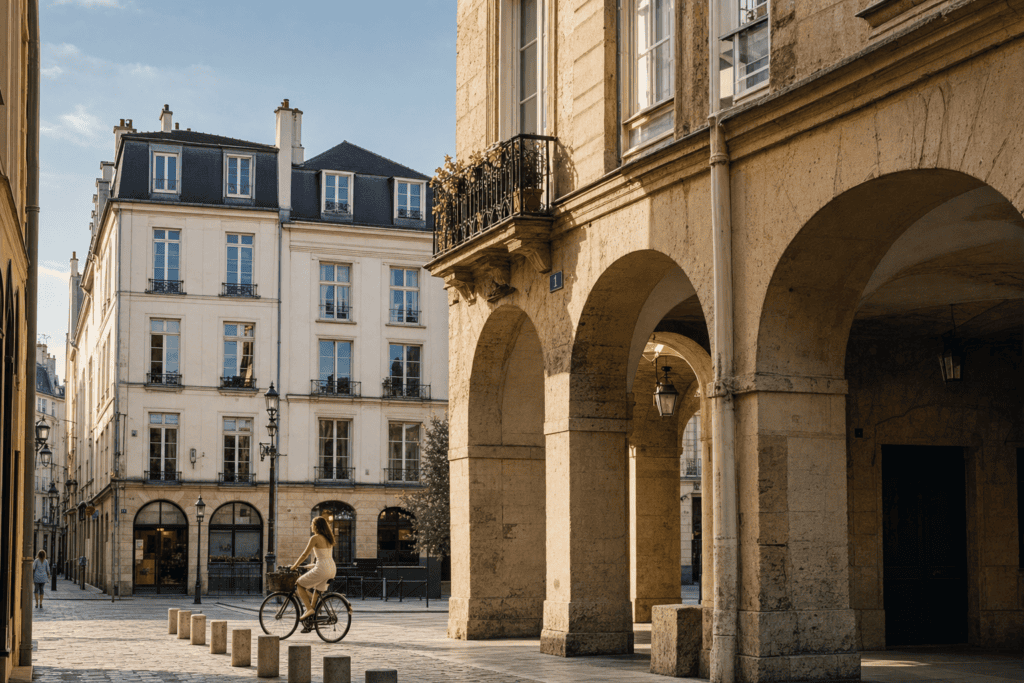 Le Marais An iconic Paris neighborhood known for its private mansions, Place des Vosges, museums, and more…
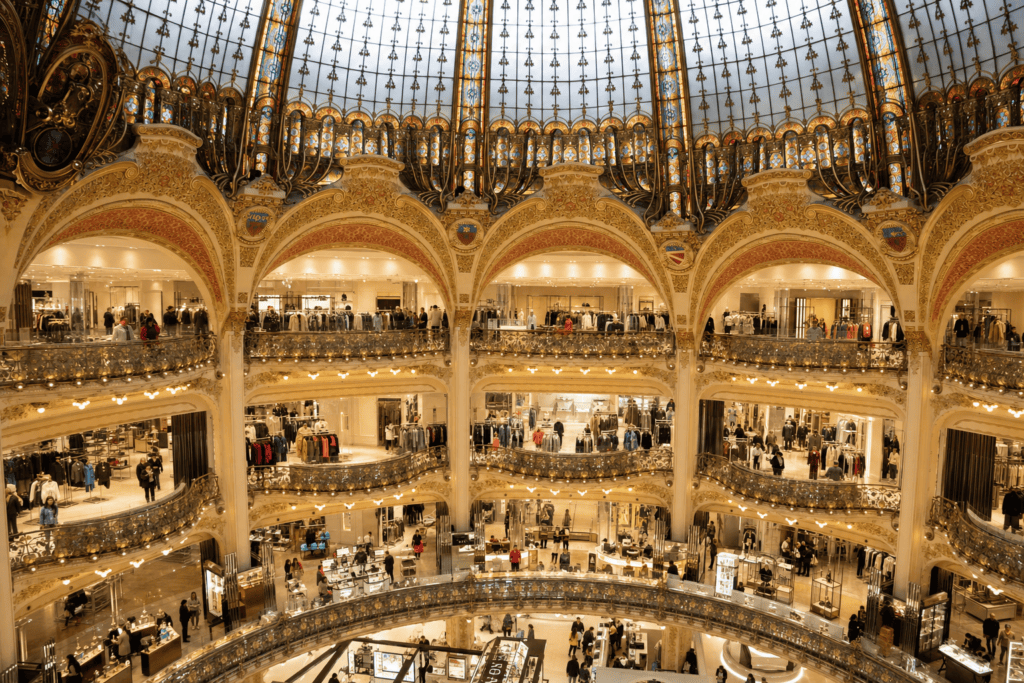 Galeries Lafayette Haussmann A historic Paris department store where you can admire an Art Nouveau dome, shop, and…
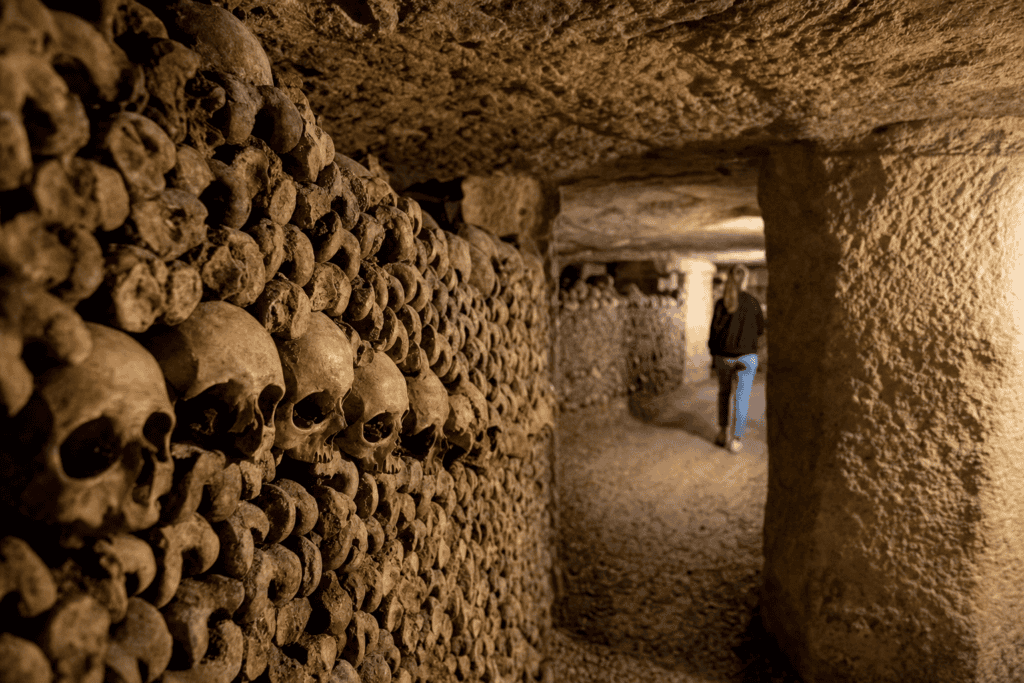 Paris Catacombs A 1,500-meter underground route through the former quarries and municipal ossuary of Paris,…
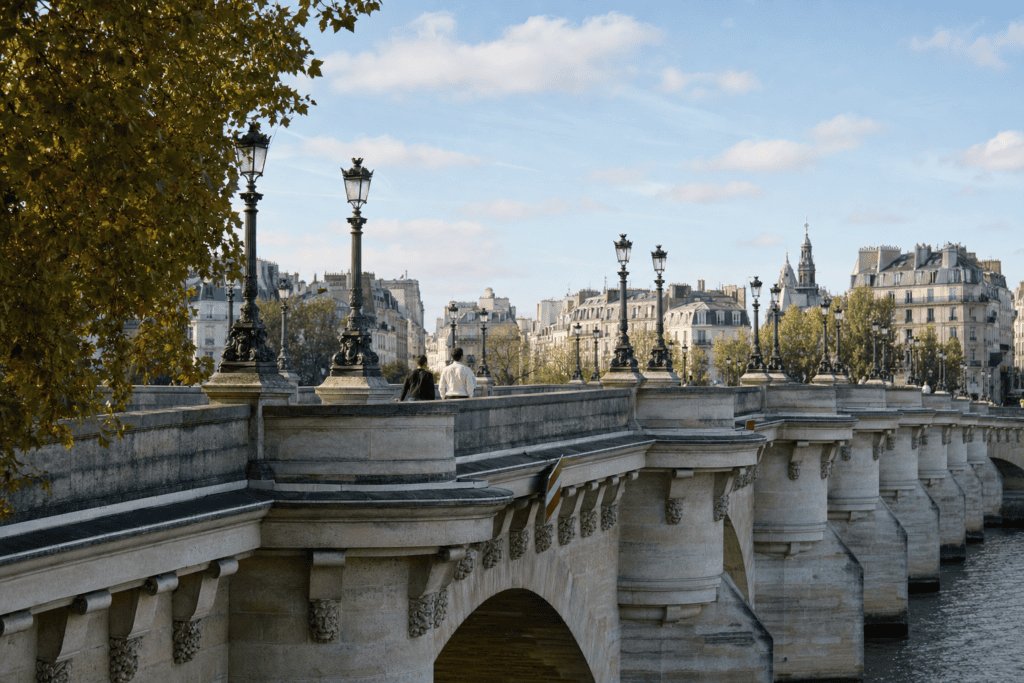 Pont Neuf Pont Neuf connects the two banks of the Seine around Île de la Cité…
 Paris Opera Bastille Opera, ballet, contemporary architecture, and a stroll around Bastille: an iconic cultural outing to…
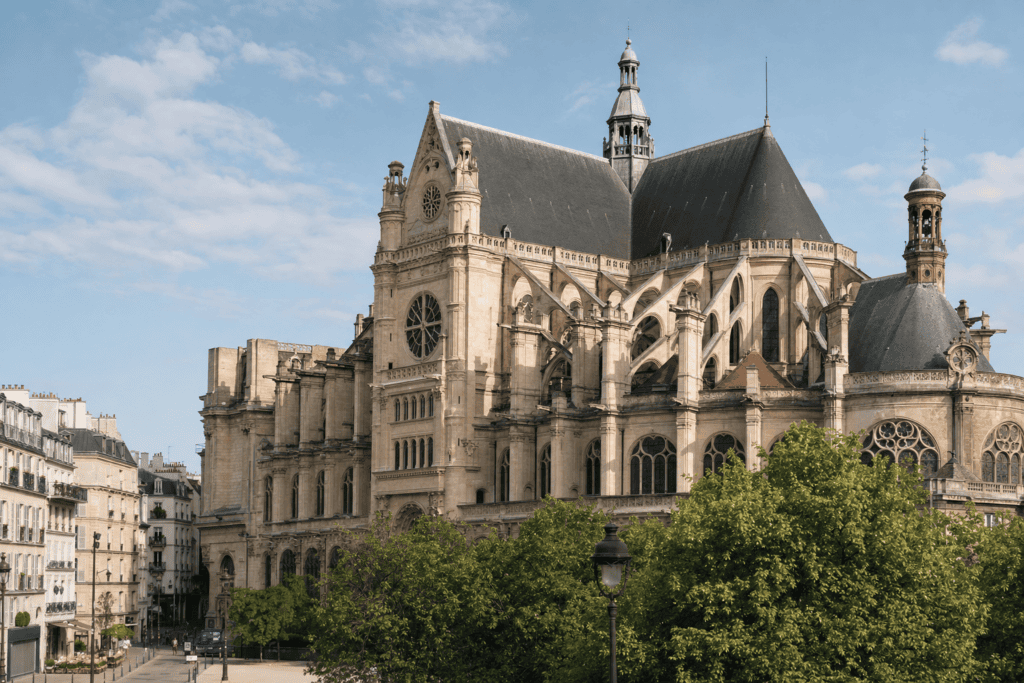 Saint-Eustache Church A monumental church in Les Halles where architecture, the memory of traditional trades, historic art, and contemporary creativity come…
Online booking · Paris → 39 Rue de Bretagne, 75003 Paris, France
Choose your pickup date and time
Your departure and arrival details are already pre-filled. You can adjust them in the fare calculator before viewing the vehicles and fare.