



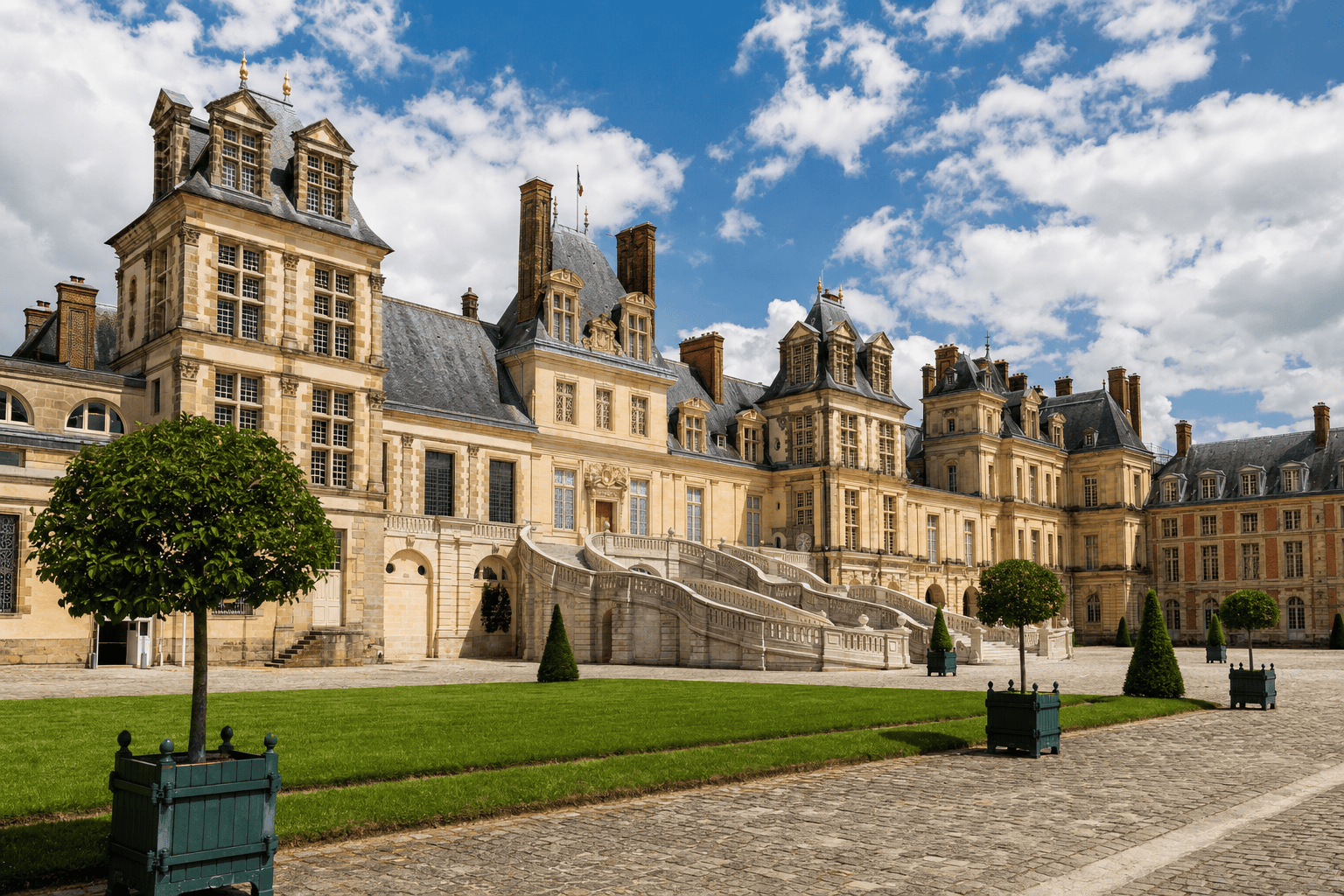
Château de Fontainebleau: Royal Palace and Forest
Paris
About 70 kilometers southeast of Paris, the Château de Fontainebleau brings together French history, decorative masterpieces, and forest landscapes. A residence of sovereigns for nearly eight centuries, it differs from Versailles through its more residential atmosphere and the continuity of its transformations, from the Renaissance to the Empire. One day is enough to explore the apartments, galleries, courtyards, and chapels, then continue your visit through the gardens, town center, or Fontainebleau Forest.
Practical information
Don’t limit yourself to the Grand Apartments: the horseshoe staircase, courtyards, Diane’s Garden, the Great Parterre, and the park show how the palace fits into the town and the former forest estate.
Travel from Paris to Fontainebleau with peace of mind
Arrange a round trip from Paris, Île-de-France, CDG, or ORY to the Château de Fontainebleau, with a return to Paris. A private transfer can also support an itinerary combining the château and the forest, depending on your plans. The service covers transportation only and does not include admission tickets.
Transportation service departing from Paris, Île-de-France, CDG, or ORY, with a return to Paris; admission tickets are not included.
A Royal Residence Shaped by Eight Centuries of History
The Château de Fontainebleau is the result of a long succession of construction, expansion, and remodeling projects. A medieval castle already stood on the site before Francis I made it one of his principal residences in the 16th century. The king invited Italian artists and radically transformed both the buildings and their decoration. This campaign gave rise to an original artistic style associated with the School of Fontainebleau, blending classical references, mythology, courtly elegance, and ornamental innovation.
Henry IV, Louis XIV, Louis XV, Napoleon I, and Napoleon III later continued the work. Each reign left its mark on the apartments, passageways, gardens, or furnishings. This layering is one of the monument’s great strengths: the visit does not tell the story of a single era, but of the evolution of taste and power in France. Fontainebleau served as a residence, hunting ground, setting for ceremonies, and site of political decisions. Its history can also be read in its more domestic proportions, which sometimes create the feeling of entering an inhabited palace rather than an isolated monumental setting.
The François I Gallery and Renaissance Decorations
The François I Gallery is one of the château’s signature spaces. Its frescoes, stucco work, wood paneling, carved surrounds, and mythological compositions form a continuous decorative scheme designed to impress court visitors. The gallery’s appeal lies as much in its artistic program as in the way painting, sculpture, and architecture interact. Look up and take time to observe the ceilings, reliefs, and details that shape the progression through the room.
Other spaces round out the experience: the Ballroom, Grand Apartments, Oval Courtyard, and Trinity Chapel each offer a distinct atmosphere. The route helps visitors understand the functions of a royal palace, from official representation to more private spaces. The collections include a large number of works and objects, some of which are displayed along the areas open to the public. Depending on the season and program, the route may change. Carefully reviewing the official information before your visit can help you identify rooms that are temporarily closed or temporary exhibitions.
Napoleon I and the Imperial Apartments
Fontainebleau has a particularly strong connection with Napoleon I. The emperor appreciated the palace’s residential character and reorganized certain areas to meet the demands of the imperial court. The imperial apartments reveal another side of power: workrooms, bedrooms, salons, furnishings, portraits, and personal objects evoke daily life as much as political representation. The famous horseshoe staircase also recalls the ceremonial role of architecture.
The Napoleon I Museum explores this period in greater depth through works, mementos, and objects connected to the emperor, his family, and his circle. Fontainebleau thus offers an opportunity to explore Napoleonic history beyond military campaigns. Visitors can observe the habits of a court, forms of hierarchy, and the staging of power. The visit is best taken at an unhurried pace, as the domestic and administrative aspects complement the state rooms. The spaces on display and visiting arrangements may change depending on restoration work or the program; check the château’s latest information before planning your route.
Courtyards, Gardens, and Park: Continue Your Discovery
The outdoor areas are an essential part of the experience. The horseshoe staircase in the Cour des Adieux is the most recognizable viewpoint, but the various courtyards primarily help visitors understand the palace’s gradual construction. They reveal façades from different periods and passages between the buildings. The gardens then extend the axes and perspectives designed for the royal residence.
Diane’s Garden, the English Garden, and the Great Parterre each offer a different atmosphere. With its vistas and areas along the canal, the park is a pleasant place for a walk after visiting the apartments. To plan a smooth day, start indoors, take a break in Fontainebleau’s town center, then return to the gardens. This alternating pace is especially suitable for families and visitors who want to avoid moving through too many rooms in succession. Outdoor access, certain areas, and routes may be affected by restoration work or events: check the official information before setting out.
Fontainebleau Forest: A Landscape in Its Own Right
Fontainebleau Forest gives the château an identity distinct from that of the great urban palaces. It covers approximately 22,000 hectares and includes oaks, pines, deciduous trees, heathland, rocky outcrops, and sandy paths. The sandstone boulders and uneven terrain explain the forest’s longstanding appeal for hunting, followed by hiking, climbing, and landscape painting. This proximity makes it possible to connect royal heritage directly with an exploration of nature.
A short walk nearby is enough to complement a palace visit, while a hike on a forest trail requires more time. For more distant areas, research the route, parking areas, and weather conditions in advance. Bring water, suitable shoes, and a reliable map: the forest is extensive, and some rocky sections are uneven. Art lovers can extend their itinerary to Barbizon, associated with landscape painters, or Bourron-Marlotte. These detours are worthwhile, but it is best to choose just one extension to keep the day enjoyable and realistic.
Getting There from Paris: Train, Car, or Private Transfer
The train is generally the simplest option from Paris. Line R serves Fontainebleau-Avon from Paris Gare de Lyon; travel time depends on the train you take. From the station, the château is about 3 kilometers away. Local buses, taxis, and walking can take you to the town center, but schedules, stops, and connection times should be checked before departure on the transport operator’s and tourism office’s websites.
By car, one of the main routes is the A6, with travel time varying according to traffic from Paris or the airport. A private transfer booked from Paris, Île-de-France, CDG, or ORY may suit families, groups with luggage, or travelers who want to combine the château with a forest stop or Barbizon. This is round-trip transportation, with no admission ticket included and without presenting Booking Paris Transfer as a local service in Fontainebleau. Always confirm visiting hours and the most suitable drop-off point before departure.
Plan a Day of Heritage, Town, and Food
For a balanced day, start with the château’s interior spaces while your attention is still fresh. Two to three hours is enough to appreciate the main apartments and decorations, depending on your pace and which rooms are open. Fontainebleau town center is nearby and offers several options for lunch, a coffee break, or a stroll. You’ll find brasseries, traditional restaurants, international cuisine, and tea rooms. Reservations are useful on weekends, during school holidays, and during local events.
Spend the afternoon in the gardens and park, or take a short walk in the forest. Art lovers can choose Barbizon, while equestrian enthusiasts can check the schedule at the Grand Parquet. The town’s markets and events vary according to the calendar announced by the tourism office. Avoid trying to fit in too many stops, however: the château, town center, and one additional activity generally make for a more comfortable plan than a series of detours. Before setting out, check the château’s hours, transportation, weather conditions, and any reservations that may be required.
Frequently Asked Questions
How do I get to the Château de Fontainebleau from Paris?
Is the château close to Fontainebleau Forest?
How much time should I allow to visit Fontainebleau?
Can I visit the château with children?
Do I need to book before visiting?
 Paris Opera Bastille Opera, ballet, contemporary architecture, and a stroll around Bastille: an iconic cultural outing to…
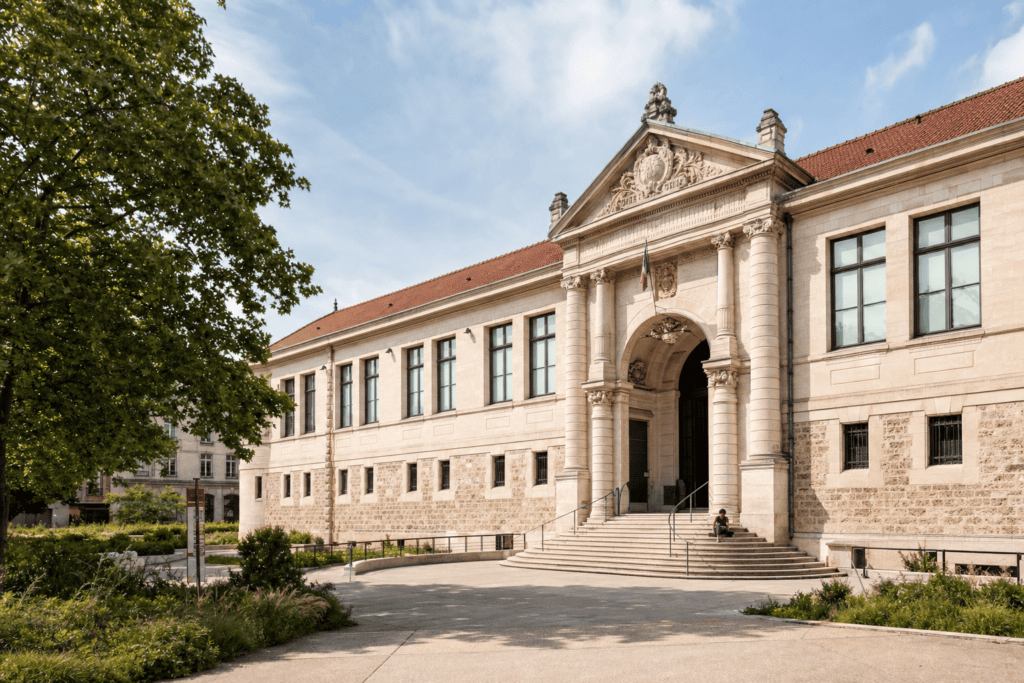 National Museum of the History of Immigration An essential Paris museum for understanding the history of migration, individual journeys, and the role…
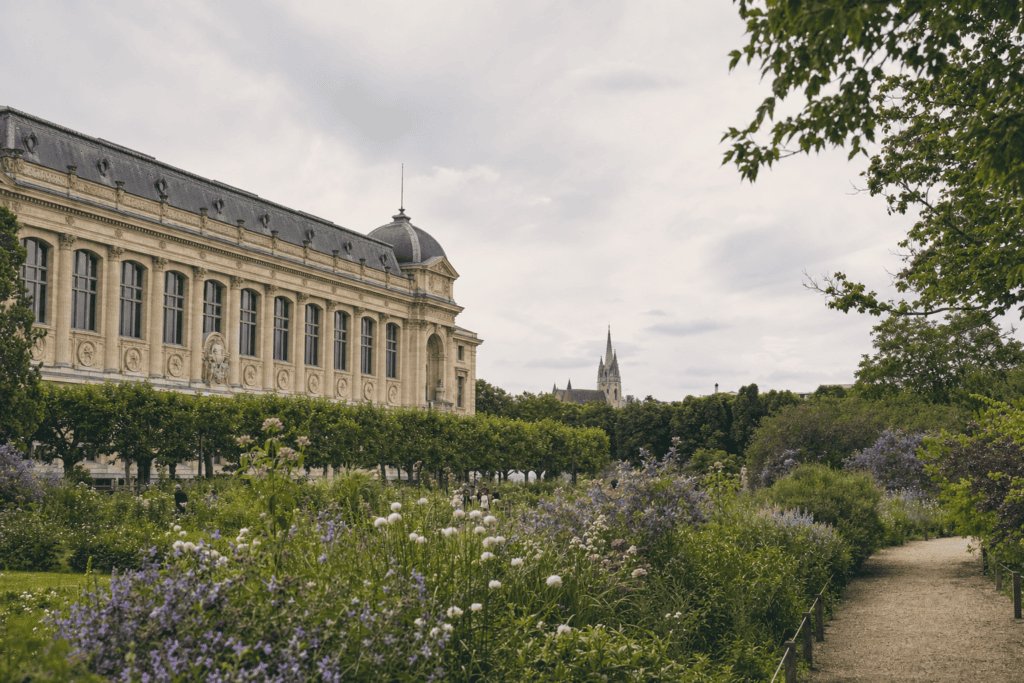 Jardin des Plantes A historic botanical garden where you can see the great greenhouses, plant collections, remarkable trees, and…
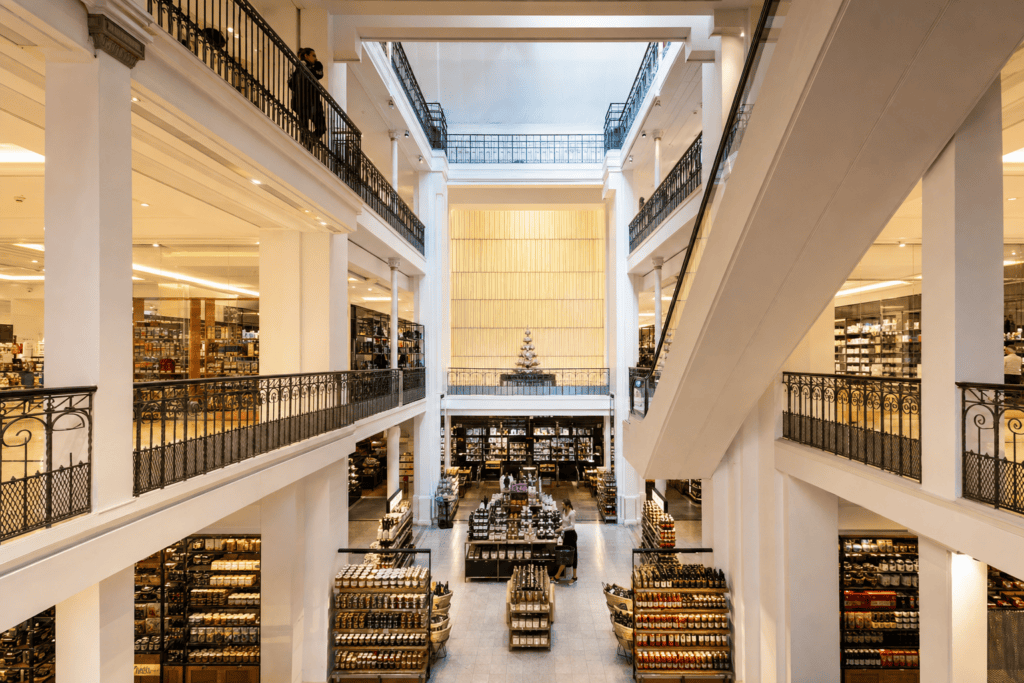 La Grande Épicerie de Paris Two Paris locations for discovering French specialties, fresh produce, pastries, chocolates, condiments, and international selections.
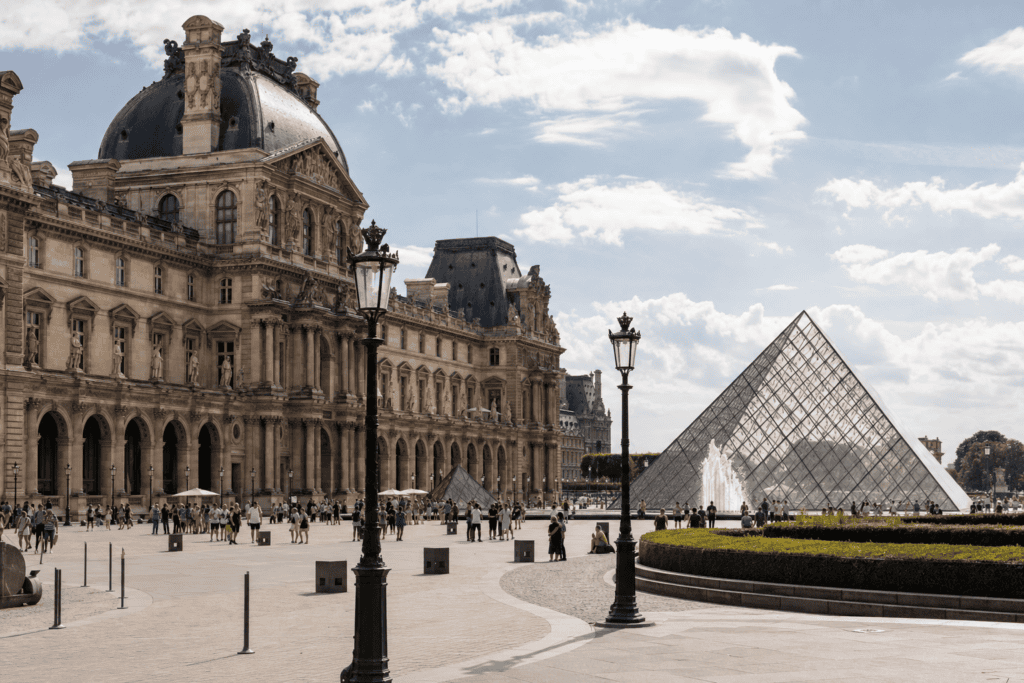 Louvre Museum An essential Paris itinerary featuring the Mona Lisa, antiquities, major European paintings, and the décor of a former palace…
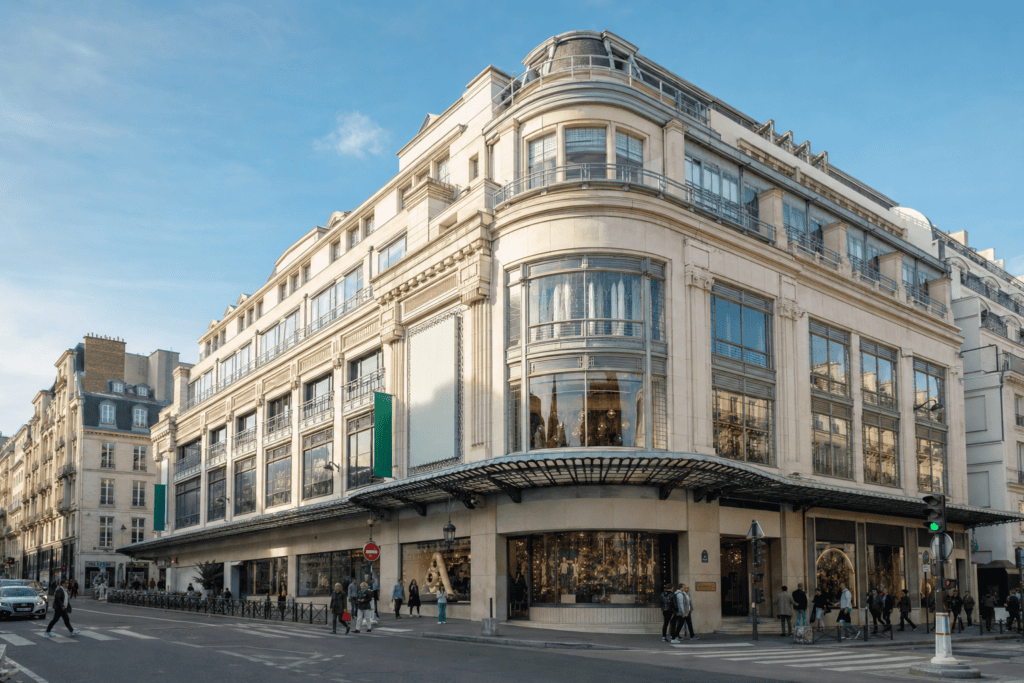 Le Bon Marché Rive Gauche A historic Left Bank department store combining fashion, design, gastronomy and the art of living…
Online booking · Paris → Place Charles de Gaulle, 77300 Fontainebleau, Île-de-France
Choose your pickup date and time
Your departure and arrival details are already pre-filled. You can adjust them in the fare calculator before viewing the vehicles and fare.