



Parc Monceau: An Elegant Stroll Through a Parisian Garden
Paris
Parc Monceau is one of Paris’s most distinctive gardens. Behind its monumental gates, its paths combine a basin, statues, remarkable trees, and follies inspired by different eras. Located in the 8th arrondissement, in the heart of the Monceau plain, it offers a pleasant break amid heritage, photography, and neighborhood life. An approximately one-hour stroll allows you to see its main features; a half-day can include the Musée Cernuschi, the nearby residential streets, and a café around Villiers. Check the garden’s opening hours, access conditions, and any temporary closures in the official information from the City of Paris before setting out.
Practical information
Look for the Naumachia, pyramid, Italian-style bridge, rotunda, and sculptures. Rules concerning lawns, dogs, games, and opening hours are posted at the entrances and may change.
Getting to Parc Monceau from Paris or an airport
Booking Paris Transfer can arrange a ride from Paris, a Paris hotel, Charles de Gaulle, or Orly to Parc Monceau. This option is especially convenient with luggage, after a flight, or when combining the garden with several stops around Paris. The vehicle drops you off near the park, and you can then continue your visit independently, returning to Paris or carrying on with your itinerary.
Transportation service departing from Paris, a Paris hotel, CDG, or ORY. No admission ticket is included, and the garden visit remains independent.
Why visit Parc Monceau?
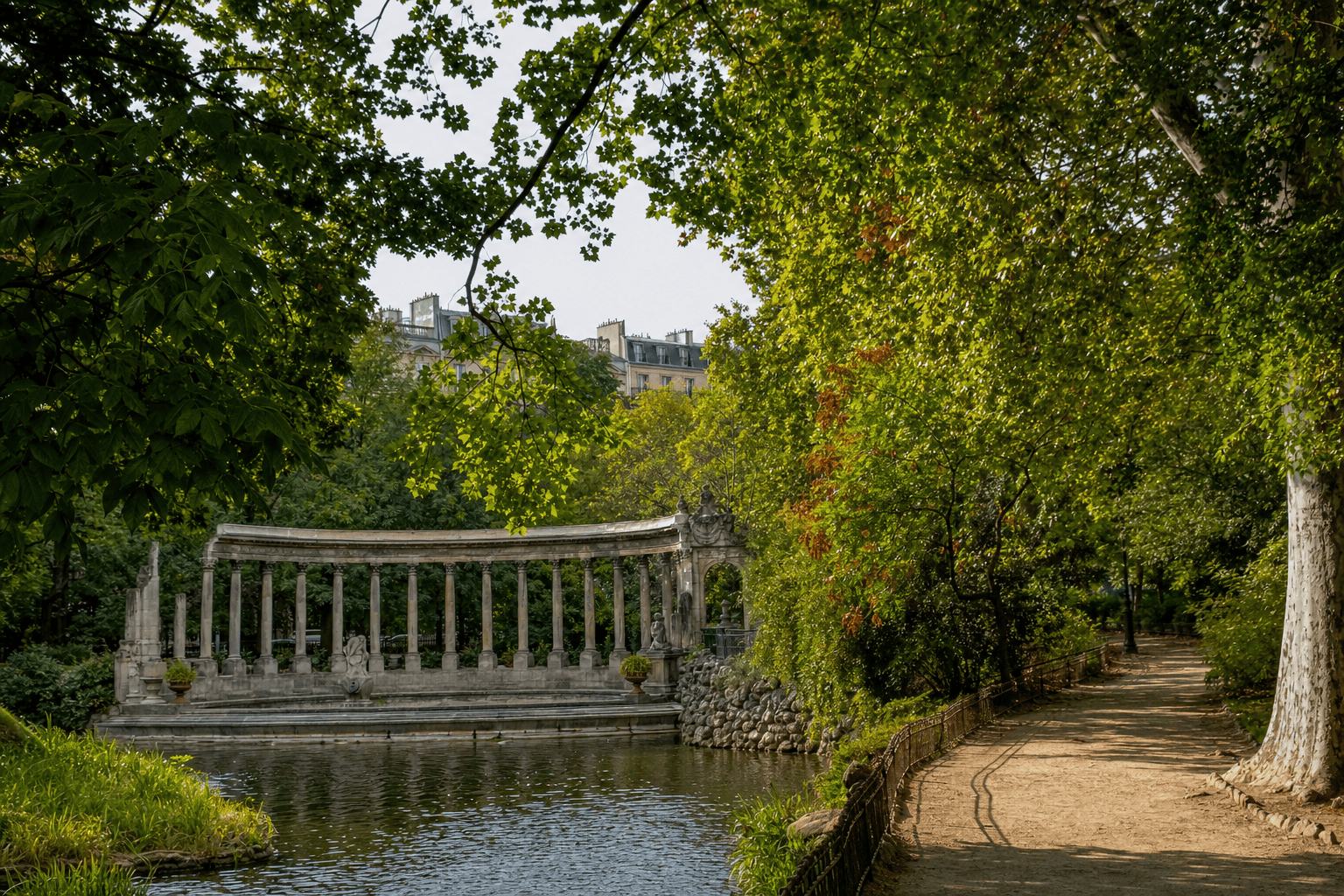
Parc Monceau charms visitors with its balance of Parisian elegance and landscape whimsy. It does not follow the rigorous design of a classical garden, nor does it resemble a simple neighborhood square. Its winding paths, irregular vistas, and decorative structures create a stroll centered on discovery. A colonnade appears behind the trees, a basin opens up a vista, and then a sculpture or gate catches your eye.
This variety makes it a destination suited to many types of visitors. Couples enjoy its peaceful atmosphere, photographers appreciate its ever-changing compositions, and travelers value its convenient location between the major neighborhoods of western Paris. Its size allows for a visit without a long walk, while its details reward careful observation. The park is also a welcome break between two museums or before an appointment in the Villiers neighborhood.
The surrounding setting extends the experience: stone façades, elegant buildings, and the streets of the Monceau plain offer a glimpse of residential Paris. For a first visit, plan a loop without trying to rush.
A history spanning pleasure garden and public park
The history of Parc Monceau dates back to the 18th century. Louis-Philippe d’Orléans, Duke of Chartres, acquired the land in 1769 and wanted to create an original pleasure garden there. The painter and designer Carmontelle helped develop a route blending vegetation, water, and evocative structures. The aim was not to recreate a single landscape, but to surprise visitors with references to different civilizations and historical periods.
The site subsequently underwent several transformations. The construction of the Farmers-General wall altered the landscape and explains the presence of the rotunda at the Chartres barrier, a work associated with Claude-Nicolas Ledoux. In the 19th century, as part of Paris’s major urban redevelopment, the garden was redesigned in a landscape style under the direction of Adolphe Alphand. The paths became more flowing, and the plantings strengthened the impression of a natural walk.
Today’s park is therefore an assemblage of historical layers. It reflects the taste for picturesque gardens in the 18th century, Paris’s urban transformations, and the development of public gardens under the Second Empire.
Follies and curiosities to look out for
The best way to visit Parc Monceau is to follow its curiosities rather than take a direct route. The Naumachia is one of its most recognizable features: this basin lined with columns creates a particularly photogenic theatrical scene. The pyramid reflects the 18th-century fascination with archaeological references and exotic forms. The Italian-style bridge, rotunda, and monumental gates provide other landmarks along the loop.
An arcade from Paris’s former city hall adds a dimension directly connected to the capital’s history. The garden also contains several sculptures dedicated to writers, artists, and musicians. Some works are best viewed from a distance, as the lawns and trees naturally shape the perspectives. Comic-book fans also associate the pyramid with the world of Adèle Blanc-Sec, which helped make this setting popular.
For an enjoyable visit, alternate between points of interest and moments to pause. The plaques and signs on site can supplement the historical information without turning the stroll into a school assignment.
Trees, seasons, and the neighborhood atmosphere
The vegetation is central to Parc Monceau’s character. The plantings do more than provide a backdrop for the follies: they create screens, openings, and changing scales along the paths. The park is home to old trees and a wide variety of species, including plane trees, hackberries, pines, honey locusts, Judas trees, and tulip trees. For precise botanical information, refer to the City of Paris’s guidance, which is the most reliable source.
Each season changes the way the garden is experienced. In spring, young foliage and blossoms brighten the vistas. In summer, the large trees provide welcome shade, although visitor numbers may be higher. Autumn is particularly suited to photography, when the foliage frames the basin and gates. In winter, the bare branches make the silhouettes of the follies, statues, and neighboring façades more visible.
The park remains interesting year-round. However, rules concerning lawns, flower beds, and resting areas should be followed, as they may vary by section.
Access, entrances, and transportation from Paris
Le Parc Monceau se situe dans le nord-ouest de Paris, dans le 8e arrondissement. Le 35 boulevard de Courcelles sert d’adresse de référence, mais plusieurs entrées permettent d’adapter l’arrivée : avenue Vélasquez, avenue Van Dyck et avenue Ruysdael notamment. La station Monceau, sur la ligne 2, est généralement la plus intuitive pour une première visite. La station Villiers, desservie par les lignes 2 et 3, peut être pratique si vous arrivez depuis la gare Saint-Lazare ou si vous souhaitez continuer vers les Batignolles.
The surrounding area is also served by bus routes and bike-share stations. From a Paris hotel, public transportation or walking is often easy. A chauffeur-driven ride can be especially useful when you have luggage, are arriving from Charles de Gaulle or Orly, or need to coordinate several stops in Paris. The vehicle drops you off near the garden; entry and the stroll remain free and independent.
Before setting out, check the route based on your preferred entrance and any disruptions on the Paris transit network.
What can you do around Parc Monceau?
The park fits easily into a half-day devoted to western Paris. Located immediately nearby, the Musée Cernuschi offers an introduction to Asian art and is a natural cultural complement to the stroll. Check the museum’s official website before your visit, as its days, hours, and visiting arrangements may change.
The streets of the Monceau plain then offer an architectural stroll among elegant buildings and private mansions. Head toward Villiers to find cafés, shops, and connections to other neighborhoods. A longer itinerary can continue toward Saint-Augustin Church, boulevard Haussmann, or place de Clichy. For a less packed outing, start with the park in the morning and then choose a neighborhood establishment for a break.
Families can use the playground when it is open, with an adult’s supervision. The park does not require an admission ticket: it is a public garden, with rules of use to follow on site.
Practical tips before your stroll
Check the official hours before setting out. Like other Parisian gardens, Parc Monceau may operate on seasonal hours and may be subject to exceptional closures, construction, events, or temporary restrictions. Information posted at the entrances is also useful on the day of your visit. Arriving early often provides a quieter atmosphere, especially on weekends.
Wear comfortable shoes if you plan to follow the secondary paths. For photographing the gates, Naumachia, and statues, the morning light is soft; in autumn, late afternoon can intensify the foliage colors. Lawns and flower beds may not be freely accessible. Dogs are allowed only in designated areas and must follow the posted rules, generally remaining on a leash.
Children should remain accompanied, particularly near the basin and circulation areas. A short visit is enough to see the main highlights, while an hour allows you to better understand the garden’s design. If you arrive with luggage from an airport, opt for an arranged drop-off near the park rather than taking a walk with heavy bags.
Useful sources
Frequently Asked Questions
Where exactly is Parc Monceau located?
Which metro station should you choose to visit the park?
How much time should I allow for a visit?
Does Parc Monceau have fixed opening hours?
Can you visit with a dog or children?
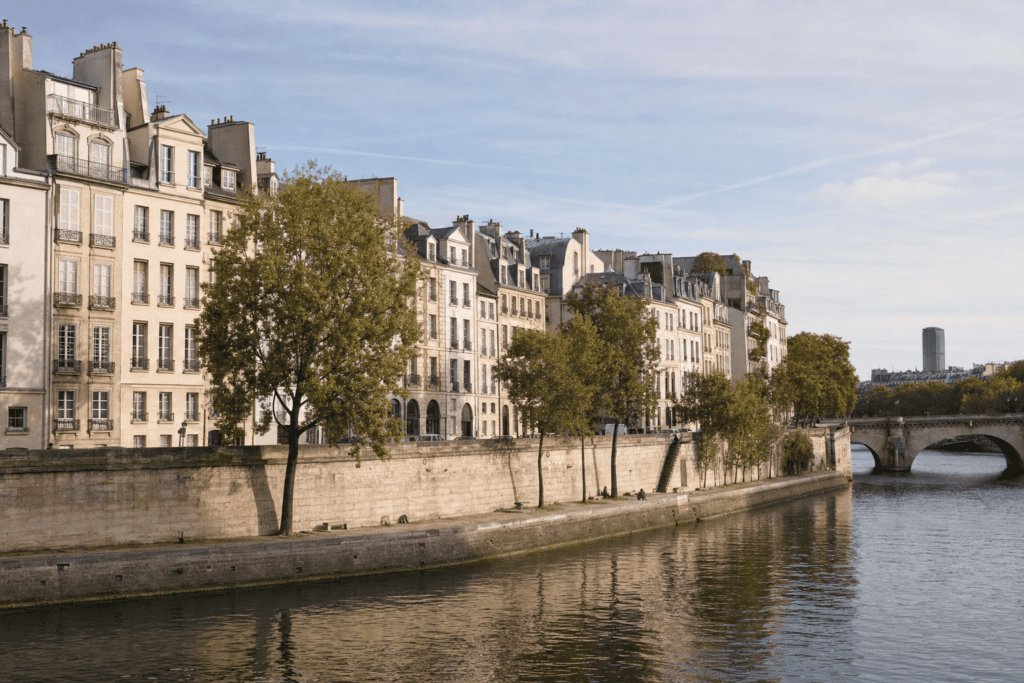 Île Saint-Louis An elegant Parisian island, perfect for strolling along the Seine quays, past private mansions, and among excellent food spots.
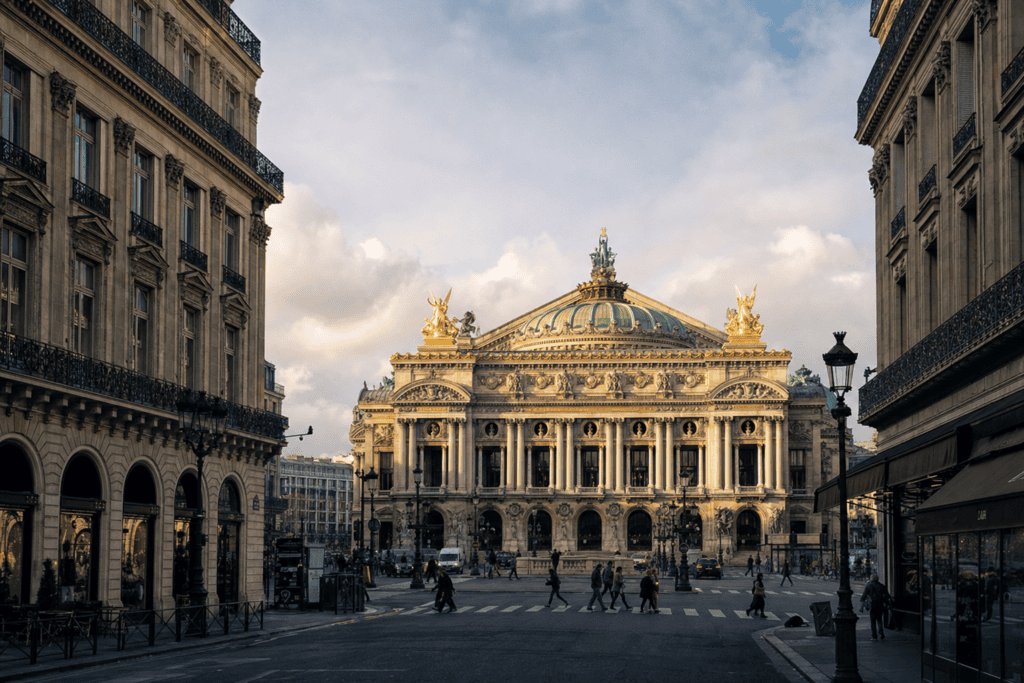 Palais Garnier A monumental opera house worth discovering for its Grand Staircase, foyers, salons, and décor…
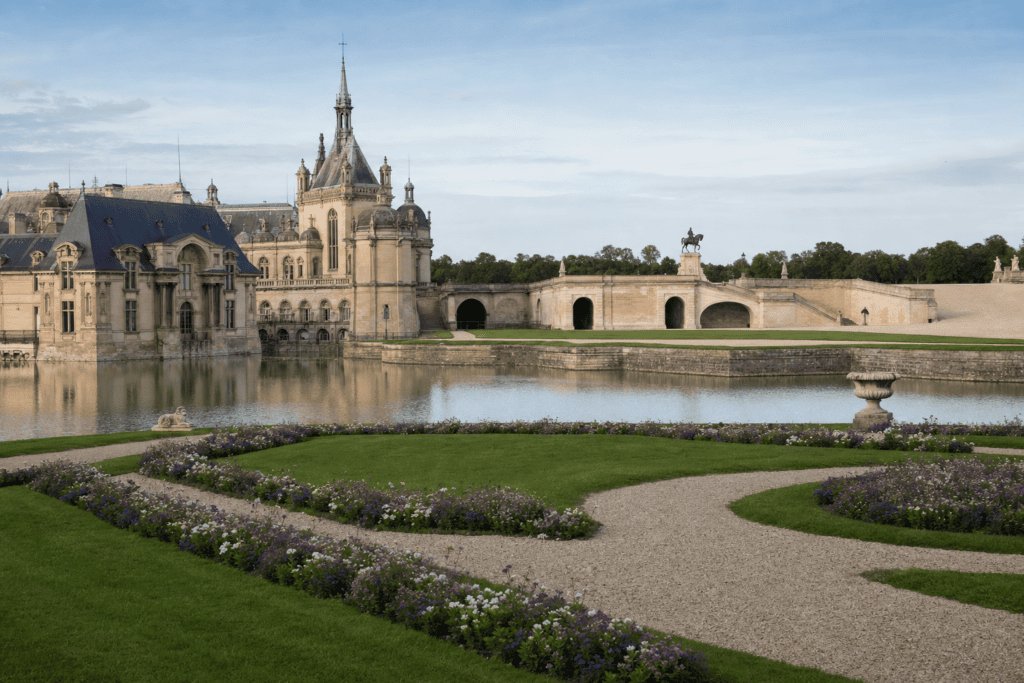 Chantilly Estate A princely estate north of Paris, featuring the Musée Condé, a château, the Great Stables, historic gardens, and…
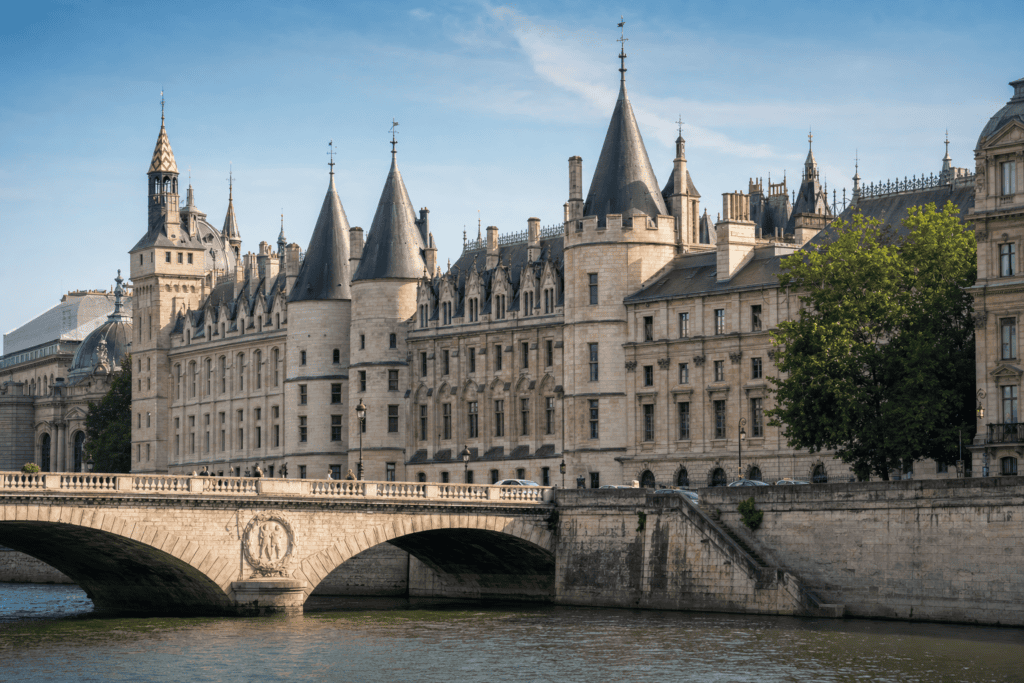 Conciergerie An iconic monument on the Île de la Cité, combining medieval architecture, the French Revolution, and memories of…
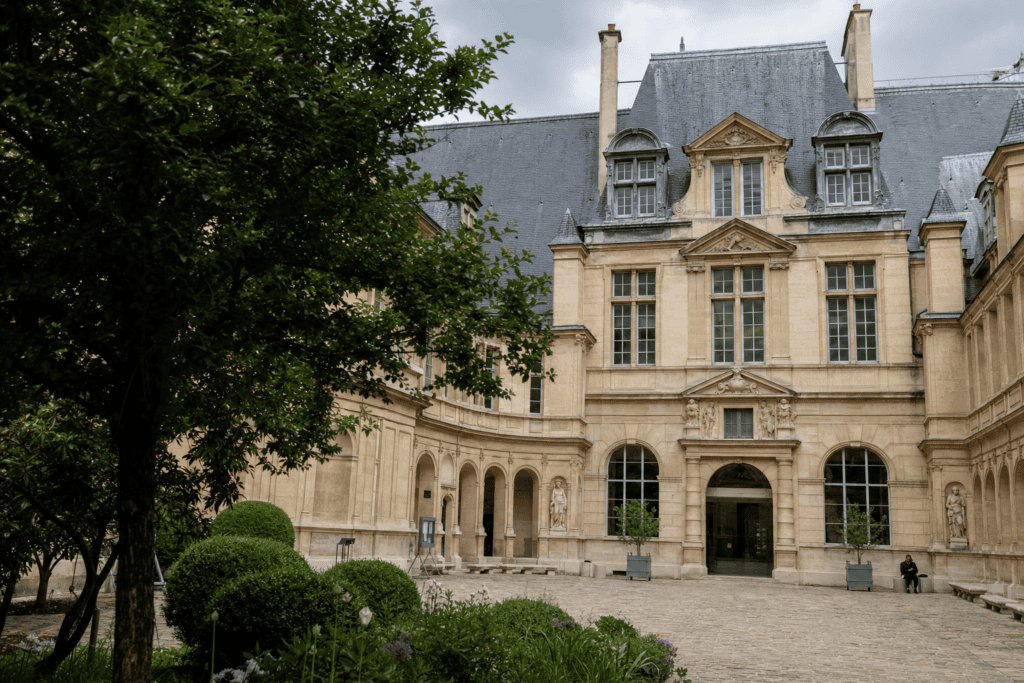 Musée Carnavalet – History of Paris Housed in two private mansions in the Marais, the Musée Carnavalet traces the history of Paris from Prehistory…
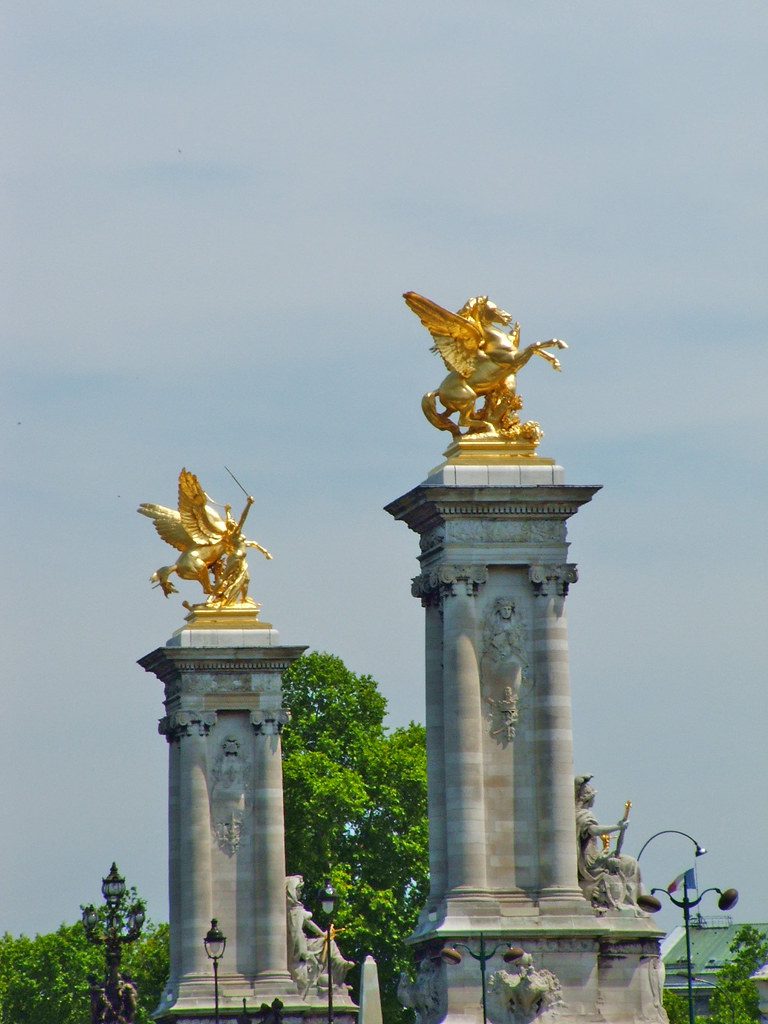 Seine River Cruise Discover Paris’s quays, bridges, and major monuments from the Seine during a…
Online booking · Paris → 35 boulevard de Courcelles, 75008 Paris, France
Choose your pickup date and time
Your departure and arrival details are already pre-filled. You can adjust them in the fare calculator before viewing the vehicles and fare.