



Paris Sewer Museum: An Unusual Visitor’s Guide
Paris
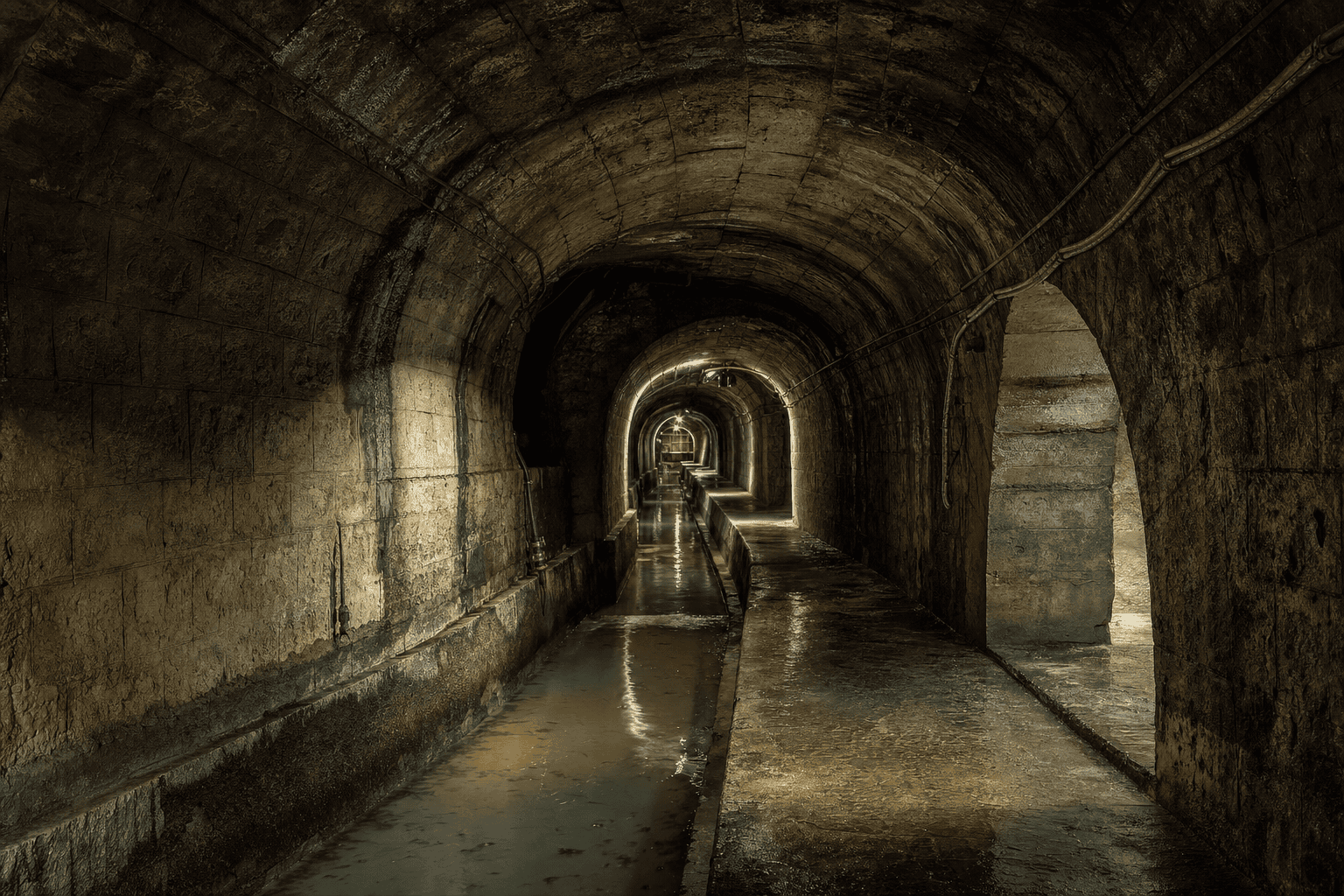
Beneath the Habib Bourguiba Esplanade, near the Alma Bridge, the Paris Sewer Museum reveals infrastructure that is usually hidden from view. The tour explains how the capital collects, transports, and monitors its wastewater, while presenting the history of the engineers, structures, and workers who keep this network running. This unusual visit pairs especially well with a walk around the Eiffel Tower, the Seine quays, or Les Invalides. It is suited to travelers curious about urban history, technical heritage, and everyday life, with a distinctive underground atmosphere: limited lighting, cool temperatures, and an environment connected to a sanitation network. Before visiting, be sure to check the official information on opening hours, reservations, accessibility, and visiting conditions, which may change.
Practical information
Wear comfortable shoes and an extra layer. Opening conditions may change, particularly in the event of a technical issue or constraints related to the network.
Fitting the Visit into Your Day in Paris
If you arrive in Paris with luggage or want to combine several visits, Booking Paris Transfer can arrange a private ride from Paris, a Paris hotel, Charles de Gaulle, or Orly, with a return to Paris according to your itinerary. The service covers transportation only; the museum ticket is not included.
Transportation from Paris, Île-de-France, CDG, or ORY; no ticketing service or local office at the museum.
Why Visit the Paris Sewers?
The Paris Sewer Museum offers a highly tangible perspective on the capital. Behind the façades, avenues, and monuments, Paris depends on a network of galleries that collects wastewater and helps protect public health. The visit makes this usually hidden organization visible and shows that a city’s history is not limited to its palaces, churches, or art museums. It is also told through water, hygiene, public works, and technical professions.
The museum is especially appealing to travelers who want to step beyond the most popular itineraries. Its proximity to the Alma Bridge and the Seine quays makes it easy to combine with a walk through western central Paris. Families can explore the journey of water through an educational approach, while architecture and engineering enthusiasts can observe the logic of an underground network. The experience is unusual, but it is not designed as a thrill attraction: it focuses on explanations, professional objects, and an understanding of how the city functions.
A History Tied to the Modernization of Paris
The development of the sanitation network accompanied the profound transformations Paris underwent in the 19thth century. Population growth, the expansion of neighborhoods, water needs, and public health concerns made a more coherent system for wastewater disposal necessary. The work associated with engineer Eugène Belgrand played a major role in modernizing the water and sewer networks under the Second Empire. The galleries were designed to facilitate water flow, maintenance, and the identification of pipes.
The sewers also fueled the Parisian imagination. From the 19thth century onward, the public became interested in this underground city, notably through organized tours. The current museum is part of this history of interpreting technical heritage for visitors. It does more than present remnants: it helps explain the development of methods, equipment, and infrastructure monitoring. This perspective connects the history of urban planning with contemporary issues of safety, the environment, and water management.
What You’ll See Along the Route
The route combines exhibition spaces with features connected to the world of sanitation networks. Depending on the displays presented at the time of your visit, visitors may see pipes, markers, equipment, explanatory panels, and installations illustrating the path taken by water. The exhibition design connects objects with their function: a gallery is not merely an old space, but part of a system that must be monitored, cleaned, and maintained.
The atmosphere plays a central role in understanding the site. Lighting is limited, temperatures are cooler than outside, and the environment may be damp. These features should not be seen as a promise of a spectacular immersive experience: they reflect the very nature of an underground structure. The route is organized to guide visitors, who must follow the instructions provided on site. Since the exact content and some installations may change with renovations, it is best to consult the museum’s official information rather than assume every feature is permanent.
Sewer Workers: Essential Professions
The visit also offers insight into the people who make the network’s daily operation possible. Sewer workers operate in a demanding environment where maintenance, monitoring, and safety require specialized training and procedures. The museum presents the professional world associated with these responsibilities through explanations, tools, and equipment. The display of certain clothing or objects may vary depending on exhibitions and presentation choices; it should therefore be understood as an interpretation of the profession, not a definitive inventory.
This human dimension gives the route particular depth. It reminds visitors that urban infrastructure does not function on its own and that its maintenance depends on specialized skills. The subject connects with current issues facing the capital: pollution prevention, stormwater management, reducing waste thrown into drains, and protecting the Seine. For children, this approach makes the journey of water after use more concrete. For adults, it prompts reflection on public services and professions that are rarely visible from the street.
Getting There from Paris Neighborhoods
The museum is located on the Habib Bourguiba Esplanade, at the Alma Bridge, in the 7thth arrondissement. Alma-Marceau metro station, served by line 9, is a useful landmark in this area; the Pont de l’Alma station of RER C is also nearby, subject to service conditions and any construction work. Bus lines serving the quays and the Alma Bridge can supplement the journey. Check the route in real time before setting out, as Paris transit and traffic conditions change regularly.
From the Eiffel Tower, Champ de Mars, or the Quai Branly Museum, the museum can be incorporated into a walk, depending on your starting point. It can also be combined with Les Invalides, the Palais de Tokyo, or the Trocadéro by grouping visits by area. From Charles de Gaulle, Orly, or a Paris train station, it is more comfortable to drop off your luggage and plan the museum as part of a dedicated half-day. For precise entry, reservation, and accessibility conditions, consult the official information before finalizing your plans.
Practical Tips Before Your Visit
A light jacket and closed-toe or comfortable shoes are generally a good idea in an underground environment. Temperatures may be cool, lighting limited, and some surfaces damp. Stay on the authorized route, follow staff instructions, and avoid leaning on technical installations. Rules concerning bags, photography, companions, children, or permitted items should be checked directly with the museum, as they may change.
Do not assume that the presence of an elevator or an accessibility feature means that every mobility situation is automatically compatible with the route. Wheelchair users, people who need particular assistance, or those sensitive to confined spaces should consult the accessibility page and contact the venue before booking. Likewise, recommendations related to pregnancy, children’s ages, or certain medical conditions should be confirmed with the official source. Opening hours, prices, time slots, and exceptional closures may change: check them when preparing for your visit.
Planning an Itinerary Around the Alma Bridge
A half-day devoted to the Seine gives this visit added context. You can start at the Eiffel Tower or Champ de Mars, walk along the quays toward the Alma Bridge, and then head down to the museum. After the tour, the Quai Branly Museum, the Palais de Tokyo, and the Trocadéro offer very different extensions: arts and civilizations, contemporary creativity, or sweeping views of Paris. Les Invalides is another interesting option for continuing a day focused on the capital’s history and institutions.
Families will often enjoy alternating between an outdoor walk and this technical discovery, provided the underground atmosphere suits their expectations. Urban history enthusiasts can compare the invisible networks with the major works visible in the streets and buildings. Leave some time between activities, especially if you have a reservation or are using public transportation. In rainy weather, the museum can be an unusual stop, but it is still essential to check its opening status and visitor conditions before changing your itinerary.
Useful sources
Frequently Asked Questions
Where Is the Paris Sewer Museum Located?
How Do I Get There by Public Transportation?
How Much Time Should I Allow?
What Should I Wear?
Is the Route Accessible to Everyone?
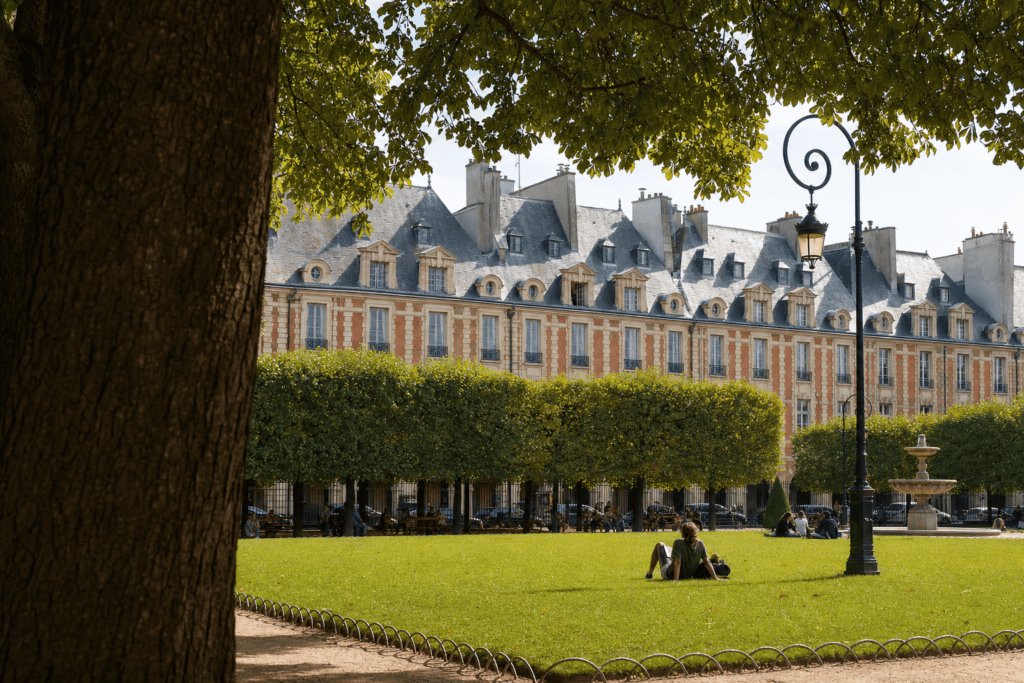 Place des Vosges A remarkably well-preserved royal square, with arcades, gardens, and memories of Victor Hugo.
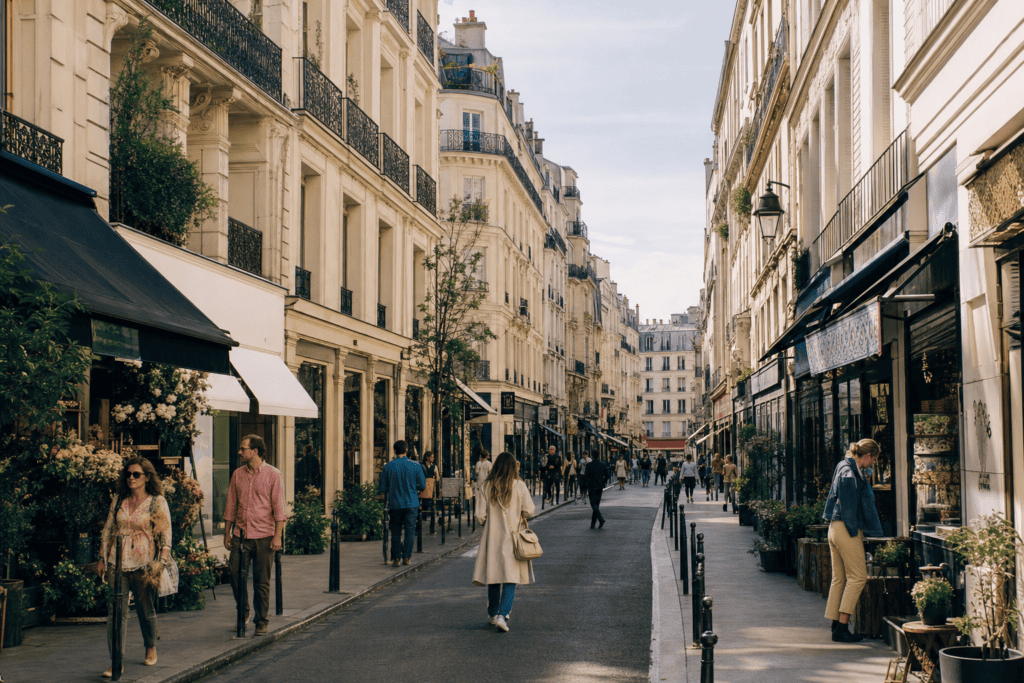 Rue des Martyrs A Parisian uphill route through food shops, cafés, 9th-arrondissement heritage, and the route toward Montmartre.
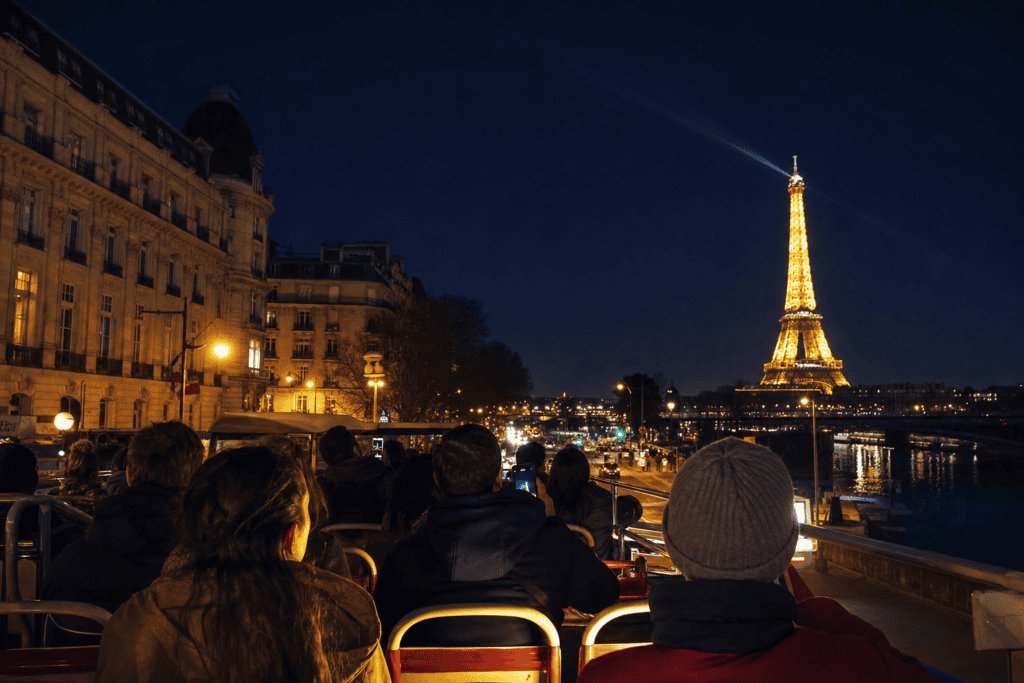 Paris by Night on a Panoramic Bus A comfortable evening loop for admiring Paris’s illuminated monuments, with a route and a…
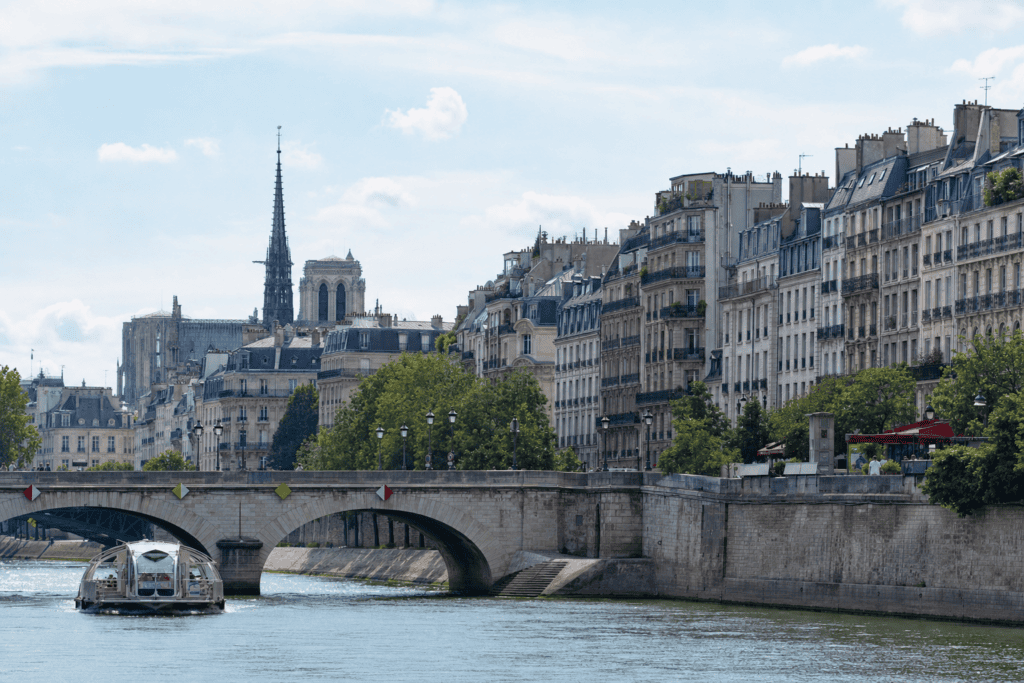 What to Do in Paris in 3 Days A practical itinerary for discovering Paris in three days, including must-see monuments, neighborhoods to…
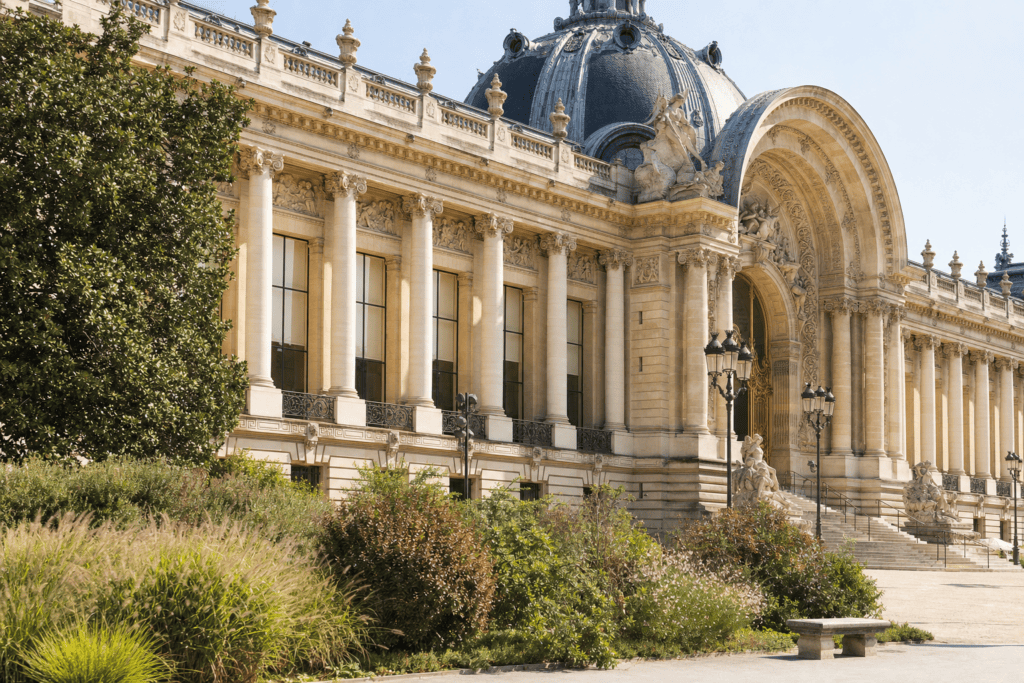 Petit Palais A free Paris museum renowned for its 1900 architecture, varied collections and interior garden.
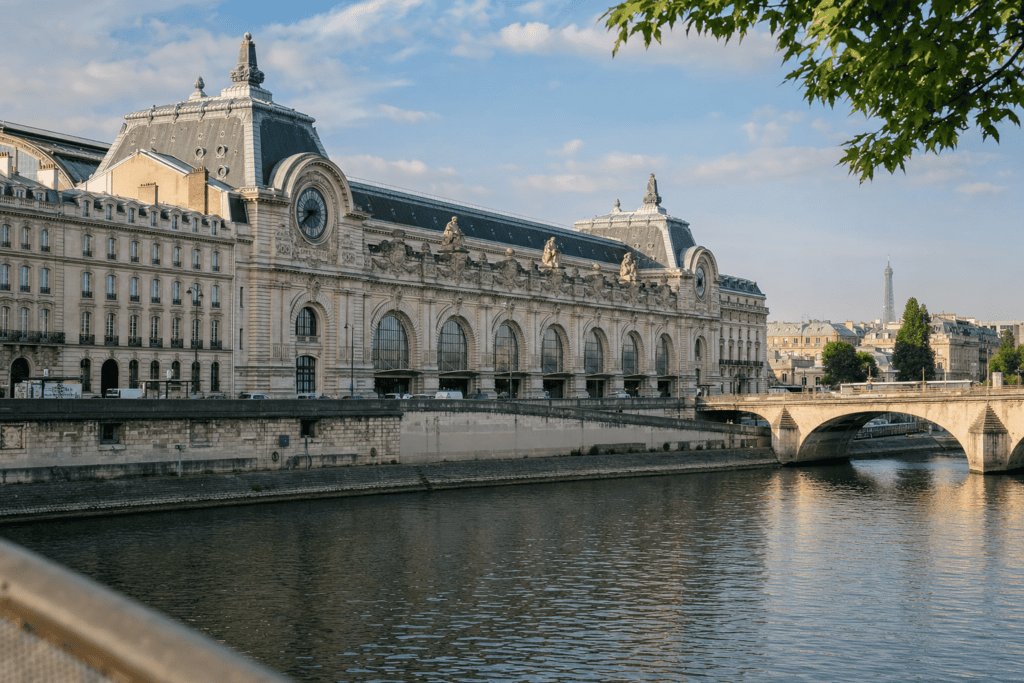 Musée d’Orsay A former 1900 train station that became one of Paris’s major museums, renowned for its collections…
Online booking · Paris → Habib Bourguiba Esplanade, Alma Bridge, 75007 Paris
Choose your pickup date and time
Your departure and arrival details are already pre-filled. You can adjust them in the fare calculator before viewing the vehicles and fare.