



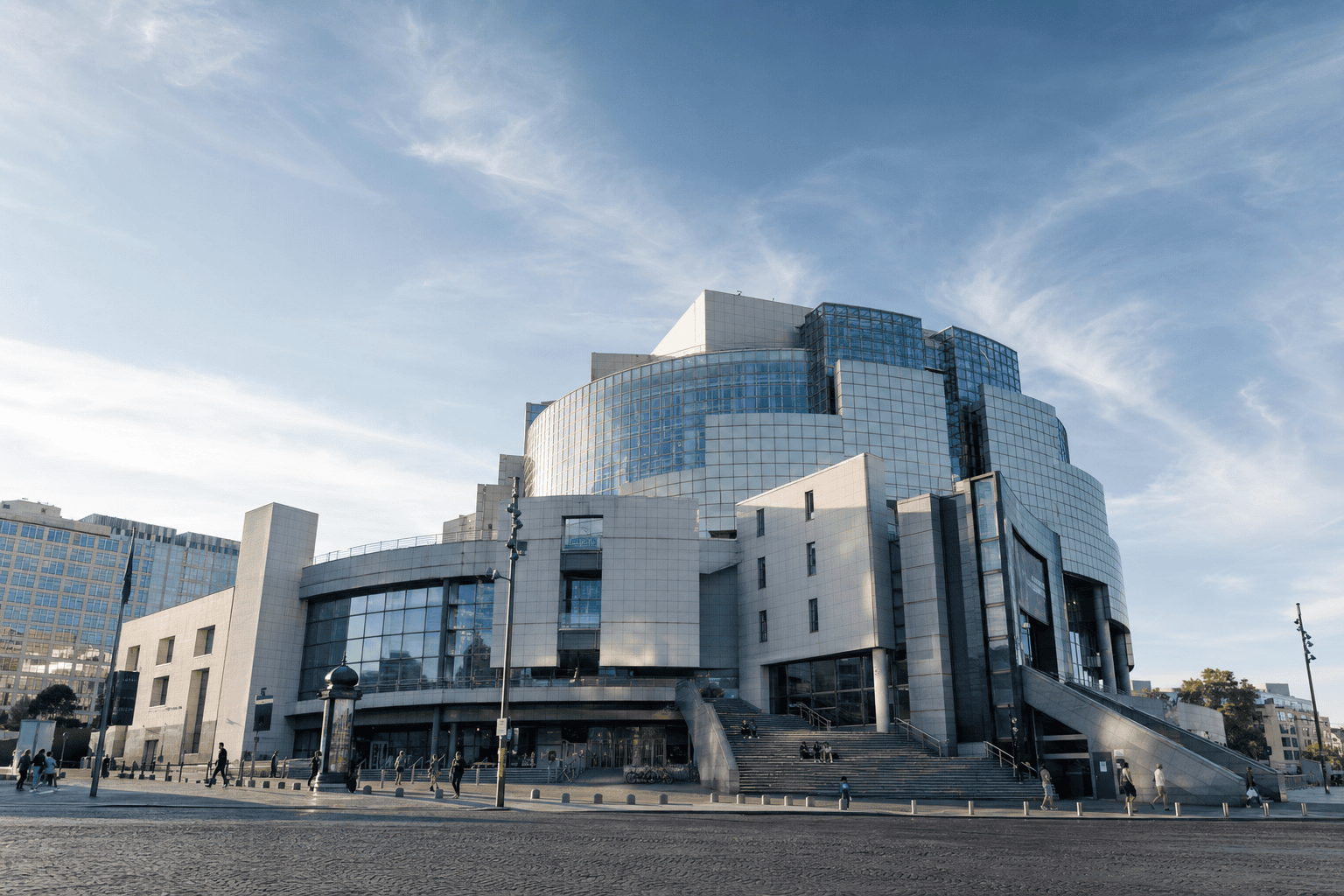
Opéra Bastille: Planning a Cultural Evening in Paris
Paris
Opened in 1989 for the bicentennial of the French Revolution, the Opéra Bastille is one of the main theaters of the Paris Opera. Designed by architect Carlos Ott, it stands apart from the Palais Garnier with its contemporary lines, glass façades, and spaces suited to large-scale opera and dance productions. Located on Place de la Bastille in the 12th arrondissement, it sits at the crossroads of historically rich neighborhoods, from Gare de Lyon to the Faubourg Saint-Antoine and the Bassin de l’Arsenal. This guide covers the building, performances, tours, metro access, useful precautions for people with reduced mobility, and ideas for creating an enjoyable evening in Paris.
Practical information
Check the date, venue, door, and seat assignment on your ticket. If you plan to dine before the performance, choose a nearby restaurant and confirm its hours. If you are arriving from CDG, ORY, or a train station, allow extra time based on traffic and connections.
Getting to the Opéra Bastille from Paris
Booking Paris Transfer can arrange private transportation from Paris, the Île-de-France region, Gare de Lyon, CDG, or ORY to the Opéra Bastille, with return transportation to Paris depending on your itinerary. The service covers transportation only; it does not include a performance ticket or restaurant reservation. For a passenger with reduced mobility or a trip with luggage, mention your needs when making the request so we can confirm pickup and drop-off options.
Departure from Paris, the Île-de-France region, CDG, or ORY; return to Paris according to your needs and your evening schedule. Drop-off depends on traffic and local regulations.
The History of the Opéra Bastille
The Opéra Bastille belongs to an important period in Paris’s cultural and urban history. The theater opened in 1989, amid celebrations for the bicentennial of the French Revolution, to complement the Palais Garnier and provide the Paris Opera with a larger facility. Its location also reflected the desire to strengthen cultural offerings in the eastern part of the capital.
The building occupies the site of the former Bastille railway station, a passenger station whose operations had ended before construction of the opera house. This evolution reflects the neighborhood’s successive transformations, long associated with workshops, crafts, and railway traffic. The square itself remains connected to French political history, notably through the July Column.
A performance at Bastille is therefore more than an evening at the theater. It offers a chance to discover a contemporary institution in an area where the Faubourg Saint-Antoine, the Marais, the Bassin de l’Arsenal, and Gare de Lyon meet. Take a few minutes before entering to observe the square and its various avenues.
Understanding Carlos Ott’s Architecture
From the square, the Opéra Bastille presents architecture very different from that of the Palais Garnier. Carlos Ott’s design emphasizes regular volumes, large expanses of glass, and a restrained style in which functionality plays an important role. The portico and stone elements give the entrance a monumental presence while allowing the building to engage with the open space of the square.
Visitors often notice the large glass façade and the interior circulation areas, which create an impression of transparency and light. Depending on access conditions and the day’s activity, it may be possible to view the public spaces before the performance. However, do not assume that all areas are freely accessible or open during a guided tour.
The main auditorium and stage facilities were designed to accommodate major productions, with orchestras, choruses, scenery, and stage changes. Their acoustic and technical performance reflects specialized choices that are best reviewed in the official information rather than summarized through general promises. When scheduled, a guided tour provides more precise insight into these architectural decisions.
Choosing an Opera, Ballet, or Tour
The Opéra Bastille schedule focuses primarily on opera and ballet, including repertory works, new creations, and productions presented by the Paris Opera. Before booking, check the exact title, cast, language, whether surtitles are provided, and the announced running time. This information is especially useful for a first visit or if you need to catch a train after the performance.
Opera brings together voices, orchestra, staging, and sets. Ballet places greater emphasis on movement, music, and scenography, which may suit visitors who want to discover the institution without following a sung work. In both cases, the theater’s scale and the work of its artistic teams are part of the experience, beyond the story itself.
Guided tours may also be offered without a performance. Their content, schedule, meeting point, and accessible areas depend on the building’s activities. A tour does not automatically provide access to the auditorium or backstage areas. Check the relevant official page and purchase only the appropriate admission ticket through Paris Opera channels.
Taking the Metro from Bastille or Gare de Lyon
Bastille station is the most obvious metro access point. It is served by lines 1, 5, and 8. Since several exits lead to different sides of the square, allow a few minutes to get your bearings and make your way to the entrance shown on your ticket. Crossings may be slower during rush hour, especially when the square is busy.
Gare de Lyon is a convenient option for travelers arriving by train. The station is served by lines 1 and 14 as well as RER A. You can reach the opera on foot or by metro, depending on your luggage, the weather, and your schedule. Walking time varies according to the exit used, your pace, and the exact drop-off point; do not treat it as a guaranteed duration.
People with reduced mobility should check the complete route rather than just the presence of a metro line. The available elevator, accessible exit, and surface route may change. Consult RATP information, then contact the Paris Opera to confirm the arrangements for your performance. From CDG or ORY, allowing extra time is recommended because of traffic and connections.
Discovering Bastille Before or After the Performance
The neighborhood makes it easy to plan a short walk around the performance. From the opera house, start at Place de la Bastille and the July Column, then head down toward the Bassin de l’Arsenal for a quieter atmosphere by the water. You can then continue to the Faubourg Saint-Antoine, whose streets recall the area’s craft and commercial traditions.
Another option is to walk toward the Marais via Rue Saint-Antoine and the surrounding streets. History enthusiasts can extend their route to private mansions, historic squares, and museums, while keeping enough time before the curtain rises. After a full day of sightseeing, a shorter route around the square will often be more comfortable.
The surrounding area includes brasseries, restaurants, bars, and international establishments. Service hours and availability vary by venue; confirm directly before relying on a specific dinner plan. Rue de la Roquette and Rue de Lappe are lively in the evening, while the Bassin de l’Arsenal generally offers a more peaceful walk. After the performance, check which transportation options are still available.
Preparing for a Stress-Free Entry
Arriving up to 45 minutes before the time on your ticket can be helpful for finding the right door, going through security, and reaching your seat. This is a general recommendation, not a rule that applies to every performance. The appropriate amount of time depends in particular on the performance, attendance, your seat location, and how familiar you are with the building. The Paris Opera’s instructions take priority.
Review your confirmation before leaving: the date, time, venue, section, door, and any meeting point should be consistent. Policies regarding luggage, large items, the coat check, bars, or the boutique may change. If you are traveling with children, luggage, or a train connection, review the visitor information and plan a backup option.
Latecomers may have to wait before entering the auditorium, depending on when staff considers it appropriate. People who require accessibility assistance should contact the relevant service well in advance. Facilities and seating locations may vary between performances and tours. Comfortable shoes are also useful if you are combining the performance with a walk around Paris.
Adding Bastille to a Paris Itinerary
The Opéra Bastille fits easily into a route along the Right Bank. From the Louvre, Palais-Royal, Châtelet, or Hôtel de Ville, line 1 takes you directly to Bastille. From the Latin Quarter, you can transfer to line 1, 5, or 8 depending on your starting point. An afternoon in the Marais can also end with a walk to the square, provided you keep an eye on the time.
Architecture enthusiasts can compare Bastille with the Palais Garnier. The former embraces a contemporary style, clear volumes, and a direct relationship with the square; the latter is associated with the decorative grandeur of the 19th century. With more time, the route can continue toward Gare de Lyon, the Viaduc des Arts, or the Bibliothèque nationale de France, while allowing sufficient time for the return journey.
Travelers arriving from a train station can plan a cultural evening around Bastille without crossing the entire city. From CDG or ORY, however, protect your schedule against traffic jams and delays. Private transportation booked from Paris, the Île-de-France region, or an airport can simplify the logistics, but does not include the performance ticket. For an itinerary involving reduced mobility or luggage, confirm in advance a drop-off location compatible with the official guidance.
Frequently Asked Questions
Where exactly is the Opéra Bastille located?
How do you get to the Opéra Bastille by metro?
Can you visit the Opéra Bastille without attending a performance?
How much time should you allow before a performance?
Is the Opéra Bastille accessible to people with reduced mobility?
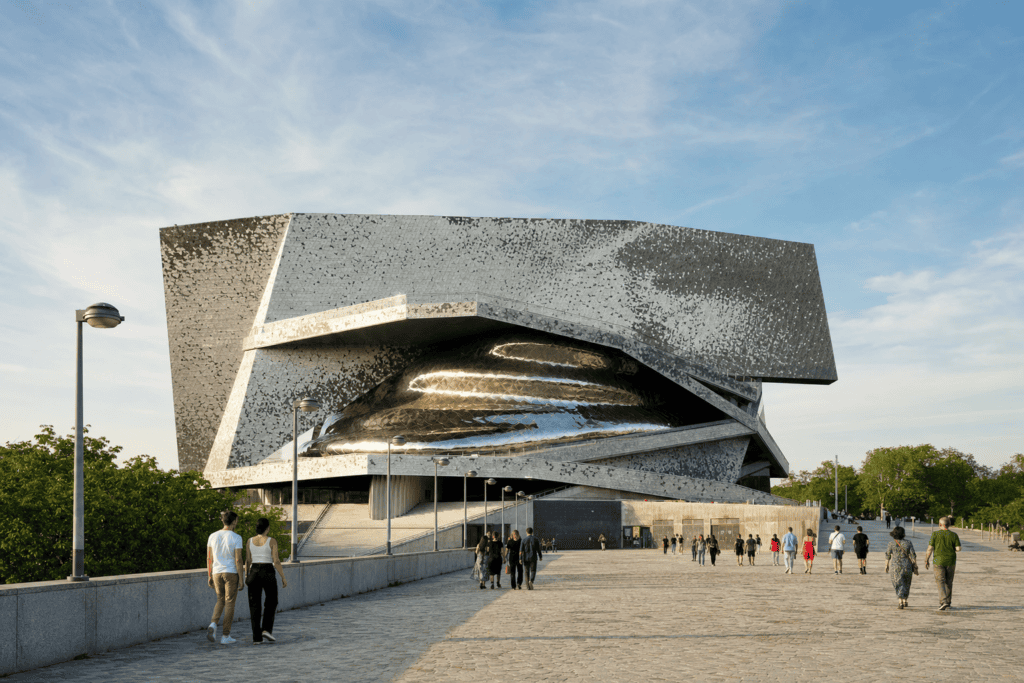 Philharmonie de Paris A major Paris cultural venue where you can hear orchestras, discover Jean Nouvel’s architecture and explore…
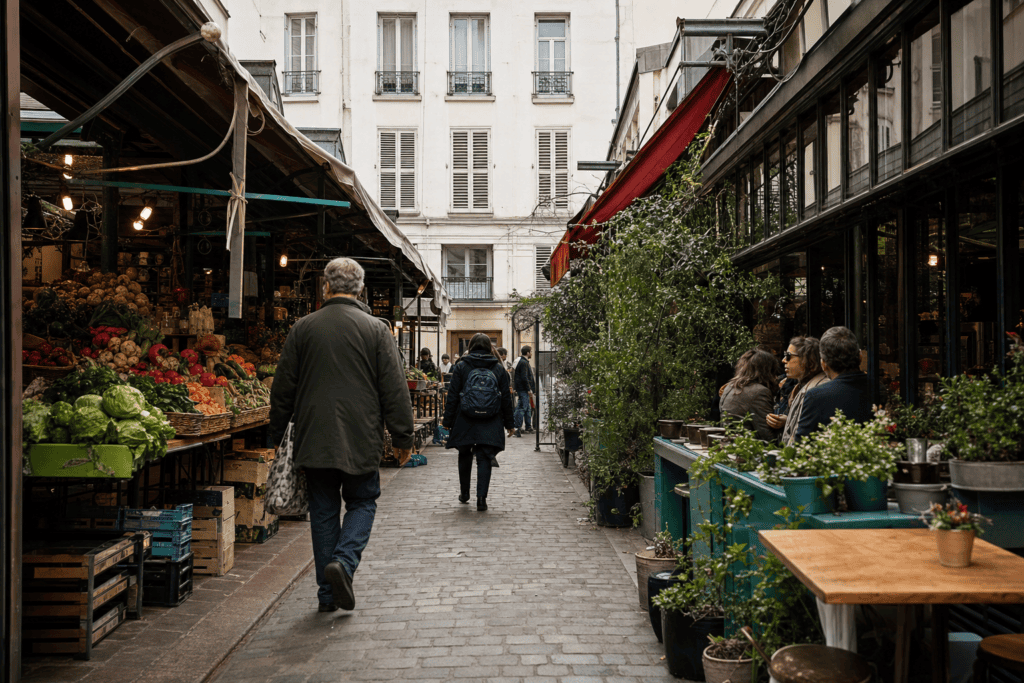 Marché des Enfants Rouges In the Haut Marais, this historic covered market brings together fresh produce and food counters from the…
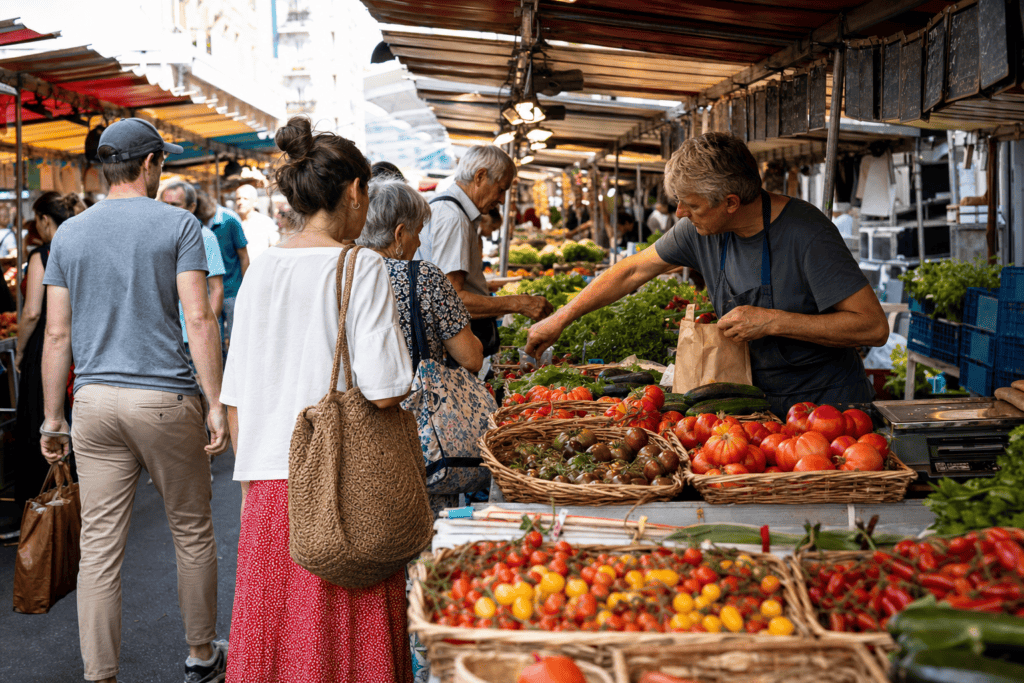 Aligre Market A lively address in the 12th arrondissement where a food hall, outdoor stalls, and a flea market come together to create a truly…
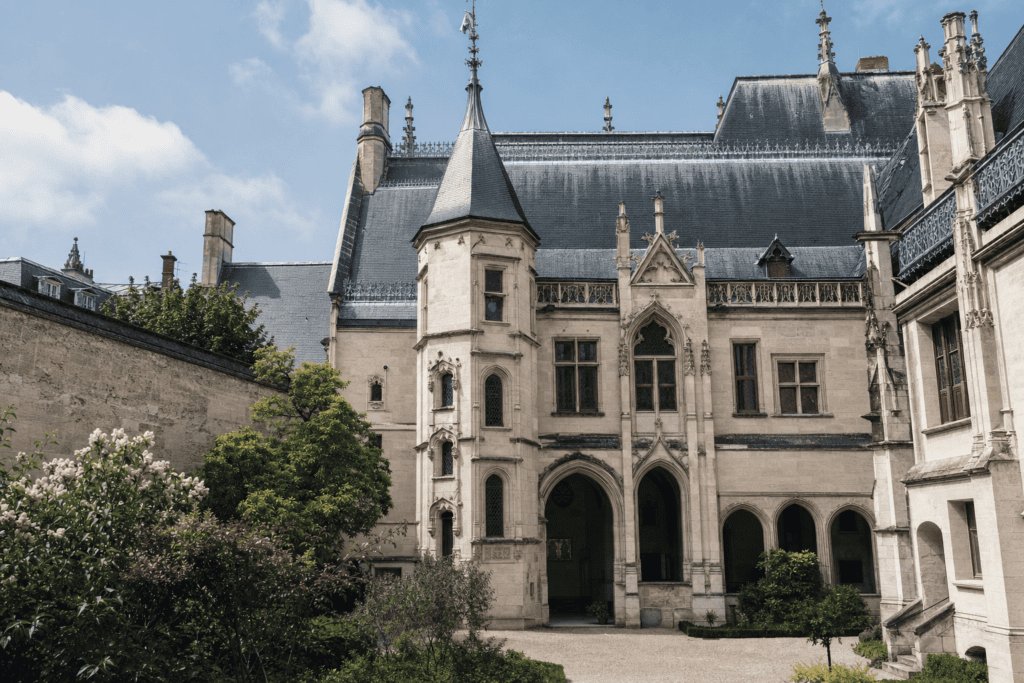 Cluny Museum A unique Paris museum where you can admire ancient Roman baths, the former Cluny abbots’ residence, and…
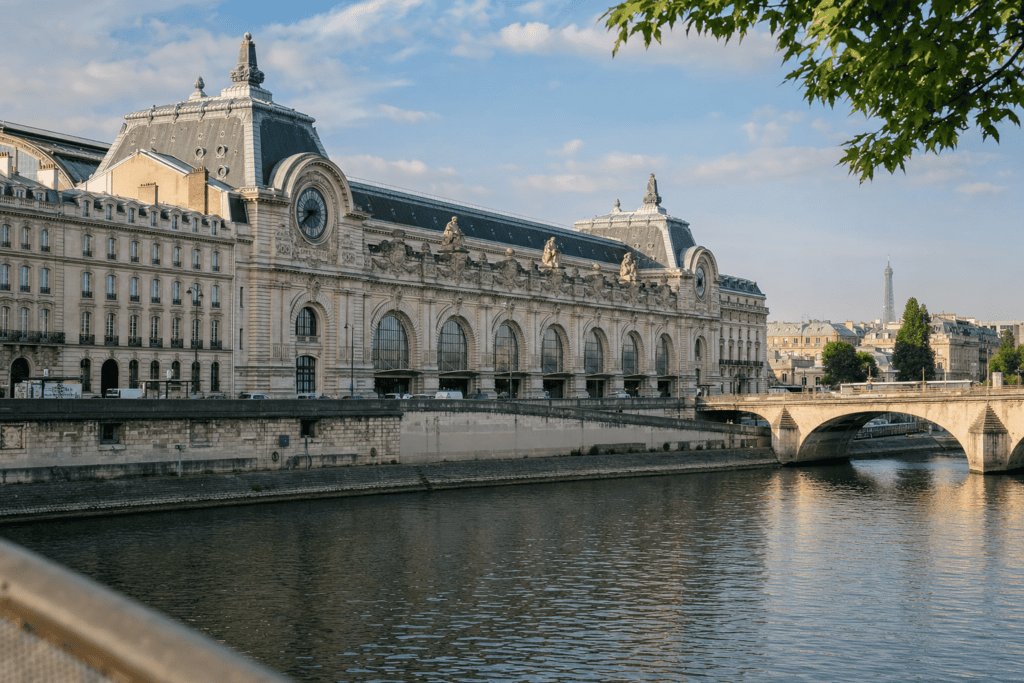 Musée d’Orsay A former 1900 train station that became one of Paris’s major museums, renowned for its collections…
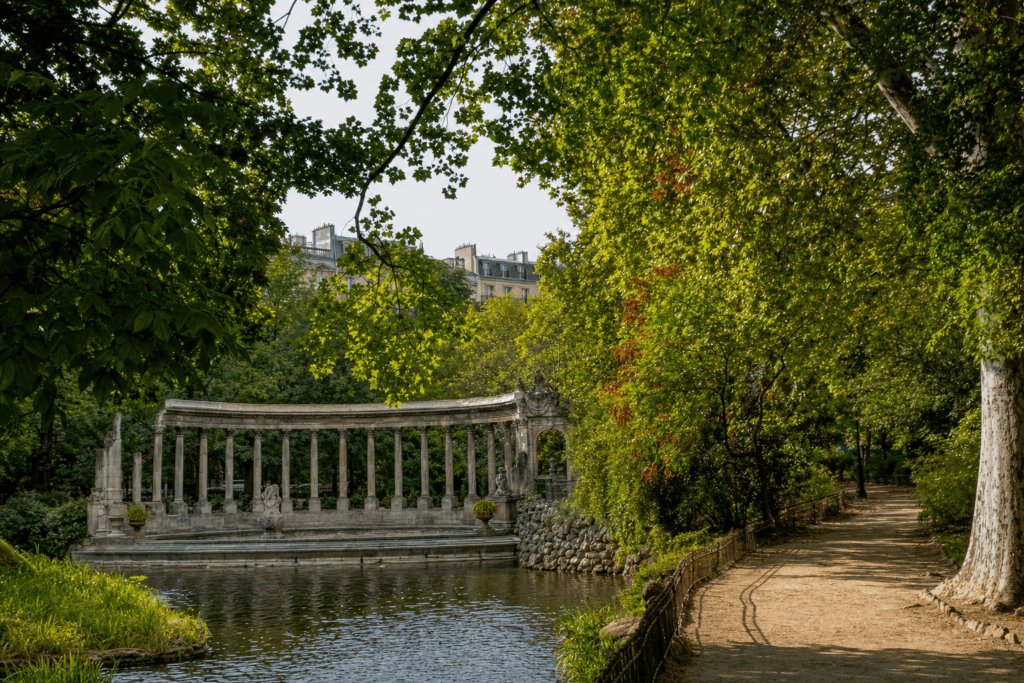 Monceau Park An elegant Parisian garden known for its follies, pond, trees and residential atmosphere.
Online booking · Paris → Place de la Bastille, 75012 Paris, France
Choose your pickup date and time
Your departure and arrival details are already pre-filled. You can adjust them in the fare calculator before viewing the vehicles and fare.