



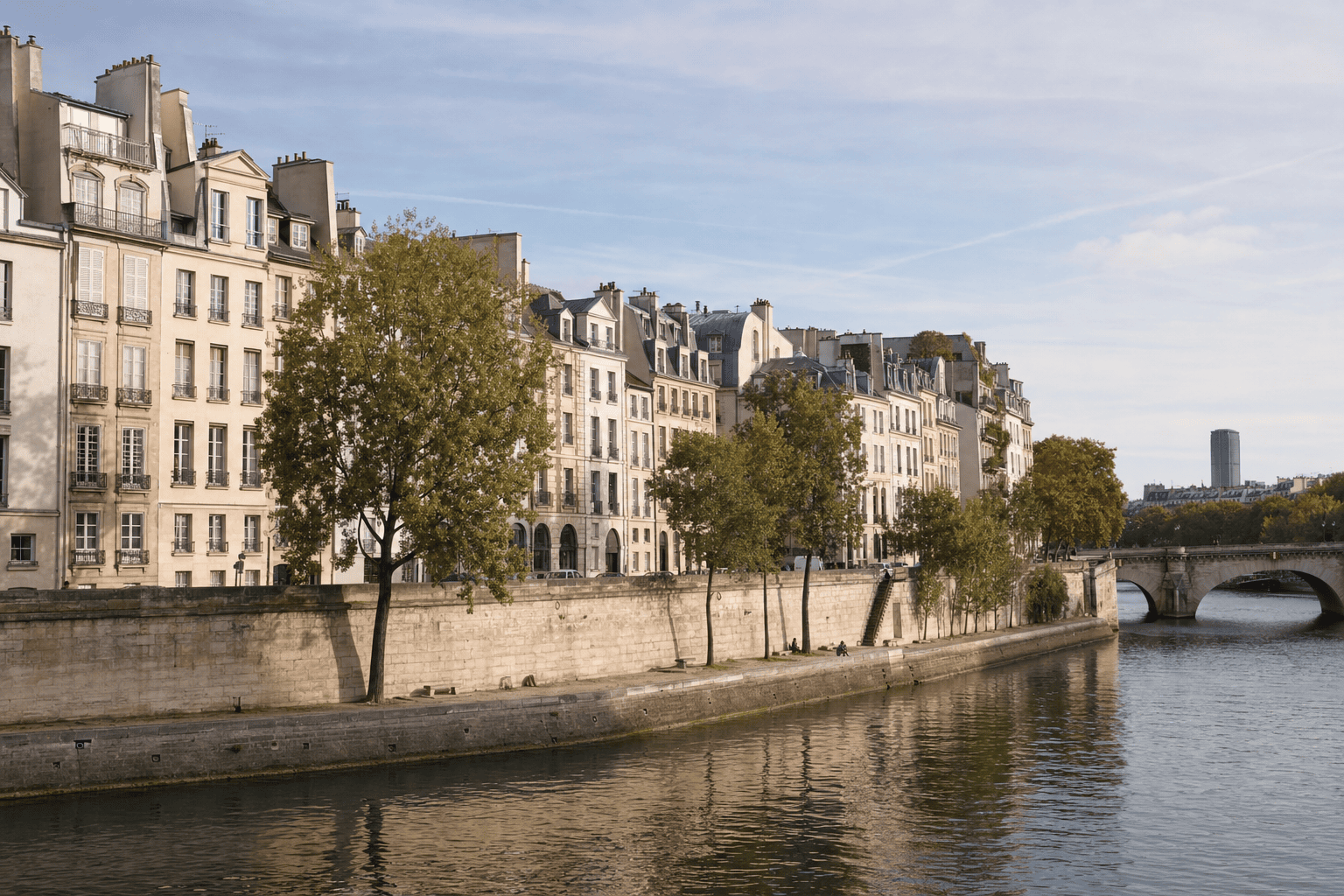
Île Saint-Louis: Romantic Quays and Historic Mansions
Paris
At the heart of the 4th arrondissement, Île Saint-Louis offers an elegant escape between the Seine, Notre-Dame, and the Marais. Its peaceful quays, 17th- and 18th-century mansions, and Rue Saint-Louis-en-l’Île make it a neighborhood to explore slowly rather than an attraction to rush through. It is an ideal stop for a romantic walk, a gourmet break, or an itinerary focused on historic Paris.
Practical information
Wear comfortable shoes and walk along the quays before heading to Rue Saint-Louis-en-l’Île. Tour buses are not suited to getting around the neighborhood; drop-off on the nearby quays is more realistic.
Getting to Île Saint-Louis from Paris with ease
For arrivals from a Paris hotel, train station, or the airports CDG and ORY, Booking Paris Transfer can arrange a private ride to a suitable drop-off point around Île Saint-Louis. You can then explore the neighborhood on foot before continuing to Notre-Dame, the Marais, or returning elsewhere in Paris, depending on your itinerary.
Transportation service departing from Paris, Île-de-France, CDG, or ORY; final access to the island depends on traffic conditions and authorized drop-off zones.
An island shaped by the history of Paris
Île Saint-Louis was not always a single piece of land. In the Middle Ages, the present-day island was divided between Île Notre-Dame and Île aux Vaches, lightly developed areas used mainly for grazing and activities connected with the river. The channel separating them was gradually filled in at the end of the 17th century as part of a development project that gave the neighborhood its current shape. Since 1725, it has been named after Louis IX, known as Saint Louis.
This history partly explains its orderly appearance: short streets, continuous quays, and deep plots arranged around historic mansions. The island was sometimes nicknamed “the island of palaces” because of its aristocratic residences. Today, the best way to understand this evolution is to walk without too rigid an itinerary, observing the façades, gateways, and views opening onto both branches of the Seine.
The quays, the romantic heart of the walk
Walking around the quays is the quintessential Île Saint-Louis experience. Quai d’Orléans, Quai de Bourbon, and Quai d’Anjou alternate elegant façades, trees, benches, and unobstructed views of the water. From the riverbanks, you can look toward Hôtel de Ville, Île de la Cité, the apse of Notre-Dame, and the rooftops of the historic center. The light changes quickly throughout the day; late afternoons often give the stone an especially warm glow.
Place Louis-Aragon, at the western tip of the island, is a pleasant place to sit facing the Seine. The lower quays are suitable for a break, but watch for stairs, occasionally uneven surfaces, and access changes related to construction or events. For a peaceful walk, start near Pont de la Tournelle, follow the southern side of the island, then return along the northern side to Pont Marie.
Historic mansions and architectural details
The island’s appeal lies less in one isolated monument than in the succession of residences that shape its landscape. The 17th- and 18th-century mansions are recognizable by their orderly façades, tall windows, carriage entrances, and privileged views of the Seine. Quai d’Anjou features several notable examples, including Hôtel Lambert and Hôtel de Lauzun at number 17. The latter was built in the 17th century and restored several times; it still retains particularly refined interior decorations.
Hôtel de Lauzun is also associated with 19th-century literary life: Charles Baudelaire and Théophile Gautier attended the famous “Club des Haschischins,” which met at the residence. Interior visits are not necessarily open or available on a permanent basis; it is best to check information from the City of Paris before planning a specific visit. In any case, viewing the building from public space already offers a fascinating look at Parisian aristocratic urban planning.
Rue Saint-Louis-en-l’Île and a gourmet break
Rue Saint-Louis-en-l’Île runs through the neighborhood and concentrates some of its shops, galleries, and food spots. It gives the visit a different feel: after the relative quiet of the quays, you return to a lively street lined with storefronts, small shops, and restaurants. Berthillon is the island’s best-known address for ice cream and sorbet. Its reputation draws many visitors, but the experience depends on crowds and current opening conditions; check official information before making a special trip.
To enjoy the neighborhood without reducing your visit to a single address, combine an ice cream break with a walk along Quai de Bourbon or Quai d’Anjou. Local cafés and shops contribute to the island’s everyday life, which remains residential despite its popularity with visitors. In high season, getting something to go may be easier than waiting in a long line, especially if you plan to continue toward Notre-Dame or the Marais.
Access, transportation, and recommended routes
L’Île Saint-Louis se découvre principalement à pied. Le métro Pont Marie, sur la ligne 7, est l’accès le plus direct depuis la rive droite. La station Sully-Morland, également sur la ligne 7, permet de commencer par le square Barye et le pont de la Tournelle. Depuis Châtelet, Saint-Michel ou l’Hôtel de Ville, l’île est accessible en marchant à travers le centre historique. Les ponts Marie et de la Tournelle desservent directement ses extrémités, tandis que le pont Saint-Louis la relie à l’île de la Cité par un passage réservé aux piétons et aux vélos.
For a coherent route, start at Sully-Morland, head to Square Barye, follow Quai d’Orléans and then Quai de Bourbon, cross the main street, and finish near Pont Marie. Tour buses are not suited to driving on the island, especially during busy periods. A drop-off on a nearby quay followed by an exploration on foot is generally more practical and more respectful of the area’s residential character.
Connecting Île Saint-Louis with Notre-Dame and the Marais
L’Île Saint-Louis prend tout son sens lorsqu’elle est intégrée à une promenade plus large dans le cœur de Paris. Le pont Saint-Louis permet de rejoindre l’île de la Cité, Notre-Dame, la Sainte-Chapelle et le square de l’Île-de-France. Les conditions d’accès aux monuments, les contrôles et les horaires évoluent : consultez leurs sites officiels si vous souhaitez entrer. De l’autre côté, le pont Marie mène rapidement vers le quai des Célestins, l’Hôtel de Ville et les rues du Marais.
A half-day itinerary could begin at Pavillon de l’Arsenal or along the Right Bank quays, reach the island via Pont de la Tournelle, circle the riverbanks, and then continue toward Notre-Dame. Architecture enthusiasts can extend the route to the Arab World Institute, while visitors looking for a more commercial atmosphere may prefer to finish in the Marais. This central location makes the island especially well suited to travelers with limited time who want to combine scenery, heritage, and everyday Parisian life.
When to visit and how to preserve the neighborhood’s charm
Île Saint-Louis is enjoyable year-round, but the atmosphere varies greatly by time of day and season. Morning suits photographers and visitors who want to enjoy the quays in greater peace. At the end of the day, the façades facing the Seine take on beautiful light, and the bridges offer striking views of central Paris. Spring and early fall are especially well balanced, with temperatures ideal for walking and crowds often more manageable than in midsummer.
The neighborhood is home to residents. Avoid speaking loudly beneath windows, blocking passageways, or entering private doorways to photograph the interiors. The quays can be slippery after rain, and some access points include stairs. In the event of construction, an event, or temporary measures along the riverbanks, adjust your route according to guidance from the City of Paris. The reward is a more attentive experience: here, the pleasure comes from the slow pace, details, and views rather than from rushing through a checklist of sights.
Useful sources
Frequently Asked Questions
How much time should you allow to visit Île Saint-Louis?
Which metro station should you use to reach Île Saint-Louis?
Can you visit the interiors of the historic mansions?
Where can you eat or get ice cream on the island?
Is Île Saint-Louis suitable for tour buses?
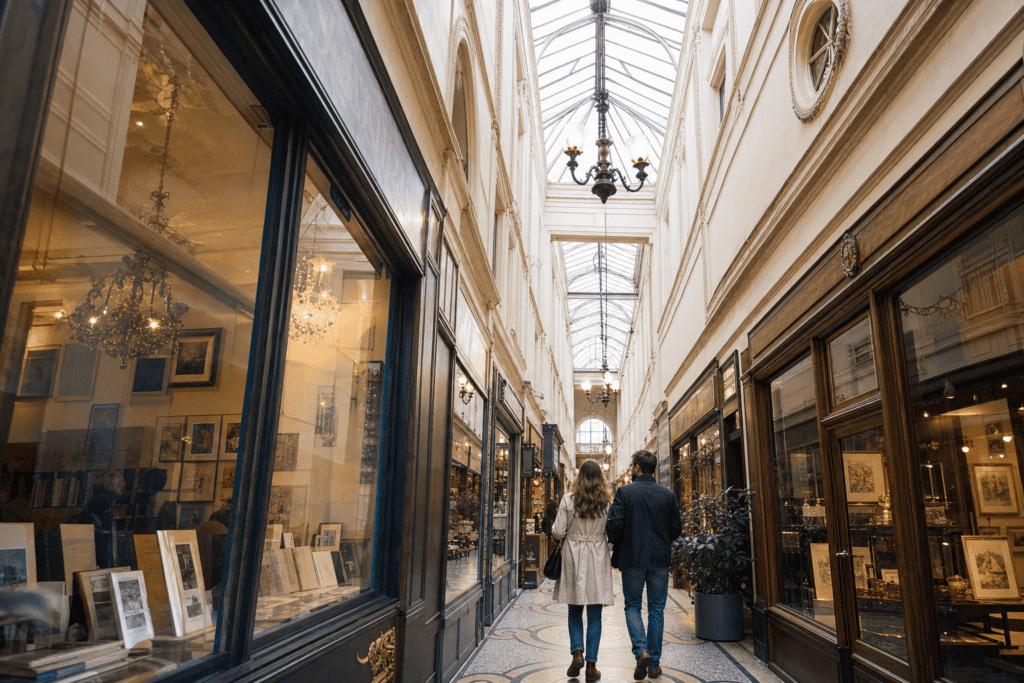 Passage des Panoramas A historic covered arcade in Paris, notable for its glass roof, specialty shops, and side passages…
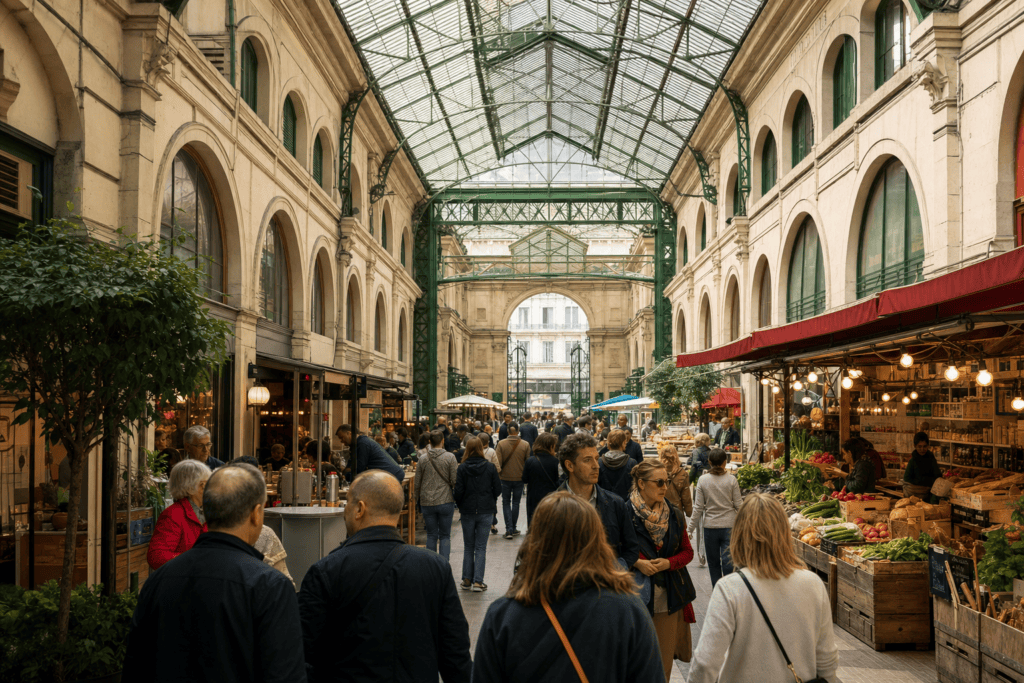 Saint-Quentin Covered Market A covered market hall in the 10th arrondissement between Gare du Nord and Gare de l’Est, ideal for…
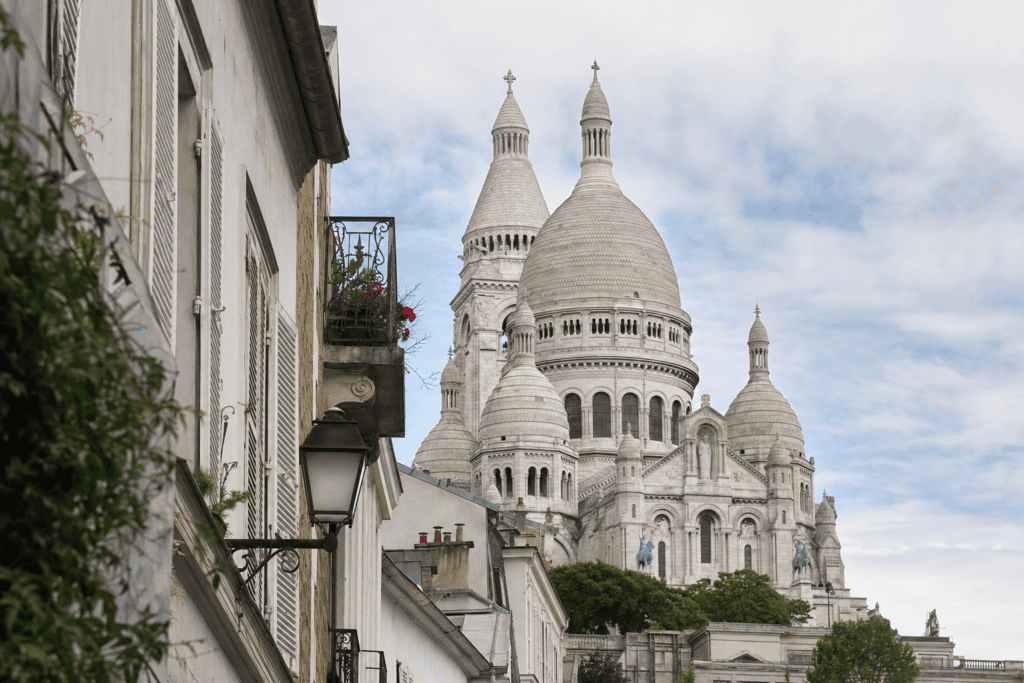 Montmartre and the Sacré-Cœur Basilica A walking route through Abbesses, Place du Tertre, and Sacré-Cœur, with narrow streets…
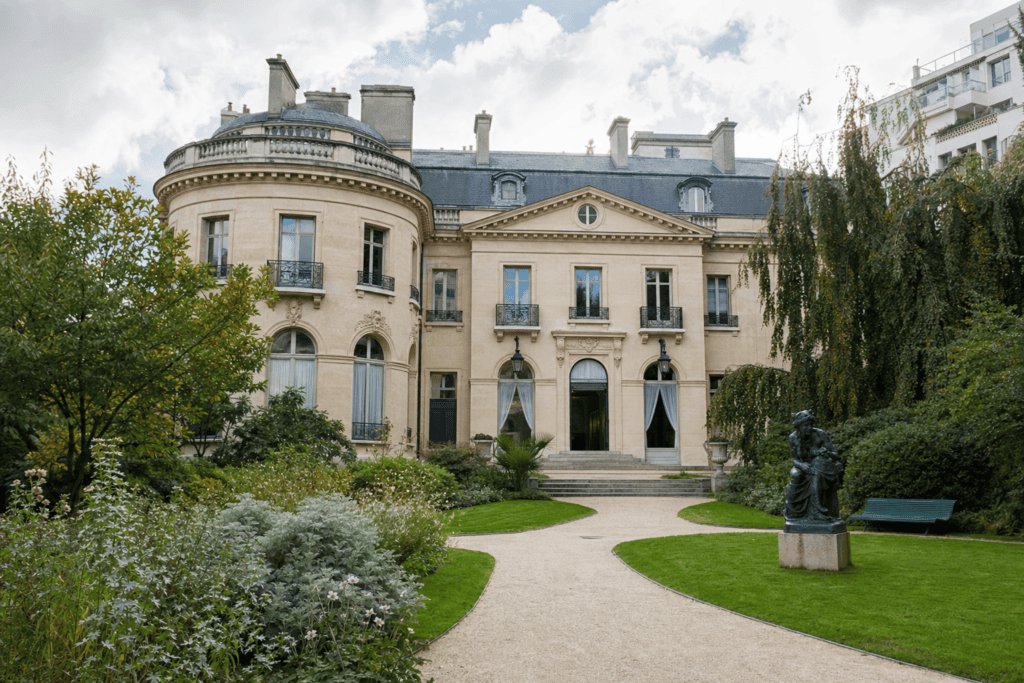 Musée Marmottan Monet A remarkable collection of Monet and Berthe Morisot in the elegant setting of a former mansion…
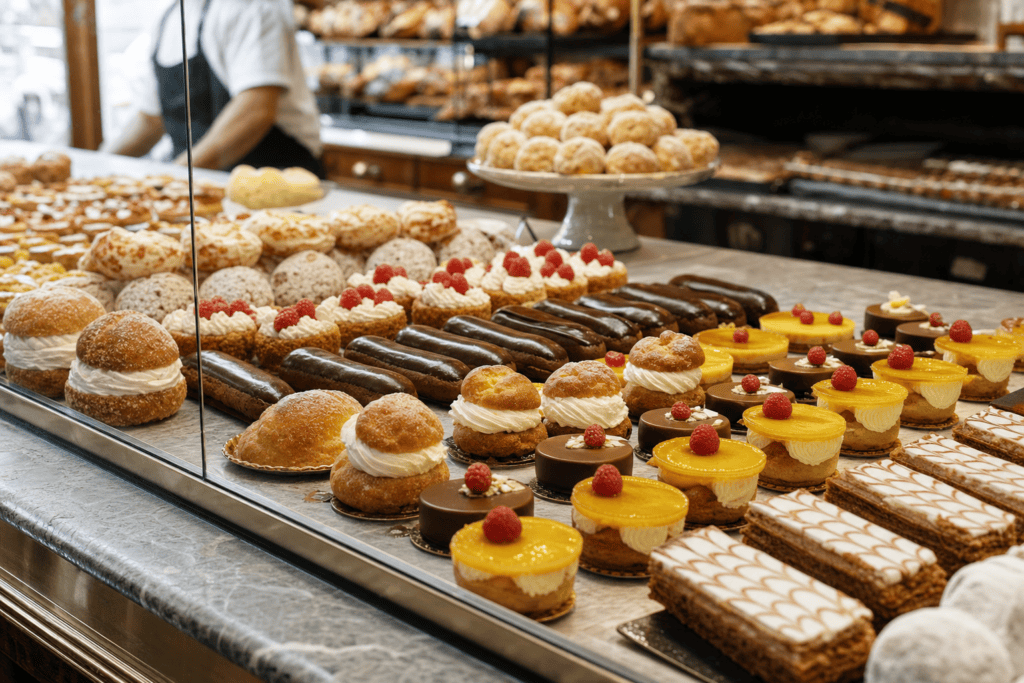 Foodie Paris: pastries, cheeses, and local specialties A practical guide to discovering Parisian bakeries, pastry shops, cheese shops, markets and specialties by neighborhood.
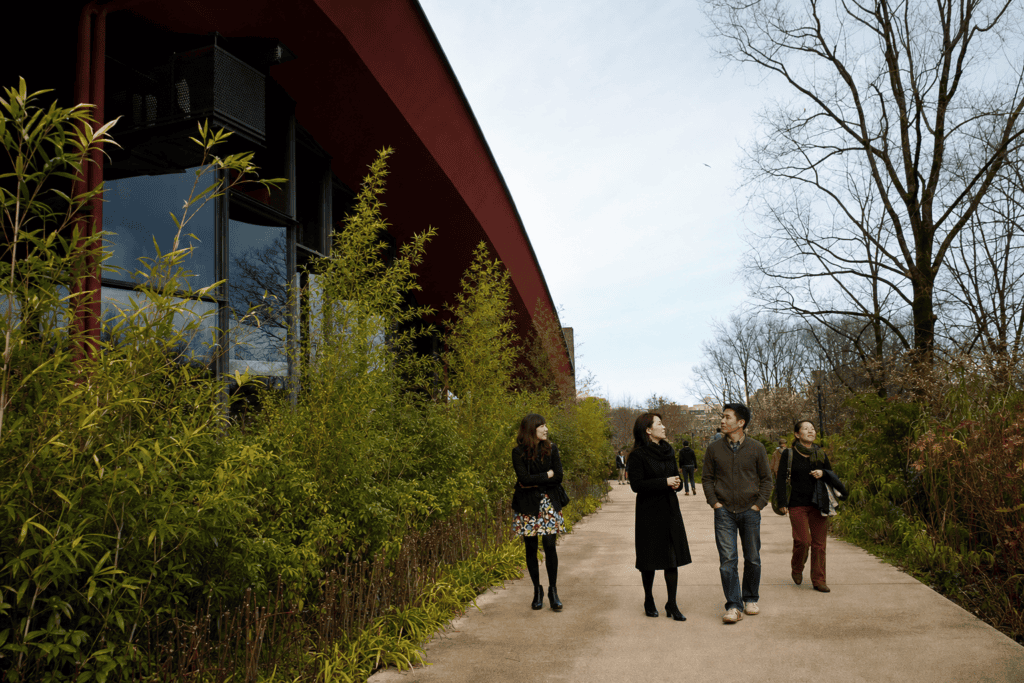 Musée du quai Branly – Jacques Chirac A Paris museum devoted to the arts and civilizations of Africa, Asia, Oceania, and the Americas, with a…
Online booking · Paris → Île Saint-Louis, 75004 Paris, France
Choose your pickup date and time
Your departure and arrival details are already pre-filled. You can adjust them in the fare calculator before viewing the vehicles and fare.