



Sainte-Chapelle in Paris: Guide to the Gothic Stained-Glass Windows
Paris
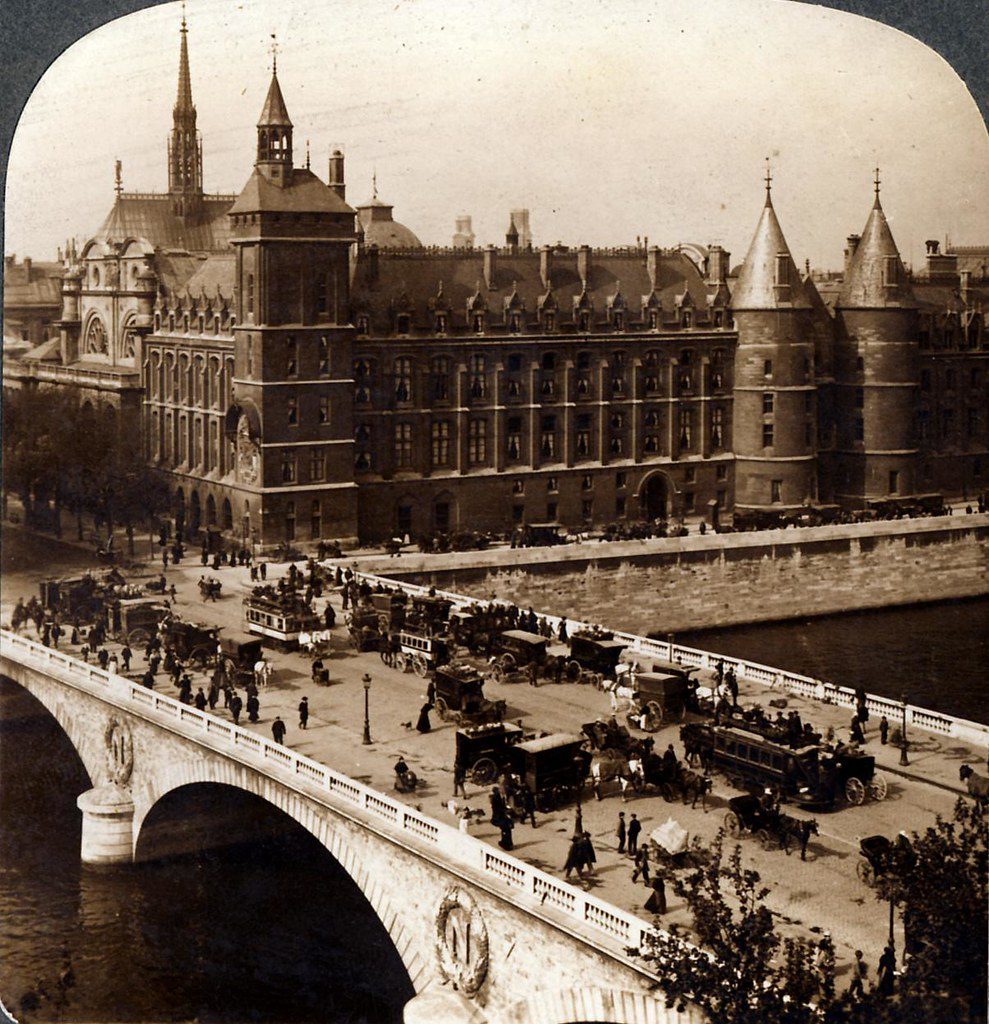
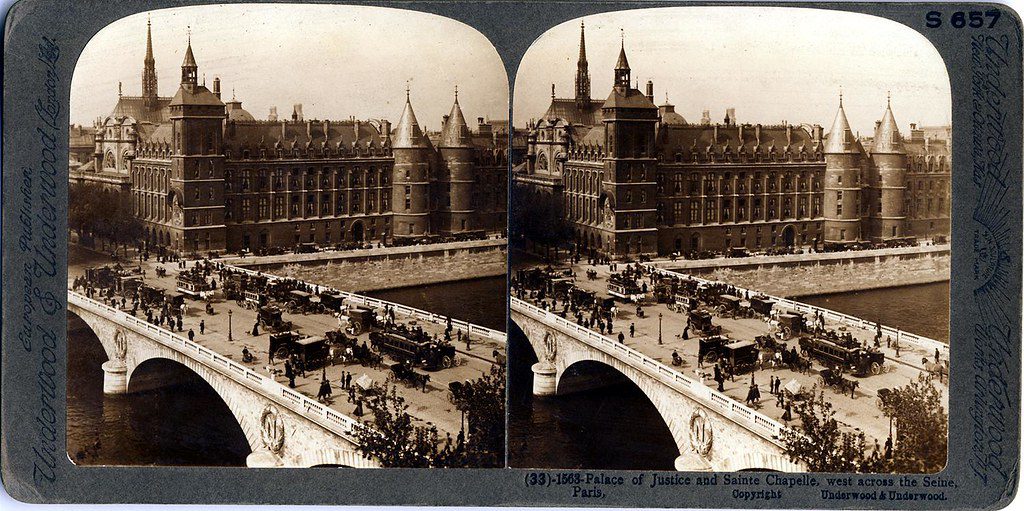
In the heart of Île de la Cité, Sainte-Chapelle offers one of Paris’s most striking heritage experiences. Built in the 13th century during the reign of Louis IX, it was intended to house relics of Christ’s Passion and affirm the religious and political prestige of the Capetian monarchy. Its upper chapel, almost entirely covered with stained-glass windows, transforms light into true architectural decoration. The visit combines easily with the Conciergerie, Notre-Dame, the Seine quays, and the Latin Quarter. Here are the essential points for understanding the monument, planning your arrival, and making the most of its stained glass.
Practical information
Start by viewing the upper chapel from the entrance, then move slowly toward the stained-glass windows. Use an official map or guide to identify the main scenes depicted.
Private Transfer to Sainte-Chapelle from Paris
From a hotel in Paris, Paris-Charles-de-Gaulle, or Paris-Orly, Booking Paris Transfer can arrange a private ride to central Paris, with a return to your accommodation or continuation of your itinerary. The service covers transportation only: admission, opening hours, and Sainte-Chapelle reservations are handled through official channels. A drop-off point suited to the Île de la Cité area can be determined based on traffic and the day’s restrictions.
Departures from Paris, Île-de-France, CDG, or ORY; return to Paris or continue a Paris itinerary. Transportation service only.
Why Visit Sainte-Chapelle in Paris
Sainte-Chapelle is a must-see because it brings architecture, French history, and stained-glass art together in a relatively compact space. Its exterior silhouette may seem understated from Boulevard du Palais, but the interior reveals an extraordinary ambition: making the walls disappear behind colored windows and creating a setting worthy of the royal relics. This contrast between a restrained entrance and a luminous upper chapel gives the visit a particularly rewarding sense of discovery.
The monument also illustrates how medieval power used architecture. Louis IX did not simply want to build a place of worship; he wanted to place Paris within Christian history and strengthen the symbolic role of his palace. The stained glass, sculptures, colors, and verticality therefore form a coherent program. For a first stay, Sainte-Chapelle is an easy cultural stop to fit between Notre-Dame, the Conciergerie, and a walk along the Seine. Photography enthusiasts will find countless details, while history buffs can trace the monument’s transformations since the Middle Ages.
The Royal History of Louis IX’s Chapel
Sainte-Chapelle was built in the 13th century at the request of Louis IX, later known as Saint Louis. The king had acquired several relics associated with Christ’s Passion and wanted to provide them with a setting worthy of their importance. The chapel was incorporated into the Palais de la Cité, then a royal residence in the heart of Paris. Its role was religious, dynastic, and political: it hosted the court’s prayers and staged the special relationship between the sovereign, Christianity, and the capital.
The building is generally associated with Rayonnant Gothic, a period when architects sought to lighten supports and make more room for openings. The lower chapel was dedicated to the Virgin and served more everyday needs; the upper chapel was reserved for the king, his family, and his entourage. Over the centuries, the monument suffered the effects of the French Revolution, changing uses, and numerous restorations. Nineteenth-century restorers sought in particular to restore its decorative unity. The spire visible today belongs to this history of restoration and reconstruction rather than representing an intact survival of the medieval building.
Understanding the Medieval Stained-Glass Windows
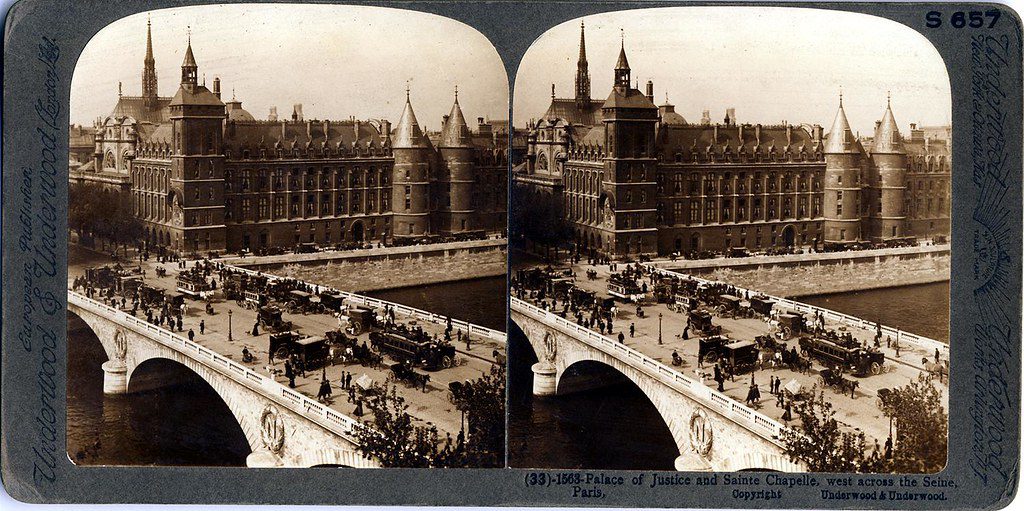
The upper chapel is famous for its fifteen stained-glass windows, along with the large western rose window. The panels present a complex narrative that begins in the Old Testament, continues with the life of Christ, and also addresses the history of the relics and their arrival in Paris. This is not simply a succession of decorative images: the program established connections between biblical history, the king’s mission, and the legitimacy of the Capetian monarchy.
Reading them requires a little patience. The scenes are arranged in medallions and registers, often at a height that makes the details difficult to distinguish at first. Begin with an overview to appreciate the rhythm of the colors, then choose one window and follow its scenes. Crowned figures, gestures, miniature architecture, and heraldic motifs provide valuable clues. The light is never exactly the same: a clear day brings out certain colors, while softer light may reveal other shades. The western rose window, dedicated to the theme of the Apocalypse, offers a more circular composition and brings the discovery to a spectacular close.
Lower Chapel and Upper Chapel
The lower chapel is the logical first step of the visit. Dedicated to the Virgin, it has a more enveloping atmosphere than the upper level. The vaults are lower, the colors of the decoration are rich, and the columns strongly structure the space. Take time to observe the paintings, repeated motifs, and details of the supports: they convey the richness of the polychrome decoration that characterized medieval interiors, often mistakenly imagined as uniformly white or gray.
The ascent to the upper chapel creates a change in scale and brightness. The stained-glass windows occupy almost all the available surface, while the slender piers and arches seem to support a more airy space. Also look up at the vaults and examine the sculptures framing the windows. A first visit can take thirty to forty-five minutes, but an hour allows you to compare the two levels more closely and pause at several scenes. Since the monument is limited in size, it is better to slow down than try to take countless photographs. Check the official rules regarding photography and respect the circulation areas.
Getting There from Paris, Train Stations and Airports
Sainte-Chapelle is located at 10 boulevard du Palais, on the Île de la Cité, in the 1st arrondissement. Cité station, served by metro line 4, is the most direct arrival point. Châtelet and Saint-Michel stations can also work well, with a walk through the historic center. The Saint-Michel–Notre-Dame transport hub is served by the RER B and RER C, which can be convenient from several parts of Paris and for travelers arriving via RER B from Paris-Charles-de-Gaulle. From Paris’s major train stations, the simplest route is generally to make a connection in the city center, then finish on foot or by metro.
From Paris-Orly, plan a connection to central Paris, then continue by metro, RER, or on foot depending on where you arrive. Travel times depend on the time of day, construction, and traffic; check network information on the day of travel. By car, access to the historic center can be slow, and parking is not always convenient. A drop-off in an accessible area followed by a short walk may be more realistic than stopping directly in front of the monument. Security screening at the entrance to the Palais de Justice may also lengthen the journey, so do not plan a tight connection.
What to See Around Sainte-Chapelle
Sainte-Chapelle naturally fits into a day on Île de la Cité. The Conciergerie, located in the former royal palace, complements the visit with a different perspective on the site’s history: medieval architecture, the evolution of justice, and the memory of the French Revolution. The two monuments are next to each other, but their hours, security checks, and reservation procedures must be checked separately. A combined ticket may be available depending on the period; check the official conditions before relying on it.
Notre-Dame de Paris is also nearby and offers a chance to compare two major expressions of Gothic architecture, with distinct histories and access arrangements. After your visit, Quai de l’Horloge offers beautiful views of the Seine and the palace façades. Crossing to the Left Bank brings you to Saint-Michel, the Latin Quarter, and the booksellers’ quays. To the east, Île Saint-Louis offers a more residential walk. For lunch, the Saint-Germain, Rue de la Huchette, and Latin Quarter areas have many restaurants; at peak times, making a reservation can help you avoid a long wait. A balanced itinerary pairs Sainte-Chapelle with just one other monument, then leaves time for a walk.
Practical Tips Before Your Visit
Before setting out, check the official Centre des monuments nationaux page for the day’s hours, any closures, reservation rules, and security-screening requirements. This information may change depending on the season, events held at the Palais de Justice, or conservation needs. Avoid bulky bags and allow plenty of extra time, since the entrance does not operate like that of an ordinary religious building open directly onto the street.
People with reduced mobility or who need special assistance should check the detailed conditions in advance. The historic layout, multiple levels, and circulation constraints may limit some routes. For families, explain before the visit that the stained glass can be read like a monumental comic strip: looking for a king, an animal, or a specific scene makes observation more engaging. Photography enthusiasts will benefit from bringing a versatile lens and focusing on a few carefully composed shots rather than a long series of images. Finally, wear comfortable clothing and combine the visit with an outdoor walk; Île de la Cité is also discovered through its quays, squares, and views of the Seine.
Useful sources
Frequently Asked Questions
Where is Sainte-Chapelle Located?
How much time should I allow for the visit?
Do I need to book before visiting?
What is the easiest way to arrive by public transportation?
Can I Visit the Conciergerie on the Same Day?
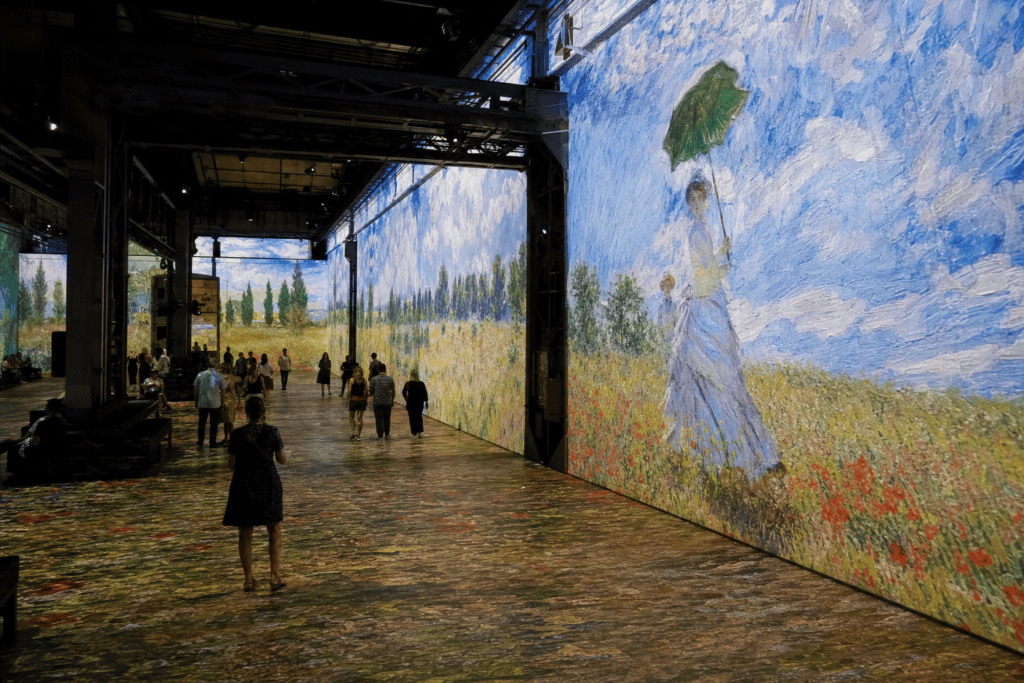 Atelier des Lumières In a former foundry in the 11th arrondissement, Atelier des Lumières combines monumental projections, music, and architecture…
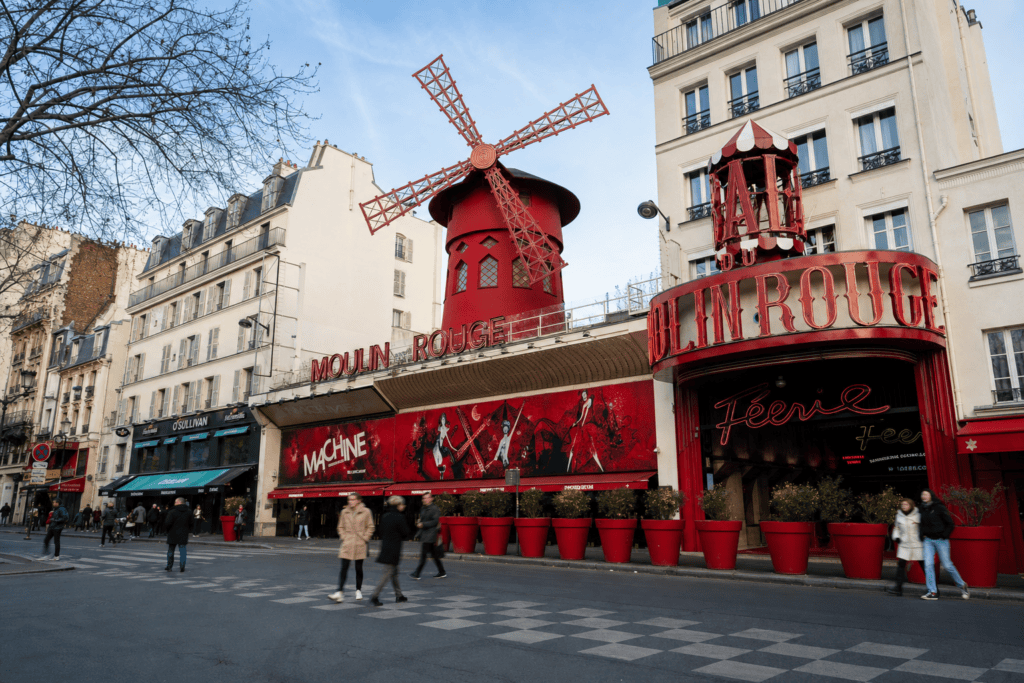 Moulin Rouge A historic Montmartre cabaret, famous for its Féerie revue, spectacular costumes, and the legacy of…
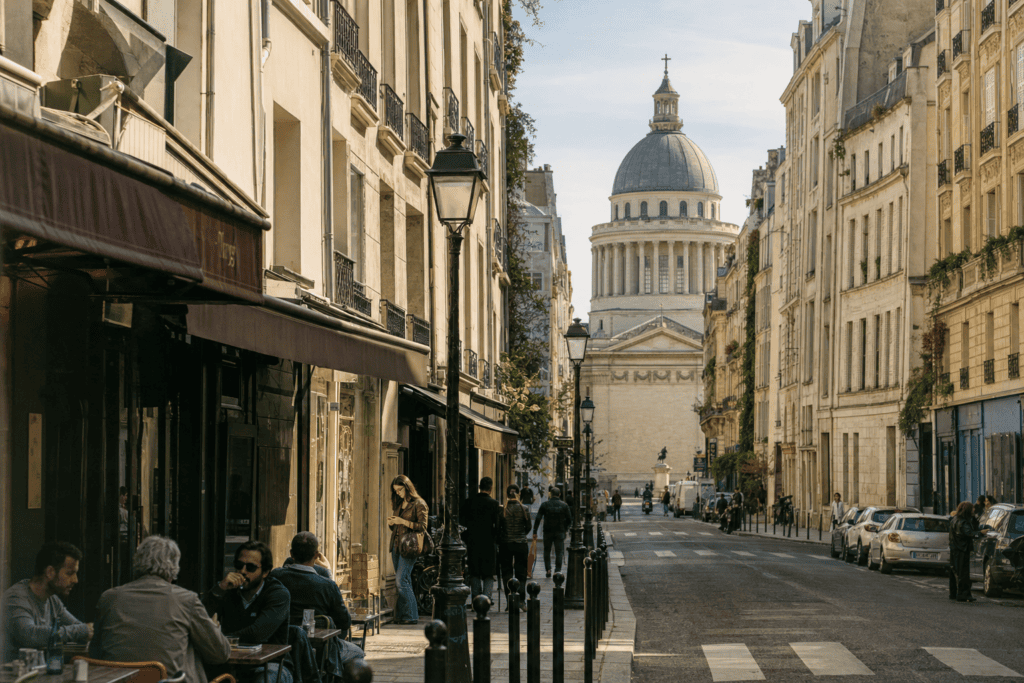 Latin Quarter A lively Parisian neighborhood where ancient remains, universities, museums, bookshops, gardens, and great places to eat come together.
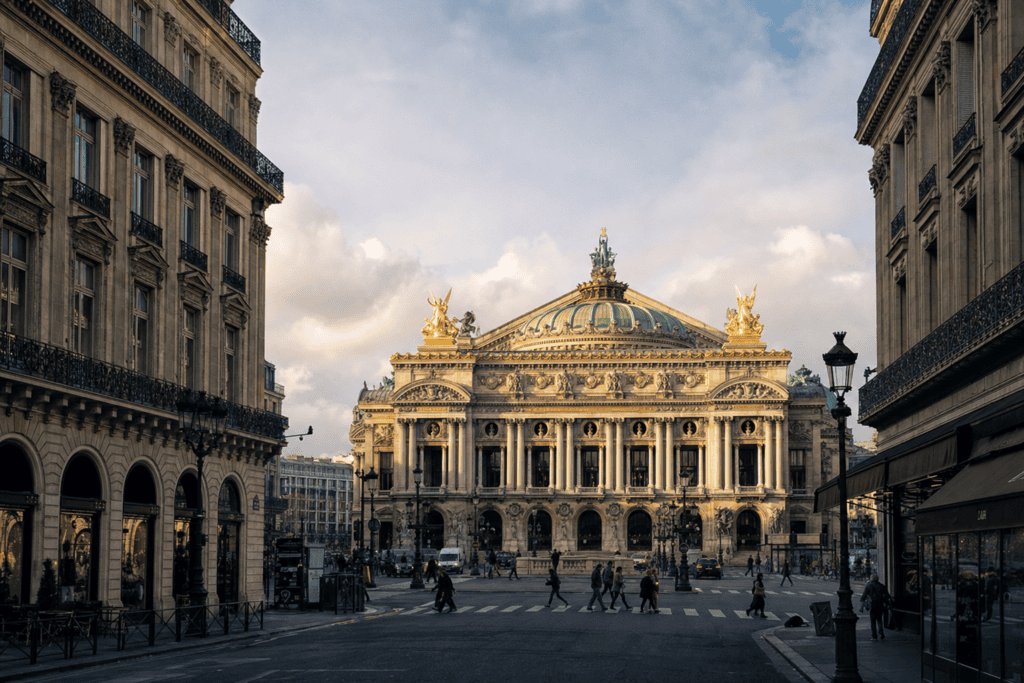 Palais Garnier A monumental opera house worth discovering for its Grand Staircase, foyers, salons, and décor…
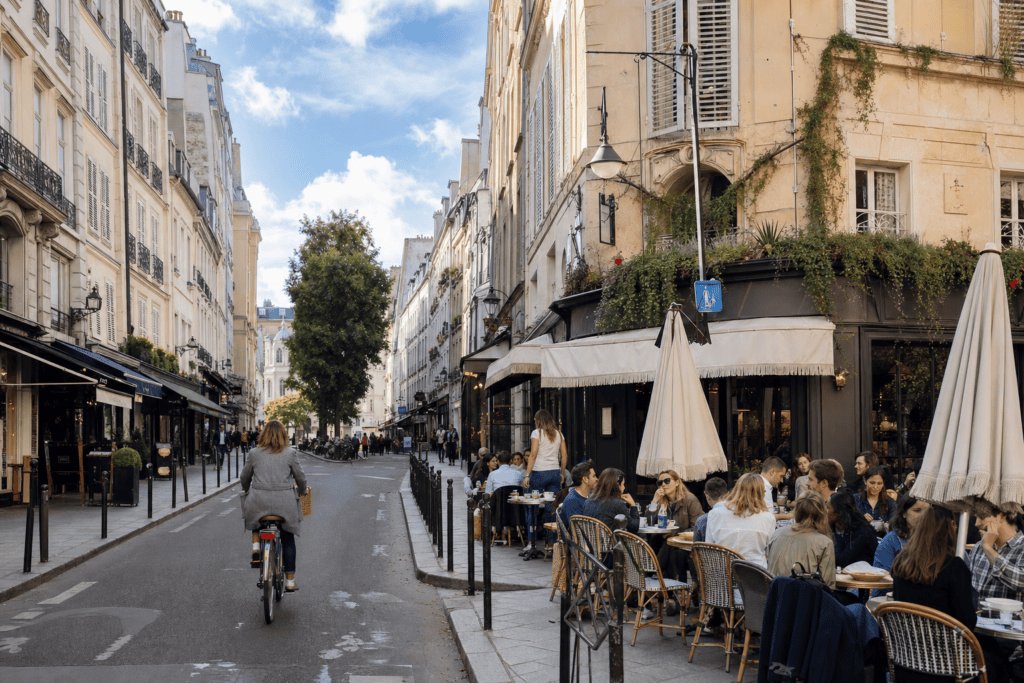 Saint-Germain-des-Prés A Parisian stroll through religious heritage, literary cafés, art galleries, and Left Bank boutiques.
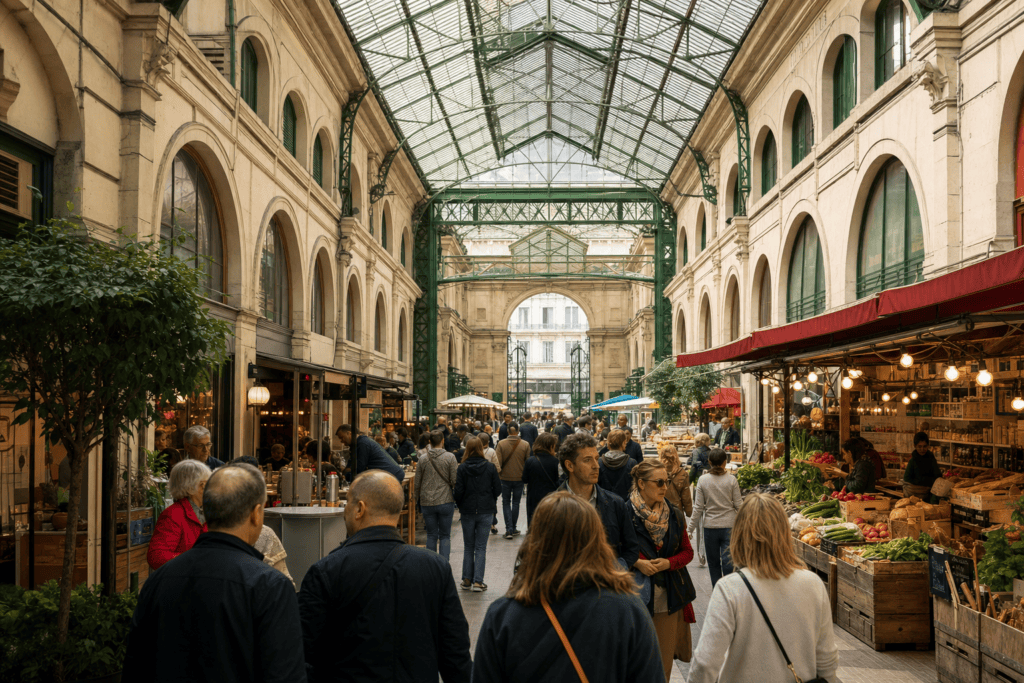 Saint-Quentin Covered Market A covered market hall in the 10th arrondissement between Gare du Nord and Gare de l’Est, ideal for…
Online booking · Paris → 10 Boulevard du Palais, 75001 Paris
Choose your pickup date and time
Your departure and arrival details are already pre-filled. You can adjust them in the fare calculator before viewing the vehicles and fare.