



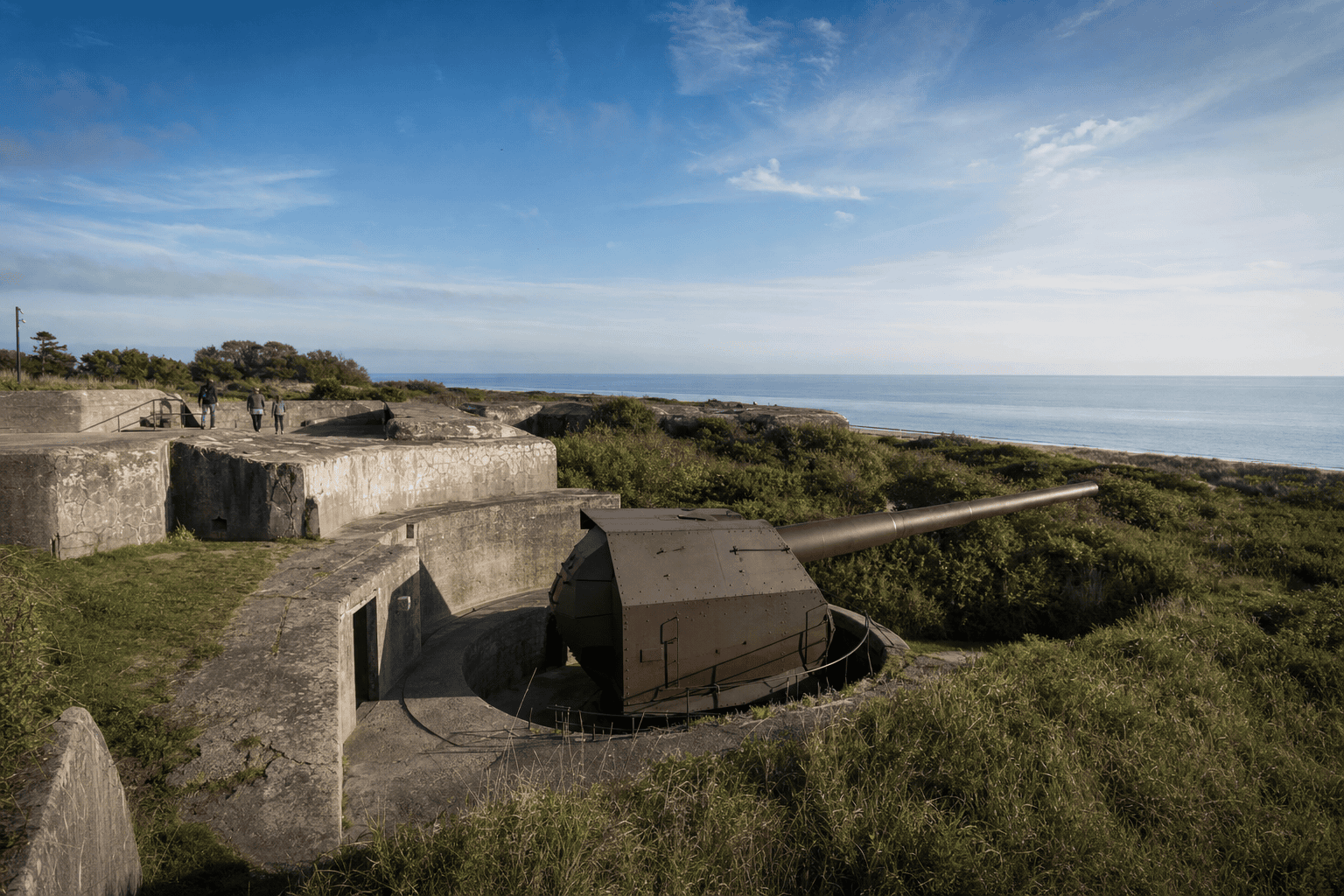
Azeville Battery and the D-Day Landing Beaches
Sainte-Mère-Église
In Azeville, in the Manche department, Azeville Battery reveals the inland side of D-Day. Its concrete casemates, built into the Cotentin hedgerow countryside, show how a German position fit into the Atlantic Wall defenses and why fighting continued far from the shoreline after June 6, 1944. Located about 10 kilometers from Sainte-Mère-Église and roughly 20 kilometers from Utah Beach by road, it is easy to include in an itinerary focused on the D-Day landing beaches. However, check the official information before setting out: opening periods, guided tours, activities, and visitor arrangements may vary by season.
Practical information
Wear closed-toe shoes and clothing suited to the Cotentin’s changeable weather. Groups, children, and people with reduced mobility should contact the site to find out about the actual conditions along the route.
Getting to Azeville from Paris
Depuis Paris, un transport privé Booking Paris Transfer peut organiser votre trajet vers Sainte-Mère-Église, la Batterie d’Azeville, Utah Beach et d’autres sites du D-Day. Le départ peut se faire depuis un hôtel parisien, l’aéroport Charles-de-Gaulle ou Orly, avec retour à Paris ou continuation vers une autre étape de Normandie. Le service concerne uniquement le transport : il ne comprend ni billet d’entrée ni visite guidée et ne constitue pas un service local implanté à Azeville.
Departure from Paris, a Paris hotel, CDG, or ORY; return to Paris or onward travel to another destination in Normandy.
Why visit Azeville Battery?
Azeville Battery offers a complementary perspective on the D-Day landing beaches. Visitors discover not just an isolated remnant, but a military position built into the Cotentin countryside, inland from the coast. The casemates, concrete structures, and passageways make the organization of the German defenses before and during the Battle of Normandy easier to understand.
The site appeals both to military history enthusiasts and to travelers who want a better understanding of D-Day’s geography. The operations of June 6, 1944, were not confined to the coastal sectors: they quickly spread to villages, narrow roads, marshes, and hedgerow-lined lanes. Azeville shows how a fortified installation could help monitor and slow Allied movements.
The visit takes less time than some major museums, making it easy to include in a day trip from Sainte-Mère-Église or Utah Beach. Still, take time to read the panels and place the structures in their landscape. Their rural setting is an essential part of the experience.
An Atlantic Wall battery
The battery belonged to a network of positions built or reinforced by the German army along the coasts of Western Europe during World War II. At Azeville, the concrete structures protected artillery pieces, soldiers, and the spaces essential to operating a military position. Their architecture served the needs of protection, movement, and observation.
The term “Atlantic Wall” refers to a vast and varied defensive system, not a continuous wall. Azeville is particularly useful for understanding this network-based approach. The battery operated alongside other positions, observation posts, military routes, and coastal or inland defenses. It is therefore helpful to place it within the wider Cotentin sector rather than view it as a standalone site.
The visit complements the Airborne Museum in Sainte-Mère-Église, which focuses more on airborne operations, as well as the Utah Beach sector, where visitors can explore the seaborne landings. These places do not tell exactly the same story; visiting them together provides a more nuanced view of the campaign.
Casemates and the visitor route
The route combines exploring the casemates with observing the structures in their surroundings. The thickness of the walls, the succession of rooms, the low light in some areas, and the protected passageways convey the constraints of a fortified installation. Architectural details become more meaningful when you consider their purpose: protecting, storing, communicating, or organizing movement.
Interpretation may include panels, audio materials, guided tours, or activities, depending on the schedule announced by the site. These services may not be available every day. If you would like a guided tour or are traveling as part of a group, check the arrangements directly and make a reservation when required.
The grounds may include steps, uneven surfaces, narrow passages, and changes in lighting. Children must remain under adult supervision. Visitors with specific accessibility needs should ask which parts of the route are accessible on the day of their visit, as conditions may depend on the actual configuration of the tour.
Azeville in the 1944 fighting
Azeville Battery helps explain why the Allied advance through the Cotentin was difficult after the landings. Once the first coastal positions had been captured, troops had to move through a landscape divided by hedgerows, ditches, secondary roads, and wetlands. The fortified structures were one of several obstacles in an environment poorly suited to rapid movement.
The position at Azeville was fought over for several days before being captured on June 9, 1944. This date should be considered within the broader chronology of operations around Utah Beach, Sainte-Mère-Église, and the Cotentin. The official site and specialized historical resources help distinguish events specific to the battery from those taking place simultaneously in nearby communities.
The site’s history also concerns local residents. Bombing, destruction, displacement, and uncertainty deeply affected the local population. Visiting Azeville is therefore not only about the technical capabilities of concrete or artillery; it also means recognizing the human consequences of a campaign that continued through Normandy’s villages.
Itinerary from Sainte-Mère-Église and Utah Beach
Sainte-Mère-Église is a logical starting point for exploring this part of Normandy. From the town center, allow approximately 10 kilometers to Azeville, or about a 15-minute drive depending on traffic and the route chosen. The Airborne Museum can be visited before the battery to introduce the airborne operations and the first hours of June 6.
Utah Beach is approximately 20 kilometers from Azeville by road, with a driving time often around 25 to 30 minutes, depending on the route and stops. This stop provides a maritime and coastal perspective. The distances between the sites are reasonable, but rural roads, breaks, and visiting hours can make for a longer day.
You can also extend the itinerary to Quinéville, Saint-Marcouf, or Carentan. These names refer to different historical sectors: coastal defenses, fortified positions, marshes, and battles for transportation routes. Choose two or three main visits rather than trying to cover everything quickly, and check each site’s hours separately.
Access from Paris, train stations, and services
Azeville Battery is located at the place called La Rue, in the commune of Azeville. From Paris, the journey makes for a long day on the road or a stop during a Normandy trip; having a car makes it easier to combine several sites of remembrance. Consult the site’s official driving directions before setting out, especially if your itinerary passes through Valognes, Sainte-Mère-Église, or Carentan.
Azeville has no train station, and the battery is not directly served by train. Travelers arriving by train in Valognes or Carentan must arrange the final leg by car, taxi, bicycle, or pre-booked transportation. Sainte-Mère-Église can serve as a tourist base, but it does not replace a precise check of local transportation availability, particularly in the off-season.
Do not assume that food, supplies, or every service will be available at the entrance. Bring water and plan for your group’s needs, then check what is available in nearby towns. Since prices, reservations, parking, hours, and visitor rules may change, information published by the battery remains the reference before any visit.
What to see around Azeville
Azeville is part of an exceptional group of sites connected with D-Day. In Sainte-Mère-Église, the Airborne Museum and local memorial sites recall the American paratroopers and airborne operations during the night of June 5–6, 1944. At Utah Beach, the coastline, monuments, and museum spaces explore the seaborne landing of the U.S. 4th Infantry Division. The battery adds a third perspective, focused on German defenses and the fighting inland.
The Carentan area helps explain the importance of marshes and transportation routes in the fighting across the Cotentin. Quinéville and Saint-Marcouf may further your exploration of coastal defenses and battles, but their facilities, hours, and access conditions should be checked separately. Each stop has its own historical focus; it is better to visit with a specific question in mind than to simply accumulate stops.
Bayeux, farther east, offers other museums and memorial sites devoted to the Battle of Normandy. Azeville nevertheless has a distinctive identity: its rural setting shows that D-Day and its consequences transformed an entire region, far beyond the beach line. To respect these places, behave appropriately and follow each site’s specific guidelines.
Frequently Asked Questions
Where is Azeville Battery located?
How much time should I allow?
Can I come by train?
Can Azeville be combined with Sainte-Mère-Église and Utah Beach?
Can visitors with reduced mobility visit the site?
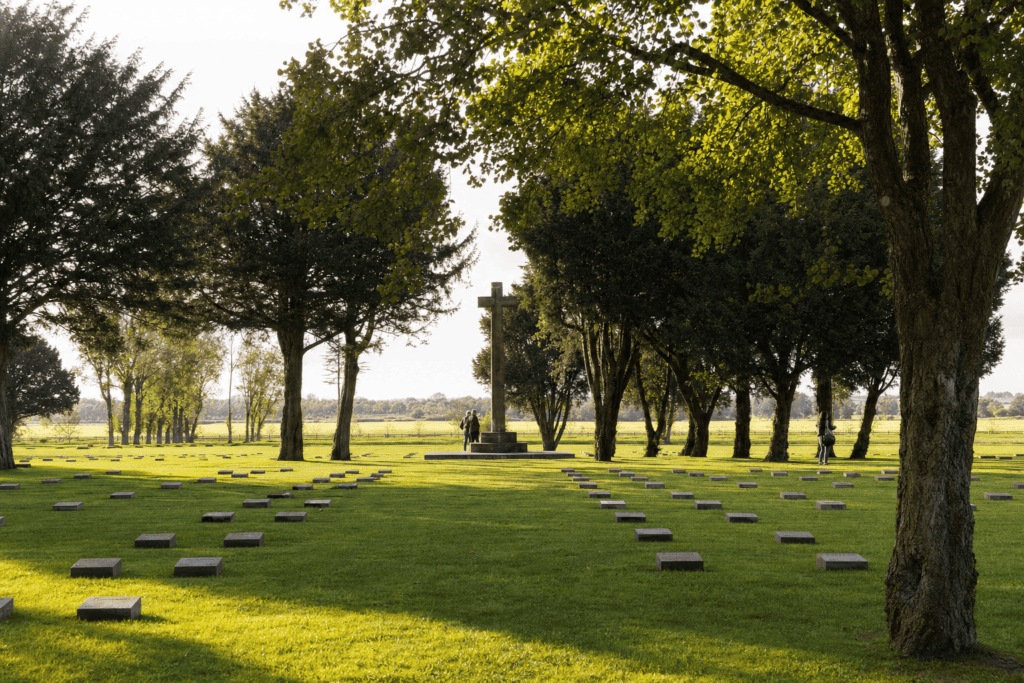 Orglandes German Military Cemetery A solemn German cemetery in the Cotentin, to combine with Sainte-Mère-Église, Utah Beach, and Carentan.
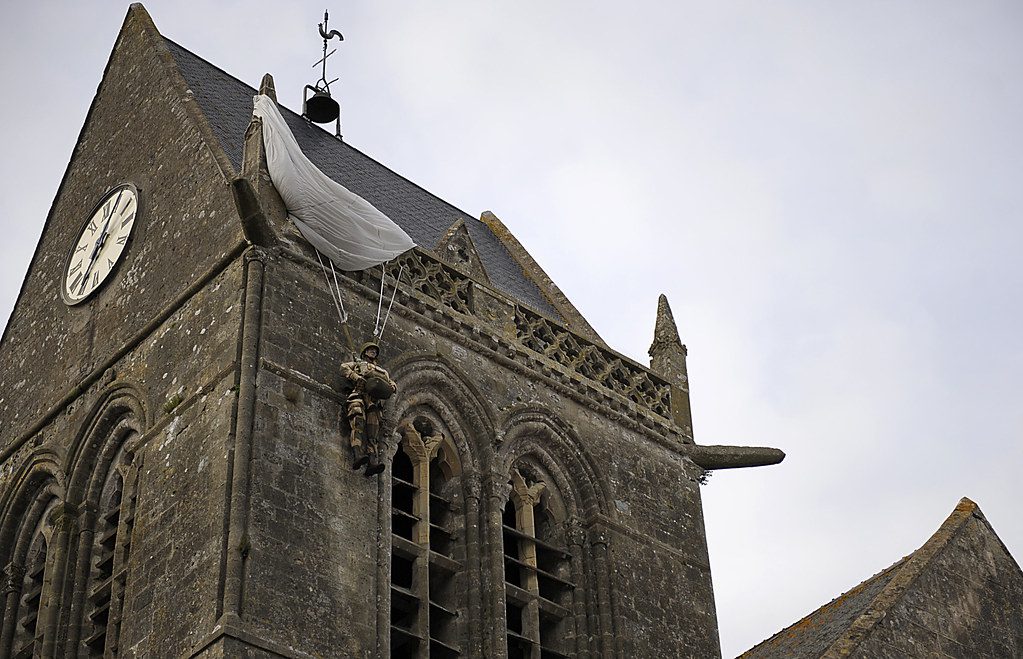 What to Do on the D-Day Beaches from Sainte-Mère-Église A one-day historical route between Sainte-Mère-Église, Azeville, and Utah Beach in the Cotentin.
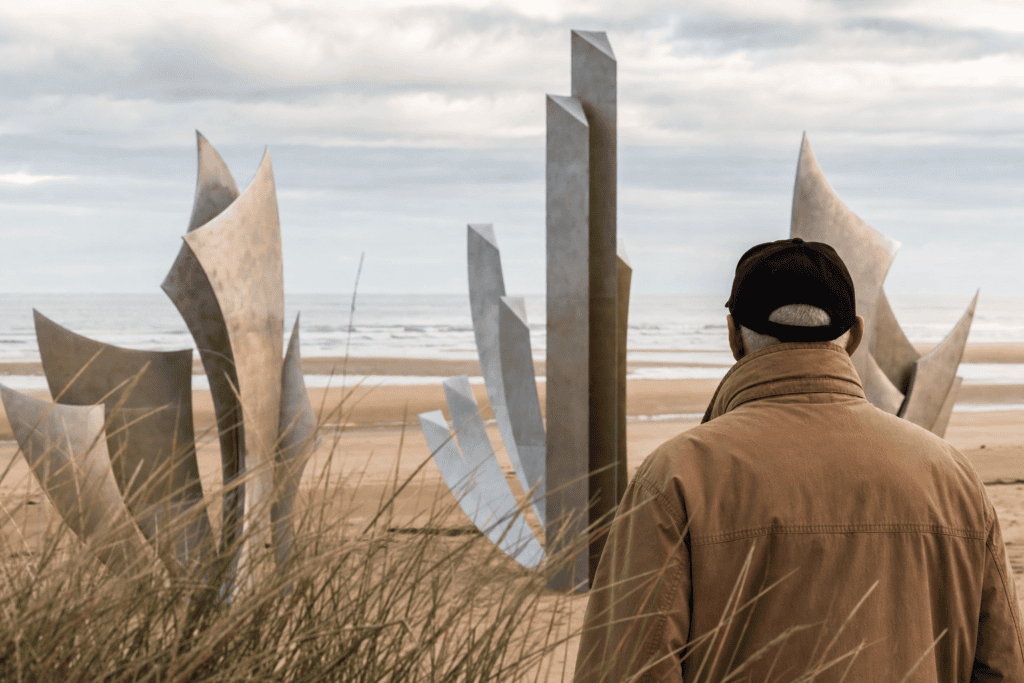 Utah Beach and the D-Day Museum Discover Utah Beach in Sainte-Marie-du-Mont: museum, beach, monuments, and markers along the Liberty Road…
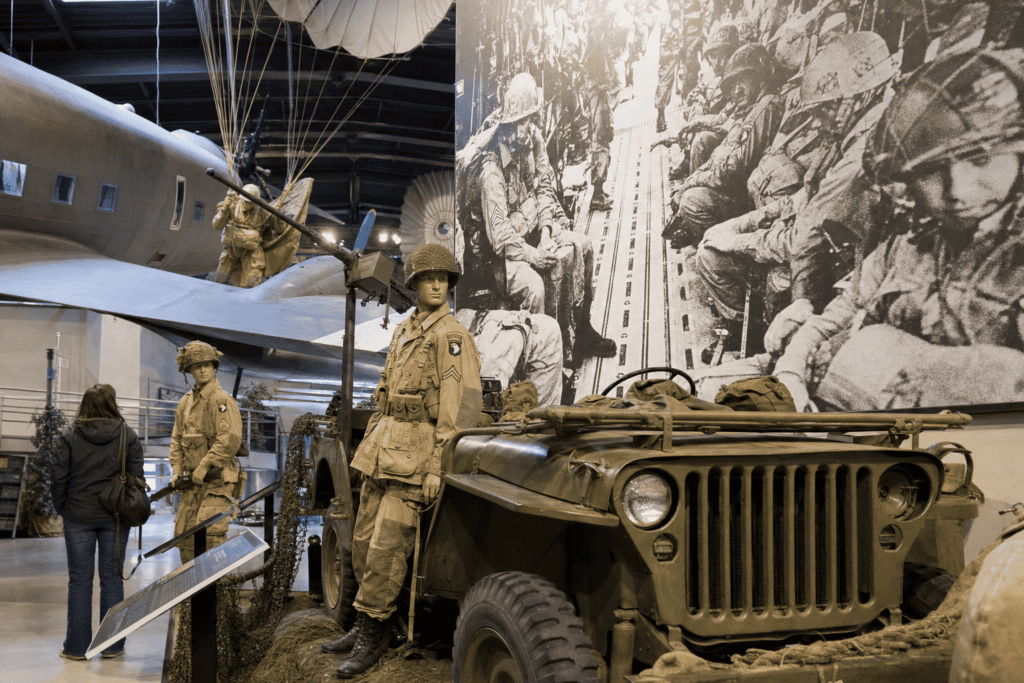 Airborne Museum A major D-Day museum dedicated to American paratroopers and the battles around Sainte-Mère-Église.
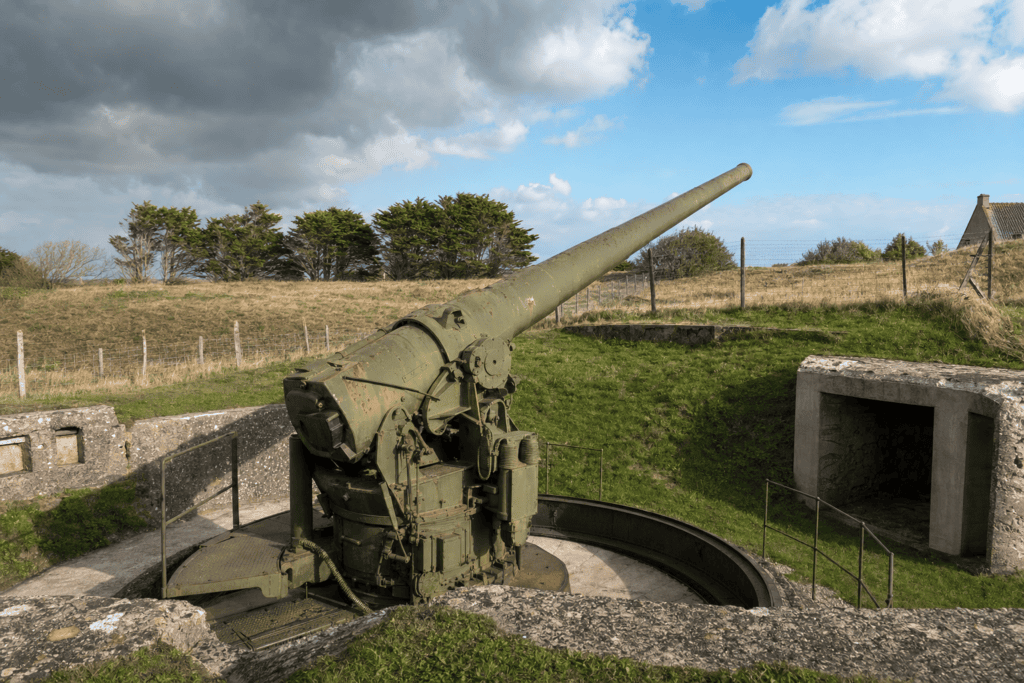 Crisbecq Battery A major fortified site in the Cotentin Peninsula, to discover between Saint-Marcouf, Utah Beach, Sainte-Mère-Église, and other…
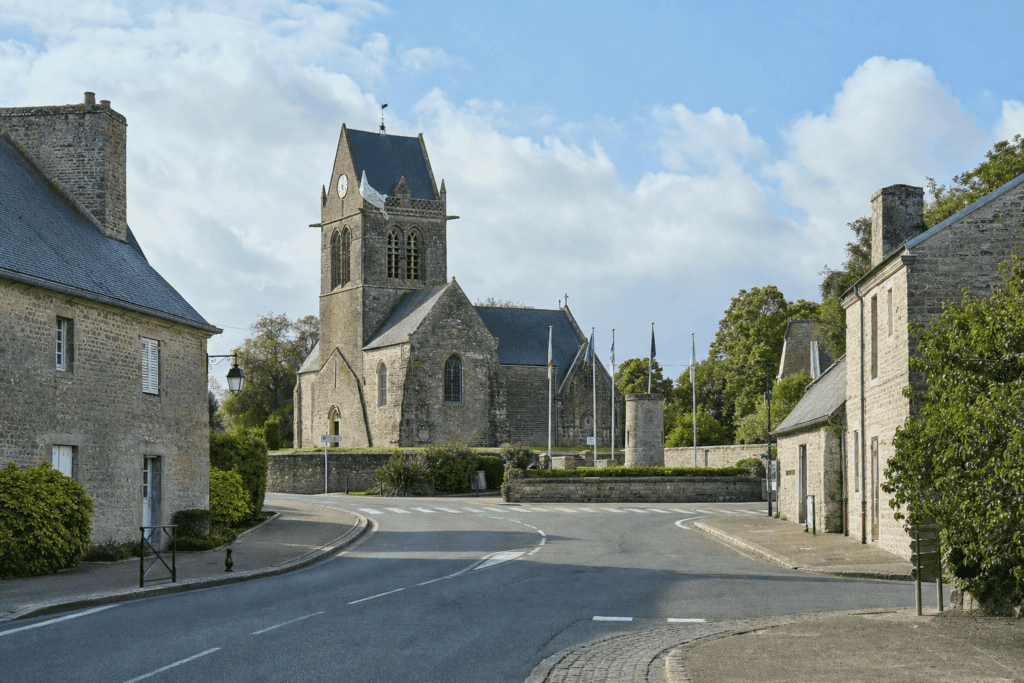 Getting to Sainte-Mère-Église from Carentan, Bayeux or Caen A practical guide to getting to Sainte-Mère-Église from Paris, Caen, Bayeux, Carentan, or Cherbourg and planning an…
Online booking · Paris → La Rue, 50310 Azeville, Manche, Normandy
Choose your pickup date and time
Your departure and arrival details are already pre-filled. You can adjust them in the fare calculator before viewing the vehicles and fare.