



Provence’s Grand Canyon · Provence-Alpes-Côte d’Azur
Gorges du Verdon: Provence’s Grand Mineral Spectacle
Between Alpes-de-Haute-Provence and Var, the Gorges du Verdon form one of France’s most impressive natural landscapes. Limestone cliffs, turquoise water, thyme-scented plateaus, and Provençal villages make up a region best discovered at a leisurely pace, with hiking, scenic viewpoints, and water activities.
Explore the Gorges du Verdon
Top things to see in the Gorges du Verdon
 Museums
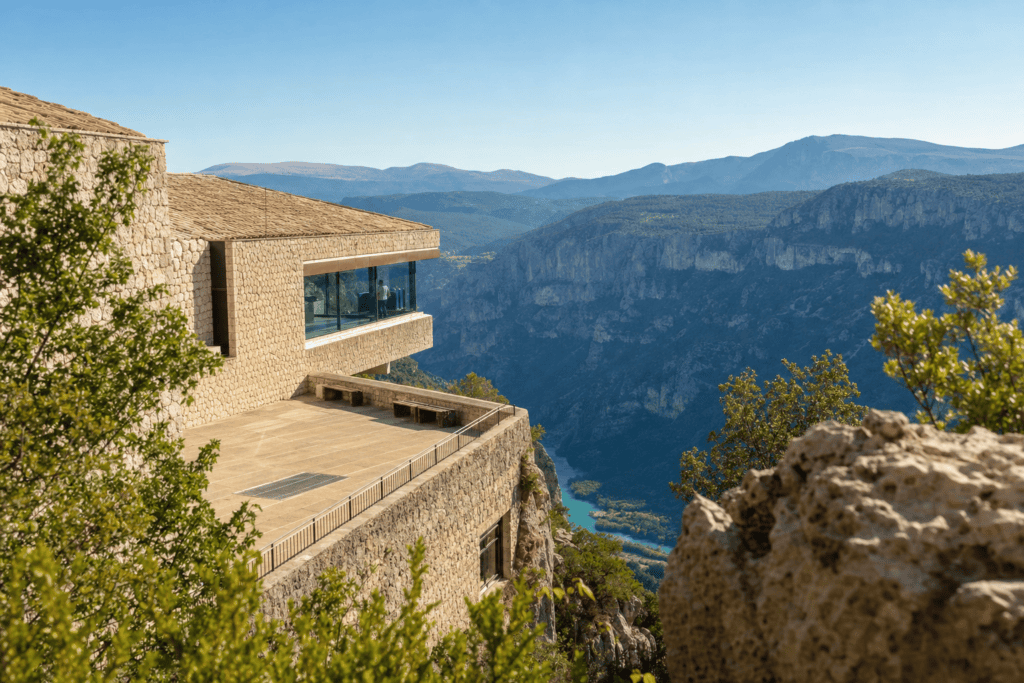
Verdon Gorge Prehistory Museum
In Quinson, a museum dedicated to the prehistory of Provence, with archaeological collections, family-oriented exhibits, and outdoor extensions…
 Must-see
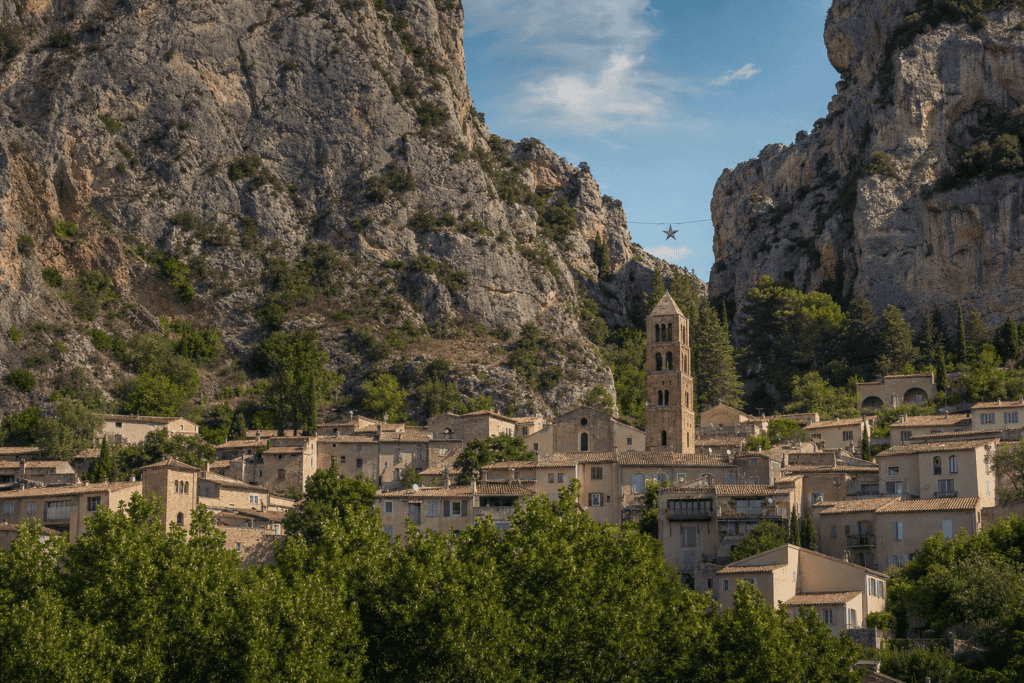
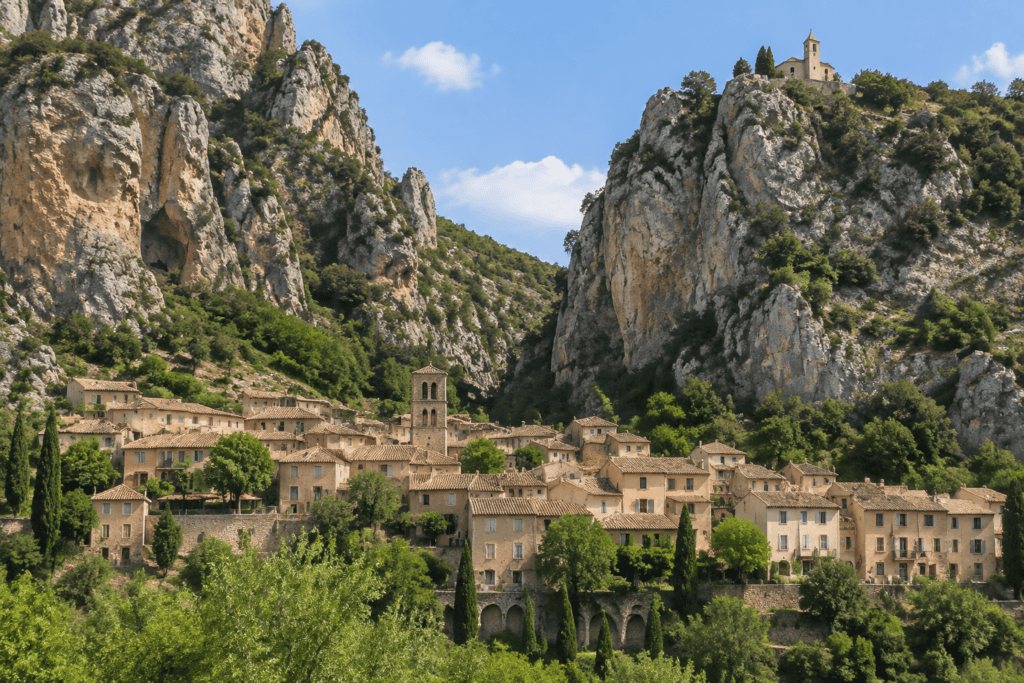
Moustiers-Sainte-Marie
A spectacular Provençal village between two cliffs, known for its narrow streets, faience, and the panorama from the…
 Must-see
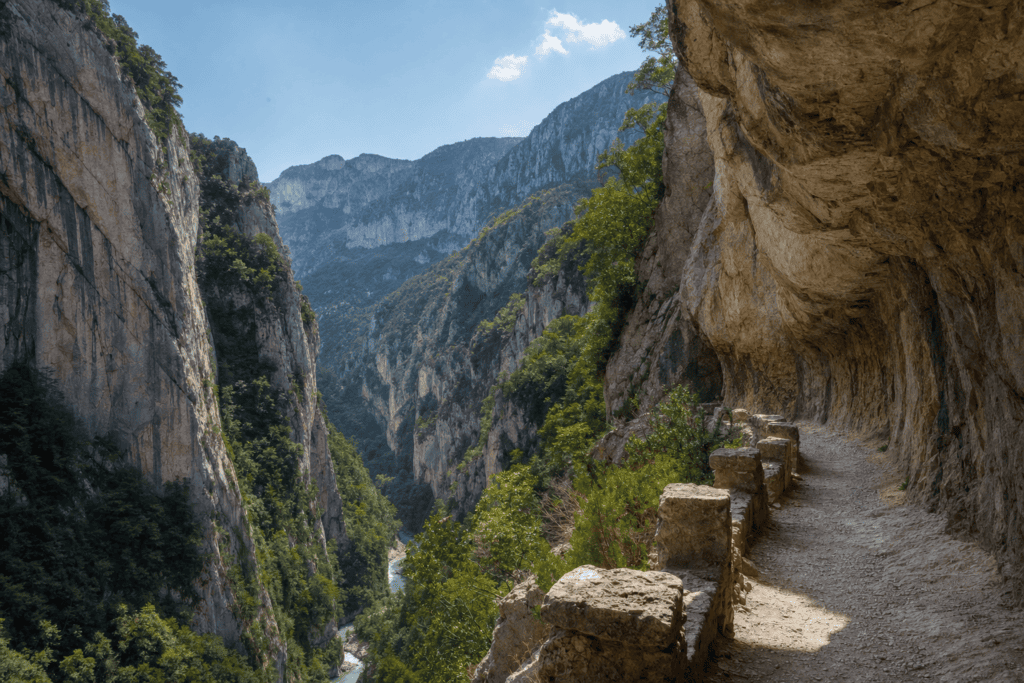
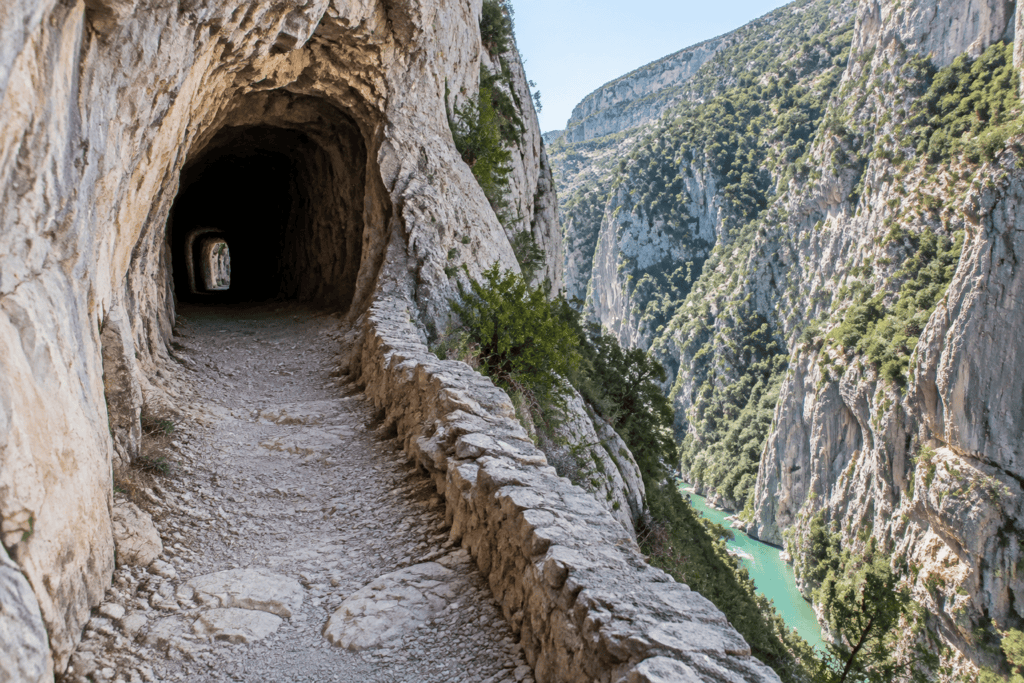
Sentier Blanc-Martel
A spectacular point-to-point hike in the Gorges du Verdon, with stairs, tunnels, and technical sections. Carefully prepare your gear,…
 Must-see
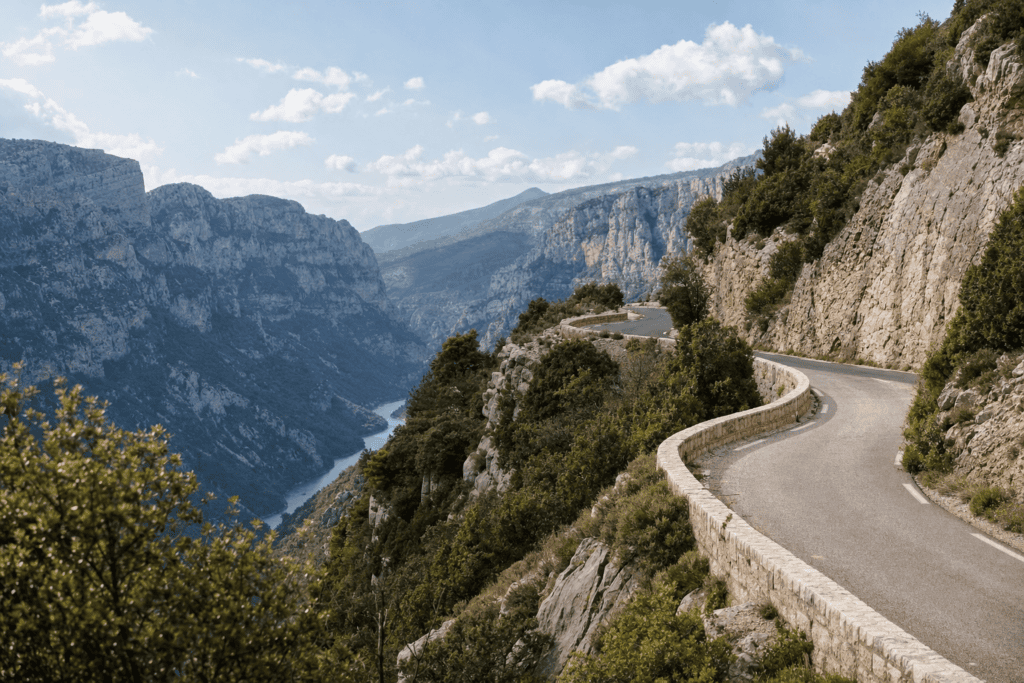
Verdon Ridge Road
A panoramic route above the Verdon Grand Canyon, dotted with viewpoints and spectacular limestone landscapes.
 Must-see
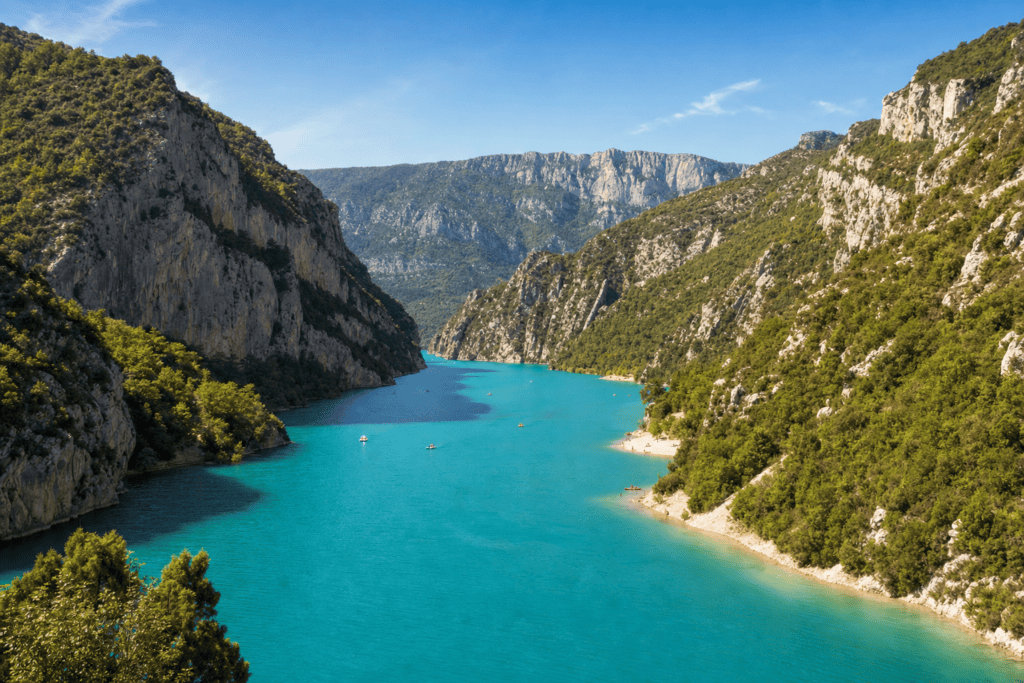
Lake Sainte-Croix
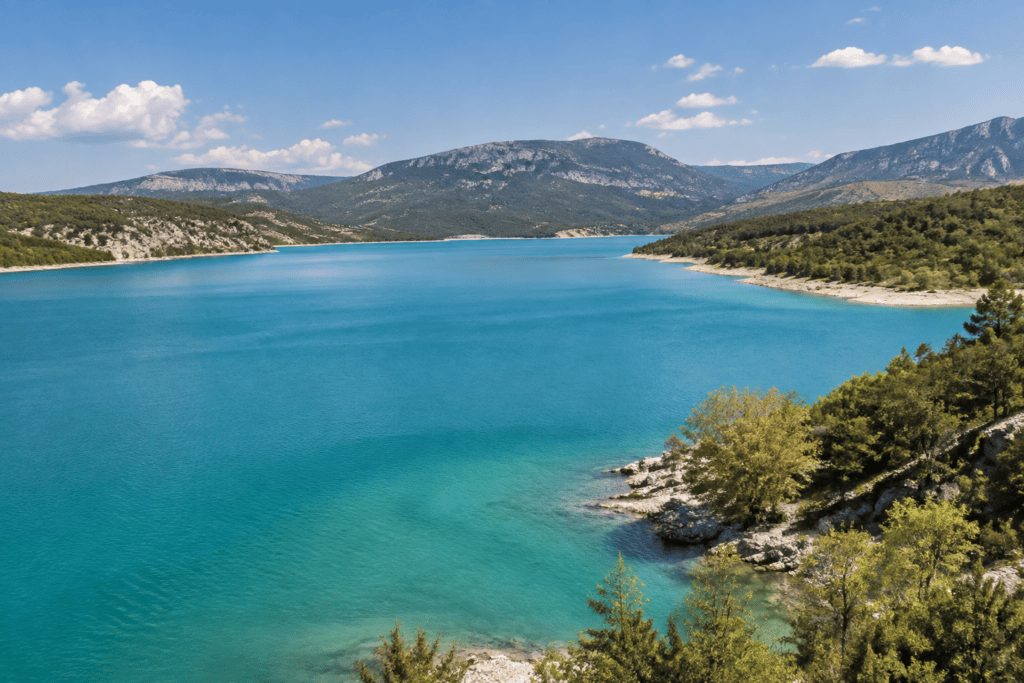
A vast turquoise lake at the gateway to the Gorges du Verdon, ideal for swimming, paddleboarding, kayaking,…
Other destinations to discover
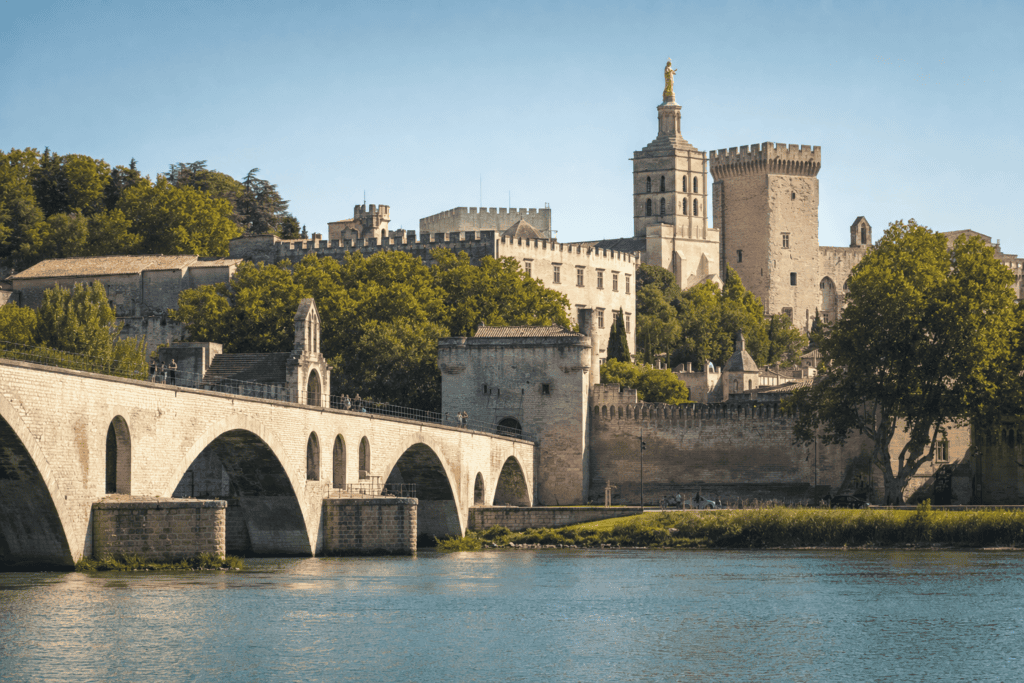
Avignon
A spectacular medieval city centered around the Palais des Papes, the Pont Saint-Bénézet, and the ramparts, in the heart…
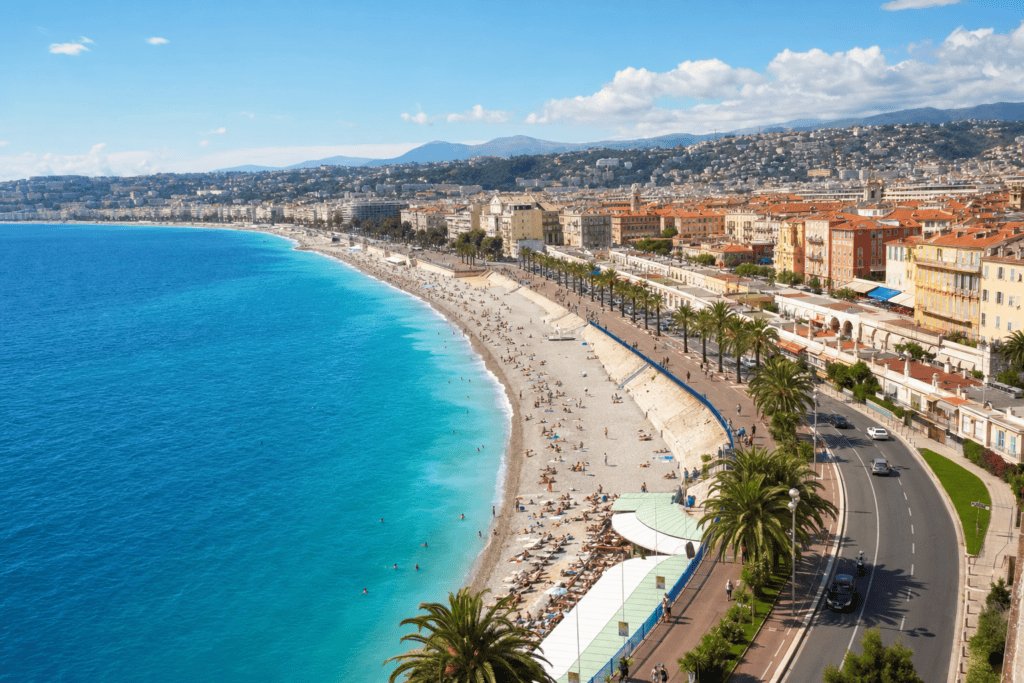
Nice
A bright, vibrant city where the Mediterranean, Belle Époque architecture, the old town, museums, and views over the…
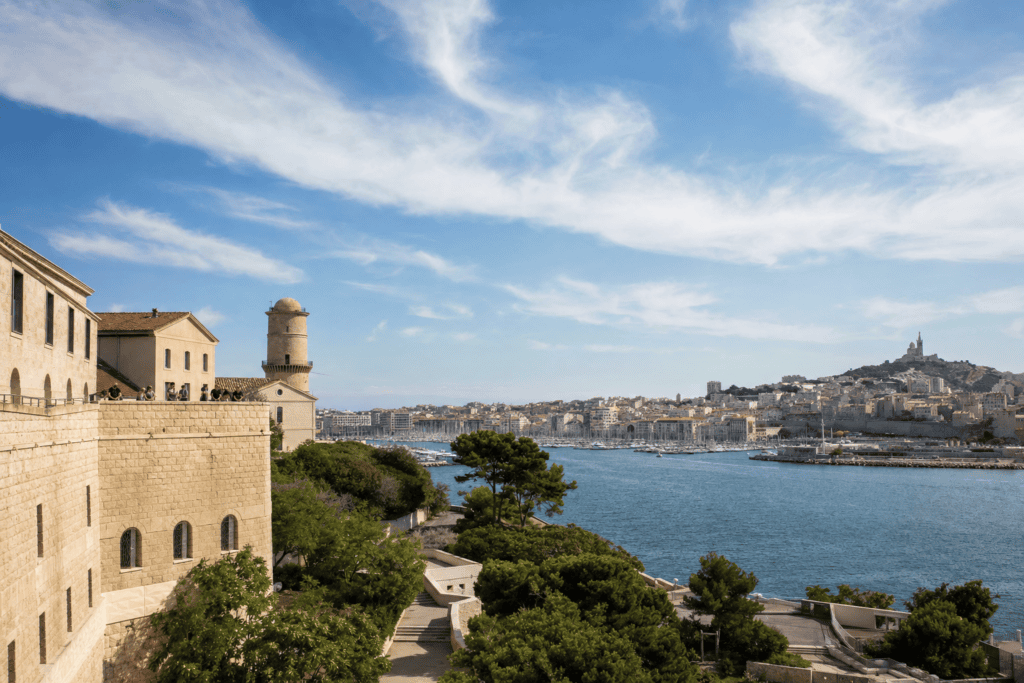
Marseille
From La Canebière to the Calanques, Marseille blends Mediterranean heritage, museums, distinctive neighborhoods, local cuisine, and sea views.
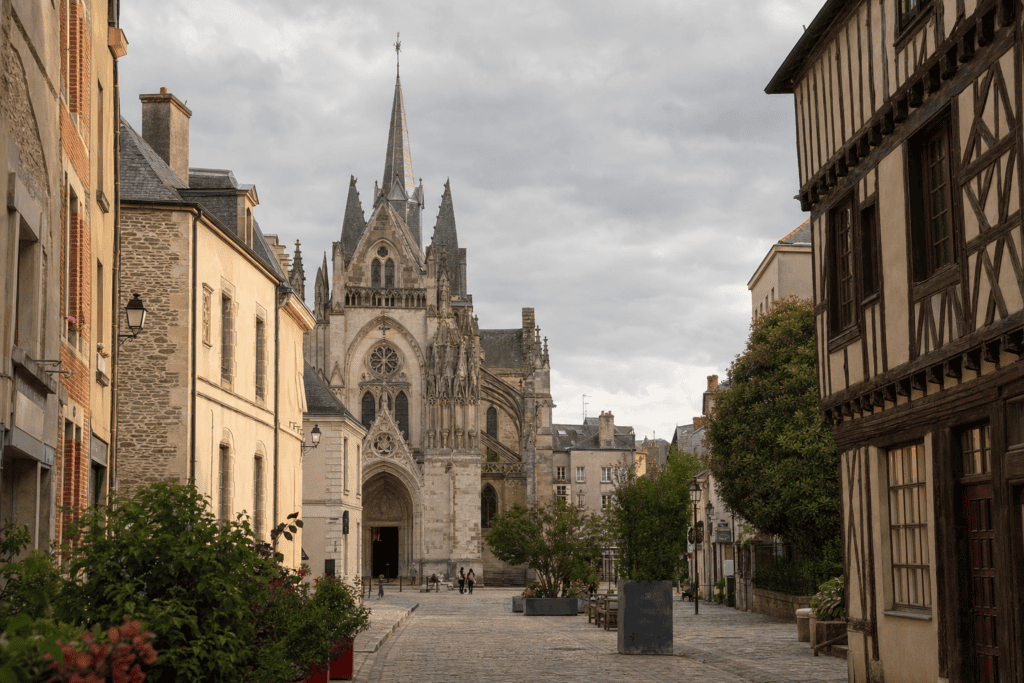
Cholet
A charming town in the Choletais region, known for its textile heritage, museums, gardens, and nature excursions to Maulévrier, the lake…
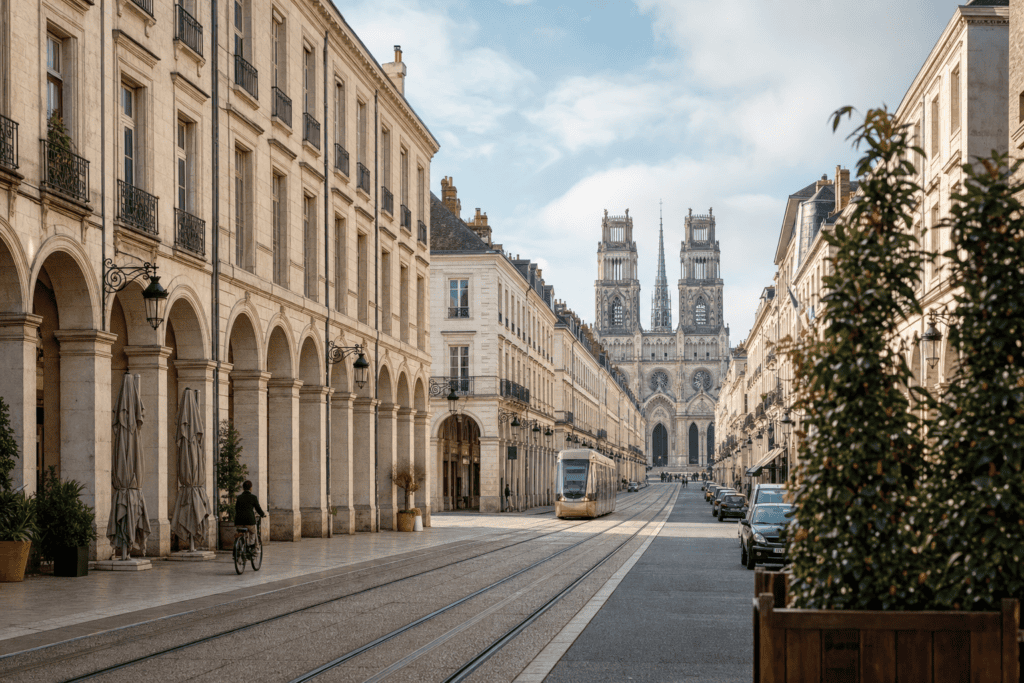
Orléans
With its Gothic cathedral, connections to Joan of Arc, Loire riverfronts, and museums, Orléans offers a cultural getaway…
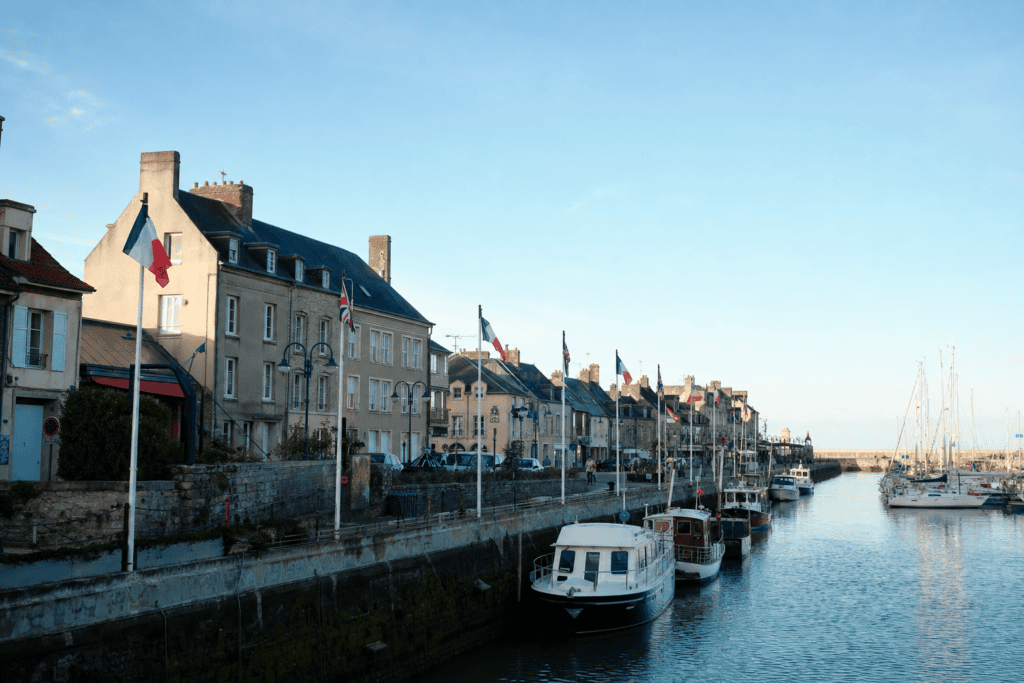
Courseulles-sur-Mer
A Côte de Nacre resort with beaches, a harbor, seafood and Canadian heritage…
DESTINATION GUIDE
Gorges du Verdon Travel Guide
Understanding the Region
The Gorges du Verdon were carved by the Verdon River through Provence’s limestone landscapes. The most spectacular section, often called the Grand Canyon of the Verdon, stretches between Castellane and Lake Sainte-Croix, with cliffs rising high above the river. The entire area lies within the Verdon Regional Natural Park, a much larger region that also includes lakes, agricultural plateaus, the lower gorges, and numerous villages.
The destination should therefore not be reduced to a single scenic road. The gorges can be discovered from the heights, along the trails, from the river, or on the shores of the lakes. The light changes quickly depending on the time of day and the weather: mornings can be especially pleasant for walking, while late afternoon often brings out beautiful colors on the rock faces.
Viewpoints and Scenic Roads
The Route des Crêtes, starting from La Palud-sur-Verdon, is one of the area’s iconic routes. It offers a succession of views over the cliffs and canyon. Plan enough time to stop only in authorized areas and spaces, without slowing dangerously or parking on the shoulders. Traffic can be heavy in peak season, especially when visitors are seeking the same panoramas.
Hall Point Sublime, near Rougon, offers a very accessible overlook of the canyon entrance. Other viewpoints line the roads on both banks. For a first visit, a loop combining La Palud-sur-Verdon, the Route des Crêtes, Rougon, and Point Sublime already provides a good sense of the landscapes. However, driving routes should be planned with a recent map: some roads are narrow, winding, or subject to changing local conditions.
Must-Do Hikes
Hall sentier Blanc-Martel is the best-known hike in the Grand Canyon. It follows the river between La Maline and Point Sublime, crosses steep sections, and includes constructed features such as tunnels. This is not a simple walk: check trail conditions, bring water and sturdy shoes, and arrange your return or shuttle in advance when necessary. Dogs may be prohibited on certain trails, particularly the Blanc-Martel Trail, so check before setting out.
Hall sentier de l’Imbut is known for its spectacular character, as well as its demanding level and exposed sections. It is not suitable for every hiker. The lower gorges, meanwhile, offer more intimate routes, particularly around Quinson and Lake Esparron. In all cases, hiking in the Verdon requires following trail markers, staying away from cliff edges, and taking the summer heat into account.
- For panoramic views: viewpoints along the Route des Crêtes and Point Sublime.
- For a challenging hike: the Blanc-Martel Trail or routes in the Imbut area, depending on conditions.
- For a more family-friendly atmosphere: lakeshores, villages, and developed sections of the lower gorges.
- For a nature-focused experience: guided outings and information from the Park’s tourist offices.
Lakes, Swimming, and Water Activities
Lake Sainte-Croix is the Verdon’s most famous body of water. Its shores offer a more open landscape than the canyon, with areas suited to relaxation and water activities. The lakes of Quinson, Esparron, and Castillon also offer distinct settings, ranging from cliffs and forests to villages.
Canoeing, kayaking, pedal boating, and certain guided activities allow visitors to view the cliffs from the water. Conditions on the river itself are more technical: currents, siphons, and rapid water-level changes related to dams mean that activities should not be improvised. The Park reminds visitors that swimming is prohibited by municipal order in certain parts of the Verdon, particularly in the municipalities of Aiguines, Castellane, Rougon, and La Palud-sur-Verdon. Always distinguish between developed lake areas and river sections where the water may be dangerous.
Villages and Heritage Around the Canyon
La Palud-sur-Verdon is one of the main starting points for exploring the Grand Canyon. Rougon, perched above the Verdon, is associated with Point Sublime. Castellane, the eastern gateway to the gorges, is a convenient stop for combining scenery, heritage, and outdoor activities. On the south bank, Aiguines overlooks Lake Sainte-Croix and offers beautiful views of the surrounding landscapes.
Farther southwest, Moustiers-Sainte-Marie naturally rounds out a visit to the Verdon. The village is known for its spectacular setting between two cliffs, its narrow streets, and its faience heritage. The lower gorges and the Museum of Prehistory of the Gorges du Verdon in Quinson also offer insight into the region’s human history beyond its landscapes.
When to Go and How to Prepare for Your Visit
Spring and early fall are often ideal for hiking, with temperatures generally better suited to exertion than in the height of summer. In July and August, the lakes and viewpoints are very busy. An early start can provide quieter conditions, but you should still check access, any forest restrictions, and the weather forecast.
The Verdon is a destination where self-sufficiency matters. Bring water, sun protection, suitable shoes, a charged phone, and an offline map. Distances may look modest on a map, but winding roads lengthen travel times. For hiking routes, check local information before setting out rather than relying on an old online post.
Protecting the Gorges du Verdon
The site is fragile and heavily visited. It is essential to stay on the trails, take your trash with you, avoid picking plants, and never light a fire, barbecue, or camping stove in natural areas. Wild camping and unauthorized bivouacking are prohibited in the gorges and along the lakeshores. Motorized traffic off open roads is also regulated.
Caution also applies to drones, which can disturb residents, visitors, and wildlife, especially nesting birds of prey. Before flying, check sensitive areas and the applicable rules. By choosing guided activities, spreading visits across several areas, and following the instructions of the Verdon Regional Natural Park, everyone can help preserve this exceptional landscape.
Getting There from Paris
Depuis Paris, les Gorges du Verdon s’intègrent mieux dans un itinéraire de plusieurs jours en Provence ou dans le sud-est de la France que dans une simple excursion. Un trajet privé peut commencer à Paris, à l’aéroport Charles-de-Gaulle ou à Orly, puis relier la destination avec des étapes intermédiaires comme Aix-en-Provence, Manosque, Moustiers-Sainte-Marie ou Castellane. Pour le retour, l’itinéraire peut rejoindre Paris ou l’un des aéroports parisiens. Booking Paris Transfer peut étudier ce type de parcours au départ de Paris ou de l’Île-de-France ; les activités, visites et billets sur place restent à organiser directement auprès des prestataires et sites concernés.
Useful sources
Plan a Paris–Gorges du Verdon Itinerary
The Gorges du Verdon are well suited to a private multi-day itinerary departing from Paris, CDG, or ORY, with stops in Provence and a return to Paris. Booking Paris Transfer can consider the route and its logistical arrangements, without selling admission tickets or presenting itself as a local driver in the Verdon.