



Burgundy-Franche-Comté · Vineyards and Heritage · Burgundy-Franche-Comté
Dijon, Gateway to the Burgundy Vineyards
Burgundy’s historic capital, Dijon combines a remarkably well-preserved old town, a vibrant food culture, and immediate proximity to the Côte de Nuits vineyards. It’s an ideal destination for a few days spent exploring heritage sites, markets, museums, and the Climats of the Burgundy winegrowing region.
Explore Dijon
Dijon’s most sought-after experiences
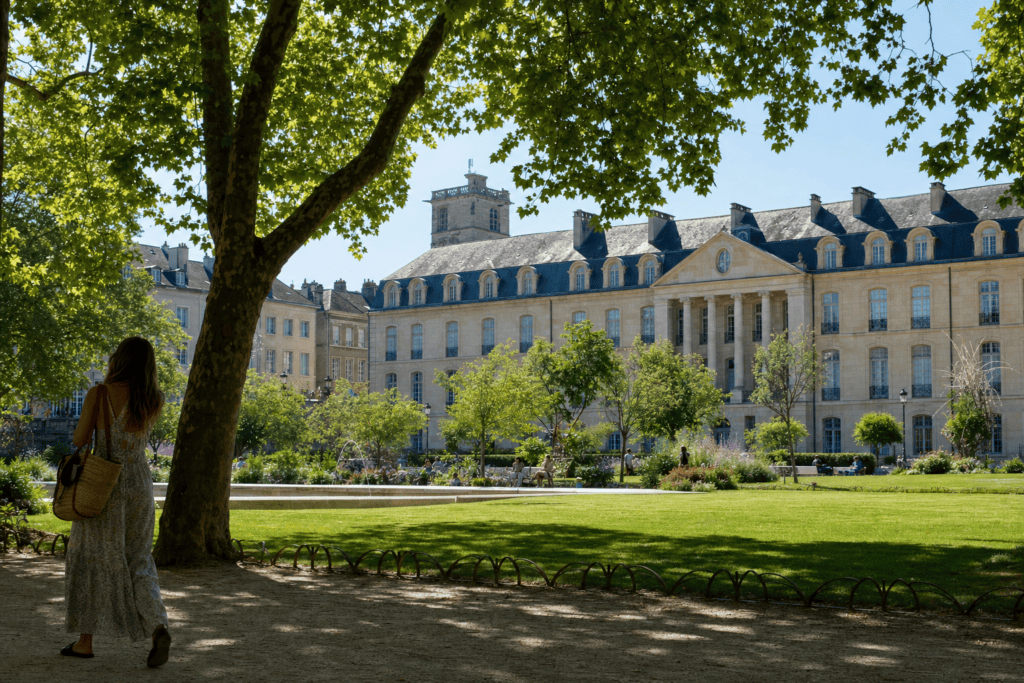 Parks & gardens
Darcy Garden
A historic, elegant garden that’s easy to reach from Dijon train station, known for its pools, terraces…
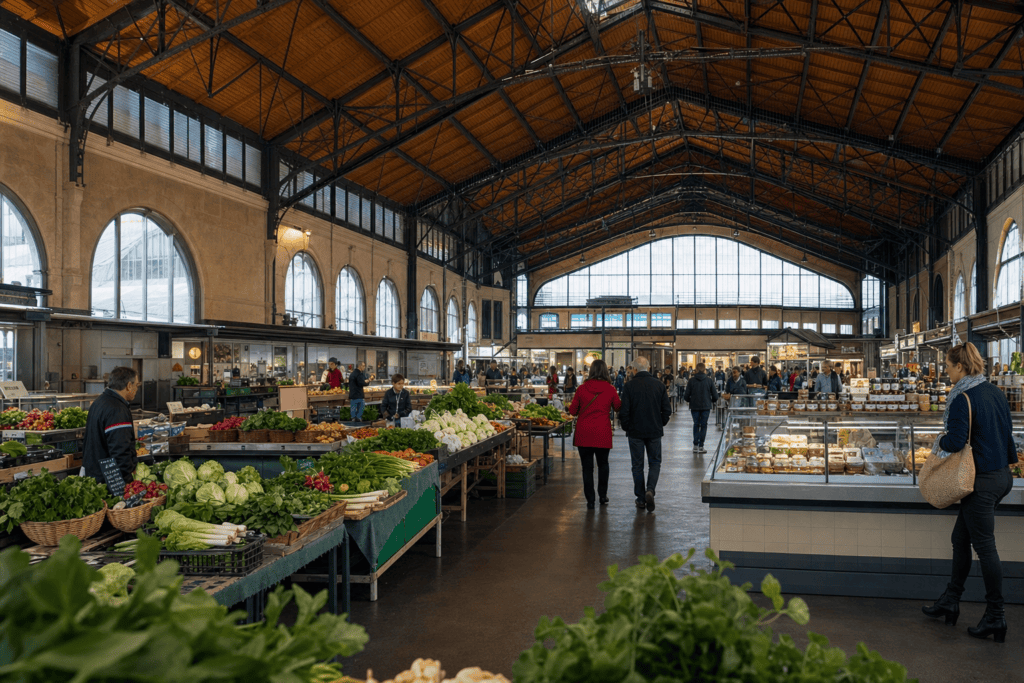 Must-see
Dijon Central Market Halls
An iconic covered market for discovering Burgundy products and the everyday atmosphere of Dijon.
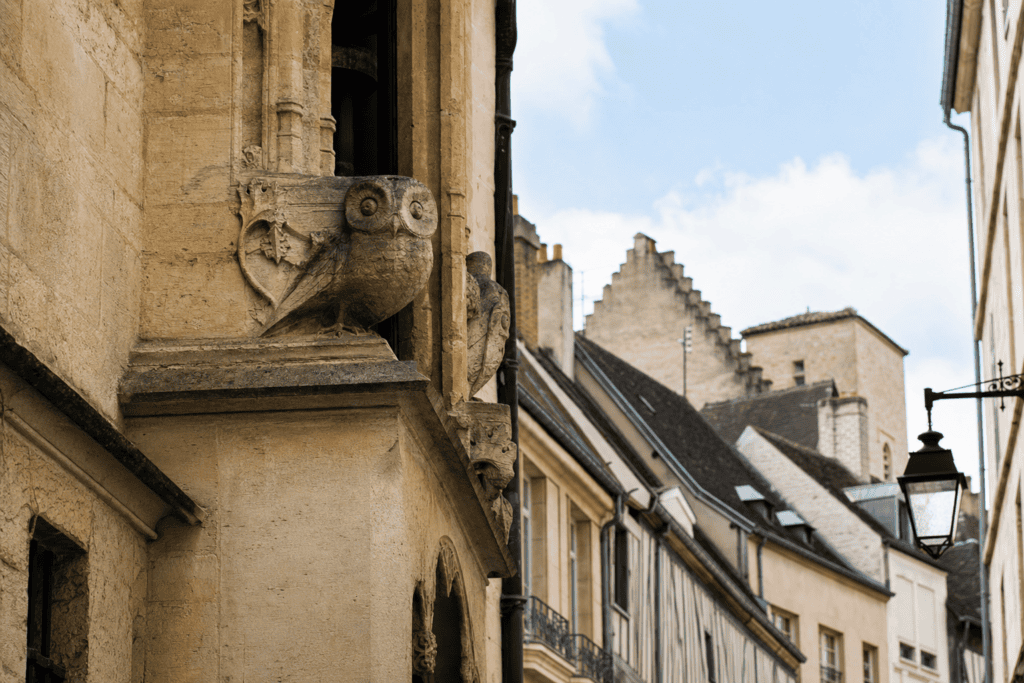 Must-see
The Owl and the Historic Center Trail
A marked 22-stop walking route through medieval streets, private mansions, and major landmarks…
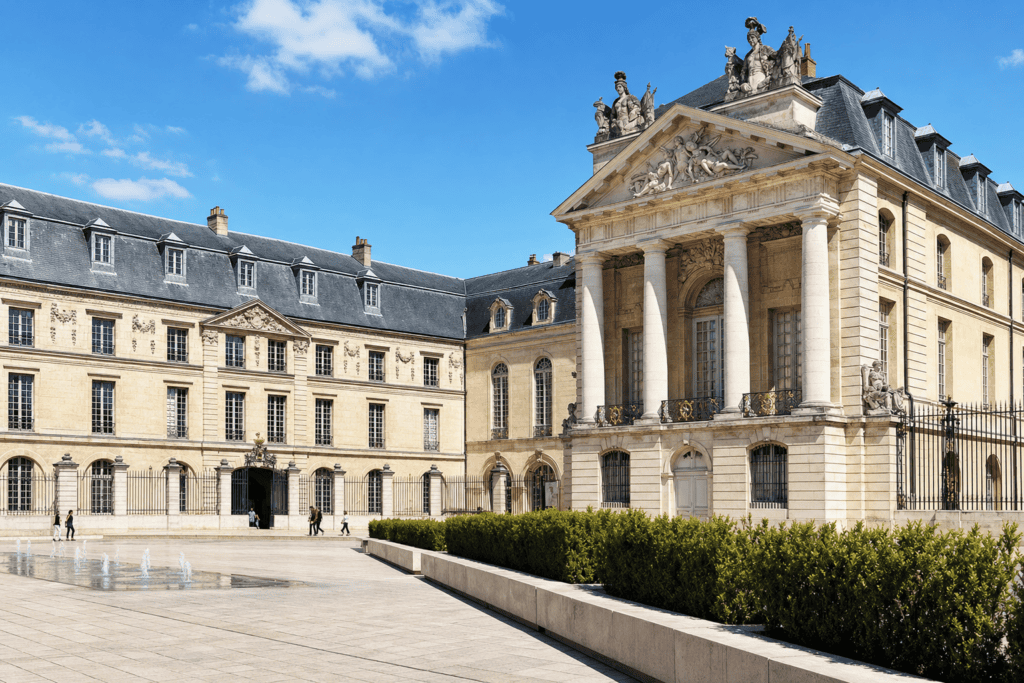 Must-see
Dijon Museum of Fine Arts
A major museum housed in the former ducal palace, renowned for its princely tombs and collections spanning from antiquity…
 Must-see
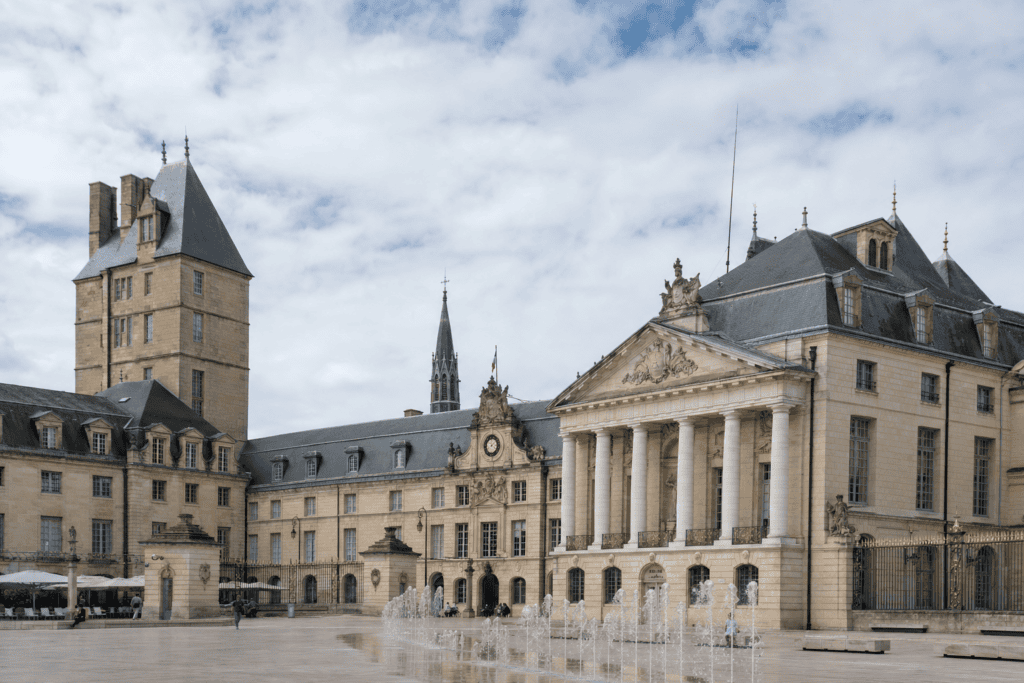
Palace of the Dukes and the Estates of Burgundy
A princely palace in the heart of Dijon, home to the Musée des Beaux-Arts, ducal tombs, the Place de la Libération, and…
Other destinations to discover
Le Mans
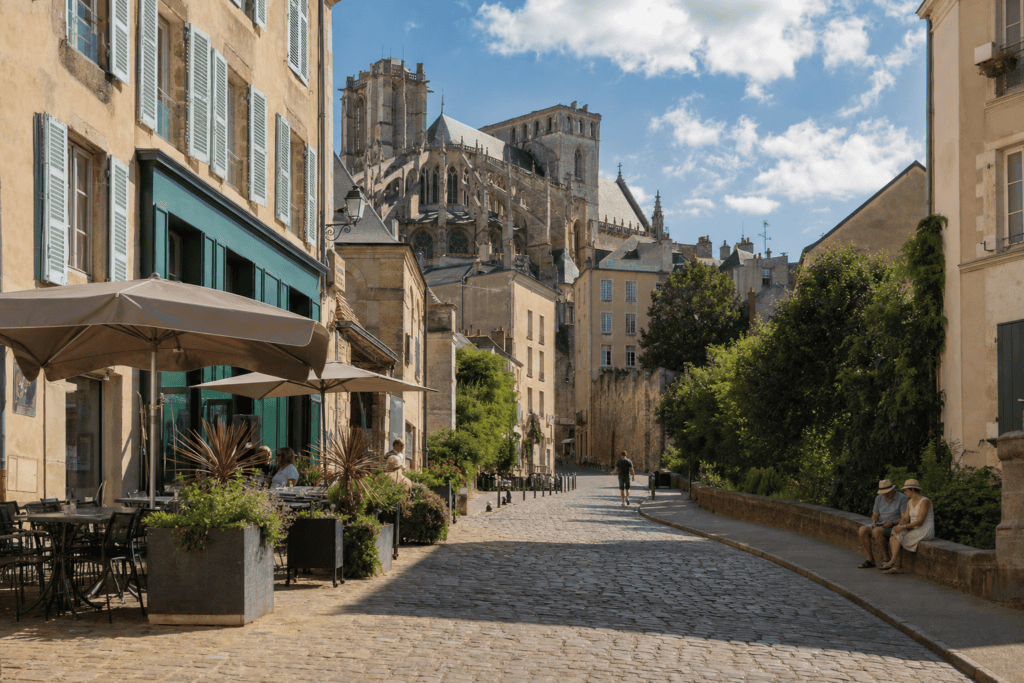
With the Plantagenet City, Saint-Julien Cathedral, and the 24 Hours circuit, Le Mans combines heritage,…
Granville
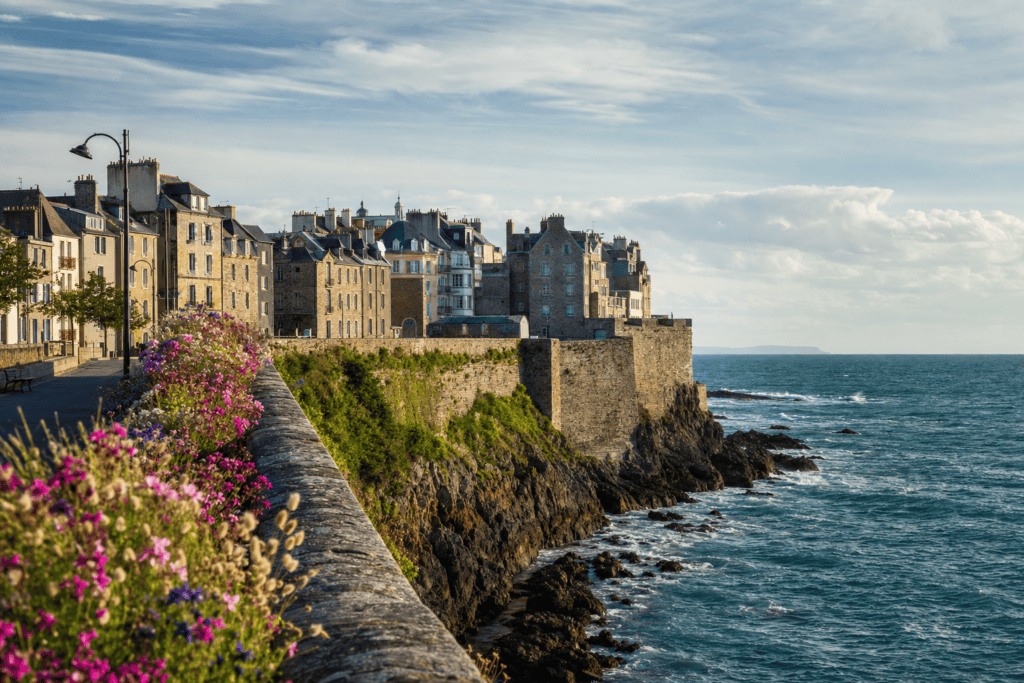
Une cité corsaire et balnéaire tournée vers la Manche, entre remparts, ports, plages, musées et panoramas sur…
Honfleur
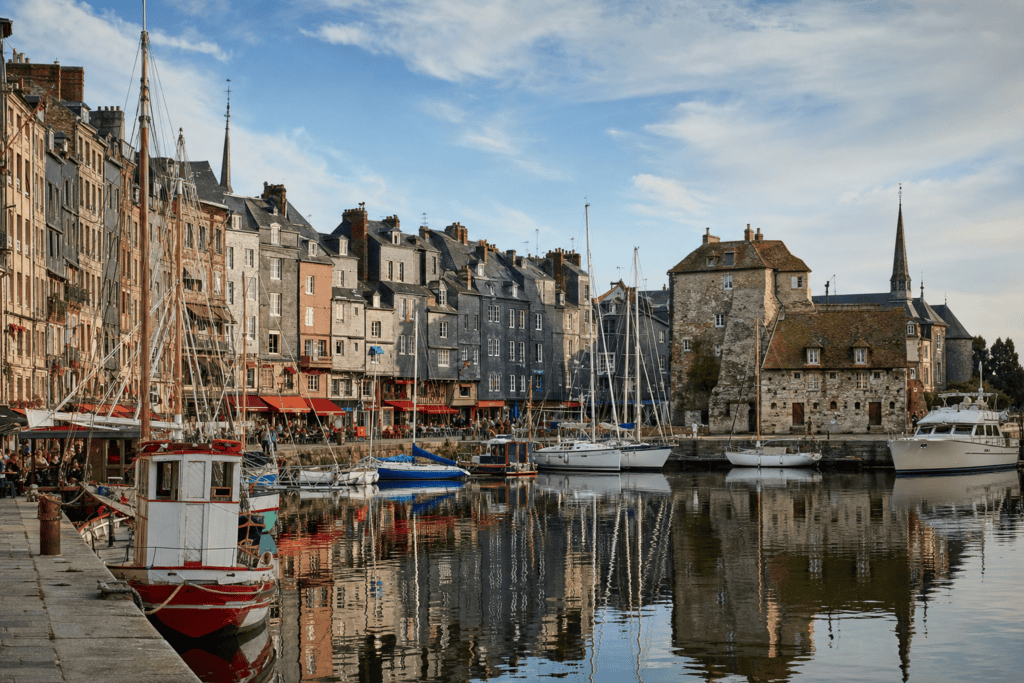
A historic harbor, half-timbered houses, a one-of-a-kind church, and the artistic atmosphere that has…
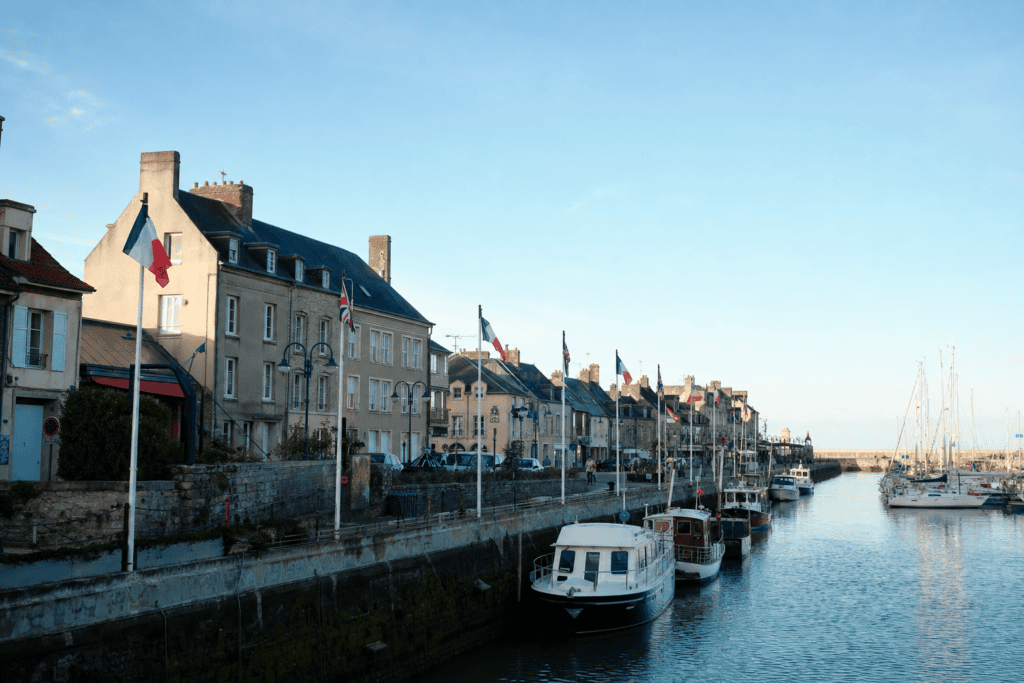
Courseulles-sur-Mer
A Côte de Nacre resort with beaches, a harbor, seafood and Canadian heritage…
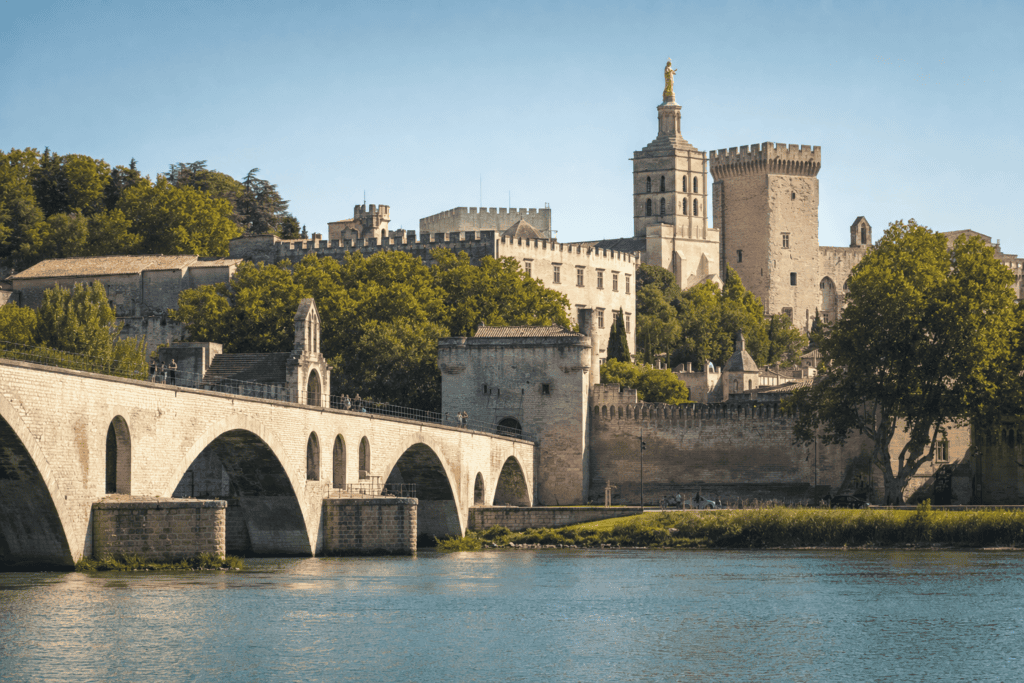
Avignon
A spectacular medieval city centered around the Palais des Papes, the Pont Saint-Bénézet, and the ramparts, in the heart…
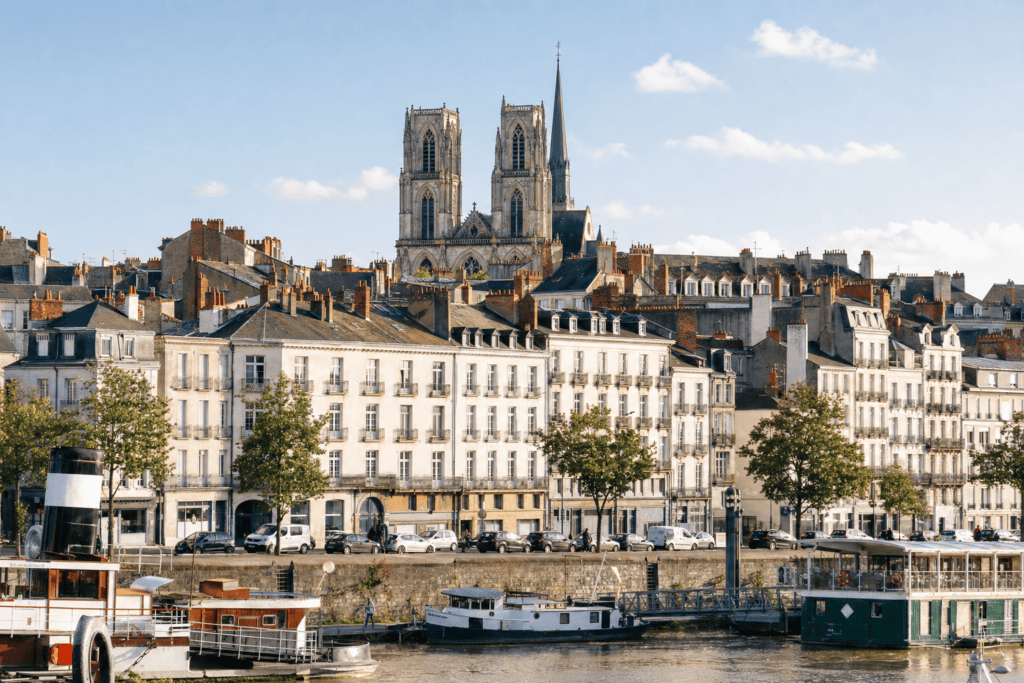
Nantes
An inventive, cultural Loire city featuring a medieval château, contemporary art, industrial heritage, and urban walks.
DESTINATION GUIDE
Dijon Travel Guide
Understanding Dijon Before You Go
Dijon is at once a heritage city, a gastronomic capital, and one of the most natural gateways to Burgundy’s wine country. Its identity was shaped by the Dukes of Burgundy, trade, religious institutions, and a long-standing relationship with the region’s vineyards. The historic center preserves this layered history: a princely palace, private mansions, churches, half-timbered houses, and shopping streets make up an area that’s a pleasure to explore on foot.
The city also holds a special place in the history of the Climats of the Burgundy winegrowing region. This term refers to precisely defined plots identified by their soil, exposure, history, and the wine produced from them. The UNESCO World Heritage site stretches south from Dijon along the Côte de Nuits and Côte de Beaune. Dijon’s historic center is an essential part of it, as the city long played a political and regulatory role in organizing this winegrowing territory.
The Owl and the Historic Center Trail
For a first introduction, the Owl Trail provides a practical route to follow. Its markers on the ground lead to several landmarks and neighborhoods in the protected historic district. The traditional route has 22 stops and takes in the façades on Rue des Forges, Notre-Dame Church, Maison Millière, the private mansions on Rue Verrerie, Saint-Michel Church, and the Palace of the Dukes and the Estates of Burgundy.
The trail is more than a succession of monuments. It reveals Dijon’s urban character: narrow passageways, interior courtyards, glazed-tile roofs, open squares, and former homes of merchants and members of parliament. The carved owl on Notre-Dame has become the city’s symbol. Local tradition says that touching it with your left hand—the hand closest to your heart—will make a wish come true.
The Palace of the Dukes now houses City Hall and the Musée des Beaux-Arts. The complex overlooks the Place de la Libération, one of Dijon’s most iconic spaces. Farther on, Saint-Bénigne Cathedral, Saint-Philibert Church, and Darcy Garden extend the walk into other periods of the city’s history.
Museums, Architecture, and Burgundian Culture
Dijon is especially well suited to a cultural getaway, as several important sites are clustered in and around the old town. The Musée des Beaux-Arts features collections connected to the history of the ducal palace, as well as painting, sculpture, and decorative arts. The Musée Rude, housed in Saint-Étienne Church, offers an introduction to the work and casts associated with Dijon sculptor François Rude.
The city also has a strong gastronomic identity. Dijon mustard remains one of its best-known specialties, but discovery shouldn’t stop there. Markets, gourmet food shops, regional cheeses, gingerbread, Burgundy snails, and Burgundy wines all contribute to a food culture found in the market halls as well as the restaurants downtown.
Dijon’s covered market halls, recognizable by their metal architecture, are a great place to observe local life. The best time to visit depends on the calendar and opening days, so it’s best to check with the tourism office or city authorities before going.
Discover the Vineyards Around Dijon
From Dijon, the Côte de Nuits quickly stretches southward. The nearby wine villages offer a tangible introduction to Burgundy’s landscapes: sloping vineyards, rows of vines, low stone walls, country lanes, walled vineyards, and villages clustered at the foot of the hills. Nuits-Saint-Georges, Gevrey-Chambertin, Morey-Saint-Denis, Chambolle-Musigny, Vougeot, and Vosne-Romanée are all part of this wine-growing region, but each town has its own history and appellations.
An excursion through the vineyards is about more than going from one tasting to the next. It helps you understand the concept of terroir and the diversity of individual plots. Red wines from the Côte de Nuits are primarily associated with pinot noir, while chardonnay plays a major role in Burgundy’s white wines. Producers host visitors according to their own arrangements and availability, so booking in advance is often helpful, especially for estates that welcome visitors by appointment only.
The Château du Clos de Vougeot is an important historic landmark in the winegrowing region. It bears witness to the longstanding role of religious communities in cultivating vines and forms part of the cultural landscape of the Climats. To help preserve these sites, respect private property, stay on authorized paths, and do not enter vineyard plots without permission.
What Itinerary Should You Plan for Two or Three Days?
- One day: historic center, Owl Trail, Palace of the Dukes, museum, and a gourmet break in old Dijon.
- Two days: add the market halls or a market, a more in-depth cultural visit, and an excursion to one or more villages in the Côte de Nuits.
- Three days: plan a full day in the vineyards, alternating heritage sites, landscapes, and appointments with producers, then spend time exploring Dijon’s less central neighborhoods.
Getting around the city center on foot is easy. For the wine villages, a car, pre-booked transportation, or an organized excursion may be more convenient, especially if your itinerary includes several estates. Naturally, wine tasting should always be compatible with road-safety regulations.
When Should You Visit Dijon?
Spring and fall often offer excellent conditions for walking around the city and exploring the vineyard landscapes. Fall brings a special atmosphere to the vineyards, while flowering and foliage highlight the hillsides. Summer is pleasant for enjoying terraces and evenings out, although some places may be busier. In winter, museums, restaurants, and the heritage sites in the city center make it possible to maintain an interesting itinerary even when the weather is less favorable.
Before each visit, check the opening hours and access conditions for museums, estates, and monuments on their official websites. Events, harvests, construction, or agricultural constraints may temporarily affect public access.
Travel to Dijon from Paris with a Private Driver
Booking Paris Transfer peut organiser un trajet privé au départ de Paris, de l’Île-de-France ou des aéroports Paris-CDG et Paris-Orly vers Dijon. Pour un séjour œnologique, l’itinéraire peut aussi commencer à Paris, inclure Dijon et plusieurs villages de la Côte de Nuits, puis prévoir un retour vers Paris. Le service concerne le transport, pas la vente de billets d’entrée ni l’accueil local de visiteurs.